Which Silicone O-Rings Meet FDA Standards for Coffee Injector Seals?
I remember the first time I helped a buyer find O-rings for coffee equipment. They picked the cheapest option. Three months later, they faced a product recall. The wrong seals leached chemicals into beverages.
Silicone O-rings that meet FDA CFR 21 Part 177.2600 standards work for coffee injector seals. I recommend platinum-cured silicone because it handles high temperatures without leaving taste residues1. These O-rings must resist hot liquids and oils while maintaining their shape.
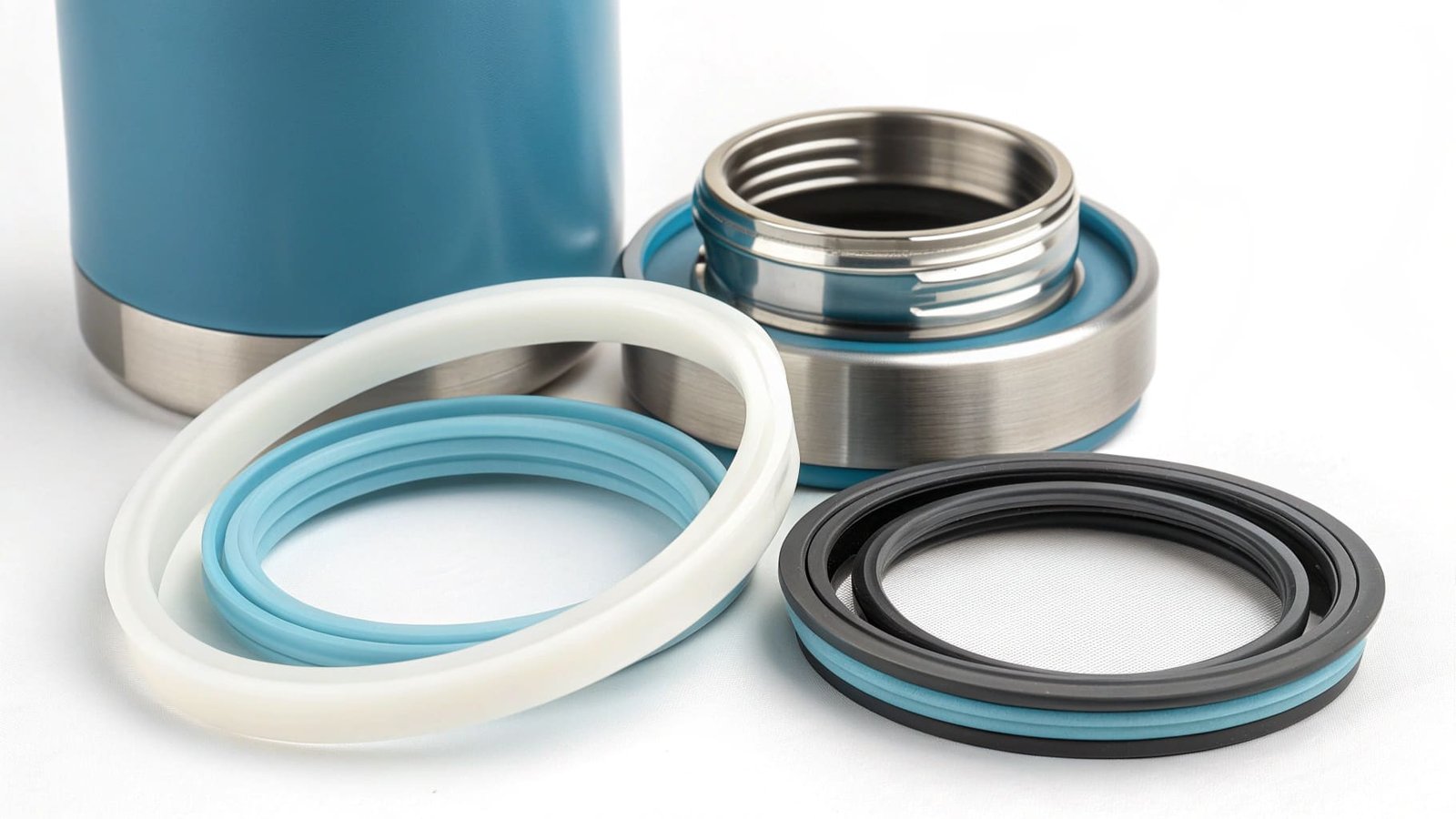
Let me walk you through the exact requirements. I have worked with coffee equipment manufacturers for years. I know what separates compliant products from regulatory nightmares.
Which silicone sealant is food safe?
My clients often ask me this question when they start their procurement process. They assume all silicone is the same. This mistake costs them time and money.
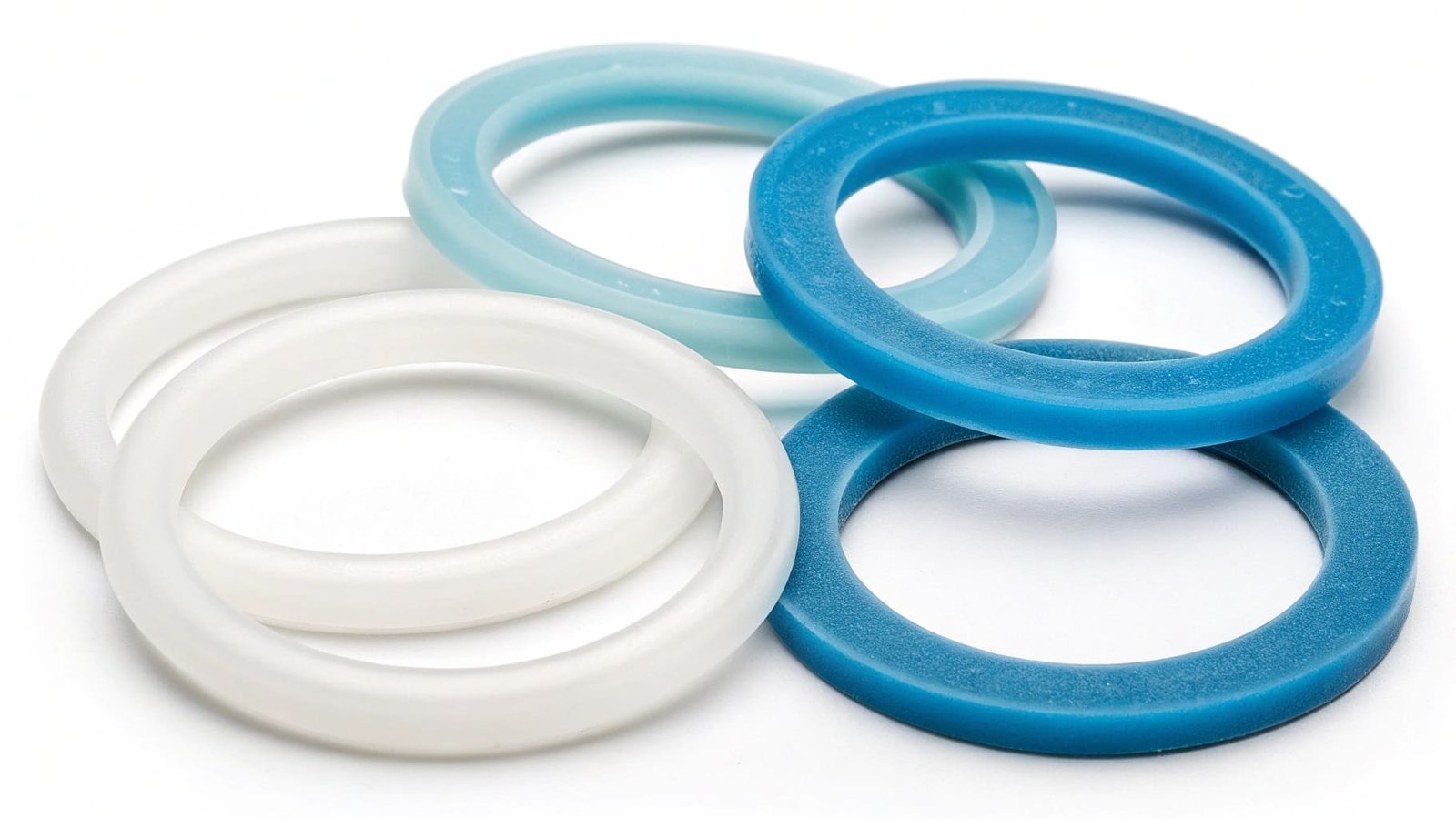
Food-safe silicone sealants contain zero toxic additives. They pass migration tests that measure whether substances transfer to food2. I only source materials that come with third-party test certificates.
Understanding Food-Safe Formulations
I check three things when I evaluate silicone sealants. First, the manufacturer must avoid low molecular weight siloxanes in the formula. These compounds can migrate into food products during use. Second, I verify that no volatile organic compounds appear in the material composition. Third, I confirm the curing process uses platinum catalysts instead of peroxide.
The coffee industry has specific challenges. Brewing involves both heat and acidic compounds. These conditions accelerate material breakdown if you use industrial-grade silicone. I learned this when a customer complained about strange tastes in their coffee. We traced it back to peroxide-cured seals that released organic residues under heat.
| Feature | Food-Safe Silicone | Industrial Silicone |
|---|---|---|
| Toxic Additives | None | May contain |
| Curing Method | Platinum | Often peroxide |
| Migration Testing | Required | Not required |
| Temperature Resistance | High | Variable |
| Taste Impact | None | Possible |
Is silicone safe to cook with FDA?
One of my customers wanted to expand into the US market. They asked me if their silicone seals would pass FDA scrutiny. I had to explain the difference between general safety and FDA compliance.
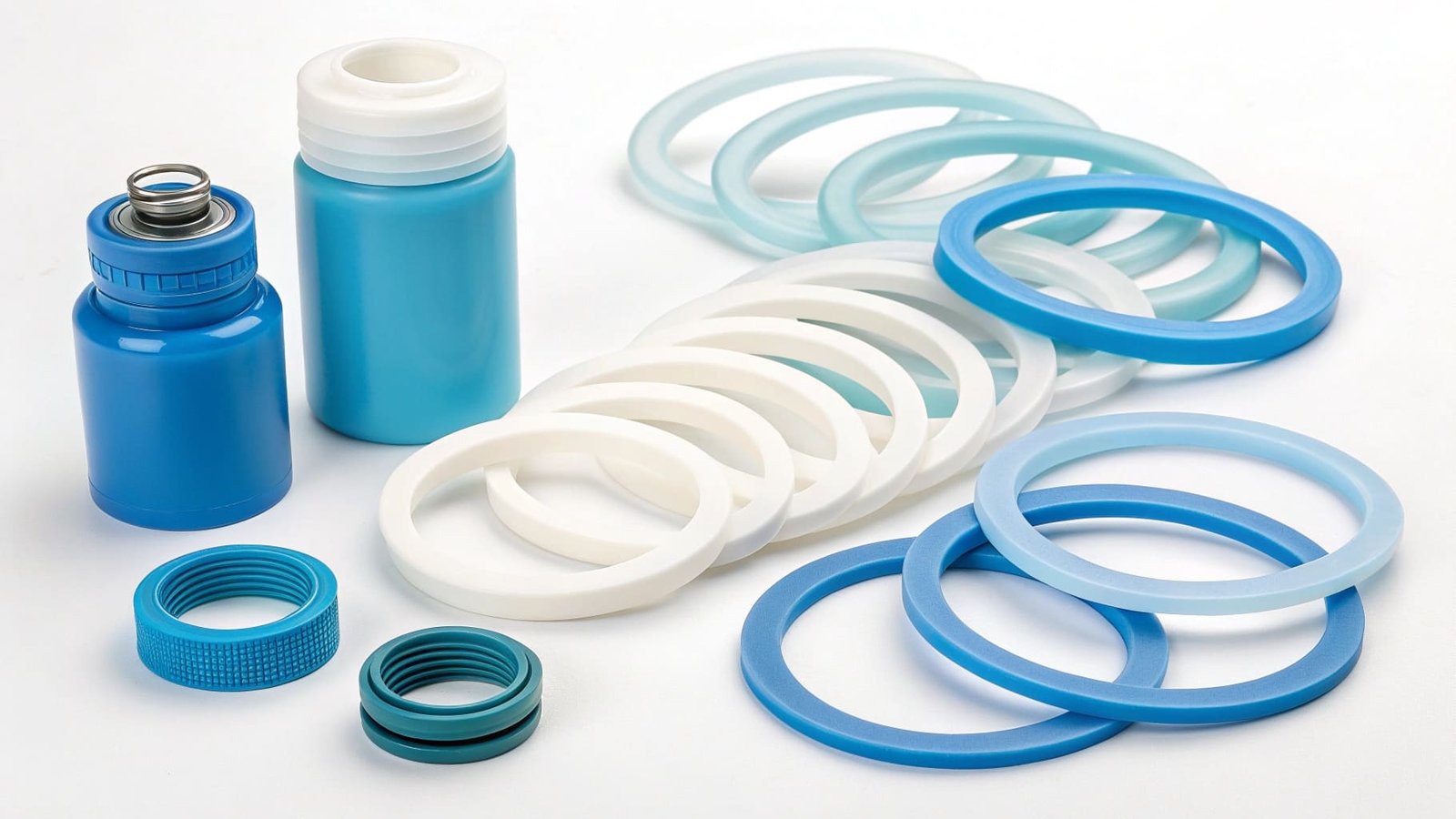
Silicone is safe for cooking when it meets FDA temperature and contact requirements. The FDA allows silicone in repeated food contact applications.3 However, you need documentation that proves compliance with specific regulations.
Meeting FDA Temperature Requirements
I focus on temperature resistance because coffee equipment operates at extreme conditions. The FDA requires materials to maintain their properties across the intended use range. For coffee injectors, this means the O-rings must handle temperatures from room temperature to at least 200°F without degrading.
I test this by requesting heat aging data from suppliers. The silicone should not crack, harden, or lose elasticity after prolonged exposure to brewing temperatures. I also verify that the material maintains its sealing properties when it cools down. Temperature cycling can reveal weaknesses that constant heat exposure might miss.
The biocompatibility factor matters too. I ensure that the silicone does not cause allergic reactions or irritation. Some cheaper grades contain residual catalysts that can trigger sensitivities in consumers. I have seen coffee equipment recalls because manufacturers skipped this verification step. The cost of testing is minimal compared to the expense of a recall campaign.
What is FDA silicone?
My buyers from Europe often get confused about FDA silicone. They have their own regulations. I explain that FDA silicone specifically refers to materials approved under US federal standards.
FDA silicone means the material complies with FDA CFR 21 Part 177.2600. This regulation covers silicone rubber articles for repeated food contact. The material must pass extraction tests and meet purity requirements.
Verification Beyond Supplier Declarations
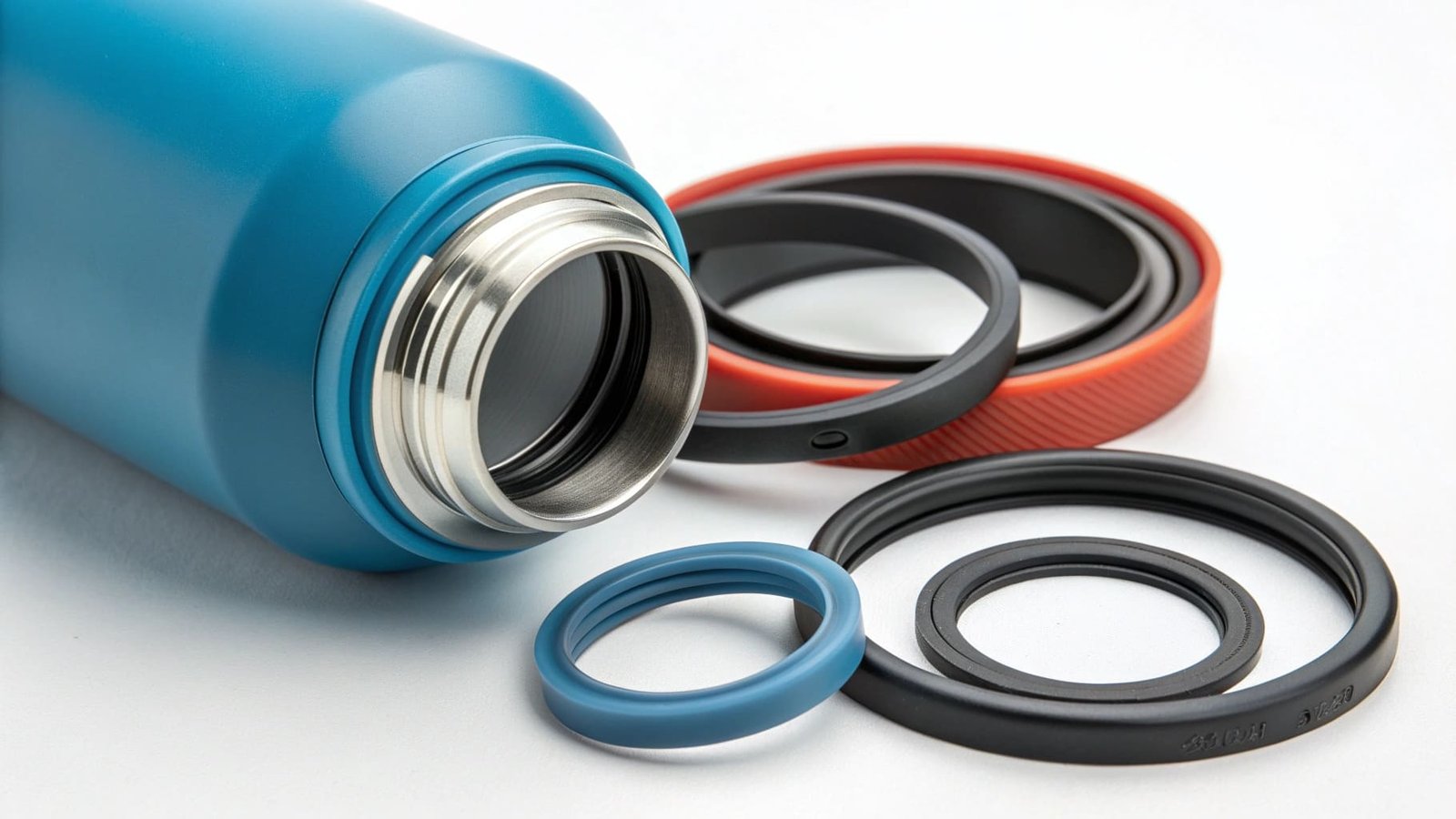
I learned early in my career that supplier declarations mean nothing without proof. I require third-party testing certificates for every batch of O-rings I source. These certificates must show migration limits, meaning how much substance transfers from the silicone to food simulants. The tests use different liquids that represent various food types.
For coffee applications, I pay special attention to acidic extraction tests. Coffee has a pH that can pull more compounds from materials than neutral liquids4. The test results should show minimal migration even under acidic conditions. I also check for heavy metals and other contaminants that could appear in lower-quality silicone.
European buyers need additional documentation. I help them verify conformity with EU Regulation 1935/2004. This regulation sets general requirements for all food contact materials in Europe. Some markets require specific silicone directives too. I keep a checklist of requirements for different regions to avoid compliance gaps.
The coffee injector seal market shows why certification matters. A single non-compliant component can trigger recalls across multiple countries. I have watched brands lose customer trust over seal failures. The procurement decision goes beyond cost comparison. It becomes a strategic choice about risk management and brand protection.
Conclusion
I select platinum-cured silicone O-rings with FDA compliance and third-party testing certificates. These meet food safety standards and protect your brand reputation in the coffee equipment market.
-
"[PDF] A study of the effect of post-curing on the reduction of cyclosiloxanes ...", https://www.wmfts.com/globalassets/literature/wp-watson-marlow-tubing-extractables.pdf. Polymer studies comparing silicone curing systems report that peroxide-cured elastomers may contain peroxide-decomposition by-products and extractables, whereas platinum-catalyzed addition-cured silicones avoid those peroxide-derived residues, supporting their use where odor or taste transfer is a concern. Evidence role: mechanism; source type: paper. Supports: The source should explain that peroxide curing can generate residual decomposition products or extractables, while platinum-cured addition systems avoid peroxide-derived by-products and are often chosen where low odor, taste, or extractables are important.. Scope note: Such evidence supports the materials rationale generally and may not directly measure taste transfer in coffee injector seals. ↩
-
"Chemistry Recommendations for Submissions of Food Contact ...", https://www.fda.gov/regulatory-information/search-fda-guidance-documents/guidance-industry-preparation-premarket-submissions-food-contact-substances-chemistry. Food-contact material guidance describes migration testing as the measurement of chemical transfer from a material into food or food-simulating solvents under defined exposure conditions. Evidence role: definition; source type: government. Supports: The source should define migration or extraction testing for food-contact materials and explain that it assesses transfer of substances from materials into food or food-simulating media.. ↩
-
"21 CFR 177.2600 -- Rubber articles intended for repeated use. - eCFR", https://www.ecfr.gov/current/title-21/chapter-I/subchapter-B/part-177/subpart-C/section-177.2600. Under 21 C.F.R. § 177.2600, silicone polymers may be used in rubber articles intended for repeated food-contact use provided the articles satisfy the regulation’s formulation and extractive-limit requirements. Evidence role: definition; source type: government. Supports: The source should show that FDA food-contact regulations include silicone polymers within rubber articles intended for repeated use and impose conditions for compliance.. ↩
-
"Chemistry Recommendations for Submissions of Food Contact ...", https://www.fda.gov/regulatory-information/search-fda-guidance-documents/guidance-industry-preparation-premarket-submissions-food-contact-substances-chemistry. Food-contact testing guidance uses acidic food simulants, such as dilute acetic acid, to evaluate migration into acidic foods, reflecting the principle that food chemistry can influence the extraction of substances from contact materials. Evidence role: mechanism; source type: institution. Supports: The source should explain that food-contact migration testing uses acidic simulants, such as acetic acid solutions, for acidic foods and that food chemistry can affect extraction or migration behavior.. Scope note: This supports the general migration mechanism for acidic foods and does not directly quantify migration from silicone O-rings into brewed coffee. ↩