How to Source Silicone Bite Valves That Meet Military Specification MIL-PRF?
I have seen too many buyers waste months chasing suppliers who promise military-grade quality. They end up with products that fail basic field tests. This happens because most people do not understand what MIL-PRF really means.
To source silicone bite valves meeting MIL-PRF standards, you need suppliers with certified testing labs, platinum-cured silicone1 materials, and transparent documentation. Verify third-party test reports, check lot traceability systems, and confirm raw material sources before placing orders.
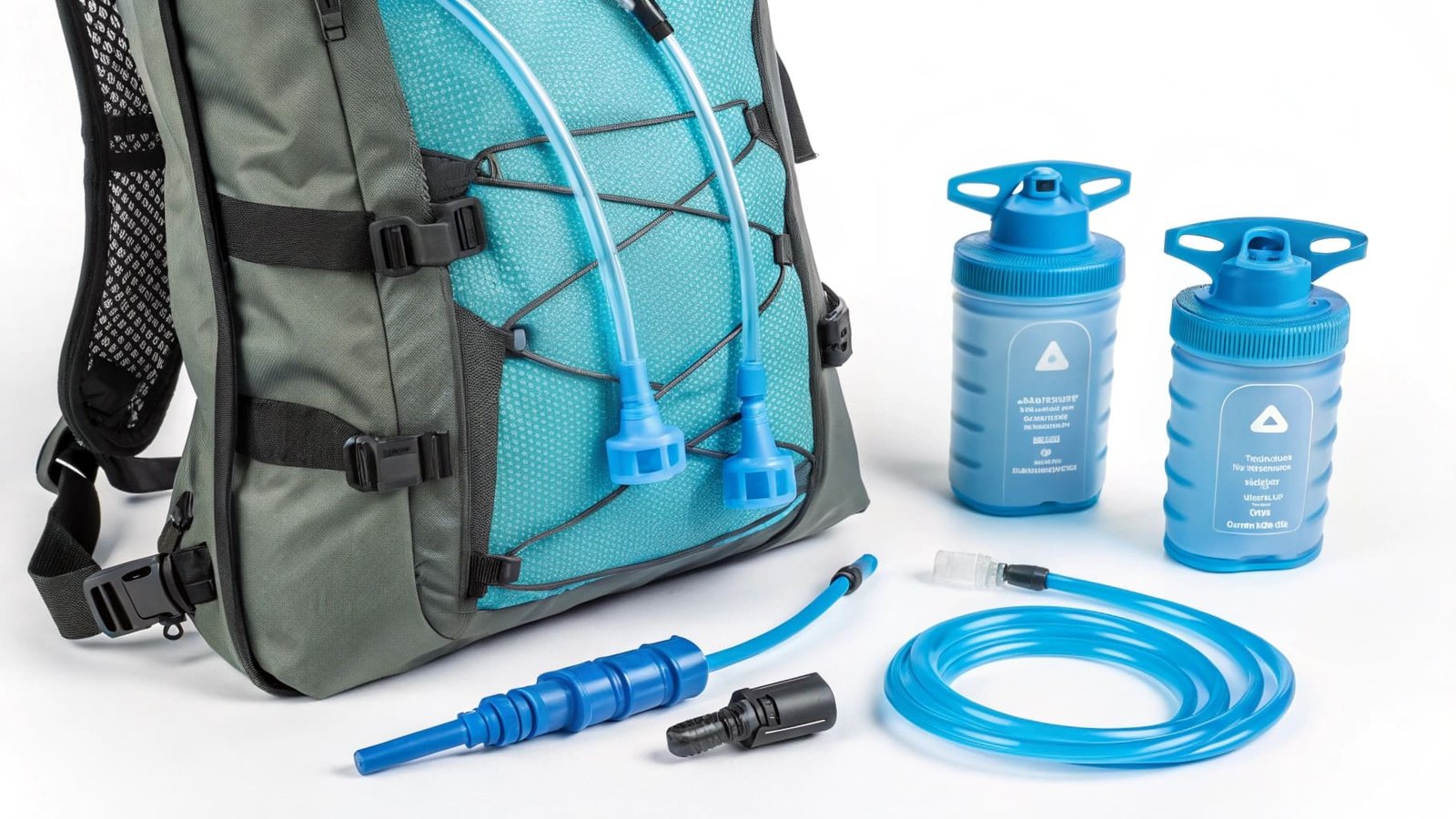
I learned this lesson the hard way. Three years ago, I worked with a buyer who purchased 10,000 bite valves claiming MIL-PRF compliance. The products failed during temperature testing. The contract was canceled. The buyer lost money and reputation. Since then, I make sure every claim is backed by real evidence.
What is a silicone valve?
Many people confuse silicone valves with regular plastic valves. They think all valves are the same. This mistake costs businesses thousands of dollars in failed products and lost contracts.
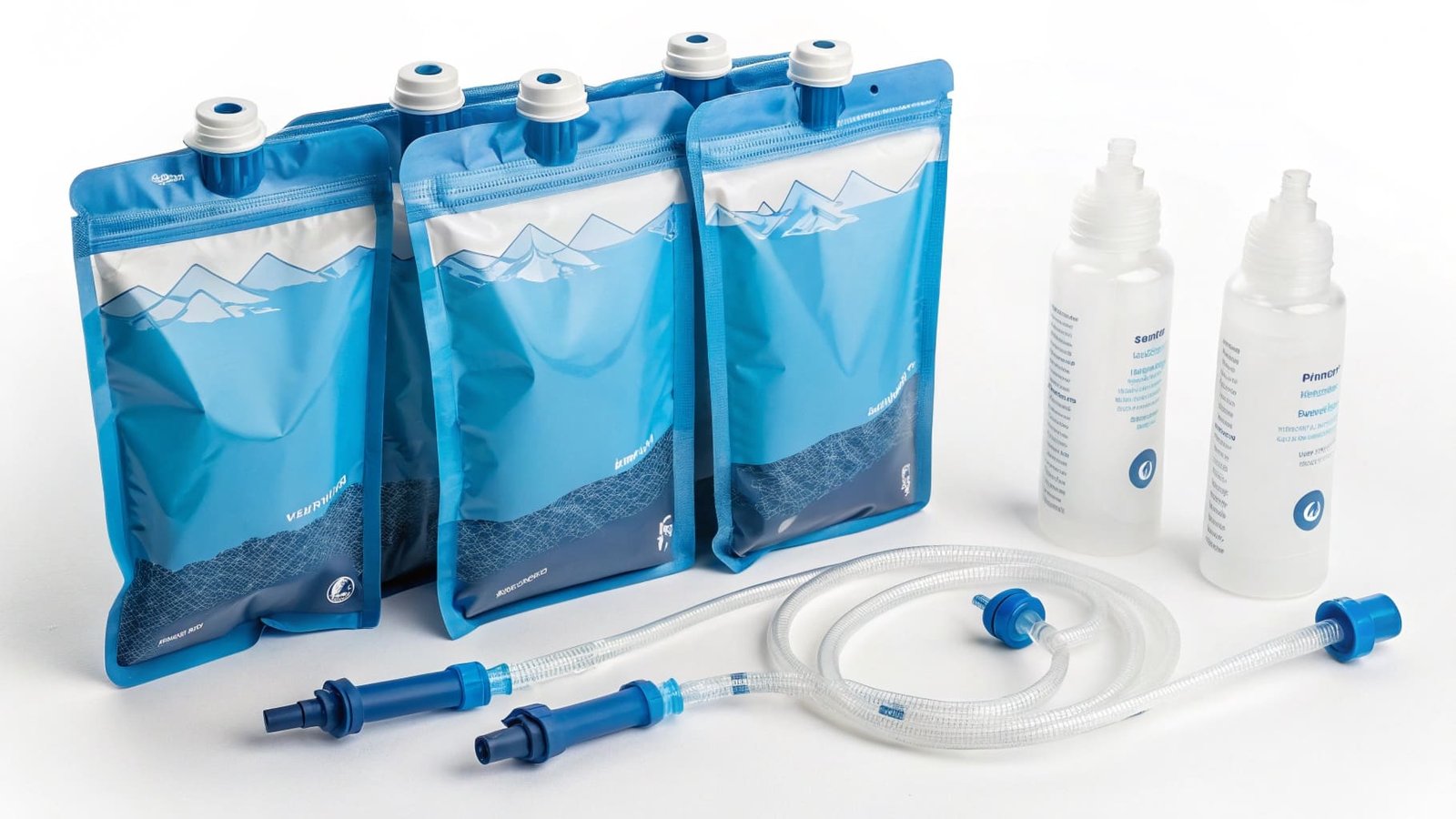
A silicone valve is a one-way flow control device made from medical-grade or food-grade silicone rubber. It allows liquid to pass through when pressure is applied and automatically seals when pressure stops. These valves are used in hydration systems2, medical equipment, and industrial applications.
Why Silicone Material Matters for Valve Performance
Silicone offers properties that other materials cannot match. I have tested hundreds of valve samples over the years. The difference between good silicone and bad silicone is huge.
Silicone valves work because the material is elastic and durable. The valve opens when you bite down or squeeze. It closes immediately when you release pressure. This happens because silicone has shape memory. It returns to its original form after deformation.
The quality depends on the curing method. Platinum-cured silicone is better than peroxide-cured silicone for applications that need taste neutrality. I always recommend platinum-cured silicone for hydration products. It does not leave any chemical taste in the water.
Here is a comparison of different silicone types:
| Property | Platinum-Cured Silicone | Peroxide-Cured Silicone | TPE (Not Silicone) |
|---|---|---|---|
| Taste Transfer | None | Slight chemical taste | Moderate plastic taste |
| Temperature Range | -60°C to 200°C | -40°C to 180°C | -30°C to 120°C |
| Biocompatibility | Excellent (FDA/USP Class VI) | Good (FDA approved) | Variable |
| Long-term Durability | 10+ years | 5-7 years | 2-3 years |
| Cost | Higher | Medium | Lower |
Temperature resistance is critical for military applications. I remember testing bite valves in extreme conditions. Some valves became brittle at -40°F. Others became too soft at 160°F. Only platinum-cured silicone maintained proper function across the full temperature range.
Biocompatibility matters for long-term use. Military personnel use hydration systems for extended periods. The valve material should not cause allergic reactions or release harmful substances. This is why MIL-PRF specifications require specific biocompatibility testing.
How do you use a bite valve?
Many first-time users struggle with bite valves. They bite too hard or not in the right position. This creates frustration and makes people think the product is defective.
To use a bite valve, place it between your teeth and bite gently while sucking. The pressure opens the valve and liquid flows through. Release your bite and the valve closes automatically. No need to twist or pull any parts.

Common Mistakes That Damage Bite Valves
I have seen buyers return products because users damaged them incorrectly. Understanding proper use helps reduce product returns and improves customer satisfaction.
The biggest mistake is biting too hard. Users think they need strong pressure to open the valve. This is wrong. Gentle pressure is enough. Hard biting can tear the silicone or deform the valve structure. I tell my buyers to educate their end users about this.
Another mistake is pulling the valve while biting. This creates uneven stress on the silicone. The valve can separate from the connector or develop cracks. The correct method is to keep the valve straight and bite in the center.
Cleaning methods also affect valve life. Some people use harsh chemicals or high-temperature dishwashers. This degrades the silicone over time. I recommend these cleaning guidelines:
Proper Maintenance for Extended Valve Life
Daily Care:
- Rinse with clean water after each use
- Blow air through the valve to remove remaining liquid
- Let it air dry completely before storage
Weekly Deep Cleaning:
- Soak in warm water with mild soap
- Use a soft brush to clean the valve opening
- Rinse thoroughly to remove all soap residue
- Dry completely in open air
What to Avoid:
- Bleach or harsh chemical cleaners
- Temperatures above 100°C (212°F) during cleaning
- Sharp objects for cleaning inside the valve
- Prolonged exposure to direct sunlight during storage
Proper storage extends valve life significantly. I advise buyers to tell their customers to store hydration systems empty and dry. Moisture trapped inside promotes bacterial growth. This is especially important for military applications where equipment might sit unused for weeks.
Here is a typical usage cycle and expected lifespan:
| Usage Intensity | Daily Uses | Expected Lifespan | Replacement Indicator |
|---|---|---|---|
| Light (Office/Home) | 1-3 times | 3-5 years | Minor flow reduction |
| Moderate (Outdoor Recreation) | 4-8 times | 2-3 years | Visible wear marks |
| Heavy (Military/Emergency) | 8+ times | 1-2 years | Seal failure or cracks |
Where not to use silicone sealant?
Some people think silicone is good for everything. They use silicone sealant3 on bite valves or connections. This creates serious problems that damage the entire hydration system.
Do not use silicone sealant on bite valves or any parts that contact drinking water. Sealants contain additives and curing agents that can leach into water. Use manufacturer-designed O-rings and gaskets4 instead. These parts are made from food-grade materials.

Why Sealant Contamination Is a Critical Issue
I once received a complaint from a buyer whose customer became sick after using a hydration system. The investigation showed that someone applied silicone sealant to fix a leak. The sealant contained acetic acid. This is the vinegar smell you notice when applying sealant. The acid leached into the water and caused stomach problems.
Silicone sealant is not food-grade. Even products labeled as "food-safe" are not designed for prolonged water contact. The additives in sealants include:
Common Sealant Additives:
- Curing catalysts (often tin-based compounds)
- Plasticizers for workability
- Fungicides to prevent mold
- Adhesion promoters
- Colorants and fillers
These additives are safe when fully cured on external surfaces. They become problematic when in constant contact with drinking water. The water slowly dissolves trace amounts of these chemicals. Over time, this creates health risks.
MIL-PRF specifications specifically prohibit the use of field-applied sealants on water-contact components. The standard requires all sealing to be done with certified O-rings and gaskets. This is a non-negotiable requirement.
Here are the correct alternatives:
| Problem | Wrong Solution | Correct Solution |
|---|---|---|
| Valve leaks around base | Apply silicone sealant | Replace valve with new unit |
| Connector drips | Use plumber's tape | Install proper O-ring gasket |
| Tube connection loose | Add adhesive | Use correct size connector |
| Cap does not seal | Apply sealant to threads | Replace damaged cap gasket |
Another place to avoid silicone sealant is on moving parts. The sealant can interfere with the valve mechanism. I have seen cases where sealant got inside the valve opening. This prevented the valve from closing properly. The result was constant leaking.
Temperature exposure is also a concern. While cured silicone sealant can handle heat, uncured sealant releases volatile organic compounds. These VOCs can be absorbed by the silicone valve material. This creates permanent contamination that cannot be washed away.
For military applications, this is even more critical. Personnel in field conditions do not have access to proper testing equipment. They cannot verify if a repair is safe. This is why MIL-PRF requires components to be field-replaceable without any modifications or additions.
I always tell buyers to include clear instructions with their products. The instructions should state: "Do not apply any sealants or adhesives to this product. Use only manufacturer-supplied replacement parts." This simple warning prevents many problems.
When buyers work with me, I provide proper replacement parts. This includes O-rings in different sizes, replacement valves, and connector gaskets. This approach costs more upfront but saves money by reducing warranty claims and maintaining brand reputation.
Conclusion
Sourcing MIL-PRF compliant bite valves demands verified testing, proper materials, and transparent supplier partnerships. Focus on documented quality over marketing claims to protect your investment and reputation.
-
Learn about the advantages of platinum-cured silicone for hydration products and its superior properties. ↩
-
Gain insights into hydration systems and their components, including the role of bite valves. ↩
-
Understand the risks associated with silicone sealant and why it should be avoided in water-contact components. ↩
-
Learn about the critical role of O-rings and gaskets in ensuring leak-proof hydration systems. ↩