Do Silicone O-Rings Sets Require Specialized Packaging for Air Freight?
I shipped my first batch of silicone o-ring sets to Canada last year. The order arrived crushed. My buyer, a distributor like Mark, rejected the entire shipment. I learned packaging matters more than I thought.
Yes, silicone o-ring sets do require specialized packaging for air freight. The packaging protects against pressure changes, physical compression, and contamination during transit. Proper packaging maintains dimensional integrity and ensures products arrive ready for immediate use.
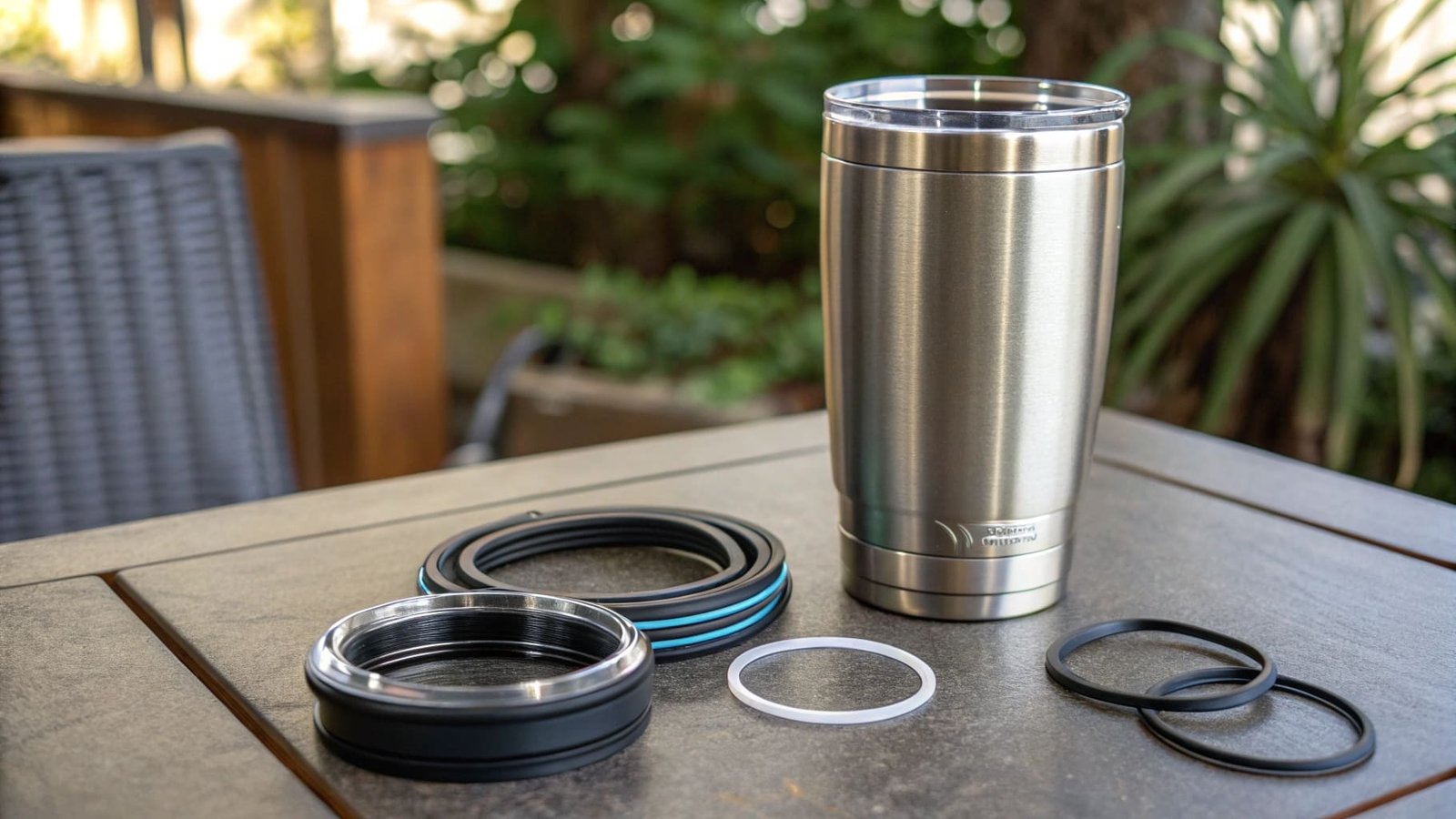
Most suppliers skip this step. They think silicone is tough enough. But I have seen too many rejected orders. The material survives the journey, but the shape does not. Let me walk you through what actually works.
What is O-ring Packing?
O-ring packing sounds simple. Many suppliers get it wrong. I used to make the same mistakes. Now I know better.
O-ring packing is the method of storing and protecting o-rings during transportation and storage. It involves individual sealing, compartmentalization, and protective materials to prevent deformation, contamination, and damage. Proper packing maintains the exact dimensions needed for sealing performance.
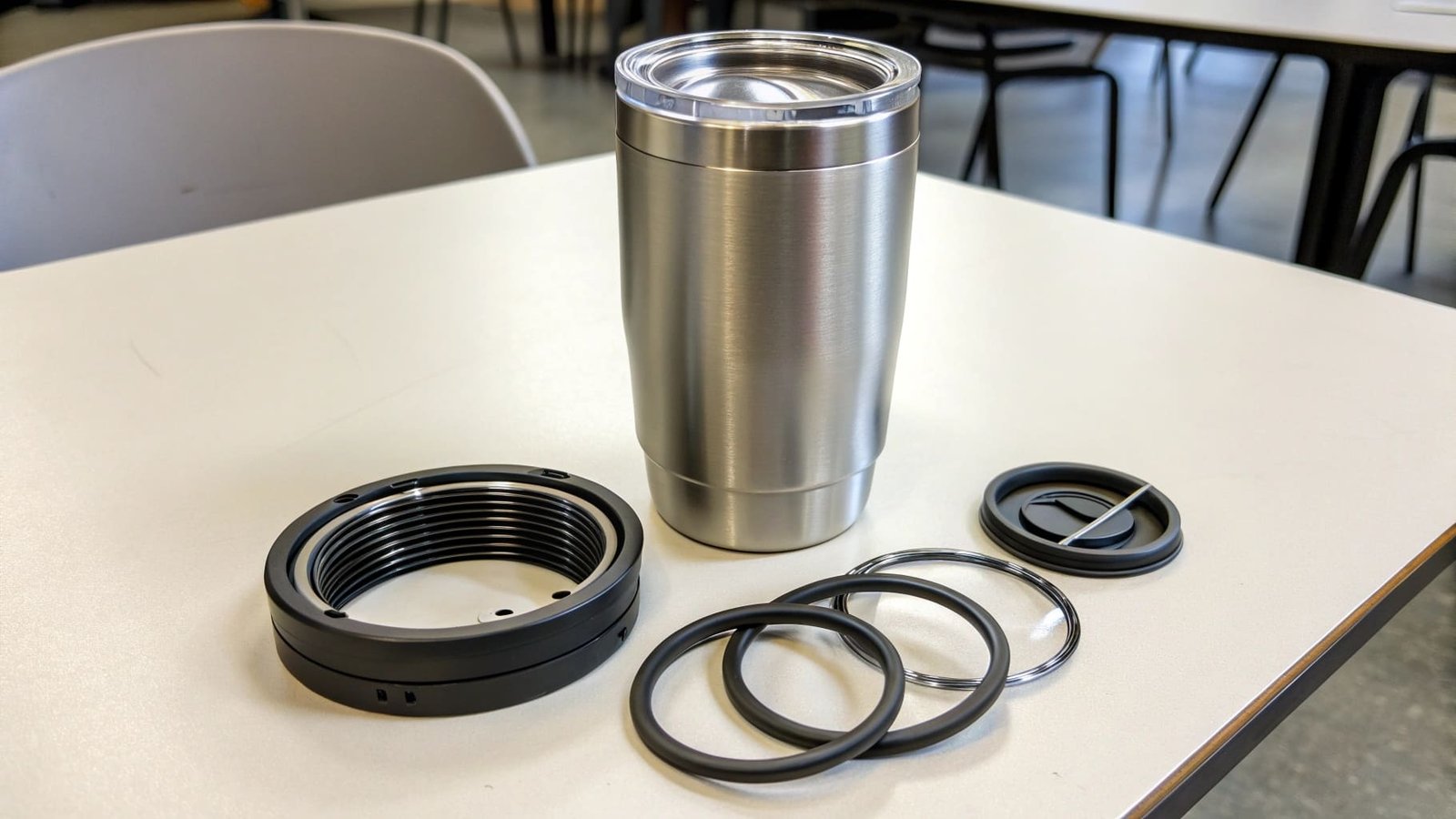
The Three Core Functions of O-Ring Packing
I pack my silicone o-rings in three layers now. The first layer is a PE bag for each size. This keeps different sizes separate. I learned this after mixing up an order. The buyer had to sort through 500 pieces manually.
The second layer is compartmentalization. I use divided boxes or blister packs. This prevents compression. When o-rings stack on top of each other, the bottom ones flatten. Even silicone takes time to recover its shape. Some never do.
The third layer is outer protection. I use rigid cartons with foam inserts. This absorbs impact. Air freight involves multiple handling points. Cargo shifts during takeoff and landing. Without rigid protection, boxes collapse.
Here is how different packing methods compare:
| Packing Method | Protection Level | Cost per Unit | Best Use Case |
|---|---|---|---|
| Bulk PE Bag | Low | $0.01 | Low-value general use |
| Individual PE Bags | Medium | $0.05 | Standard B2B orders |
| Compartmentalized Box | High | $0.15 | Precision applications |
| Vacuum-Sealed Blister | Very High | $0.25 | Medical/aerospace grade |
I use compartmentalized boxes for most orders to Canada. Mark needs his products to arrive perfect. His customers expect that. One deformed o-ring ruins a whole installation.
Does Silicone Damage O-Rings?
This question confused me at first. People ask if silicone itself causes damage. The answer surprised me. I had to test this myself.
No, silicone does not damage silicone o-rings. However, silicone grease1 or lubricants can cause swelling in some formulations. The material is chemically stable and compatible with itself. The real damage comes from improper storage conditions and contamination.
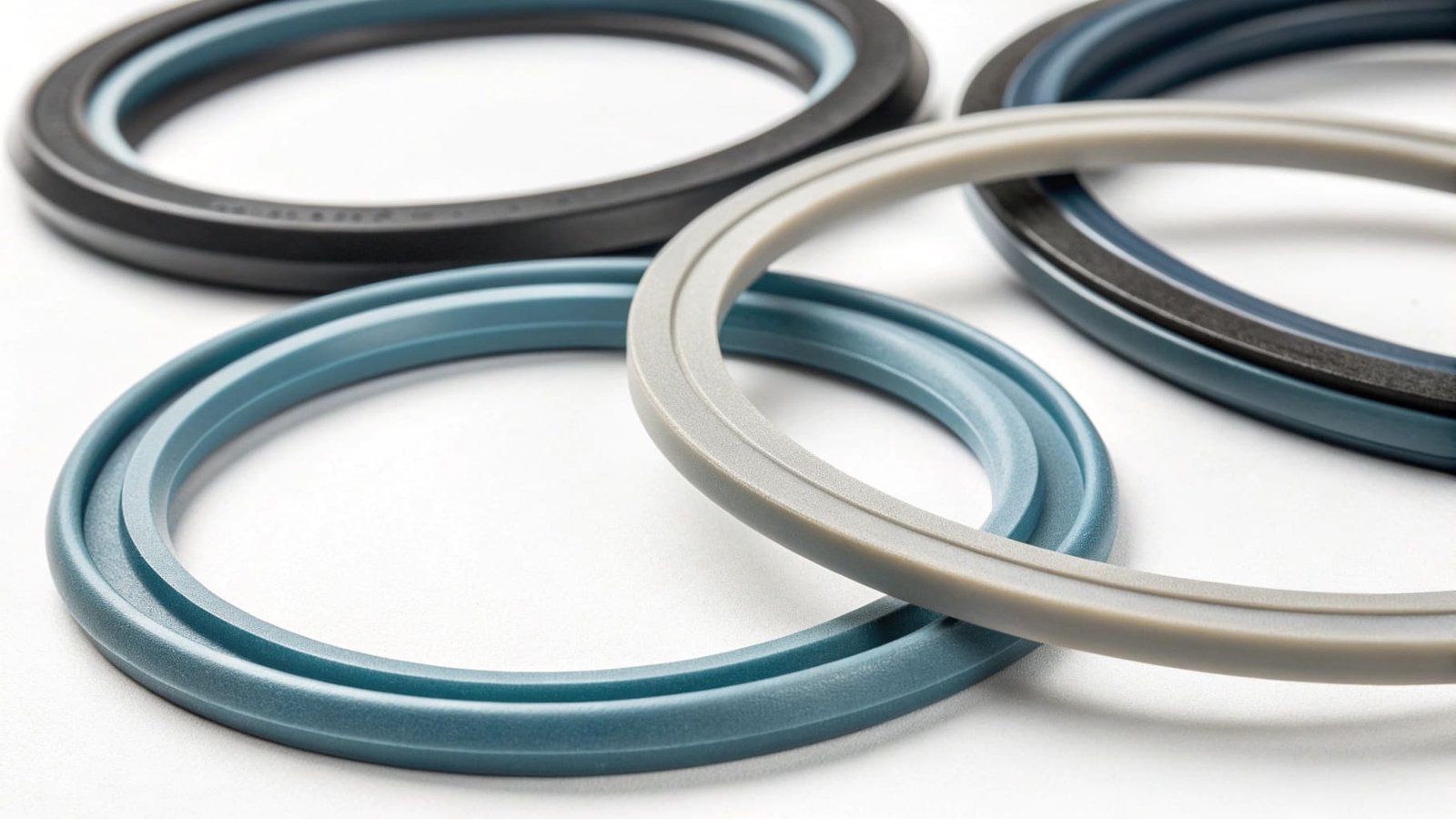
Material Compatibility and Environmental Factors
I tested silicone o-rings with different lubricants last year. Some buyers use silicone grease1 thinking it is safe. It is not always safe. Certain silicone greases cause the o-rings to swell by up to fifteen percent. This ruins the seal.
The material itself is stable. Silicone does not degrade silicone. But the environment does. UV light breaks down the polymer chains. I learned this when a shipment sat on a tarmac in summer. The outer cartons protected most rings. The exposed ones turned brittle.
Ozone is another enemy. It attacks the molecular structure. This happens during storage, not shipping. But if your packaging allows air exchange, ozone enters. I switched to sealed bags three years ago. The shelf life doubled.
Temperature cycling causes problems too. Silicone handles extreme temperatures well. But rapid changes create stress. Air freight involves huge temperature swings. The cargo hold drops to minus forty degrees Celsius at altitude. On the ground in summer, it hits fifty degrees. This cycle repeats multiple times. Without proper packaging, condensation forms. Water droplets freeze and thaw. This micro-damage adds up.
The contamination risk is real. Dust particles embed in the surface. Oil from handling transfers to the material. These contaminants prevent proper sealing. I use gloves during packing now. My workers do too. Clean handling matters as much as the packaging.
Are Silicone O-Rings Better?
Mark asked me this question two years ago. He wanted to switch from rubber to silicone. I gave him the facts. He made the change. His return rate dropped.
Silicone o-rings are better for extreme temperature applications and environments requiring chemical resistance. They maintain flexibility from minus sixty to plus two hundred thirty degrees Celsius. They also resist aging better than rubber alternatives. However, they cost more and have lower tensile strength.
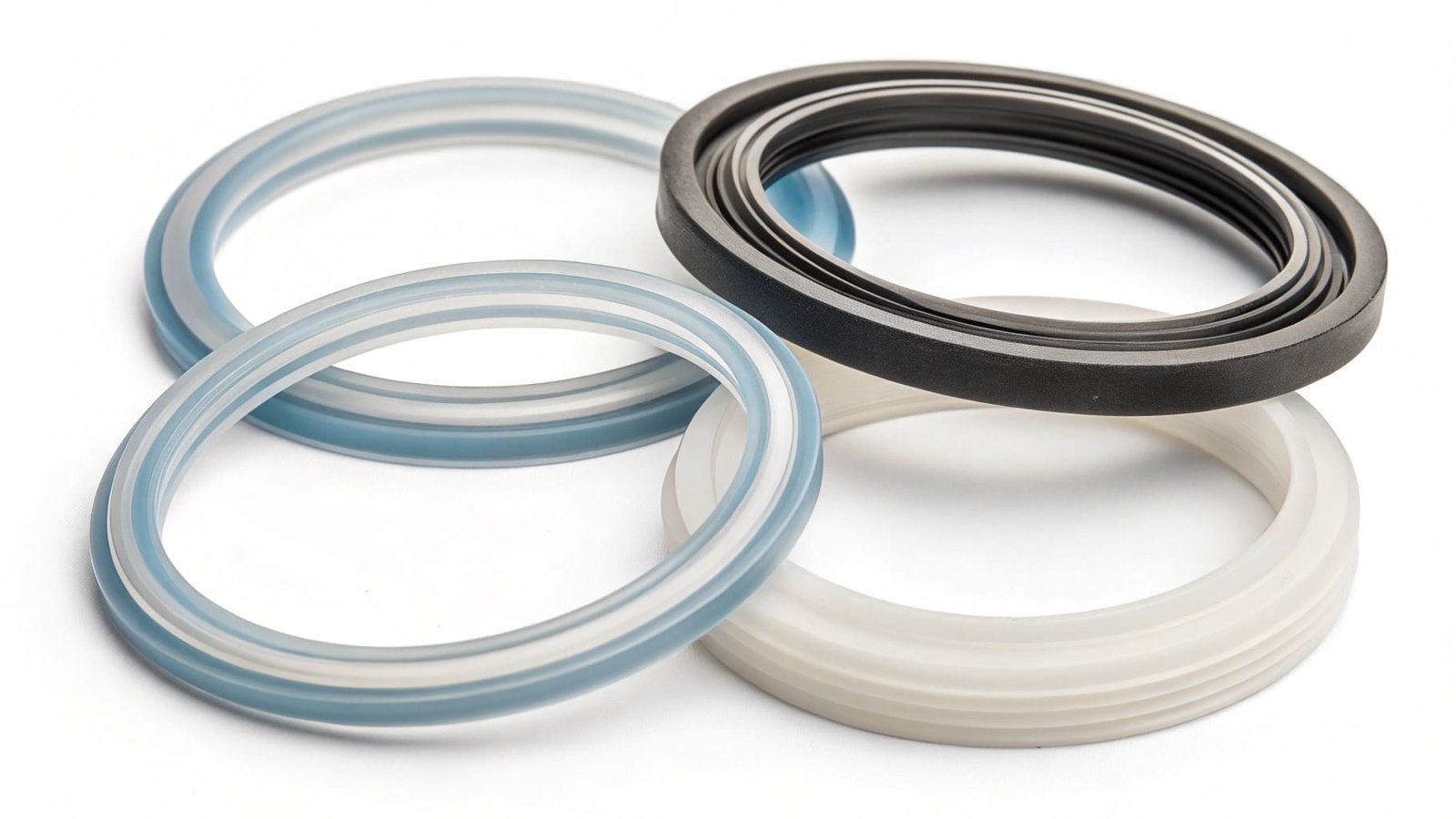
Comparing Silicone to Traditional O-Ring Materials
I sell mostly silicone o-rings now. But I still stock nitrile for certain buyers. Each material has its place. Silicone wins in most B2B applications. The temperature range alone justifies the cost.
My Canadian buyers face cold winters. Nitrile o-rings become stiff at minus twenty degrees. Silicone stays flexible at minus sixty. This matters for outdoor equipment and cold storage facilities. One buyer switched after losing twenty thousand dollars in spoiled goods. A rigid o-ring failed in a freezer door.
Heat resistance is even more important. Engine applications reach one hundred fifty degrees easily. Nitrile degrades fast at that temperature. Silicone handles it without breaking down. I have samples from five years ago. They still flex like new.
Chemical resistance varies by application. Silicone resists acids and bases well. It handles most cleaning chemicals. But it swells in hydrocarbon oils. I always ask buyers about their application. For fuel systems, I recommend Viton instead. For food processing or medical use, silicone is perfect.
The cost difference is real. Silicone costs three to five times more than nitrile. But the longer life span offsets this. I show buyers the total cost over time. Most choose silicone after seeing the numbers.
Here is the material comparison I share with buyers:
| Property | Silicone | Nitrile | EPDM |
|---|---|---|---|
| Temperature Range | -60°C to 230°C | -40°C to 120°C | -50°C to 150°C |
| Oil Resistance | Poor | Excellent | Poor |
| Weather Resistance | Excellent | Fair | Excellent |
| Cost per Piece | $0.50 | $0.15 | $0.20 |
| Typical Lifespan | 10 years | 3 years | 5 years |
The specialized packaging2 I use protects this investment. Silicone o-rings cost more. Damaged goods hurt more. I pack them like they are fragile. They arrive perfect. Mark reorders every quarter now. His customers trust the quality.
Conclusion
Specialized packaging is not optional for air freight. It protects your investment and ensures customer satisfaction. I learned this through costly mistakes. Now my rejection rate is near zero.