How to Source Silicone Cup Sleeves for Travel Mug Wholesale Distribution?
You're looking to add cup sleeves to your product line. But wrong terminology in supplier negotiations wastes time and money. Here is what you need to know before placing your first order.
Silicone cup sleeves are heat-resistant, reusable sleeves that wrap around travel mugs and tumblers to provide insulation and grip.1 For wholesale distribution, they offer a 3-5 year product lifecycle, FDA/LFGB food-grade certification, and full customization options — making them the strongest choice for premium resale.
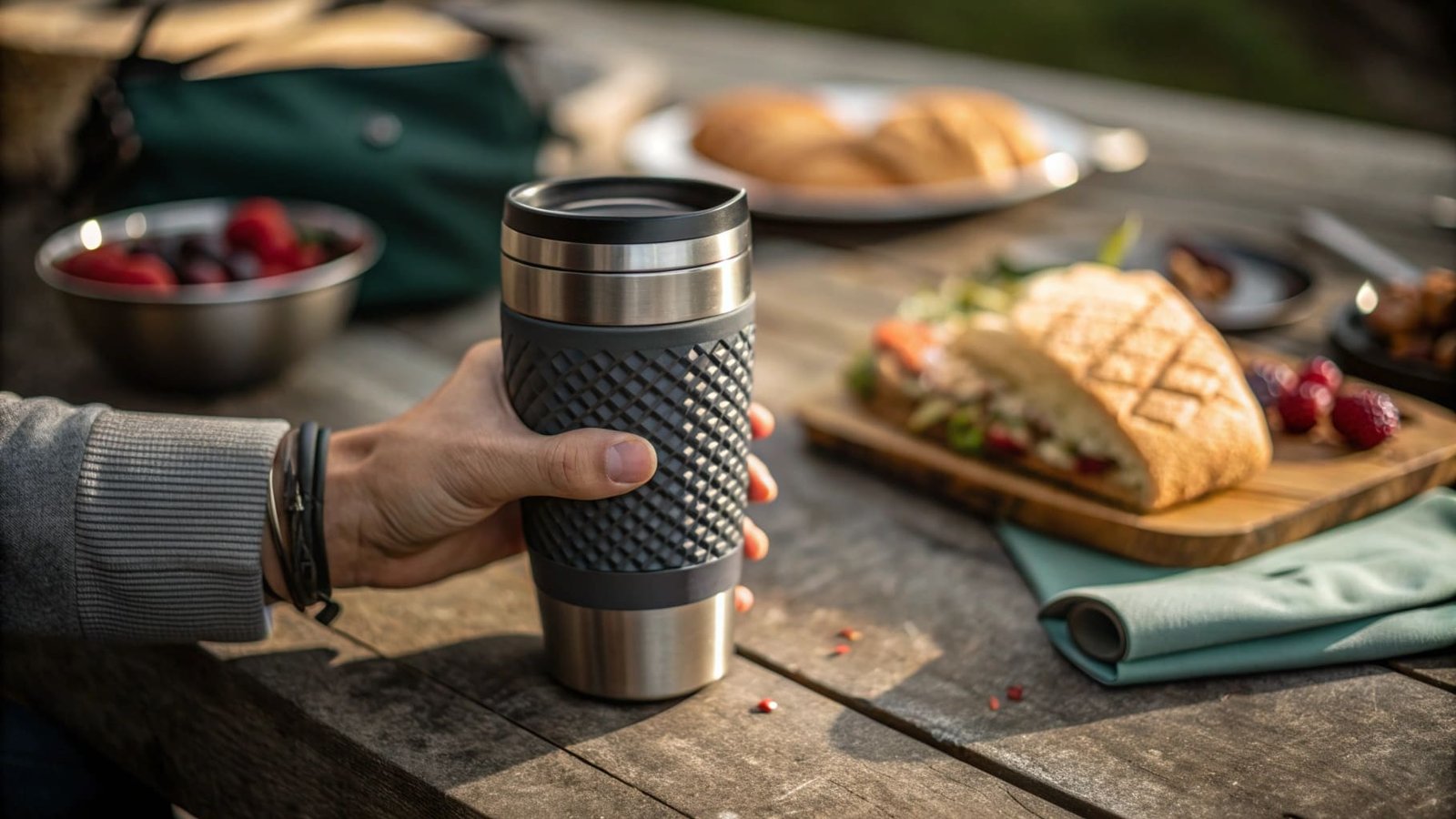
The cup sleeve market looks simple from the outside. But once you start sourcing, the terminology alone can slow down your procurement process. Knowing the right words and the right product categories puts you ahead of buyers who are still guessing. Let me walk you through everything that matters.
What Are the Coffee Cup Sleeves Called?
You send a product inquiry to a supplier. They send back something completely different from what you expected. This happens more than you think, and it usually starts with terminology.
In procurement documents and supplier catalogs, coffee cup sleeves go by several names. The most common are "cup sleeves," "drink sleeves," and "beverage insulators." All three terms refer to the same product. Using any of these terms in your RFQ will get you accurate quotes from most suppliers.2
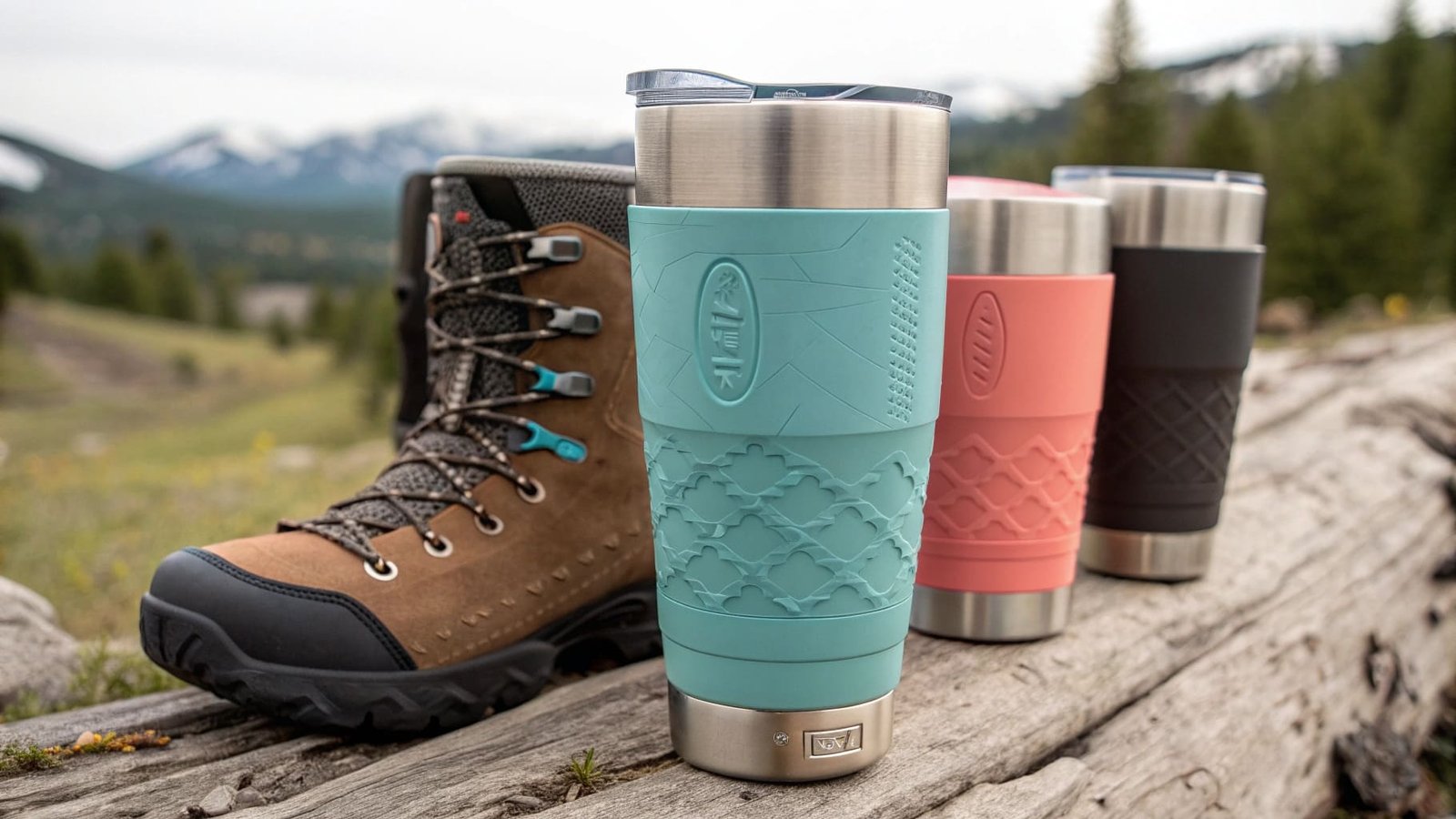
Why Terminology Matters in B2B Sourcing
When you are sourcing at wholesale volume, the words you use in your purchase order and supplier communication affect everything. They affect how fast a supplier responds, what samples they send, and whether the product matches your spec sheet.
Here is a quick reference for the most common cup sleeve terms used in procurement:
| Term | Common Usage | Context |
|---|---|---|
| Cup Sleeve | Universal industry term | RFQs, product listings, catalogs |
| Drink Sleeve | North American market | Retail packaging, supplier portals |
| Beverage Insulator | Technical procurement docs | Specification sheets, compliance files |
| Coffee Sleeve | Consumer-facing | Marketing copy, end-product labeling |
| Tumbler Sleeve | Travel mug specific | Wholesale distribution, product bundling |
I have seen procurement officers submit inquiries using consumer-language terms and receive samples for completely different products. The safest approach is to use "silicone cup sleeve" combined with the tumbler size range you need — for example, "silicone cup sleeve for 12–20 oz travel mugs." This removes ambiguity from the first email.
From a supplier's side, a precise inquiry also signals that you are an experienced buyer. Experienced buyers get faster response times and better initial pricing. Vague inquiries get treated as low-priority leads. This is a small detail that changes your negotiation position before the conversation even starts.
What Is the Cardboard Sleeve Around a Cup Called?
You have seen them at every coffee shop. That brown sleeve around a paper cup has more names than most people realize — and knowing the difference actually helps you position your silicone product better.
The cardboard sleeve around a hot cup is called a "coffee clutch," a "zarf," or a "hot cup jacket."3 These terms come from traditional coffee service and are still used in supply chain communications today, especially in the foodservice and quick-service restaurant (QSR) sector.
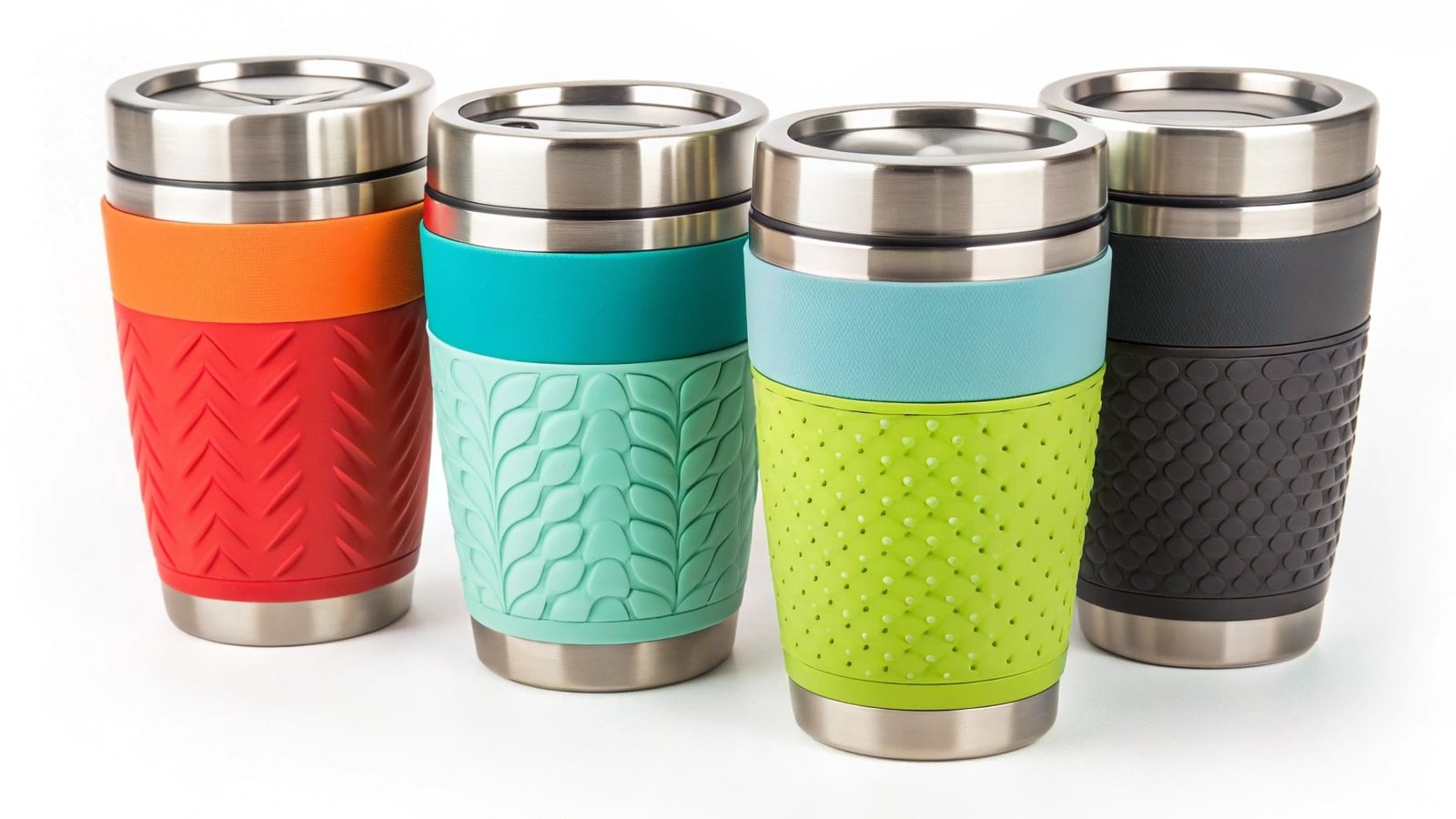
How Knowing This Helps Your Product Positioning
Understanding cardboard sleeve terminology is not just trivia. It tells you who your competition is and where your silicone product fits in the market.
Here is a direct comparison between the cardboard sleeve and the silicone sleeve across the key factors that matter to a wholesale distributor:
| Factor | Cardboard Sleeve (Coffee Clutch) | Silicone Cup Sleeve |
|---|---|---|
| Material | Corrugated paper | Food-grade silicone |
| Reusability | Single use | 3–5 years |
| Heat Resistance | Limited | Up to 450°F |
| Certification | N/A | FDA / LFGB |
| Branding Options | Printed surface only | Color, texture, embossed logo |
| End-User Perception | Disposable, low-value | Premium, sustainable |
| Price Point for Resale | Low margin | High margin |
The cardboard sleeve is not your competitor in the travel mug category. It belongs to the disposable, single-use world. Your silicone sleeve belongs to the reusable, premium segment. These two products serve different retail channels and different end consumers.
When I talk to wholesale buyers entering this category, I always point them to this comparison first. It helps them understand why their retail customer will pay a higher price for a silicone sleeve — and why that margin is defensible. The positioning message becomes clear: a silicone sleeve is not a more expensive version of a cardboard sleeve. It is a completely different product with a completely different value story.
The term "zarf" is worth knowing for one specific reason. If you ever attend a trade show or speak to a buyer from the foodservice sector, using this term correctly signals deep market knowledge. Small details like that build credibility fast with experienced procurement professionals.
What Are the Three Main Types of Sleeves?
You are comparing supplier catalogs and you see three different sleeve categories. You are not sure which one fits your distribution model. Picking the wrong category means slow inventory turnover and unhappy retail partners.
The three main types of cup sleeves are disposable sleeves, fabric sleeves, and silicone sleeves. Each serves a different market segment and carries a different risk profile for wholesale distribution.
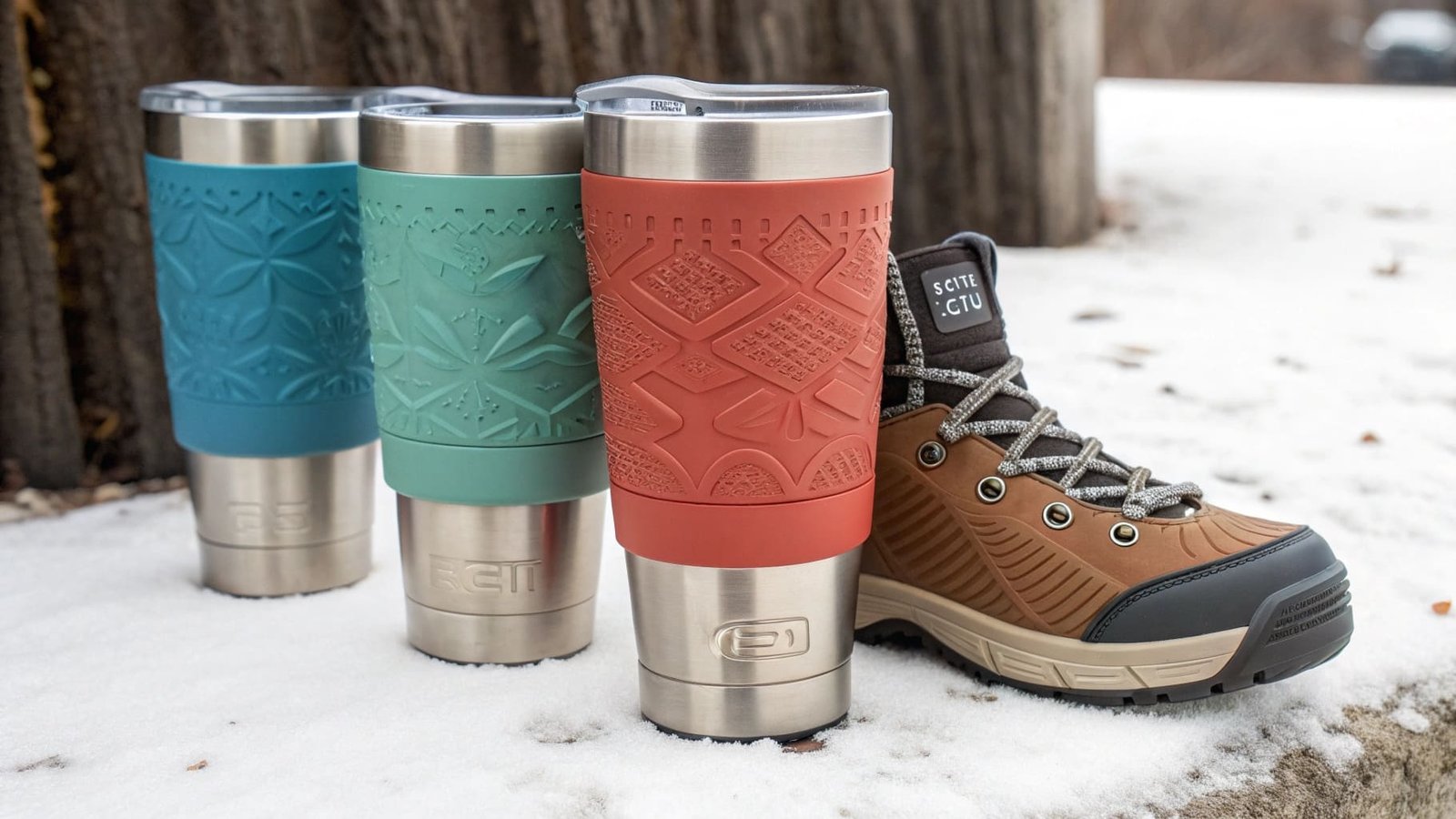
Breaking Down Each Sleeve Type for Wholesale Buyers
Choosing the right sleeve type is a product strategy decision, not just a sourcing decision. Each category has a different fit depending on your target retail channel, your customer's expectations, and your inventory model.
Disposable Sleeves
Disposable sleeves are made from cardboard or corrugated paper.4 They dominate the quick-service restaurant and coffee shop segment. For wholesale distributors, the margins are thin and the volume requirements are high. More importantly, sustainability concerns are pushing retailers away from single-use products in North American and European markets.5 If your retail partners have ESG commitments or eco-friendly branding, disposable sleeves are a difficult sell right now.
Fabric Sleeves
Fabric sleeves are typically made from neoprene or cotton.6 They appeal to eco-conscious consumers and are popular in direct-to-consumer gift and lifestyle markets. However, fabric sleeves have limitations that matter in commercial distribution. They are harder to clean, they do not hold up well in high-heat environments, and their durability is inconsistent across suppliers. For a distributor who needs product that can withstand repeated use and still look good on a retail shelf after twelve months, fabric sleeves carry more risk than most buyers expect.
Silicone Sleeves
Silicone sleeves sit at the top of this category for wholesale travel mug distribution. Here is a structured breakdown of why:
| Attribute | Specification | Business Impact |
|---|---|---|
| Heat Resistance | Up to 450°F | Safe for all tumbler types |
| Cold Resistance | Down to -40°F | Year-round product use |
| Certification | FDA / LFGB food-grade | Passes import compliance checks |
| Lifecycle | 3–5 years | Justifies premium retail price |
| Customization | Color, texture, logo emboss | Enables brand differentiation |
| Compatible Sizes | Typically 12–20 oz tumblers | Fits most major tumbler brands |
| Minimum Order Quantity | Negotiable by supplier | Scalable for distributors |
The silicone sleeve is the only type in this category that can be fully customized at the factory level. Pantone color matching, grip texture selection, and embossed logo options are all standard in most silicone manufacturers' capabilities. This matters for distributors who rebrand products before selling into retail. You are not just selling a sleeve — you are selling a branded product that your retail partners can put their name on.
From a procurement standpoint, the key steps for sourcing silicone sleeves are: confirming food-grade certification documents before sampling, requesting samples in your target size range, verifying the supplier's MOQ against your inventory model, and testing grip texture and color consistency across production batches. I handle all of these steps with every wholesale buyer I work with, because a gap in any one of them will create a problem later in the supply chain.
Conclusion
Knowing the right terminology, understanding the three sleeve types, and sourcing certified silicone products puts your distribution model in the best position for long-term growth.
-
"Silicone rubber - Wikipedia", https://en.wikipedia.org/wiki/Silicone_rubber. Materials-science references describe silicone rubber as a flexible elastomer with good thermal stability and relatively low thermal conductivity, which provides contextual support for its use in reusable insulating and grip-enhancing cup sleeves. Evidence role: mechanism; source type: education. Supports: A university or materials-science source should support that silicone rubber is heat resistant, flexible, reusable, and has low thermal conductivity relative to many common materials.. Scope note: The source would support the material mechanism rather than independently testing this specific sleeve product. ↩
-
"Creating Request for Proposal (RFP) Specifications", https://www.busfin.uillinois.edu/buying_contracts/procurement_methods/creating_request_for_proposal_specifications. Procurement guidance commonly emphasizes that RFQs should use clear product descriptions and specifications so suppliers can submit comparable and accurate quotations, supporting the article's advice on precise sleeve terminology. Evidence role: expert_consensus; source type: government. Supports: A procurement manual or government purchasing guide should support that clear terminology and specifications in RFQs improve supplier responses and quotation accuracy.. Scope note: The source would support RFQ communication principles generally, not the response behavior of cup-sleeve suppliers specifically. ↩
-
"Coffee cup sleeve - Wikipedia", https://en.wikipedia.org/wiki/Coffee_cup_sleeve. Reference entries on coffee cup sleeves and zarfs identify the sleeve or holder used around hot beverage cups and record alternative terminology, supporting the article's naming claim. Evidence role: historical_context; source type: encyclopedia. Supports: A reference source should document the terms used for holders or sleeves placed around hot beverage cups.. Scope note: The source may document recognized terms without showing their frequency in current B2B supply-chain communications. ↩
-
"Coffee cup sleeve - Wikipedia", https://en.wikipedia.org/wiki/Coffee_cup_sleeve. Reference descriptions of coffee cup sleeves identify them as insulating sleeves commonly made from paperboard or corrugated paper for use around hot beverage cups. Evidence role: definition; source type: encyclopedia. Supports: A reference source should define disposable coffee cup sleeves as paperboard or corrugated paper products used around hot cups.. Scope note: The source may describe common materials rather than all possible disposable sleeve constructions. ↩
-
"[PDF] Report - OECD Workshop on Flexible Food-Grade Plastic Packaging", https://one.oecd.org/document/ENV/CBC/MONO(2023)1/en/pdf. Institutional reports from bodies such as the European Commission, OECD, or UNEP document policy and market pressure to reduce single-use packaging and disposable products, providing contextual support for the article's statement about sustainability concerns in North American and European retail markets. Evidence role: general_support; source type: institution. Supports: An institutional source should support the broader trend of policy and sustainability pressure against single-use packaging and disposable products.. Scope note: Such sources support the broader sustainability trend but may not specifically measure demand for disposable coffee cup sleeves. ↩
-
"Amazon.com: Reusable Iced Coffee Cup Sleeve for Cold Beverages ...", https://www.amazon.com/Reusable-Insulator-Beverages-Starbucks-McDonalds/dp/B09PHFTFMG. Non-vendor descriptions of reusable coffee-cup sleeves commonly identify neoprene and cotton among the materials used for fabric or textile sleeve designs, supporting the article's material classification. Evidence role: general_support; source type: other. Supports: A neutral product taxonomy, patent filing, or non-vendor instructional source should support that reusable fabric cup sleeves are commonly made with neoprene, cotton, or similar textiles.. Scope note: Available sources may be descriptive rather than statistical and may not establish how common each material is across the whole market. ↩