How to Source Small Tumbler Boots for OEM Brand Development Projects?
You want to build a strong private label brand. But one wrong accessory choice can send your customers straight to your competitors. Here is what you need to know first.
Sourcing silicone tumbler boots for OEM projects requires evaluating three things: material grade, protective function, and customization options. Boots made from food-grade silicone with Pantone-matched colors and logo capability give brands the most control over quality and identity.
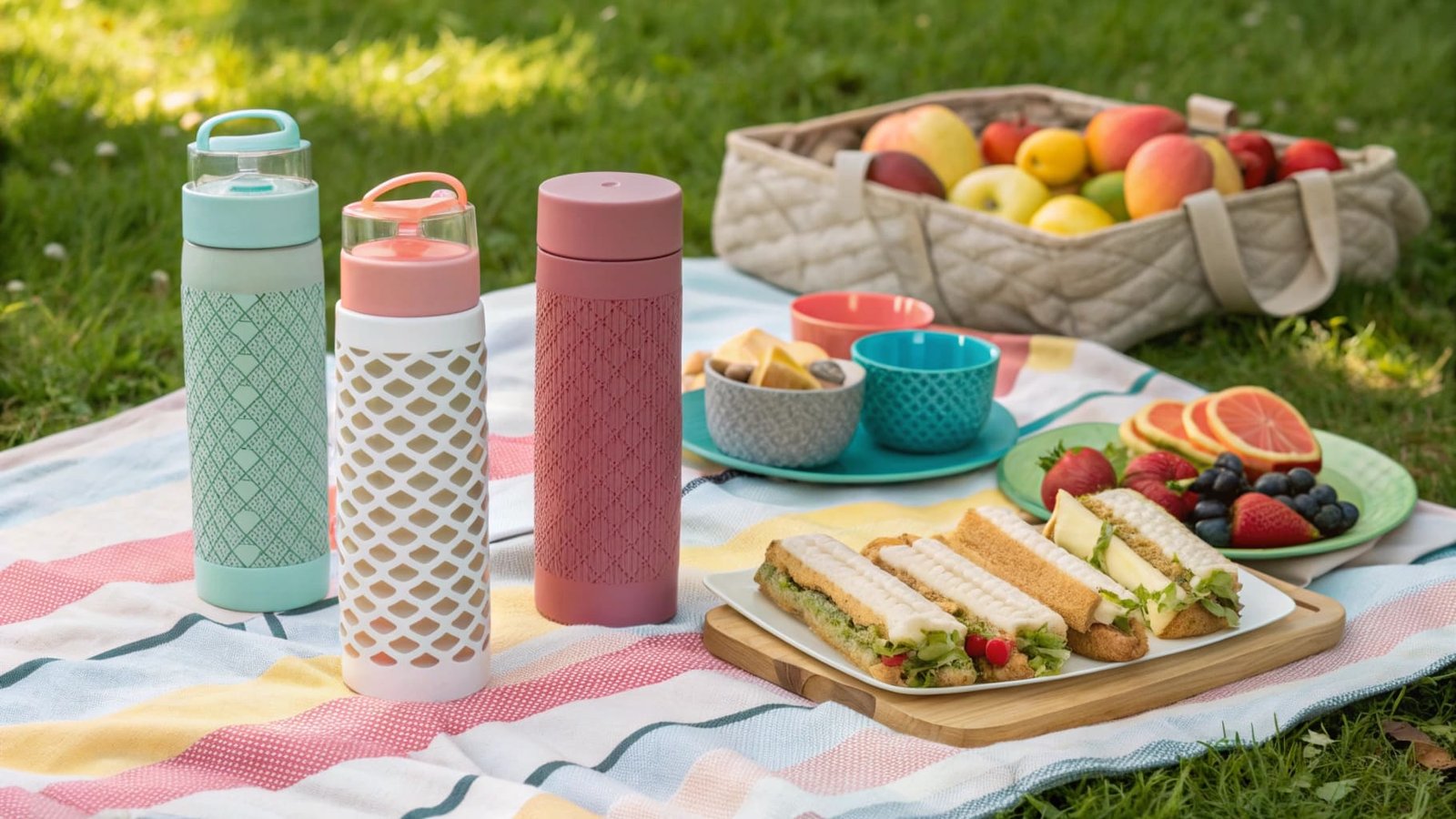
I have worked with brand builders across North America and Europe who face the same problem. They find a boot that looks right, but it fails in the field. The material cracks. The color fades. The mold grows. Each of these failures costs more than the boot itself. It costs customer trust. The next sections break down the three most common questions I get from buyers like you, and I give you the technical answers you need to make better sourcing decisions.
What Is the Point of a Stanley Boot?
Most buyers treat the boot as a nice-to-have. That thinking is costing them sales. The boot is not decoration. It is a product feature that customers feel every time they set their tumbler down.
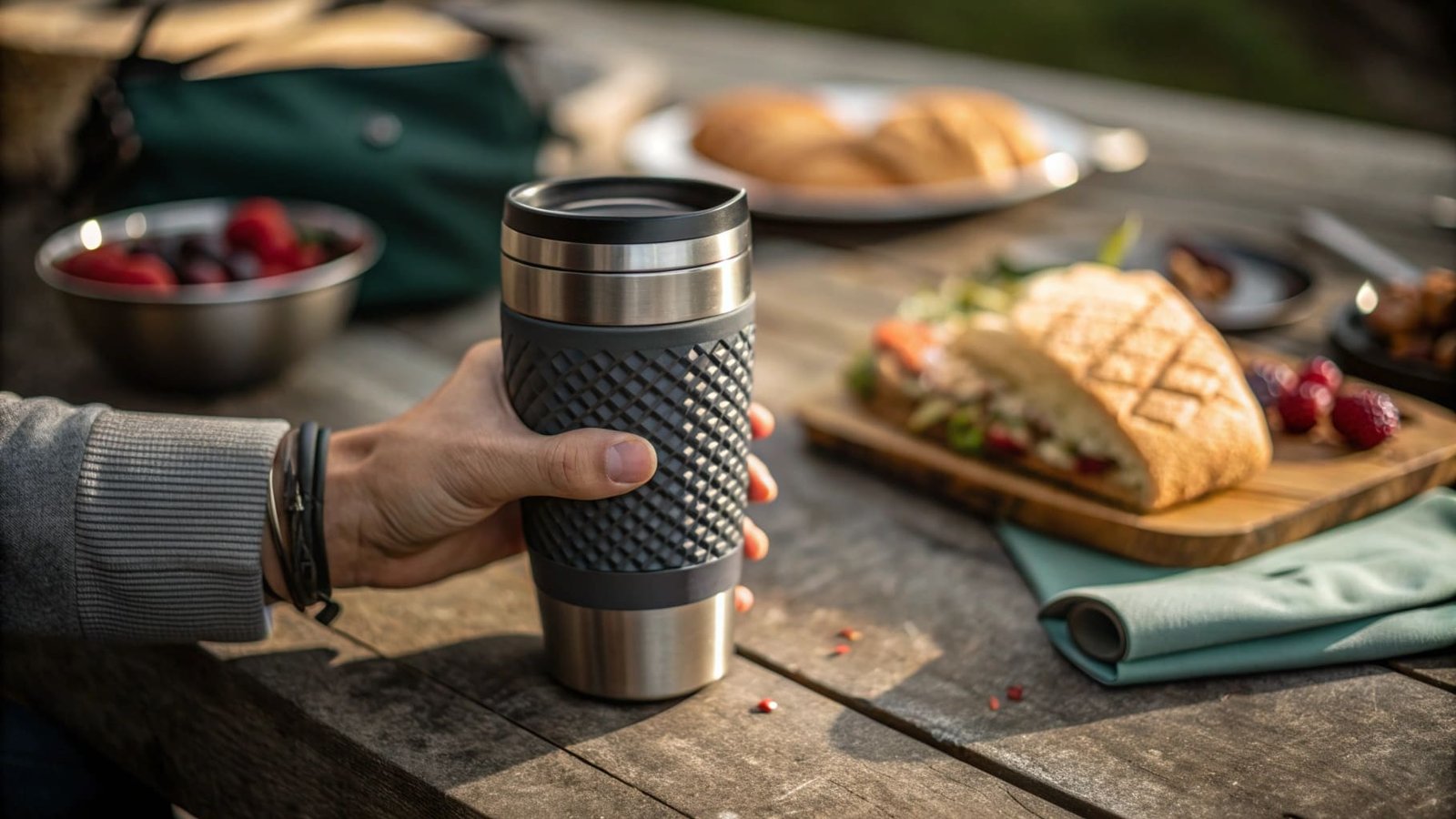
A silicone tumbler boot serves three main purposes. It stops the metal base from scratching surfaces. It reduces noise when the tumbler is set down.1 And it gives your brand a physical space for color, texture, and logo placement. These three functions directly shape how customers feel about your product.
Why Does Surface Protection Matter More Than You Think?
When a customer sets a premium tumbler on a wooden desk or a granite counter, the first thing they notice is the sound and the scratch risk. A bare metal base creates both problems at once. A silicone boot solves both in one step.
From a brand development standpoint, this matters for a specific reason. Premium drinkware customers pay more because they expect more.2 If your tumbler leaves a scratch on a customer's new desk, that customer does not blame the desk. They blame your brand. The boot is your first line of defense against that complaint.
Here is how each function of the boot maps to a specific brand benefit:
| Boot Function | Customer Experience | Brand Benefit |
|---|---|---|
| Scratch prevention | No surface damage | Fewer returns and complaints |
| Noise reduction | Quieter placement | Perceived quality improvement |
| Color and logo area | Brand recognition | Stronger visual identity |
When I evaluate a boot for an OEM project, I look at all three functions together. A boot that covers color but fails at scratch prevention is not a brand asset. It is a liability. I always recommend that buyers request samples and test the boot on the same surfaces their end customers use daily. That one test tells you more than any spec sheet.
The customization side of this is where the real brand opportunity lives. Boots that match Pantone colors and accept logo embossing give your product a finished, intentional look. Customers notice when everything lines up visually. That cohesion builds trust, and trust drives repeat purchases.
How to Protect Your Stanley From Getting Dents?
A dented tumbler looks cheap. It tells your customer the product could not handle normal use. If your boot is not doing its job, that dent is your problem, not theirs.
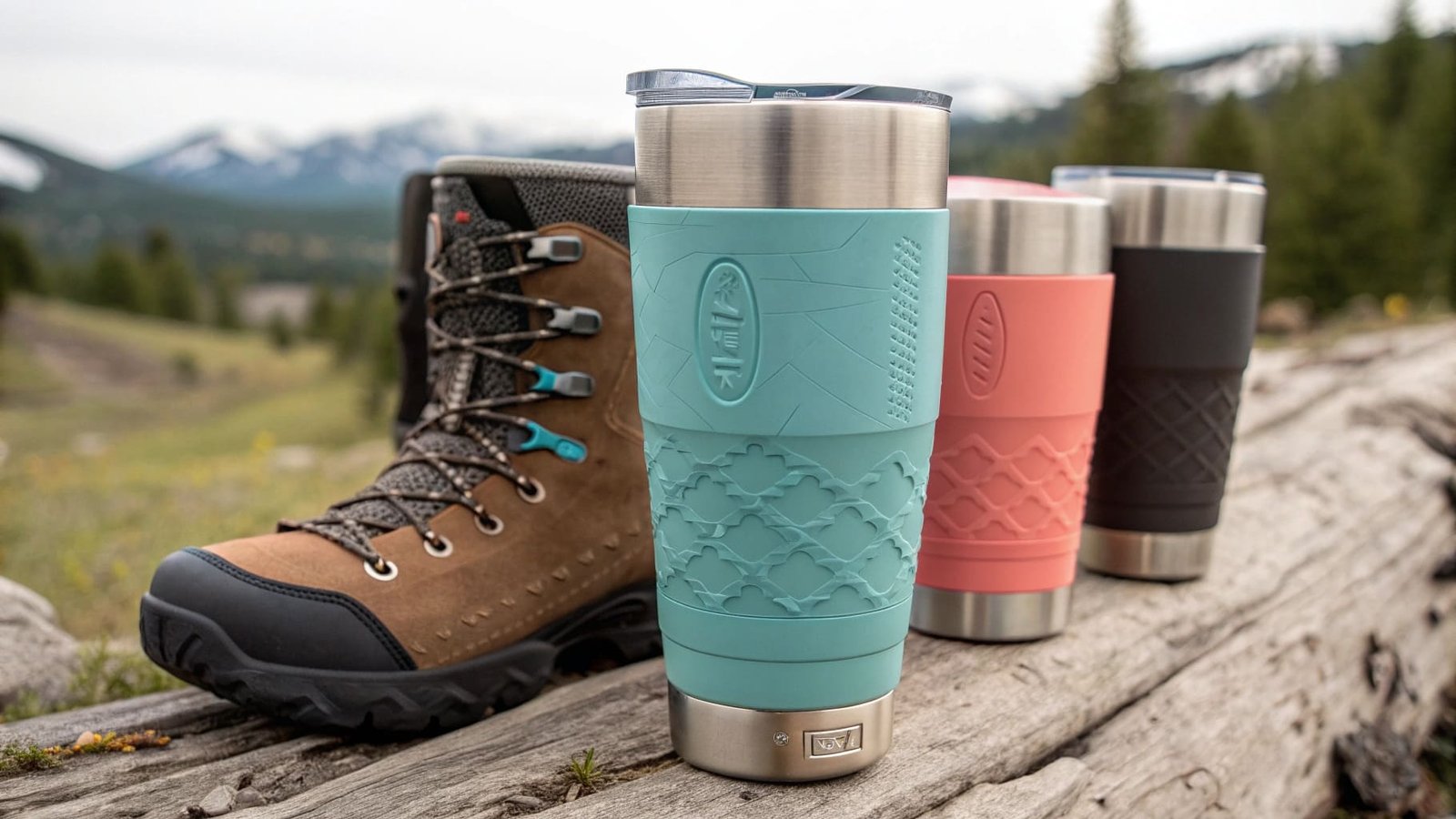
The right silicone boot absorbs impact and spreads that force across its surface. This keeps the metal body of the tumbler safe. Shore hardness between 40A and 60A gives the best balance between flexibility and resistance.3 A raised edge that extends 3 to 5mm above the tumbler's base rim adds another layer of protection during drops.4
What Specs Actually Prevent Dents on a Tumbler Boot?
Most buyers focus on color and fit when they order boots. That is the wrong starting point. The spec that matters most for dent prevention is shore hardness. Too soft, and the boot compresses completely on impact and offers no real protection. Too hard, and the boot cracks or transfers impact directly to the metal.
Shore hardness is a measure of how resistant a material is to permanent indentation.5 For tumbler boots, the practical range sits between 40A and 60A. Here is how to think about it:
| Shore Hardness | Feel | Protection Level | Best Use Case |
|---|---|---|---|
| 30A and below | Very soft | Low | Grip only |
| 40A – 60A | Firm but flexible | High | Daily use protection |
| 70A and above | Rigid | Medium | Impact focused, less flexible |
Beyond hardness, wall thickness plays a direct role. A boot with walls thinner than 3mm will not absorb enough force to matter. I recommend specifying a minimum wall thickness in your purchase order so manufacturers cannot cut corners during production.
The raised edge design is a detail that many buyers overlook. When a tumbler tips or falls, the edge of the base hits the ground first. A boot that extends slightly above that edge creates a buffer zone. That buffer is what stands between your customer's tumbler and a visible dent.
For any OEM project I work on, I ask manufacturers to provide drop-test results at a minimum height of one meter. I also ask for material certifications. This is not about being difficult. It is about making sure the boot you put your brand name on can do what you are claiming it does. A boot that fails a drop test in a warehouse will fail in a customer's kitchen. That failure reflects on your brand, not the manufacturer.
Why Does My Stanley Keep Molding?
Mold on a tumbler boot is one of the fastest ways to destroy a brand's reputation. One social media post with a photo of mold sends thousands of potential customers elsewhere. This problem is preventable, and it starts with how the boot is made.
Mold grows when moisture gets trapped between the boot and the tumbler base and cannot escape.6 The two main causes are poor drainage design and the wrong type of silicone. Both are fixable at the manufacturing stage if you know what to ask for.
How Does Boot Design and Material Choice Prevent Mold Growth?
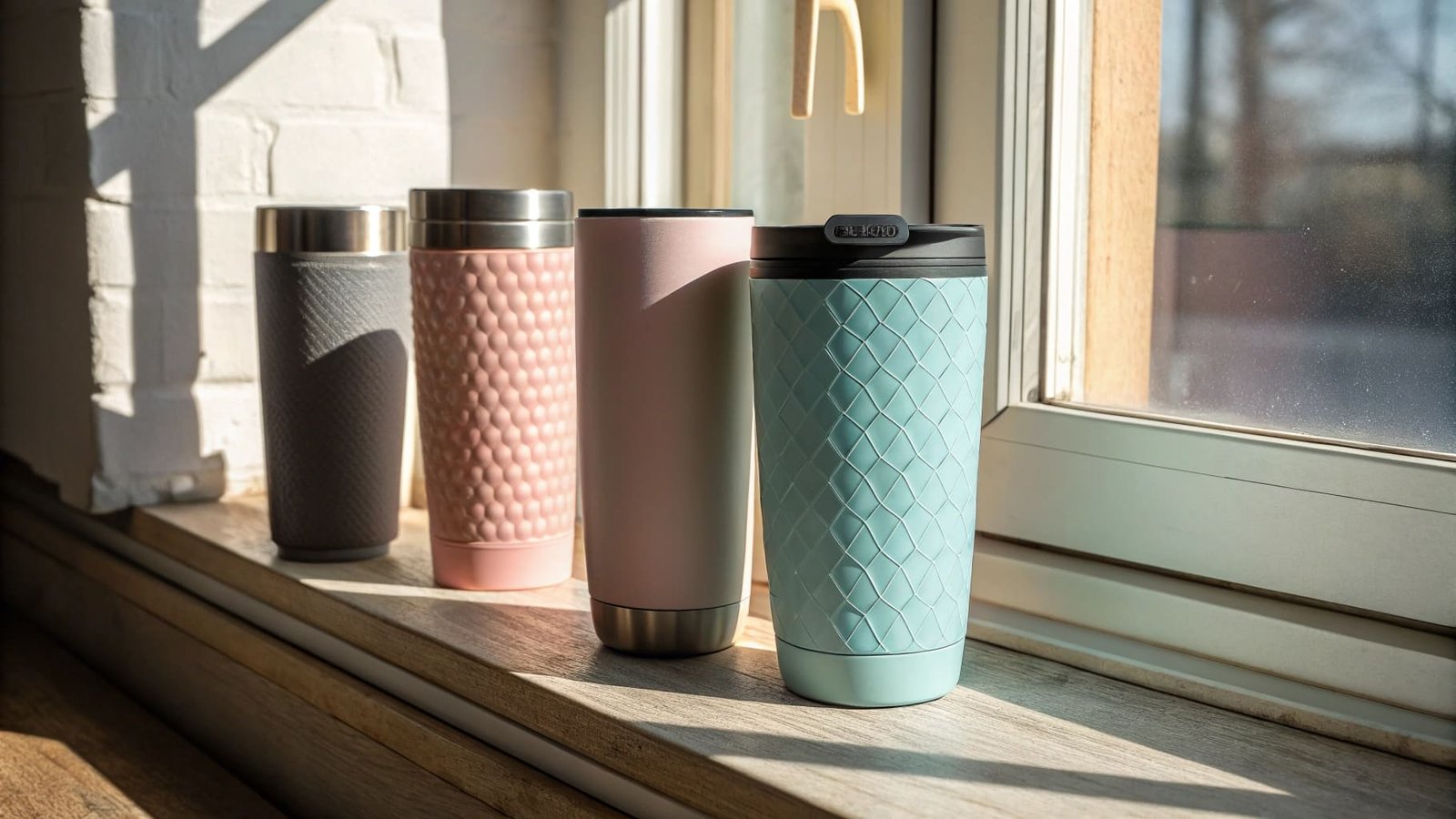
The drainage problem is a design problem. Many boots are made as a flat, closed cup shape. Water gets inside and stays there. The contact surface between the boot and the tumbler base stays wet, and mold follows. The fix is simple: micro-ventilation channels or small gaps that let air move and moisture dry out.7
Here is a breakdown of the two main silicone types and how they relate to mold risk:
| Silicone Type | Mold Resistance | Cost | Notes |
|---|---|---|---|
| Platinum-cured | High | Higher | Non-porous, preferred for food contact |
| Peroxide-cured | Lower | Lower | More porous, higher mold risk |
Platinum-cured silicone is the correct choice for any product that sits in a wet environment regularly.8 It is non-porous, which means water cannot soak into the material. That alone reduces mold risk significantly. Peroxide-cured silicone costs less, but the surface is more porous, and moisture can work its way in over time.
For OEM projects with quality positioning, I always specify platinum-cured silicone. The cost difference per unit is small. The difference in customer experience is large.
Beyond material, I recommend two additional specifications for mold prevention:
First, ask for antimicrobial additives in the silicone compound. These additives are blended into the material during production and work at the surface level to resist microbial growth. They are not a replacement for good design, but they add a second layer of protection.
Second, specify a removable design. A boot that the customer can slide off and clean properly will always perform better over time than a boot that is glued or pressed on permanently. Customers who can clean their accessories will clean them. Customers who cannot will eventually complain about mold.
During supplier evaluation, I send sample boots through a moisture retention test. I fill the boot with water, seal it against a flat surface, and check after 48 hours to see how much moisture remains. I also ask suppliers to share their material sourcing documentation. Manufacturers who are confident in their materials will share this without hesitation. Manufacturers who push back are telling you something important.
The cost of fixing a mold problem after launch is much higher than the cost of preventing it before production starts. One product recall or one viral complaint resets months of brand-building work. The upgrade from a standard boot to a platinum-cured, well-ventilated, removable design is worth every cent.
Conclusion
The right silicone tumbler boot protects your product, prevents mold, and builds your brand. Specify the correct material, design, and hardness before production starts.
-
"Advanced Materials Structures for Sound and Vibration Damping", https://pmc.ncbi.nlm.nih.gov/articles/PMC8877942/. Studies of elastomeric materials describe their capacity to deform under contact and dissipate mechanical energy, a mechanism that can reduce impact noise and surface abrasion relative to direct metal-on-hard-surface contact. Evidence role: mechanism; source type: paper. Supports: The source should explain that elastomeric materials such as silicone rubber can act as compliant contact layers that reduce impact vibration, noise transmission, and hard-surface abrasion.. Scope note: This is contextual mechanical support; it does not directly test the specific tumbler boot design discussed in the article. ↩
-
"[PDF] The Price-Perceived Quality Relationship - AgEcon Search", https://ageconsearch.umn.edu/record/291001/files/Abstracts_19_06_17_09_19_56_99__69_28_84_171_0.pdf. Consumer-behavior research on price–quality inference indicates that buyers often use higher prices as a cue for higher expected product quality, which can raise expectations for product performance and user experience. Evidence role: expert_consensus; source type: paper. Supports: The source should support the relationship between higher prices, perceived quality, and consumer expectations.. Scope note: This supports the general consumer-behavior mechanism and is not specific to insulated tumblers or silicone boots. ↩
-
"Understanding the Shore Hardness of Silicone Rubber | NEWTOP", https://www.newtopsilicone.com/understanding-the-shore-hardness-of-silicone-rubber/. Shore A durometer measurements, standardized in elastomer testing methods such as ASTM D2240, quantify indentation hardness; silicone rubbers in the 40A–60A range are generally characterized as moderately flexible rather than very soft or rigid. Evidence role: definition; source type: institution. Supports: The source should explain Shore A hardness and show that values around 40A to 60A correspond to moderately flexible elastomer behavior.. Scope note: This supports the material-property rationale for the range but does not prove that 40A–60A is optimal for every tumbler boot geometry or drop condition. ↩
-
"Study of Impact on Car Bumper-A Literature Review - Academia.edu", https://www.academia.edu/19834850/Study_of_Impact_on_Car_Bumper_A_Literature_Review. Impact-protection research on elastomer bumpers and protective cases shows that raised compliant edges can act as sacrificial contact points, increasing energy absorption and reducing direct impact on the protected substrate. Evidence role: mechanism; source type: paper. Supports: The source should support the general principle that raised elastomer edges or bumpers can intercept impact and distribute force during drops.. Scope note: This would support the design principle, but the exact 3–5 mm dimension would still require product-specific drop testing. ↩
-
"Indentation hardness - Wikipedia", https://en.wikipedia.org/wiki/Indentation_hardness. Shore hardness is defined through durometer testing methods that measure resistance to indentation under specified conditions, commonly using the Shore A scale for flexible elastomers. Evidence role: definition; source type: institution. Supports: The source should define Shore hardness as an indentation-based hardness measurement for elastomers and plastics.. ↩
-
"A Brief Guide to Mold, Moisture and Your Home | US EPA", https://www.epa.gov/mold/brief-guide-mold-moisture-and-your-home. Public-health guidance from agencies such as the EPA and CDC identifies moisture control as central to mold prevention, because mold growth is promoted by damp surfaces and persistent water intrusion. Evidence role: mechanism; source type: government. Supports: The source should state that mold growth requires moisture and is promoted by damp, poorly dried surfaces.. Scope note: This supports the moisture mechanism generally and does not directly test mold growth between a specific tumbler and silicone boot. ↩
-
"A Brief Guide to Mold, Moisture and Your Home | US EPA", https://www.epa.gov/mold/brief-guide-mold-moisture-and-your-home. Moisture-control guidance commonly identifies ventilation and airflow as methods for reducing dampness and accelerating drying, thereby lowering conditions favorable to mold growth. Evidence role: mechanism; source type: government. Supports: The source should support that ventilation and airflow help control moisture and reduce conditions favorable to mold growth.. Scope note: This is contextual support for the design rationale; the effectiveness of any specific micro-channel geometry would require direct product testing. ↩
-
"Peroxide vs. Platinum Cured Silicone Tubing - What's the Difference?", https://hollandapt.com/peroxide-vs-platinum-cured-silicone-tubing-whats-the-difference/. Comparative discussions of silicone curing systems note that platinum-catalyzed addition curing can avoid peroxide decomposition byproducts and is often used where low extractables and clean contact performance are important. Evidence role: general_support; source type: paper. Supports: The source should compare platinum-cured and peroxide-cured silicone and explain differences in curing chemistry, byproducts, or suitability for sensitive applications.. Scope note: This supports why platinum-cured silicone may be preferred for sensitive or wet-contact uses, but it does not establish that it is always the correct choice for every tumbler boot. ↩