How to Source Stanley Quencher Boots with Straw Covers for Wholesalers?
The Stanley accessory market is growing fast.1 Most wholesalers miss the real opportunity hidden inside it. Are you leaving money on the table?
Sourcing Stanley Quencher boots with straw covers for wholesale means finding a supplier that provides food-grade silicone, FDA or LFGB certification, and color-matching options. Look for Shore A hardness between 40–60 for the best fit and durability2. Always request samples before committing to bulk orders.
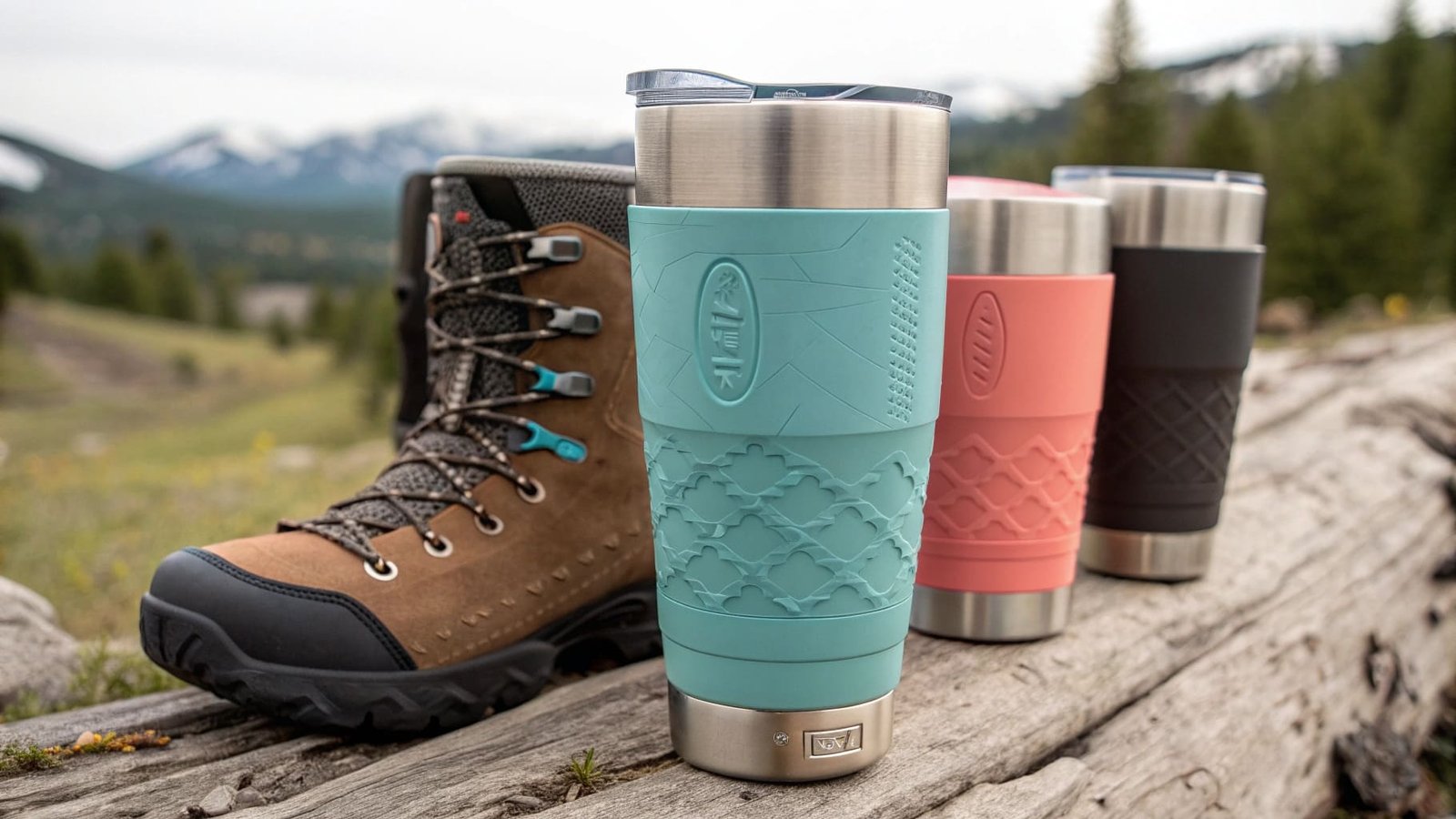
Straw covers seem like a small product. But they solve real problems for end users, and that is exactly why retail sell-through rates on these items stay high. As a wholesaler, the better you understand what makes these products work, the easier it is to pitch them to your retail partners. Let me walk you through everything I know about sourcing this product the right way.
How to Insert a Straw in Stanley?
Most buyers do not think about straw insertion until they get a complaint from a retail partner. That complaint costs you time, money, and trust.
Inserting a straw into a Stanley cup is simple. Push the silicone straw through the lid opening from above, then press the straw cover down onto the tip of the straw until it snaps into place. The fit should feel secure but not require force.
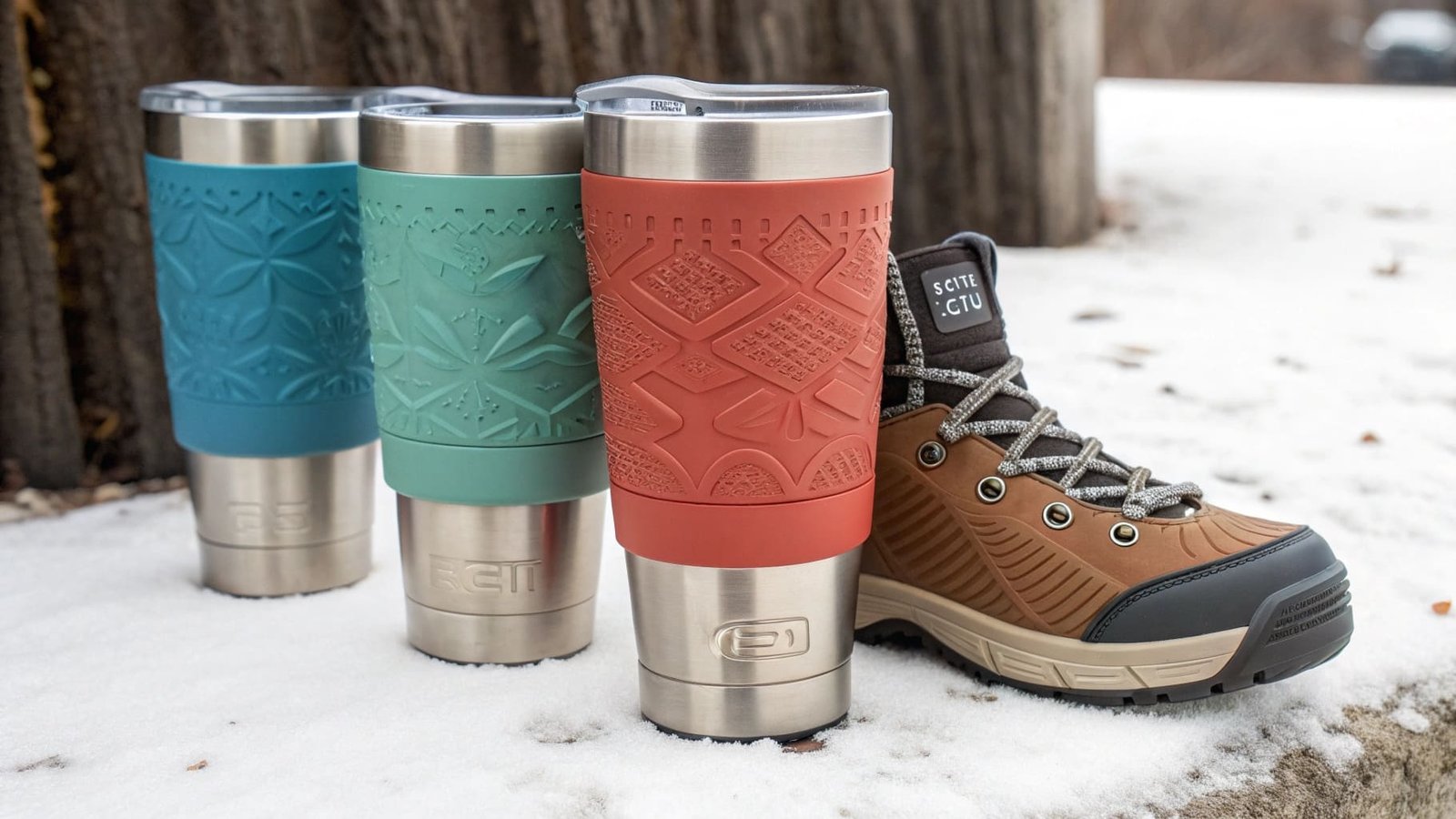
The insertion experience tells you a lot about the quality of the product you are sourcing. When I evaluate silicone straw components from suppliers, I always test the push-through process by hand before I approve a sample. Here is what I look for and why each detail matters to wholesale buyers.
What Does Silicone Hardness Have to Do with Straw Insertion?
Silicone hardness is measured using the Shore A scale. For straw systems, this number tells you how easy the straw is to insert and how well the cover holds in place after installation. A product that is too soft will not seal. A product that is too firm will frustrate the end user during installation.3
| Shore A Rating | Feel | Performance |
|---|---|---|
| Below 40 | Very soft | Poor seal retention, cover falls off easily |
| 40–60 | Medium firm | Easy to insert, holds seal well, best for everyday use |
| Above 60 | Stiff | Difficult to install, may crack under repeated stress |
When I source straw covers for wholesale, I ask suppliers directly for the Shore A hardness of their silicone compound. If they cannot answer that question, I move on. A supplier who understands their own material specs is a supplier who will send consistent product across multiple production runs. Inconsistent hardness leads to return claims from retail partners, and that is a problem I do not want to manage.
I also check whether the supplier provides written insertion instructions with each unit or pack. Clear instructions reduce customer confusion and lower return rates. This is a small detail, but retail buyers notice it.
Can I Use a Stanley Cup Without a Straw?
Some wholesale buyers assume that every Stanley cup user wants a straw. That assumption leads to missed sales in a segment that is bigger than most people think.
Yes, a Stanley Quencher can be used without a straw. The flip-top lid has an opening that allows direct sipping.4 This means the cup functions independently of the straw system entirely.
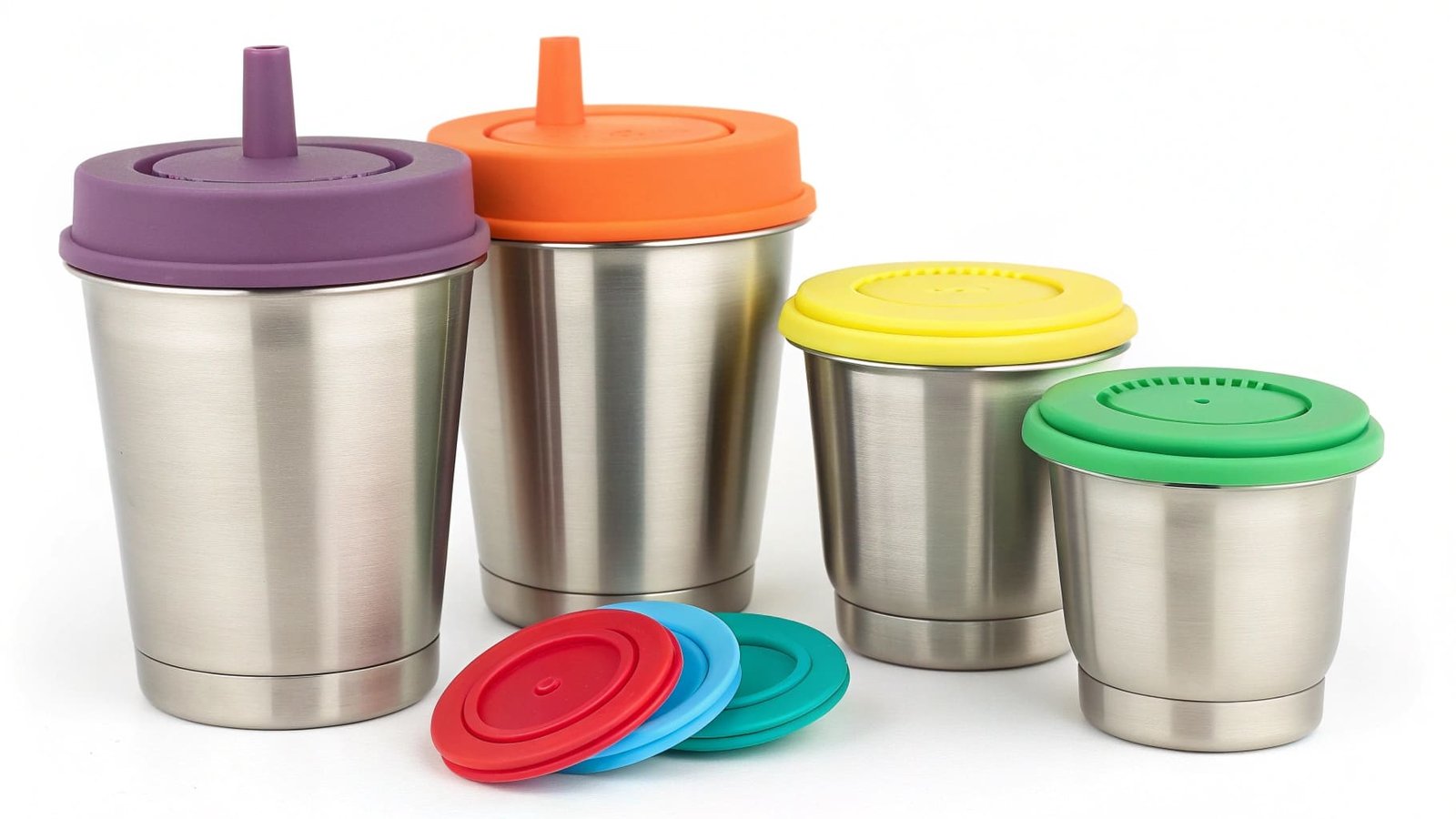
This is not just a product feature. It is a market signal. Over seventy percent of Stanley users prefer the straw system5, but a meaningful portion of the market prefers the direct-sip option. That split creates an opportunity for wholesalers who think in terms of product bundles rather than single SKUs.
What Does the Straw-Optional Design Mean for Wholesale Strategy?
The straw-optional design opens up two separate customer groups inside the same product category. Wholesalers who recognize this can build accessory packages that serve both groups at once.
| Customer Type | Primary Use | Accessories They Need |
|---|---|---|
| Straw user | Daily hydration with straw | Silicone straw, straw cover, straw hole plug |
| Direct-sip user | Lid-only drinking | Replacement lid gasket, silicone cup sleeve |
| Both | Switches between modes | Full accessory set including both straw and lid components |
When I build product sets for wholesale, I think about the third type of customer first. That customer wants flexibility, and flexibility means buying more accessories. A complete accessory bundle that includes a straw cover, a straw hole plug, and a replacement lid gasket gives retail partners a higher-margin SKU to place on shelves. It also gives end users a reason to come back for replacement parts.
The straw-optional design also reduces wholesale risk. If a retail partner moves inventory slowly on straw-specific SKUs, they can pivot to promoting the lid-only accessories without needing to return product. That flexibility keeps your retail relationships stable.
What Are Stanley Straw Covers For?
Straw covers look like a simple piece of silicone. But every wholesale buyer should understand exactly what problem they solve before they place a bulk order.
Stanley straw covers serve three main purposes. They block dust and debris from entering the straw opening. They prevent liquid from leaking when the cup is carried in a bag.6 They also protect the straw itself from physical damage during transport or storage.
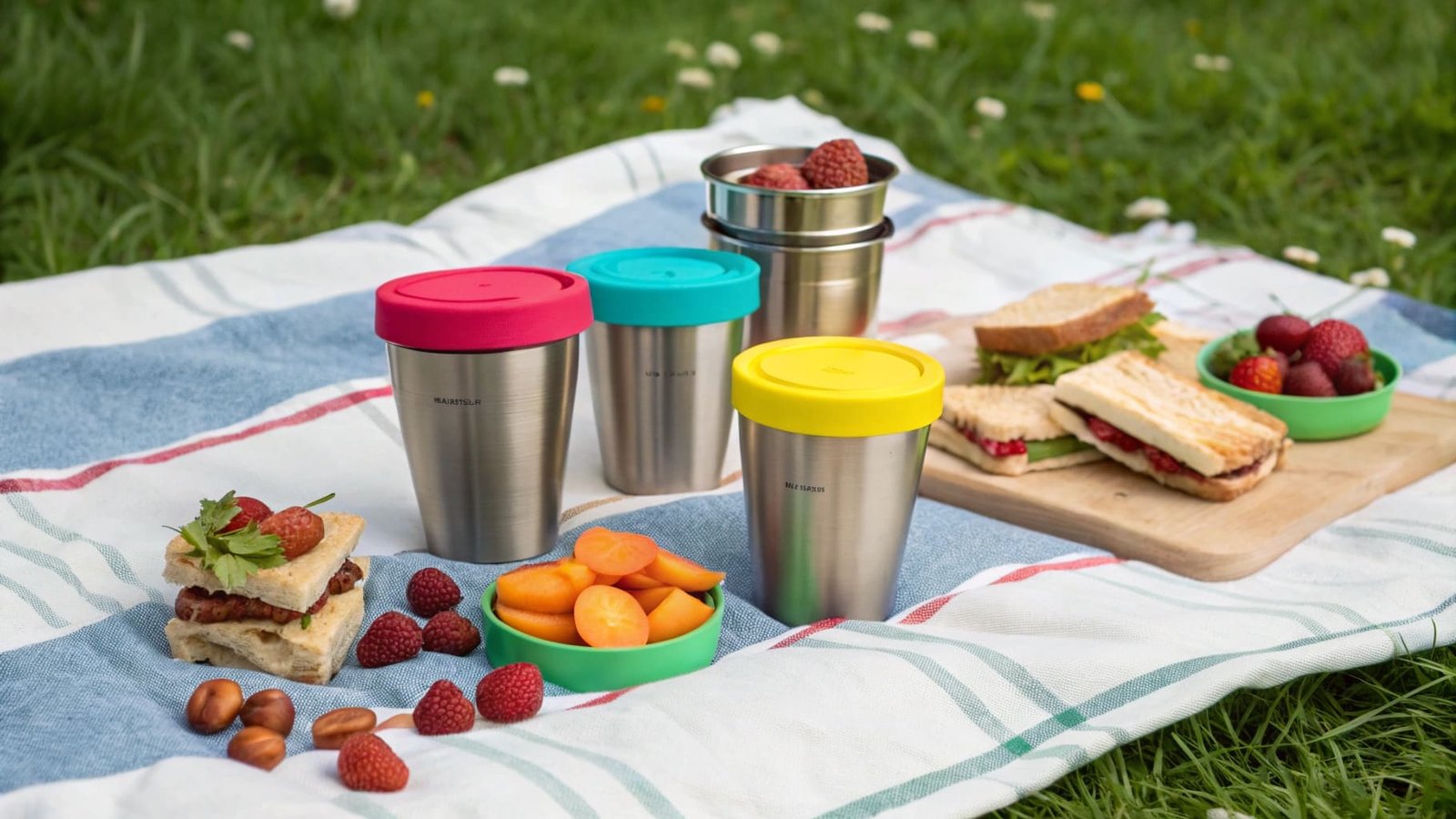
When I explain the value of straw covers to a new retail partner, I focus on hygiene first. Hygiene is the reason a consumer pays attention. The other two benefits close the sale. Here is a deeper look at why each function matters and how it connects to your sourcing decisions.
Why Do Straw Cover Functions Matter When You Are Sourcing at Scale?
Each function of the straw cover points to a specific material or design requirement. If your supplier does not meet these requirements, the product fails in the field, and your retail partner loses confidence in your brand.
| Function | What It Requires | What to Check When Sourcing |
|---|---|---|
| Hygiene barrier | Non-porous surface, food-grade material | Ask for FDA or LFGB food contact certification |
| Leak prevention | Tight fit over straw tip, secure snap | Test snap retention on sample; check Shore A hardness |
| Physical protection | Durable silicone that does not crack | Ask for temperature resistance range; target -40°F to 200°F |
| Taste neutrality | BPA-free, no off-gassing | Request material safety data sheet from supplier |
| Aesthetic match | Color consistency across batches | Ask for Pantone color-matching capability |
Color matters more than most wholesale buyers expect. Stanley cups come in a wide range of popular colorways, and end users want their accessories to match. Suppliers who offer Pantone color-matching services give you a strong differentiator when pitching to retail buyers. A straw cover that matches the cup exactly sells faster than a generic black or clear option.
I always request a color-matching test as part of my sample evaluation process. I send the supplier a reference color and ask them to match it in silicone. If the result is close, I know they have the production capability to maintain consistency at scale. If the color is off by a visible margin, I ask for a second sample before making a sourcing decision. Color inconsistency in a retail environment damages the perceived quality of the entire product line.
Certification documentation is the other piece I never skip. Certificate fraud is a real problem in this market. I ask suppliers to provide original certification documents and verify them directly with the issuing body when possible. This step takes extra time, but it protects you from a compliance problem that could block product from entering your target market.
Conclusion
Sourcing Stanley straw covers for wholesale requires understanding the product function, the end user, and the supplier's technical capability. Get all three right and the margin follows.
-
"Reusable Water Bottle Market Size | Industry Report, 2030", https://www.grandviewresearch.com/industry-analysis/reusable-water-bottle-market. Market data on reusable drinkware and related accessories indicate rising consumer demand in the broader category, providing context for growth in Stanley-compatible accessories. Evidence role: statistic; source type: other. Supports: Market or retail data showing growth in reusable drinkware, tumbler accessories, or closely related accessory categories.. Scope note: The evidence may support the broader reusable drinkware or accessory market rather than isolating Stanley-branded accessories specifically. ↩
-
"An experimental and theoretical study of the effect of ... - PubMed", https://pubmed.ncbi.nlm.nih.gov/20206378/. Elastomer design literature shows that Shore A hardness is associated with flexibility, compression behavior, and sealing performance, which supports using a mid-range hardness for components that must both deform and retain a seal. Evidence role: mechanism; source type: research. Supports: Material-engineering evidence that Shore A hardness affects elastomer flexibility, sealing behavior, and insertion force.. Scope note: The evidence is likely to be general to elastomer seals and may not directly test Stanley-compatible straw covers. ↩
-
"Sealing performance of sealing structure in a sediment sampler ...", https://pmc.ncbi.nlm.nih.gov/articles/PMC10613615/. Studies of elastomeric seals show that hardness influences deformation under compression and the force needed for assembly, supporting the tradeoff between seal retention and ease of installation. Evidence role: mechanism; source type: paper. Supports: Elastomer hardness affects deformation, contact pressure, and the force required to assemble or insert flexible components.. Scope note: The source would support the mechanical principle rather than directly evaluating consumer use of straw covers. ↩
-
"The Quencher H2.O FlowState™ Tumbler Lid | 40 OZ - Stanley 1913", https://www.stanley1913.com/products/quencher-h2o-flowstate-tumbler-lid-40-oz. Official Stanley product documentation describes the Quencher lid as having drinking positions that include a straw opening and a direct-drink opening, supporting the claim that the cup can be used without the straw. Evidence role: case_reference; source type: other. Supports: Official product documentation describing the Stanley Quencher lid's drinking positions or direct-sip opening.. Scope note: This source would document the design of relevant Stanley Quencher models, but lid configurations may vary by model or production year. ↩
-
"Consumer acceptability and monetary value perception of iced ...", https://pubmed.ncbi.nlm.nih.gov/33648167/. Consumer survey data would be needed to substantiate the reported share of users who prefer straw-based drinking systems among Stanley or comparable tumbler owners. Evidence role: statistic; source type: other. Supports: Survey or consumer-research data quantifying the share of Stanley or reusable tumbler users who prefer straw-based drinking.. Scope note: If the source surveys reusable tumbler users generally, it would provide contextual support rather than direct proof for Stanley users. ↩
-
"Life cycle assessment of environmental impact of disposable ... - PMC", https://pmc.ncbi.nlm.nih.gov/articles/PMC8897272/. Research on drinking-container hygiene and exposed contact surfaces supports the general mechanism that covering a straw opening can reduce environmental exposure to dust and debris. Evidence role: mechanism; source type: paper. Supports: Evidence that exposed drinking surfaces can accumulate environmental contamination and that physical covers can act as barriers.. Scope note: Such evidence may support the hygiene-barrier mechanism but may not directly test the leak-prevention performance of specific straw covers. ↩