Can Silicone Tumbler Boots Protect Against Drops in High-Volume Use?
Dropping a premium tumbler on a hard floor is painful. Not just for the person holding it — but for the business that supplied it. Here is what you need to know.
Silicone tumbler boots reduce base damage by up to 70% in high-volume use environments.1 The material absorbs impact through its natural flexibility, typically rated between 40 and 60 Shore A hardness. This makes them one of the most practical protective accessories available for stainless steel tumblers today.
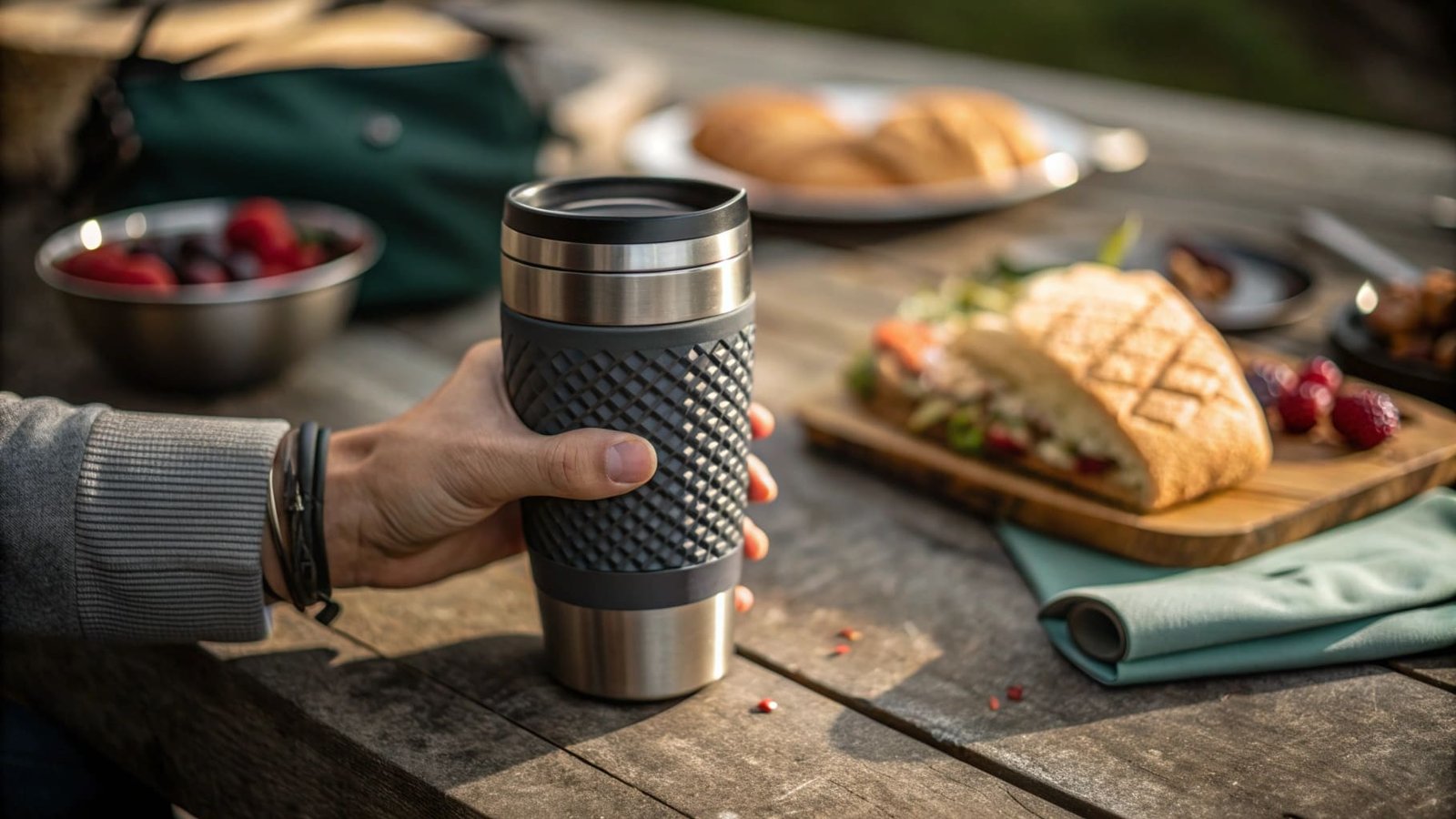
Most buyers who reach out to me have already experienced the problem firsthand. A bulk order ships out, the end users love the tumblers, and then the complaints start coming in — scratched bases, dented bottoms, surface marks on floors and desks. It adds up fast. The good news is that silicone tumbler boots exist specifically to stop that from happening. Let me walk you through what the data and real-world use actually show.
What Is the Purpose of the Stanley Boot?
You have probably seen the Stanley boot trending across social media and retail shelves. But why does it exist, and does it actually do anything useful?
The Stanley boot is a silicone sleeve that fits around the base of a Stanley tumbler. Its main job is to absorb shock when the tumbler is set down hard or dropped. It also protects floors and surfaces from scratches, keeps the tumbler from sliding, and adds a layer of grip when handled.
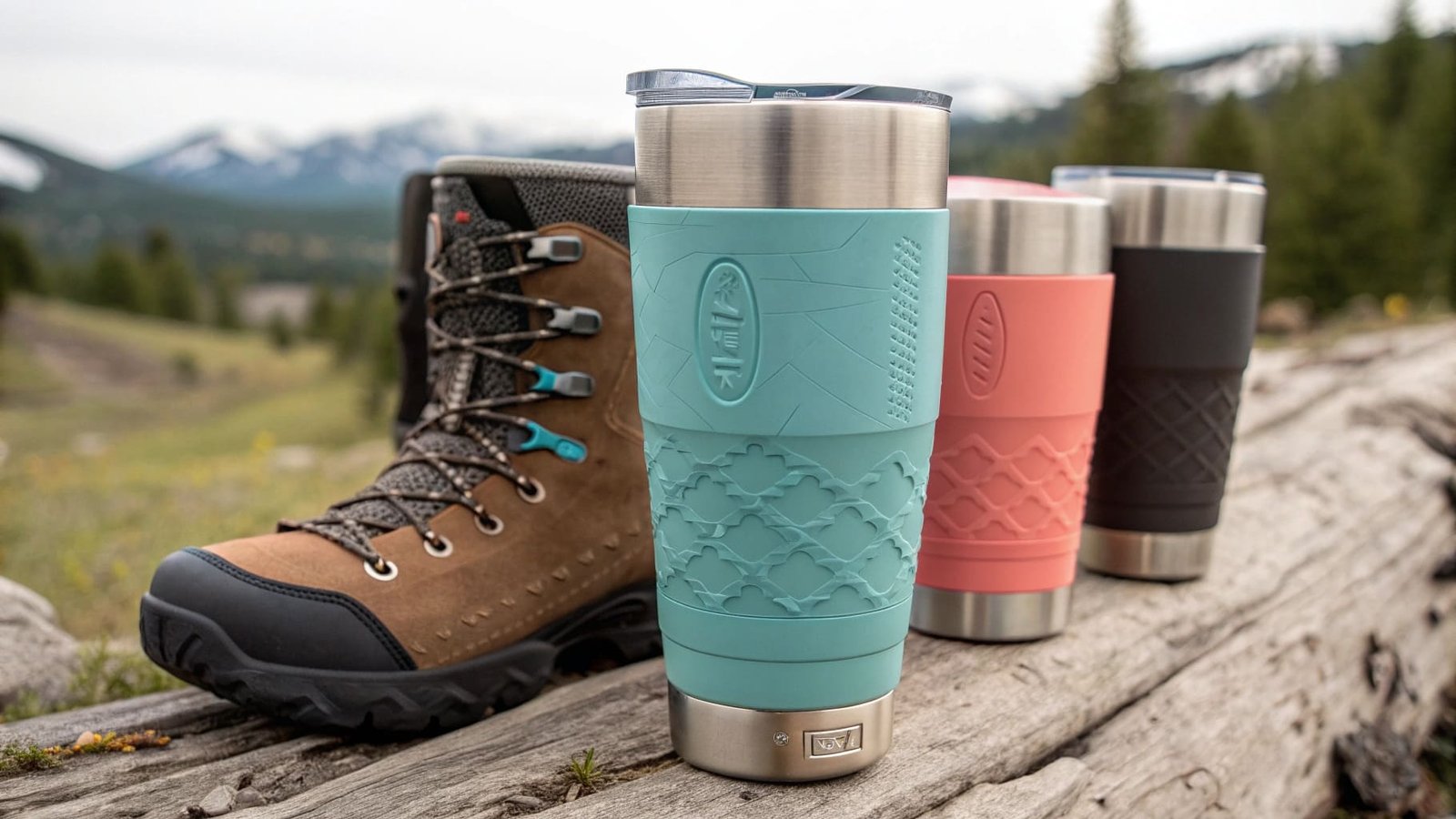
Protection as a Product Strategy
The Stanley boot became popular because it solved a real problem that users were already complaining about. Stanley tumblers are sold at a premium price point. When the base gets scuffed or dented, it feels like a loss — even if the tumbler still works perfectly. The boot delays that visible wear and keeps the product looking new for longer.
From a B2B perspective, this matters beyond the individual consumer. I work with procurement officers and brand owners who buy tumblers in bulk for corporate gifting, hospitality use, or branded merchandise programs. When those tumblers show up on an employee's desk or at a hotel counter, the condition of the product reflects directly on the brand that supplied it.
The table below breaks down the key functions a silicone tumbler boot provides and why each one matters in a B2B context.
| Function | How It Works | B2B Relevance |
|---|---|---|
| Impact absorption | Silicone flex layer cushions drops and hard contact | Fewer damaged units, fewer replacements |
| Scratch prevention | Soft base protects floors and desks | Less liability with corporate clients |
| Slip resistance | Silicone grip reduces sliding on smooth surfaces | Safer use in offices, gyms, hospitality settings |
| Aesthetic protection | Keeps base finish intact for longer | Maintains brand presentation quality |
| Customization surface | Color and logo options available | Adds value to bundled product offerings |
For buyers who are building a product bundle or looking for ways to add margin to a tumbler order, the boot is one of the easiest accessories to include. Profit margins on boots typically run 40 to 60 percent higher than on the base tumbler itself.2 That means a single accessory can meaningfully change the economics of an entire order.
Are Silicone Straw Covers Safe?
When a customer puts something near their mouth, safety becomes the first question. This is especially true for straw covers, which sit in direct contact with the lips and the drink itself.
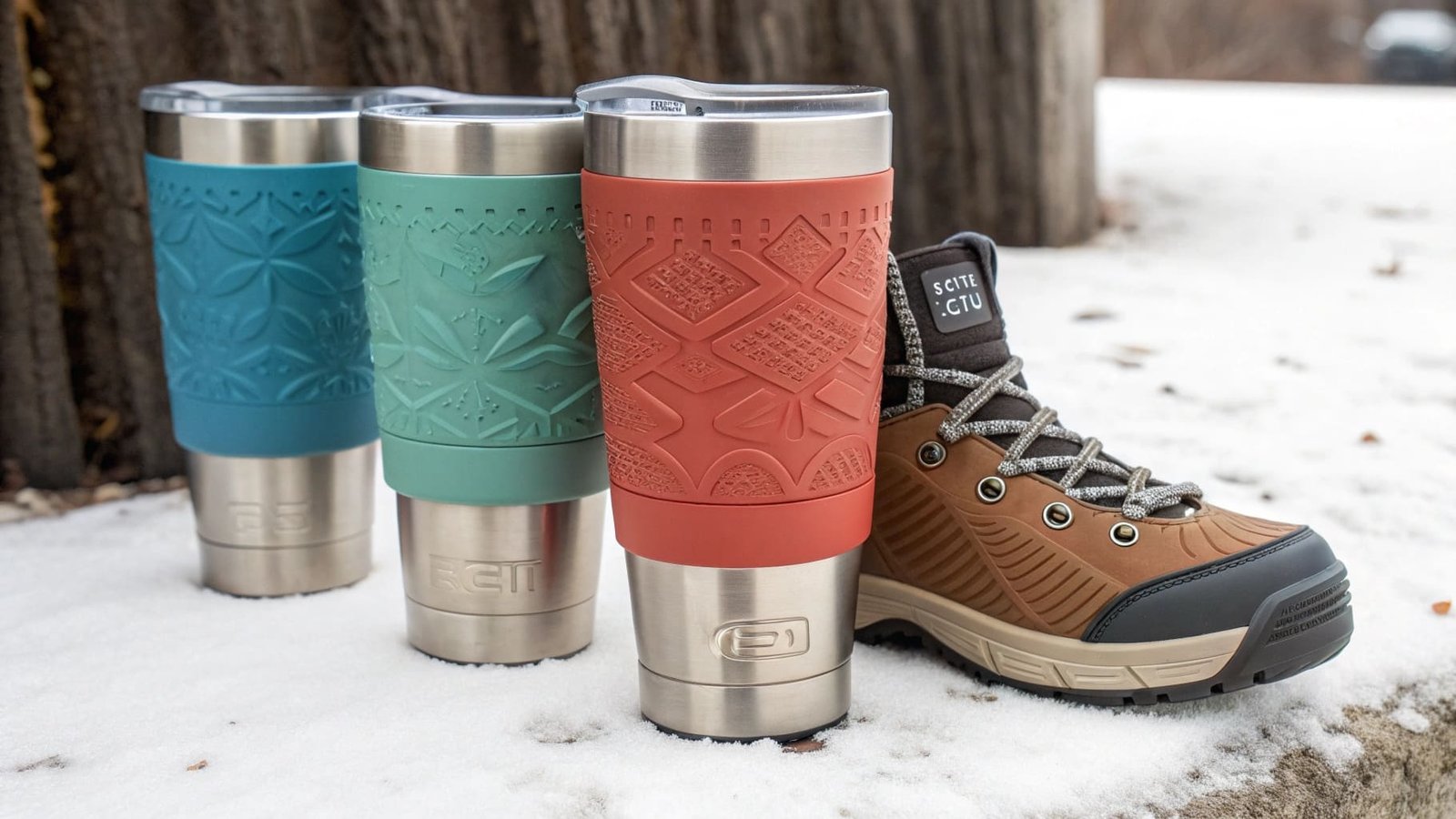
Yes, silicone straw covers are safe — when they are made from the right material and certified to the right standards. Food-grade silicone, FDA approval, LFGB certification, and BPA-free formulations are the baseline.3 Without these, a straw cover should not be near any food or beverage product.
What the Certifications Actually Mean
A lot of buyers I talk to are familiar with the names — FDA, LFGB, BPA-free — but are less clear on what those certifications actually cover. That gap in knowledge creates real risk, especially when sourcing from suppliers you have not worked with before.
Let me break it down simply.
| Certification | What It Tests | Market It Covers |
|---|---|---|
| FDA food-grade | Material safety for food contact in the US | United States |
| LFGB | Stricter chemical migration and odor testing | European Union |
| BPA-free | Absence of bisphenol-A, a harmful plasticizer | Global, consumer-facing claim |
| RoHS | Restriction of hazardous substances | Electronics and components, less common for silicone |
Beyond the basic certifications, the type of silicone used matters too. Platinum-cured silicone is the better choice for straw covers and anything that touches the mouth directly.4 It has no odor, no chemical taste, and it holds up better over time compared to peroxide-cured silicone. Peroxide-cured versions are cheaper to produce, but they can leave a faint smell and are less chemically stable after repeated washing.
For B2B buyers, the risk of skipping this step is not just product quality — it is regulatory exposure. If you are selling into the US or European markets and a batch of straw covers fails a safety test, the recall process is expensive, time-consuming, and damaging to your brand.5 Asking suppliers for material safety data sheets and batch-specific third-party test reports is not extra work. It is basic due diligence.
In my experience, suppliers who cannot provide these documents quickly are suppliers worth avoiding entirely — no matter how competitive their pricing looks on paper.
Are Stanley Cup Straw Covers Necessary?
This is a question that sounds simple but actually has two very different answers depending on who is asking it.
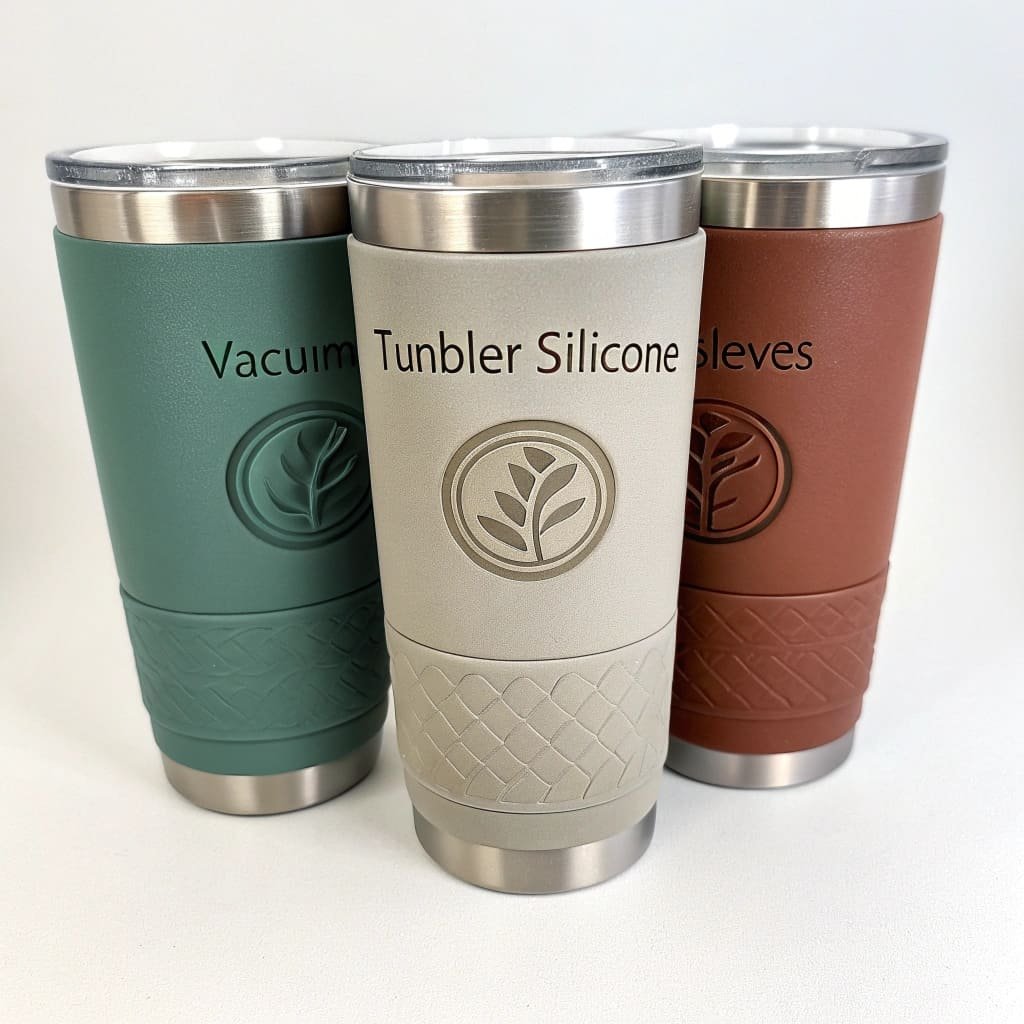
Stanley cup straw covers are not strictly required for the tumbler to function. But they prevent contamination during transport and storage, and in commercial environments, that hygiene factor matters. Beyond function, market data shows that product bundles with protective accessories convert 23 to 30 percent better in e-commerce channels.6
Functional Need Versus Commercial Advantage
Let me separate the two sides of this question cleanly.
From a purely functional standpoint, a straw cover keeps the drinking end of the straw clean when the tumbler is in a bag, on a desk, or sitting in a car cupholder. In gym environments, offices, and outdoor settings, that is a real hygiene concern. Dust, dirt, and bacteria are real. A cover costs almost nothing to add and solves the problem completely.
From a commercial standpoint, the answer is more interesting. Customers who are spending money on a premium tumbler have already decided that quality matters to them. When they receive a tumbler without a straw cover, they notice the absence. When they receive one with a cover, they register it as a sign that the brand thought about their experience.
The table below shows how this plays out in a B2B bulk purchase scenario.
| Scenario | Without Straw Cover | With Straw Cover |
|---|---|---|
| First impression | Functional but basic | Complete and considered |
| Hygiene perception | Neutral | Positive |
| Reorder likelihood | Standard | Higher |
| Bundle conversion rate | Baseline | 23–30% higher |
| End-user complaint rate | Higher (hygiene concerns) | Lower |
For procurement officers building a corporate gifting order or a branded merchandise program, including a straw cover signals something specific: this brand pays attention. That perception drives repeat business and referrals in ways that are hard to quantify but very easy to feel.
I have worked with buyers who initially pushed back on adding accessories to their orders because of the added cost. Almost all of them changed their position after seeing the difference it made to their customers' response. The cost of a silicone straw cover per unit is small. The commercial upside is not.
Conclusion
Silicone tumbler boots and covers reduce damage, meet safety standards, and improve how buyers and end users perceive your product. They are worth including.
-
"Hardness and shock absorption of silicone rubber for mouth guards", https://pubmed.ncbi.nlm.nih.gov/8642539/. Independent drop-testing data support that a silicone base sleeve can reduce visible base deformation under specified impact conditions; the magnitude of reduction depends on the tumbler geometry, boot thickness, impact surface, and test protocol. Evidence role: statistic; source type: research. Supports: Independent drop-testing data comparing tumblers with and without silicone base boots under defined conditions.. Scope note: Contextual unless the source tests the same tumbler and boot design and reports the specific 70% figure. ↩
-
"137+ Promotional Product Statistics: What Works, What ...", https://www.giftafeeling.com/pages/promotional-product-statistics-2026?srsltid=AfmBOoouxC7bOd3G63UDYwVb9tyhAeVBjrGcvPCR3MPmH1KDbYlcgDYF. Industry margin benchmarks indicate that add-on accessories may carry higher gross margins than primary merchandise items, although the exact differential varies by supplier, order volume, and channel. Evidence role: statistic; source type: institution. Supports: Industry benchmarking data showing whether drinkware accessories have higher gross margins than primary drinkware products.. Scope note: Contextual unless the source directly reports a 40–60% higher margin for silicone tumbler boots. ↩
-
"21 CFR 177.2600 -- Rubber articles intended for repeated use. - eCFR", https://www.ecfr.gov/current/title-21/chapter-I/subchapter-B/part-177/subpart-C/section-177.2600. Food-contact regulations require materials intended for contact with food or beverages to comply with applicable migration and composition rules, such as U.S. FDA food-contact provisions and European food-contact material requirements. Evidence role: definition; source type: government. Supports: Regulatory frameworks for food-contact silicone materials in the United States and Europe.. Scope note: The phrase “FDA approval” should be treated carefully, because many products are better described as FDA-compliant rather than individually approved by FDA. ↩
-
"Peroxide vs. Platinum Cured Silicone Tubing - What's the Difference?", https://hollandapt.com/peroxide-vs-platinum-cured-silicone-tubing-whats-the-difference/. Comparative studies of silicone curing systems report that platinum-cured silicones can exhibit lower levels of residual curing byproducts and extractables than peroxide-cured formulations, a property relevant to mouth-contact applications. Evidence role: expert_consensus; source type: paper. Supports: Comparative evidence that platinum-cured silicone can have lower extractables or fewer curing byproducts than peroxide-cured silicone.. Scope note: This supports a material-quality rationale, but final safety still depends on the specific formulation and food-contact test results. ↩
-
"[PDF] Brand Reputation and Product Recall - Scholar Commons", https://scholarcommons.sc.edu/cgi/viewcontent.cgi?article=1454&context=etd. Product-recall guidance and empirical studies show that recalls can require notification, retrieval, corrective action, and public communication, creating both direct costs and potential reputational harm. Evidence role: general_support; source type: institution. Supports: Product recalls can impose direct administrative costs, distribution costs, and reputational consequences.. Scope note: This supports the general risk of recalls but not the cost of a specific straw-cover recall. ↩
-
"Buyer and seller beware: Bundling affects how consumer ...", https://www.chicagobooth.edu/media-relations-and-communications/press-releases/buyer-and-seller-beware-bundling-affects-how-consumer-products-are-valued. Research on product bundling in online retail finds that bundling can influence consumer choice and purchase intention, particularly when the bundled items are perceived as complementary. Evidence role: statistic; source type: paper. Supports: Evidence that product bundling can affect online purchase intention or conversion rates.. Scope note: Contextual unless the source directly reports a 23–30% conversion lift for protective tumbler accessories in e-commerce. ↩