How to Verify Silicone Stretch Lid Elasticity Before Placing Bulk Orders?
I learned the hard way that elasticity testing can save you thousands of dollars. One client returned 5,000 units because the lids lost their shape after three months. Testing before ordering prevents these disasters.
Test elasticity by stretching sample lids to 150% of their original diameter at least 50 times. Quality silicone snaps back to within 5% of the original size without visible deformation or whitening at stress points.
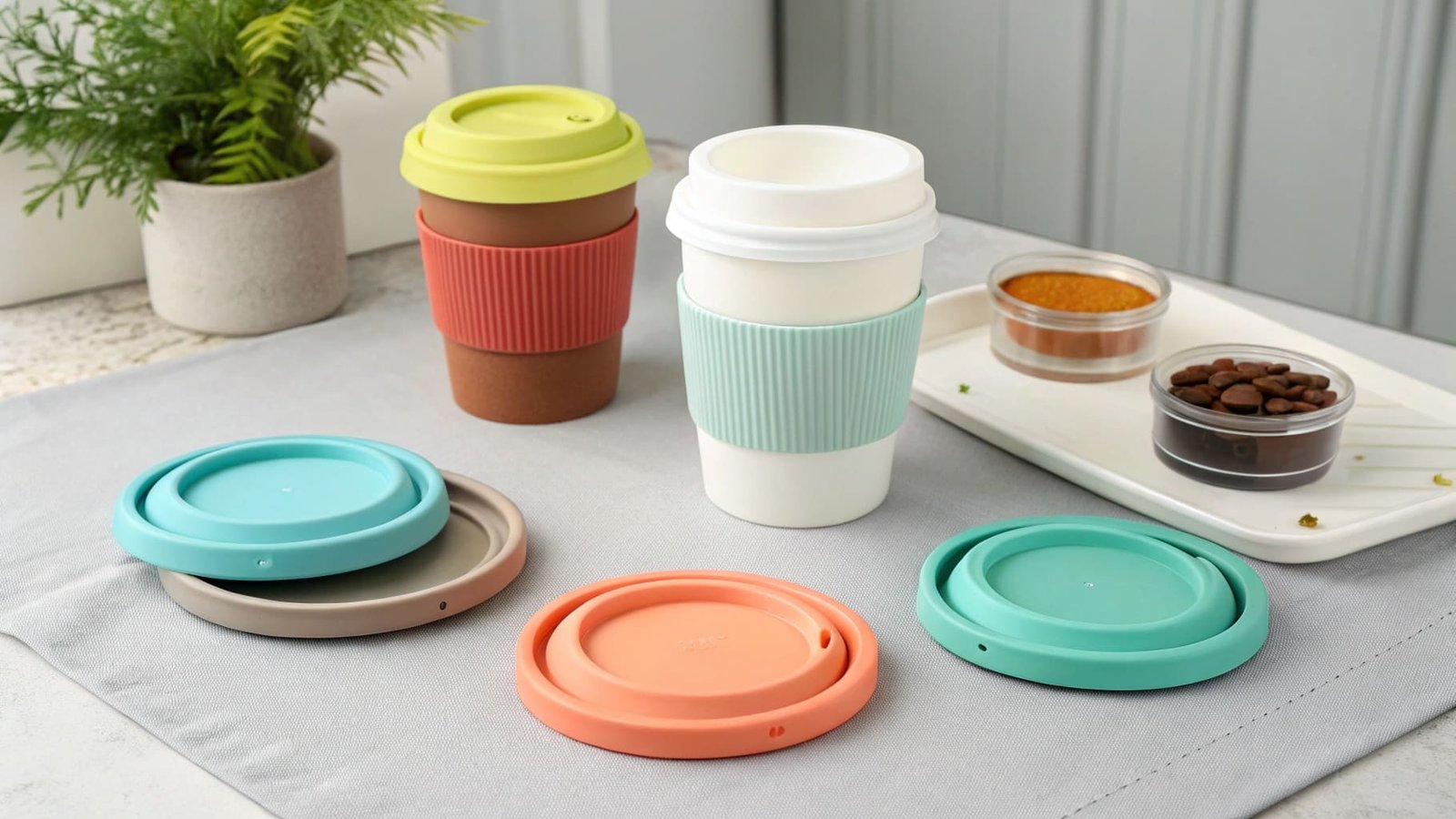
I remember standing in my warehouse in Shenzhen last year. A Canadian distributor had just rejected an entire shipment. The lids looked perfect when they arrived. But after customers used them for a few weeks, they stopped sealing properly. The elasticity failed. That moment taught me that visual inspection alone never works for silicone products. You need real testing methods. I want to share what I learned from that expensive mistake. These testing protocols now protect every bulk order I handle.
How to wash silicone stretch lids?
Your customers will destroy these lids if they wash them wrong. I see this pattern repeat with every new distributor. They sell the lids without proper care instructions. Then the complaints start flooding in after a month.
Wash silicone stretch lids1 in the dishwasher on the top rack or hand wash with mild soap. Avoid abrasive scrubbers and harsh chemicals. Air dry completely before storage to prevent odor buildup.
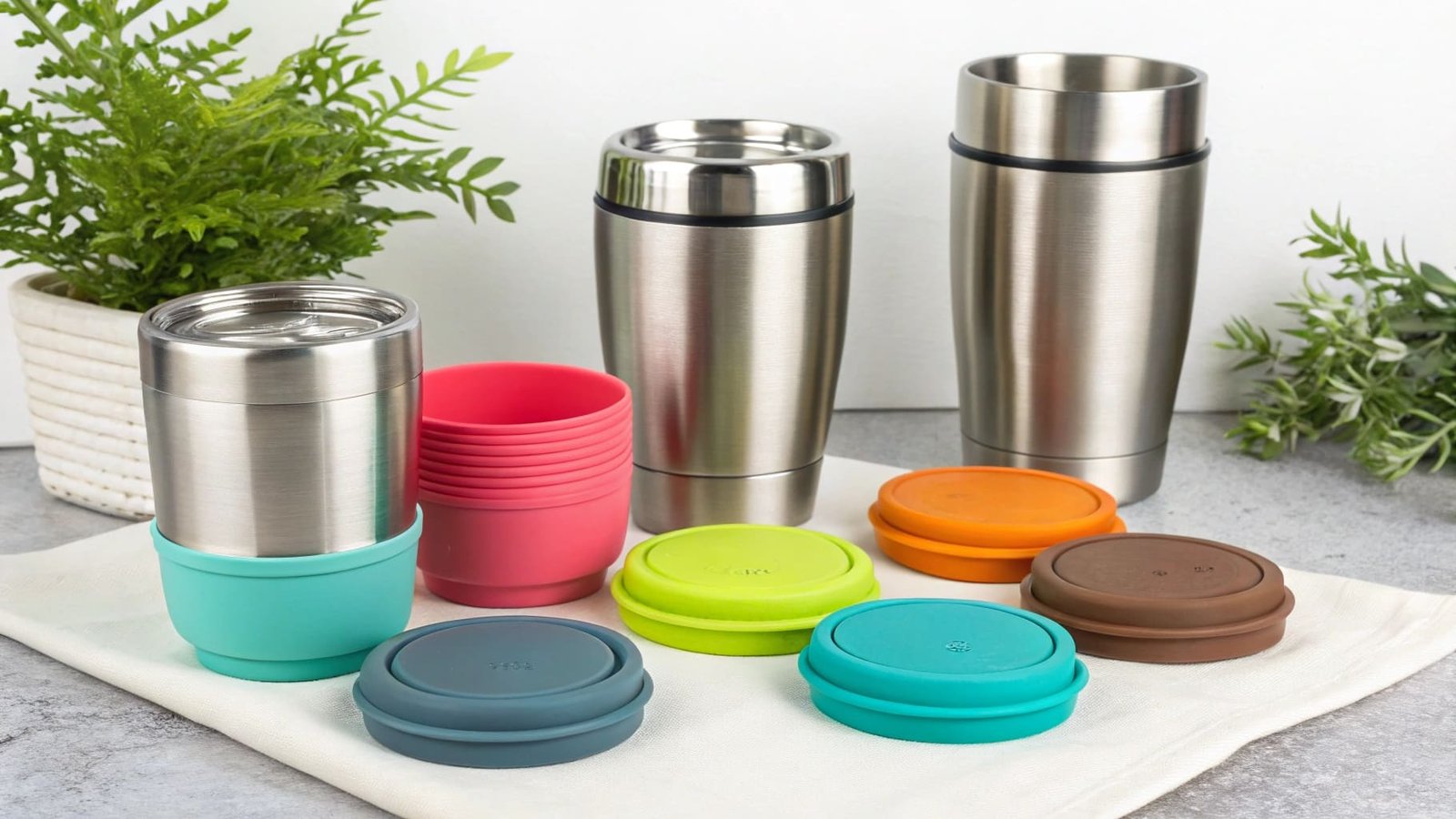
Basic Washing Guidelines
I tested different washing methods with our manufacturing team for six months. We wanted to find which methods keep the elasticity longest. The results surprised me. Dishwasher cycles did not damage quality silicone2 as much as people think. But placement matters more than temperature settings.
Place the lids on the top rack only. The bottom rack gets too much direct heat from the heating element. This concentrated heat breaks down the silicone molecular structure faster. Hand washing works even better for extending product life. Use water below 60 degrees Celsius. Hot water feels cleaner but actually degrades the material bonds over time.
Never use these cleaning products on silicone lids:
| Cleaning Agent | Why It Damages Silicone | Safe Alternative |
|---|---|---|
| Bleach | Breaks down silicone polymers | White vinegar solution |
| Abrasive powders | Creates micro-tears in surface | Baking soda paste |
| Oil-based soaps | Leaves residue that attracts dirt | Dish soap without moisturizers |
| Steel wool | Scratches and weakens material | Soft sponge or cloth |
The scratches you cannot see cause the real problems. They create weak points where tears start. I tell all my clients to include a care card with each lid they sell. The card saves them from return requests later.
Drying and Storage Methods
Drying seems simple but most people do it wrong. I visited a customer warehouse in Toronto last spring. They stored thousands of lids while still damp. The smell hit me when I opened their storage room. Moisture trapped between stacked lids creates bacterial growth. This growth causes permanent odor that no washing can remove.
Air drying takes longer but protects your product value. Shake off excess water after washing. Hang the lids or lay them flat on a clean towel. Never stack them wet. The drying time needs at least two hours in normal room conditions. A fan speeds this up without adding heat damage. Some distributors use drying racks designed for baby bottle nipples. These racks work perfectly for silicone lids too.
Do silicone lids leak?
A procurement officer called me last month. He was furious. His company had ordered 10,000 lids from another supplier. Customers complained about leaks within two weeks. He asked if all silicone lids leak or if he just picked a bad supplier.
Quality silicone lids do not leak when they match the container size and thickness. Leaks happen when the material is too thin, below 1.5mm, or when the edge design fails to create proper tension against the container rim.
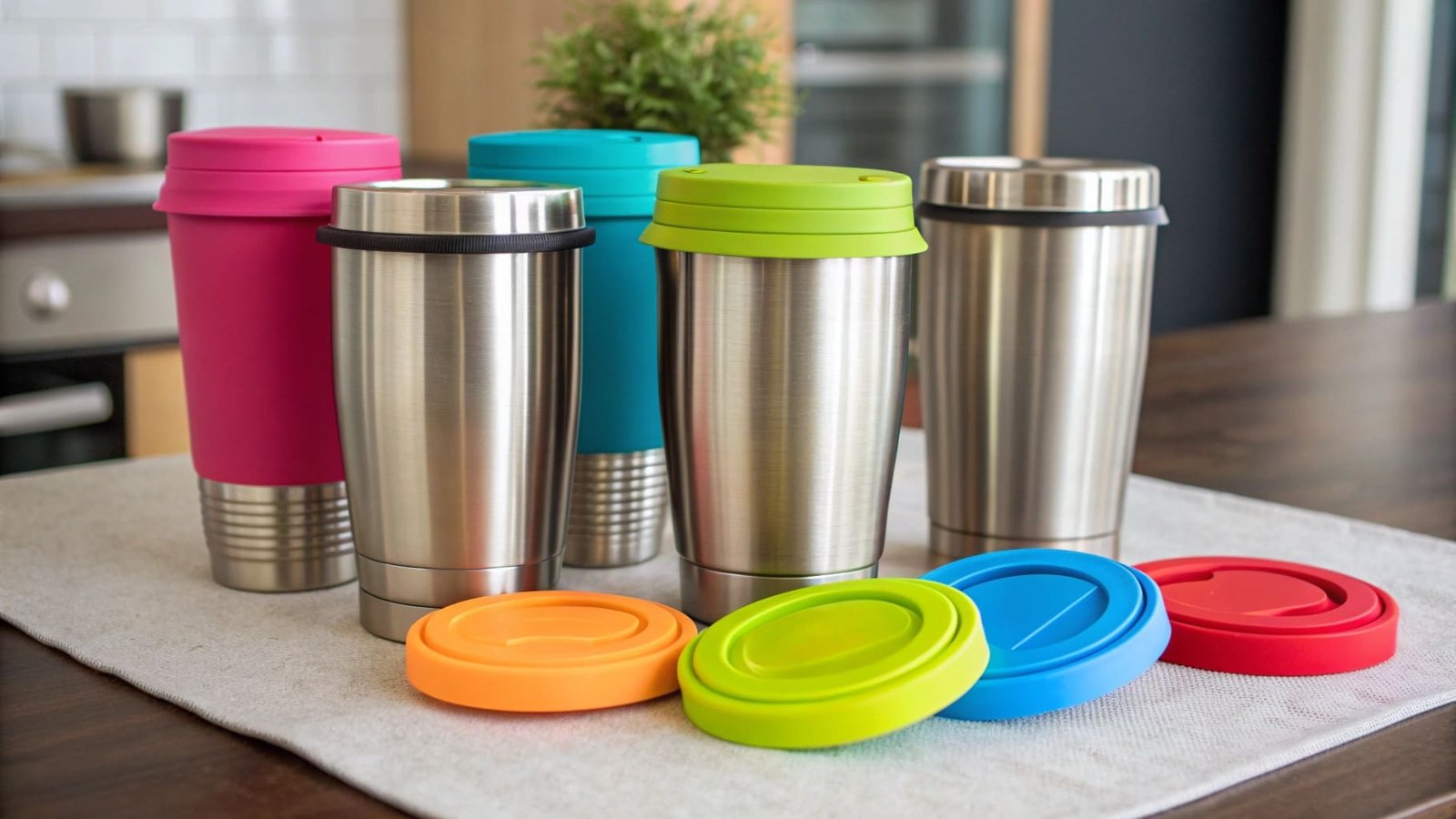
Why Leaking Happens
I see three main causes of leaking in silicone stretch lids. Material thickness ranks as the biggest factor. Many suppliers use 1.2mm or even 1.0mm thick silicone to cut costs. This thickness works fine for the first few uses. But the material loses tension fast. The lid cannot create enough pressure against the container wall. Liquid finds gaps and leaks out.
Edge design matters just as much as thickness. I learned this from a quality engineer in our Dongguan facility. She showed me cross-sections of different lid designs under a microscope. Quality lids have a slightly thicker rolled edge. This rolled edge distributes the stretch force evenly around the rim. Cheaper lids use a straight cut edge. The straight edge creates stress concentration points. These points tear easily during normal use.
Container compatibility causes the third type of leak. Silicone stretch lids work best on containers with smooth rims. Containers with ridges, grooves, or decorative patterns break the seal. The lid cannot conform to these irregular surfaces. Small gaps form where liquid escapes. I always ask clients about their target container types before confirming orders. This conversation prevents compatibility issues later.
Testing Leak Prevention
Testing leak prevention requires more than filling a container with water. I use a three-stage test protocol with all sample orders. First, I fill containers with water and seal them with the lids. Then I shake them vigorously for 30 seconds. No leaks should appear. Second, I turn the containers upside down for 10 minutes. Again, no leaks. Third, I place the containers in a refrigerator overnight. The temperature change creates pressure differences. Quality lids maintain their seal through this stress.
Here is the testing checklist I give to all buyers:
| Test Stage | Method | Pass Criteria | Why It Matters |
|---|---|---|---|
| Immediate seal | Stretch lid over filled container | No visible gaps | Shows initial fit quality |
| Shake test | Shake vigorously for 30 seconds | Zero drops leaked | Tests edge grip strength |
| Inversion test | Store upside down for 10 minutes | No leakage | Confirms seal under gravity |
| Temperature test | Refrigerate for 12 hours | Maintains seal after temp change | Simulates real-world conditions |
| Repeated use | Remove and reapply 20 times | No performance loss | Checks elasticity retention |
Mark, a distributor I work with in Vancouver, uses an additional test. He fills containers with cooking oil instead of water. Oil has lower surface tension than water. It finds leaks that water might not expose. This test catches marginal quality issues before they reach customers.
Are silicone stretch lids airtight?
I get this question at every trade show I attend. Buyers want to know if silicone lids can replace traditional airtight storage containers. The answer depends on what they mean by airtight and what products they plan to store.
Quality silicone stretch lids create a strong seal that prevents liquid leaks and reduces air exchange. But they are not completely airtight like vacuum-sealed containers. They work well for short-term food storage but not for long-term preservation of sensitive items.
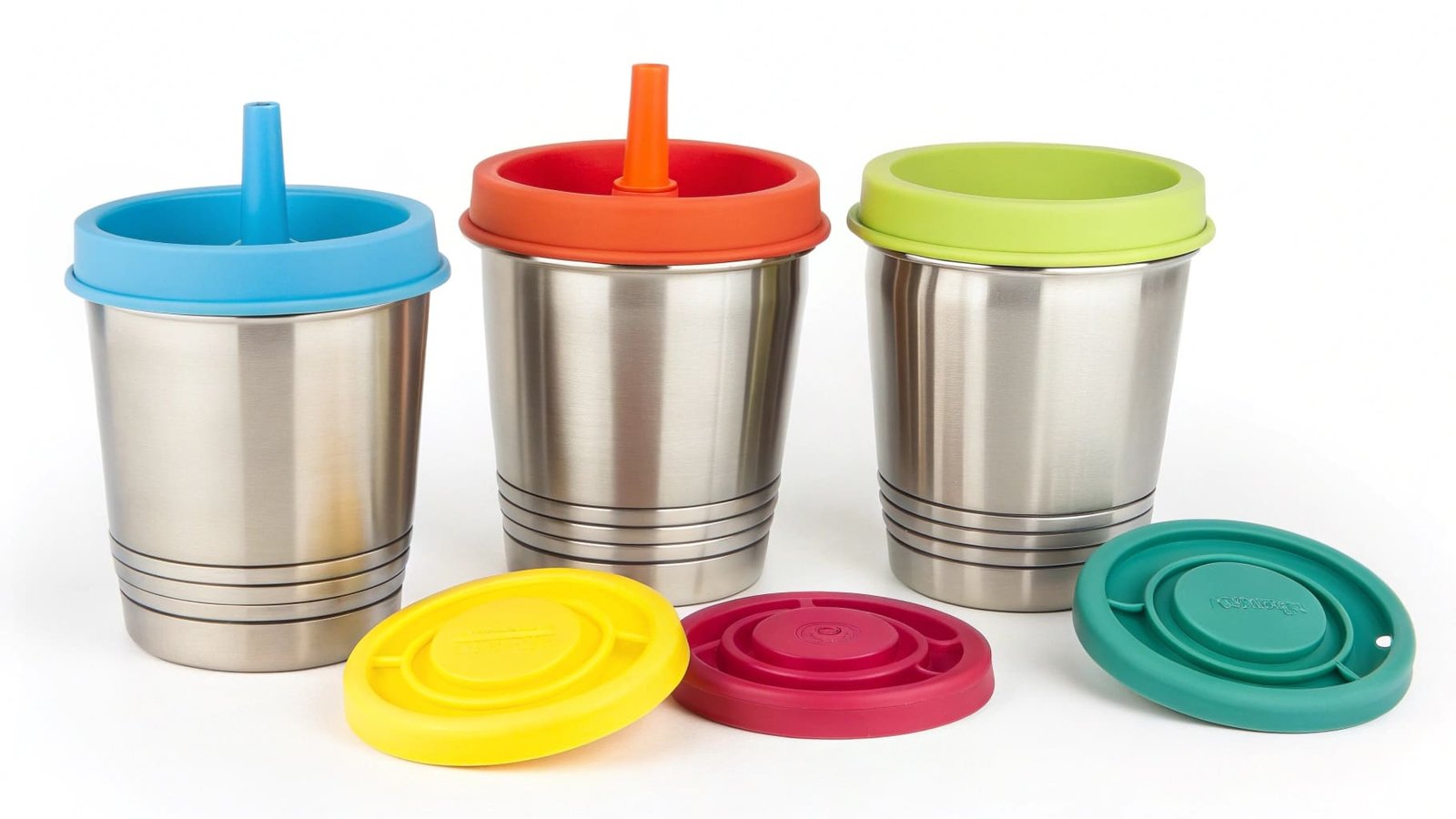
Understanding Air Seal Performance
The term airtight confuses many buyers. True airtight means zero air exchange. This requires vacuum sealing or mechanical locking systems. Silicone stretch lids create what engineers call a pressure seal. The stretched material pushes against the container rim. This pressure blocks most air movement but not all. Small amounts of air can still pass through at a molecular level.
I tested this with our quality control team last year. We placed apple slices in containers sealed with our lids. We compared them to apple slices in vacuum-sealed containers. The vacuum-sealed apples stayed fresh for seven days. Apples under our lids stayed fresh for four days. Both groups performed better than apples in containers with loose-fitting plastic lids. Those apples turned brown within 24 hours.
The silicone material itself affects air seal quality. Shore A hardness measures how firm or soft the silicone feels. Our lids use Shore A hardness between 40 and 60. This range gives the best balance. Softer silicone, below 40, stretches easier but creates weaker seals. Harder silicone, above 60, makes stronger seals but customers struggle to stretch it over containers. The stretch difficulty leads to complaints and returns.
Real-World Seal Applications
Different foods need different seal levels. I learned this from working with food distributors across North America. Dry goods like crackers and cookies need protection from moisture. Silicone lids work perfectly for this. The seal stops humidity from entering the container. The crackers stay crisp for weeks. Liquid items like soup or sauce need leak prevention more than air blocking. Again, quality silicone lids perform well.
Fresh produce creates the biggest challenge. Fruits and vegetables release ethylene gas as they ripen. This gas needs some ventilation. Too much air exchange causes rapid spoiling. Too little air exchange traps moisture and creates mold. Silicone lids sit in a good middle zone. They allow just enough gas exchange while preventing moisture loss. Your customers can store cut melons, berries, and salad greens successfully for several days.
I created this guide for the distributors I work with:
| Food Type | Storage Duration | Seal Performance | Best Use Case |
|---|---|---|---|
| Leftover cooked meals | 2-3 days | Excellent | Daily meal prep |
| Cut fresh fruits | 3-4 days | Very good | Lunch boxes and snacks |
| Dry goods (crackers, chips) | 2-3 weeks | Excellent | Pantry organization |
| Liquids (soup, sauce) | 2-3 days | Excellent | Refrigerator storage |
| Cheese and deli meats | 4-5 days | Good | Short-term freshness |
| Raw meat or fish | Not recommended | Poor | Use original packaging |
One distributor in Seattle runs a kitchen supply store. She teaches customers to use silicone lids for specific purposes. She tells them these lids work great for covering bowls in the refrigerator. They replace disposable plastic wrap. But she warns against using them for marinating raw meat overnight. The seal is not strong enough to prevent cross-contamination risks. This honest guidance builds customer trust. Her return rate on silicone lids stays below 2%. Most retailers see 8-10% returns on these products.
Conclusion
Testing elasticity before bulk orders protects your investment and reputation. Use the stretch recovery test and verify material specifications through third-party reports. These simple steps prevent the costly returns that damage your business relationships.