What Quality Control Standards Apply to OEM Silicone Cup Sleeve Production?
Last year, I watched a Canadian buyer reject a $50,000 shipment because the sleeves melted on hot coffee cups. The supplier claimed they used food-grade silicone. They lied. This happens more than you think in B2B sourcing.
OEM silicone cup sleeve production requires FDA 21 CFR 177.2600 or LFGB certification1, heat resistance to 230°C, Shore A hardness testing, and complete material traceability2 with third-party lab reports verifying tensile strength and migration testing compliance.
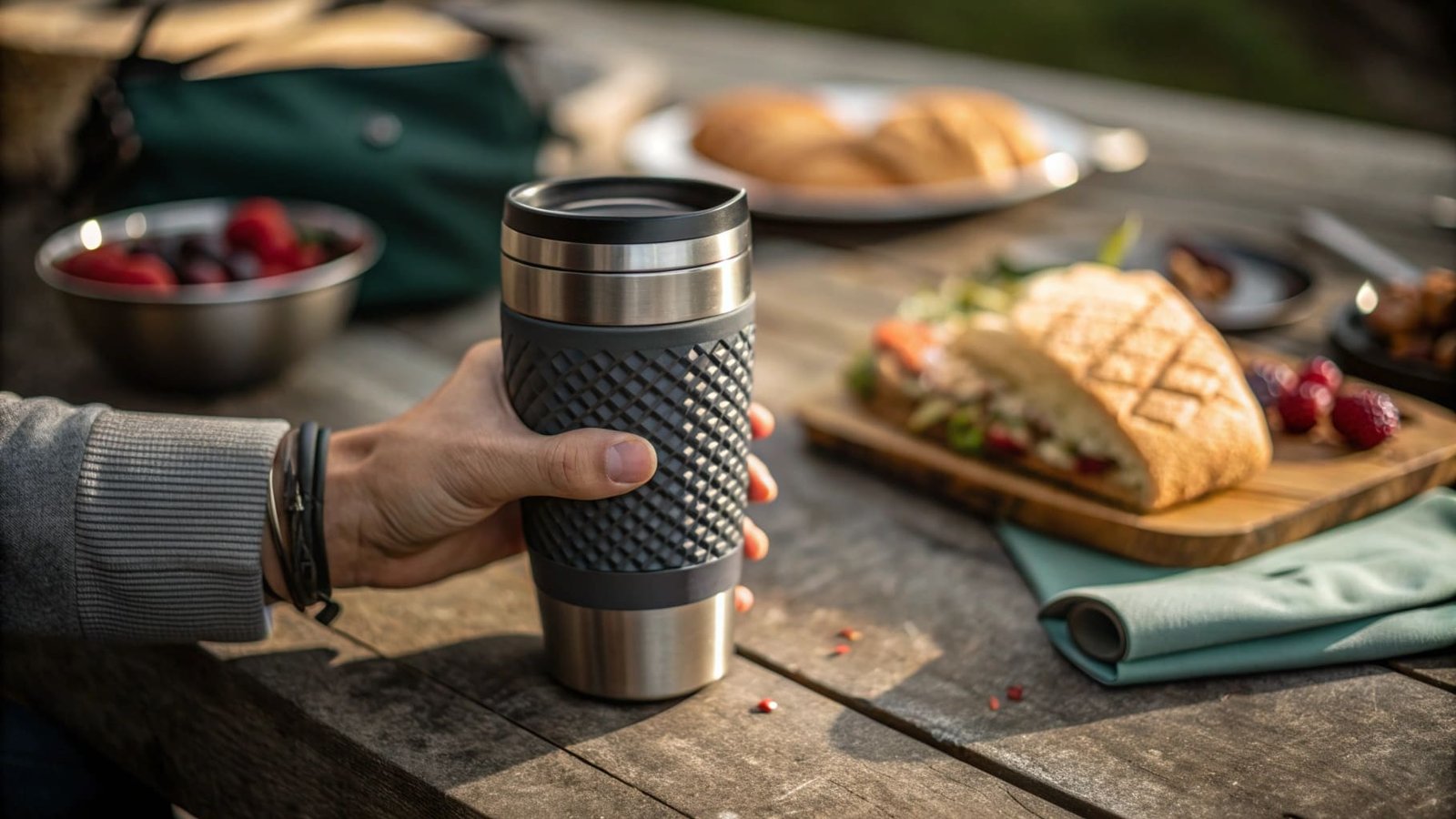
I have been in the silicone manufacturing business for over a decade. I have seen buyers lose money on defective products. I have also seen suppliers cut corners to offer lower prices. The problem is that quality issues do not show up immediately. They appear when your customers use the products. Then you face returns, complaints, and damage to your brand reputation.
How to Know if Silicone is High Quality?
You receive samples from three suppliers. They all look similar. They all claim food-grade certification. How do you tell which one is actually high quality? Most buyers make wrong judgments based on price alone.
High-quality silicone maintains its properties at extreme temperatures, shows no color bleeding, resists tearing under stress, and passes odor tests after boiling. You can verify these traits through simple physical tests before placing large orders.

Physical Testing Methods You Can Do Yourself
I always tell buyers to do three simple tests before trusting any supplier. These tests take less than 30 minutes but can save you from costly mistakes.
The first test is the boiling water test. Take a sample piece and drop it in boiling water for 10 minutes. Quality silicone keeps its original shape. It does not release any smell. It does not change color. If the water turns cloudy or the material smells bad, reject that supplier immediately. I once had a buyer who skipped this test. He ended up with 10,000 pieces that smelled like chemicals when customers poured hot coffee.
The second test is the white paper test. Press the silicone firmly against clean white paper for 30 seconds. Quality silicone leaves zero marks. No color transfer. No oily residue. Cheap silicone often contains excess plasticizers that leave stains. These plasticizers can migrate into beverages.
The third test is the stretch and rebound test. Pull the silicone to twice its length and release it. Premium silicone snaps back to original shape within one second. It shows no permanent deformation. Low-quality alternatives stay stretched or tear easily.
| Test Method | Quality Silicone Result | Poor Silicone Result |
|---|---|---|
| Boiling Water (10 min) | No smell, no color change | Chemical odor, discoloration |
| White Paper Press | Zero residue or transfer | Oil stains or color marks |
| Stretch Test (2x length) | Immediate rebound | Stays deformed or tears |
Certification Documents That Actually Matter
Many suppliers show certificates that mean nothing. I need to be direct about this. A certificate for raw material does not guarantee your finished product is safe. You need certificates that cover the actual cup sleeves, not just the silicone pellets the factory bought.
Request FDA 21 CFR 177.2600 compliance reports. This is the US standard for food contact materials. The report must include your product name and your supplier's factory name. Generic reports from other products do not count. For European markets, you need LFGB certification from German testing institutes. For sensitive buyers, ask for REACH SVHC compliance showing the product contains no substances of very high concern.
Here is what I learned after dealing with certificate fraud: always verify the testing lab is accredited. Call them. Email them. Check if the report number is real. I caught a supplier using photoshopped certificates. The lab name on the document did not even exist. That buyer almost imported banned products into Canada.
How are Silicone Cups Made?
Your supplier tells you their production process is standard. But what does standard actually mean? Without understanding the manufacturing steps, you cannot identify where quality problems start. This knowledge gap costs buyers thousands in rejected shipments.
Silicone cup sleeve production involves compound mixing, hydraulic molding at controlled temperatures, vulcanization curing, secondary baking for stabilization, and multi-stage inspection. Each step requires specific parameters that separate quality manufacturers from unreliable ones.
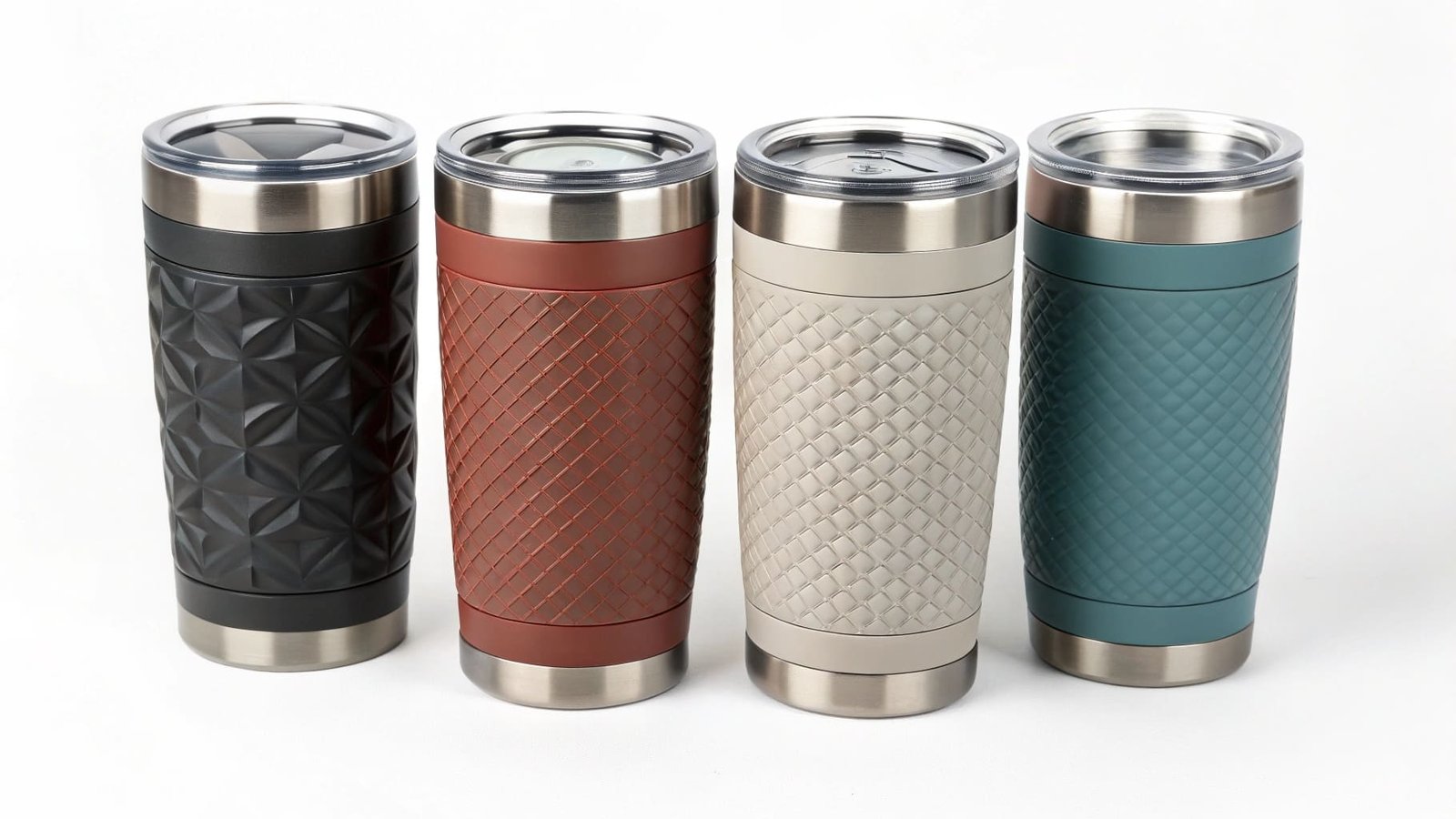
The Complete Manufacturing Process Breakdown
I will walk you through each stage because this is where quality gets built in or destroyed. You cannot inspect quality into a product at the end. It must be controlled throughout production.
Step one is compound preparation. The factory mixes raw silicone rubber with color pigments and curing catalysts. This happens in vacuum mixers to eliminate air bubbles. Air bubbles create weak spots that cause tearing later. Quality factories use platinum catalysts. Cheap factories use peroxide catalysts that leave residues. I always ask which catalyst system they use. If they hesitate to answer, that is a red flag.
Step two is molding. The mixed compound goes into heated molds inside hydraulic presses. The mold temperature must reach 160 to 180 degrees Celsius. The pressure must be consistent across all mold cavities. Curing time depends on wall thickness. A 2mm sleeve needs about 3 minutes. A 4mm sleeve needs 5 minutes. If the factory rushes this step to increase output, the silicone does not cure completely. Uncured silicone feels sticky and tears easily.
Step three is secondary vulcanization. This step separates serious manufacturers from those cutting corners. After demolding, products must bake in industrial ovens at 200 degrees Celsius for at least 4 hours. This process removes volatile organic compounds. It stabilizes the molecular structure. Products without secondary vulcanization smell bad when heated. They also have shorter lifespans. Many suppliers skip this step because it adds cost and time. I make sure all my production runs include full secondary baking.
Quality Checkpoints During Production
Quality control cannot happen only at the final inspection. Problems must be caught early when they cost less to fix. I implement inspection points at three critical stages.
The first checkpoint happens during compound preparation. We test Shore A hardness of the mixed batch before molding begins. The reading must match the specification range, typically 40 to 60 Shore A for cup sleeves. We also check the color against approved samples under standard lighting. Color variations between batches create customer complaints.
The second checkpoint occurs during molding. Our operators check the first piece from each mold cavity. They measure dimensions with calipers. They check for flash, incomplete filling, or surface defects. If one cavity produces defects, we stop production and adjust parameters or repair the mold.
The third checkpoint is post-curing inspection. We randomly select pieces from each baking batch. We test tensile strength with calibrated equipment. We perform tear resistance tests. We verify there is no tackiness on the surface. Only batches passing all tests proceed to packing.
| Production Stage | Critical Parameter | Standard Requirement | Test Method |
|---|---|---|---|
| Compound Mixing | Shore A Hardness | 40-60 | Durometer testing |
| Molding | Vulcanization Time | 3-5 min based on thickness | Timer control |
| Secondary Baking | Temperature/Time | 200°C for 4 hours | Oven monitoring |
| Final Inspection | Tensile Strength | Min 6.5 MPa | Pull testing machine |
Are There Different Grades of Silicone?
A supplier quotes you 30 percent lower than competitors. They claim to use the same food-grade silicone. You wonder if you found a great deal or if something is wrong. This confusion happens because not all food-grade silicone is equal.
Three main grades exist: industrial-grade for non-food applications, food-grade meeting FDA or LFGB standards, and medical-grade with biocompatibility testing. Within food-grade, platinum-cured silicone3 outperforms peroxide-cured options. Understanding these differences protects your business from compliance violations.
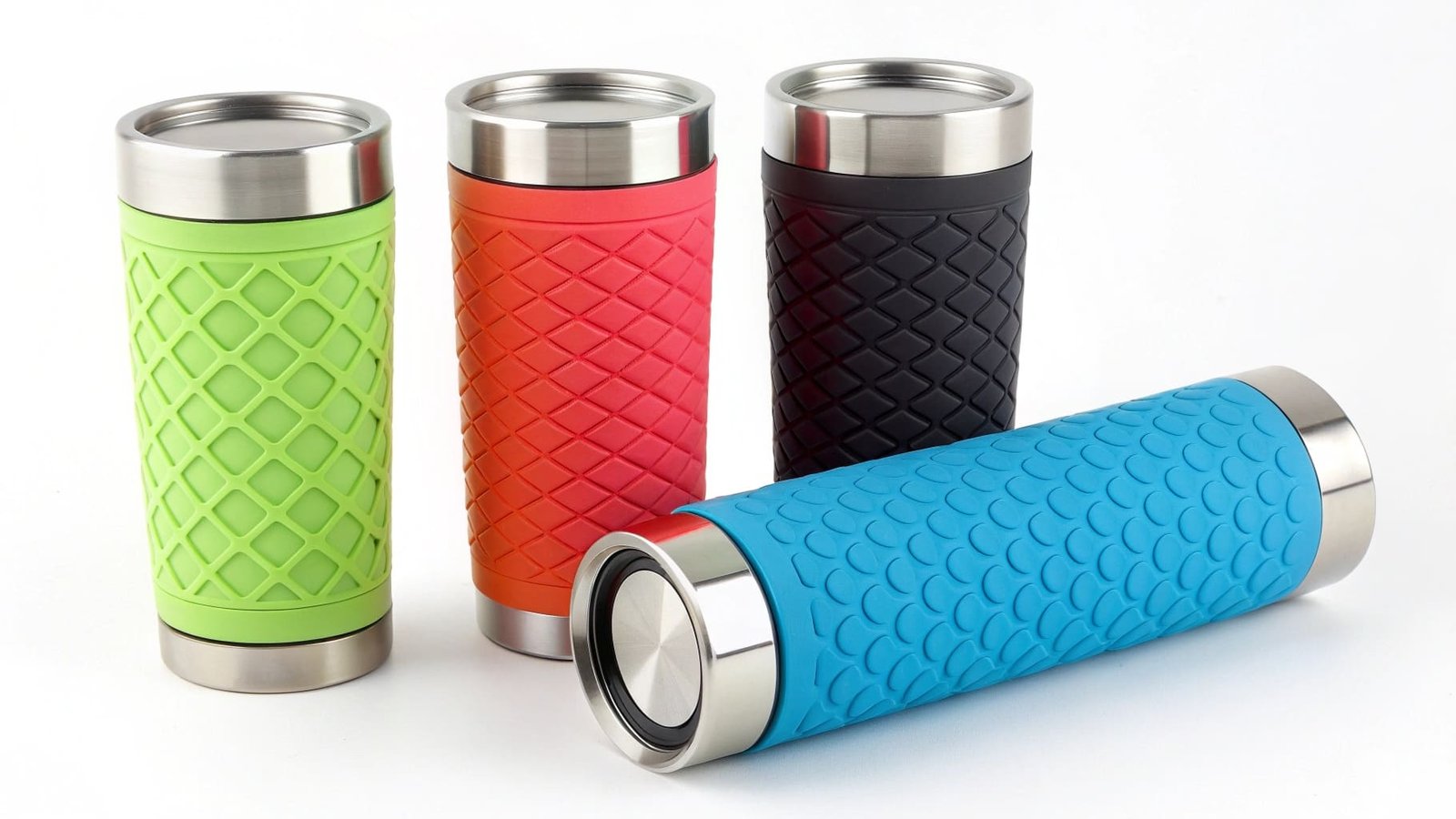
Grade Classifications and Their Applications
Let me explain the hierarchy because this directly affects your product safety and pricing.
Industrial-grade silicone is the cheapest option. It has no safety testing for human contact. Factories use it for gaskets, seals, and industrial parts. Some dishonest suppliers try to sell industrial-grade as food-grade to increase profit margins. The price difference is significant, sometimes 40 percent less. But using industrial-grade for cup sleeves exposes you to liability. If harmful substances leach into beverages, you face lawsuits and regulatory penalties.
Food-grade silicone meets specific safety standards for food contact. In the United States, this means FDA 21 CFR 177.2600 compliance. In Europe, it means LFGB certification. These standards limit heavy metals, volatile organic compounds, and migration rates. Food-grade silicone can be platinum-cured or peroxide-cured. Platinum-cured is cleaner. It uses platinum as the catalyst. The curing process produces no byproducts. Peroxide-cured uses organic peroxides that can leave trace residues. For premium cup sleeves, I only recommend platinum-cured food-grade silicone.
Medical-grade silicone represents the highest quality level. It meets USP Class VI or ISO 10993 biocompatibility standards. These standards test for cytotoxicity, skin sensitization, and systemic toxicity. Medical-grade costs 50 to 80 percent more than standard food-grade. For cup sleeves, medical-grade is unnecessary unless you target specialized markets like baby products or medical facilities.
How to Verify Your Supplier Uses the Declared Grade
Suppliers often claim they use premium grades but actually supply lower ones. I have caught this multiple times. Here is how you protect yourself.
First, request the raw material supplier name and purchase invoices. Quality factories buy from reputable silicone manufacturers like Dow Corning, Momentive, or Wacker. They have no problem sharing this information. Suspicious factories refuse or delay providing supplier details. They might be buying cheap material from unknown sources.
Second, demand material safety data sheets for the actual silicone compound used. The MSDS should list the catalyst type. Look for platinum-based or peroxide-based curing systems. The document should also show the material is certified for food contact. Keep these documents in your quality files. They protect you during customs inspections or customer audits.
Third, conduct third-party testing on your first production batch. Send samples to independent labs like SGS or Intertek. Request full migration testing4 and heavy metal analysis. This costs $800 to $1,200 per test but confirms what your supplier actually delivered. I do this for every new supplier relationship. The cost is small compared to the risk of receiving non-compliant products.
Price Differences Between Grades and What They Mean
Understanding pricing helps you spot unrealistic quotes. Some buyers think they found amazing deals. Usually, they found future problems.
Industrial-grade silicone costs approximately $3 to $4 per kilogram. Peroxide-cured food-grade costs $5 to $7 per kilogram. Platinum-cured food-grade costs $8 to $11 per kilogram. Medical-grade costs $12 to $15 per kilogram. These are raw material prices before manufacturing costs.
When a supplier quotes significantly below market rates, ask detailed questions. How do they achieve lower pricing? What shortcuts are they taking? Lower prices often mean lower grade materials, skipped processing steps, or missing certifications. One buyer told me about a supplier who offered peroxide-cured at platinum-cured prices. Turns out they were mixing grades to cut costs. The first two batches were fine. The third batch failed testing because the mix ratio changed.
| Silicone Grade | Price Range (per kg) | Key Features | Recommended Use |
|---|---|---|---|
| Industrial | $3-4 | No food safety testing | Non-contact applications |
| Food-grade (Peroxide) | $5-7 | FDA/LFGB compliant | Standard cup sleeves |
| Food-grade (Platinum) | $8-11 | Zero byproducts, odorless | Premium cup sleeves |
| Medical-grade | $12-15 | Biocompatibility tested | Specialized applications |
I price my cup sleeves based on platinum-cured food-grade silicone. Yes, my quotes are higher than some competitors. But my customers never face compliance issues. They never receive complaints about chemical smells. They never deal with products that degrade quickly. The total cost of ownership is actually lower because there are no hidden problems.
When you source silicone cup sleeves, remember that quality standards exist for good reasons. They protect end users. They protect your brand. They protect your business from legal liability. Choosing suppliers based solely on price is the fastest way to create expensive problems later. Invest time in understanding these quality benchmarks. Ask detailed questions. Verify claims with testing. Work with manufacturers who embrace transparency and proper quality control processes5.
Conclusion
Quality OEM silicone production demands verified certifications, proper manufacturing processes, and material grade transparency. Understanding these standards helps you source reliable products that protect your customers and your brand reputation in competitive markets.
-
Explore LFGB certification to ensure your silicone products meet European safety standards. ↩
-
Material traceability ensures accountability and quality in the production of silicone products. ↩
-
Platinum-cured silicone offers superior quality and safety, making it ideal for food contact applications. ↩
-
Migration testing assesses the safety of silicone by checking for harmful substances leaching into food. ↩
-
Implementing robust quality control processes is essential for maintaining high standards in silicone production. ↩