Should B2B Importers Request SGS Testing Reports Before Finalizing Silicone Gasket Orders?
You ordered 50,000 silicone gaskets from a supplier. They arrived cracked and unusable. Your customers are waiting. I recommend you request SGS testing reports to prevent this nightmare scenario.
Yes, B2B importers should request SGS testing reports before finalizing silicone gasket orders. These reports verify material quality1, ensure regulatory compliance, and protect your investment by confirming specifications match what suppliers promise.
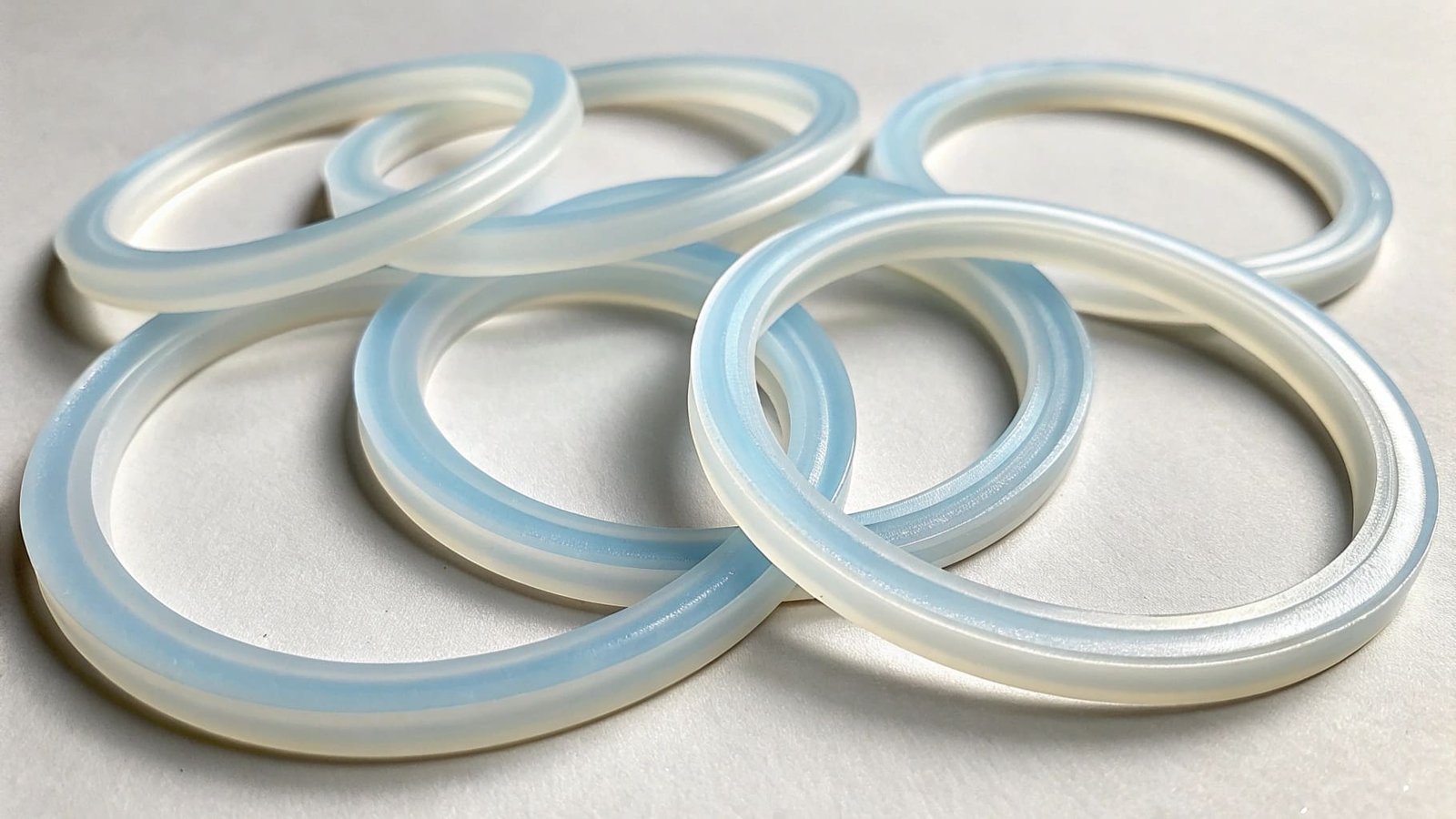
I started silijoy after seeing too many importers struggle with supplier issues. One client lost $45,000 on defective gaskets because they trusted supplier claims without verification. That experience taught me something valuable about the silicone industry.
What is SGS verification?
You receive product samples that look perfect. The supplier shows certificates. Everything seems fine. Then your bulk order arrives with quality problems. SGS verification prevents this common issue.
SGS verification is independent third-party testing2 that confirms product quality and safety standards. A neutral inspector examines your products against specifications. They issue official reports documenting the results.
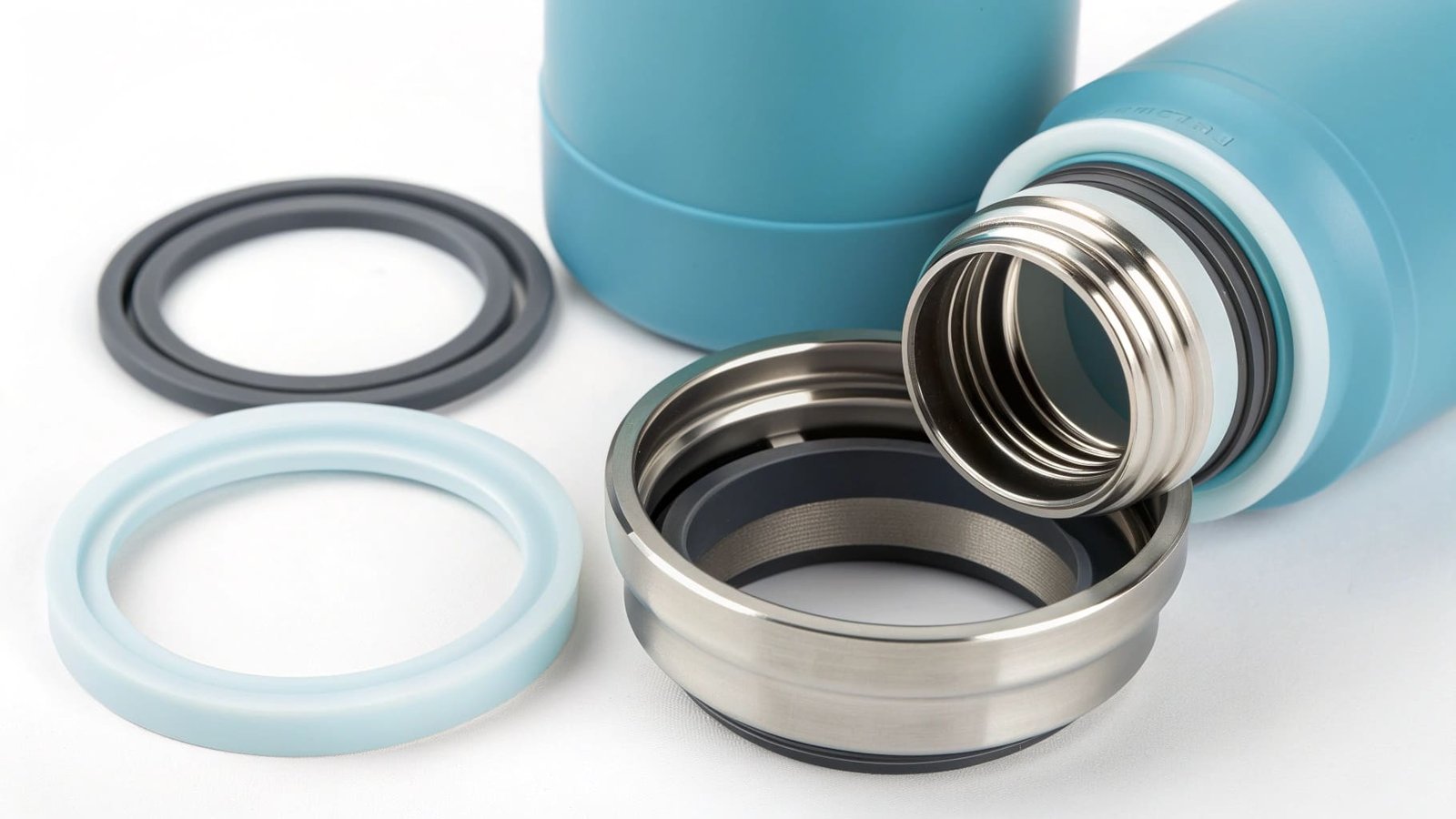
I use SGS verification for all my major clients. The process works like this. You place an order with your supplier. Before shipment, an SGS inspector visits the factory. They collect samples from your specific batch. The lab tests these samples for material composition, strength, flexibility, and chemical resistance. They check if the silicone meets food-grade or medical-grade requirements. The inspector measures dimensions and weights. They verify colors and packaging. You receive a detailed report showing pass or fail for each test. This report protects you in three ways. First, it gives you evidence if products fail quality checks. Second, it helps with customs clearance in strict markets. Third, it proves compliance for regulated industries. I had a client shipping gaskets to Germany for pharmaceutical equipment. German authorities required independent verification. The SGS report saved them weeks of customs delays.
What does SGS testing stand for?
Your supplier mentions SGS testing. You nod along. But what exactly are you agreeing to? Understanding the organization behind these reports matters when you spend thousands on verification.
SGS stands for Société Générale de Surveillance. This Swiss company operates as the world's leading inspection and certification service. They maintain labs and offices in over 140 countries.
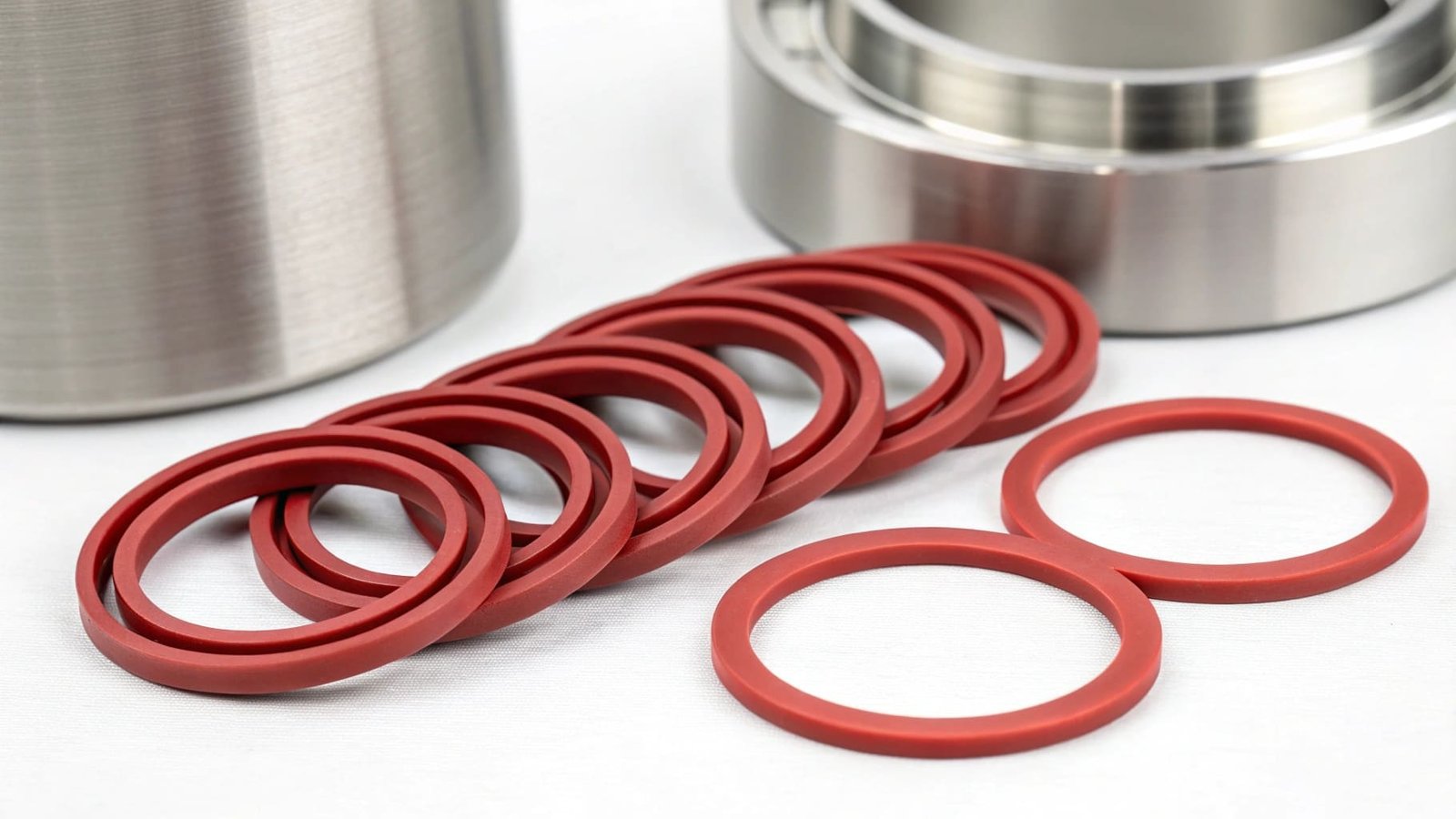
The company started in 1878 inspecting grain shipments. They grew into a global verification giant. I trust SGS for several reasons. Their reputation depends on accurate reporting. They have no financial interest in your supplier relationships. Their testing follows international standards like ISO, ASTM, and FDA guidelines. For silicone gaskets, SGS labs test specific properties. Here is what they examine:
| Test Type | What It Measures | Why It Matters |
|---|---|---|
| Material Analysis | Silicone purity and additives | Confirms genuine silicone vs cheap substitutes |
| Tensile Strength | Force needed to tear material | Indicates durability under pressure |
| Temperature Resistance | Performance at extreme temperatures | Ensures gaskets work in your application |
| Chemical Resistance | Reaction to oils, acids, solvents | Prevents degradation in harsh environments |
| Food Contact Safety | Migration of harmful substances | Required for food industry compliance |
I recommend SGS because they publish test methods openly. You know exactly what they check. Other certification bodies use vague testing procedures. That transparency helps me explain results to my clients. Last month, a startup founder questioned why SGS costs more than local Chinese testing centers. I showed him comparison reports. The SGS report covered 23 data points. The local report covered 8. The detail difference justified the price.
What is the most commonly used gasket?
You browse supplier catalogs. Dozens of gasket types appear. Choosing the wrong type wastes money and delays projects. Knowing industry standards helps you make smart sourcing decisions.
The most commonly used gaskets are flat silicone gaskets and O-rings. Flat gaskets seal surfaces between two components. O-rings fit into grooves and compress to create watertight seals.
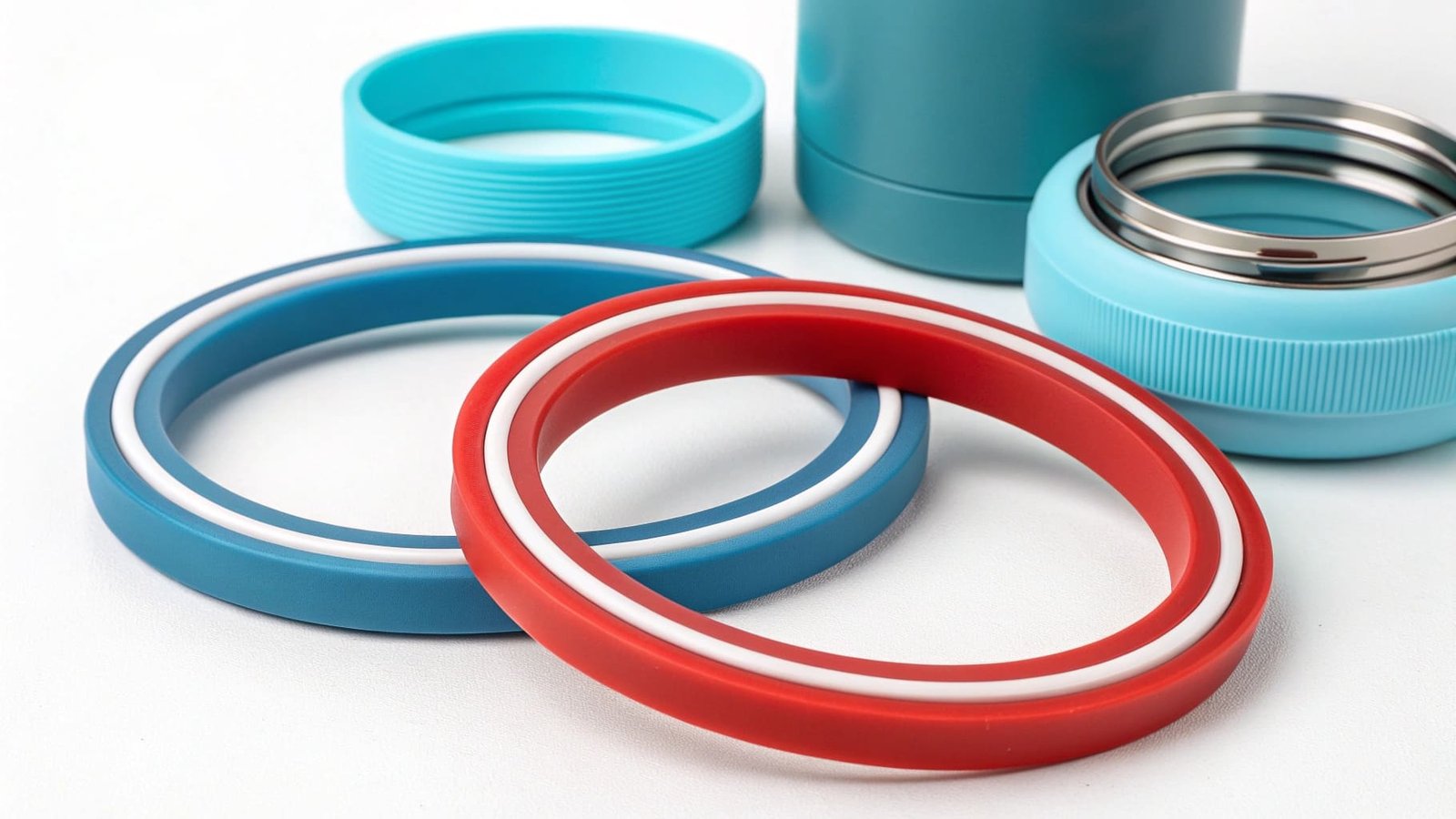
I manufacture both types at silijoy. Flat gaskets dominate applications like food containers, pressure vessels, and electronic housings. O-rings work best for rotating shafts, hydraulic systems, and threaded connections. Each type comes in different grades. Standard grade works for basic sealing. Food grade meets FDA regulations. Medical grade passes biocompatibility tests. Industrial grade withstands harsh chemicals. My clients often ask which gasket suits their needs. I use this decision framework. Consider your temperature range first. Standard silicone works from -40°C to 200°C. Specialty compounds reach 300°C. Next, identify chemical exposure. Will the gasket touch oils, solvents, or acids? Some silicone formulations resist specific chemicals better. Then evaluate pressure requirements. High-pressure applications need thicker gaskets with reinforcement. Finally, check regulatory requirements. Food industry clients need FDA compliance. Medical device makers require USP Class VI certification. The tumbler boot line I produce uses food-grade flat gaskets. These simple gaskets prevent leaks in drinkware. But they must pass migration tests. No harmful substances can transfer into beverages. I insist on SGS testing for these products. One batch with contamination could destroy my reputation. The testing cost is small compared to potential liability.
Conclusion
SGS testing reports protect B2B importers from quality failures and regulatory problems. Request them for initial orders and high-risk shipments. Build this verification into your sourcing process from day one.