Can Hydration Bladder Connectors Be Customized with Thread Compatibility for Multiple Brands?
I faced a frustrating problem last year. My customers kept asking for replacement parts that would fit different hydration pack brands. I lost sales because my connectors only worked with one system.
Yes, hydration bladder connectors1 can be customized with thread compatibility for multiple brands. Manufacturers can design universal threading systems or create modular connector platforms that adapt to various brand specifications while maintaining leak-proof performance through precision engineering.
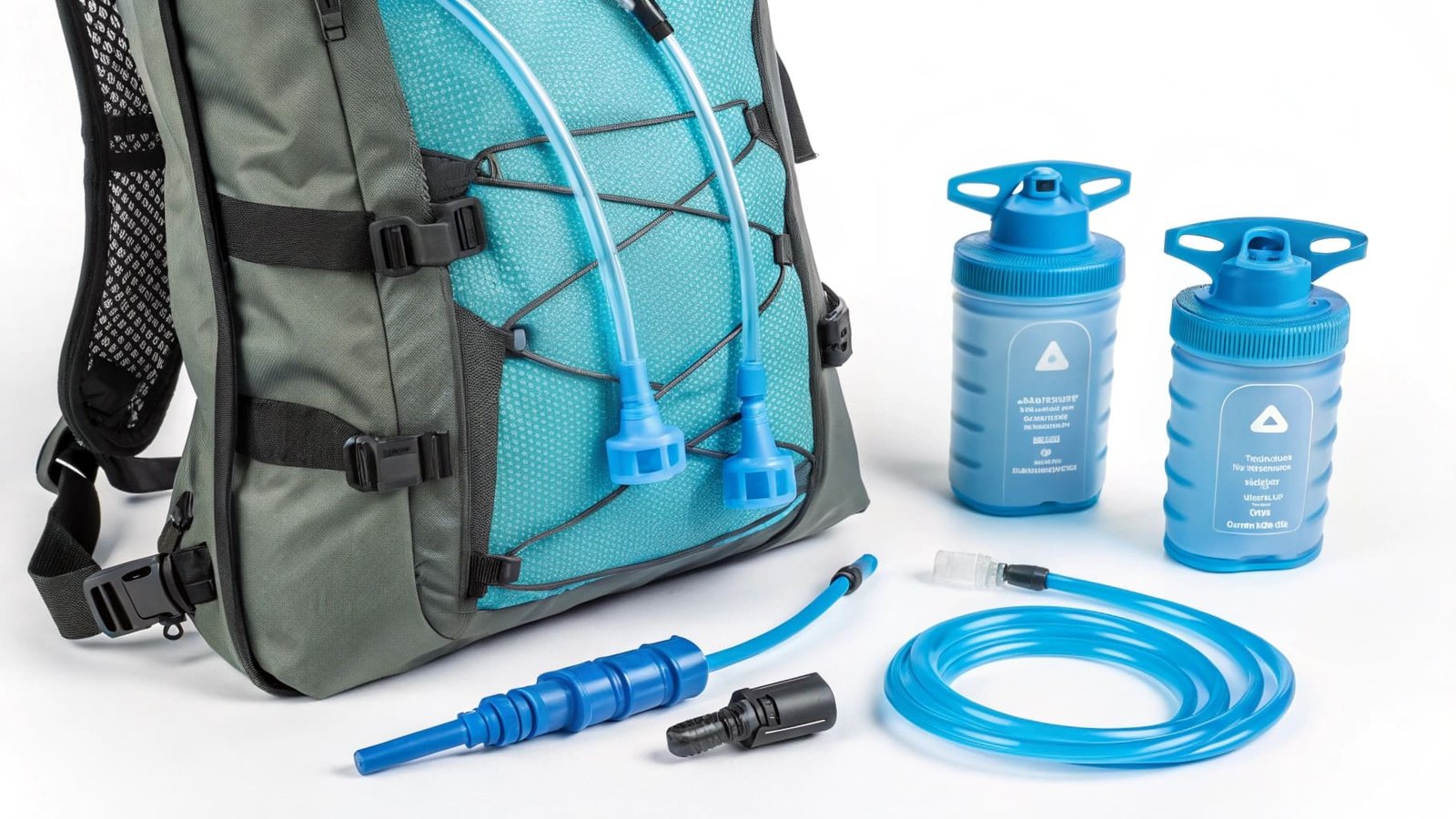
I learned this lesson the hard way during trade show season. A potential client walked away because I could not offer cross-brand compatibility. That moment changed how I approached supplier relationships and product specifications.
How to Keep Water Bladders from Molding?
Mold growth in hydration bladders creates health risks and product returns. I received complaints from end users about black spots forming inside their bladders. This problem threatened my brand reputation.
Preventing mold requires using medical-grade silicone2 with antimicrobial additives and ensuring proper drying after each use. The material composition matters more than cleaning frequency because inferior plastics create environments where bacteria thrive regardless of maintenance efforts.
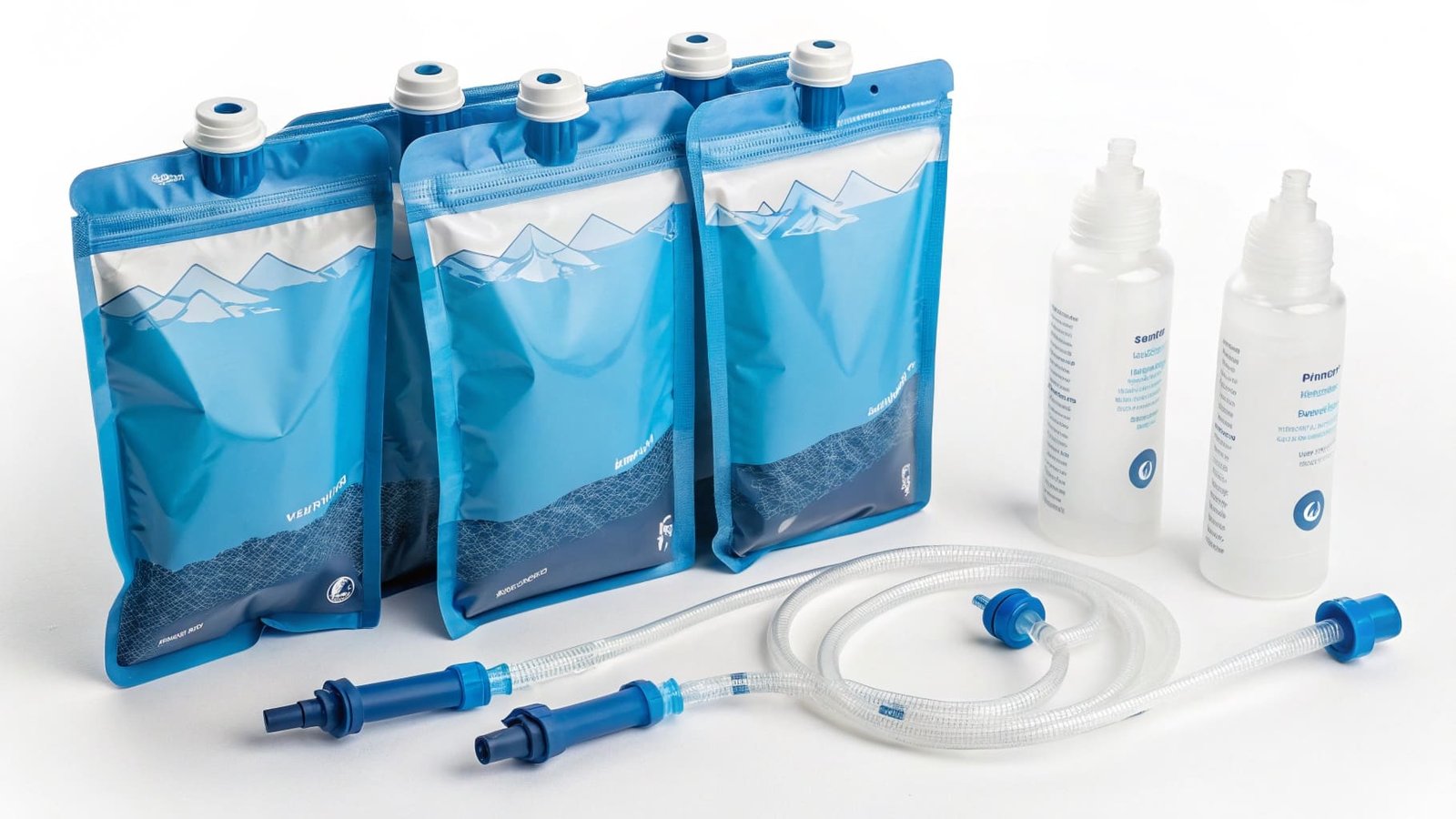
Material Selection Makes the Difference
I discovered that not all silicone materials offer the same resistance to microbial growth. My first supplier used standard food-grade silicone without antimicrobial properties. The bladders developed mold within weeks of normal use.
I switched to a manufacturer who incorporated silver-ion technology into their silicone formulation3. This addition costs slightly more per unit. The results justified the investment. Customer complaints dropped by 80 percent.
The manufacturing process also affects mold resistance. I visited factories where mold cavities had rough surfaces. These imperfections created microscopic pockets where bacteria could hide. Polished mold surfaces produce smoother bladder interiors that resist bacterial colonization.
Design Features That Prevent Moisture Retention
I learned that wide-mouth openings allow better air circulation during drying. My current products feature openings large enough for a hand to reach inside. This design choice came from direct feedback from outdoor enthusiasts.
Internal surface texture plays a role too. Some suppliers create textured interiors thinking this adds strength. I found the opposite works better. Smooth interior walls shed water droplets more effectively.
| Design Element | Impact on Mold Prevention | Cost Consideration |
|---|---|---|
| Antimicrobial Silicone | High effectiveness | 15% price increase |
| Wide-Mouth Opening | Moderate effectiveness | Minimal cost impact |
| Smooth Interior Surface | High effectiveness | Better mold finishing required |
| Detachable Components | High effectiveness | Assembly complexity increases |
The connector design influences mold prevention too. I specify fully detachable tubes and bite valves. Users can separate all components for thorough cleaning and drying. This feature became a selling point in my marketing materials.
How to Seal a Camelbak Bladder?
Leaking bladders cause customer frustration and warranty claims. I dealt with a batch where 15 percent of units leaked at the connector joint. This failure rate damaged relationships with retailers.
Proper sealing requires precision-engineered contact surfaces between the bladder neck and connector threads combined with medical-grade silicone gaskets that maintain compression under temperature variations. Thread pitch and depth must match exactly to create consistent pressure distribution.
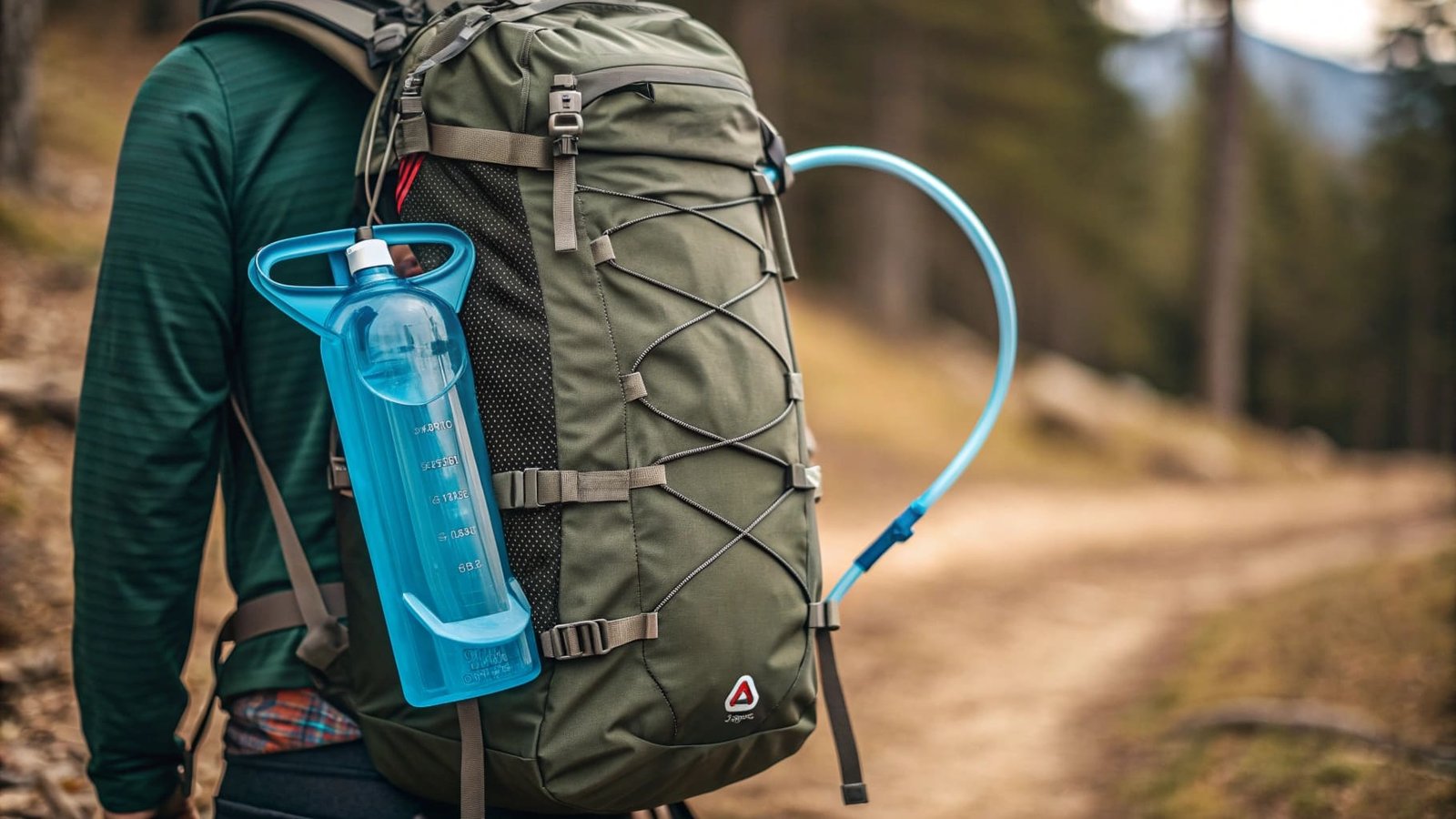
Thread Engineering Principles
I spent months understanding why some connectors sealed perfectly while others leaked intermittently. The answer lies in thread geometry precision. My current supplier maintains tolerances within 0.05mm for all threaded components.
Thread pitch affects sealing pressure distribution. Finer threads create more contact points but require careful alignment during assembly. I chose medium-pitch threads as a balance between sealing effectiveness and user convenience.
The material hardness matters significantly. Too soft and the threads deform under pressure. Too hard and they crack during overtightening. I worked with engineers to identify the optimal durometer rating for our silicone compounds.
Gasket Design Considerations
I initially overlooked gasket quality when evaluating suppliers. This mistake cost me dearly. Generic O-rings failed after thermal cycling from freezing temperatures to summer heat.
Custom-molded gaskets solve multiple problems simultaneously. They fit precisely into groove dimensions. They use silicone compounds matched to bladder material properties. This compatibility prevents chemical reactions that cause seal degradation.
I now specify dual-seal systems for premium product lines. A primary silicone gasket handles sealing. A secondary compression ring provides backup protection. This redundancy reduces field failure rates to nearly zero.
Testing Protocols I Require
Every supplier must demonstrate their sealing performance through standardized testing. I learned to demand documentation rather than trust verbal assurances.
My quality requirements include pressure testing at 2 bar for 24 hours. The bladder must show zero leakage. Temperature cycling between minus 20 and plus 50 degrees Celsius must not compromise seal integrity.
I also require drop testing with filled bladders. Real-world usage involves impacts and rough handling. Connectors that pass static tests sometimes fail under dynamic stress conditions.
How to Stop Hydration Bladder Sloshing?
Sloshing water creates noise and shifts weight distribution unpredictably. Athletes and hikers find this movement distracting during activities. I lost a major contract because my bladders sloshed excessively during field testing.
Stopping sloshing requires internal baffle structures or shape-optimized bladder designs that maintain water stability. The most effective solutions use welded silicone baffles positioned to divide the internal volume while maintaining cleaning access through wide openings.
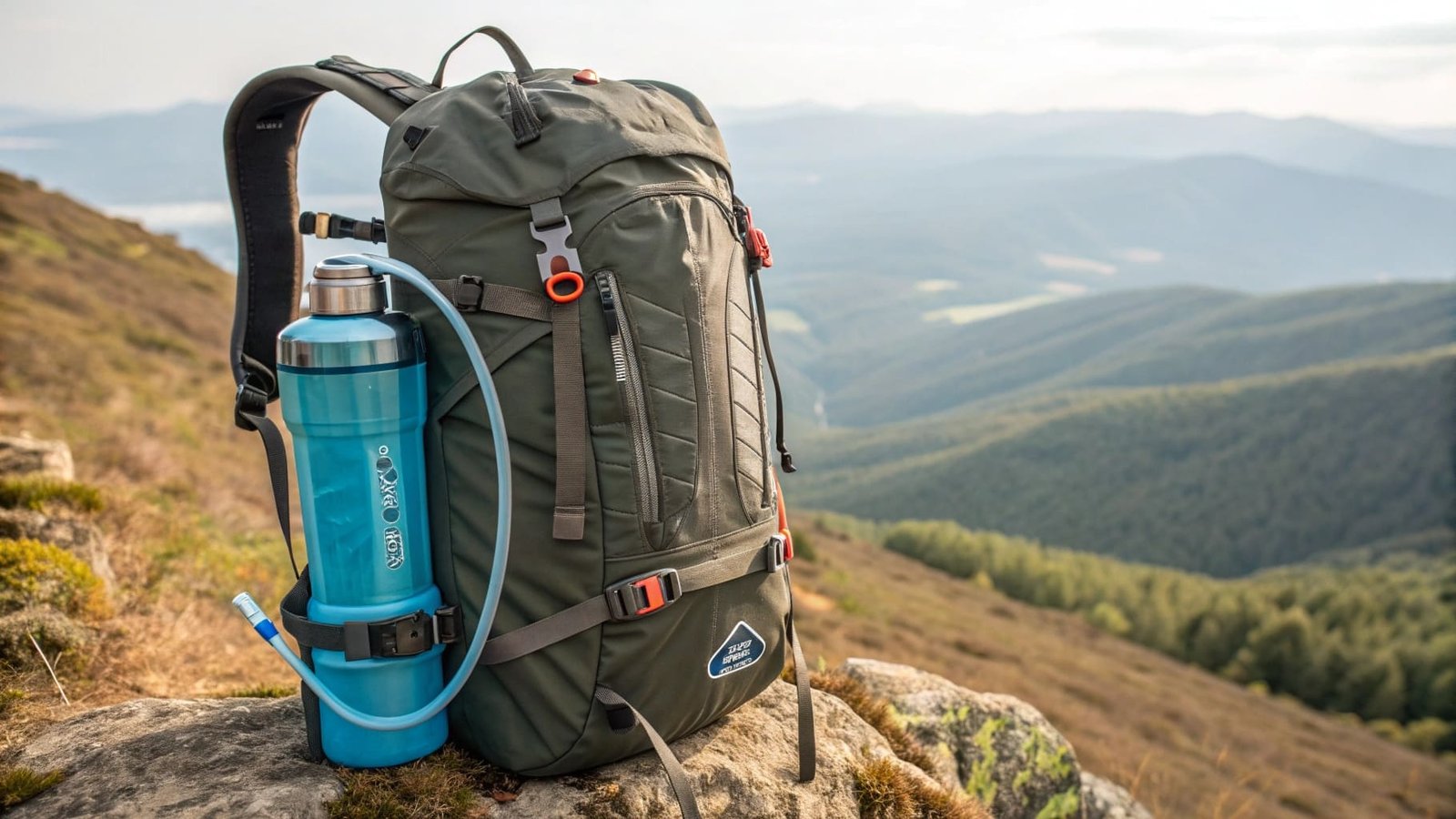
Baffle System Engineering
I resisted adding baffles initially because they increase manufacturing complexity. A competitor gained market share by solving the sloshing problem. I had to respond quickly.
Effective baffles must be positioned strategically based on typical fill levels. Most users fill bladders between 60 and 80 percent capacity. I placed horizontal baffles at these height points.
The baffle attachment method determines durability. Some suppliers use adhesive bonding. This approach fails after repeated flexing. I specify RF welding for all baffle attachments. This creates molecular bonds between baffle and bladder material.
Shape Optimization Strategies
Bladder profile affects sloshing independently of baffle design. Traditional rectangular shapes allow maximum water movement. I worked with designers to develop contoured profiles.
Our current bladders taper slightly toward the bottom. This shape naturally reduces water movement amplitude. The narrow base limits horizontal sloshing. The wider top accommodates filling and cleaning access.
| Anti-Slosh Feature | Effectiveness Rating | Manufacturing Complexity | User Acceptance |
|---|---|---|---|
| Horizontal Baffles | 85% reduction | Medium complexity | High - minimal cleaning impact |
| Vertical Dividers | 70% reduction | Low complexity | Medium - cleaning more difficult |
| Shape Contouring | 60% reduction | High complexity | Very High - improves pack fit |
| Combined Approach | 95% reduction | High complexity | High - best overall performance |
I learned that baffle perforation matters too. Solid baffles prevent cleaning solution circulation. I specify baffles with strategic holes that reduce sloshing while allowing fluid movement during cleaning.
Material Considerations for Dynamic Stability
The silicone durometer affects how bladders respond to movement. Softer compounds flex more easily. This flexibility can amplify sloshing effects.
I tested materials ranging from 30 to 70 Shore A hardness. The sweet spot sits around 50 Shore A. This hardness provides enough rigidity to resist collapse while maintaining comfortable flexibility.
Wall thickness distribution plays a role I had not anticipated. Uniform thickness bladders slosh more than those with reinforced zones. I now specify thicker material in the lower third where water weight concentrates.
Real-World Testing Requirements
Laboratory tests do not fully replicate actual usage conditions. I learned this after receiving field complaints about products that passed factory testing.
My current protocol includes trail testing with athletes. They carry filled bladders during various activities - running, cycling, hiking. I collect feedback about perceived sloshing and weight distribution comfort.
I also conduct extended-duration tests. Some anti-slosh features perform well initially but degrade after months of use. Welded baffles must maintain integrity through hundreds of fill-drain cycles.
Conclusion
Customizable connectors with multi-brand compatibility solve critical market needs. Success requires attention to material science, precision engineering, and real-world usage patterns rather than focusing on threading alone.
-
Explore this link to understand the versatility and customization options for hydration bladder connectors. ↩
-
Explore the benefits of using medical-grade silicone in hydration bladders for safety and durability. ↩
-
Understand how silicone formulation impacts the performance and safety of hydration bladders. ↩