Should Custom PVC Zipper Pulls Be Part of Standard Outdoor Gear Wholesale Packages?
Every outdoor gear wholesaler faces the same question: what small details will make my bulk orders stand out? I see many buyers skip zipper pulls as standard package items. They treat them as optional add-ons. This creates missed opportunities for differentiation and customer satisfaction in competitive markets.
Yes, custom PVC zipper pulls should be part of standard wholesale packages. They provide brand differentiation, reduce assembly friction for retailers, and create recurring revenue opportunities through replacement sales while addressing practical customer needs.
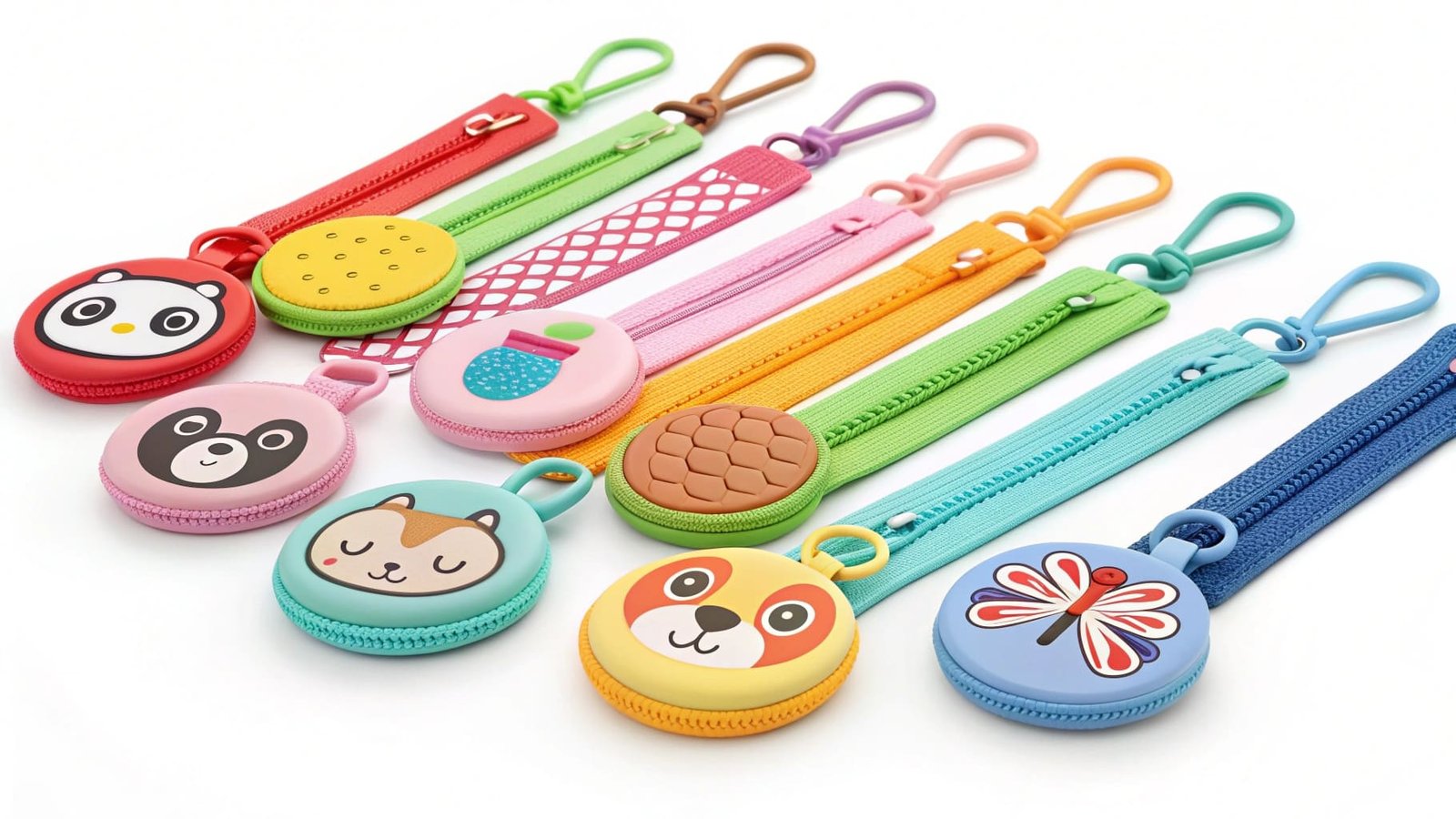
I started noticing this trend three years ago when buyers began requesting pre-assembled gear packages. The logic is simple. Retailers want products ready for shelf display. End users want functional gear out of the box. Custom zipper pulls bridge both needs while strengthening brand visibility across the entire product lifecycle.
How to Attach Custom Zipper Pulls?
Most wholesale buyers worry about complicated attachment processes. Will my retail customers need special tools? I hear this concern during every trade show conversation. The fear of customer frustration drives many purchasing decisions in the outdoor gear sector.
Custom zipper pulls attach through two main systems: split rings or cord loops. Both methods require no tools and take under 30 seconds per pull. This simplicity matters for retail-ready packaging and customer satisfaction.
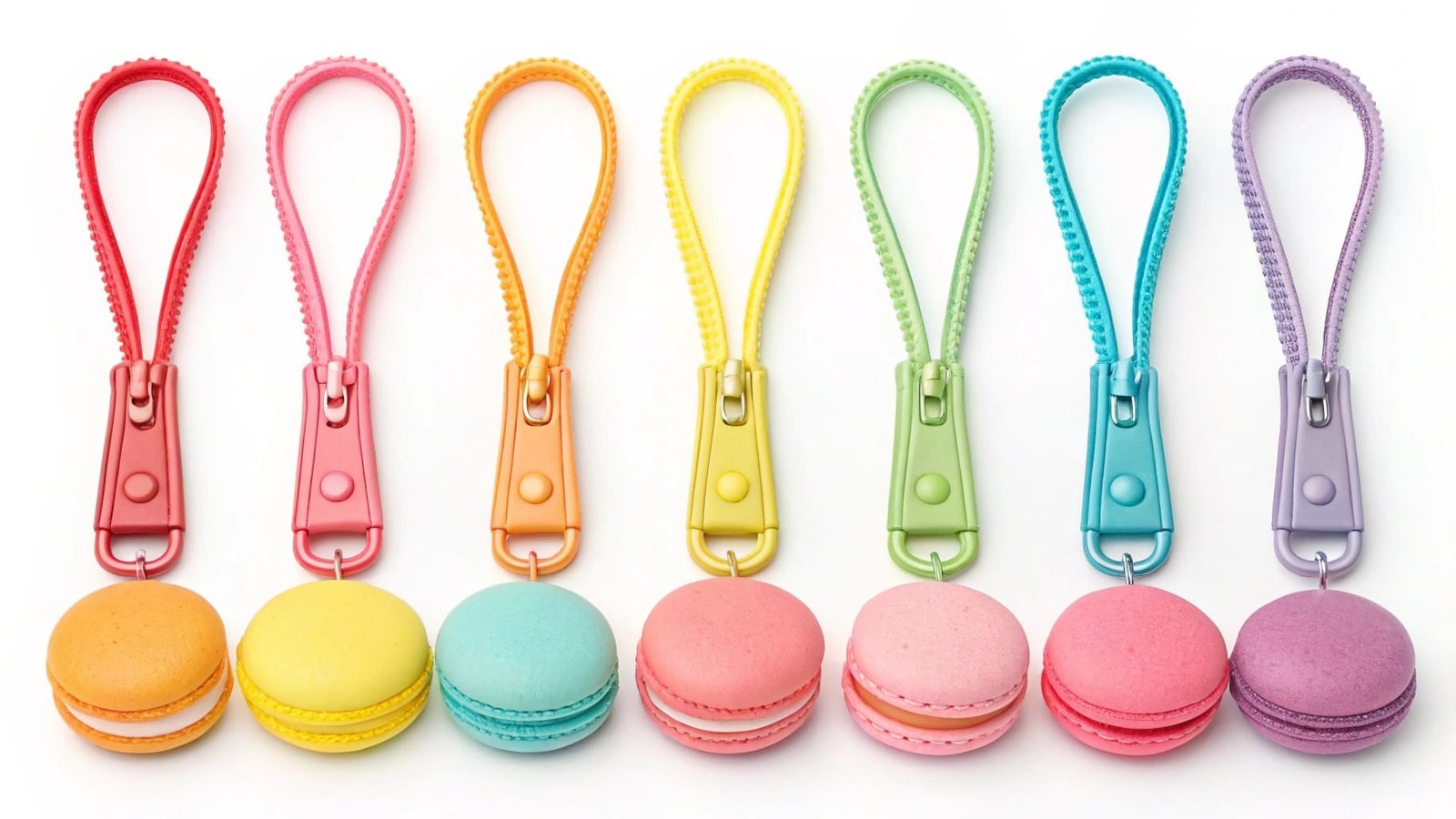
Common Attachment Methods
I work with hundreds of outdoor gear brands. They use three primary attachment approaches for zipper pulls.
Split Ring Attachment
Split rings work like small key rings. You slide them through the zipper slider hole. Then thread the custom pull onto the ring. The entire process mirrors how people add keys to key chains.
I recommend this method for hard-shell PVC pulls. The metal ring provides durability. It handles repeated pulling motions without wear. Most outdoor jackets and backpacks use this system because it withstands harsh conditions.
Cord Loop System
Cord loops offer softer handling. You thread a thin cord through both the slider and the pull. Then tie a secure knot. Some manufacturers heat-seal the cord ends to prevent fraying.
This approach works better for silicone pulls. The cord flexibility complements the material properties. I see this more in premium product lines where tactile experience matters to the end user.
Pre-Attached Factory Options
Smart wholesalers request factory pre-attachment. This eliminates all retail-level assembly. The products arrive shelf-ready. Your customers simply unpack and display.
| Attachment Method | Best For | Installation Time | Durability Rating |
|---|---|---|---|
| Split Ring | PVC pulls, heavy-use gear | 20-30 seconds | High |
| Cord Loop | Silicone pulls, premium lines | 30-45 seconds | Medium-High |
| Factory Pre-Attached | All types, volume orders | 0 seconds (retail) | Varies by method |
The choice impacts your wholesale positioning. Pre-attached options command higher unit prices but reduce retailer labor costs. Separate attachment systems offer flexibility but require clear instructions in packaging.
What Are Zipper Pulls Made Of?
Material questions dominate my conversations with B2B buyers. Everyone wants to know the difference between PVC and silicone. The choice affects pricing, durability, and brand perception in ways that ripple through the entire distribution chain.
Zipper pulls use mainly PVC, silicone, metal, or fabric materials. PVC offers the lowest cost for custom shapes. Silicone provides better cold-weather performance and sustainability positioning. Metal adds premium feel while fabric suits specific aesthetic needs.
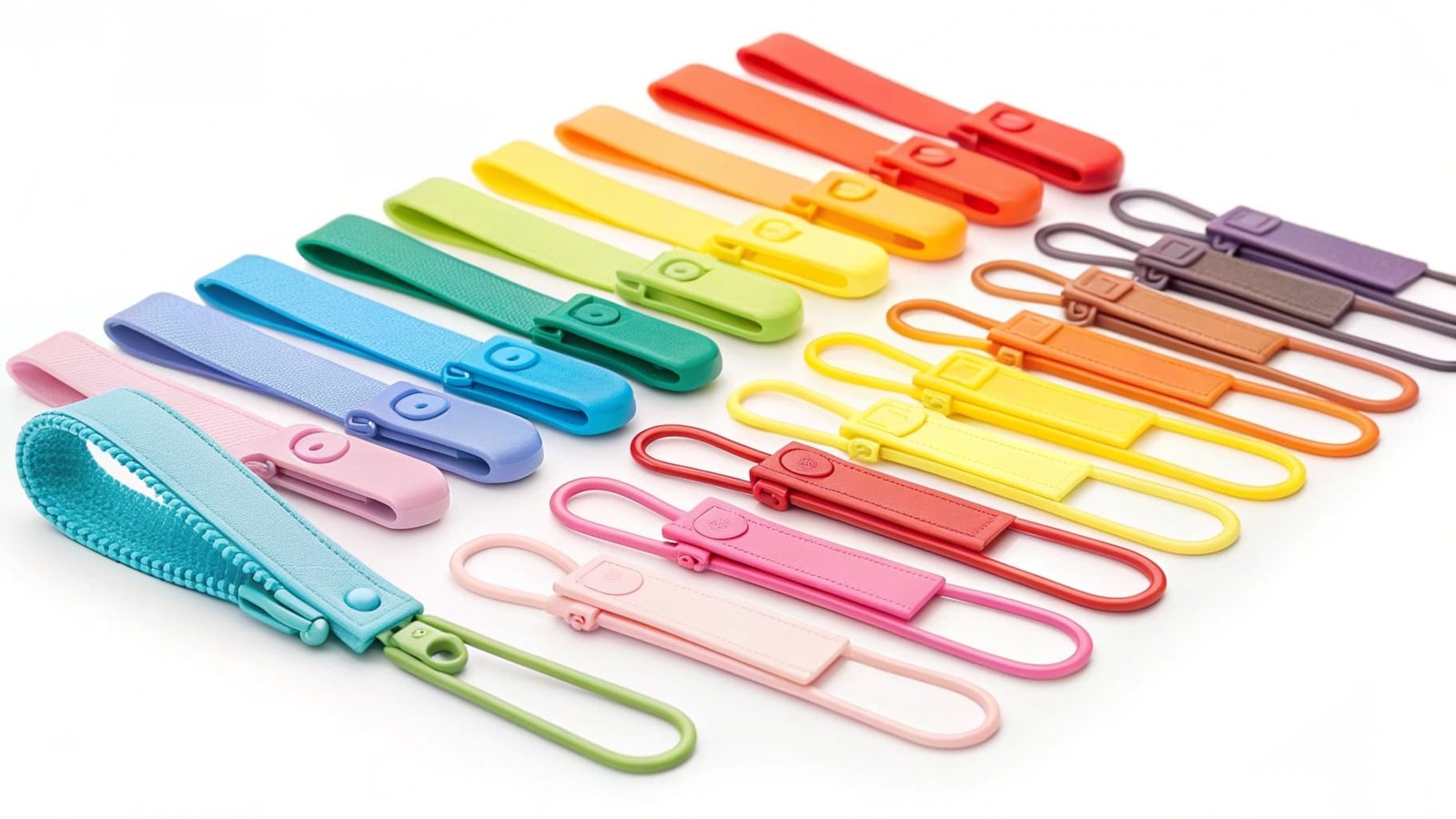
Material Breakdown for Wholesale Buyers
I source these materials daily. Each one serves different market positions and buyer priorities.
PVC (Polyvinyl Chloride)
PVC dominates the custom zipper pull market. It allows intricate 3D designs at low tooling costs. You can create any shape or logo in full color.
The material works well in moderate climates. It stays flexible in normal temperature ranges. I see PVC pulls on most mid-range outdoor gear because the price point matches retail expectations.
But PVC has limitations. It can become brittle in extreme cold. Some eco-conscious retailers now avoid it due to environmental concerns. This matters if your target market includes sustainability-focused brands.
Silicone
Silicone represents the growing premium segment. It stays flexible from -60°C to 230°C. This temperature range covers nearly all outdoor conditions your customers face.
I recommend silicone for high-end product lines. The material feels softer in hand. It resists UV degradation better than PVC. Many outdoor education programs prefer silicone because it holds up through intensive seasonal use.
The cost runs 30-50% higher than PVC. But warranty claim reduction often offsets this premium. I track this data with my larger wholesale clients.
Metal and Fabric Options
Metal pulls offer heritage appeal. Brands targeting traditional outdoor enthusiasts use brass or aluminum options. The weight adds perceived quality.
Fabric pulls suit specific aesthetics. They work for gear targeting urban outdoor lifestyles. The soft texture matches certain brand identities better than hard materials.
| Material | Temperature Range | Customization Options | Relative Cost | Best Market Position |
|---|---|---|---|---|
| PVC | -10°C to 60°C | High (3D shapes, full color) | Lowest | Mid-range gear |
| Silicone | -60°C to 230°C | Medium (2D/simple 3D) | Medium-High | Premium outdoor |
| Metal | Varies by alloy | Low (engraving mainly) | High | Heritage/luxury |
| Fabric | -20°C to 80°C | Medium (printing, weaving) | Medium | Urban outdoor |
Your material choice signals market positioning to retailers. I help buyers match materials to their brand stories and target demographics.
Can You Buy Replacement Zipper Pulls?
This question reveals a hidden revenue opportunity many wholesalers miss. I see buyers focus only on initial gear sales. They overlook the aftermarket potential that custom zipper pulls create throughout product lifecycles.
Yes, replacement zipper pulls1 are widely available and represent a growing market segment. Smart wholesalers offer bulk replacement sets separately, creating recurring revenue streams beyond initial gear purchases while building long-term customer relationships.
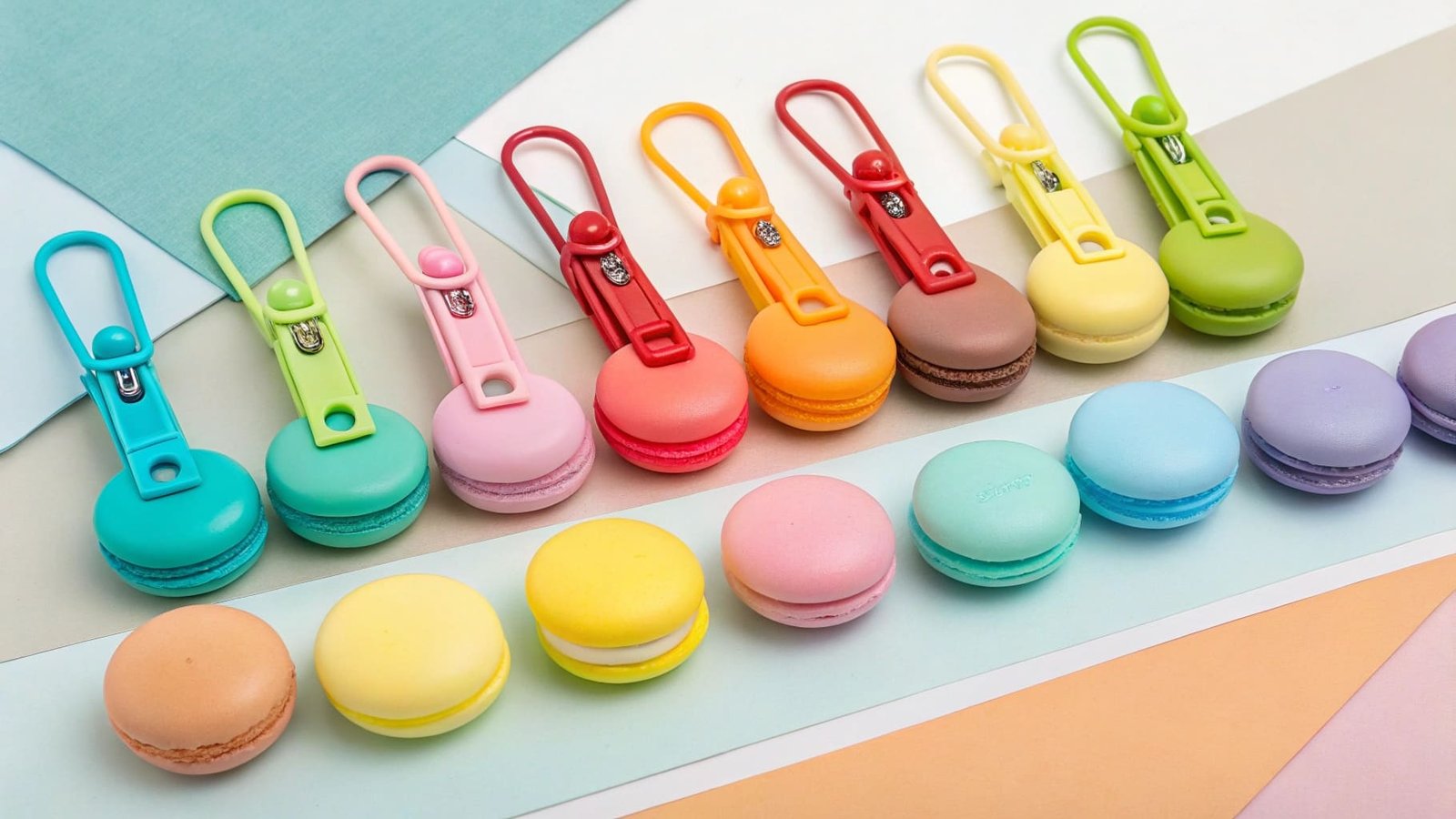
Building a Replacement Strategy
I developed this approach after analyzing customer purchase patterns over five years. The data shows clear opportunities for wholesale buyers.
The Replacement Market Reality
Zipper pulls wear out or get lost. This happens especially in rental operations and outdoor education programs. A summer camp replaces pulls on 20-30% of their jackets annually.
I work with distributors who serve these high-turnover environments. They stock replacement pulls as standard inventory items. This creates predictable reorder cycles that stabilize cash flow.
The profit margins on replacement pulls often exceed original equipment. Customers pay premium prices for exact brand matches. They want consistency across their gear inventory.
Wholesale Package Strategies
I recommend three packaging approaches for replacement pulls:
Individual Retail Packs: Single pulls in branded packaging. These work for outdoor retail stores. Customers buy them to replace lost or broken pulls on existing gear.
Bulk Replacement Sets: 10-50 pulls in basic packaging. This targets institutional buyers. Schools, camps, and rental operations prefer these. The per-unit cost drops significantly.
Branded Merchandise Packs: Custom-designed sets that function as promotional items. Some brands sell these directly to end users. It turns a functional item into brand merchandise.
| Package Type | Typical Quantity | Target Customer | Markup Potential | Reorder Frequency |
|---|---|---|---|---|
| Retail Single | 1-2 pulls | Individual consumers | 200-300% | Occasional |
| Bulk Set | 10-50 pulls | Institutions | 100-150% | Annual/Seasonal |
| Branded Merch | 3-6 pulls | Brand enthusiasts | 250-400% | Varies |
Creating Recurring Revenue
The key is positioning pulls as functional branding tools. I help buyers develop this narrative in their sales materials.
When outdoor programs order 100 jackets with custom pulls, I suggest offering a 20-piece replacement set at checkout. The uptake rate runs around 40%. This adds immediate revenue.
More importantly, it establishes ongoing relationships. Programs contact you directly when they need more pulls. You bypass the original equipment purchase cycle. This direct connection increases customer lifetime value significantly.
Some buyers create subscription models for large institutional customers. They auto-ship replacement pulls quarterly. The convenience factor drives contract renewals in competitive bid situations.
I track this strategy with clients in North America. Their replacement pull revenue grew from 5% to 18% of total zipper pull sales over three years. The margin improvement was even more dramatic because replacement orders require minimal customer acquisition costs.
Conclusion
Custom zipper pulls in standard wholesale packages create differentiation and recurring revenue while simplifying retail operations. The strategic value extends beyond the physical product to long-term customer relationships and brand visibility.
-
Find out how offering replacement zipper pulls can boost your sales and customer loyalty. ↩