Should Fall Tumbler Boot Collections Include Multiple Color Options for Wholesale?
The short answer is yes. Your competitors already offer variety, and your buyers expect it. Without multiple colors, you lose orders to suppliers who understand retail dynamics.
Multiple color options in fall tumbler boot collections directly increase wholesale order values. Buyers prefer suppliers who offer coordinated color families, allowing them to test different market segments while maintaining minimum order quantities. This approach reduces buyer risk and strengthens supplier relationships.
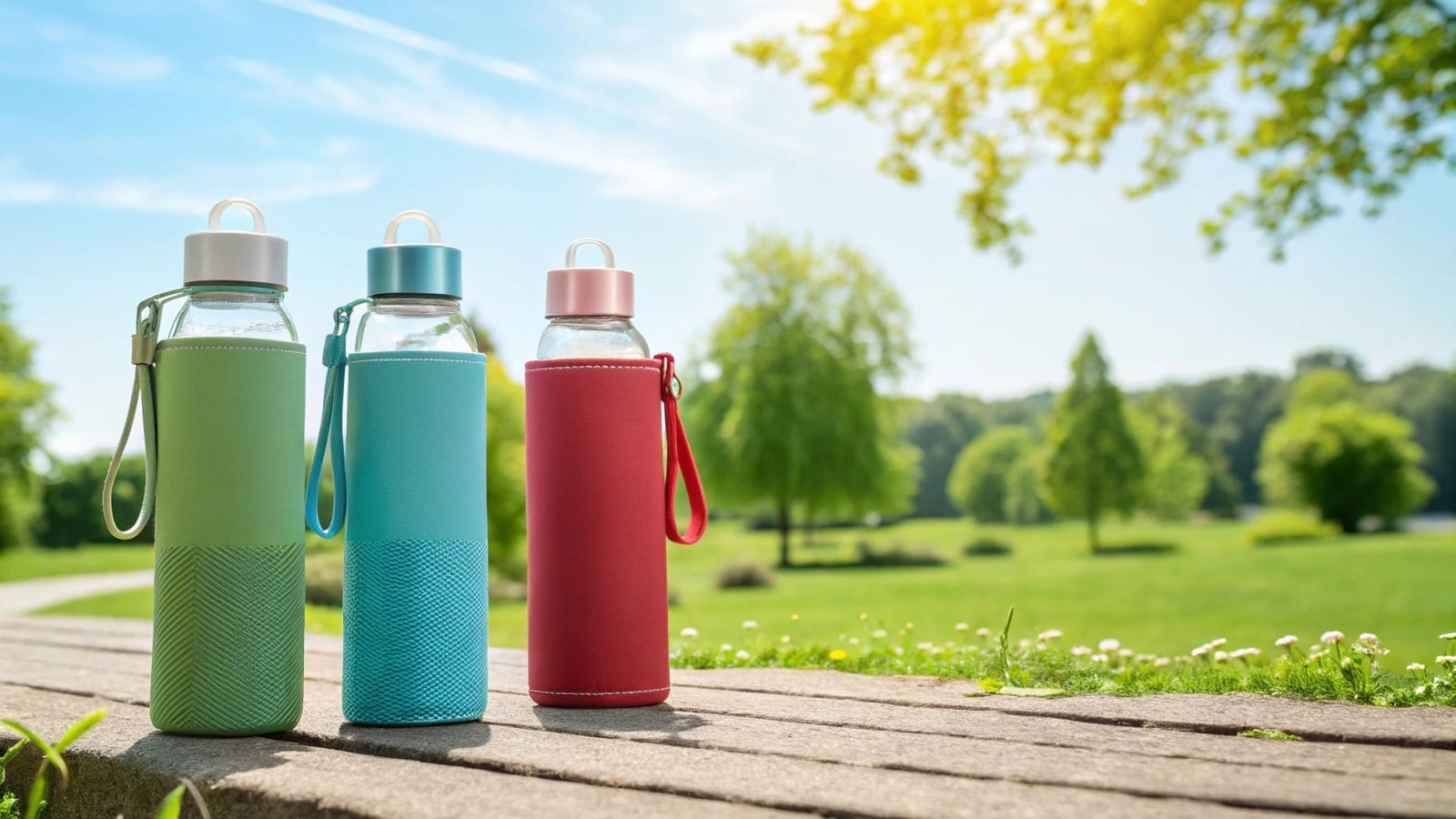
I learned this lesson three years ago when a Canadian distributor contacted me. He wanted fall boots but only in one color. I thought I was being efficient. He placed a small order and never returned. Later, I discovered he found another supplier offering six-color packages. That mistake cost me a long-term client.
What Are the Trendy Boots in Fall 2025?
Fall boot trends shift every season. Your buyers need current information to make confident purchasing decisions. Outdated color choices mean unsold inventory and damaged relationships.
Fall 2025 tumbler boots favor warm earth tones and muted autumn palettes. Terracotta, sage green, warm taupe, and deep burgundy lead the trend. Textured finishes add premium appeal. Buyers want coordinated color families, not random assortments.
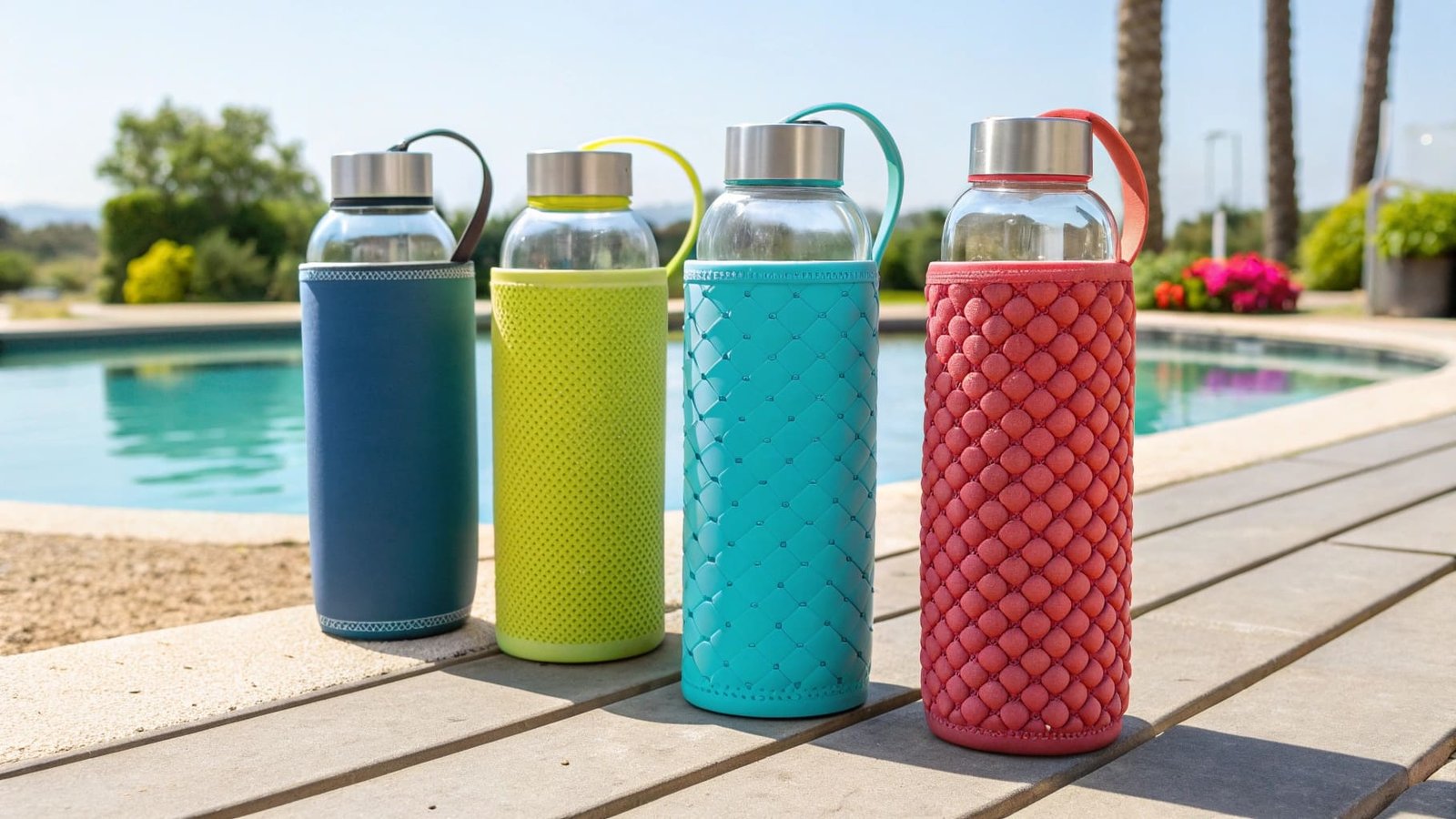
I track these trends by analyzing buyer inquiries and monitoring retail platforms. The pattern became clear last quarter. Buyers stopped asking for bright colors. They wanted softer, nature-inspired shades instead.
My approach divides color offerings into three tiers. The core collection includes three to four neutral colors. These work for conservative buyers who prioritize safe choices. Beige, gray, and black always sell. I never run out of these.
The expanded palette offers six to eight seasonal shades. This tier targets retailers who want trend-forward options. I include the earth tones mentioned earlier. These colors attract customers seeking something beyond basics.
The third tier provides customization for larger orders1. Buyers ordering over five hundred units can request specific Pantone matches. This flexibility matters for brands with established color schemes.
I also noticed texture matters now. Smooth finishes look cheap. Buyers want subtle patterns or matte surfaces. One buyer told me his customers associate texture with quality. I adjusted my production process to add light ribbing to boot surfaces. Sales increased.
Here is how I structure color packages:
| Package Type | Color Count | Target Buyer | Minimum Order |
|---|---|---|---|
| Core Collection | 3-4 colors | Conservative retailers | 200 units |
| Expanded Palette | 6-8 colors | Trend-focused stores | 500 units |
| Custom Options | Unlimited | Established brands | 1000 units |
Is It Illegal to Cut a Boot Off?
This question seems odd at first. But it reveals a critical product design issue. Buyers worry about customer complaints and returns.
Cutting a boot off is not illegal. However, customers who need to cut boots signal poor product design. Easy removal prevents negative reviews and reduces return rates. Your boot design must balance protection with user convenience.
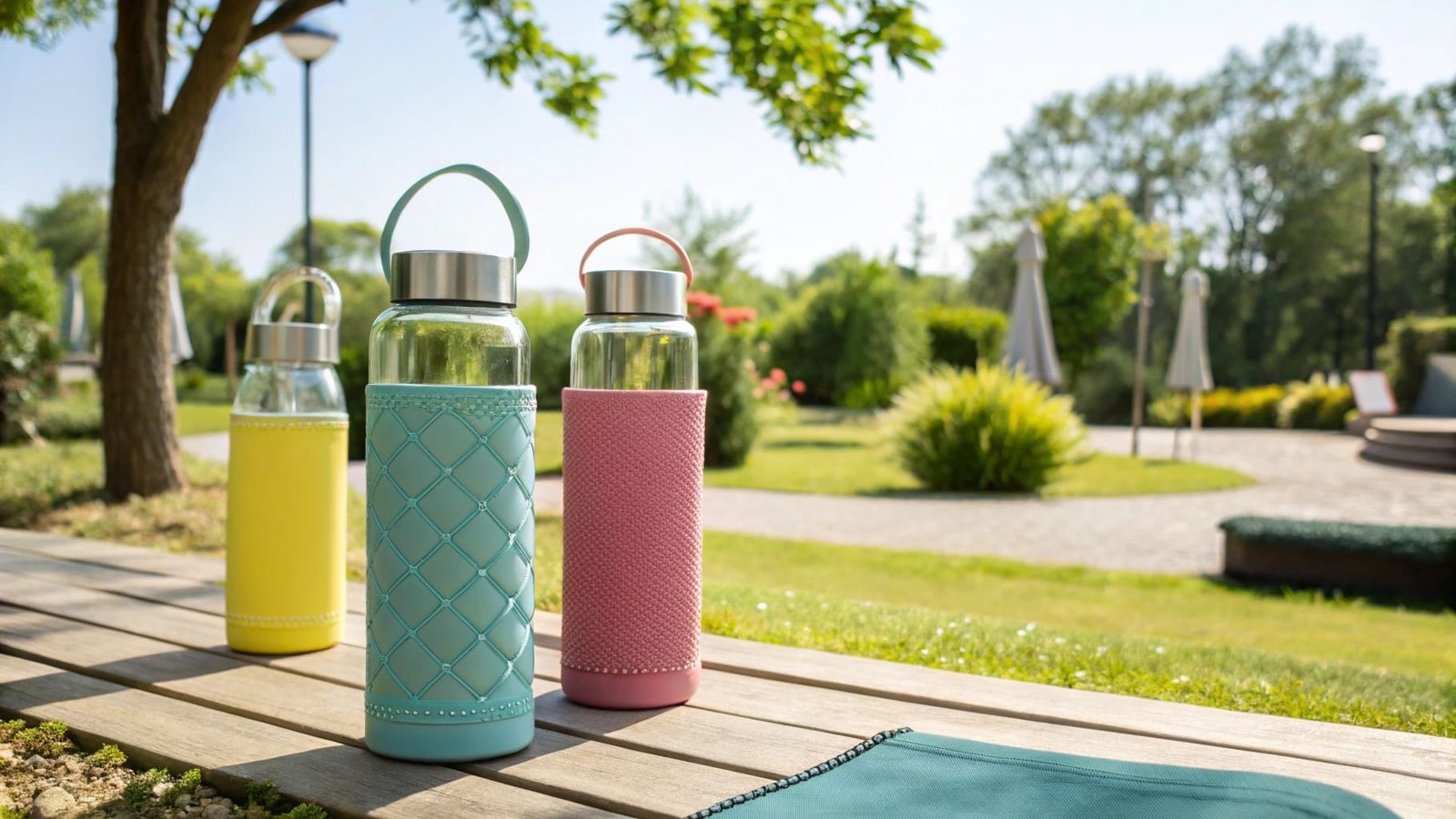
I receive this question from buyers who experienced customer complaints. One distributor told me his end customers struggled removing boots from their tumblers. Some used scissors. Others left angry reviews online.
The problem stems from poor sizing or material stiffness. Boots that fit too tightly protect well but frustrate users. Boots that fit loosely slide off easily but fail to protect against drops.
I solved this by adjusting silicone durometer. Standard boots use 50-60 Shore A hardness. This creates strong grip. I reduced hardness to 40-45 Shore A on the upper portion while maintaining 50-55 Shore A on the base. This dual-hardness design protects the bottom while allowing easier removal from the top.
I also added subtle pull tabs to boot designs. These small features make removal effortless. Customers grip the tab and peel the boot off smoothly. No scissors needed.
Testing revealed another insight. Boots with slightly flared openings remove more easily than straight-walled designs. The flare creates a natural grip point. I implemented this across my product line.
Your buyers care about this because returns damage their profit margins. A buyer who receives complaints about difficult removal will switch suppliers. Product design directly impacts long-term business relationships.
I recommend asking your manufacturer about removal testing. Request samples and try removing them yourself after they have been on a tumbler for several days. If you struggle, your customers will too.
What Size Boot for 32oz Hydro Flask?
Sizing confusion causes order cancellations and returns. Buyers need accurate measurements to serve their customers effectively. Wrong sizes mean lost money.
A 32oz Hydro Flask typically requires a boot with a base diameter of 2.9 to 3.1 inches and height of 9 to 10 inches. However, slight variations exist between tumbler brands. Always verify measurements before placing bulk orders.
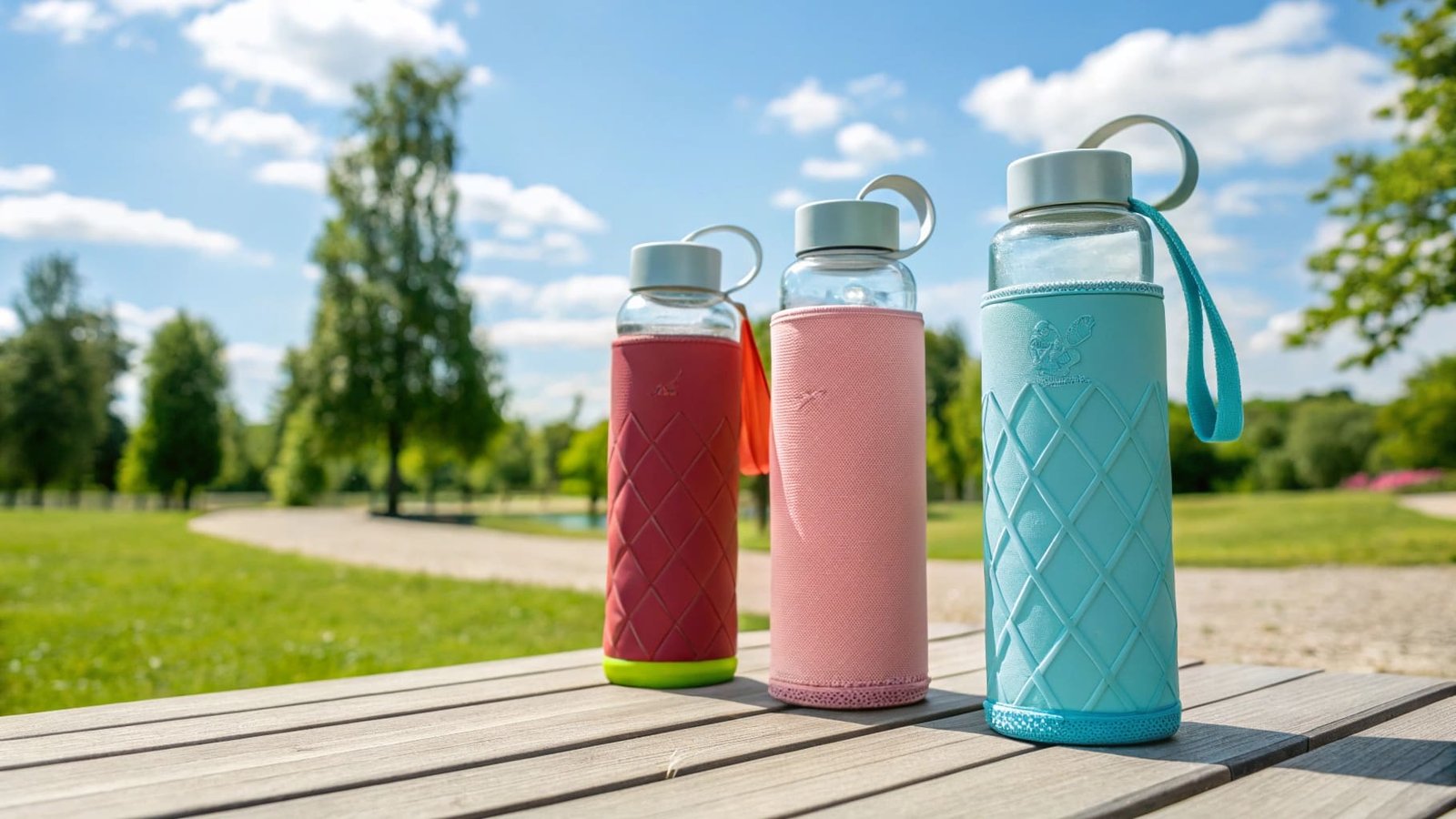
I maintain a sizing chart for all popular tumbler brands. This tool helps buyers select correct boots for their inventory. The chart took months to compile, but it prevents costly mistakes.
The challenge is that universal sizing does not exist. Hydro Flask uses different dimensions than YETI or Stanley. Even within one brand, bottle shapes vary by model. A buyer who assumes all 32 oz bottles match the same boot will face problems.
I learned this when a buyer ordered 1000 boots for "32 oz tumblers" without specifying brands. The boots arrived, but they fit Hydro Flask bottles too loosely. The buyer had Stanley bottles in mind. We spent two weeks resolving the issue.
Now I require buyers to specify exact tumbler models. I send a questionnaire asking for brand names, capacity, and base measurements. This extra step saves both parties from expensive errors.
Here is my standard sizing reference:
| Tumbler Brand | Capacity | Base Diameter | Boot Height | Recommended Fit |
|---|---|---|---|---|
| Hydro Flask | 32 oz | 2.9-3.0 inches | 9.5 inches | Snug |
| YETI Rambler | 30 oz | 3.0-3.1 inches | 9.0 inches | Snug |
| Stanley Classic | 30 oz | 3.1 inches | 10.0 inches | Medium |
| Generic Brands | 32 oz | 2.8-3.2 inches | 9-10 inches | Variable |
I also noticed that boot height matters more than buyers realize. Short boots protect only the base. Taller boots protect sides from scratches. I recommend boots covering at least 70 percent of the tumbler base for adequate protection.
Material thickness affects fit too. Thicker silicone requires slightly larger internal diameters to accommodate the same tumbler. I use 2.5mm thickness as standard. This balances durability with proper fit.
Buyers should request samples before placing large orders. Test the sample on actual tumblers your customers use. Check for easy installation, secure fit, and simple removal. These three factors determine customer satisfaction.
How Color Variety Strengthens Wholesale Relationships
Offering multiple colors transforms one-time buyers into repeat customers. This strategy directly addresses the core business challenge facing wholesale distributors.
I remember working with a startup founder from Texas. He ordered 200 boots in single color for his first order. The boots sold well, but he wanted more variety for his second order. I offered him a six-color package. His order size jumped to 600 units. He told me his customers appreciated having choices. His sales velocity increased because shoppers who disliked one color often bought another.
This pattern repeats across my buyer base. Single-color orders average 200 to 300 units. Multi-color orders average 500 to 800 units. The difference is substantial.
Color variety also reduces buyer risk. Retailers cannot predict which colors will sell fastest in their specific market. A buyer in California might find sage green sells quickly. The same buyer might struggle moving burgundy. By offering both colors, I allow buyers to spread risk across multiple options.
I structure my minimum order quantities to encourage variety. A buyer ordering 500 units can split the order across five colors with 100 units each. This flexibility matters more than low pricing for many buyers.
Quality consistency across colors presents a manufacturing challenge. Each pigment affects silicone properties slightly differently. Dark colors might cure differently than light colors. I conduct pull tests on every color batch to ensure uniform quality.
I also coordinate color releases with seasonal patterns2. Fall colors launch in July. Spring colors launch in January. This timing aligns with buyer purchasing cycles. Buyers appreciate suppliers who understand retail calendars.
Your color offerings should reflect both trend research and practical retail considerations. Beautiful colors that do not sell waste everyone's time and money.
Conclusion
Multiple color options in fall tumbler boot collections increase order values, reduce buyer risk, and build lasting wholesale relationships. This approach addresses real market demands and practical retail challenges.