What Makes Stanley-Compatible Boot Covers Popular Among B2B Drinkware Distributors?
I watched my email inbox fill with inquiries about Stanley boot covers last month. The volume surprised me. B2B distributors were suddenly ordering thousands of units at once.
Stanley-compatible boot covers are popular among B2B distributors because they offer high profit margins, solve real customer problems, and require minimal storage space. The product rides the wave of Stanley tumbler popularity while addressing practical needs like surface protection and noise reduction.
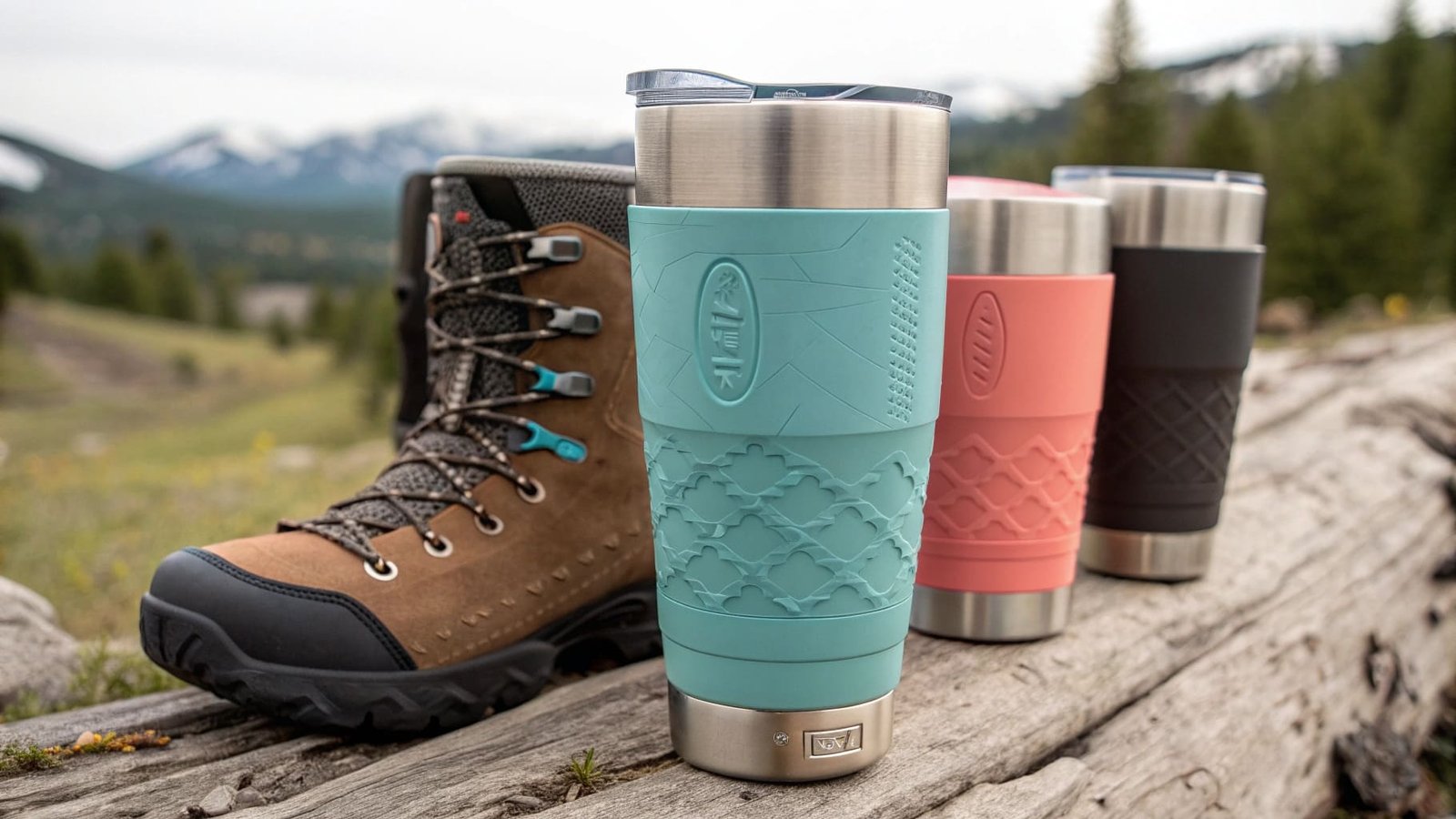
The trend started small in early 2023. My factory received occasional requests for silicone bottom protectors. By mid-2024, these accessories became our fastest-growing product line. The shift happened fast.
What is the point of a Stanley cup boot?
Your customers complain about scratched tables. Metal tumbler bottoms damage furniture. The noise bothers office workers when cups hit desks.
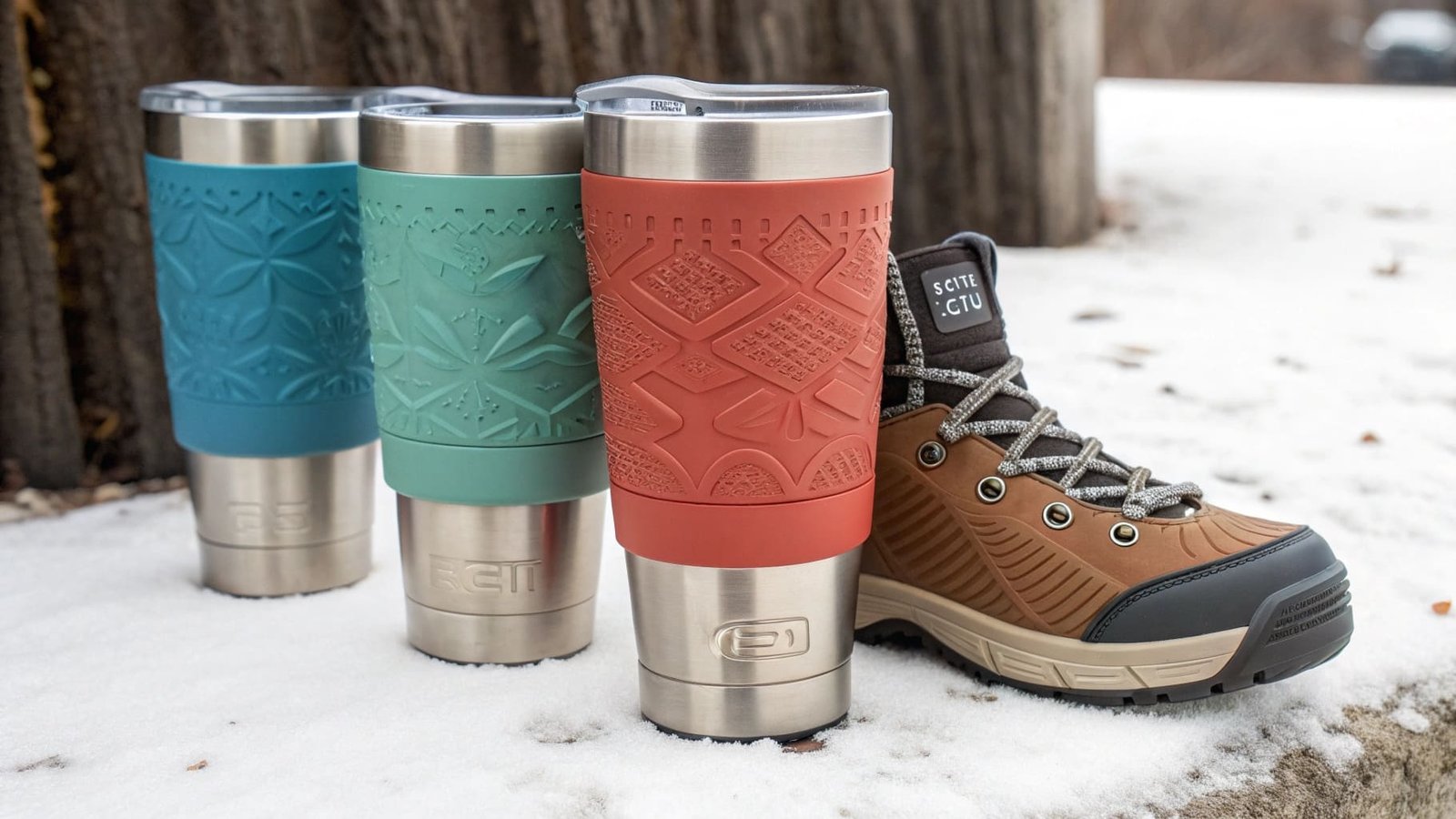
A Stanley cup boot protects surfaces from scratches, reduces noise when setting down the tumbler, and provides extra grip to prevent tipping. The silicone material1 absorbs impact and extends the product lifespan.
Why Surface Protection Matters to End Users
I tested this myself in my office. Without a boot, my Stanley cup left marks on my wooden desk. The metal base acted like sandpaper. Each time I set the cup down, small scratches appeared.
The silicone boot changed this completely. The soft material creates a barrier between metal and wood. No more scratches. No more guilt about using my favorite cup at work.
B2B buyers tell me their retail customers ask for this protection specifically. Office workers want it. Home users need it. The demand comes from real daily use cases.
The Noise Reduction Benefit
Metal hitting hard surfaces creates sharp sounds. In quiet offices, this becomes disruptive. I noticed this during video calls. My cup hitting the desk created background noise that others heard.
Boot covers solve this problem silently. The tumbler lands softly now. Conference calls run smoother. Libraries and shared workspaces benefit most from this feature.
Distributors report that corporate buyers specifically request boot covers for office tumbler orders. The noise factor drives these bulk purchases. Companies want happy employees who can use their drinkware without disturbing coworkers.
| Pain Point | Without Boot | With Boot |
|---|---|---|
| Surface Damage | Scratches on wood, glass, and laminate | No damage to surfaces |
| Noise Level | Loud clanking sound | Quiet, soft landing |
| Stability | Can tip easily on smooth surfaces | Better grip prevents tipping |
| Product Life | Metal base wears and dents | Protected from impact damage |
What is a Stanley boot cover?
You see different names in supplier catalogs. Tumbler boot. Silicone base. Bottom protector. They all describe the same thing.
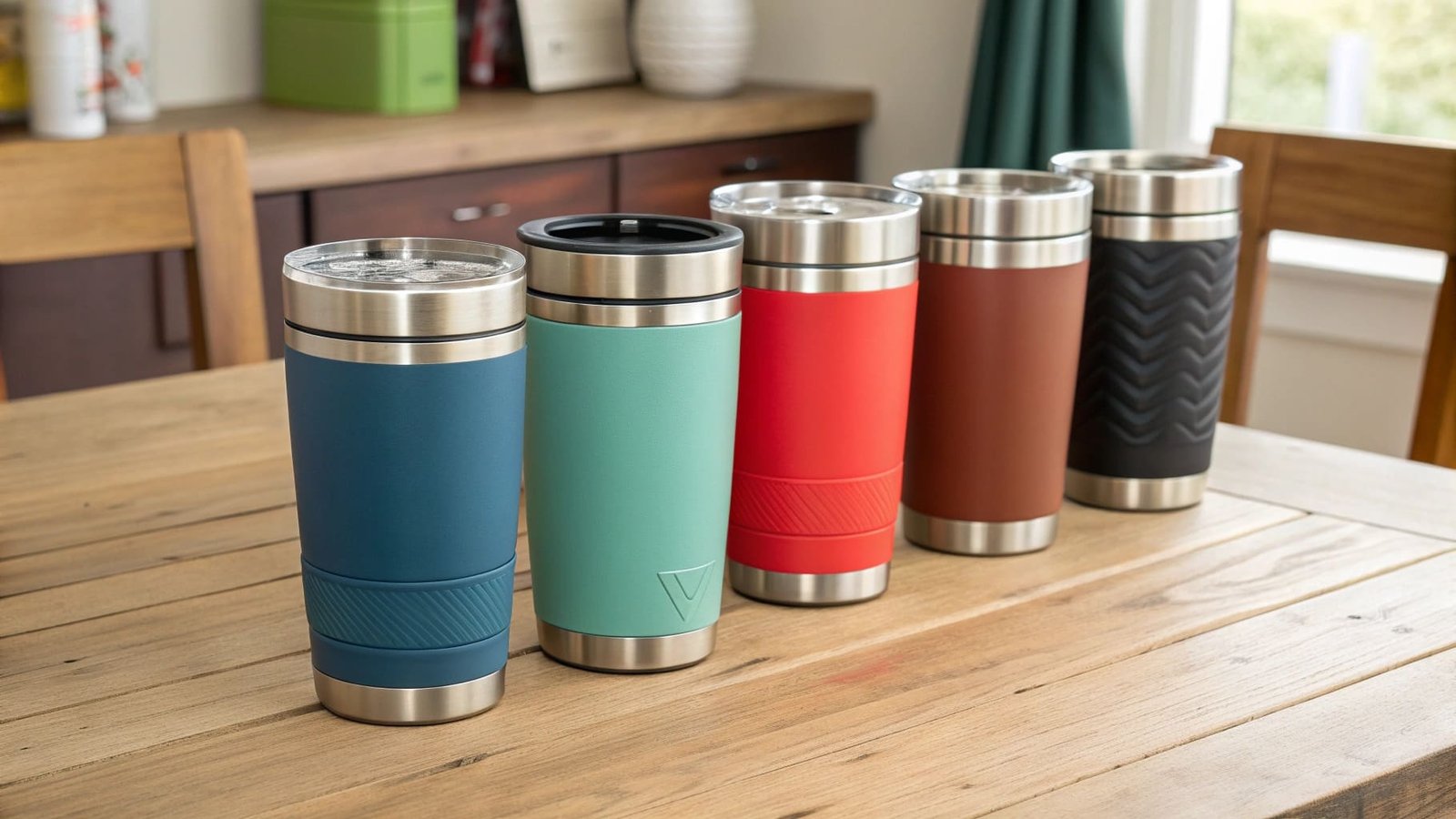
A Stanley boot cover is a silicone sleeve that fits over the bottom of Stanley tumblers. It typically measures 2-3mm thick and comes in sizes matching popular Stanley models like the 40oz Quencher.
Material and Design Specifications
Food-grade silicone makes up the entire boot. I source material that meets FDA standards2. European buyers need LFGB certification. The material must be non-toxic and temperature resistant.
The design follows a simple cup shape. The boot slides over the tumbler base. Some versions have raised edges that extend up the sides. Others sit flush with the bottom only.
Thickness matters for protection. Boots under 2mm tear easily. Boots over 4mm feel bulky and look oversized. I found that 2.5-3mm provides the best balance. The material flexes enough to install easily but stays firm enough to protect surfaces.
Size Compatibility Standards
Stanley makes several tumbler sizes. The 40oz Quencher dominates the market. Most boot cover orders specify this size. I also produce boots for 30oz, 20oz, and 14oz models.
Measurements must be precise. A boot that fits too loosely falls off during use. A boot that fits too tightly damages the tumbler coating during installation. I maintain tolerances within 0.5mm for the inner diameter.
B2B buyers appreciate standardized sizing. They stock fewer SKUs this way. One boot model serves thousands of customers. Inventory management becomes simpler. Shipping costs drop when products stack efficiently.
Customization Options for Distributors
Color selection drives many bulk orders. Basic black sells consistently. But branded colors create differentiation. I produce boots in company colors for corporate gift sets.
Logo embossing adds brand value. The silicone surface accepts detailed imprints. Text, logos, and patterns all work well. Minimum order quantities for custom branding typically start at 1000 units.
Multi-pack configurations help distributors serve different channels. Retail buyers want 2-packs or 4-packs. Corporate buyers order sets of 50 or 100. I package products based on the target market. This flexibility helps distributors move inventory faster.
What is Stanley's best selling product?
The Stanley brand has existed for over 100 years. But one product changed everything for them in recent years.
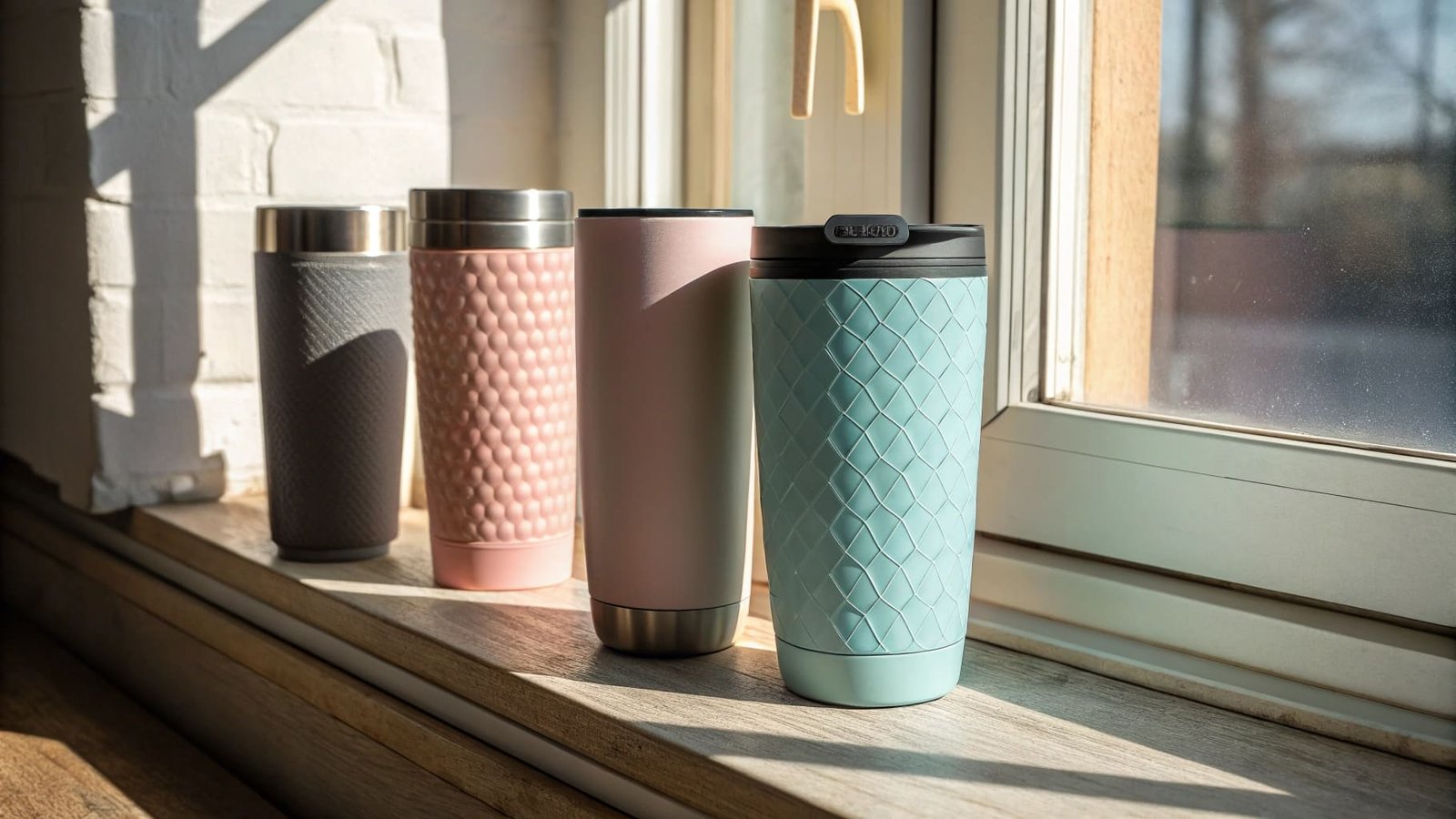
The Stanley Quencher 40oz tumbler is Stanley's best-selling product. This insulated tumbler with handle and straw became viral in 2023, creating massive demand for compatible accessories like boot covers.
The Quencher Phenomenon in Numbers
Stanley sold more Quenchers in 2023 than in the previous decade combined. The numbers shocked everyone in the drinkware industry. One viral video created overnight demand that factories struggled to meet.
I saw this impact directly. In early 2023, I received maybe 10 inquiries per month about tumbler accessories3. By June 2023, I received 10 inquiries per day. By December 2023, my factory ran three shifts to keep up with boot cover orders.
The 40oz size became the standard. This large capacity appeals to people who want all-day hydration without refills. The handle makes carrying easy. The straw adds convenience. These features combined perfectly.
Why Accessory Demand Followed Product Success
Every successful product creates an accessory market. Stanley tumblers proved this rule again. Once millions of people owned Quenchers, they wanted to protect their investment.
Boot covers emerged as the most practical accessory. Straw cleaners and lid replacements also sold well. But boot covers addressed an immediate need that every user felt. The first time someone scratched their desk, they searched for a solution.
B2B distributors recognized this pattern early. Smart buyers placed orders before retail demand peaked. They positioned themselves as solution providers. When retailers asked for tumbler accessories, these distributors had inventory ready.
Impact on B2B Distribution Strategies
The Quencher success changed how distributors approach drinkware accessories. Before, accessories were afterthoughts. Now, they plan accessory inventory alongside main product orders.
I work with a distributor in Texas who explained his strategy. He orders Stanley-compatible boots before restocking tumblers. He bundles them together in retail packages. His average order value increased by 35 percent using this approach.
Another buyer in Germany takes a different path. She sells boot covers separately as standalone products. Her retail partners display them near checkout counters. Impulse purchases add up. The small size and low price point encourage add-on sales.
| Distribution Strategy | Average Order Value | Inventory Turnover | Customer Type |
|---|---|---|---|
| Bundled with Tumblers | Higher (35-40% increase) | Moderate | Retail chains, gift shops |
| Standalone Accessory | Standard | Fast | Office suppliers, online stores |
| Corporate Gift Sets | Highest | Slower | Corporate buyers, promotional companies |
| Multi-pack Retail | Moderate | Fast | Big-box retailers, warehouse clubs |
Quality Standards That Matter to Distributors
I learned what quality means in this market through trial and error. My first boot cover samples looked good but failed in real use. The silicone was too soft. Boots tore after a few weeks.
Mark, a buyer from Canada, returned that first shipment. He explained that his reputation depended on product quality. His customers expected durability. One bad product could cost him multiple retail accounts.
I redesigned the boot with harder silicone. I added reinforcement around stress points. I tested samples by dropping weighted tumblers 100 times. The new boots held up. Mark placed his next order for 5000 units.
Certification documents matter too. Every shipment to Europe needs REACH compliance papers. American buyers want FDA confirmation. I maintain these certifications because B2B buyers cannot sell products without proper documentation.
The testing process takes time but builds trust. I send samples before production starts. Buyers test them with their tumblers. They check the fit and feel. Only after approval do I start manufacturing. This extra step prevents costly mistakes and returns.
Conclusion
Stanley-compatible boot covers succeed in B2B markets because they solve real problems with minimal investment. The product fits perfectly into the accessory economy that viral products create. Smart distributors recognize this opportunity early.