Should Hydration Bladder Connectors Be Standardized for Multi-Brand Compatibility?
I spent three hours last week on a call with a frustrated distributor from Oregon. He had just received complaints from five retail customers about incompatible bladder connectors. This situation happens more often than you think in the hydration gear market.
Hydration bladder connectors should not be fully standardized because proprietary designs protect brand innovation and quality control. However, offering universal adapters or backward compatibility options can capture significant market share from frustrated consumers managing multiple gear brands.
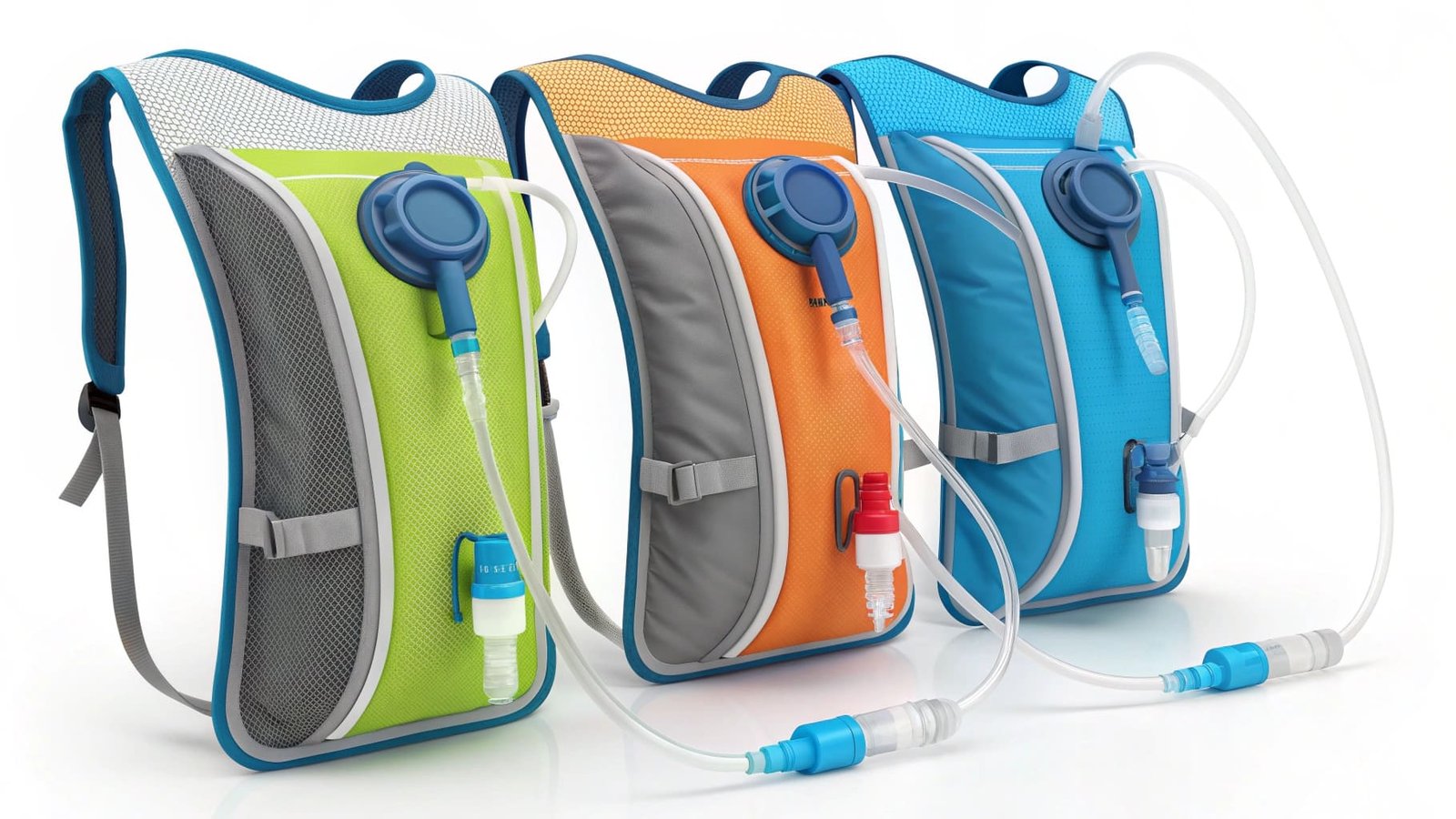
The connector standardization debate affects everyone in the supply chain. Brands protect their market position through proprietary parts. Distributors face inventory complications. End customers feel locked into single-brand ecosystems. I see this tension daily when buyers ask me about custom silicone connector designs1 for their hydration products.
What Size Water Bladder Should I Buy?
You face this question every time you plan an outdoor trip. The wrong capacity means carrying extra weight or running out of water mid-hike. Most buyers struggle between the three main sizes available in the market.
Buy a 2L hydration bladder for most day hiking and cycling activities. This size balances adequate hydration for 4-6 hours of moderate activity without excessive weight. Choose 1.5L for short activities under 3 hours or 3L for full-day endurance events.
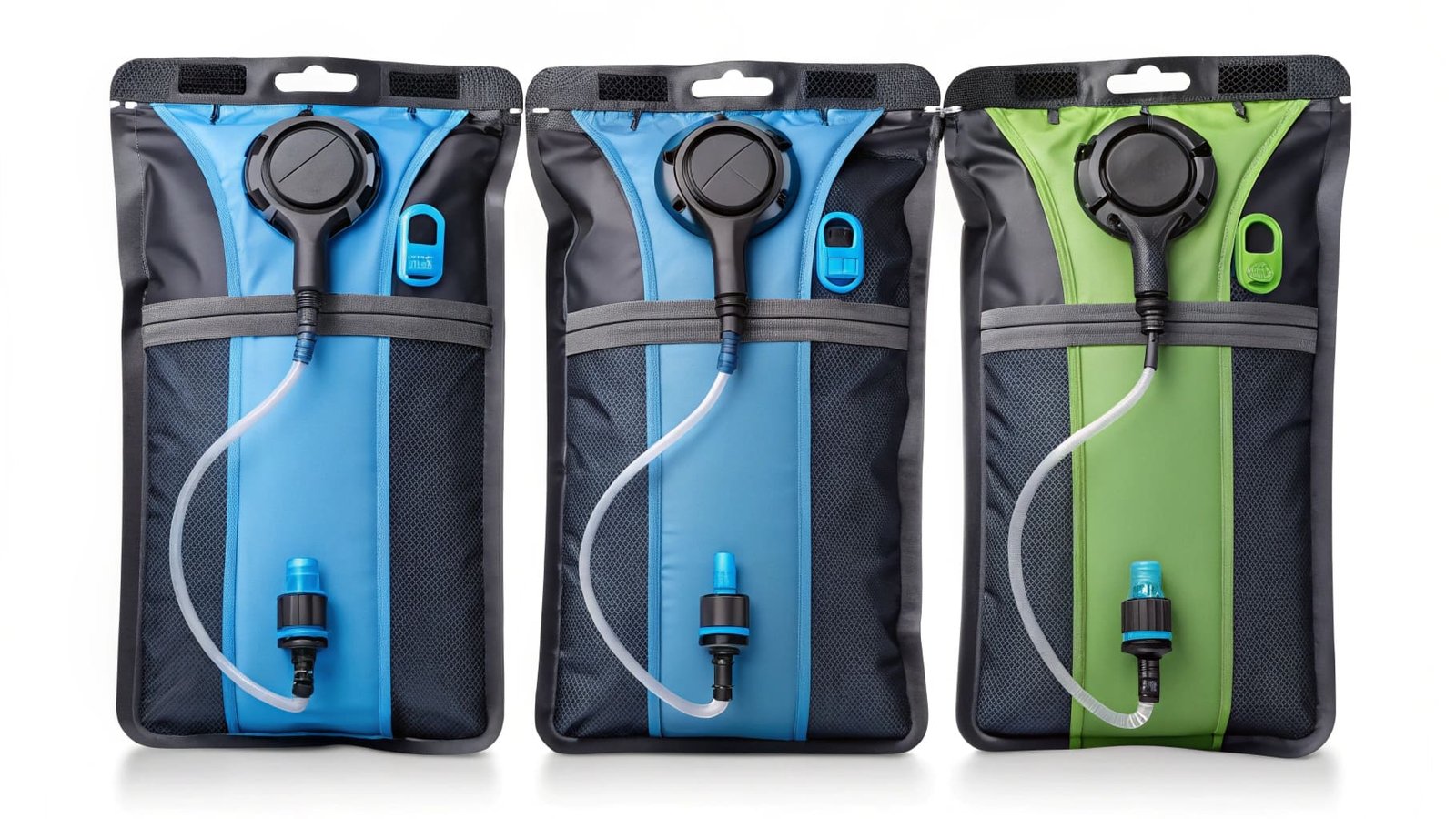
Your choice depends on multiple factors beyond just time duration. Let me break this down based on what I learned from working with hundreds of distributors.
Activity Duration and Intensity
Different activities consume water at different rates. A casual nature walk uses less water than trail running. Mountain biking in summer heat requires more than winter snowshoeing.
Here is how water consumption typically breaks down:
| Activity Type | Consumption Rate | Recommended Size |
|---|---|---|
| Casual hiking | 0.25L per hour | 1.5L |
| Moderate hiking | 0.35L per hour | 2L |
| Trail running | 0.5L per hour | 2-3L |
| Cycling | 0.4L per hour | 2L |
| Climbing | 0.3L per hour | 1.5-2L |
Climate and Season Considerations
Hot weather doubles or triples your water needs. Desert environments accelerate dehydration. Winter activities seem like they need less water, but cold air actually increases fluid requirements through respiration.
I once supplied silicone bladder components to a brand targeting the Arizona market. They specifically requested 3L capacity as their standard size because their customers hike in extreme heat.
Weight Distribution in Your Pack
A full 3L bladder adds 3 kilograms to your pack. This weight sits against your back, affecting your center of gravity. Lighter hikers feel this more than heavier individuals.
The bladder shape matters too. Wider, flatter designs distribute weight better than tall, narrow ones. This is why I always recommend brands consider ergonomic design when they order custom silicone seals and connectors from us.
Can I Use Vinegar to Clean a Water Bladder?
Your hydration bladder develops a strange smell after a few weeks of use. Standard soap does not remove it completely. You remember vinegar works great for coffee makers and wonder if it can solve this problem too.
Yes, you can use diluted white vinegar to clean most water bladders. Mix one part vinegar with five parts water, fill the bladder, let it sit for 30 minutes, then rinse thoroughly. However, check your manufacturer's guidelines first because some antimicrobial coatings may degrade with acidic solutions.
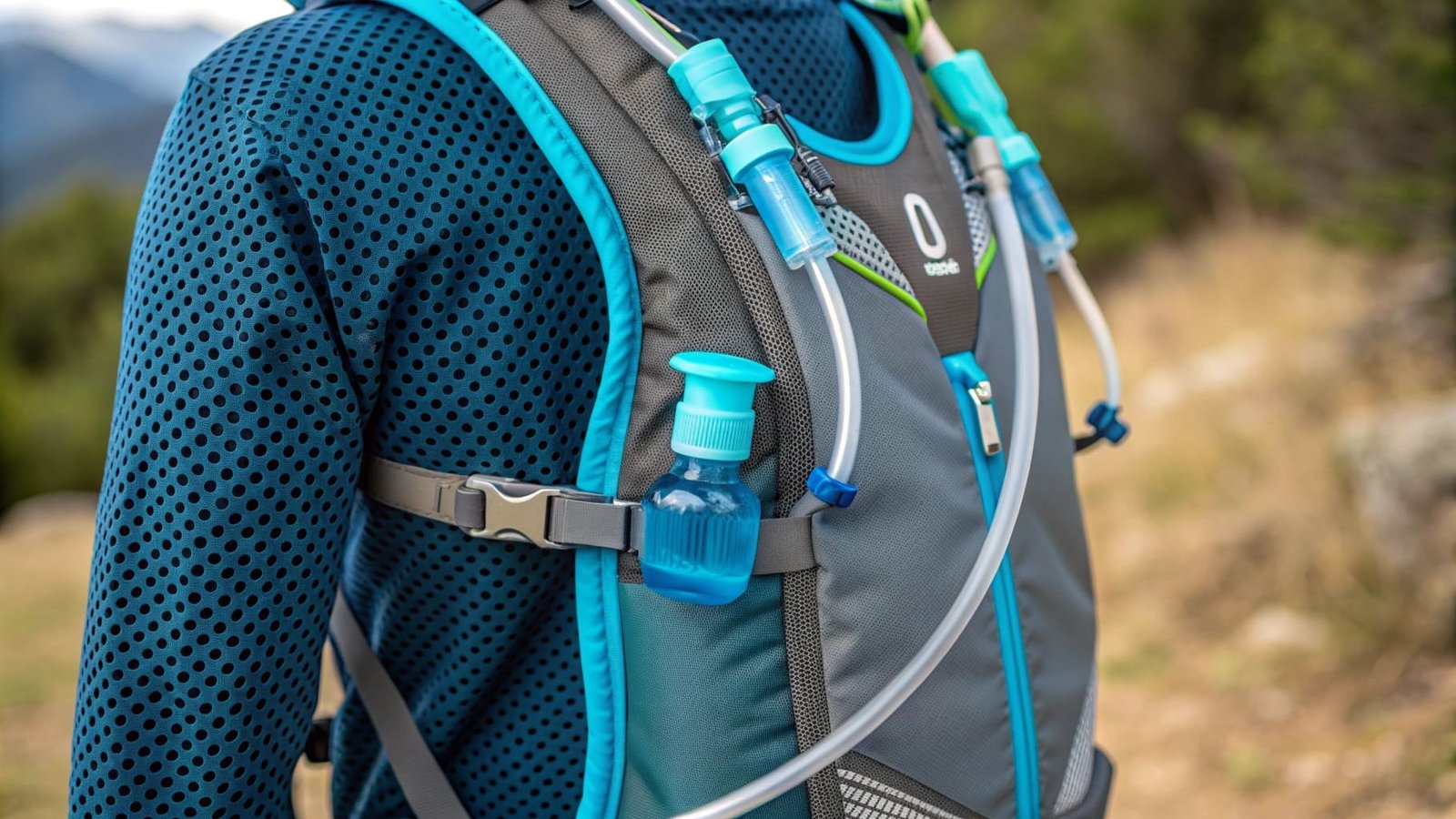
Cleaning protocols directly impact the lifespan of silicone components. This matters a lot in my business because proper maintenance determines whether customers reorder products or complain about premature failures.
Understanding Material Compatibility
Not all bladder materials react the same way to cleaning agents. The three main bladder types use different polymers.
Standard polyurethane bladders tolerate vinegar well. They are the most common and affordable option. TPU bladders with antimicrobial treatments need gentler cleaning because the coating can break down. Pure silicone bladders handle almost any food-safe cleaning solution without degradation.
I manufacture silicone seals and connectors for all three bladder types. The failure reports I receive show that improper cleaning causes 30% of premature seal deterioration.
Proper Cleaning Procedure
The cleaning process requires more than just adding vinegar and water. Temperature matters. Contact time matters. Rinsing thoroughness matters.
Start with lukewarm water, never hot. Hot water can damage some bladder materials and void warranties. Add your vinegar solution and shake vigorously for 30 seconds. Let the mixture sit with the bite valve open so the solution reaches all components.
After soaking, rinse at least three times with clean water. Any vinegar residue will affect water taste during your next trip. Hang the bladder upside down with the cap off and bite valve removed for complete drying.
Alternative Cleaning Methods
Some situations call for different approaches. Severe mold requires stronger solutions. Regular maintenance needs gentler options.
Baking soda paste works excellently for removing stubborn odors without acidic risks. Specialized cleaning tablets designed for hydration systems offer convenience. Some brands now sell proprietary cleaners that work specifically with their antimicrobial coatings.
One distributor I work with in Germany only recommends baking soda to his customers. He found that German consumers prefer natural cleaning solutions and react negatively to chemical options.
How to Lubricate HydraPak?
Your HydraPak bite valve sticks when you try to drink. The on-off mechanism feels stiff and difficult to operate. You worry about damaging the seal but need smooth operation for your upcoming race.
Use only food-grade silicone lubricant2 on HydraPak components. Apply a small drop to the bite valve stem and O-rings after cleaning and drying. Avoid petroleum-based lubricants as they degrade silicone seals and can contaminate drinking water.
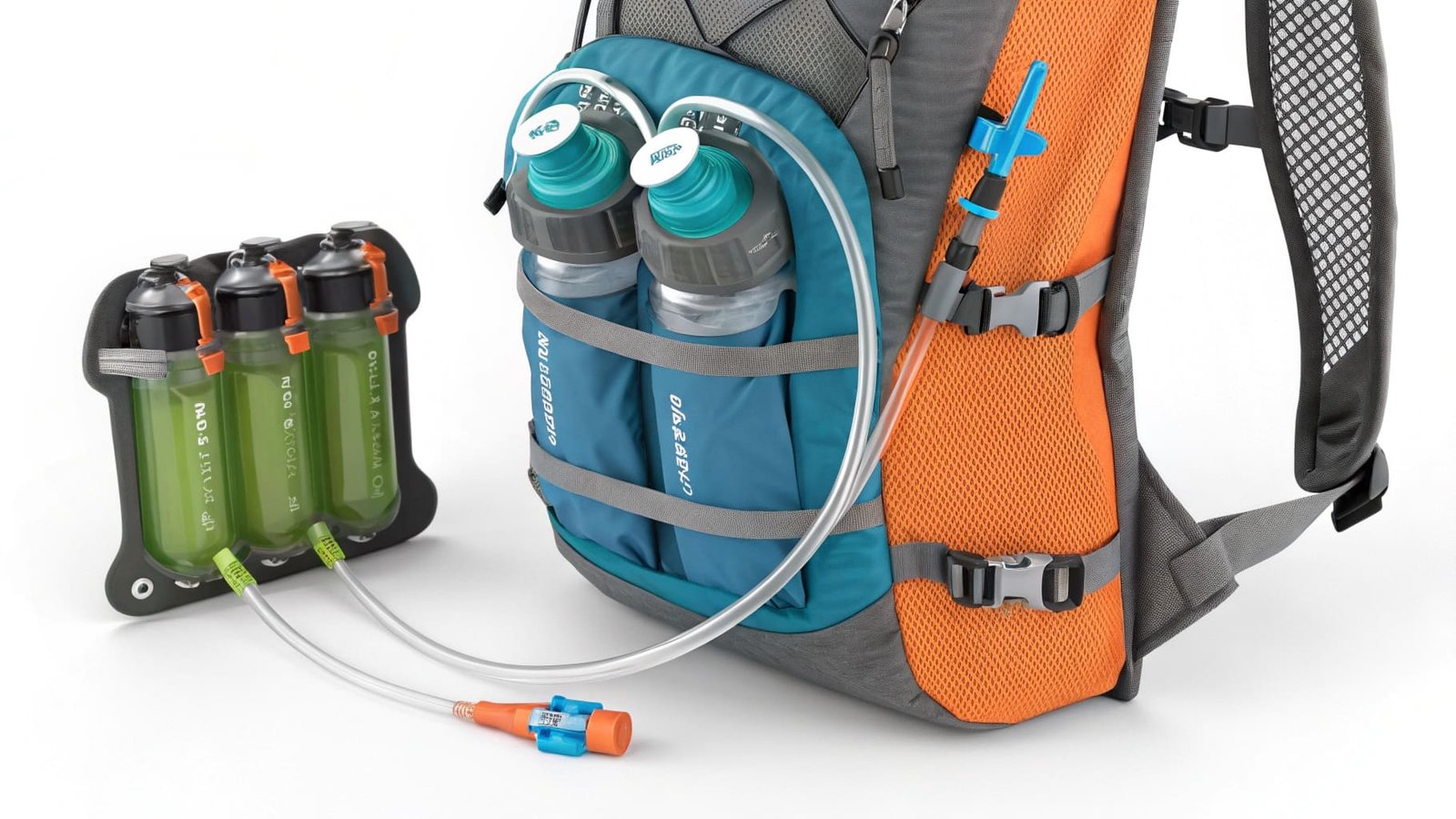
Lubrication keeps silicone components functioning properly and extends their service life. This topic connects directly to my work because I produce the O-rings and seals3 that brands like HydraPak use in their systems.
Why Silicone Components Need Lubrication
Silicone creates excellent seals because of its flexibility and durability. However, dry silicone generates friction against plastic housing parts. This friction causes three main problems.
First, it makes bite valves difficult to operate. Users need to bite harder, which accelerates wear. Second, it can cause O-rings to roll or twist during assembly, creating leaks. Third, dry seals collect dirt and debris more easily, introducing contamination points.
Choosing the Right Lubricant
Not all lubricants work safely with drinking water systems. The lubricant must meet food-grade standards because it contacts water you will drink.
Here are the acceptable options:
| Lubricant Type | Safety Level | Effectiveness | Cost |
|---|---|---|---|
| Food-grade silicone | Highest | Excellent | Moderate |
| Vegetable glycerin | High | Good | Low |
| Coconut oil | Moderate | Fair | Low |
| Petroleum jelly | Unsafe | Good | Low |
Food-grade silicone lubricant stands out as the best choice. It lasts longer than organic options and will not support bacterial growth. I always keep bottles of it in my warehouse for testing our silicone products before shipment.
Application Technique
The amount of lubricant matters as much as the type. Too much attracts dirt and creates a sticky mess. Too little provides inadequate protection.
Start with the bite valve removed from the tube. Place one small drop on your fingertip and spread it around the valve stem. Work it into any O-rings you see. Reassemble the valve and operate it several times to distribute the lubricant evenly.
For larger O-rings in cap assemblies, use the same technique. One distributor I supply told me his return rate dropped by 40% after he started including lubrication instructions with every hydration system sale.
Conclusion
Connector standardization offers convenience but sacrifices innovation and quality control. Your purchasing decisions should consider capacity needs, proper maintenance practices, and brand-specific requirements. Smart manufacturers will find the balance between proprietary designs and customer-friendly compatibility.