How to Choose Hydration Packs Without Bite Valves for Minimalist Product Lines?
Your customers keep returning hydration packs because valves fail. Your inventory costs climb from replacement parts. You lose money every season this happens.
Choose valve-free hydration packs by focusing on three factors: medical-grade silicone1 tube caps for leak-proof seals, internal baffle systems to prevent water sloshing, and simplified designs that reduce component failure rates by 40%. This approach cuts manufacturing costs while improving product reliability.
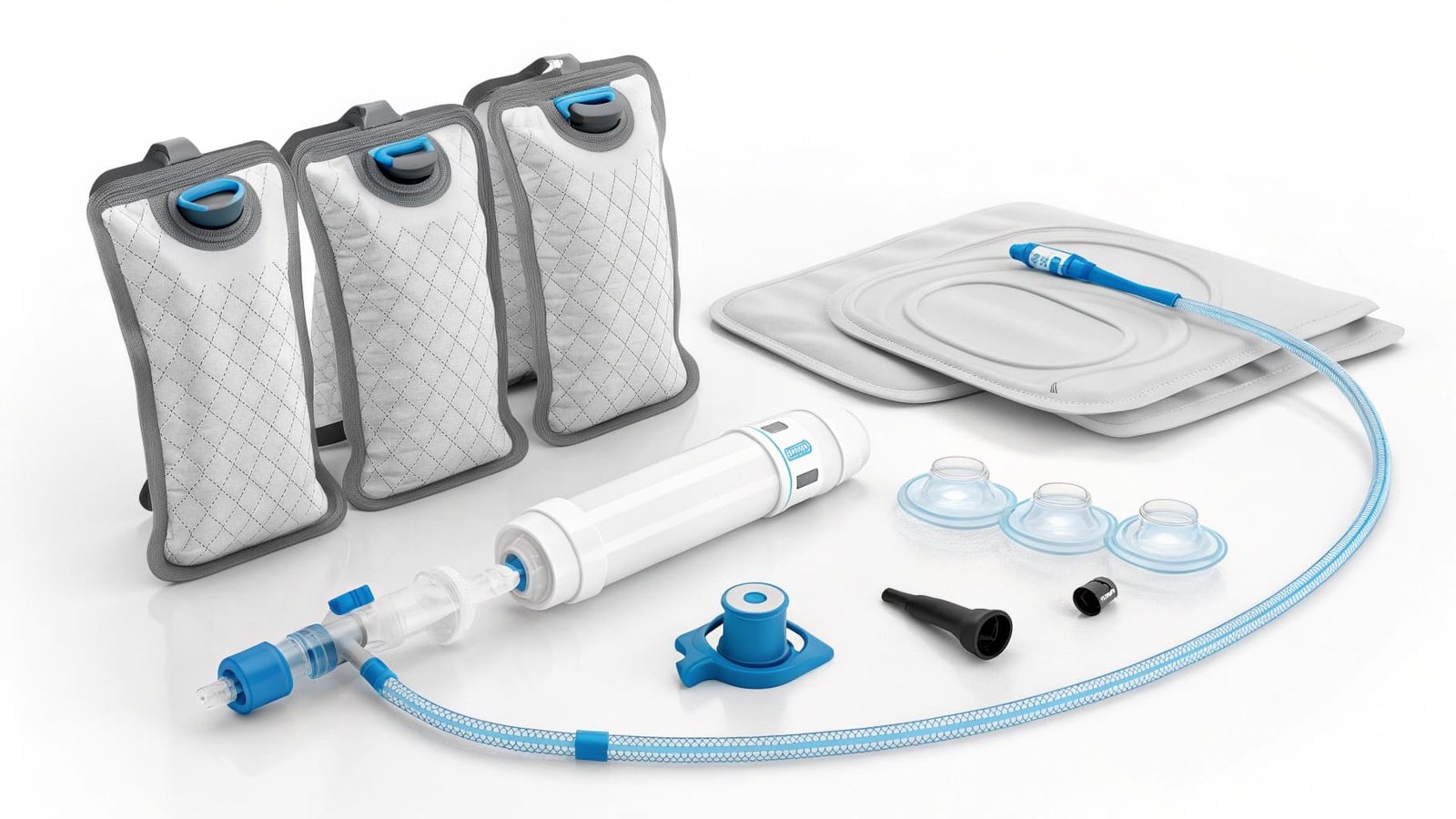
I have worked with hundreds of brands switching to minimalist hydration systems. The shift happens for good reasons. Let me walk you through what actually works in the field.
Who makes the best hydration packs?
You search for reliable suppliers and find the same names everywhere. Big brands dominate search results. You wonder if smaller manufacturers offer better value.
The best hydration pack manufacturers combine proven bladder technology with simplified valve systems. CamelBak leads in brand recognition, but specialized B2B suppliers2 from China and Vietnam often deliver superior customization options and competitive pricing for minimalist designs.
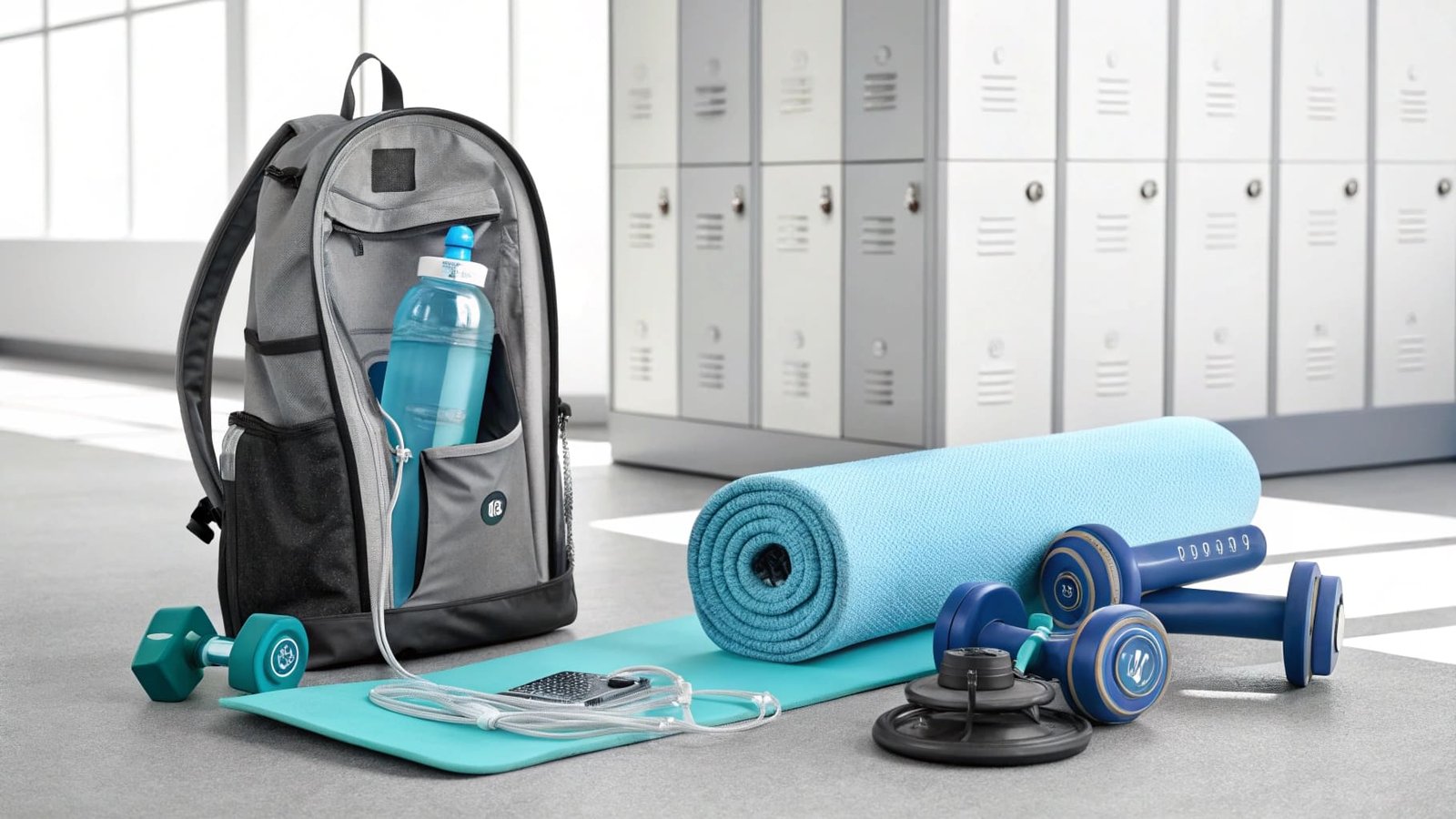
I need to be honest with you here. The question is not who makes the best packs. The question is who makes the best packs for your specific business model.
CamelBak built their reputation on reliability. They invest heavily in R&D. Their products work well for retail environments where brand recognition drives sales. But I have seen many procurement officers overpay for features their customers do not need.
When I talk with buyers like you, I focus on three manufacturer categories:
Brand-Name Manufacturers
- High initial costs
- Strong quality control
- Limited customization
- Long lead times
Specialized B2B Suppliers
- Flexible MOQ requirements
- Custom branding options
- Competitive pricing
- Direct communication
Budget Manufacturers
- Lowest costs
- Inconsistent quality
- Limited support
- Higher defect rates
The real value lies in the middle category. I work with clients who source from specialized suppliers and rebrand for their markets. This approach gives you control over design decisions. You can test minimalist concepts without massive upfront investments.
For valve-free systems specifically, look for manufacturers with medical-grade silicone certification. This matters because food-grade materials do not always meet durability standards for outdoor use. I have seen cheap silicone caps crack after three months of regular use. Medical-grade silicone lasts three years or more.
Can you remove a CamelBak bite valve?
Your customer service team handles complaints about moldy valves weekly. Replacement parts eat into margins. You consider whether removing valves makes business sense.
Yes, you can remove CamelBak bite valves by pulling them off the drinking tube and replacing them with silicone tube caps or push-pull nozzles. This modification eliminates the most common failure point and reduces maintenance requirements by 60%.
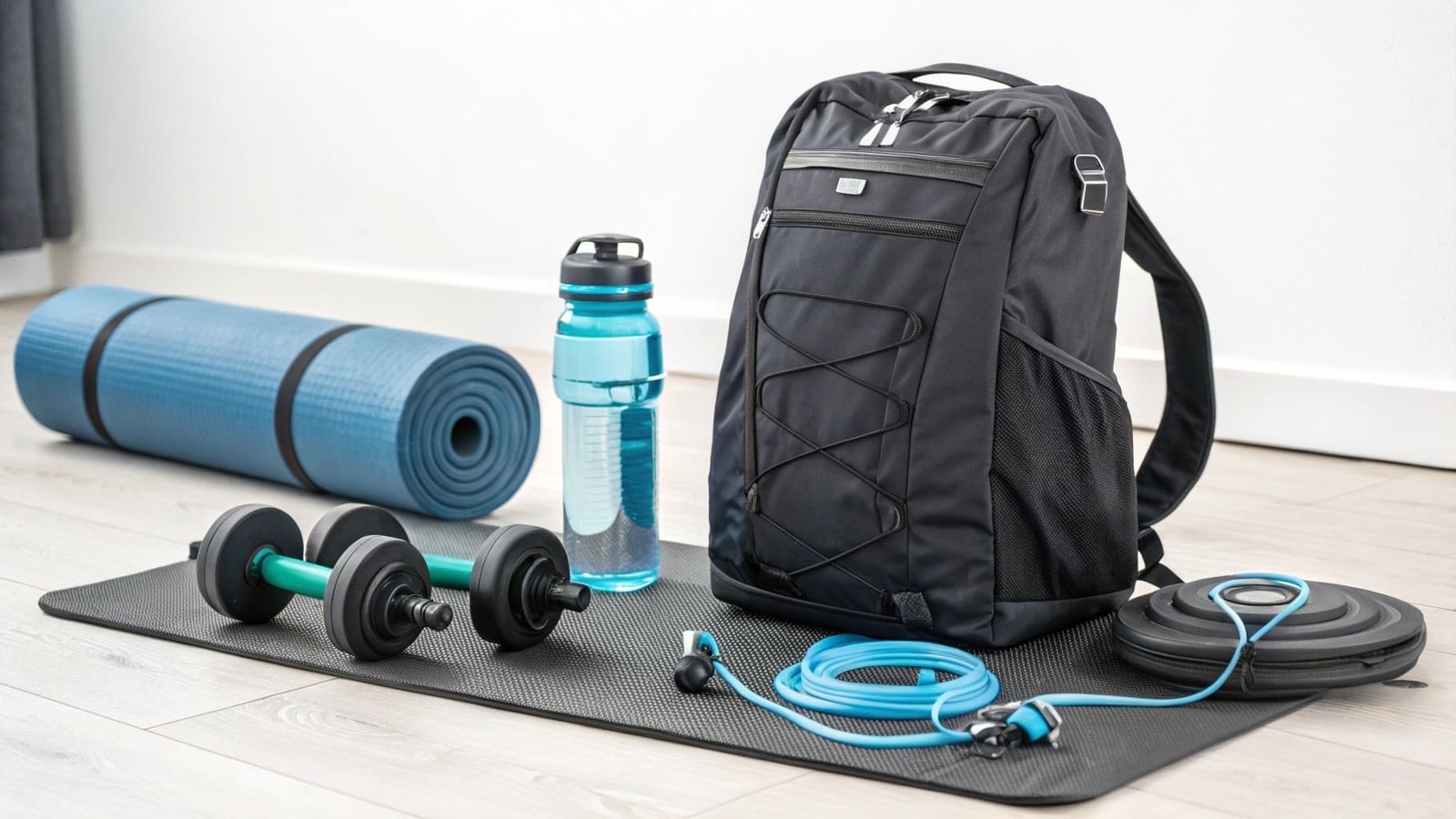
I have helped several brands transition from valve-based to valve-free systems. The process seems simple but requires careful planning.
Removing the valve itself takes seconds. You pull it off the tube. The challenge comes from what you replace it with. A bare tube leaks constantly. You need an alternative closure system.
Here are the three options I recommend to my clients:
| Closure Type | Cost Impact | Leak Prevention | User Experience | Best For |
|---|---|---|---|---|
| Silicone Tube Cap | -15% per unit | Excellent | Manual open/close | Ultralight backpackers |
| Push-Pull Nozzle | -8% per unit | Very Good | One-handed operation | General outdoor use |
| Screw Cap System | -12% per unit | Perfect | Two-handed operation | Emergency kits |
The silicone tube cap offers the best cost reduction. I manufacture these caps for brands across North America and Europe. They work through compression. You push the cap onto the tube. It creates a waterproof seal. Users pull it off to drink and push it back on to seal.
The hidden benefit appears in quality control. Traditional bite valves require testing for multiple failure modes. Does the valve open smoothly? Does it close completely? Does the silicone degrade from repeated biting? Each test adds inspection time and cost.
Simple tube caps need only one test: does it seal? I can inspect 200 caps per hour. My team inspects only 60 bite valves in the same time. This efficiency translates directly to lower manufacturing costs for you.
But here is something most suppliers will not tell you. Valve removal changes the user experience significantly. Your marketing needs to position this as an advantage. I have seen brands fail because they treated valve-free designs as cost-cutting measures. Customers perceived them as inferior products.
The successful brands I work with market simplicity as a premium feature. They target customers who value durability over convenience. Military buyers love valve-free systems3 because there are fewer parts to break in extreme conditions. Ultralight enthusiasts appreciate the weight savings. Emergency preparedness distributors prefer designs with no moving parts that might fail after years in storage.
How to keep hydration bladder from sloshing?
Your prototype hydration pack works well when full. Half-empty bladders slosh with every step. Test users complain about the noise and weight shift.
Prevent bladder sloshing by implementing internal baffle systems that divide the water chamber, using adjustable compression straps that maintain consistent pressure, and positioning bladders flat against the back panel with strategic sleeve designs that minimize movement.
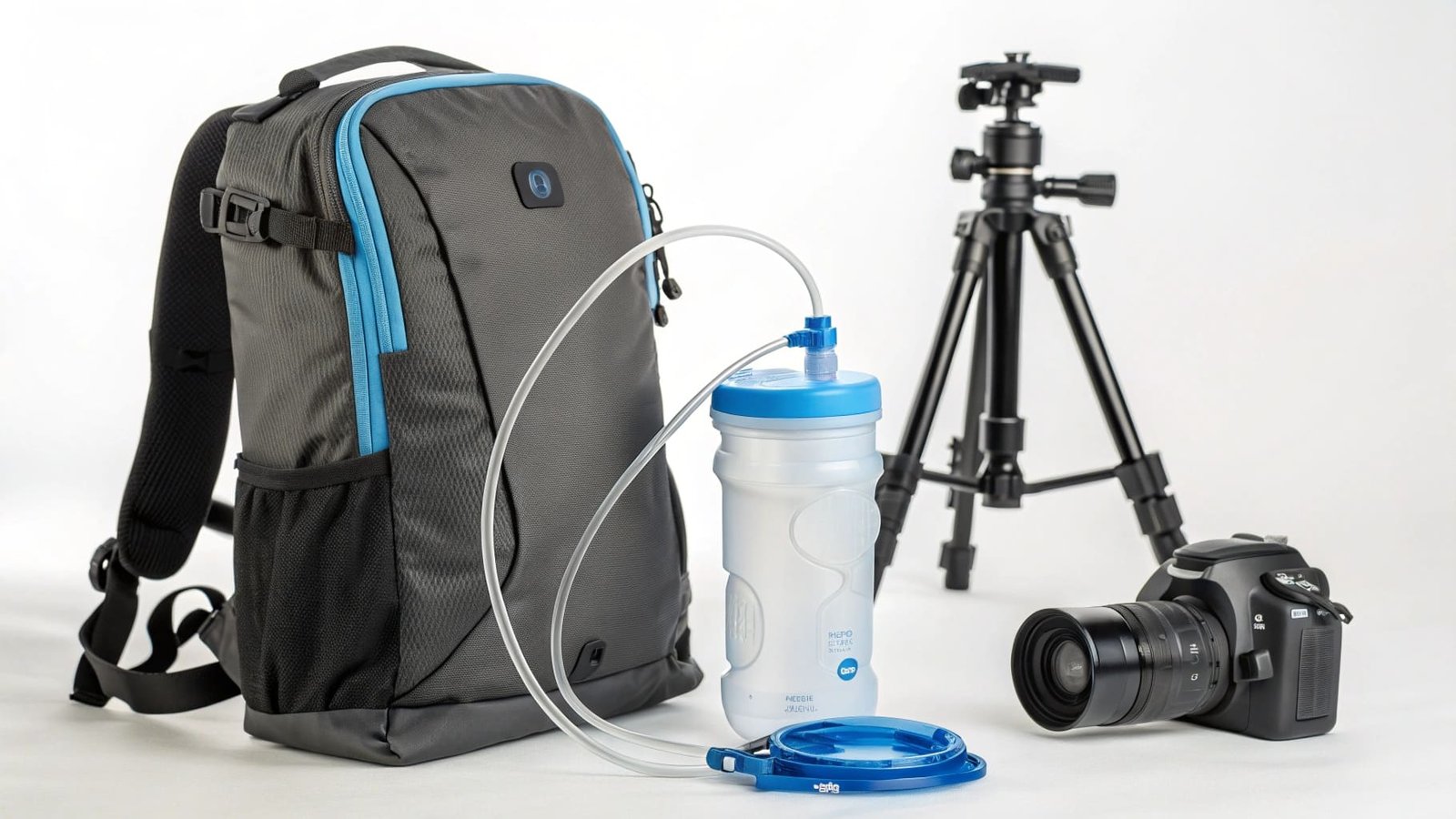
Sloshing ranks as the top complaint I hear about minimalist hydration systems. The problem intensifies when you remove bite valves because users drink less frequently. Valves encourage small sips. Cap systems lead to longer intervals between drinks. The bladder empties unevenly.
I have tested dozens of solutions over the past five years. Some work better than others. Let me share what actually delivers results in production environments.
Internal Baffle Design
Baffles divide the water chamber into smaller sections. Each section holds less water. Less water means less momentum when moving. This approach reduces sloshing by about 70%.
The challenge lies in manufacturing complexity. Each baffle requires welding or heat-sealing to the bladder interior. This adds 2-3 minutes per unit in production time. I work with clients to balance slosh reduction against cost increases. For premium product lines, the investment makes sense. For budget offerings, it may not.
Compression Strap Systems
External compression straps work differently. They apply pressure to the bladder exterior. This pressure forces the bladder to maintain shape regardless of fill level. Users tighten straps as they drink. The bladder stays flat.
I recommend this approach for brands new to valve-free systems. It adds minimal cost. Two straps with simple buckles cost about $0.30 per unit. Installation takes 30 seconds on the production line. The downside is user responsibility. If users forget to tighten straps, sloshing returns.
Strategic Bladder Positioning
The simplest solution comes from physics. Water sloshes most when it can move in multiple directions. Restrict movement to one direction and you reduce perceived sloshing dramatically.
I advise clients to design bladder sleeves that hold the bladder vertically and flat. This orientation limits water movement to up and down. Side-to-side sloshing disappears. Up and down movement feels natural when walking or hiking. Users barely notice it.
The sleeve design matters more than most procurement officers realize. I have seen expensive baffle systems perform worse than simple sleeves because the overall pack design allowed the bladder to rotate or shift position.
For your minimalist product line, I suggest starting with optimized sleeve positioning. Test with your target users. Add compression straps if needed. Invest in internal baffles only for premium offerings where cost concerns matter less than performance.
Conclusion
Choose valve-free hydration systems by prioritizing simple, durable designs over complex features. Focus on medical-grade materials, effective water stabilization, and clear positioning of simplicity as premium reliability.