What MOQ Terms Favor Startup Brands Ordering Custom Silicone Straw Hole Plugs?
Starting a drinkware brand feels exciting until you hit the MOQ wall. You need samples to test the market, but suppliers want thousands of units upfront. This creates a cash flow nightmare that kills many promising startups before they even launch.
The best MOQ structure for startup brands is a tiered system: 500-1,000 units for initial trials using existing molds, then 3,000-5,000 units for custom tooling after market validation. This approach balances supplier tooling costs with startup risk management, letting you test product quality and customer response without warehouse overflow.
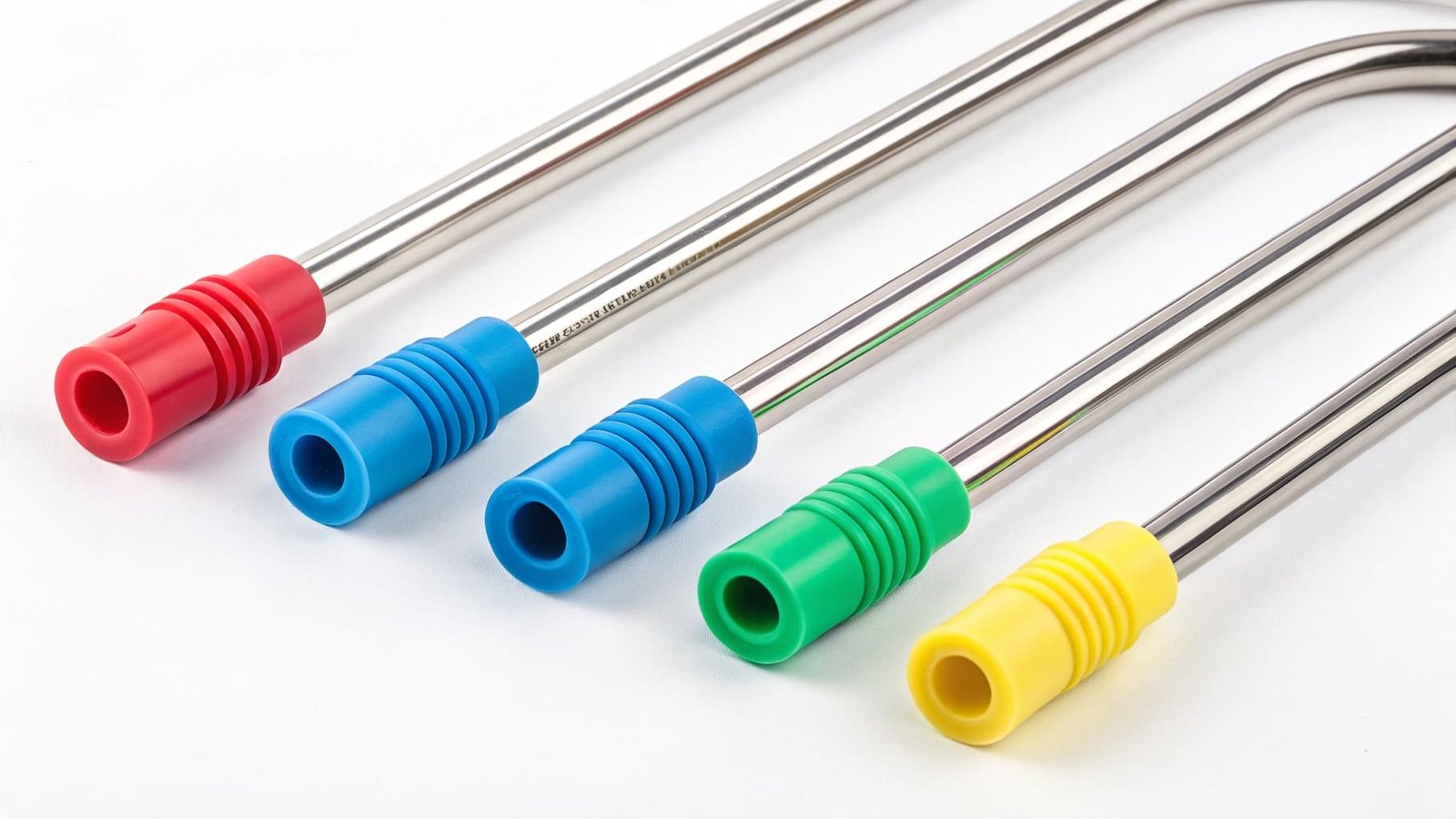
I have worked with hundreds of startup brands over the years. The ones that succeed always follow the same pattern. They start small, validate their product, then scale gradually. The ones that fail try to skip the testing phase and jump straight to large orders.
Do Silicone Straws Get Moldy?
You open your customer reviews and see complaints about mold. Your heart sinks because you promised premium quality. Now you are dealing with returns, refunds, and a damaged reputation that took months to build.
Proper food-grade silicone1 does not grow mold because its surface is non-porous. Bacteria cannot colonize the material the way they do with rubber or low-quality TPE alternatives. The mold problems occur when manufacturers use substandard silicone or skip proper curing processes.
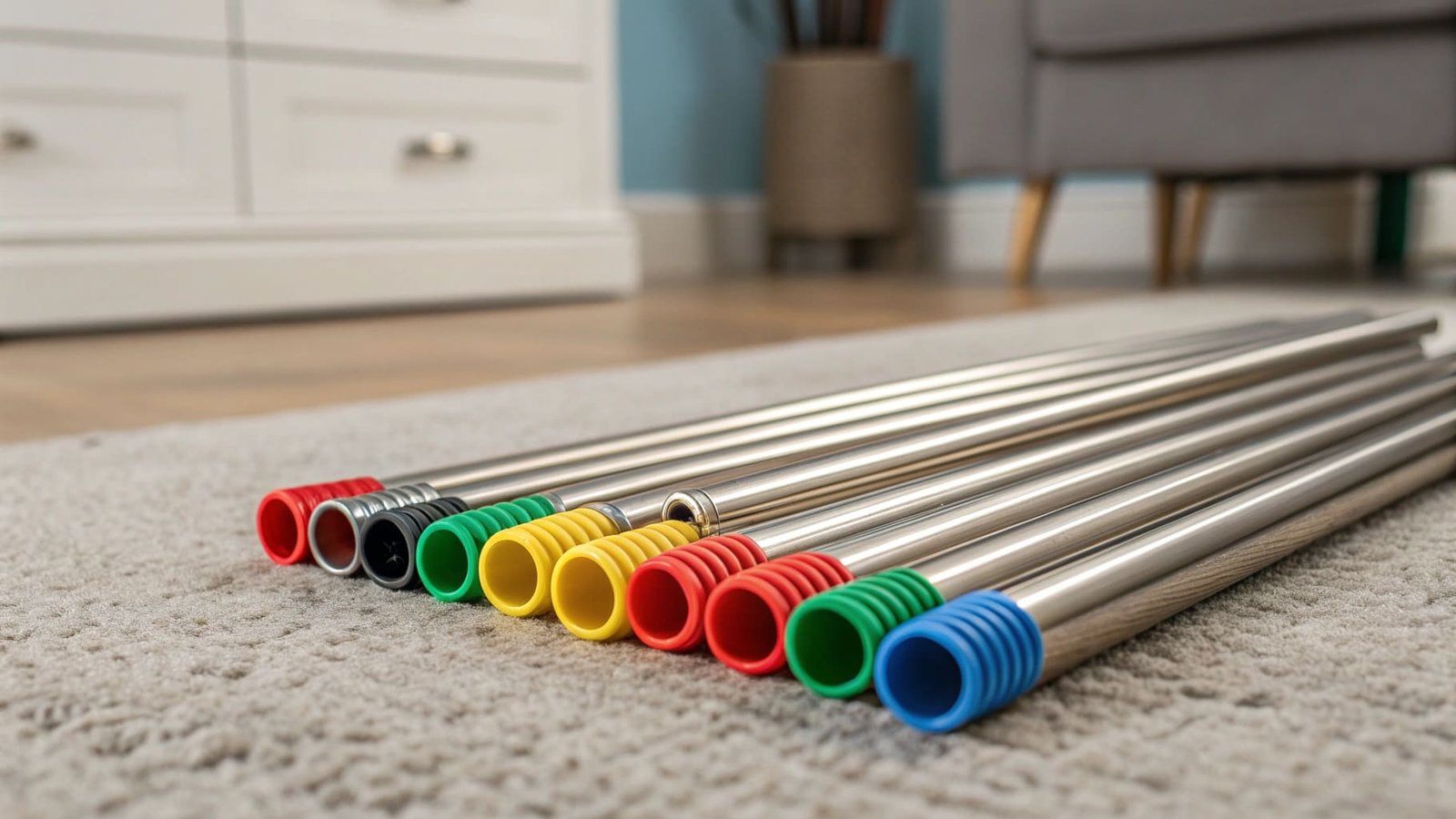
Why Material Quality Determines Mold Resistance
I need to be direct with you here. Not all silicone is created equal. The silicone industry has different grades, and some suppliers cut corners to offer lower prices. When you order straw hole plugs with flexible MOQ terms, you must verify the material grade2 first.
Food-grade silicone undergoes platinum curing, which creates a completely inert surface. This surface repels moisture and prevents bacterial growth. Low-quality alternatives use peroxide curing, which leaves microscopic pores in the material. These pores trap moisture and food particles, creating the perfect environment for mold growth.
Here is what you should check:
| Quality Factor | Premium Grade | Low Grade |
|---|---|---|
| Curing Method | Platinum | Peroxide |
| Surface Texture | Smooth, non-porous | Slightly rough, porous |
| Odor | None | Chemical smell |
| Certification | FDA/LFGB | None or fake |
| Price Point | Higher | Lower |
Many startup brands focus only on MOQ and price. This is a mistake. I have seen brands lose everything because they chose suppliers based on low MOQ and cheap prices. The products arrived with quality issues. Customers complained. The brand reputation suffered permanent damage.
Testing Protocols You Cannot Skip
Before you commit to any MOQ, demand samples. Test these samples yourself. Fill them with water. Leave them in warm conditions for two weeks. Check for mold growth. Check for discoloration. Check for odor changes.
If the supplier resists sending samples, walk away. If they pressure you to order without testing, walk away. Legitimate suppliers understand that quality validation protects both parties. They want you to succeed because your success means repeat orders.
Do You Get Microplastics From Silicone Straws?
Your target customers are health-conscious consumers. They ask tough questions about microplastics. You need clear answers because one wrong statement can destroy trust. Confusion about material safety becomes your biggest obstacle to sales.
Silicone releases zero microplastics because it is not plastic. Silicone is an inert polymer made from silicon, oxygen, carbon, and hydrogen. Plastics are petroleum-based polymers that break down into particles. This fundamental difference means silicone stays stable even under stress.
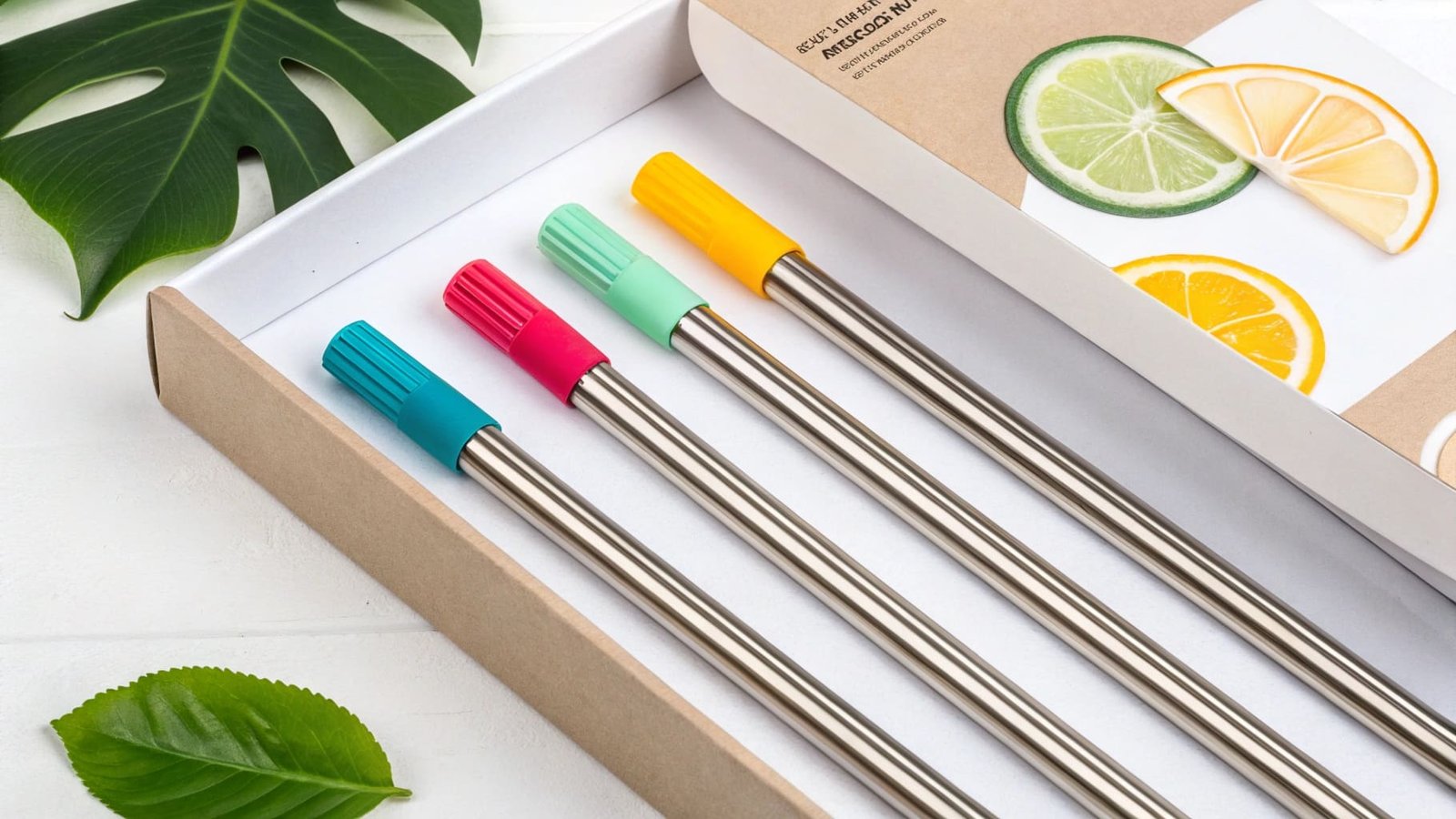
Understanding Material Science For Better Purchasing Decisions
I get this question constantly from new brands. They see "polymer" and assume silicone is plastic. Let me explain why this matters for your MOQ decisions. When you order custom straw hole plugs, you are not just buying a product. You are buying peace of mind for your customers.
Plastics degrade through UV exposure, heat, and mechanical stress. They shed microscopic particles that enter food and beverages. Silicone remains chemically stable across temperature ranges from -40°C to 230°C. The molecular structure does not break apart the way plastic molecules do.
This stability explains why medical implants use silicone. Hospitals trust this material inside human bodies for decades. Your customers are putting these plugs in their daily beverages. They deserve the same safety standard.
MOQ Strategies That Include Material Testing
Smart suppliers offer sample testing before production. They provide material certificates. They welcome third-party lab verification. When you negotiate MOQ terms, include testing requirements in your purchase agreement.
I structure our MOQ tiers specifically to allow testing phases:
Initial Order (500-1,000 units)
- Use existing tooling
- Faster production timeline
- Lower risk for startups
- Standard colors and sizes
- Full material certification included
Custom Production (3,000-5,000 units)
- Custom mold development
- Your specific design requirements
- Brand logo integration
- Color matching to your brand
- Pre-production samples for approval
This staged approach costs more per unit initially, but it protects your investment. You test market response before committing to custom tooling. You verify material safety before placing large orders.
Can Silicone Be Carcinogenic?
A customer emails asking if your products cause cancer. You freeze because you never researched this deeply. One wrong answer could trigger a PR disaster. Health concerns spread fast on social media, and startup brands cannot afford negative viral attention.
Platinum-cured food-grade silicone1 contains no carcinogenic compounds when properly manufactured. It holds FDA approval3 and LFGB certification precisely because it does not leach harmful substances. The carcinogenic concerns apply only to industrial-grade silicone or products with chemical additives.
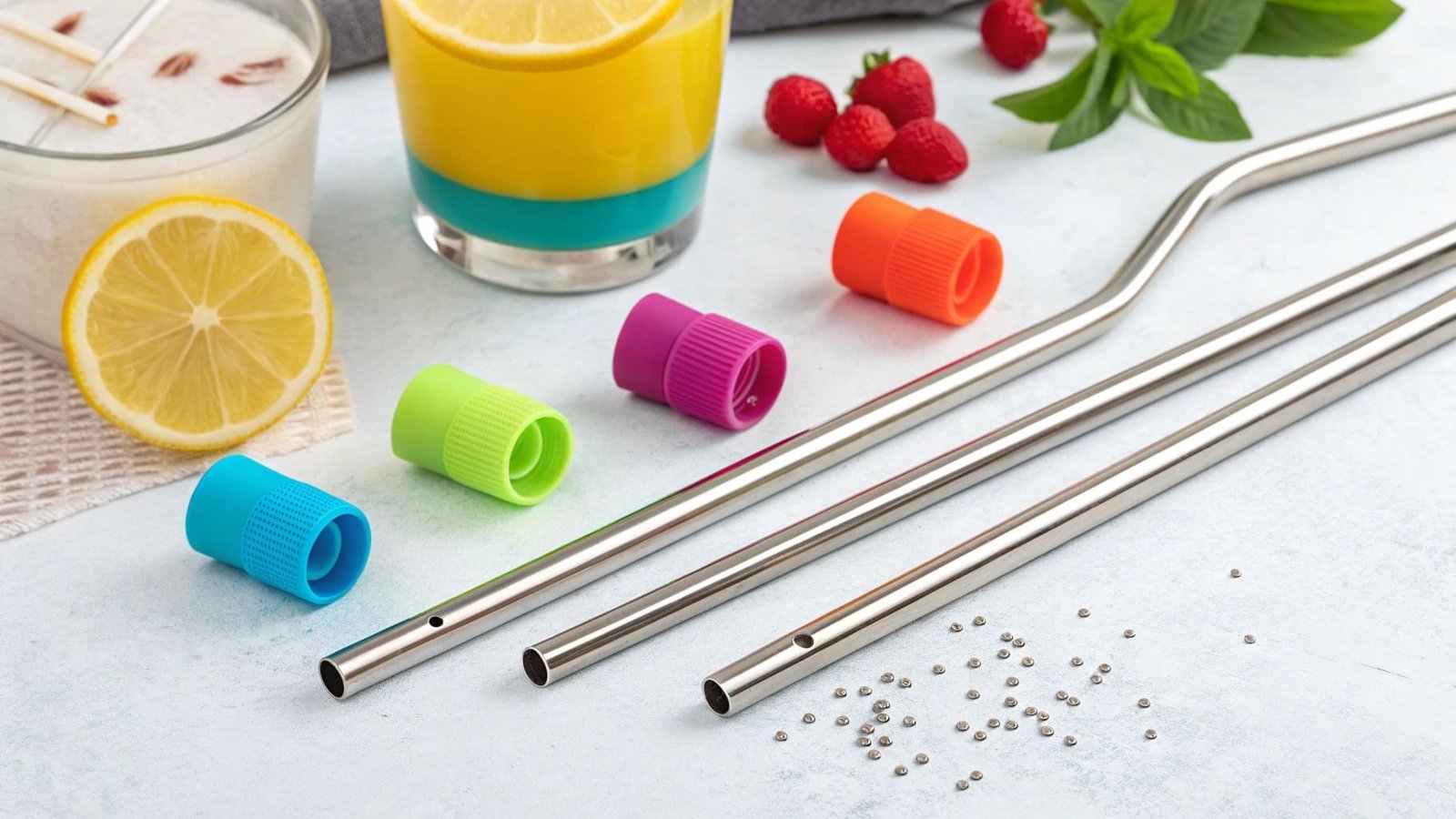
Certification Requirements That Protect Your Brand
I have seen startup brands destroyed by certificate fraud. A supplier shows fake FDA paperwork. The brand trusts it. Customers get sick. Lawsuits follow. The brand closes. This scenario is not theoretical. It happens regularly in our industry.
When you evaluate MOQ terms, certification verification must be part of your decision process. Suppliers who offer suspiciously low MOQs sometimes skip proper certification. They use cheap materials. They forge documents. They disappear when problems emerge.
Here is my verification checklist:
Essential Certifications
- FDA food contact approval
- LFGB European standard
- REACH compliance
- RoHS heavy metal testing
Verification Steps
- Request original certificate copies
- Check certificate numbers with issuing bodies
- Verify supplier company name matches certificates
- Demand recent test reports (within 12 months)
- Use third-party testing services for confirmation
Production Protocols That Eliminate Carcinogenic Risk
Platinum-cured silicone manufacturing requires clean rooms and quality control. The process costs more than standard production. This is why genuine food-grade silicone has higher prices. You cannot get medical-grade safety at bargain prices.
The curing process determines safety levels. Platinum curing uses heat and a platinum catalyst. This creates complete polymerization with no volatile organic compounds remaining. The finished product is completely inert.
Peroxide curing uses chemical catalysts that can leave residual compounds. These residues may include substances that pose health risks. Some manufacturers add fillers to reduce costs. These fillers can contain heavy metals or other contaminants.
When I negotiate with startup brands, I explain this clearly. You can choose low MOQ with questionable quality, or you can choose reasonable MOQ with verified safety. The second option costs more upfront. It saves your business long-term.
Balancing MOQ Flexibility With Safety Standards
The ideal supplier offers both flexibility and safety. They understand startup constraints. They also refuse to compromise on material quality. This balance is rare, but it exists.
Look for suppliers who structure MOQ tiers based on production realities, not arbitrary numbers. Custom mold development costs money. A supplier who offers 100-unit custom orders is either lying about tooling costs or using substandard processes. Neither scenario benefits your brand.
I recommend this negotiation strategy: start with standard designs at lower MOQ to test supplier reliability. Verify their certifications. Test their products. Build the relationship. Then move to custom production with confidence that quality standards will be maintained.
Conclusion
MOQ terms succeed when they balance startup cash flow needs with quality assurance requirements. Start small with proven designs, verify safety thoroughly, then scale to custom production after market validation confirms your product works.