What Are Extruded Silicone Rubber Strips Used for in Gasket Production?
I remember when a Canadian buyer called me frustrated. His die-cut gaskets kept failing in outdoor equipment. He was losing money on warranty claims. I showed him extruded silicone strips and his problems disappeared.
Extruded silicone rubber strips are continuous lengths of silicone material used to create gaskets with consistent cross-sections. They eliminate waste, allow custom profiles, and provide superior sealing for automotive, HVAC, and food processing applications where temperature resistance and durability matter most.
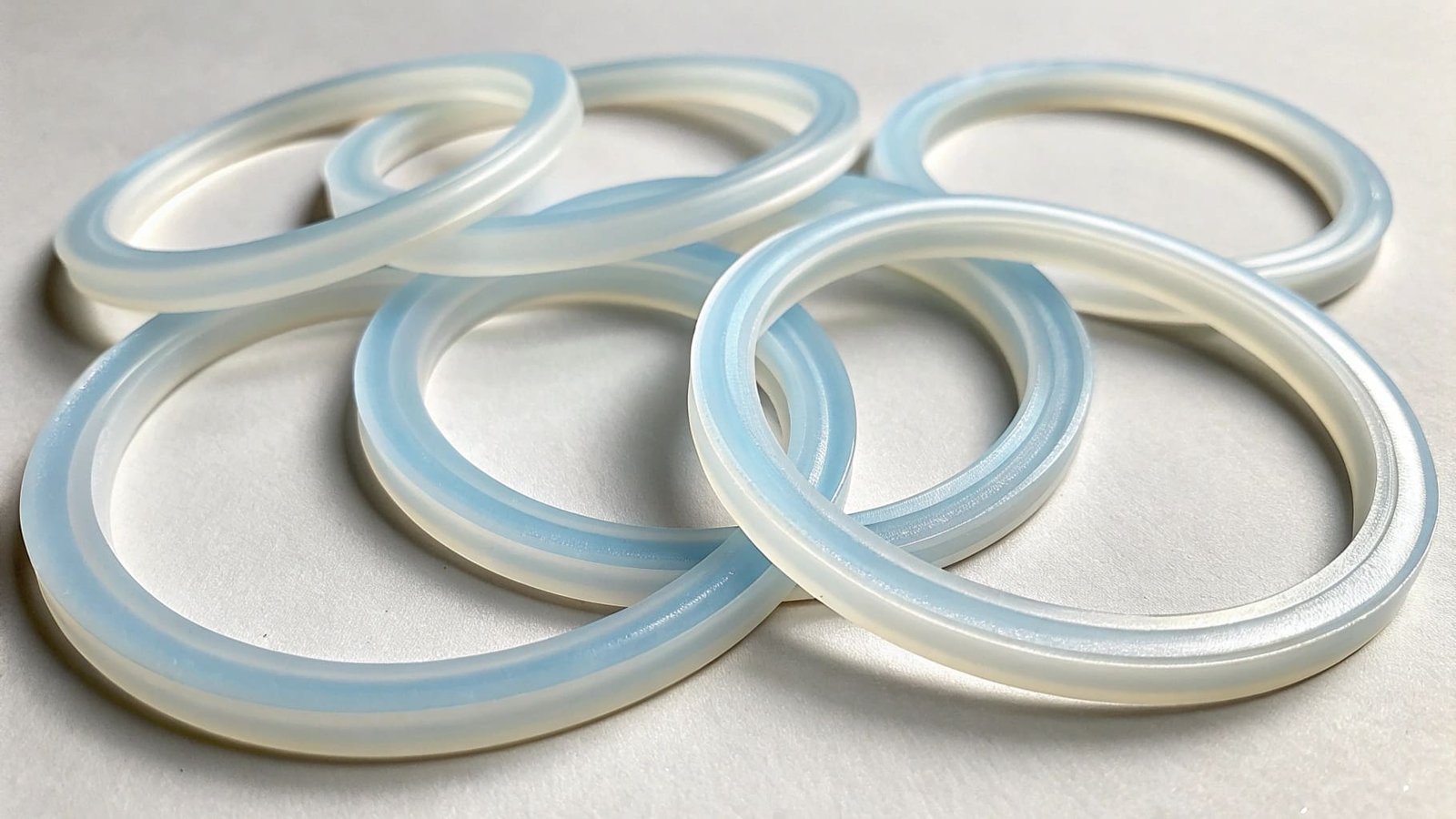
I started silijoy because I saw too many procurement officers struggle with gasket failures. You order thousands of units. You wait weeks for shipment. Then you discover the seals don't fit properly. Your production line stops. Your customers complain. This cycle costs you real money and damages your reputation.
What are the uses of silicone rubber sheets?
Your warehouse likely holds multiple material types. You wonder which one fits your specific application. Silicone rubber sheets seem expensive compared to other options. This confusion leads to wrong choices and failed projects.
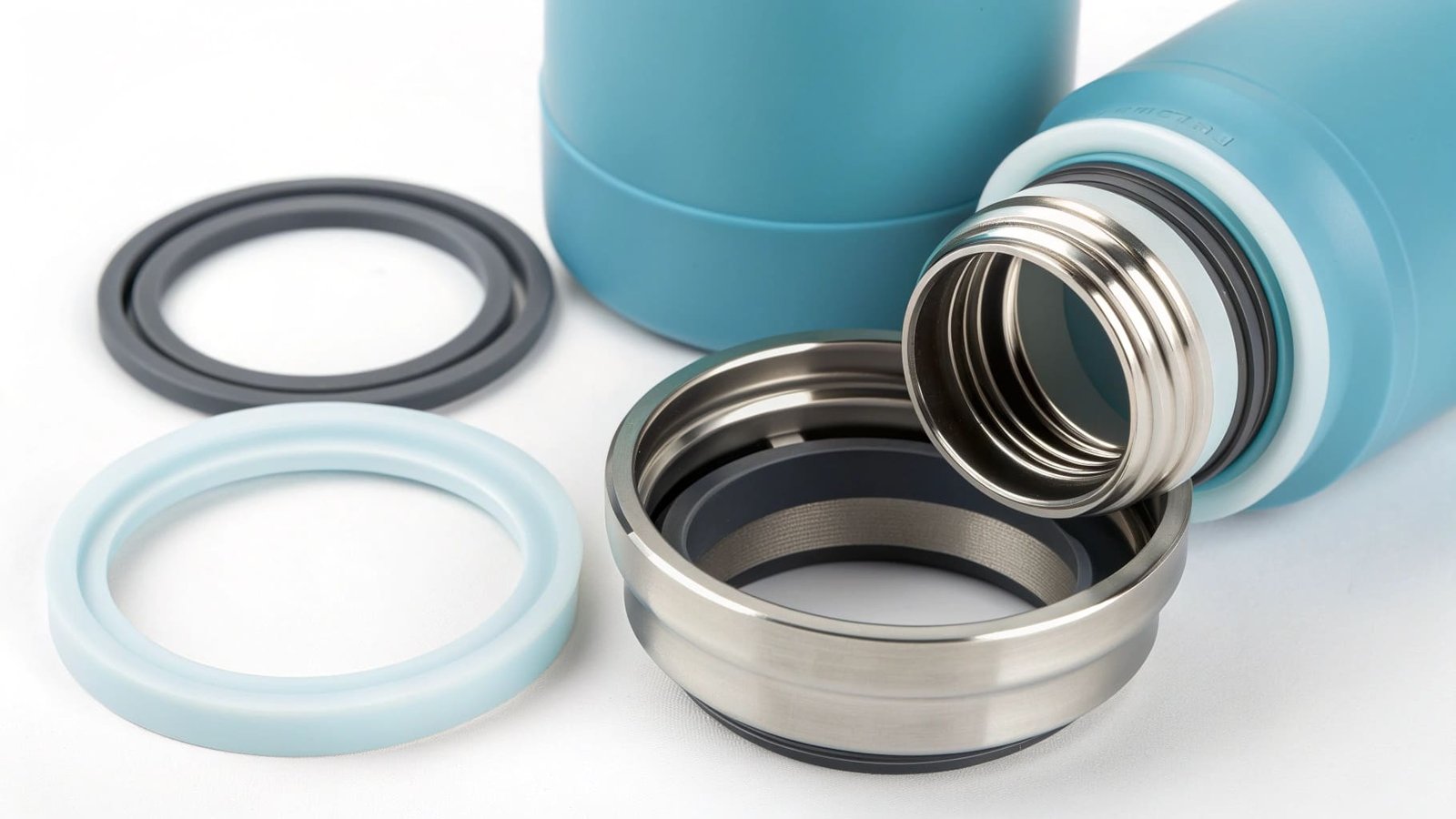
Silicone rubber sheets serve three main purposes: thermal insulation1 in industrial ovens, vibration damping in machinery mounts, and electrical insulation in electronic enclosures. They also work as protective barriers and clean surface liners in pharmaceutical and food processing facilities.
Primary Applications
I see buyers confuse sheets with strips. Let me clarify the differences. Sheets come in flat, large formats. You cut them to size for your specific need. Strips come in continuous lengths with fixed profiles.
Here is how different industries use silicone sheets:
| Industry | Application | Key Benefit |
|---|---|---|
| Food Processing | Work surface liners | FDA compliant, non-stick |
| Electronics | Thermal pads | Heat dissipation |
| Pharmaceutical | Clean room barriers | Easy to sterilize |
| Automotive | Sound dampening | Reduces cabin noise |
Material Characteristics
The temperature range matters most for industrial applications. I test every batch we produce. Silicone sheets maintain flexibility from -60°C to 230°C. EPDM fails below -40°C. Neoprene degrades above 100°C.
Your products face weather exposure. Silicone resists UV rays, ozone, and moisture. I saw a buyer switch from neoprene to silicone for outdoor kiosks. His maintenance calls dropped by 60% in the first year. The initial cost was higher but the lifetime value proved better.
What is an extruded gasket material?
You need long gasket runs for your production. Die-cutting creates waste and inconsistent edges. Your assembly workers complain about fitment issues. Productivity suffers and quality control2 becomes a nightmare.
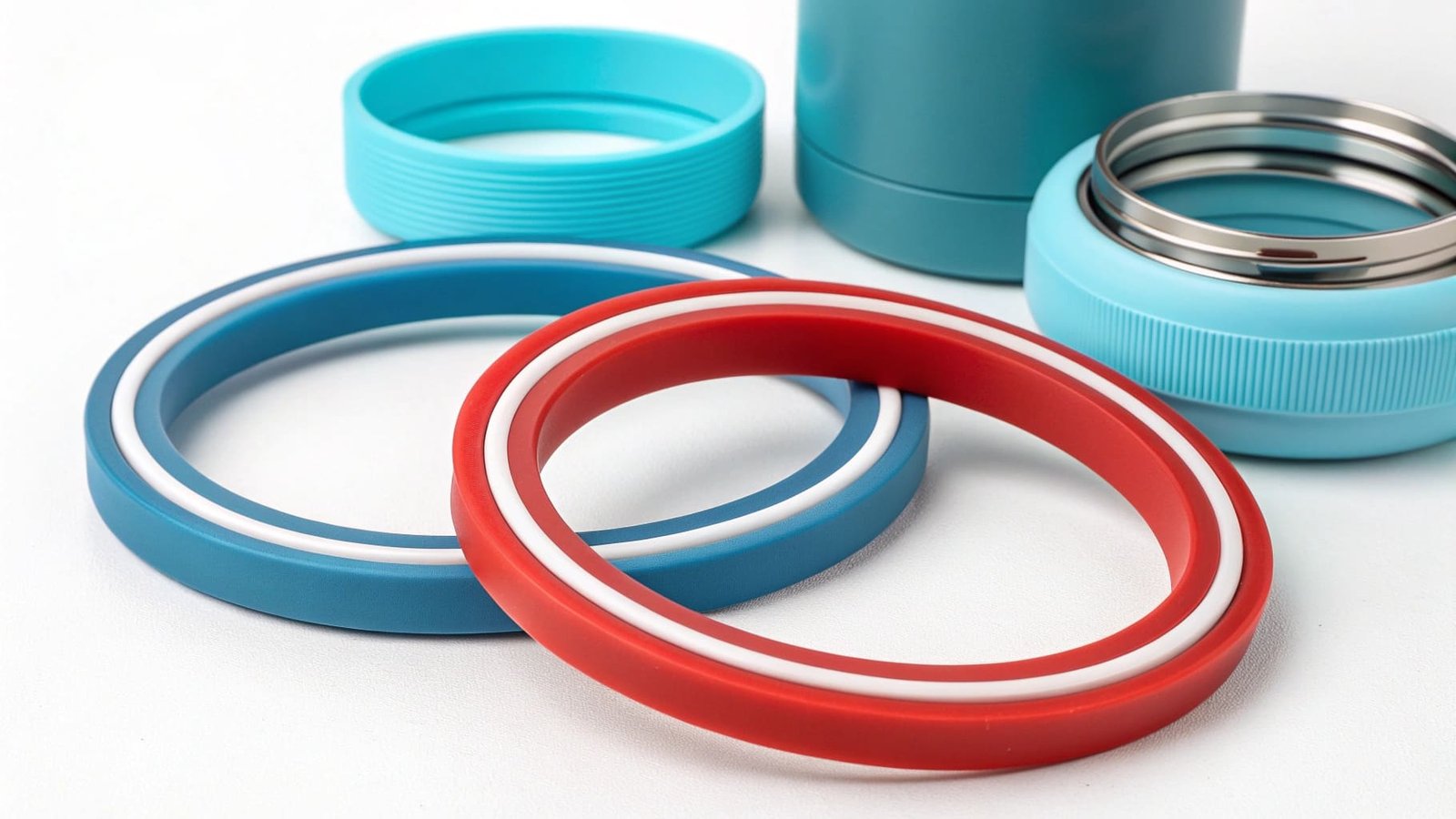
Extruded gasket material is silicone rubber pushed through a shaped die to create continuous profiles with uniform cross-sections. This process delivers consistent dimensions, reduces material waste, and allows custom shapes that match specific sealing requirements perfectly.
The Extrusion Process
Let me walk you through how we make these materials. We start with raw silicone compound. The material goes into a heated barrel. A screw pushes it through a custom-shaped die. The profile comes out continuously.
This is the key difference from die-cutting:
| Manufacturing Method | Material Waste | Profile Consistency | Setup Cost | Best For |
|---|---|---|---|---|
| Extrusion | Less than 5% | Highly consistent | Higher initial | Long runs |
| Die-cutting | 20-40% | Variable edges | Lower initial | Short runs |
| Molding | Minimal | Excellent | Highest | Complex shapes |
Quality Control Advantages
I implement strict quality checks at my factory. Extruded profiles allow continuous monitoring. We measure dimensions every meter. Die-cut gaskets need individual inspection. This increases your total cost.
Your assembly line needs consistent parts. Extruded strips maintain the same cross-section throughout the entire length. Workers install them faster. Fitment issues decrease. Your production efficiency3 improves immediately.
What type of rubber is used in gaskets?
You receive quotes from different suppliers. Each one recommends a different rubber type. The technical specifications confuse you. You worry about making the wrong choice and facing costly returns or performance failures.
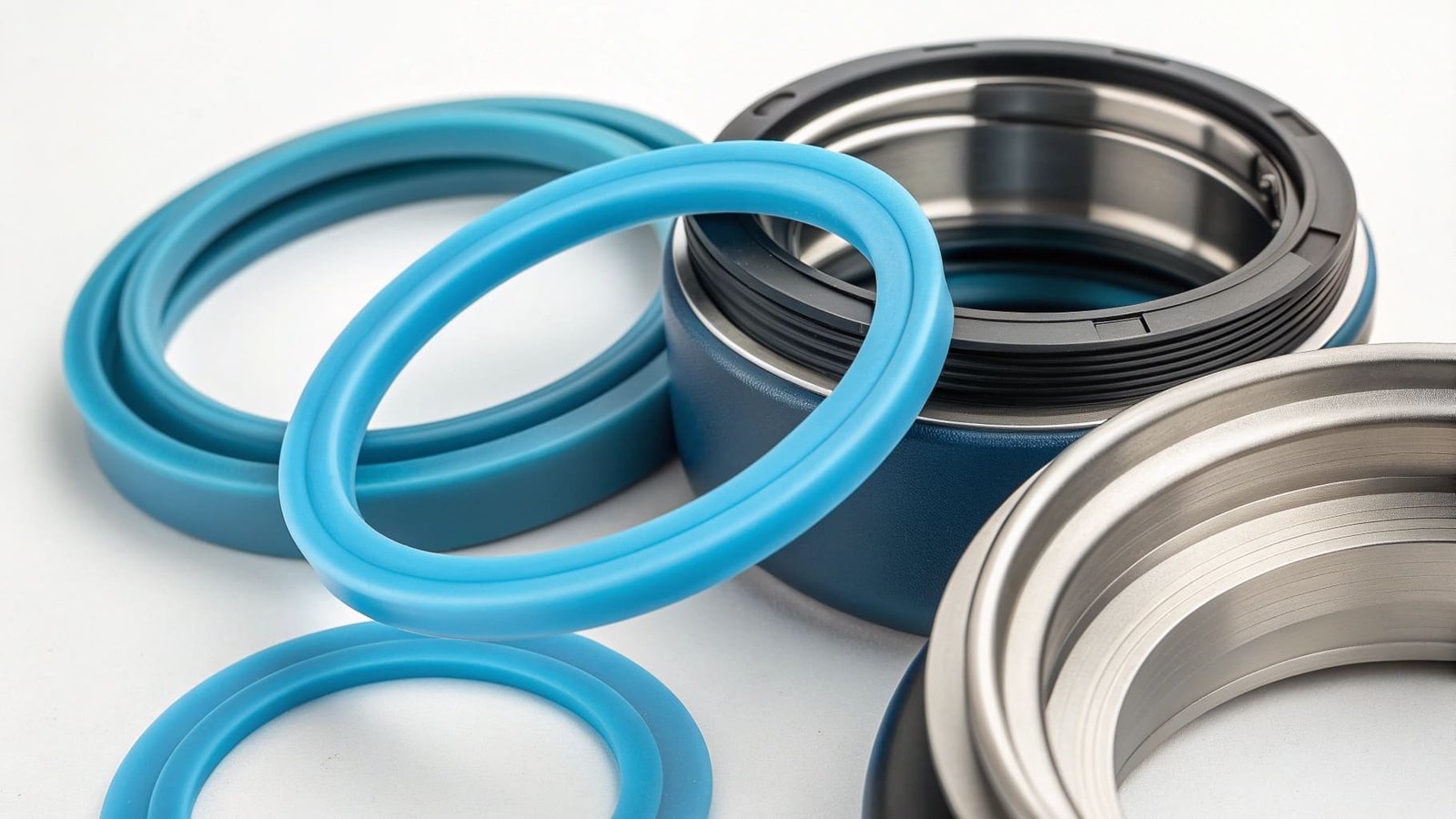
Gasket manufacturers primarily use four rubber types4: silicone for extreme temperatures, EPDM for water resistance, neoprene for oil exposure, and nitrile for fuel contact. Each material offers distinct properties suited to specific chemical, temperature, and environmental conditions.
Material Comparison
I help buyers match materials to their actual needs. Not marketing claims. Real performance in your specific conditions. Let me share what I learned from 10 years of export experience.
Here is what you need to know:
| Rubber Type | Temperature Range | Chemical Resistance | UV Resistance | Food Grade | Cost Level |
|---|---|---|---|---|---|
| Silicone | -60°C to 230°C | Fair | Excellent | Yes | High |
| EPDM | -40°C to 120°C | Good | Excellent | Limited | Medium |
| Neoprene | -35°C to 100°C | Excellent | Fair | No | Medium |
| Nitrile | -35°C to 100°C | Excellent | Poor | No | Low |
Silicone Advantages
My Canadian buyers often work in harsh climates. Winter temperatures drop below -40°C. Summer heat exceeds 40°C. Silicone performs consistently across this range. Other rubbers become brittle or too soft.
I remember Mark, a buyer from Toronto. He used EPDM gaskets in outdoor equipment housings. Every winter brought service calls. The gaskets cracked from temperature cycling. We switched him to silicone strips. His warranty claims stopped completely.
Food processing clients need FDA compliance5. Silicone meets these requirements without special treatments. The material does not absorb odors or flavors. Cleaning becomes easier. Your facility passes inspections without issues.
When to Choose Alternatives
I stay honest with buyers. Silicone costs more upfront. Sometimes you do not need its premium properties. EPDM works well for simple water sealing. Neoprene handles oil exposure better. Nitrile costs less for fuel-resistant applications.
Your purchasing decision should consider the total cost of ownership. Factor in replacement frequency, labor costs, and downtime expenses. A cheaper gasket that fails yearly costs more than a durable silicone gasket that lasts five years.
Conclusion
Extruded silicone strips solve gasket production challenges through consistent profiles, minimal waste, and superior material properties. Choose based on your actual operating conditions, not just initial price considerations.
-
Find out how thermal insulation can improve efficiency and safety in industrial ovens. ↩
-
Learn about the importance of quality control in ensuring gasket reliability and performance. ↩
-
Discover strategies to enhance production efficiency in gasket manufacturing processes. ↩
-
Discover the various rubber types and their specific applications in gasket manufacturing. ↩
-
Explore the significance of FDA compliance for materials used in food processing. ↩