Which Trim Gaskets Fit Best for Weatherstrip OEM Applications in Europe?
Your production line stops because weatherstrips fail after six months. Your customer complaints pile up. You need gaskets that actually work in European climates, but selecting the wrong material costs you contracts and reputation.
Silicone rubber trim gaskets1 deliver the best performance for European OEM weatherstrip applications. They handle temperature extremes from minus 40 to plus 200 degrees Celsius, maintain flexibility over decades, and meet REACH compliance requirements that European manufacturers demand.
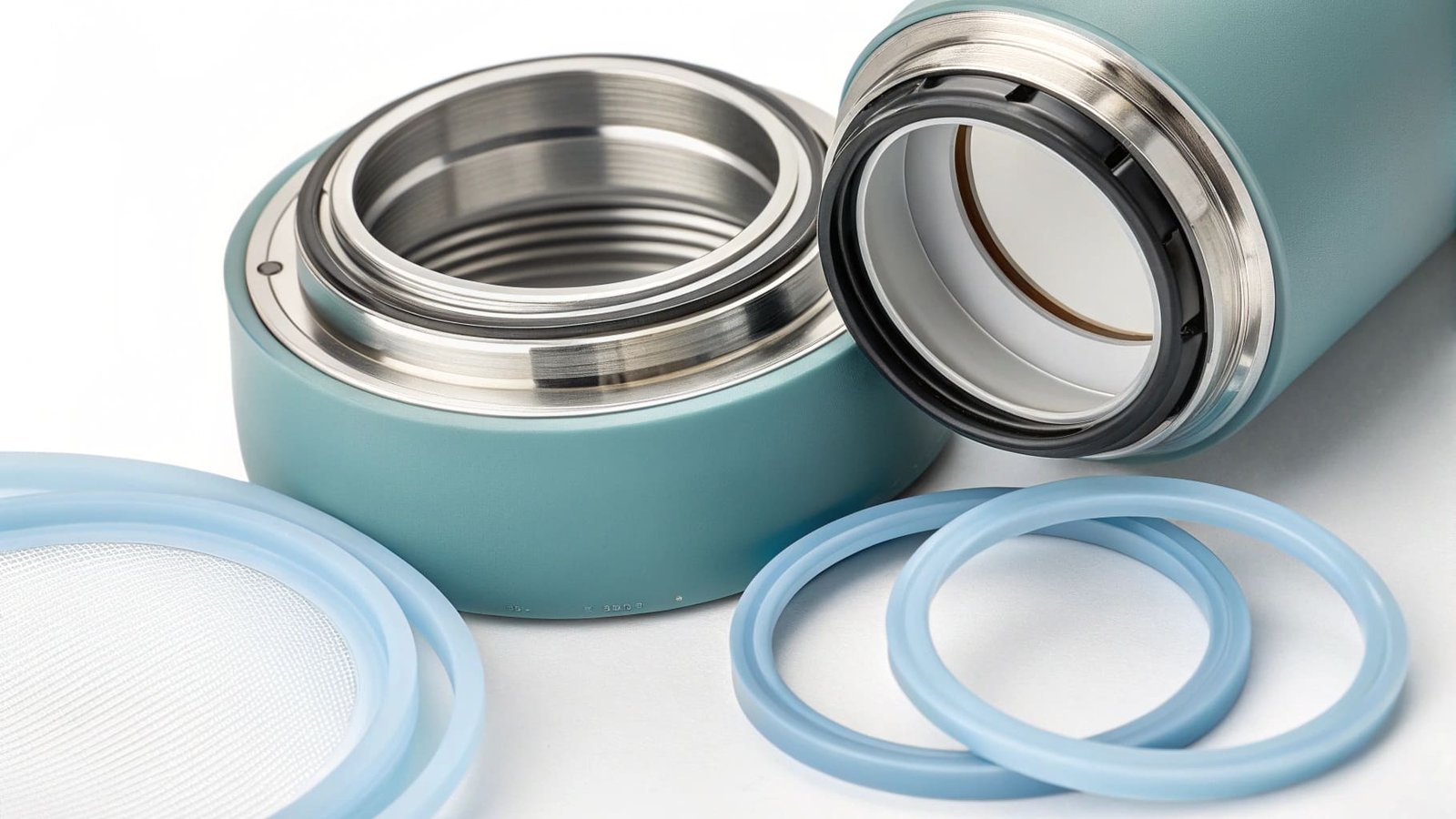
I have worked with European buyers for years, and I have seen the same pattern repeat. They start with cheaper materials, face warranty claims, then switch to silicone. The upfront cost concerns fade fast when you calculate replacement expenses and lost contracts from quality issues.
What Material Is Best for Weatherstripping?
You face dozens of material options when sourcing weatherstripping. The choice feels overwhelming. Most buyers waste time comparing specifications that matter less than real-world performance in European conditions.
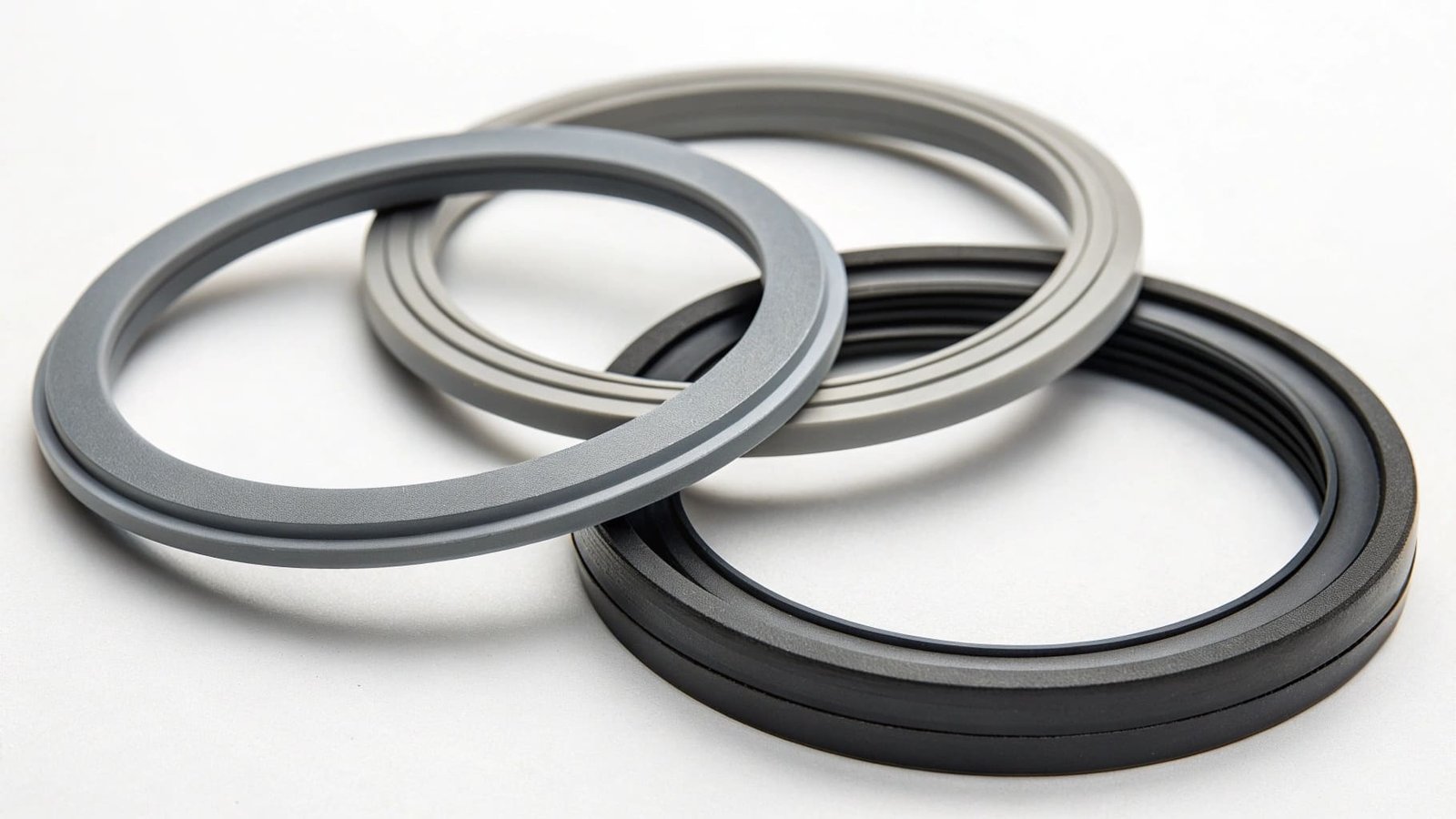
Silicone rubber outperforms other weatherstripping materials for European OEM applications. It resists UV degradation, maintains sealing pressure through temperature swings, remains flexible after years of compression, and complies with European chemical regulations that restrict many alternative materials.
Why European Markets Demand Different Material Standards
I ship weatherstripping to buyers across Europe, and the requirements differ dramatically from other regions. European regulations push manufacturers toward materials that last longer and create less environmental impact.
REACH regulations eliminate many traditional rubber compounds from European supply chains. You cannot simply copy material selection2s from Asian or American specifications. EPDM and neoprene face restrictions on certain additives. TPV compounds need careful formulation. Silicone avoids most regulatory headaches because it contains fewer restricted substances.
Temperature variation matters more in Europe than buyers initially realize. A warehouse in Sweden faces minus 30 degrees in winter. A construction site in Spain hits plus 45 in summer. Your weatherstripping must perform across this entire range without hardening or softening. Silicone maintains consistent properties while foam and standard rubber compounds fail at temperature extremes.
Sustainability requirements continue tightening across EU member states. End-of-life disposal regulations favor materials that degrade cleanly or recycle efficiently. Silicone can be downcycled into lower-grade products. Foam weatherstripping creates disposal challenges. European OEMs increasingly specify materials based on lifecycle impact, not just purchase price.
Here is how different materials compare for European weatherstrip applications:
| Material | Temperature Range | UV Resistance | Service Life | REACH Compliance | Cost Level |
|---|---|---|---|---|---|
| Silicone Rubber | -40°C to +200°C | Excellent | 10+ years | High | Premium |
| EPDM Rubber | -40°C to +120°C | Good | 5-7 years | Moderate | Mid-range |
| TPE/TPV | -30°C to +100°C | Moderate | 3-5 years | Variable | Mid-range |
| Foam (PE/PVC) | -20°C to +60°C | Poor | 2-3 years | Low | Budget |
| Neoprene | -35°C to +100°C | Good | 4-6 years | Low | Mid-range |
What Type of Weather Stripping for French Doors?
French doors create unique weatherstripping challenges. You need materials that seal consistently despite constant movement. Most standard options fail within three years, generating complaints and replacement costs that eliminate your profit margins.
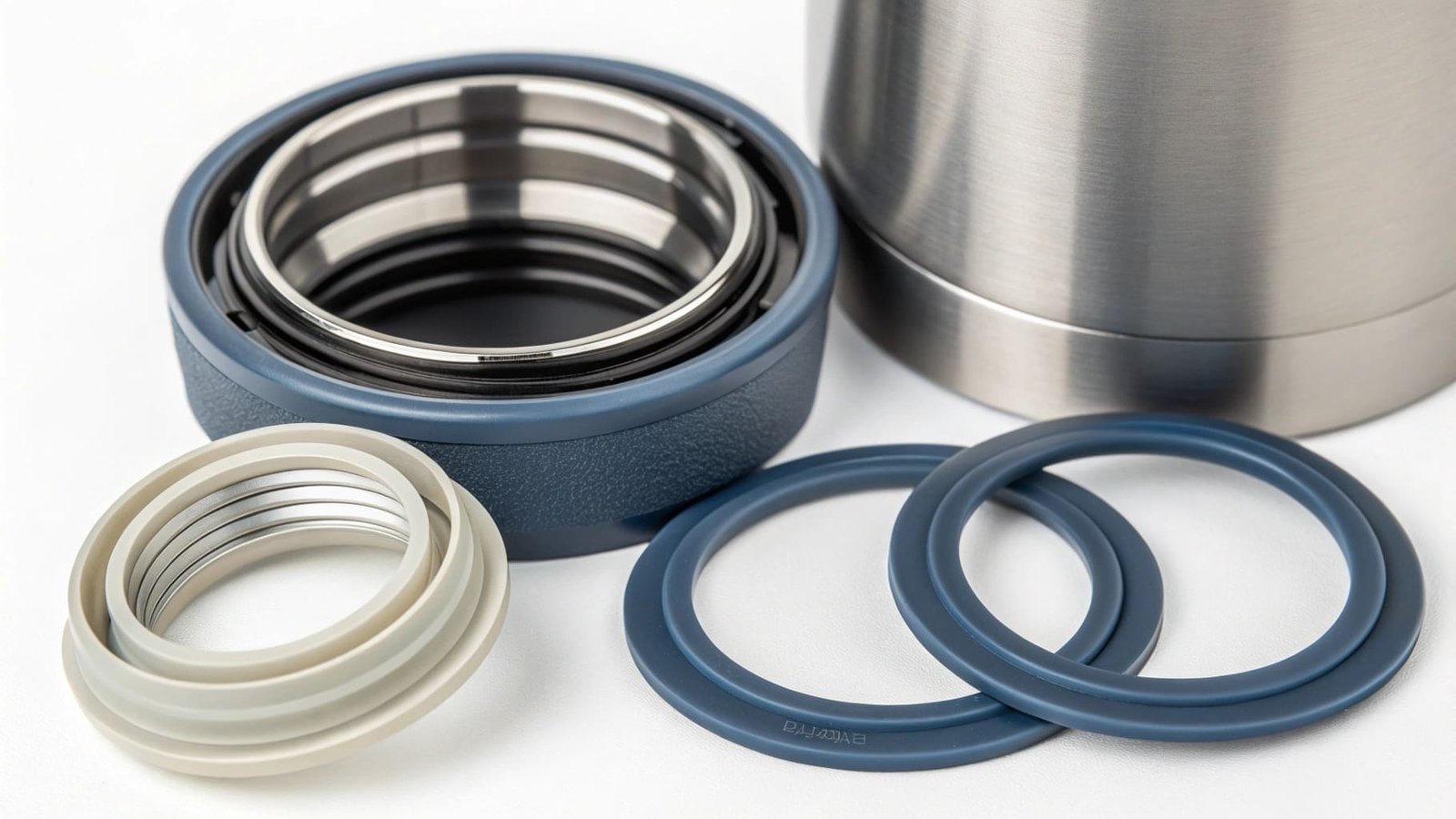
French door weatherstripping requires silicone or high-grade TPE profiles with excellent compression set resistance. These materials maintain their shape through thousands of opening and closing cycles while providing consistent sealing against drafts, moisture, and temperature transfer.
Matching Weatherstrip Profiles to French Door Requirements
I have supplied weatherstripping for French door manufacturers across Europe. The failure patterns are predictable. Buyers choose foam for cost savings, then face callbacks within two seasons. Smart buyers invest in proper materials upfront.
French doors demand materials that handle compression cycling without permanent deformation. Every time someone opens or closes the door, the weatherstrip compresses and releases. Foam collapses after repeated compression. It loses thickness and creates gaps. Silicone returns to its original shape through millions of cycles.
Door frame expansion and contraction stresses weatherstripping more than buyers expect. Wooden frames swell with humidity changes. Metal frames expand with temperature shifts. Your weatherstrip must accommodate this movement without pulling away from mounting surfaces or losing sealing contact. Silicone flexibility allows it to move with the frame while maintaining seal integrity.
French doors often connect interior heated spaces to exterior patios or balconies. This creates extreme temperature differentials across the seal line. The exterior side might sit at minus 10 degrees while the interior side reaches plus 20 degrees. Materials with poor temperature resistance crack or harden on the cold side. Silicone handles these gradients without property changes.
Profile geometry matters as much as material selection. Bulb profiles work well for compression sealing on door edges. Fin profiles handle sliding contact better. D-section profiles fit standard mounting channels. You need to match profile type to door construction and sealing requirements, not just grab a standard catalog item.
Is Foam or Rubber Better for Door Seals?
You see foam weatherstripping everywhere because it costs less. Buyers ask me why they should pay more for rubber when foam looks similar. The answer becomes obvious after one winter season, but that lesson costs them customer relationships.
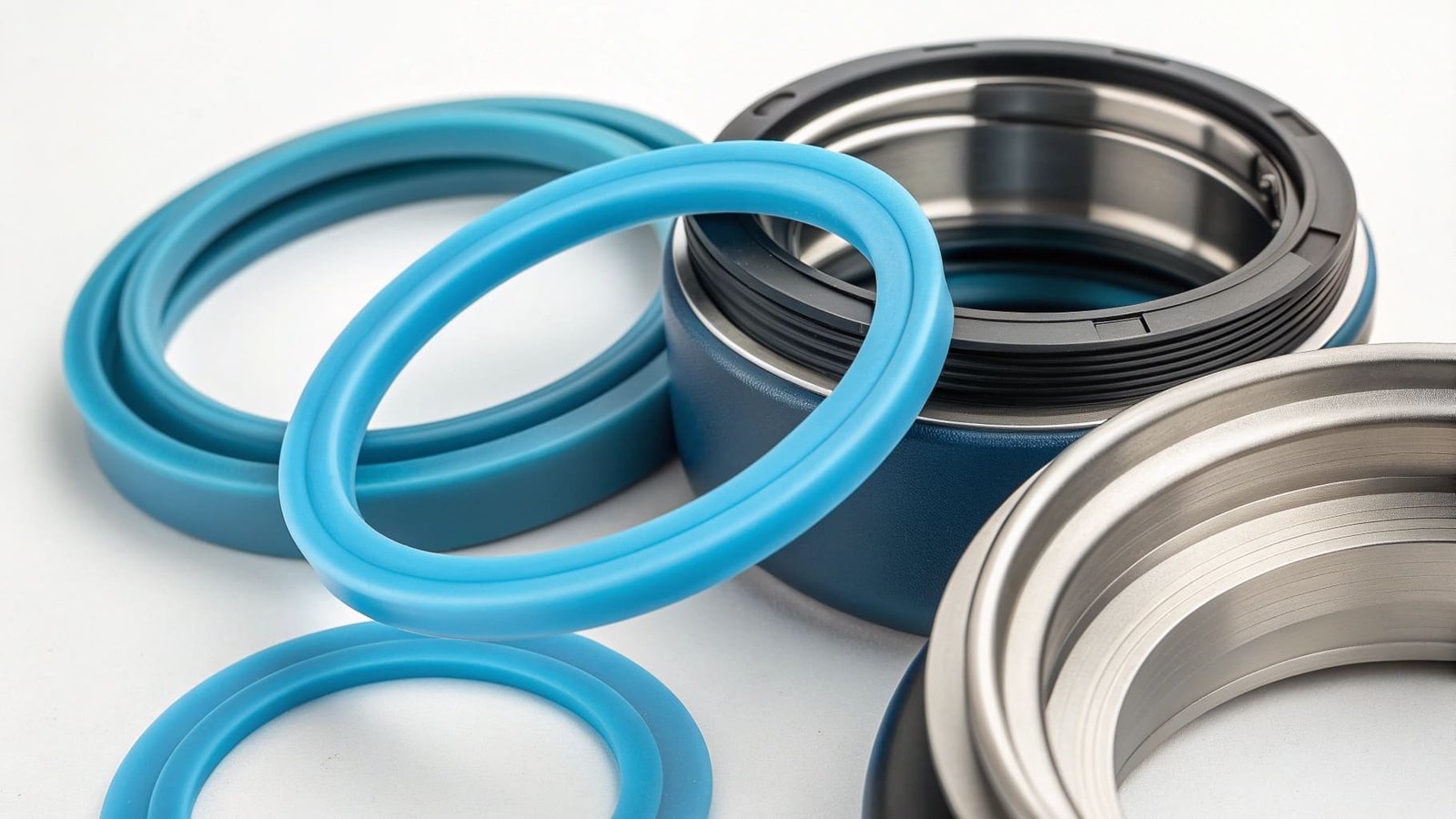
Rubber, specifically silicone rubber, provides better performance than foam for exterior door seals and high-traffic applications. Foam suits static, interior applications with minimal temperature variation and low compression requirements, but fails quickly in demanding environments that characterize European OEM applications.
Breaking Down the Real Cost Differences
I help buyers calculate true weatherstrip costs, not just purchase prices. Foam looks attractive until you factor in replacement frequency, installation labor, and customer satisfaction impacts. The numbers shift dramatically over a product lifecycle.
Foam degrades rapidly under UV exposure common in European climates. Even northern European countries receive enough UV radiation to break down foam bonds. The material becomes brittle within two to three years. It crumbles when you touch it. You cannot simply replace the weatherstrip because customers get frustrated with repeat service calls. Silicone resists UV damage for decades.
Compression set permanently deforms foam materials. When you compress foam between a door and frame, it should spring back when the door opens. Foam loses this resilience quickly. It stays compressed and creates gaps that leak air and water. Silicone maintains compression recovery through thousands of cycles. I have tested samples that performed like new after five years of continuous use.
Water absorption creates hidden problems with foam weatherstripping. Foam soaks up moisture and holds it against metal door frames. This accelerates corrosion. It grows mold in humid climates. It freezes and expands in cold temperatures, tearing the foam apart. Silicone does not absorb water. It sheds moisture and protects underlying structures.
Temperature performance separates premium from budget materials. Foam hardens in cold weather and loses sealing effectiveness. It softens in heat and sags away from sealing surfaces. European locations experience both extremes. Your weatherstrip must work in Stockholm winters and Madrid summers. Only rubber compounds, particularly silicone, maintain consistent properties across this temperature range.
Installation labor costs favor durable materials. Replacing weatherstripping requires removing old material, cleaning surfaces, and installing new strips. This takes time and disrupts production or building access. When you use foam and replace it every two years, you pay installation costs repeatedly. When you use silicone and replace it after ten years, you pay installation costs once. The math strongly favors investing in quality materials.
Conclusion
Silicone trim gaskets deliver superior performance for European OEM weatherstrip applications through temperature resilience, durability, and regulatory compliance. Material selection impacts your contract success more than initial cost differences suggest.