What Are Silicone Sublimation Sleeves Used for in Custom Printing Lines?
If your custom print jobs keep coming out blurry or uneven, the problem is not your design. It is probably your process. One missing tool can ruin an entire production run.
Silicone sublimation sleeves hold transfer paper tightly around curved surfaces like mugs and tumblers during heat pressing.1 They create even pressure across the full design area. This prevents ink from shifting or fading in spots. The result is a clean, consistent print every time.
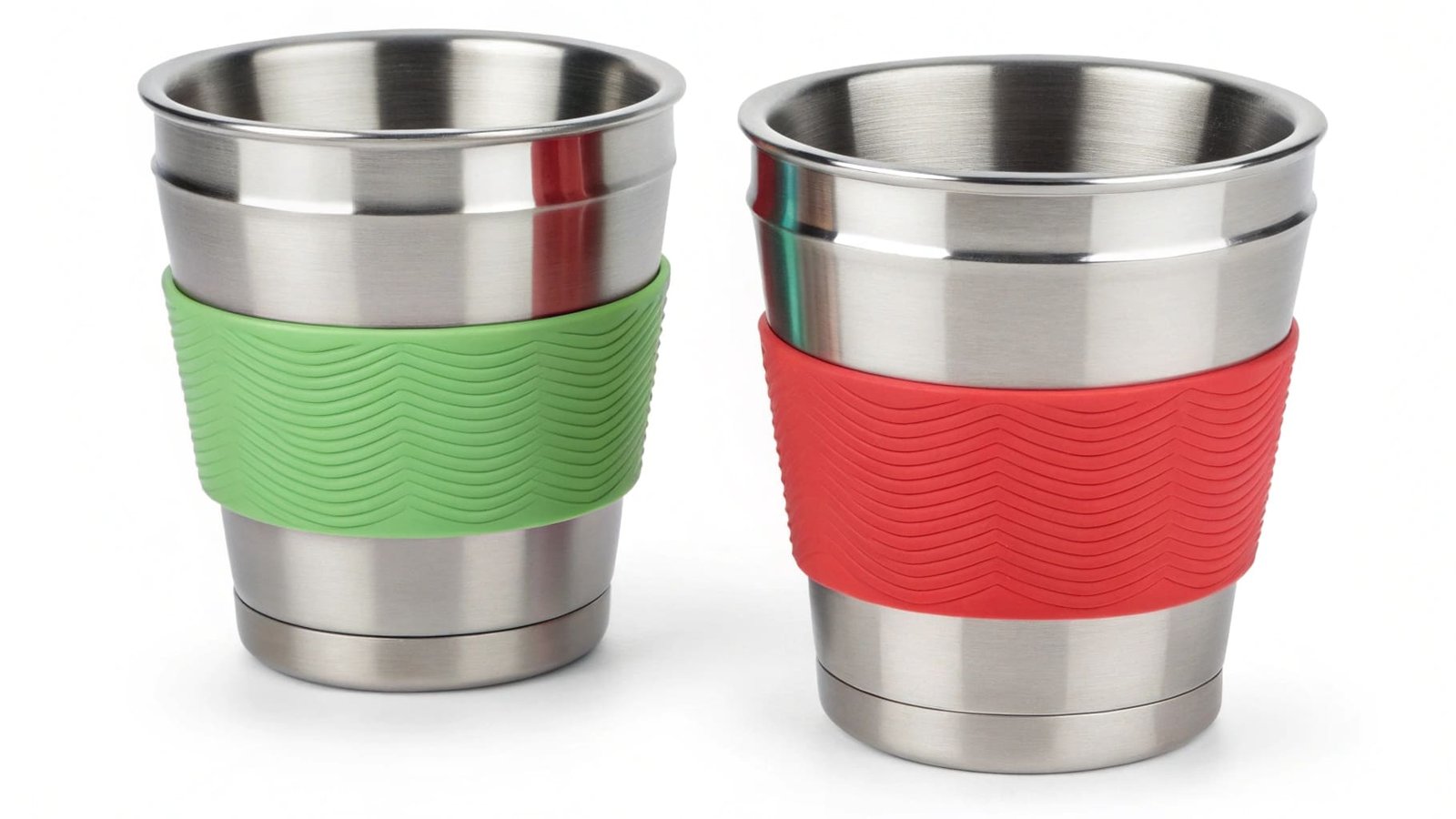
I have seen a lot of buyers overlook this one small tool and end up paying for it in rejected orders. If you are running a custom print line at any real volume, this is worth understanding fully. Let me walk you through exactly how these sleeves work and where they fit in your workflow.
What Are Sublimation Sleeves Used for?
You spent money on good ink, good blanks, and a solid design. But your prints are still coming out patchy. The issue is not what you see. It is what is happening under the heat.
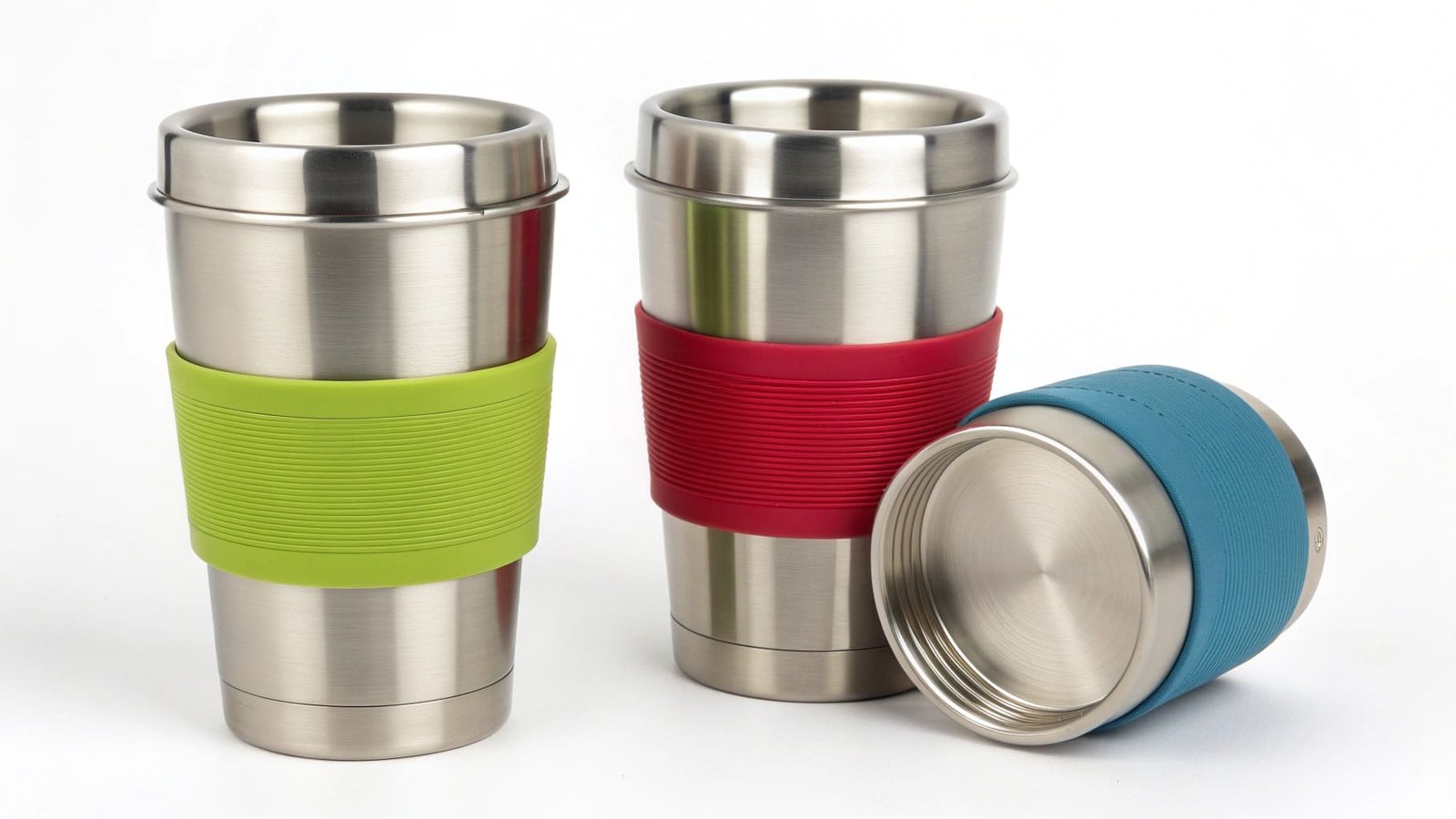
Sublimation sleeves are process tools. They hold sublimation transfer paper against the surface of a cylindrical item during the heat press stage. Without them, paper can shift, lift, or wrinkle. Any movement during pressing means blurred lines and uneven color.2
Why Does Paper Shift Cause Such Big Problems?
Even a small movement during pressing ruins a print. The dye is in a gas state at that moment. Any gap between the paper and the surface means the gas escapes before bonding.3 The result is a faded patch or a blurred edge.
Here is what silicone sleeves actually do at each stage of the process:
| Stage | What Happens Without a Sleeve | What Happens With a Sleeve |
|---|---|---|
| Pre-press setup | Paper held with tape, risk of lifting | Paper locked flat against the substrate |
| During pressing | Heat causes paper to expand and shift | Silicone holds consistent pressure throughout |
| Heat distribution | Hot spots form on uneven surfaces | Heat spreads evenly across the full surface |
| After pressing | Inconsistent color, blurry edges | Clean, sharp, fully saturated design |
I have worked with buyers who switched from tape-only setups to silicone sleeves and cut their rejection rate significantly. The change is not subtle. It is the difference between a product you can sell and one you have to throw out.
For B2B buyers running high volumes, this matters even more. One inconsistent batch can delay a client's campaign launch. In markets like promotional merchandise, timing is everything. A missed peak season costs far more than the price of a proper sleeve.
Silicone is the right material for this job because it handles heat well. Most sleeves can take temperatures up to 450°F without deforming.4 They are also flexible enough to press evenly against curved surfaces, which rigid tools cannot do.5 This combination of heat resistance and flexibility is what makes silicone the default choice for this application.
How to Use Silicone Wrap for Sublimation?
You have the sleeve. Now what? A lot of people have the right tool and still use it wrong. The process looks simple, but each step has a reason behind it.
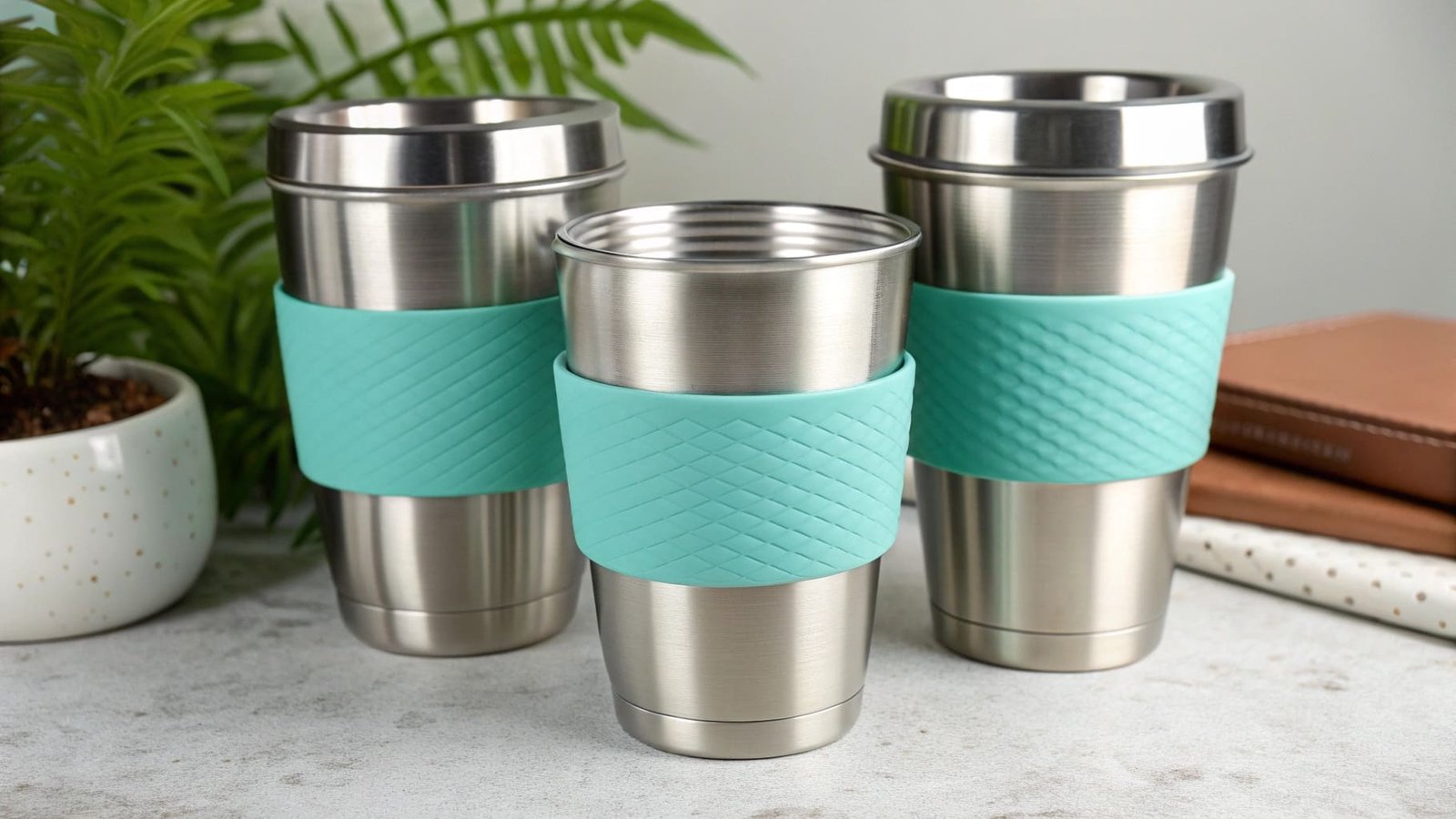
The basic steps are: print your design on sublimation paper, wrap it around your substrate, secure it with the silicone sleeve, and then apply heat. Each part of that sequence matters.
What Does Each Step in the Process Actually Do?
Getting the sleeve on correctly is not just about physical placement. It is about understanding why the pressure and the heat need to work together in a specific way.
Here is a breakdown of the full workflow:
| Step | Action | Why It Matters |
|---|---|---|
| Output your design mirrored on sublimation paper | Sublimation transfers in reverse, so the mirror is essential | |
| Wrap | Place printed side face-down against the substrate | Direct contact is required for clean dye transfer |
| Secure | Pull the silicone sleeve over the wrapped item | Creates uniform compression around the full surface |
| Heat | Place in convection oven or heat press at correct temp | Activates dye sublimation and bonds ink to substrate |
| Cool | Remove and unwrap after full cooling | Prevents smearing from residual gas before bond sets |
The silicone sleeve works because it applies pressure from the outside in. As heat builds up inside the oven, the silicone pushes the paper tighter against the surface. This is not just about holding the paper in place. It is about creating the right physical conditions for the dye to bond correctly.
One detail that gets missed often is cooling time. Some operators pull the sleeve off while the item is still hot. The sublimation gas can still be active at that point. Removing the paper too early causes smearing. The sleeve should stay on until the item has cooled enough to handle comfortably.
For production lines, this means building cooling time into the workflow schedule. If you are pressing batches continuously, you need enough sleeves to rotate through without rushing the cooling step. Buying enough sleeves is an operational decision, not just a product decision.
Can You Sub on Silicone?
This question comes up a lot, and it causes real confusion. Buyers see silicone sleeves used in sublimation and assume silicone itself must accept sublimation ink. That logic is wrong, and acting on it leads to wasted blanks and failed orders.
Standard silicone will not hold sublimation ink.6 The dye gas has nowhere to go on a non-porous, uncoated surface. It will not bond. The print either wipes off immediately or never appears at all.
What Makes a Surface Accept Sublimation Ink?
Sublimation dye does not just sit on top of a surface. It bonds at a molecular level with specific types of materials. Understanding this saves you from expensive mistakes when sourcing substrates.
| Surface Type | Accepts Sublimation Ink? | Reason |
|---|---|---|
| Standard silicone | No | Non-porous, no polymer coating, dye cannot bond |
| Polyester fabric | Yes | High polymer content allows dye to integrate |
| Polymer-coated ceramics | Yes | Coating provides bonding layer for dye |
| Polymer-coated metals | Yes | Same coating principle as ceramics |
| Specialty coated silicone | Yes, limited | Proprietary coating adds the necessary bonding layer |
| Natural rubber | No | No compatible polymer structure |
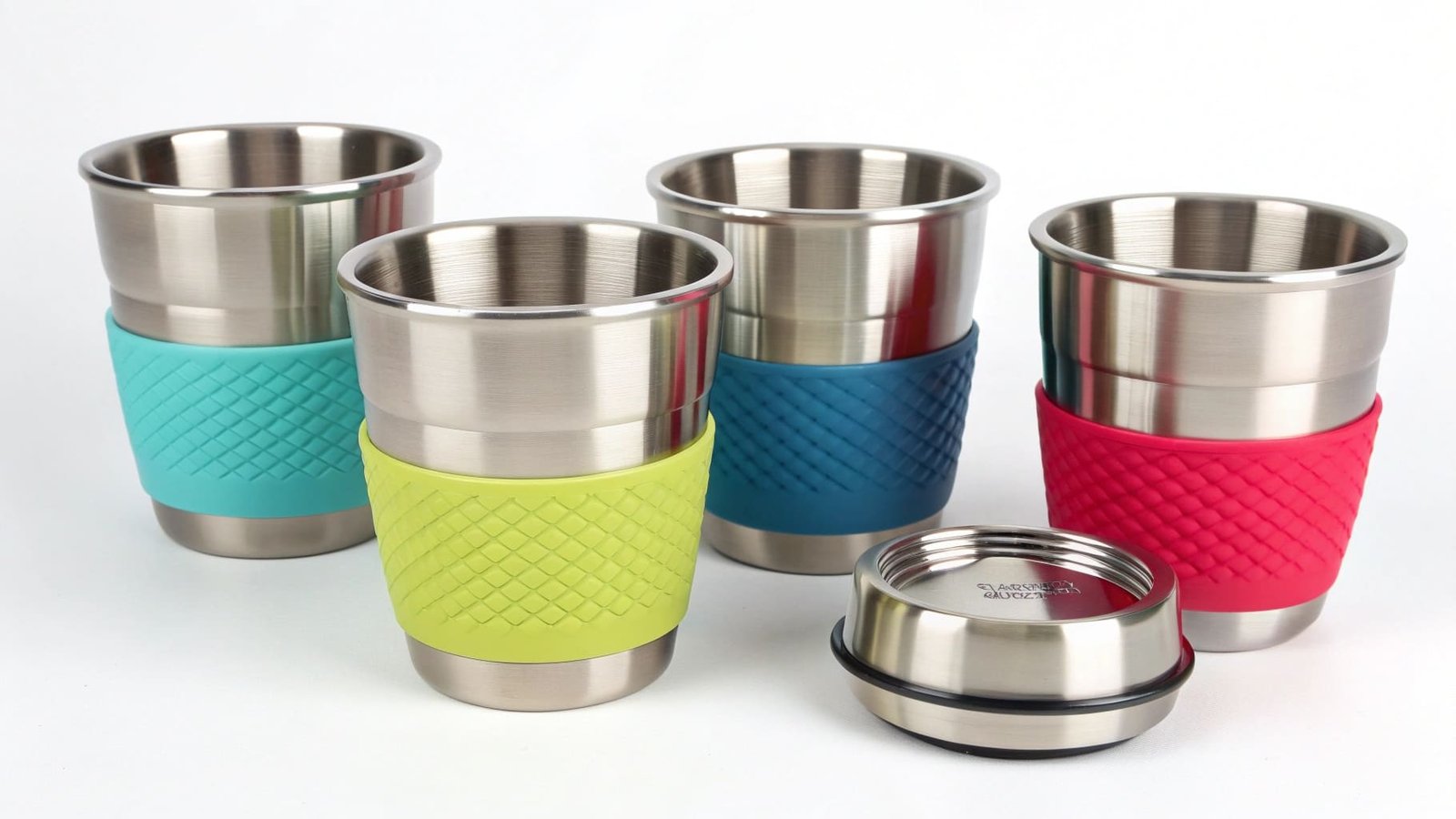
Standard silicone products, including the sleeves themselves, are process tools only. They are not substrates. The sleeve never receives any ink. It just holds everything in place while the ink transfers to the actual product underneath.
There is a niche category of sublimation-ready silicone that does exist. These products use a proprietary coating applied to the silicone surface before pressing. The coating is what accepts the ink, not the silicone itself.7 These are specialty items and a much smaller segment of the market.
For most B2B buyers in custom print operations, this distinction is straightforward. Silicone sleeves help you print onto drinkware, phone cases, and other coated blanks. They are not the canvas. They are the clamp. Keeping that role clear helps you spec the right products and explain the process clearly to your own clients.
Conclusion
Silicone sublimation sleeves hold paper in place, distribute heat evenly, and make consistent custom printing possible at scale. They are tools, not substrates. Use them right, and your print quality reflects it.
-
"[PDF] Optimizing Sublimation Transfer Printing - Clemson OPEN", https://open.clemson.edu/cgi/viewcontent.cgi?article=5453&context=all_theses. Educational descriptions of dye-sublimation printing explain that a printed transfer sheet is heated against a receiving substrate so the dye can transfer, supporting the role of a sleeve as a fixture that maintains contact on curved surfaces. Evidence role: definition; source type: education. Supports: A source should explain that dye-sublimation printing uses printed transfer paper and heat/pressure to transfer dye to a substrate, which contextualizes the function of sleeves on curved items.. Scope note: The source may describe the transfer process generally rather than silicone sleeves specifically. ↩
-
"[PDF] HEAT PRESS GUIDE FOR SUBLIMATION", https://beta.centralseminary.edu/scholarship/DD7S9a/2FE054/HeatPressGuideForSublimation.pdf. Sublimation-printing instructional sources describe transfer-paper movement during pressing as a cause of ghosting or blurred images, supporting the article's warning that movement degrades line sharpness and color uniformity. Evidence role: mechanism; source type: education. Supports: A source should explain that shifting of transfer paper during sublimation can produce ghosting, blurring, or uneven image transfer.. Scope note: Such sources may use practical terminology such as 'ghosting' rather than controlled laboratory measurements. ↩
-
"[PDF] 40.2: Super-High Resolution Transfer Printing for Full-Color OLED ...", https://www.princeton.edu/~sturmlab/pdfs/publications/CP.269.pdf. Technical explanations of dye-sublimation transfer emphasize close contact between the printed transfer and the receiving surface, supporting the claim that gaps can reduce dye deposition and produce faded areas. Evidence role: mechanism; source type: education. Supports: A source should support that close contact between transfer paper and substrate is important for effective dye transfer and that poor contact causes incomplete transfer.. Scope note: The source may not specifically describe gas 'escaping' but should support the broader contact-dependent transfer mechanism. ↩
-
"(PDF) Characteristic properties of Silicone Rubber Compounds", https://www.academia.edu/29779332/Characteristic_properties_of_Silicone_Rubber_Compounds. Materials references for silicone elastomers report high-temperature service capability in the approximate 200–250°C range, which is consistent with use near 450°F in heat-press applications. Evidence role: general_support; source type: research. Supports: A source should provide silicone rubber or silicone elastomer service-temperature ranges near 230°C, equivalent to about 446°F.. Scope note: This supports silicone as a material class; actual sleeve limits depend on formulation, thickness, additives, and manufacturer specifications. ↩
-
"Tensile properties of silicone biocomposite reinforced with waste ...", https://bioresources.cnr.ncsu.edu/resources/tensile-properties-of-silicone-biocomposite-reinforced-with-waste-material-hevea-brasiliensis-sawdust-experimental-and-numerical-approach/. Materials science sources describe silicone rubber as a flexible elastomer with elastic recovery under compression, supporting its use where a fixture must conform to curved surfaces. Evidence role: mechanism; source type: education. Supports: A source should explain that silicone rubber is an elastomer with flexibility and compressibility, making it suitable for conformal pressure applications.. Scope note: The source supports the material property rather than directly comparing sublimation sleeves with rigid tools. ↩
-
"[PDF] HEAT PRESS GUIDE FOR SUBLIMATION", https://beta.centralseminary.edu/scholarship/DD7S9a/2FE054/HeatPressGuideForSublimation.pdf. Substrate-compatibility guidance for dye-sublimation printing identifies polyester and polymer-coated surfaces as the usual receiving materials, supporting the conclusion that uncoated standard silicone is not ordinarily suitable for permanent sublimation printing. Evidence role: expert_consensus; source type: education. Supports: A source should state that dye-sublimation printing generally works on polyester or polymer-coated substrates, implying that uncoated silicone is not a standard compatible substrate.. Scope note: The source may not test silicone directly; it supports the claim by defining the accepted compatible substrate classes. ↩
-
"[PDF] Super-high-resolution transfer printing for full-color OLED display ...", https://sturm.scholar.princeton.edu/document/568. Technical sources on sublimation substrates explain that non-textile objects typically require a polymeric receiving coating for dye uptake, supporting the statement that the coating—not the underlying base material—accepts the sublimation dye. Evidence role: mechanism; source type: research. Supports: A source should explain that sublimation onto non-polyester objects is enabled by a polymeric receiving coating that accepts the dye.. Scope note: This supports coated-substrate behavior generally and may not address proprietary coated silicone products specifically. ↩