What Are the Advantages of Custom Rubber Zipper Pullers for Outdoor Gear Brands?
Every outdoor brand faces the same challenge. How do you stand out when competitors sell nearly identical products? Most brands focus on big features and miss the small details that customers touch every single day.
Custom rubber zipper pullers1 give outdoor gear brands a competitive edge through better functionality, stronger branding, and reduced product failures. They improve user experience in harsh conditions while creating consistent brand recognition across all product lines.
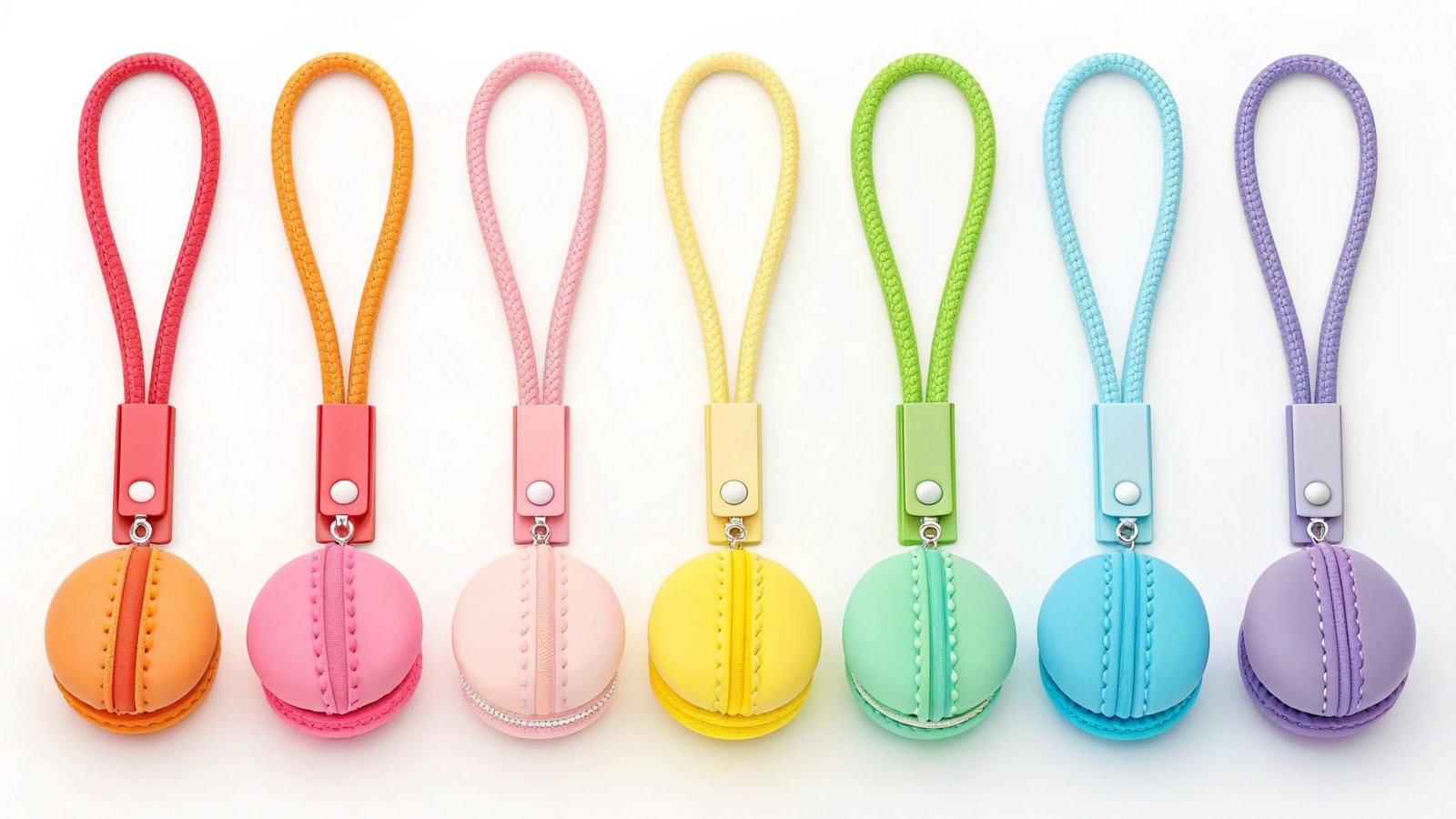
I started noticing zipper pullers after a camping trip went wrong. My backpack zipper broke during a rainstorm. I could not access my dry clothes. That small failure ruined my entire weekend. Later I learned that the cheap plastic puller was the weak point. This experience changed how I view seemingly minor components. Outdoor gear brands need to think the same way. Every component matters when your customer is miles from civilization.
What makes a high quality zipper?
You probably think zippers just need to zip smoothly. Most procurement officers I meet share this view. They test the slider a few times and consider the job done.
A high quality zipper2 combines smooth operation, durable materials, weather resistance, and a reliable puller design3. The puller is what customers actually touch and control every time they use the product.
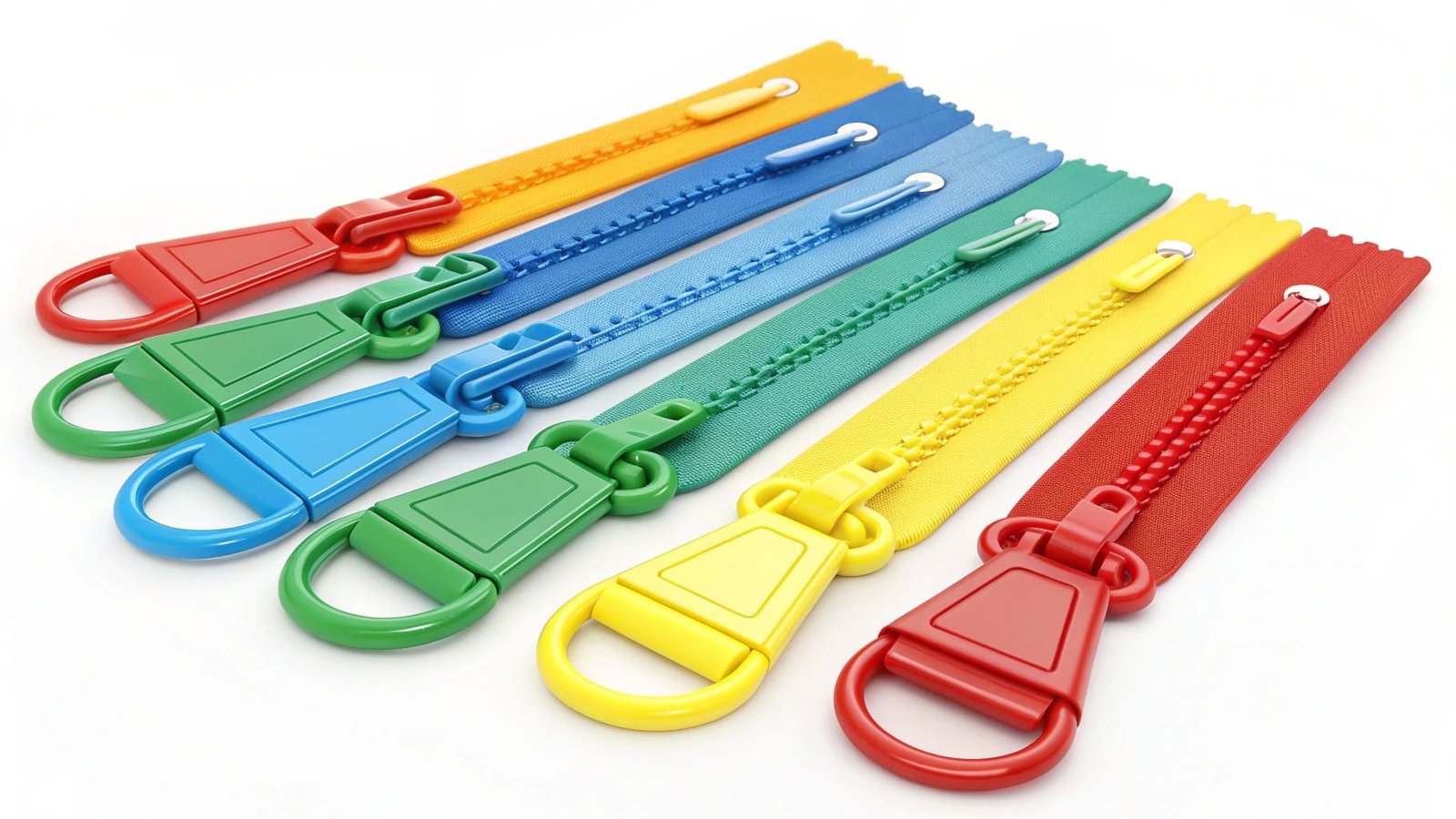
I spent three months visiting factories across China last year. I watched workers assemble thousands of zippers. The most interesting discovery was how often the zipper tape and slider performed perfectly in tests. But products still came back as warranty claims. The reason was always the same. The puller broke or became unusable.
Here is what I learned about quality zippers:
| Component | Quality Indicator | Why It Matters |
|---|---|---|
| Zipper Tape | Tight weave, no loose threads | Prevents separation under stress |
| Slider | Smooth internal mechanism | Reduces jamming and wear |
| Teeth/Coils | Even spacing, proper alignment | Ensures smooth operation |
| Puller | Grip texture, material durability | Direct user interface point |
The puller deserves special attention because it experiences the most stress. Customers yank it when they are in a hurry. They pull it with gloves on. They expose it to rain, snow, and mud. A weak puller breaks and makes the entire zipper useless. A high quality puller protects your brand reputation. It also reduces return rates significantly. I tell all my B2B customers to test pullers under realistic outdoor conditions. Do not just test them in a comfortable office.
Are there different types of zipper pullers?
Most brands stick with whatever puller the factory provides. They never explore alternatives. This is a missed opportunity because different puller types serve different purposes.
Yes, zipper pullers come in multiple types including cord loops, metal tabs, plastic molded designs, and custom rubber or silicone options. Each type offers distinct advantages for specific applications and user needs.
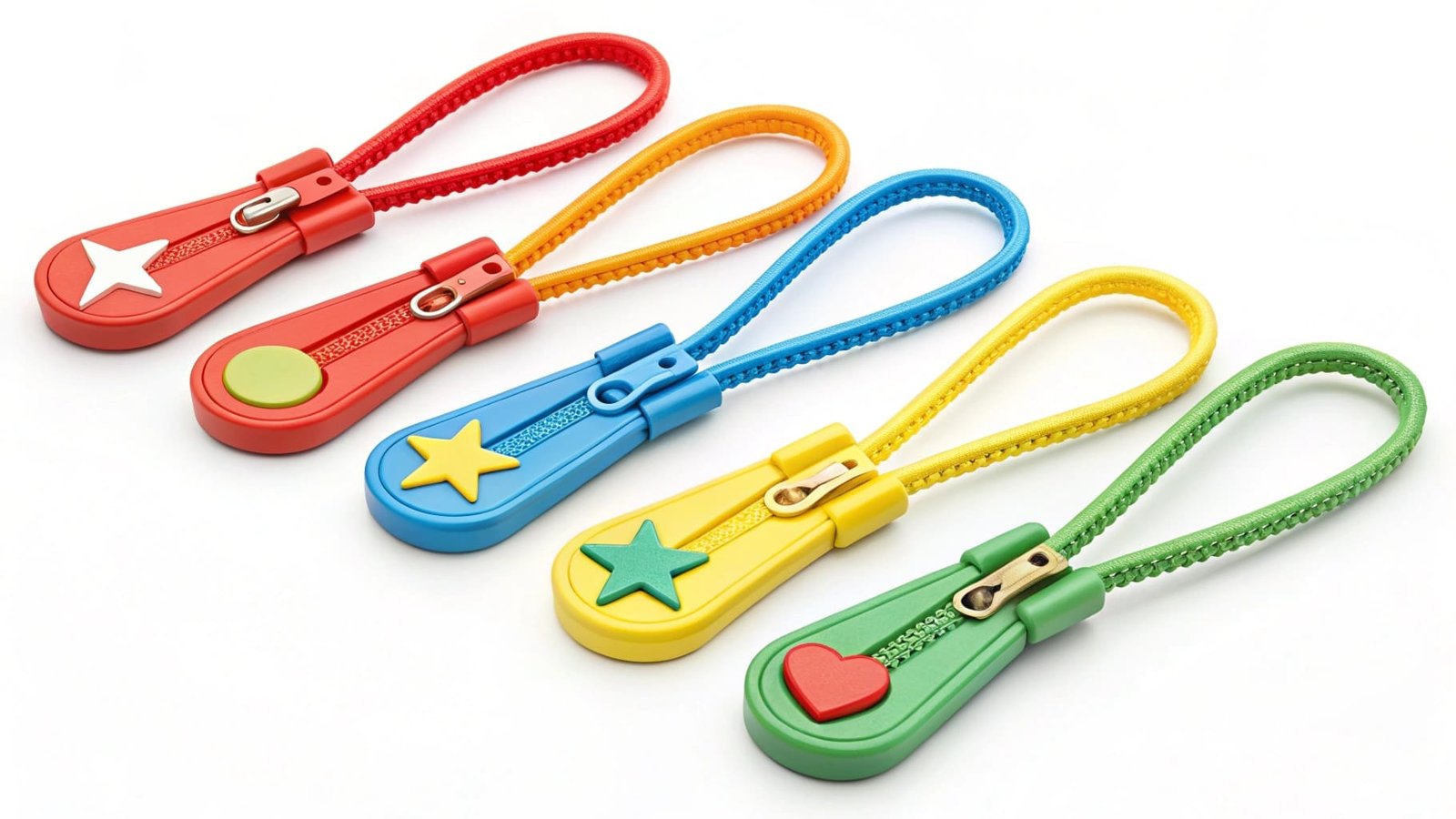
I keep samples of different puller types in my office. When potential customers visit, I ask them to try each one while wearing winter gloves. The results always surprise them. Metal pullers look premium but they conduct cold temperature. Your fingers freeze when you touch them in winter. Plastic molded pullers work fine in normal conditions. But they become brittle in cold weather and snap easily. Cord loops are lightweight and cheap. However they provide poor grip when wet.
Custom rubber pullers solve most of these problems. Let me break down the main types:
Basic Puller Types
Cord Loops: These are the simplest design. Factory workers tie a short cord through the slider hole. They cost almost nothing to produce. But they look cheap and offer limited branding opportunities. I do not recommend them for premium outdoor brands.
Metal Tabs: These flat metal pieces attach to the slider. They look professional and durable. But they have serious drawbacks for outdoor use. They conduct temperature extremes. They can scratch other gear. They add unnecessary weight.
Plastic Molded: These pullers come in various shapes and colors. They are lightweight and can include basic logos. But the material fails in extreme cold. I have seen them shatter at temperatures below minus ten degrees Celsius.
Custom Rubber/Silicone: These pullers combine functionality with branding power. The material stays flexible in cold weather. It provides excellent grip when wet. It allows for detailed three dimensional logo molding4. This is what I recommend for serious outdoor brands.
The choice depends on your brand positioning and target market. Budget camping gear can use basic cord loops. Premium outdoor brands should invest in custom rubber pullers. The price difference is small compared to the value difference customers perceive.
What is the zipper pull trend?
Trends in outdoor gear change slowly. But zipper pullers are experiencing a quiet revolution. Brands are waking up to their branding potential.
Current trends show outdoor brands treating zipper pullers as miniature brand touchpoints. They feature oversized designs for gloved use, three dimensional logo molding, brand-matched colors, and eco-friendly materials that align with sustainability commitments.
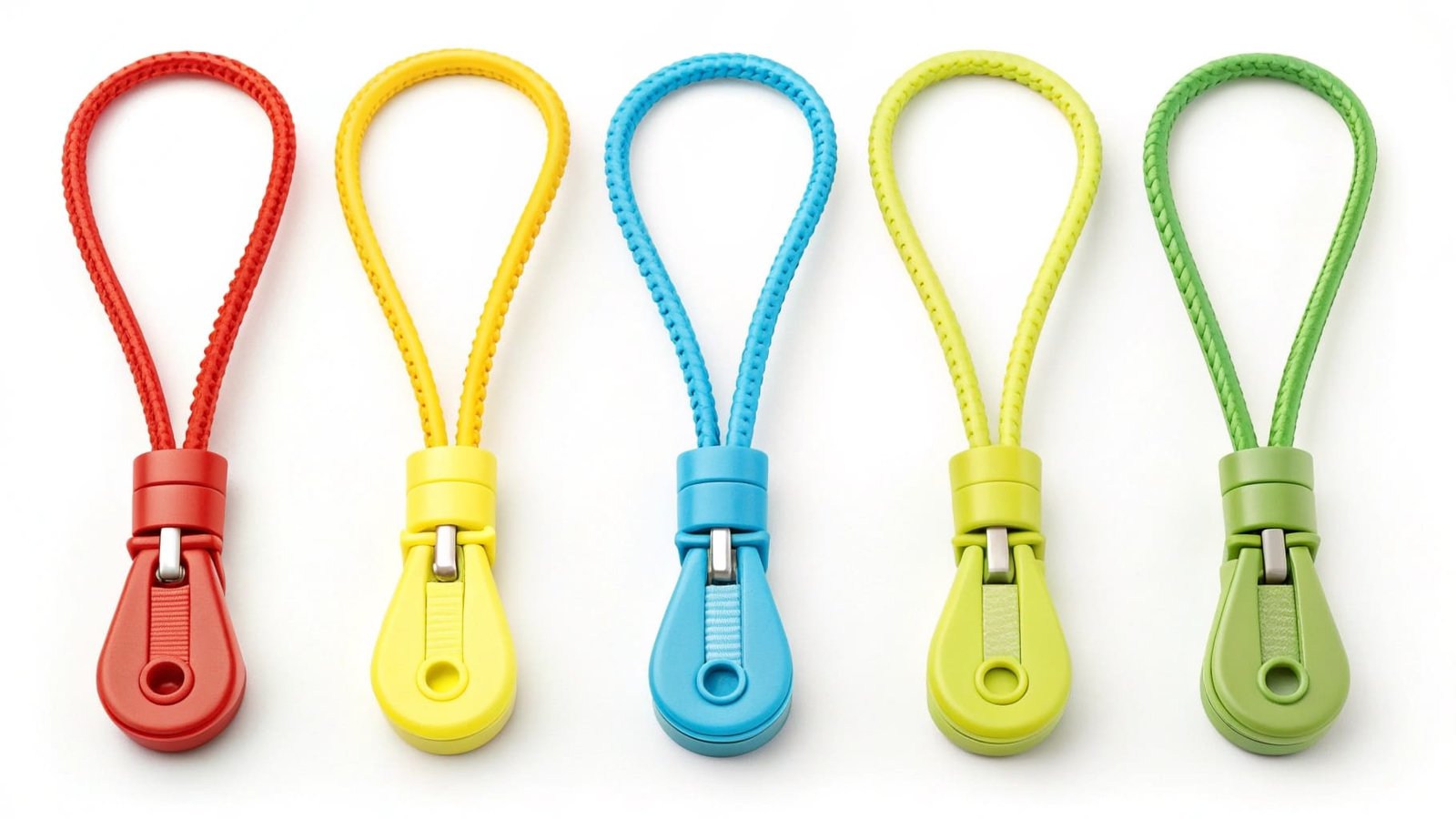
I attended an outdoor trade show in Germany six months ago. Three out of five major brands showcased their new zipper puller designs. They treated these small components with the same seriousness as main product features. This marked a big shift from previous years.
Let me explain the major trends I am seeing:
Trend One: Oversized Functionality
Brands are making pullers larger than traditional designs. This seems counterintuitive because it adds weight. But the reason makes perfect sense. Most outdoor activities require gloves. Thick winter gloves or work gloves make tiny pullers almost impossible to use. I tested this myself during a winter hiking trip in northern China. Small pullers forced me to remove my gloves constantly. My fingers got cold. I became frustrated with the product.
Oversized pullers solve this problem. They provide enough surface area for gloved fingers to grip easily. The best designs balance size with weight. They need to be large enough for function but not so large they become cumbersome.
Trend Two: Three Dimensional Branding
Simple flat logos no longer satisfy brand managers. They want dimensional depth that customers can feel. Custom rubber pullers allow for this through molding technology. I work with factories that can create raised logos, textured surfaces, and even small words molded into the rubber.
This tactile branding creates stronger brand memory. Customers do not just see your logo. They feel it every time they use the zipper. This repeated physical interaction builds brand familiarity. It works especially well for outdoor brands because their customers value authentic, tangible experiences over flashy marketing.
Trend Three: Sustainability Materials
Environmental concerns drive many purchasing decisions in outdoor markets. Brands are responding by specifying eco-friendly rubber compounds or recycled materials for pullers. Some use natural rubber instead of synthetic. Others incorporate recycled rubber from old tires or other sources.
One of my Canadian customers, Mark, specifically asks about material sourcing for every component. He knows his end customers care deeply about environmental impact. Using recycled rubber pullers lets his brand tell a better sustainability story. The cost increase is minimal. But the marketing value is substantial.
Trend Four: Color Coordination
Brands now match puller colors precisely to their brand identity or product colorways. This seems like a small detail. But it creates visual consistency across product lines. When every zipper puller carries your brand colors, customers begin associating those colors with quality and reliability.
I help customers create color samples before production. We match Pantone codes to ensure consistency across different batches. This attention to detail separates professional brands from amateur operations.
Conclusion
Custom rubber zipper pullers offer outdoor brands a powerful combination of improved functionality, stronger brand presence, and better product reliability. They transform a simple component into a strategic advantage that customers notice and appreciate.
-
Explore how custom rubber zipper pullers enhance functionality and branding for outdoor gear brands. ↩
-
Understand the essential features that make zippers reliable for outdoor use. ↩
-
Find out how puller design impacts the functionality and user satisfaction of zippers. ↩
-
Understand the impact of tactile branding on customer recognition and loyalty. ↩