What Are the Best Practices for Sourcing Tumbler Silicone Boots for Retail Packaging?
Last month, a Canadian buyer told me his retail launch failed because his silicone boots didn't fit the tumblers properly. His team spent hours manually adjusting each boot before shipping to stores. This mistake cost him the peak sales season.
To source tumbler silicone boots for retail packaging successfully, you need to focus on three areas: material certifications1 that meet regulatory standards, retail-ready packaging that enhances shelf appeal, and supplier verification2 that ensures production consistency. These factors protect your investment and prevent costly delays.
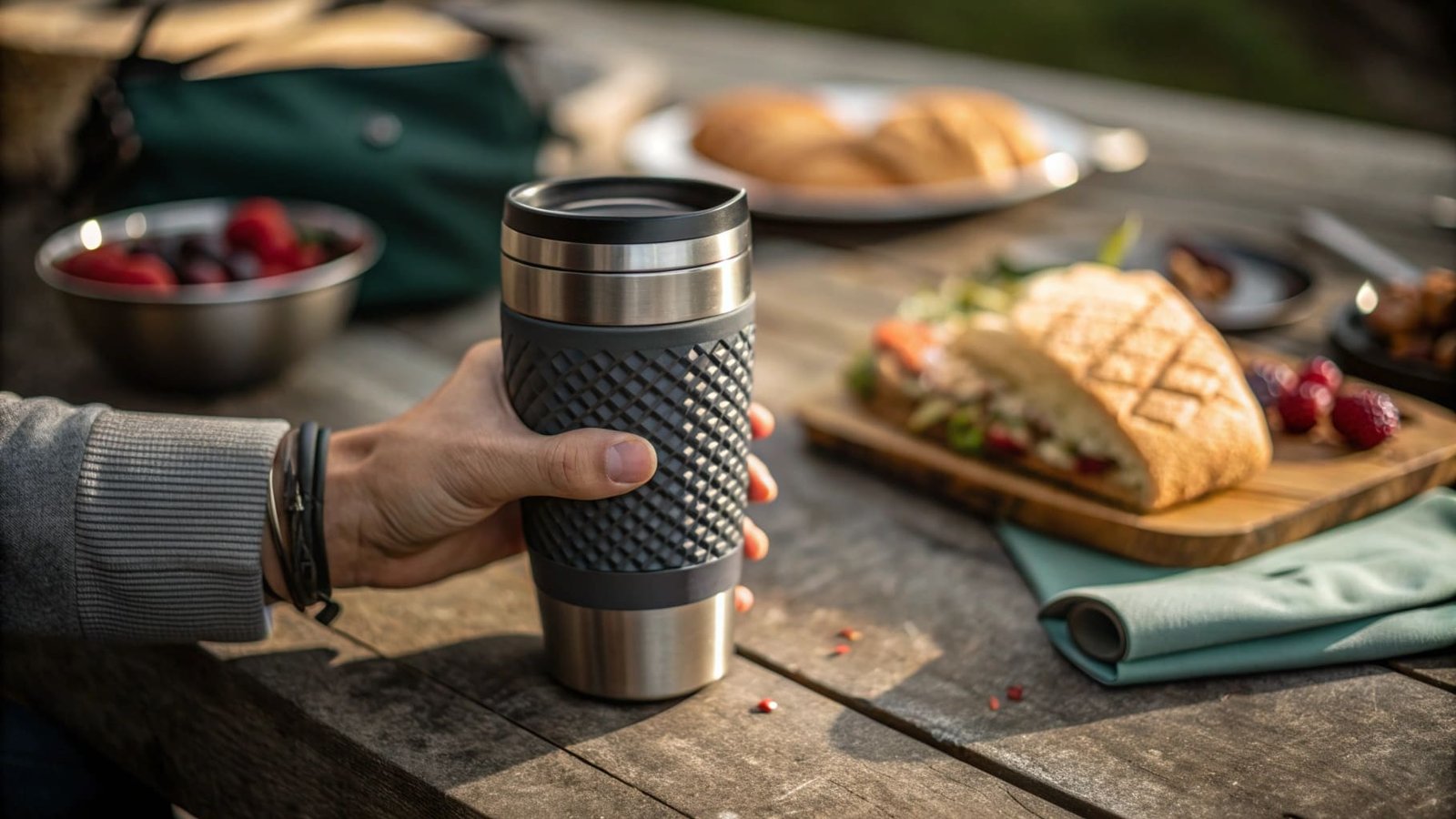
I have worked with over 200 retail buyers in the past five years. Most of them make the same mistakes when sourcing silicone boots3. They focus only on price and ignore the details that actually matter. I will share the practices that separate successful retail launches from failed ones.
What certifications should tumbler silicone boots have for retail markets?
Your retail customers in the US and EU will ask about safety certifications. If you cannot provide proper documentation, your products will not pass their internal quality checks. I have seen buyers lose major retail contracts because of this issue.
You need FDA-approved food-grade silicone4 for any boot that contacts beverages. LFGB certification is required for European markets. These certifications prove your boots are BPA-free5 and safe for consumers. Without them, retailers will reject your products immediately.
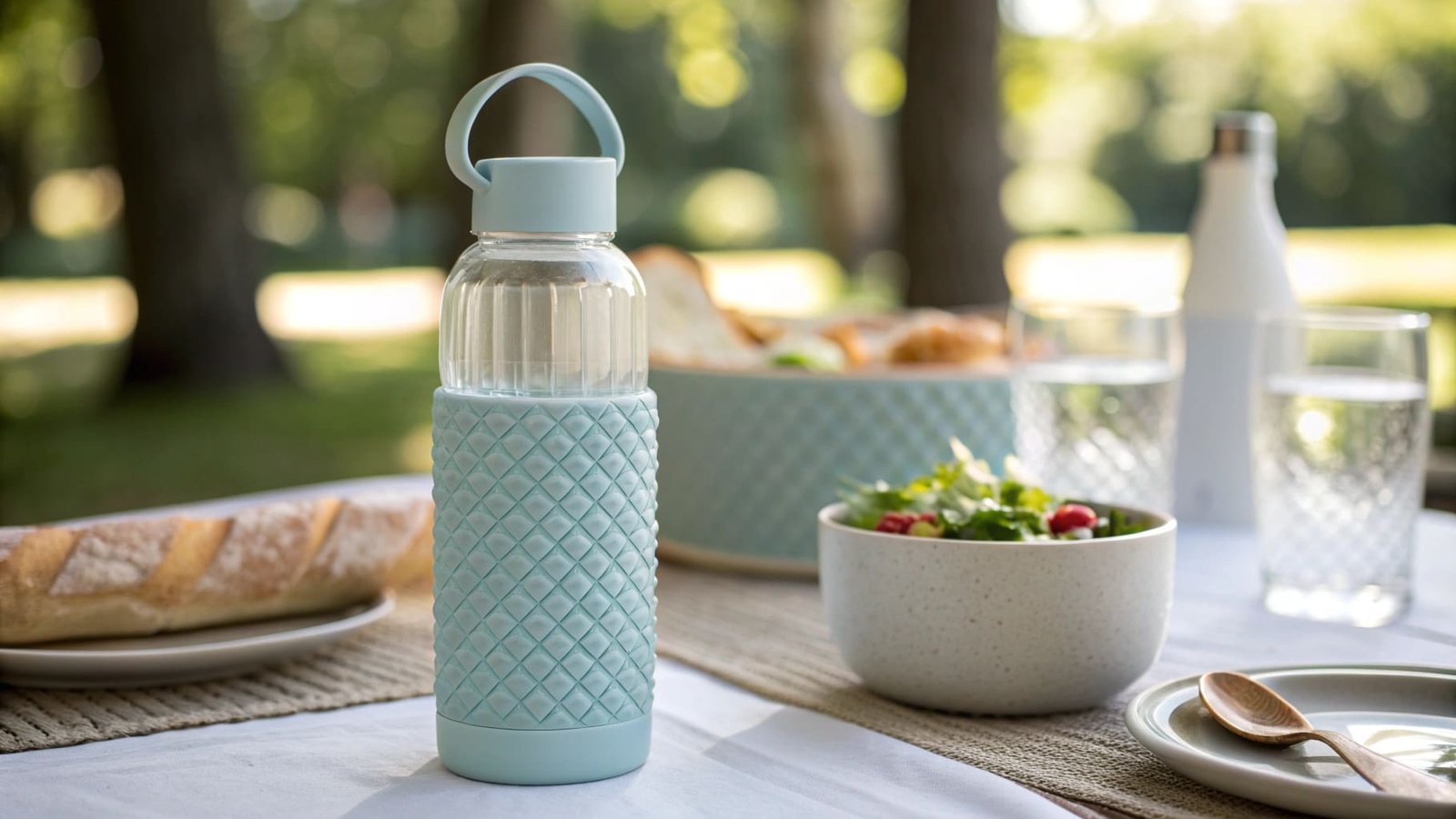
Material certification is not just a piece of paper. It represents the actual safety of your product. I test every batch of silicone material in our factory before production starts. The test results must match the certification documents exactly.
You should request three types of documents from your supplier. First, ask for the material safety data sheet that lists all chemical components. Second, get the test reports from recognized labs like SGS or Intertek. Third, obtain the certification letters that state compliance with FDA or LFGB standards.
Many buyers skip this step because they trust their supplier. But I have seen cases where suppliers provided fake certificates. One buyer discovered this problem only after their products were recalled from retail stores. The recall cost them over $50,000 and damaged their brand reputation permanently.
You can verify certifications by contacting the testing lab directly. Most labs provide online verification systems where you can check if a certificate is genuine. I always verify certificates for new suppliers before placing any orders.
The certification also affects your product liability insurance. Insurance companies require valid safety certifications before they cover your products. Without proper documentation, you cannot get insurance coverage for retail sales.
| Certification Type | Required For | Verification Method | Typical Cost |
|---|---|---|---|
| FDA Food Grade | US Markets | Lab testing reports | $800-1500 per test |
| LFGB Standard | EU Markets | Accredited lab certification | $1000-2000 per test |
| REACH Compliance | EU Markets | Material composition analysis | $1500-3000 per test |
| RoHS Standard | All Markets | Heavy metal testing | $500-1000 per test |
How does packaging presentation affect retail shelf success?
I visited a big box store in Toronto last year. The tumbler section had over 30 different brands. Only five brands showed silicone boots clearly on their packaging. Those five brands had the highest sales according to the store manager.
Your packaging must show customers why they need the silicone boot. Clear product benefits on the package help customers make quick buying decisions. Retail customers spend less than three seconds looking at each product on the shelf.
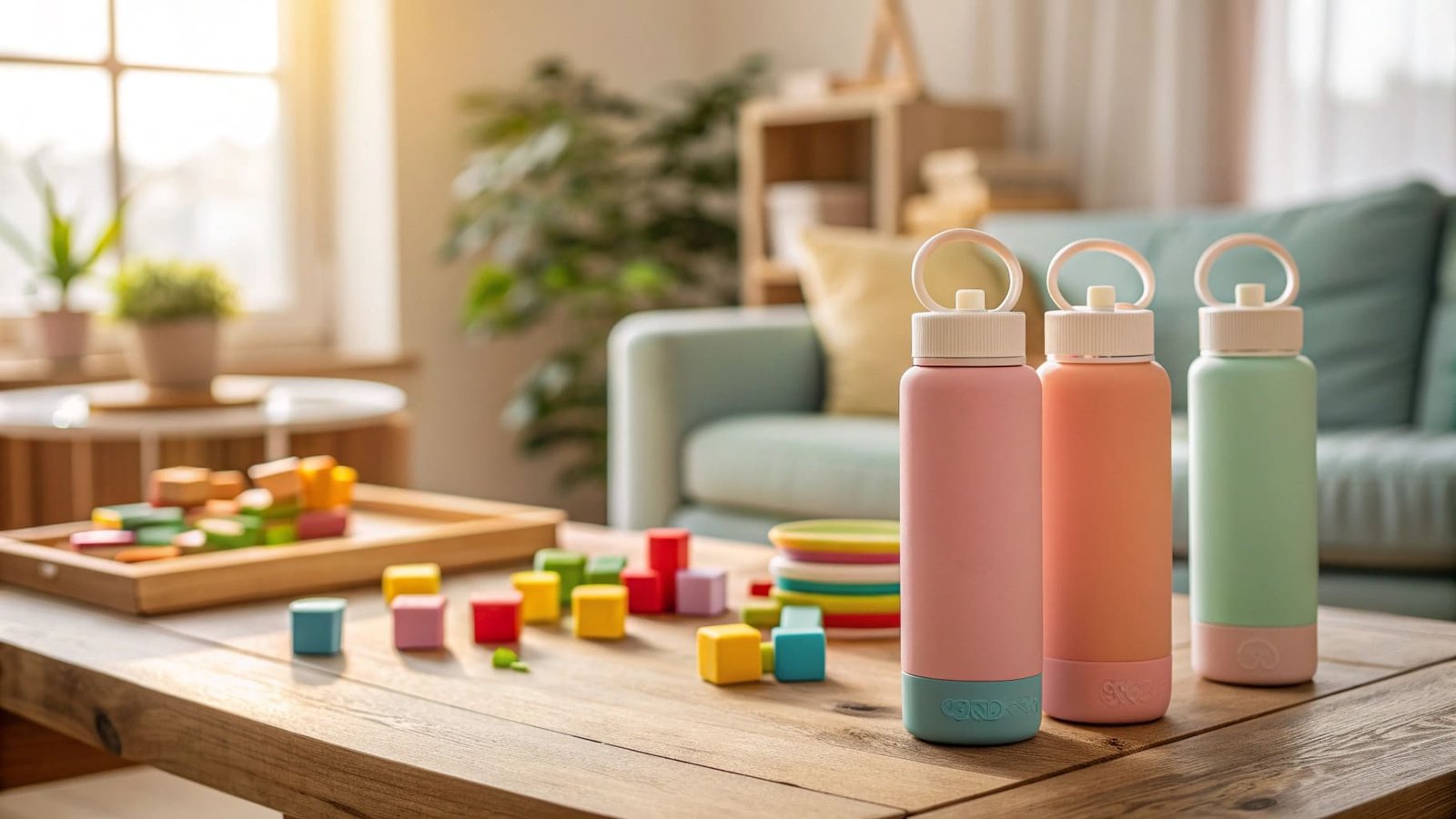
Retail-ready packaging means your products can go directly from the shipping box to the store shelf. This eliminates extra handling steps that cost retailers time and money. Retailers prefer suppliers who understand this requirement.
You have two packaging options for silicone boots. First, you can pre-fit the boots on tumblers before packaging. This option works well for complete tumbler sets. The customer sees the finished product immediately. But this method increases packaging size and shipping costs.
Second, you can package boots separately with clear installation instructions6. This option reduces shipping costs and allows customers to choose their boot colors. But you must provide simple installation guides that anyone can follow without technical knowledge.
I recommend including three elements in your packaging design. First, add high-quality product photos that show the boot installed on a tumbler. Second, list the key benefits like grip enhancement and thermal protection in bullet points. Third, include a QR code that links to installation videos on your website.
The packaging material itself matters too. I use recyclable materials whenever possible because retail buyers increasingly care about environmental impact. One major retailer in the US now requires all suppliers to use at least 50% recycled packaging materials.
You should also consider seasonal packaging variations. I create special packaging designs for holidays and peak sales seasons. This helps my retail buyers attract more attention during their most important selling periods.
Color consistency in packaging photography is critical. The boot color in the package must match the actual product exactly. I once had a buyer return an entire shipment because the real product color was slightly different from the package photo.
What supplier capabilities should I verify before placing orders?
Three years ago, I lost a major order because I trusted a new supplier without proper verification. They promised perfect quality and fast delivery. But their production facility could not handle my order volume. I learned this lesson the expensive way.
You must visit the supplier facility or conduct a detailed virtual audit. Look at their production equipment and quality control systems. Ask them to show you their testing procedures and inspection records from previous orders.
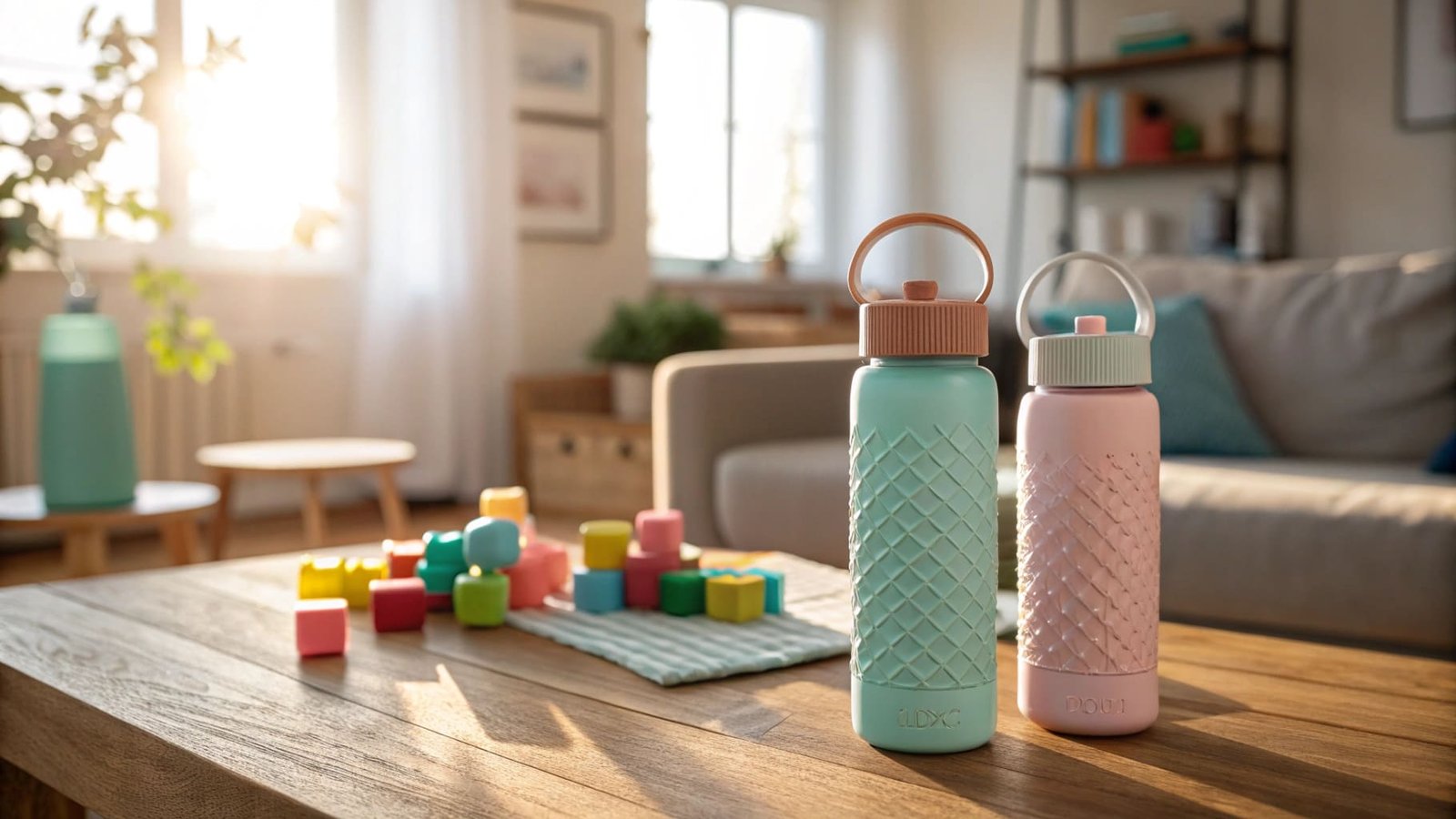
Production consistency matters more than one-time perfect samples. You should request samples from at least three different production batches. Test each sample for color consistency, dimensional accuracy, and material hardness. Variations between batches indicate poor quality control.
I use a durometer tester to check silicone hardness. The hardness should stay within 5 Shore A points across all batches. Larger variations mean the supplier cannot control their material mixing process properly. This will cause problems when customers use your products.
Dimensional accuracy affects how well boots fit on tumblers. I measure the inner diameter, outer diameter, and height of each sample. These measurements should not vary more than 0.5mm between batches. Bigger variations mean boots will fit too loose or too tight.
The supplier should provide detailed material test reports for each production batch. These reports must come from independent testing labs, not the supplier's internal lab. I always verify the lab's accreditation before accepting their reports.
MOQ flexibility matters for retail test launches. You might need small quantities to test market response before committing to large orders. Good suppliers understand this need and offer reasonable MOQs for first-time buyers.
Customization capabilities separate basic suppliers from strategic partners. You need suppliers who can create custom colors, add embossing, or handle private labeling. These options help differentiate your product line from competitors.
| Verification Checkpoint | What to Check | Red Flags to Avoid | My Standard |
|---|---|---|---|
| Production Equipment | Machine age and capacity | Equipment older than 10 years | Modern injection molding machines |
| Quality Control | Testing frequency and methods | No documented inspection process | 100% visual inspection + random testing |
| Batch Consistency | Sample variations | Hardness variation over 5 Shore A | Maximum 3 Shore A variation |
| Lead Times | Production and shipping schedule | Vague delivery estimates | Written timeline with penalty clauses |
Communication responsiveness tells you about supplier reliability. I test this by asking technical questions before placing orders. If they cannot answer basic questions about silicone properties or production processes, they lack the expertise you need.
Is drinking water in a silicone bottle safe?
Your retail customers will ask this question repeatedly. They worry about chemical leaching7 and material safety. You must provide clear, confident answers backed by scientific evidence.
Food-grade silicone is completely safe for beverage contact when properly manufactured. It does not leach chemicals into water even at high temperatures. This is why medical devices and baby products use silicone extensively.
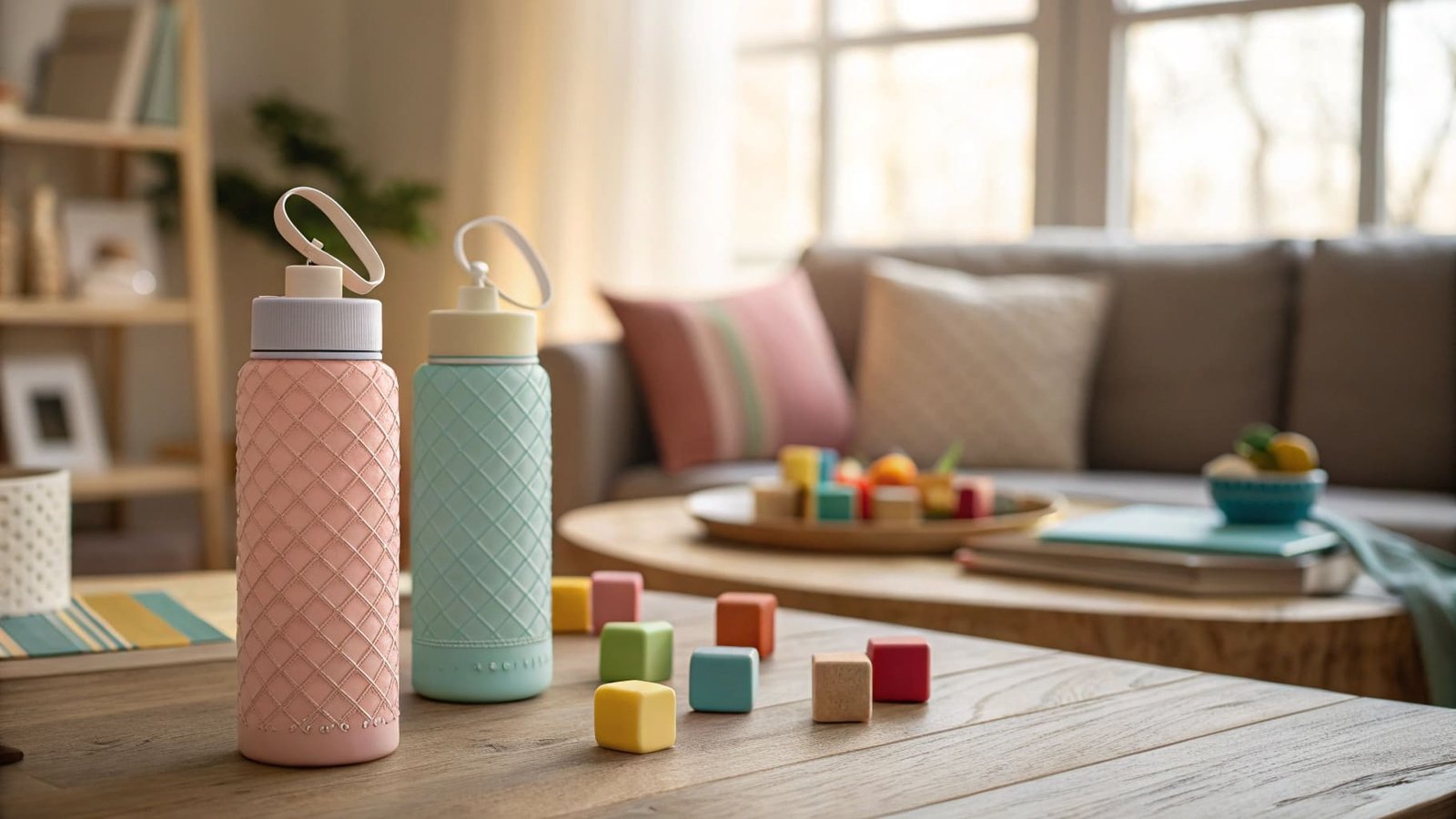
The safety depends entirely on using certified food-grade silicone material. Cheap silicone alternatives may contain fillers or additives that can leach into beverages. This is why material certification matters so much for retail sales.
I manufacture silicone tumbler boots using platinum-cured silicone8. This curing method creates the safest and most stable silicone products. Platinum-cured silicone meets the strictest safety standards in medical and food applications.
Some suppliers use peroxide-cured silicone because it costs less. But peroxide-cured silicone has a stronger odor and lower heat resistance. More importantly, it does not meet the same safety standards as platinum-cured silicone for food contact.
Your customers might ask about BPA and phthalates. Food-grade silicone contains neither of these harmful chemicals. This makes silicone boots much safer than plastic alternatives for tumbler protection.
Temperature stability is another safety factor. Silicone boots maintain their properties from -40°F to 450°F. They will not release chemicals when exposed to hot beverages or cold ice drinks. This temperature range covers all normal beverage applications.
You should educate your retail buyers about proper silicone care. While silicone is dishwasher safe, I recommend hand washing to extend product life. This simple care instruction helps prevent customer complaints and returns.
The safety question also relates to long-term durability. Cheap silicone degrades quickly and may crack or tear. When silicone degrades, it can harbor bacteria or develop rough edges. Quality silicone boots from certified suppliers maintain their integrity for years of regular use.
I provide a simple test for retail buyers to verify silicone quality. Stretch the boot and check if it returns to its original shape immediately. Poor quality silicone stays stretched or tears easily. This simple test helps buyers identify inferior products quickly.
Supply chain resilience protects your retail commitments from unexpected disruptions. I learned this during the pandemic when many single-source buyers faced empty shelves. You need backup suppliers and transparent communication about potential delays.
I maintain relationships with two qualified suppliers for critical components. This dual-sourcing strategy costs slightly more but prevents catastrophic stockouts. When one supplier faces production issues, I can shift orders to the backup supplier immediately.
Lead time transparency matters more than short lead times. I prefer suppliers who give realistic timelines over those who promise impossible delivery dates. Missed deadlines damage your retail relationships and cost you sales during peak seasons.
You should build buffer inventory for your top-selling products. I keep 30-45 days of safety stock for items with steady retail demand. This buffer protects against supplier delays and unexpected demand spikes during promotional events.
Seasonal demand patterns affect sourcing strategy. Tumbler sales peak during summer and holiday seasons. I increase orders 90 days before these periods to ensure adequate stock levels. Early planning prevents the premium costs of rush production and air freight.
Conclusion
Successful sourcing requires certified materials, retail-ready packaging, verified supplier capabilities, and resilient supply chains. These practices transform one-time orders into long-term retail success.
-
Learn about essential material certifications to ensure your silicone products meet safety standards. ↩
-
Discover effective methods to verify suppliers and ensure consistent product quality. ↩
-
Explore this link to discover top-rated silicone boots that ensure a perfect fit for your tumblers. ↩
-
Understand the importance of FDA-approved silicone for safe beverage contact in your products. ↩
-
Discover why BPA-free certification is crucial for consumer safety in silicone products. ↩
-
Learn best practices for creating clear installation instructions that enhance customer experience. ↩
-
Understand the risks of chemical leaching and how to ensure your silicone products are safe. ↩
-
Find out why platinum-cured silicone is considered the safest option for food contact applications. ↩