Why Are Food & Beverage Seals Critical for Meeting Export Compliance Standards?
I learned this the hard way last year. A Canadian buyer rejected our entire shipment because one certificate was missing. The container sat at the port for three weeks. We lost money and trust.
Food and beverage seals must meet strict FDA and EU regulations1. Without proper certification, your products cannot enter major markets. The right sealing components protect both food safety and your business reputation.
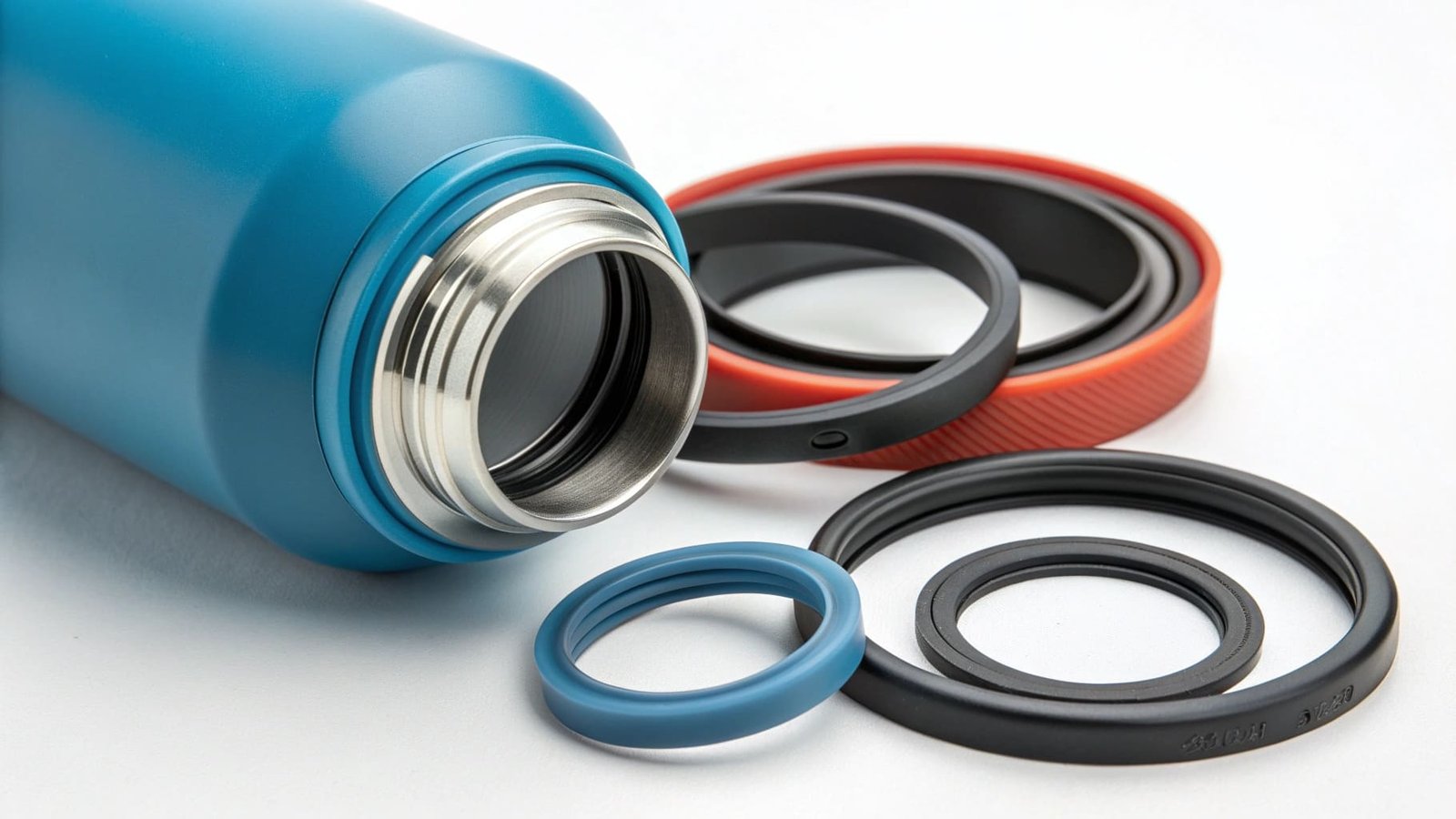
I remember when Mark first contacted me. He needed silicone gaskets2 for beverage containers. He asked me three questions. These questions changed how I approach every customer conversation. Let me share what I learned from working with buyers like Mark over the past eight years.
What Gasket is Used in the Food Industry?
You open a supplier's catalog and see fifty types of gaskets. Your deadline is next week. You have no idea which one meets FDA standards. This confusion costs importers thousands of dollars every month.
The food industry uses FDA-approved silicone gaskets that comply with Title 21 CFR 177.2600. These gaskets are made from platinum-cured silicone3. They resist temperatures from -60°F to 450°F without releasing harmful chemicals into food or beverages.
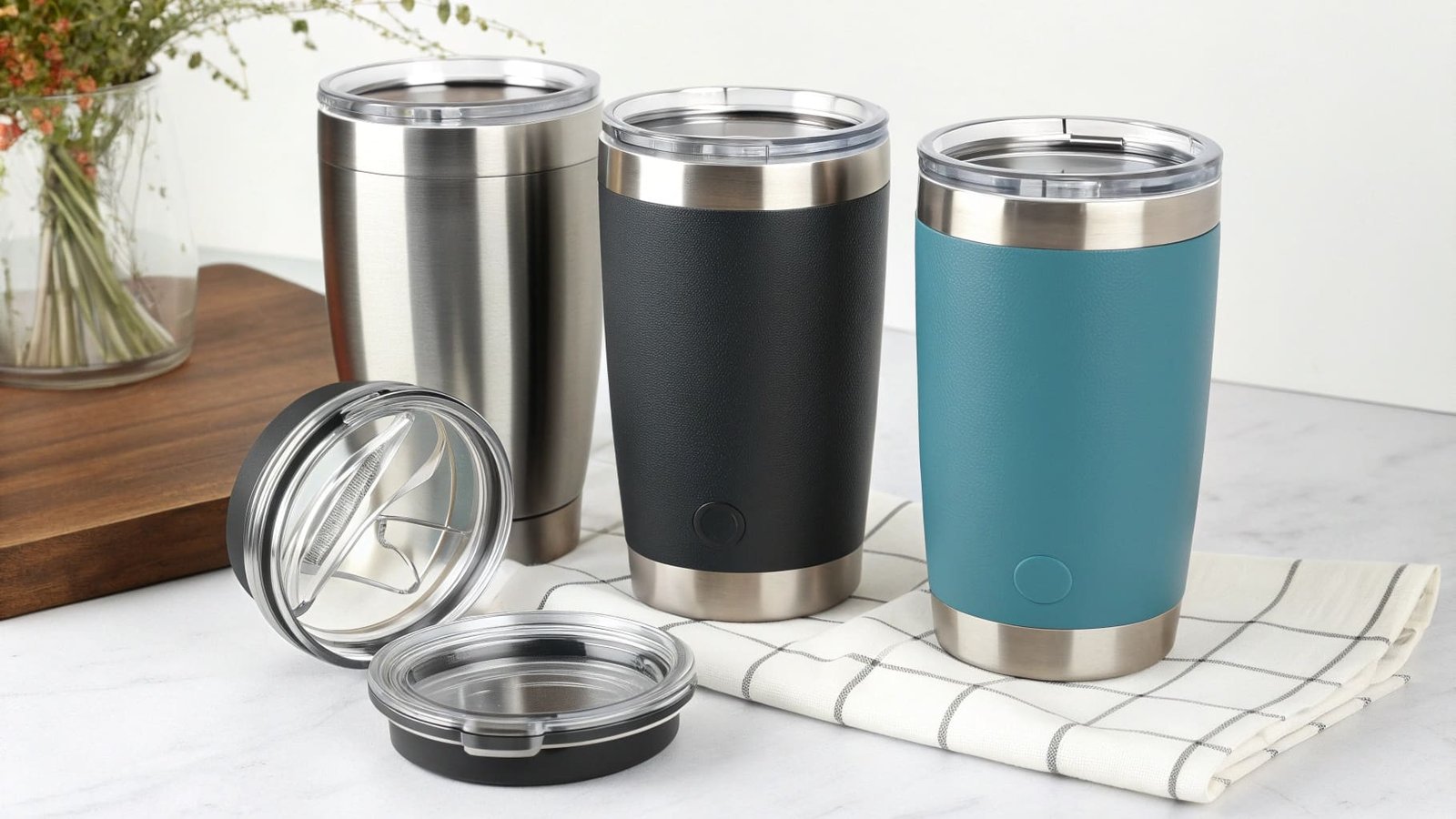
I visited a factory in Guangdong three years ago. The owner showed me two silicone gaskets. They looked identical. One was platinum-cured, the other peroxide-cured. The peroxide-cured version cost 30% less. But I could not sell it to North American buyers. Here is what makes the difference:
| Gasket Type | Curing Method | FDA Compliance | Temperature Range | Migration Risk |
|---|---|---|---|---|
| Platinum-Cured Silicone | Platinum catalyst | Yes (CFR 177.2600) | -60°F to 450°F | Very Low |
| Peroxide-Cured Silicone | Peroxide catalyst | Limited approval | -40°F to 400°F | Moderate |
| EPDM Rubber | Sulfur vulcanization | Select grades only | -40°F to 300°F | High |
| Viton (FKM) | Peroxide/bisphenol | Not food-grade | 0°F to 400°F | Very High |
The material itself is not enough. You need batch-specific test reports. Each batch must show volatile organic compound levels below 0.5%. Heavy metal content must meet strict limits. I keep these reports in a digital library now. When buyers ask for documentation, I can send it within one hour. This speed wins contracts.
Do Importers of Food Not Have to Verify That the Imported Food Meets US Safety Standards?
A buyer once told me his supplier handles all compliance work. Six months later, his shipment was detained at Los Angeles port. The FDA found undocumented materials. He thought importers just receive products and sell them. He was wrong.
US importers must verify that imported food contact materials meet FDA safety standards. The Food Safety Modernization Act requires Foreign Supplier Verification Programs. Importers are responsible for confirming supplier compliance through audits, testing, and documentation review.
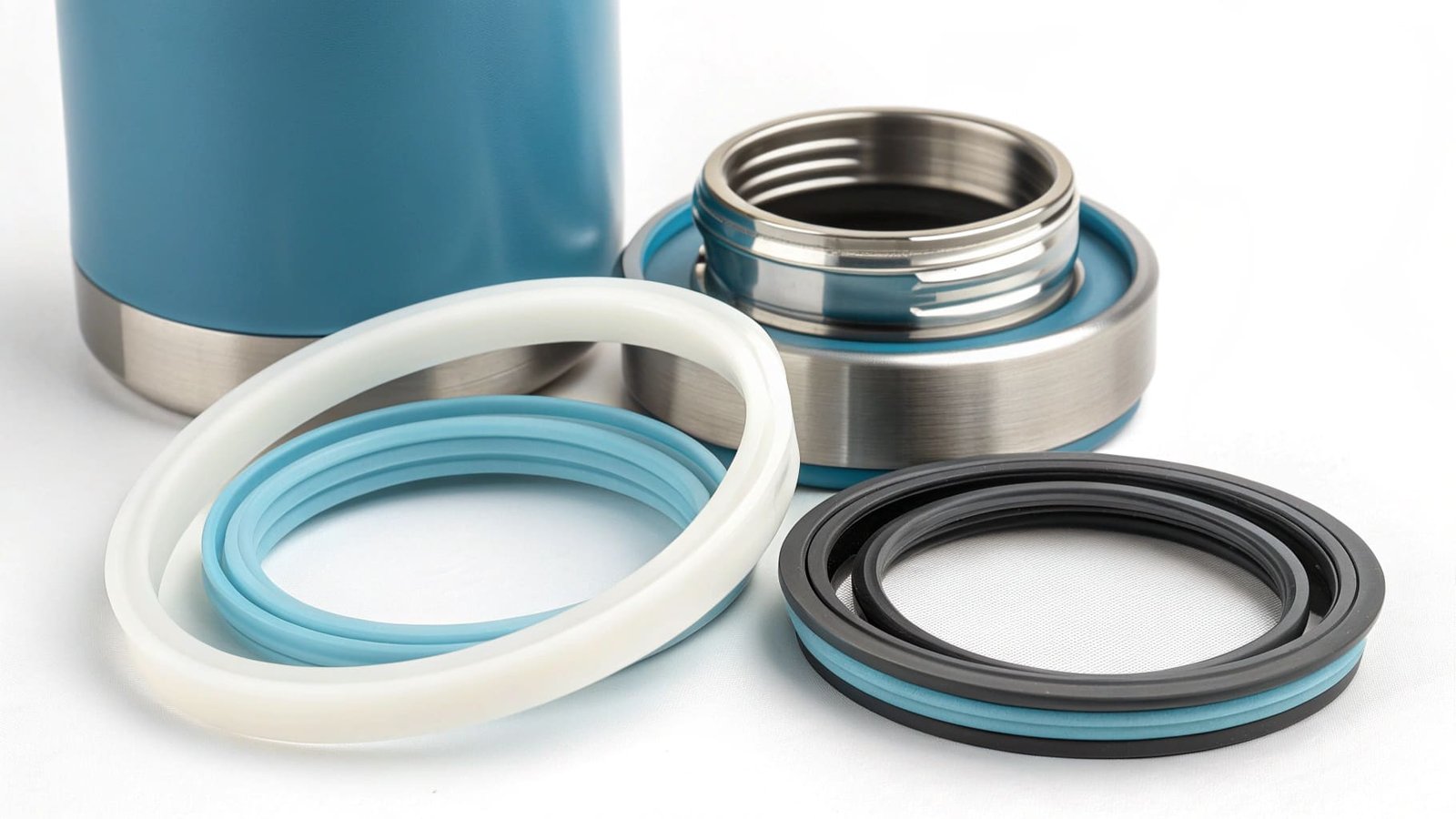
Mark teaches me about this responsibility every time we talk. He owns the verification process. He does not trust supplier claims without proof. I respect this approach. It protects his business and his customers. Let me break down what FSMA actually requires:
| Verification Requirement | Importer Action | Supplier Documentation | Frequency |
|---|---|---|---|
| Hazard Analysis | Review supplier HACCP plans | Process flow diagrams, risk assessments | Annual review |
| Material Verification | Confirm FDA compliance | Material certificates, migration test reports | Per batch |
| Supplier Approval | Conduct or review audits | ISO certifications, inspection reports | Every 1-3 years |
| Corrective Actions | Document and track issues | Non-conformance reports, remediation plans | As needed |
I learned something important from working with North American buyers. They want pre-shipment verification. They do not want to discover problems after customs clearance. This is why I now send material certificates before production starts. I send batch test reports before shipment. I provide Declaration of Compliance documents with commercial invoices. This practice reduces rejection rates to nearly zero.
The European market adds another layer. EU Regulation 1935/2004 demands traceability. Every component must have a paper trail from raw material to finished product. Buyers need Declaration of Compliance in their language. German buyers want it in German. French buyers want French versions. I hire translators for this work. The cost is small compared to rejected shipments.
What is the Difference Between a Gasket and a Seal?
I confused these terms when I started in 2016. A buyer asked for seals. I quoted gaskets. He canceled the order. I did not understand why they were different. This mistake taught me to be precise with technical vocabulary.
Gaskets are static sealing components placed between two stationary surfaces. Seals are dynamic components used in moving parts like rotating shafts or sliding pistons. Gaskets prevent leakage in fixed joints. Seals manage pressure and motion in mechanical systems.
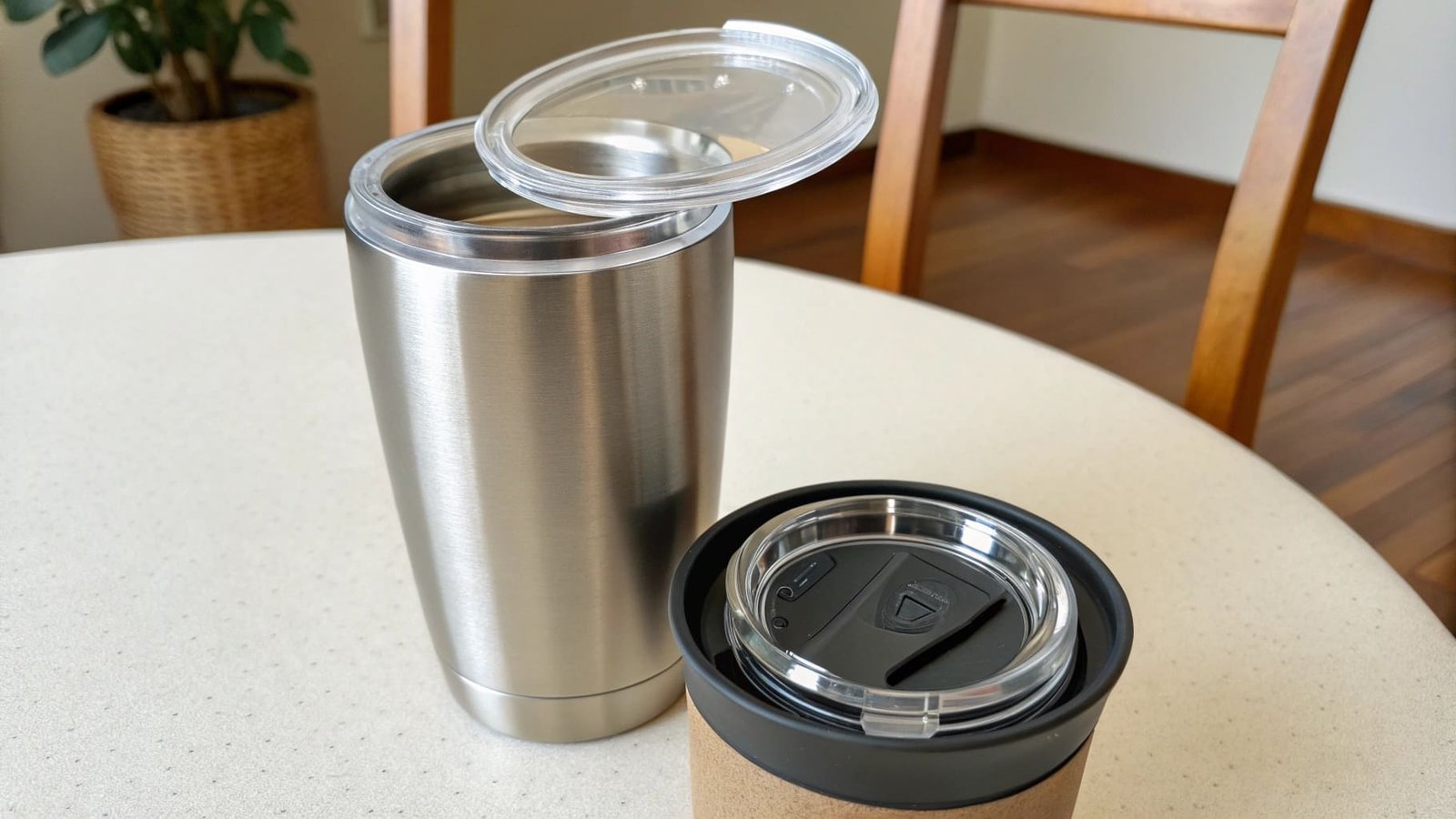
The confusion happens because both components prevent leakage. But they work in completely different environments. I created this comparison after losing that order in 2016. It helps my sales team explain the difference to new buyers:
| Feature | Gasket | Seal |
|---|---|---|
| Application Type | Static (non-moving parts) | Dynamic (moving parts) |
| Typical Location | Flange joints, lid connections, container bases | Pump shafts, valve stems, rotating equipment |
| Material Compression | High compression, fills surface irregularities | Low compression, maintains contact during motion |
| Replacement Frequency | 1-3 years depending on use | 6-12 months in industrial settings |
| Testing Standards | ASTM F36, leak rate measurements | ASTM D4054, friction and wear testing |
I work mainly with gaskets at silijoy. Our tumbler boots include bottom gaskets. Our lid replacements use gasket seals. These are static applications. The gasket sits between the lid and the container rim. It does not move. It compresses once during assembly. Then it maintains pressure for months or years.
Mark once needed both gaskets and seals for a production line. He ordered tumbler gaskets from me. He ordered pump seals from a mechanical seal specialist. This is the right approach. Different components need different expertise. I respect the boundaries of my knowledge. When customers ask about dynamic seals for machinery, I refer them to qualified suppliers.
The material choice differs between gaskets and seals. Gaskets can use softer materials because they compress once. Seals need harder durometer ratings. They must resist abrasion from constant motion. A 40-durometer silicone gasket works well for container lids. A 70-durometer seal might be needed for rotating equipment. This is why material selection4 requires understanding the application environment.
Conclusion
Food and beverage seals are not just rubber parts. They are compliance documents, safety guarantees, and business insurance. Choose suppliers who understand verification requirements and provide complete documentation every time.
-
Understanding these regulations is crucial for compliance and successful market entry. ↩
-
Explore the benefits and applications of silicone gaskets in ensuring food safety. ↩
-
Learn about the advantages of platinum-cured silicone in food applications. ↩
-
Discover the factors to consider for optimal performance in applications. ↩