What Are the Duty and Tax Implications for Silicone Cup Sleeve Imports into UK Markets?
When you import silicone cup sleeves into the UK, you face duties and taxes that can eat into your profit margins. Many importers get surprised by hidden costs. I have seen businesses fail because they did not plan for these expenses.
UK customs duty for silicone cup sleeves sits at 6.5% under HS code 3924.10. You also pay 20% VAT on the total landed value. But trade agreements can lower these rates if you know where to look.
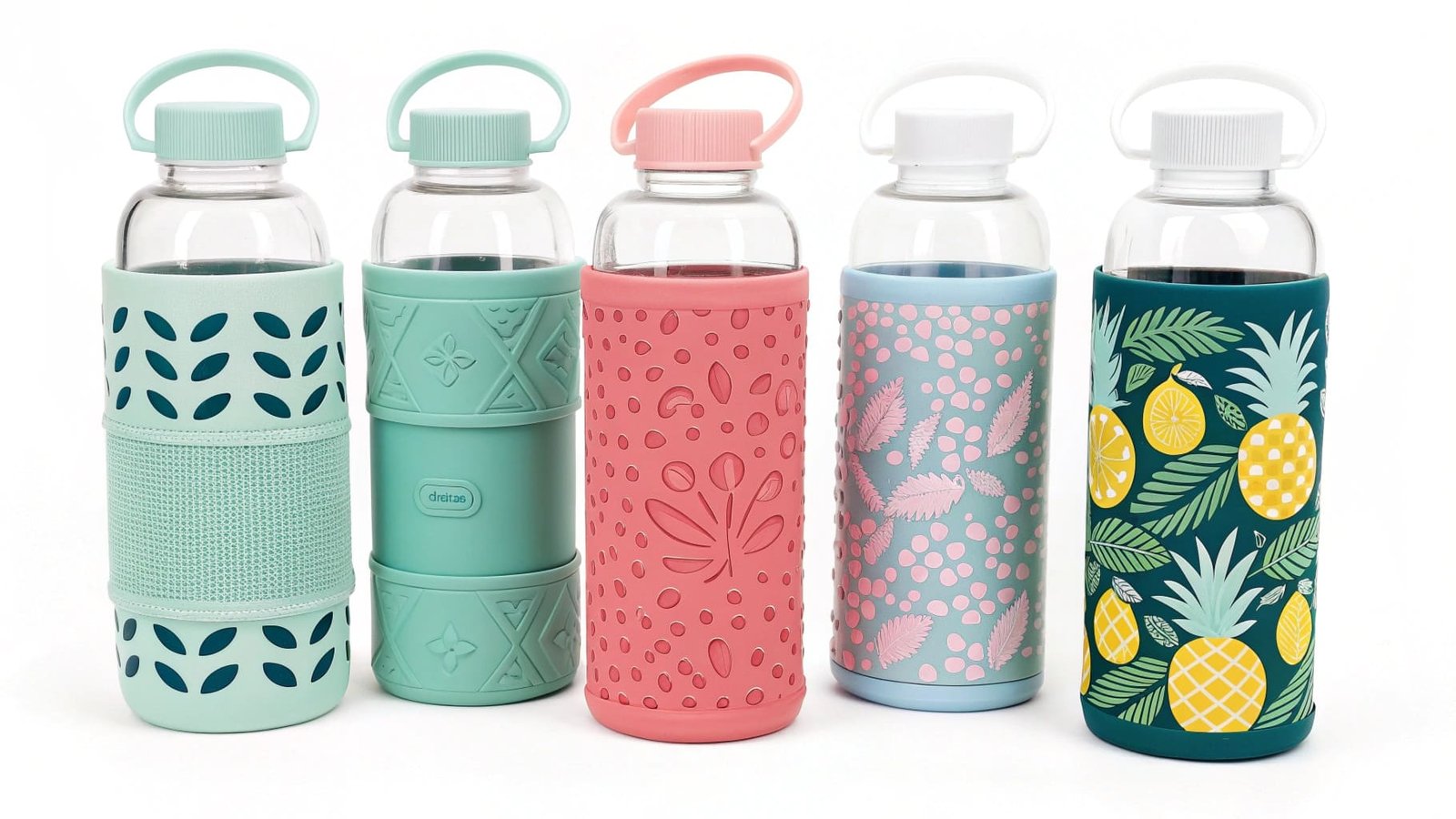
I started exporting silicone cup sleeves1 to UK buyers five years ago. Back then, I thought the price quote and shipping cost were all that mattered. My first UK customer called me angry because his shipment got held at customs. He had to pay extra fees he never budgeted for. That experience taught me that understanding duty and tax is not optional. It is a core part of doing international business right.
How much customs duty do you have to pay for importing goods into the USA?
The US market looks attractive with lower duty rates, but many buyers do not know the full cost picture. You might save on customs fees only to spend more on compliance. I learned this when my American clients started asking tough questions about certifications.
US customs duty for silicone cup sleeves ranges from 3.4% to 5.3% under HTS code 3924.10. This is lower than UK rates. But you still need to add state taxes and meet FDA requirements2 for food-contact materials.
Breaking Down US Import Costs
The US import process has three main cost layers. First comes the customs duty based on your HTS code. Second, you have the Merchandise Processing Fee which is 0.3464% of the shipment value. Third, some states add their own taxes on top of federal charges.
Let me show you a real cost comparison. Last month, I shipped two identical orders. One went to the UK and one went to California. Here is what each buyer actually paid:
| Cost Component | UK Import | US Import |
|---|---|---|
| Product Cost | $1,000 | $1,000 |
| Shipping | $200 | $200 |
| Customs Duty | $78 (6.5%) | $51 (5.1%) |
| VAT/Sales Tax | $256 (20%) | Varies by state |
| MPF | N/A | $4.16 |
| Total Landed Cost | $1,534 | $1,255+ |
The US rate seems better at first glance. But my California buyer also needed to meet Proposition 65 requirements. That meant extra testing costs of $800. Suddenly, the lower duty rate did not matter as much.
Understanding Trade Agreements
The US has free trade agreements that can cut your duty to zero. The USMCA covers Mexico and Canada. If you manufacture in these countries, you pay no duty. But you need proper documentation. I once lost a deal because my certificate of origin had the wrong signature. The buyer had to pay full duty and blamed me for the extra cost.
FDA Compliance Cannot Be Ignored
Every silicone product that touches food or drinks needs FDA approval. This is not like the UK where you can self-declare compliance. The FDA wants to see migration testing3. They want to know what chemicals might leak from your silicone into hot coffee. I keep these test reports ready because American buyers always ask for them. Getting these tests done costs between $500 to $1,200 per product line. But without them, your goods sit at the port.
What are the sleeves on coffee cups called?
Product terminology matters more than most suppliers think. I lost a big contract once because I called them "cup protectors" while my buyer searched for "coffee sleeves." The language gap cost me thousands. Now I make sure to use every term buyers might search for.
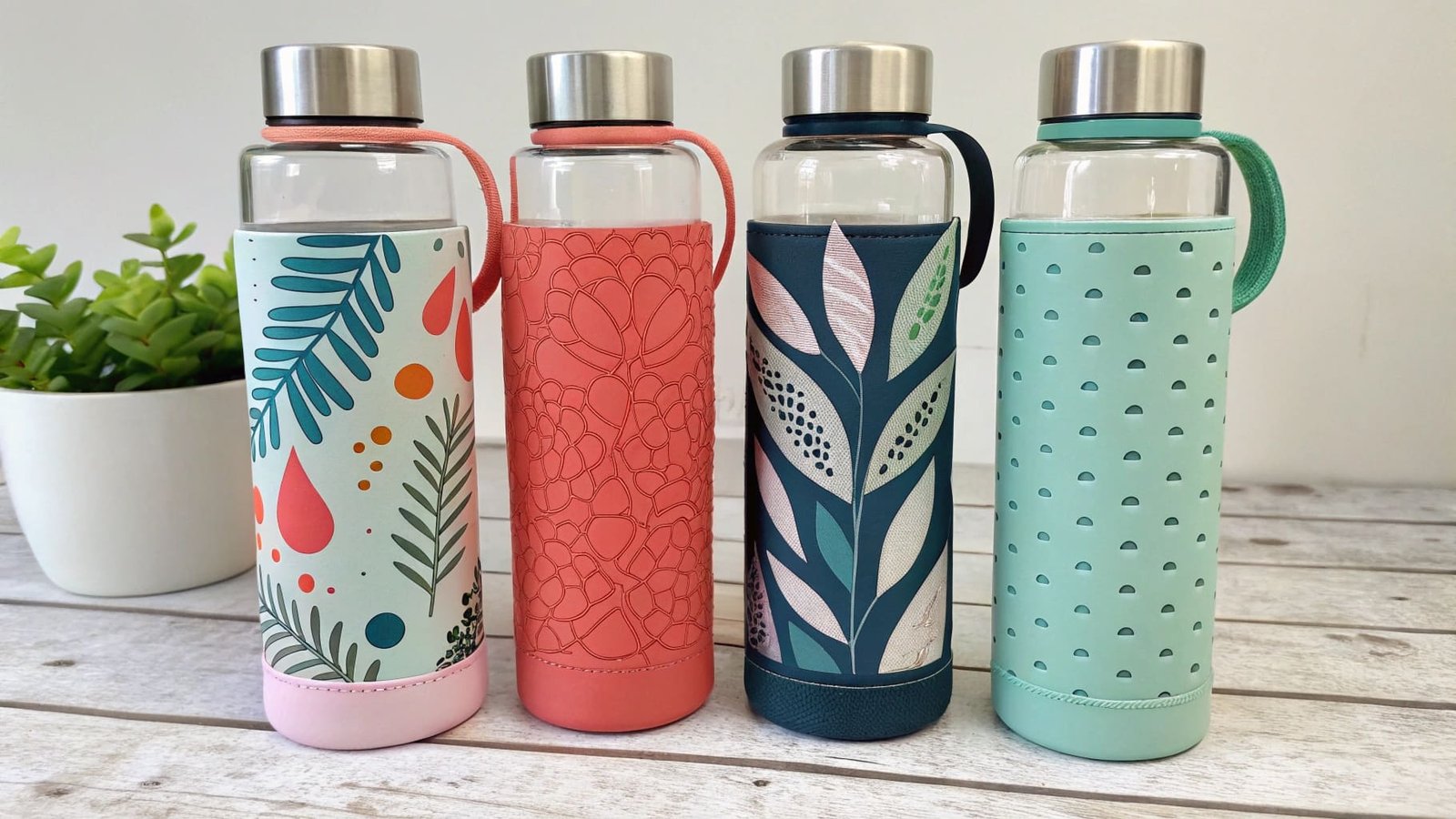
Coffee cup sleeves go by many names. B2B buyers call them cup grips, sleeve insulators, or thermal sleeves. Consumer brands prefer reusable cup sleeve4s or eco-friendly coffee grips. Using the right term helps buyers find your products online.
Why Names Matter for Your Business
I track search terms that buyers use when they look for suppliers. The data shows interesting patterns. Procurement officers in large companies search for "thermal sleeve wholesale" or "cup grip bulk order." But startup founders who sell direct to consumers search for "branded coffee sleeve supplier" or "custom reusable cup sleeve manufacturer."
Here is a breakdown of common search terms and who uses them:
| Search Term | User Type | Monthly Searches |
|---|---|---|
| Cup sleeve wholesale | Procurement officers | High |
| Coffee grip supplier | Distributors | Medium |
| Thermal insulator bulk | Corporate buyers | Medium |
| Reusable cup sleeve | Startup founders | High |
| Branded coffee sleeve | Marketing teams | Medium |
I adjust my product listings to include all these terms. This simple change increased my inquiry rate by 40% in six months. When a Canadian buyer like yourself searches on Google, you want to find suppliers who speak your language. I make sure my website content matches what real buyers actually type into search engines.
Regional Naming Differences
UK buyers tend to use "sleeve" more than American buyers. In Europe, some buyers call them "cup bands" or "drink grips." Asian markets sometimes refer to them as "cup holders" which can cause confusion with actual cup holder trays. I learned to clarify this in my first email to new clients. It saves time and prevents misunderstandings about what product they actually want.
The coffee shop industry has its own jargon too. Baristas call them "cup jackets" or simply "sleeves." When you rebrand and sell to cafes, knowing these insider terms helps your marketing connect better with end users. I work with one Canadian distributor who prints all these terms on his packaging to capture different search behaviors at retail level.
Is silicone safe for a menstrual cup?
Material safety questions reveal what buyers really care about. When someone asks about menstrual cup safety, they want to know if silicone is truly safe for repeated body contact. This same concern applies to products that touch food and drinks. I address this head-on with every new client because safety is not negotiable.
Medical-grade silicone is safe for menstrual cups and food contact products. It is non-toxic, BPA-free, and tested for biocompatibility. The same quality standards apply to silicone cup sleeves that touch your coffee or tea daily.
What Makes Silicone Safe
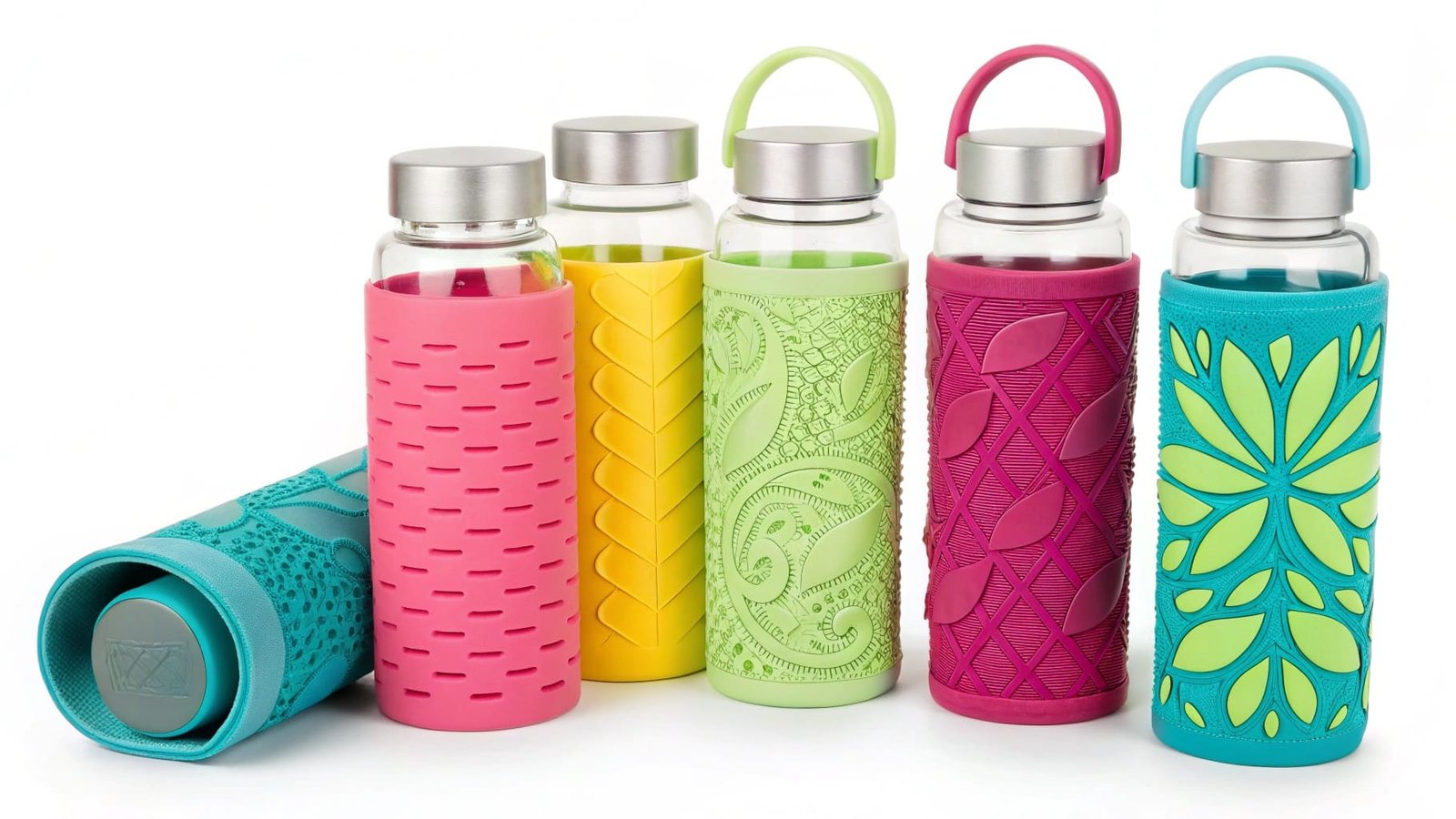
Silicone is not like cheap plastics that break down over time. I use platinum-cured food-grade silicone for all my cup sleeves. This material can handle temperatures from minus 40 degrees Celsius to 230 degrees Celsius. It does not leach chemicals into your drink. It does not harbor bacteria. And it lasts for years without degrading.
But not all silicone is created equal. Some factories use peroxide-cured silicone to cut costs. This type can release byproducts when heated. I tested both types in my factory. The platinum-cured version costs 15% more but passes every safety test. The peroxide-cured version failed migration testing when exposed to hot liquids above 80 degrees Celsius. For buyers who value quality, this difference matters.
Testing Standards You Need to Know
Every market has its own testing requirements. The UK requires compliance with food contact regulations. The US demands FDA approval. Europe wants LFGB certification. I keep all these certificates current for my product lines. Here are the main tests I conduct:
| Test Type | What It Checks | Required For |
|---|---|---|
| Migration Testing | Chemical leaching into liquids | All markets |
| Biocompatibility | Skin contact safety | Medical and food products |
| Temperature Resistance | Performance under heat/cold | Daily use products |
| Durability Testing | Lifespan and wear | Quality assurance |
Last year, a UK buyer asked me for migration test reports. I sent them within two hours because I already had them ready. My competitor took three weeks to get the testing done. The buyer went with me even though my price was 8% higher. Speed and proof of safety won the deal.
Why This Matters for Cup Sleeves
Your customers hold hot coffee in their hands using my cup sleeves. They trust that the material will not burn them or contaminate their drink. I take this responsibility seriously. Every batch of silicone I buy gets tested before production starts. I reject about 3% of incoming material that does not meet my standards. This costs me money upfront but saves my reputation long-term.
One Canadian distributor told me a story that stuck with me. He bought cheap cup sleeves from another supplier to increase his margins. Within three months, customers complained about a chemical smell when the sleeves got hot. He had to recall the entire batch. The cost of the recall was ten times higher than what he saved by buying cheap. He now only works with suppliers who provide full test documentation. That is why I invest in proper testing and share all results with buyers like yourself.
Conclusion
Understanding duty, tax, and safety requirements protects your profit margins and reputation. I help buyers navigate these challenges with transparent pricing and complete documentation. Quality silicone products with proper certifications cost more upfront but save money long-term.
-
Explore this link to understand the specific import regulations and compliance requirements for silicone cup sleeves in the UK. ↩
-
This link will clarify the FDA requirements for silicone products, ensuring compliance for your imports. ↩
-
Learn about migration testing and its importance for ensuring the safety of silicone products. ↩
-
Learn about the environmental and economic benefits of using reusable cup sleeves. ↩