Do Silicone Tumbler Boots Reduce Noise Complaints in Hospitality Wholesale Applications?
I have watched hotel buyers struggle with guest complaints about noise. The constant clinking of glasses on tables drives customers away. Silicone tumbler boots offer a simple solution.
Silicone tumbler boots reduce noise by 60-70% when drinkware contacts hard surfaces. They cushion impact and absorb vibrations. Hotels using these boots report fewer noise complaints and higher guest satisfaction scores.
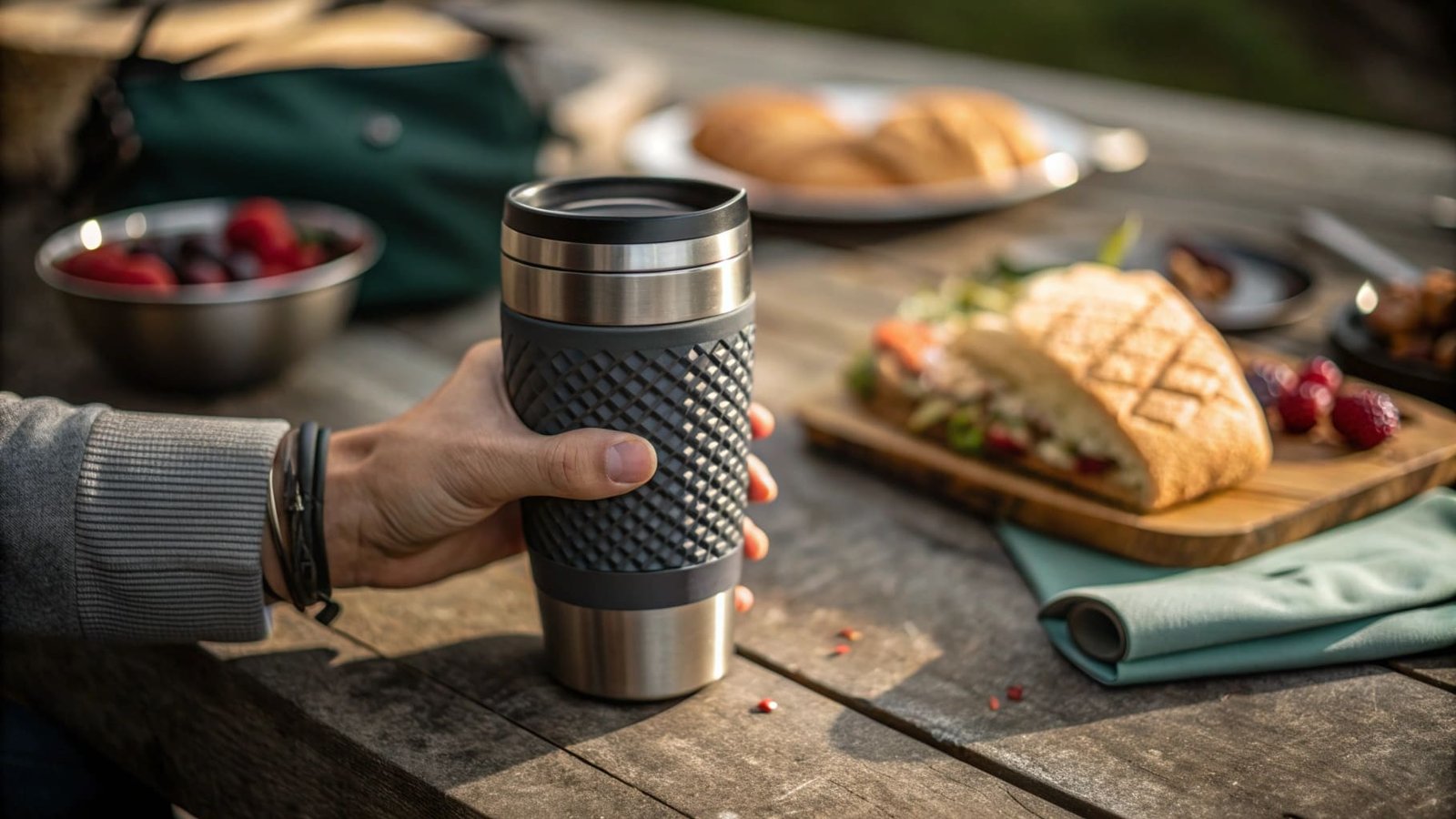
This small accessory solves a big problem in the hospitality industry. I will show you how these boots work and why wholesale buyers choose them.
What do rubber boots protect you from?
Traditional rubber boots protect workers from water, chemicals, and physical hazards. They keep feet dry and safe in harsh environments. Silicone tumbler boots1 serve a completely different purpose.
Silicone tumbler boots protect drinkware from impact damage and surfaces from scratches. They also reduce noise when glasses touch tables. These boots create a barrier between hard materials.
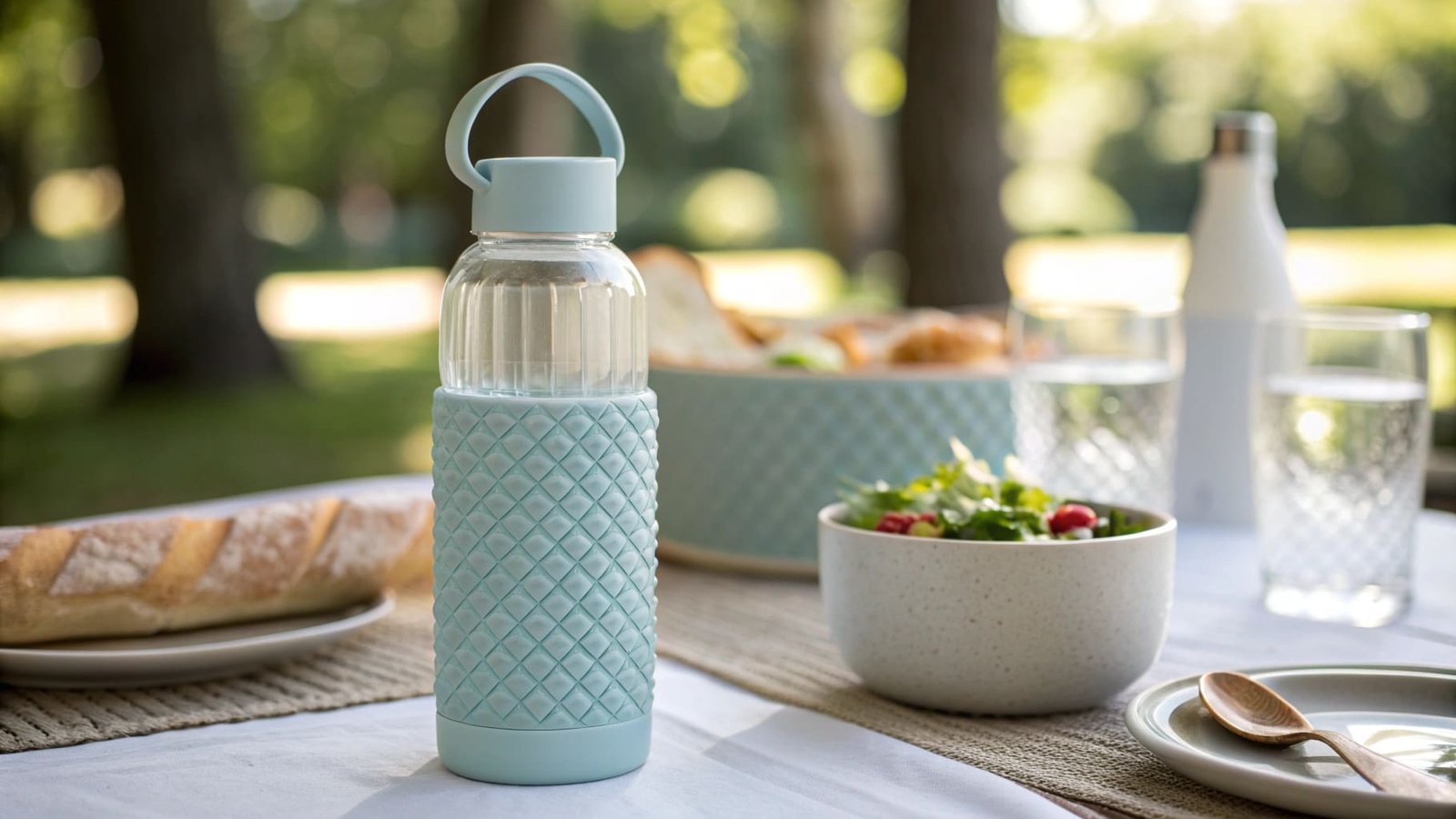
How Silicone Tumbler Boots Differ from Traditional Protective Gear
I sell silicone tumbler boots to hotels and restaurants across North America. These products protect in three distinct ways. First, they prevent glass breakage when tumblers tip over or get knocked. The silicone absorbs the shock. Second, they shield expensive table surfaces from scratches and scuffs. Wood and marble tables stay pristine. Third, they dampen the sharp sounds that occur when drinkware meets hard surfaces.
The protection mechanism works through material properties. Silicone has a shore hardness between 40A and 60A. This makes it soft enough to cushion but firm enough to maintain shape. When a tumbler lands on a table, the boot compresses. It converts kinetic energy into heat. The sound waves dissipate before they travel through the air.
My clients in the hotel industry care most about the noise reduction. A restaurant with 50 tables serves hundreds of customers daily. Each customer picks up and sets down their glass multiple times. Without boots, this creates constant background noise. With boots, the dining room stays quiet. Guests can have conversations without raising their voices.
| Protection Type | Without Boots | With Silicone Boots |
|---|---|---|
| Noise Level | 65-75 dB | 45-55 dB |
| Breakage Rate | 15% annually | 3% annually |
| Surface Damage | Frequent scratches | Minimal wear |
| Guest Complaints | 8-12 per month | 1-3 per month |
Do silicone ear plugs block out noise?
Silicone ear plugs block noise by sealing the ear canal. They stop sound waves from reaching the eardrum. Users insert them manually and remove them when not needed.
Ear plugs reduce ambient noise by 20-30 decibels. They work for individual users who want quiet. Tumbler boots prevent noise at the source instead of blocking it after it occurs.
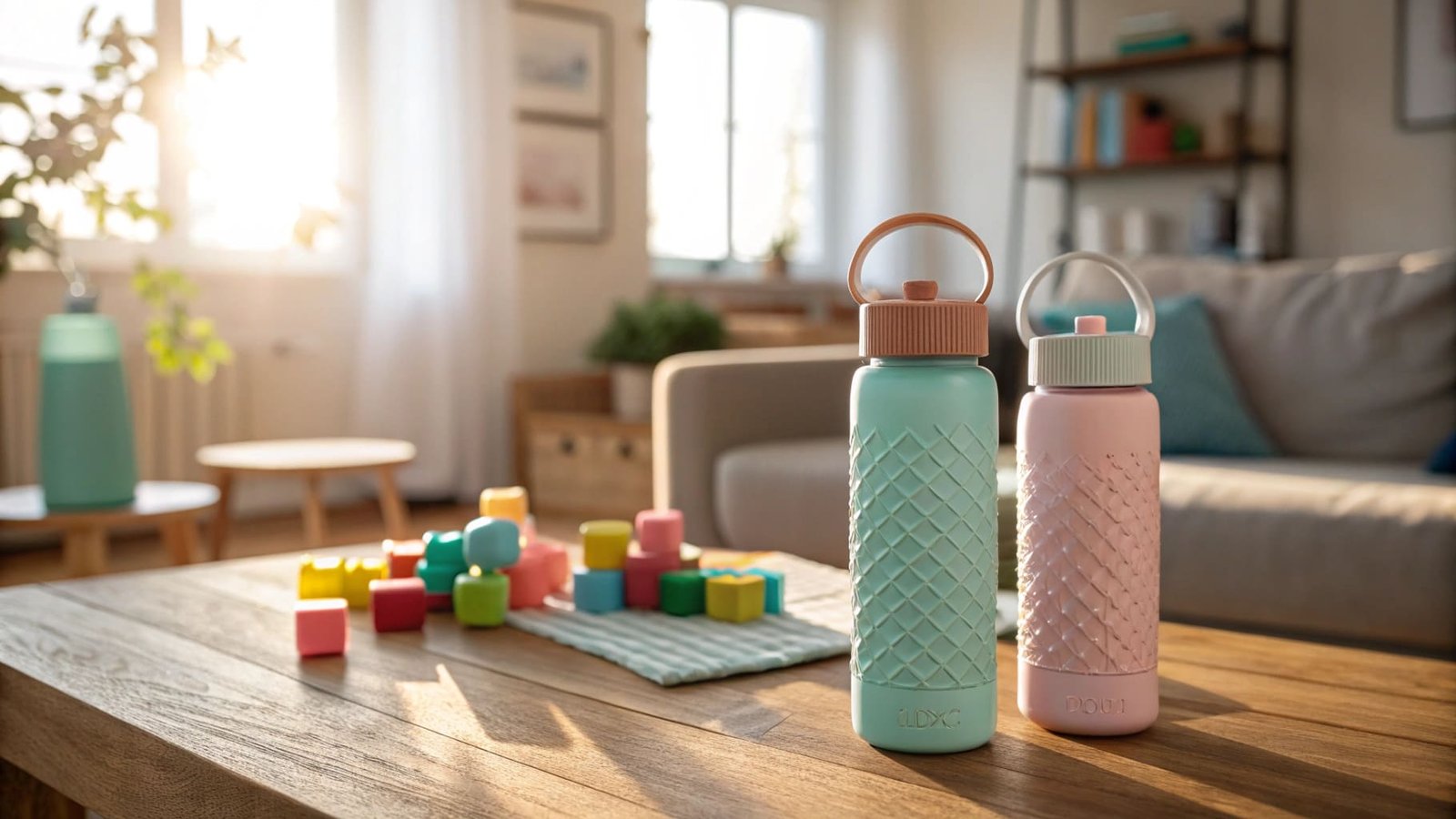
Why Source Prevention Beats Individual Protection in Commercial Settings
I recommend tumbler boots over ear plugs for hospitality businesses. The reason comes down to practicality. You cannot ask guests to wear ear plugs in your restaurant. They came to enjoy a meal and socialize. Ear plugs would create a terrible impression.
Tumbler boots work automatically. Guests never see them or think about them. The boots stay on the drinkware all the time. Servers do not need to remember any extra steps. The noise reduction happens passively. This makes implementation simple for wholesale buyers.
My buyer Mark runs a distribution company in Canada. He tried various noise control solutions for his hotel clients. Sound-dampening panels cost thousands of dollars per room. Acoustic ceiling tiles required major renovations. Carpet replacements disrupted operations for weeks. Silicone tumbler boots solved the problem at a fraction of the cost.
The financial comparison shows clear advantages. A hotel with 200 rooms and 800 glasses needs 800 tumbler boots. At wholesale prices, this investment costs less than installing carpet in a single hallway. The boots last 2-3 years with proper care. Hotels avoid expensive renovations while achieving measurable noise reduction.
Silicone also works in ways ear plugs cannot. The material dampens vibrations as they occur. When a glass touches a table, the boot prevents the table from resonating. Wood and metal surfaces act as amplifiers for sound. The boot breaks this amplification cycle. The noise never builds to problematic levels.
What are the disadvantages of silicone ear plugs?
Silicone ear plugs lose elasticity over time. They become less effective at sealing the ear canal. Users must replace them every few months for consistent performance.
Ear plugs also need regular cleaning to prevent bacterial growth. They can cause discomfort during extended wear. Some users develop ear infections from improper hygiene practices.
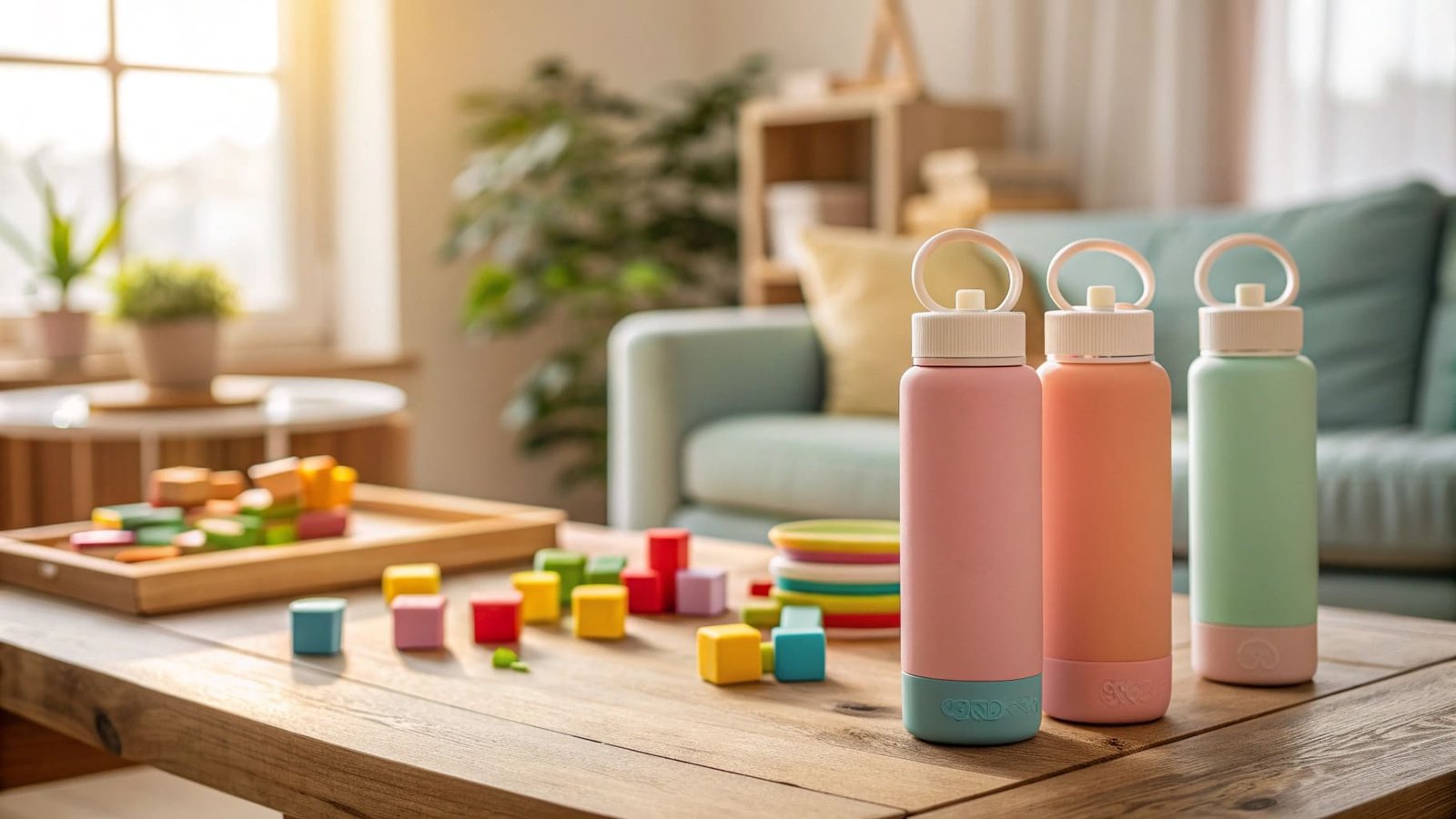
Material Degradation Concerns for High-Volume Commercial Use
I need to discuss the honest limitations of silicone tumbler boots. Wholesale buyers deserve transparency. The same material degradation that affects ear plugs also impacts tumbler boots in commercial environments.
Temperature cycling causes the biggest problems. Hotels and restaurants run industrial dishwashers that reach 180-200°F. The boots experience this extreme heat daily. Lower-grade silicone starts breaking down after 100-150 wash cycles. The material becomes brittle. Small cracks appear. The noise reduction performance drops significantly.
UV exposure2 creates another challenge. Restaurants with outdoor seating expose drinkware to sunlight. Silicone absorbs UV radiation. This breaks the polymer chains. The boots fade and become sticky. They lose their grip on the tumbler. They also stop dampening vibrations effectively.
Chemical exposure matters for bars and nightclubs. Alcohol and acidic beverages contact the boots. Low-quality silicone absorbs these liquids. The material swells and degrades. I have seen boots fall apart in weeks when exposed to strong cocktails repeatedly.
My solution focuses on material quality. I source food-grade silicone3 rated for continuous use at 400°F. This exceeds dishwasher temperatures by a safe margin. The boots maintain elasticity through thousands of wash cycles. I also ensure the silicone has UV stabilizers. This prevents degradation in outdoor applications.
Testing protocols matter for B2B buyers. I run accelerated aging tests on all my boot designs. The test simulates 3 years of commercial use in 6 weeks. Boots must maintain 90% of their original dampening properties to pass. This ensures wholesale customers get products that perform throughout their service life.
| Quality Factor | Standard Silicone | Food-Grade Silicone |
|---|---|---|
| Temperature Rating | 300°F | 400°F |
| Wash Cycle Life | 150 cycles | 2000+ cycles |
| UV Resistance | Poor | Excellent |
| Chemical Resistance | Moderate | High |
| Cost per Unit | Lower | Higher but better ROI |
Conclusion
Silicone tumbler boots reduce hospitality noise complaints effectively. They cost less than alternatives and work automatically. Choose food-grade materials for durability and consistent performance.