What Are the Environmental Advantages of Silicone Over Rubber for Wholesale?
I get this question a lot from wholesale buyers. They want to source responsibly. They need products that perform well but don't harm the planet. The choice between silicone and rubber matters more than most people think.
Silicone beats rubber on environmental grounds. It lasts longer, contains fewer toxic additives, and can be recycled. These advantages reduce waste, lower replacement costs, and help brands meet sustainability targets. For wholesale procurement, silicone offers both ethical benefits and business value.
I started paying attention to this issue five years ago. One of my clients lost a major contract because their rubber products failed environmental audits. That experience taught me something important. Material choices affect more than just product quality. They shape brand reputation and market access.
Is Silicone Rubber Environmentally Friendly?
The term "silicone rubber1" confuses many buyers. They assume it refers to natural rubber. It doesn't. Silicone is a synthetic polymer. Its environmental profile differs significantly from traditional rubber materials.
Silicone qualifies as environmentally friendly for several reasons. It releases no harmful chemicals during use. It withstands extreme temperatures without degrading. It maintains stability for decades. These properties make it suitable for long-term applications where replacement waste becomes a concern.
I need to clarify the composition first. Silicone contains silicon, oxygen, carbon, and hydrogen. Natural rubber comes from tree sap. Synthetic rubber uses petroleum-based chemicals. The raw materials alone tell different environmental stories.
Silicone production does require energy. The manufacturing process involves chemical reactions at high temperatures. But here's what matters for wholesale buyers. The durability pays back this initial environmental cost. A silicone product that lasts ten years beats a rubber product that needs replacement every two years.
I saw this firsthand with a client in Toronto. They switched their tumbler boot line from rubber to silicone. The return rate dropped by 68% in the first year. Fewer returns meant less shipping. Less shipping meant lower carbon emissions. The math worked in favor of silicone.
Safety certifications support the environmental claim. FDA-approved food-grade silicone2 passes stringent tests. LFGB certification in Europe confirms low chemical migration. These standards exist because silicone remains stable. It doesn't leach substances into food or beverages. This stability protects both users and the environment.
| Environmental Aspect | Silicone | Traditional Rubber |
|---|---|---|
| Lifespan | 10-20 years | 2-5 years |
| Chemical Leaching | Minimal | Moderate to High |
| Recycling Potential | Yes (thermal process) | Limited |
| Toxic Additives | None required | Often present |
| UV Resistance | Excellent | Poor to Moderate |
Why Is Silicone Better Than Rubber?
Material performance drives business decisions. I help buyers understand the practical differences. Silicone outperforms rubber in most wholesale applications. The reasons go beyond simple durability metrics.
Silicone maintains its properties across temperature ranges from -60°C to 230°C. Rubber degrades in extreme conditions. This temperature stability reduces product failures. Fewer failures mean lower warranty costs. Lower costs improve profit margins for distributors.
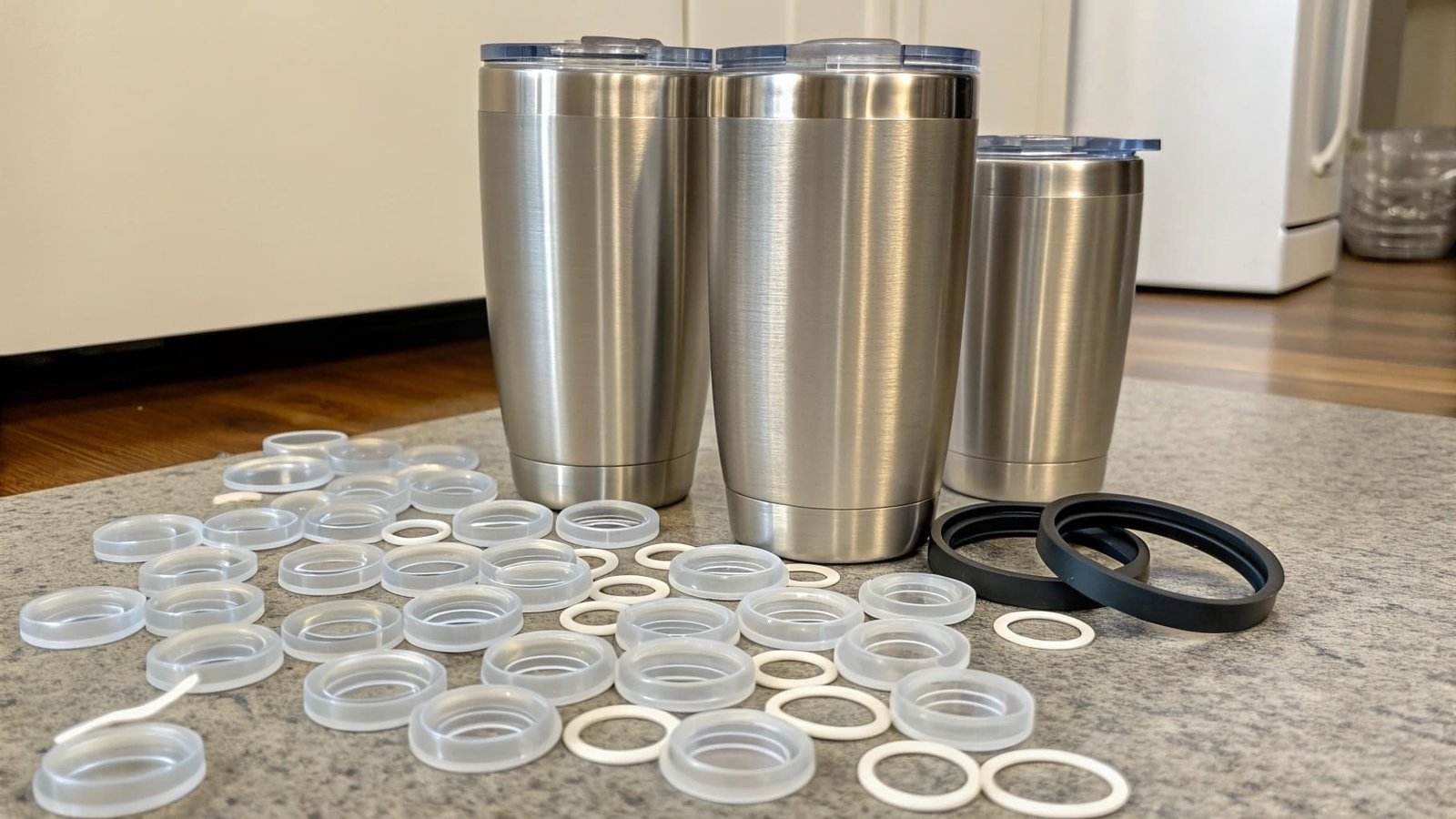
Temperature tolerance matters in real-world scenarios. Last winter, a buyer from Montreal contacted me. Their rubber cup sleeves cracked in freezing weather. Customers complained. The brand's reputation suffered. We switched them to silicone sleeves. The problem disappeared.
Chemical resistance gives silicone another advantage. Rubber reacts with oils, solvents, and acids. It swells, weakens, or dissolves. Silicone resists these substances. This resistance extends product life in harsh environments.
I tested this with a cleaning product company. They needed gaskets for bottle caps. Their rubber gaskets lasted three months before degradation. Silicone gaskets lasted two years in the same application. The cost difference seemed higher initially. The total cost over two years favored silicone by 40%.
Flexibility remains constant with silicone. Rubber hardens over time. It becomes brittle. It cracks. Silicone keeps its flexibility for years. This property matters for seal rings, stretch lids, and protective boots. Products maintain their function throughout their lifespan.
Color stability represents another overlooked advantage. Rubber yellows or darkens with UV exposure. Silicone holds its color. This stability matters for consumer products. Buyers want products that look good for years, not months.
The environmental benefits connect directly to these performance advantages. Longer lifespan means fewer resources consumed. Better chemical resistance means less contamination risk. Maintained flexibility means products stay functional instead of entering landfills.
What Is Safer, Rubber or Silicone?
Safety concerns drive purchasing decisions in my experience. Brands face increasing liability risks. Regulatory requirements become stricter every year. Material safety affects market access and consumer trust.
Silicone wins on safety metrics. It contains no phthalates, BPA, or heavy metals. Rubber often includes these substances as processing aids. Medical-grade silicone meets the highest safety standards. It works in implants and baby products. This safety record speaks volumes.
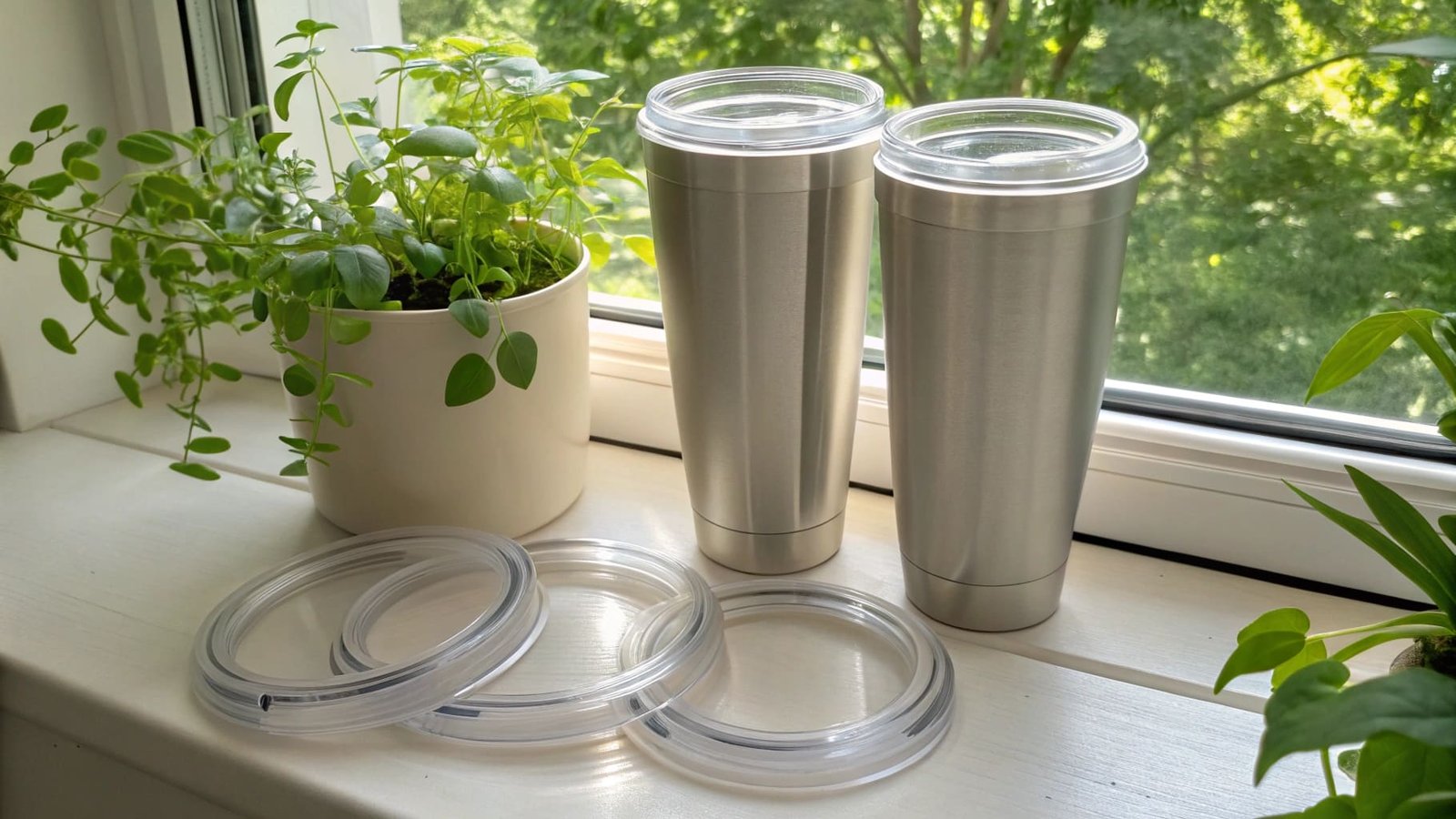
I remember a startup founder from Vancouver. She wanted to launch reusable food storage lids. She initially considered rubber because of the lower unit cost. Then she read about phthalate concerns in children's products. She switched to silicone immediately. Her brand positioned itself as premium and safe. Sales exceeded projections by 200% in the first quarter.
Biocompatibility sets silicone apart. Medical facilities use silicone tubing, seals, and gaskets. These applications demand absolute safety. Silicone passes because it doesn't react with human tissue. It doesn't trigger allergic responses in most people. Rubber can cause latex allergies and skin irritation.
I source products for healthcare distributors. They require documentation for every material. Silicone passes their tests. Natural rubber fails due to protein allergies. Synthetic rubber fails due to chemical additives. The documentation burden alone favors silicone.
Heat exposure reveals safety differences. Silicone remains stable at high temperatures. It doesn't release volatile organic compounds. Rubber breaks down when heated. It can release chemicals into food or air. This matters for kitchen products, especially items used in ovens or microwaves.
Testing standards confirm these safety differences. REACH compliance in Europe restricts harmful substances. Silicone products comply easily. Rubber products often require reformulation. California's Prop 653 warnings appear on many rubber products. Silicone products rarely trigger these warnings.
The wholesale implications extend beyond compliance. Brands that choose safer materials reduce their liability exposure. They avoid product recalls. They build consumer confidence. These factors translate to stronger sales and better margins.
| Safety Factor | Silicone | Rubber |
|---|---|---|
| Phthalate-Free | Yes | Often No |
| BPA-Free | Yes | Often No |
| Latex Allergies | No Risk | High Risk (natural rubber) |
| Heat Stability | Excellent | Degrades Above 100°C |
| Chemical Leaching | Minimal | Moderate to High |
| Medical Grade Available | Yes | Limited Options |
Conclusion
Silicone beats rubber for wholesale buyers who value sustainability, performance, and safety. The material lasts longer, performs better, and meets stricter standards. These advantages reduce costs and risks while supporting environmental goals.