Why Do Private Label Brands Choose Custom Silicone Cup Sleeves?
I watched a startup founder lose $40,000 last year because his branded coffee sleeves fell apart after two weeks. His customers complained. His brand reputation suffered. He needed a solution that actually lasted.
Private label brands choose custom silicone cup sleeves1 in 2026 because they solve three critical problems at once: sustainability demands from consumers, health safety regulations, and long-term cost efficiency2. These sleeves create repeated brand exposure while meeting strict environmental and safety standards.
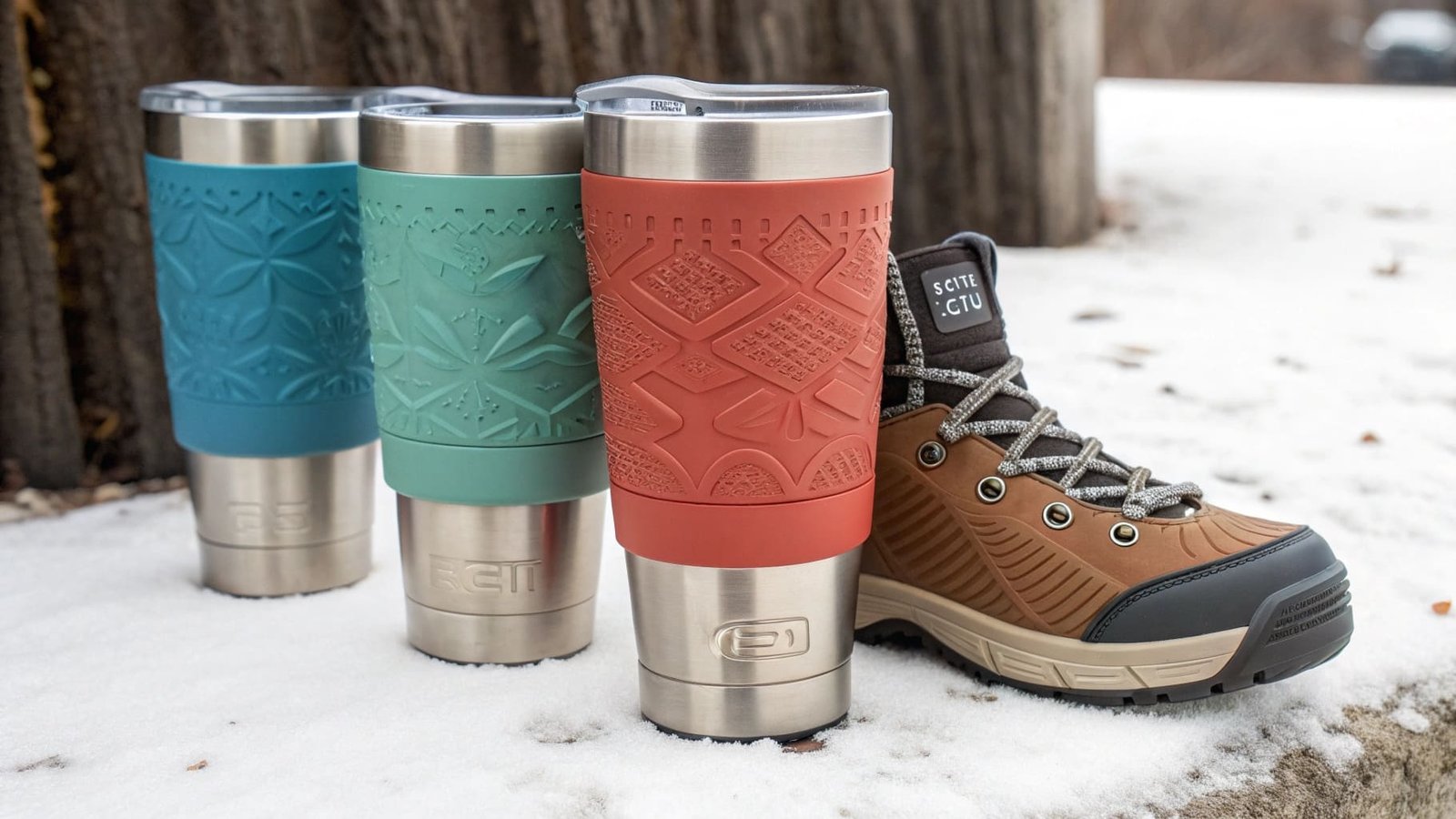
I have been working with procurement officers from North America and Europe for the past five years. They all ask me the same questions about silicone cup sleeves. They want to know if these products truly deliver on their promises. The answers matter because their purchasing decisions affect thousands of customers and their brand reputation.
Are Coffee Sleeves Eco-Friendly?
Your customers see disposable cardboard sleeves in the trash every single day. They ask questions about your brand's environmental impact. You need answers that actually mean something.
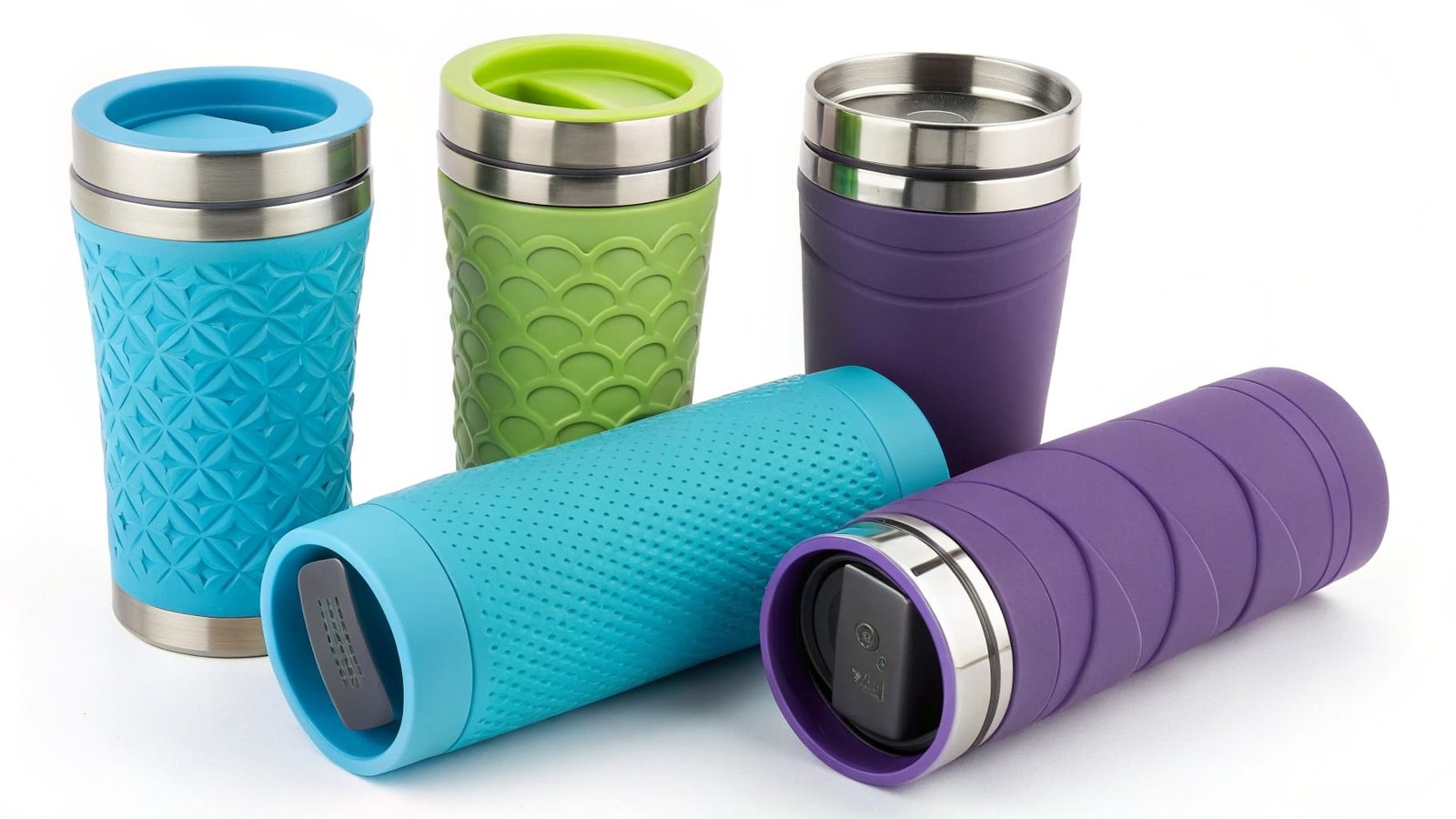
Silicone coffee sleeves are genuinely eco-friendly because they replace hundreds of single-use cardboard sleeves. One silicone sleeve lasts for years and can be recycled at the end of its life. This reduces waste dramatically.
Understanding the Environmental Impact
I worked with a Canadian coffee chain owner last month. He calculated his waste reduction after switching to silicone sleeves. The numbers surprised both of us. His chain used 120,000 cardboard sleeves per year across three locations. Each cardboard sleeve weighs about 5 grams. That equals 600 kilograms of waste annually. The silicone alternative cut this waste by 95% in the first year. His customers noticed. They started asking where they could buy the branded sleeves for home use. This created an unexpected revenue stream for his business. The material itself matters too. Food-grade silicone contains no harmful chemicals. It does not break down into microplastics like some other materials. The production process uses less water than paper manufacturing. These facts help brands tell authentic sustainability stories to their customers.
| Material | Lifespan | Recyclable | Annual Waste per Customer |
|---|---|---|---|
| Cardboard Sleeve | Single-use | Limited | 52 sleeves (260g) |
| Silicone Sleeve | 3-5 years | Yes | 0 (after initial purchase) |
| Plastic Sleeve | 6 months | No | 2-4 sleeves (varies) |
Certification Matters for Claims
You cannot just claim eco-friendly status without proof. Your customers and regulators demand evidence. I always tell my clients to get the right certifications. FDA approval confirms the material is safe for food contact. LFGB certification proves it meets European standards. These documents protect your brand from legal issues. They also give your marketing team real facts to share. One procurement officer I work with told me his legal team rejected three suppliers because they lacked proper documentation. He chose silijoy because we provided complete test reports and certificates upfront.
Why Do Chiefs Not Wash Their Coffee Cups?
I asked a restaurant owner this question during a trade show in 2024. He laughed and said his kitchen staff barely has time to breathe during service. Washing personal coffee cups seems like a luxury they cannot afford.
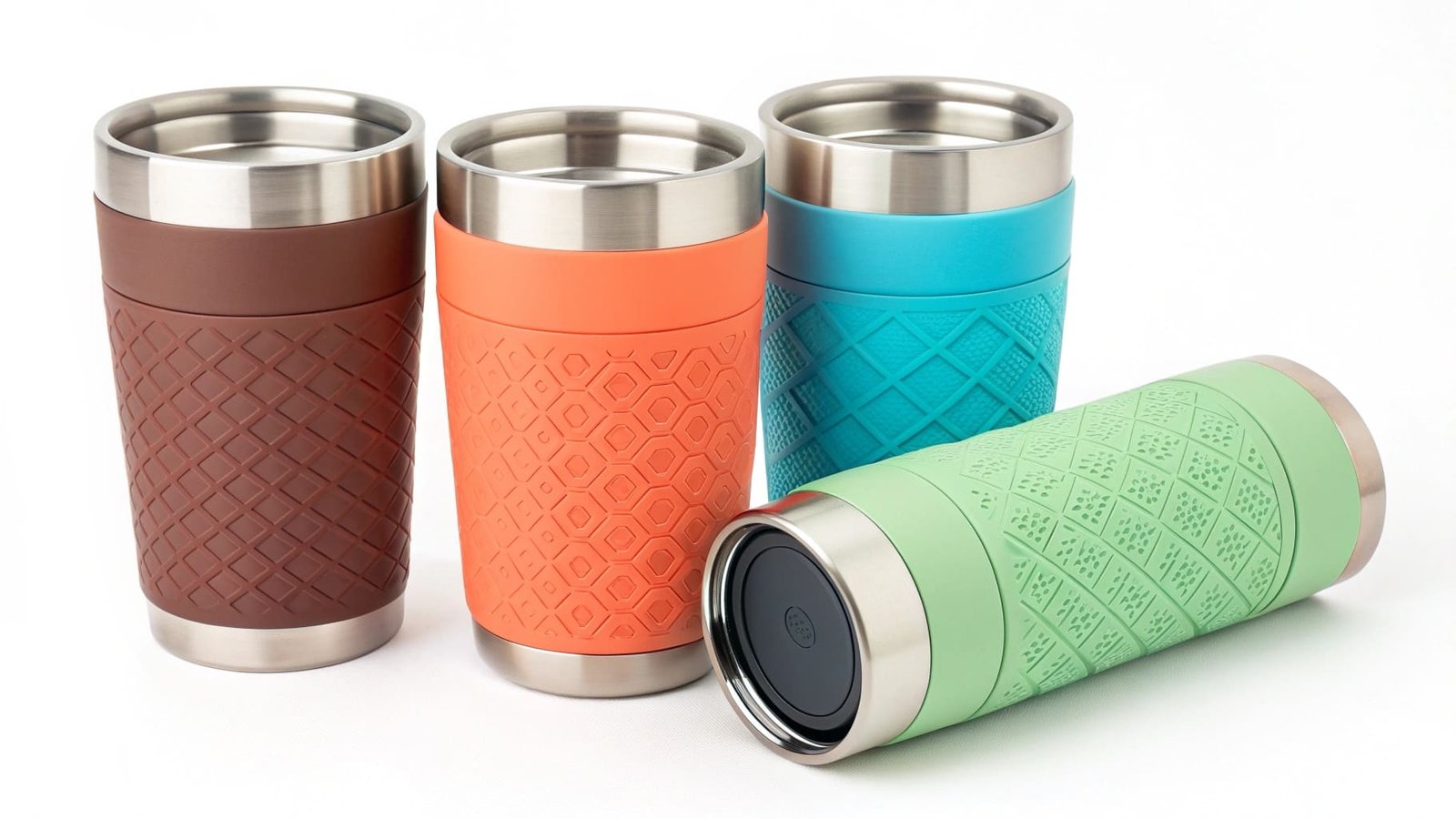
Many people avoid washing their coffee cups daily because of time constraints and inconvenience. Removable silicone sleeves solve this problem by separating from the cup for easy cleaning in a dishwasher.
The Hidden Hygiene Problem
People develop habits around their coffee cups that might surprise you. I spoke with dozens of office workers and restaurant staff while researching this topic. They told me they rinse their cups quickly between uses. They rarely do a proper wash with soap. This happens because washing disrupts their workflow. A chef preparing for dinner service does not want to stop and wash a personal cup. An office worker rushing between meetings grabs a quick refill without cleaning the cup. These habits create bacteria buildup over time. The cup might look clean but harbors invisible contamination. Silicone sleeves change this pattern without forcing people to change their behavior. The sleeve slides off in seconds. You toss it in the dishwasher while keeping the cup ready for immediate use. This separation creates better hygiene without adding extra steps to busy routines.
How Silicone Sleeves Improve Daily Use
I designed our silicone tumbler boots3 with this exact problem in mind. The sleeve needs to grip firmly during use but release easily for cleaning. We tested different silicone durometers to find the right balance. Too soft means the sleeve slips during use. Too hard makes removal difficult. We settled on a shore hardness that works for most users. The surface texture also matters. Smooth silicone can feel slippery when wet. We add subtle patterns that improve grip without making the sleeve hard to clean. These small details come from listening to end users and their actual daily problems.
| User Type | Daily Cup Usage | Washing Frequency | Main Barrier to Washing |
|---|---|---|---|
| Office Worker | 3-5 refills | Once per day | Time between meetings |
| Restaurant Chef | 2-4 refills | Every 2-3 days | Busy during service |
| Remote Worker | 4-6 refills | Once per day | Procrastination |
What is the Healthiest Material for Coffee Cups?
A procurement officer from a major retail chain called me last year with urgent concerns. His company faced customer complaints about strange tastes in their branded travel mugs. Testing revealed chemical leaching from the cup material. He needed safer alternatives immediately.
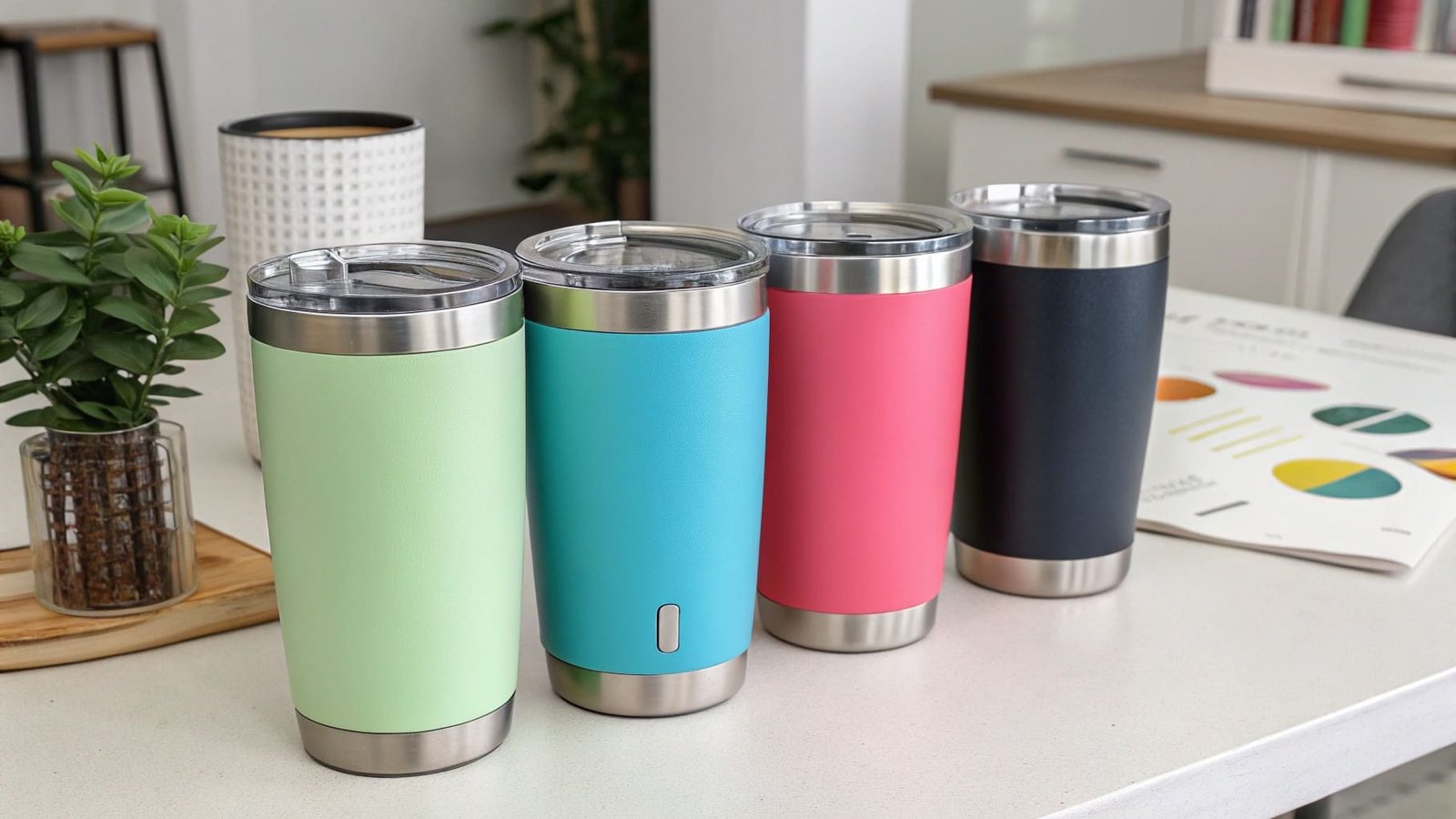
Food-grade silicone is the healthiest material for coffee cup accessories because it contains no BPA, does not leach chemicals at any temperature, and remains stable even with repeated heating and cooling cycles.
Material Safety Breakdown
The material you choose for coffee cup accessories directly affects consumer health. I see this topic gaining attention from both regulators and consumers. Let me break down what actually matters. BPA-free is not enough anymore. Many BPA alternatives like BPS still raise health concerns. Food-grade silicone avoids this entire category of chemicals. The material is inert. It does not react with hot liquids or acidic beverages like coffee. This stability matters for brands making health claims. Temperature resistance is another critical factor. Coffee temperatures typically reach 70-80°C when freshly brewed. Some people microwave their cups. Food-grade silicone remains stable up to 230°C. This means no chemical migration even under extreme conditions. I always provide temperature test reports to customers because this data answers their technical questions during product approval processes.
Why Regulatory Compliance Protects Your Brand
I learned an expensive lesson in 2023 when a European customer rejected a container shipment. The silicone cup sleeves met Chinese standards but failed an additional LFGB requirement. The customer had to delay their product launch by two months. We absorbed the cost of producing new sleeves with proper certification. This experience taught me to anticipate regulatory requirements across different markets. Now I maintain certifications for FDA, LFGB, and other major standards. This protects my customers from similar delays. The certification process takes time and money. Testing one material sample costs between $500-1500 depending on the standard. But this investment prevents much larger losses from rejected shipments or product recalls.
| Material Type | BPA-Free | Temperature Stability | Chemical Leaching Risk | Regulatory Approval |
|---|---|---|---|---|
| Food-Grade Silicone | Yes | -40°C to 230°C | None detected | FDA, LFGB |
| Standard Plastic | Varies | Up to 100°C | Moderate to High | Limited |
| Cardboard | N/A | Up to 100°C | Coating dependent | Limited |
The Business Case for Quality Materials
Cheap materials create expensive problems. I saw this pattern repeatedly over five years in this industry. A brand saves $0.50 per unit by choosing lower-grade silicone. Then they face customer returns, negative reviews, and damaged brand reputation. The actual cost far exceeds any initial savings. Quality materials cost more upfront but deliver better value across the product lifecycle. Our food-grade silicone4 costs 30-40% more than standard grades. Customers who understand long-term value always choose the premium option. They calculate total cost including potential returns, customer service time, and brand damage. The math favors quality every time.
Conclusion
Custom silicone cup sleeves solve real problems for private label brands in 2026. They reduce waste, improve hygiene, ensure health safety, and create lasting brand impressions that justify their investment.
-
Explore how custom silicone cup sleeves can enhance brand visibility and sustainability. ↩
-
Discover the financial benefits of investing in durable silicone products for brands. ↩
-
Learn about the innovative design of silicone tumbler boots and their practical benefits. ↩
-
Discover the safety and health benefits of using food-grade silicone in products. ↩