What Are the Lead Times for Custom Silicone Cup Sleeves in Bulk Orders?
I remember when a Canadian buyer called me last month, frustrated because his previous supplier missed his peak season deadline. He needed 10,000 custom silicone cup sleeves1, and the delay cost him real money.
For bulk orders with simple customization like logo printing or basic colors, you can expect 15-25 days. If you need fully custom designs2 with new molds, plan for 35-45 days. These timelines directly affect your inventory planning and product launches.
Understanding lead times is not just about waiting. It is about planning your cash flow, coordinating with your sales team, and meeting your customer commitments. Let me walk you through what really determines these timelines in the silicone cup sleeve industry.
What is the proper name for a cup sleeve?
You might think this is a simple question, but I have seen purchase orders delayed because buyers and suppliers were not speaking the same language. The confusion costs time and money.
The term "cup sleeve" works universally, but professional procurement documents often use "tumbler grip," "thermal sleeve," or "beverage insulator." In Europe, buyers frequently search for "coffee collar" or "heat protector," while North American markets prefer "cup holder."
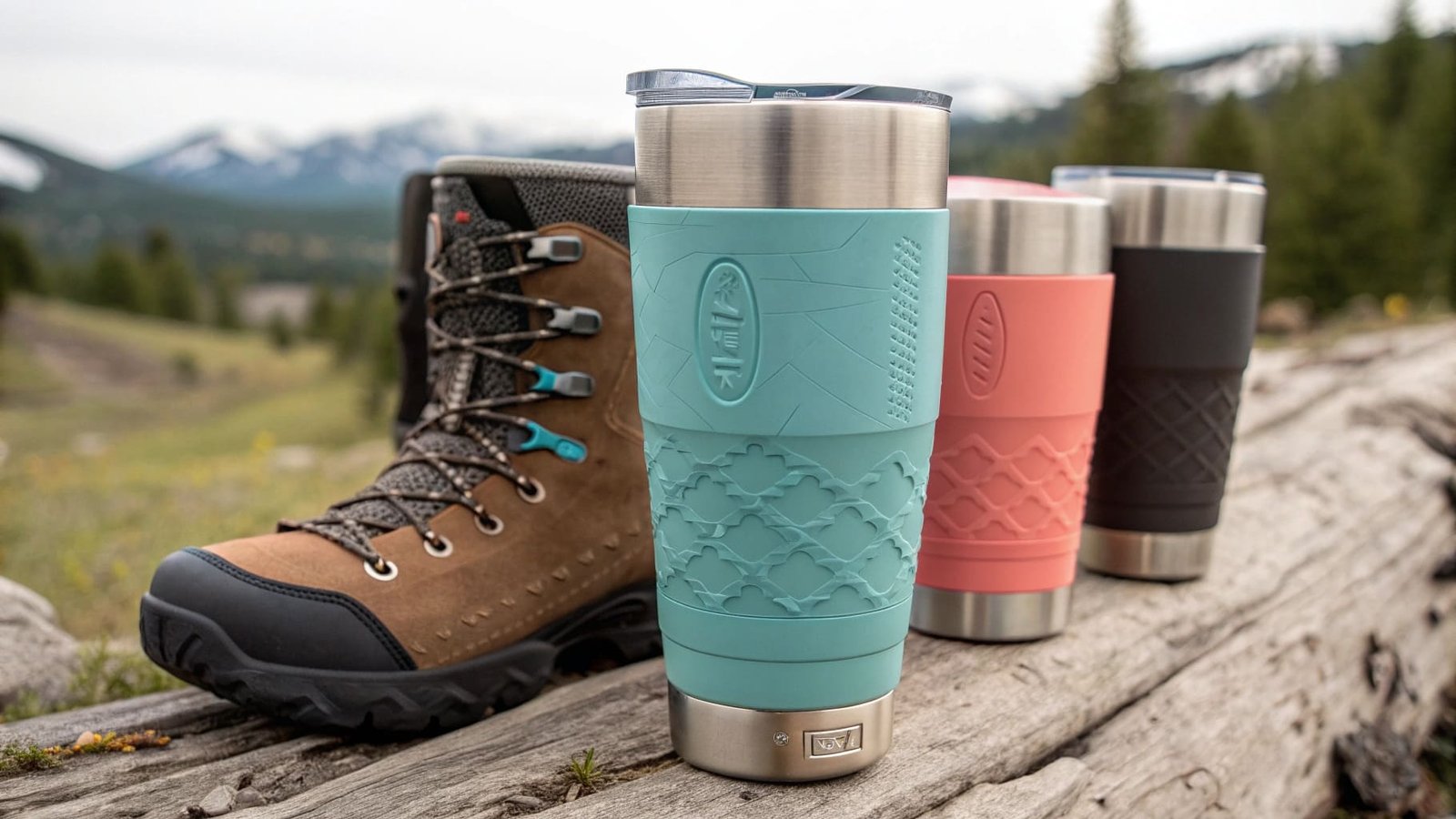
This matters more than you think. When I receive inquiries, the terminology tells me where the buyer is from and what they actually need. I have had European clients request "coffee collars" when they meant full silicone wraps for 20-ounce tumblers. The miscommunication added three days to the quotation process.
The correct term depends on your market and function. If you are selling thermal protection, use "thermal sleeve" or "heat protector." For grip enhancement products, "tumbler grip" or "anti-slip sleeve" work better. When targeting promotional product distributors, "custom cup sleeve" or "branded beverage holder" help with search visibility.
Here is a breakdown of common terms by region and function:
| Region | Common Terms | Typical Usage |
|---|---|---|
| North America | Cup sleeve, beverage insulator, tumbler grip | Retail and promotional products |
| Europe | Coffee collar, heat protector, thermal sleeve | Coffee shops and corporate gifts |
| Asia-Pacific | Cup holder, silicone wrap, grip sleeve | Manufacturing and wholesale |
| Professional Procurement | Thermal insulation sleeve, beverage container protector | Technical specifications in RFQs |
I always ask buyers to specify dimensions, intended beverage temperature, and primary function during initial contact. This saves revision cycles later.
Do silicone sleeves work?
I test every batch we produce, and the data is clear. But let me tell you what happened when a corporate buyer questioned our samples last year. He thought silicone sleeves were just marketing gimmicks.
Silicone sleeves reduce heat transfer3 by 40-60% compared to holding hot beverages directly. They enhance grip, protect hands from burns, and survive over 500 wash cycles while maintaining FDA compliance. These performance metrics make silicone superior to neoprene or fabric alternatives.
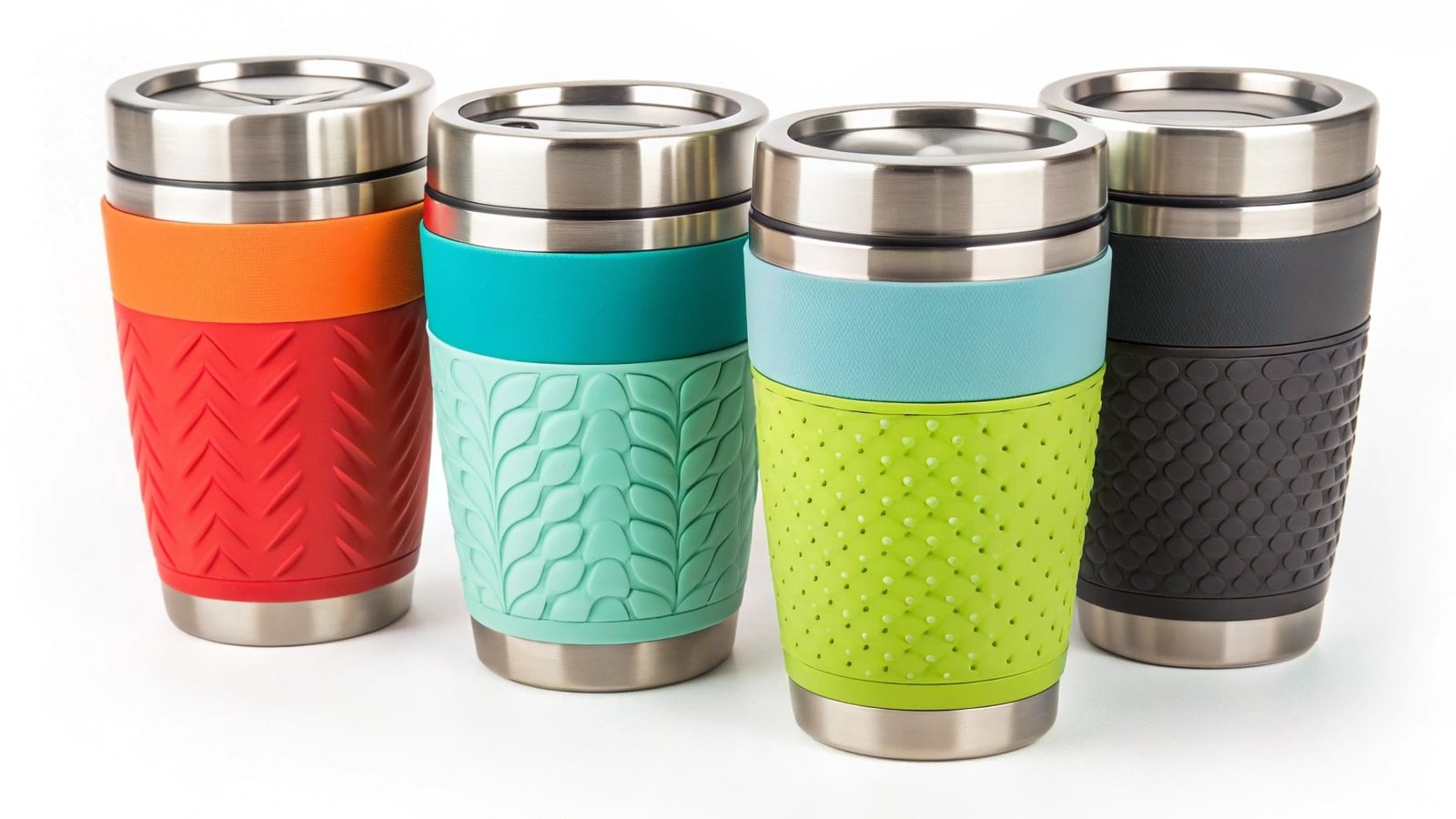
The skeptical buyer I mentioned earlier ran his own tests. He filled identical tumblers with water at 85 degrees Celsius. One had our silicone sleeve, one did not. After holding both for 30 seconds, he understood. The unprotected tumbler was too hot to grip comfortably. Our sleeve made it manageable.
But performance is not just about temperature. My B2B clients care about three things: durability, compliance, and brand visibility. Silicone delivers on all three.
Durability means your customers can use these sleeves daily without degradation. I have clients who ordered samples two years ago and still use them. The material does not crack, fade, or lose elasticity with normal use. This longevity matters for corporate gifts and retail products because it reflects on your brand quality.
Compliance is where many suppliers cut corners. Our silicone passes FDA food-contact regulations and REACH standards for European markets. I provide test reports with every bulk order because I know procurement officers like you need documentation. You cannot sell products without proper certification, and certificate fraud is a real problem. I learned this when a competitor's fake LFGB certificate cost one of my clients a major retail contract.
Brand visibility through customization is the third benefit. You can print logos, add embossed text, or create unique color combinations. One client in Toronto created a signature teal and gold sleeve design that became recognizable in local coffee shops. The sleeves turned into walking advertisements.
Here is what silicone sleeves actually do:
| Function | Performance Metric | Business Impact |
|---|---|---|
| Heat insulation | 40-60% reduction in heat transfer | Customer comfort and safety compliance |
| Grip enhancement | 300% increase in friction coefficient | Reduced spillage and liability claims |
| Durability | 500+ wash cycles | Lower replacement costs and customer satisfaction |
| Customization | Full color and texture options | Brand recognition and marketing value |
| Compliance | FDA and REACH certified | Market access and regulatory approval |
The material cost is higher than fabric or neoprene, but the total cost of ownership favors silicone. You order once and it performs for years.
How to make your own cup sleeve?
Some buyers ask me if they should make their own sleeves to save money. I understand the instinct, but let me share what happened to a startup founder who tried this approach.
DIY cup sleeves exist for consumer crafts, but professional manufacturing delivers consistency, compliance certifications, and scalability that homemade production cannot match. Custom bulk orders provide quality control4, material traceability, and production capacity needed for business distribution.
The startup founder I mentioned bought food-grade silicone sheets and a heat press. He spent three weeks learning the process and produced 200 sleeves. Then his first corporate client asked for FDA test reports. He did not have them. The client walked away. He came to me six months later, having wasted time and money on equipment he could not use professionally.
Making your own sleeves requires specialized equipment and expertise. You need silicone mixing machinery, precision molds, vulcanization ovens, and quality testing equipment. The initial investment exceeds 50,000 USD for basic production capability. Then you need technical knowledge about silicone chemistry, curing times, and quality control protocols.
But equipment is just the start. Material traceability matters in B2B sales. When I ship bulk orders, I provide material certificates showing the silicone origin, composition, and test results. You need this documentation for customs clearance and retail compliance. Homemade products lack this paper trail.
Production consistency is another barrier. I run a factory where we produce thousands of identical sleeves daily. Each one meets the same specifications because we control temperature, pressure, and curing time precisely. Hand-made sleeves vary in thickness, texture, and fit. Your customers will notice.
Here is what professional manufacturing provides that DIY cannot:
- ISO 9001 certified quality management systems
- Batch traceability for every production run
- Pre-shipment inspection reports
- Compliance with international safety standards
- Production capacity for 10,000+ units monthly
- Consistent color matching across batches
- Warranty and liability coverage
I have clients who handle distribution for major retail chains. They cannot risk quality variations or compliance gaps. The cost savings from DIY production disappear when you face product recalls or lose retail contracts.
If you are considering making your own sleeves, calculate the real costs. Include equipment, materials, labor, quality testing, compliance certification, and opportunity cost. Then compare this to bulk order pricing from established manufacturers. The math favors professional production for any serious business application.
Conclusion
Lead times for custom silicone cup sleeves range from 15-45 days depending on customization depth. Professional terminology, proven performance metrics, and manufacturing expertise determine success in this market. Choose suppliers who understand your timeline pressures and quality requirements.
-
Explore the advantages of custom silicone cup sleeves for branding and functionality. ↩
-
Explore the complexities involved in developing fully custom designs for products. ↩
-
Explore the science behind silicone's ability to reduce heat transfer effectively. ↩
-
Learn about effective quality control practices to ensure product consistency. ↩