Why Do B2B Importers Prefer Food-Grade Silicone Stretch Lids Over Plastic?
I talk to importers every week. Most face the same problem. Their customers keep asking about safer, reusable alternatives to plastic lids.
Food-grade silicone stretch lids outperform plastic in three areas. They prevent chemical leaching1. They support sustainability goals. They work across extreme temperatures from freezer to microwave.
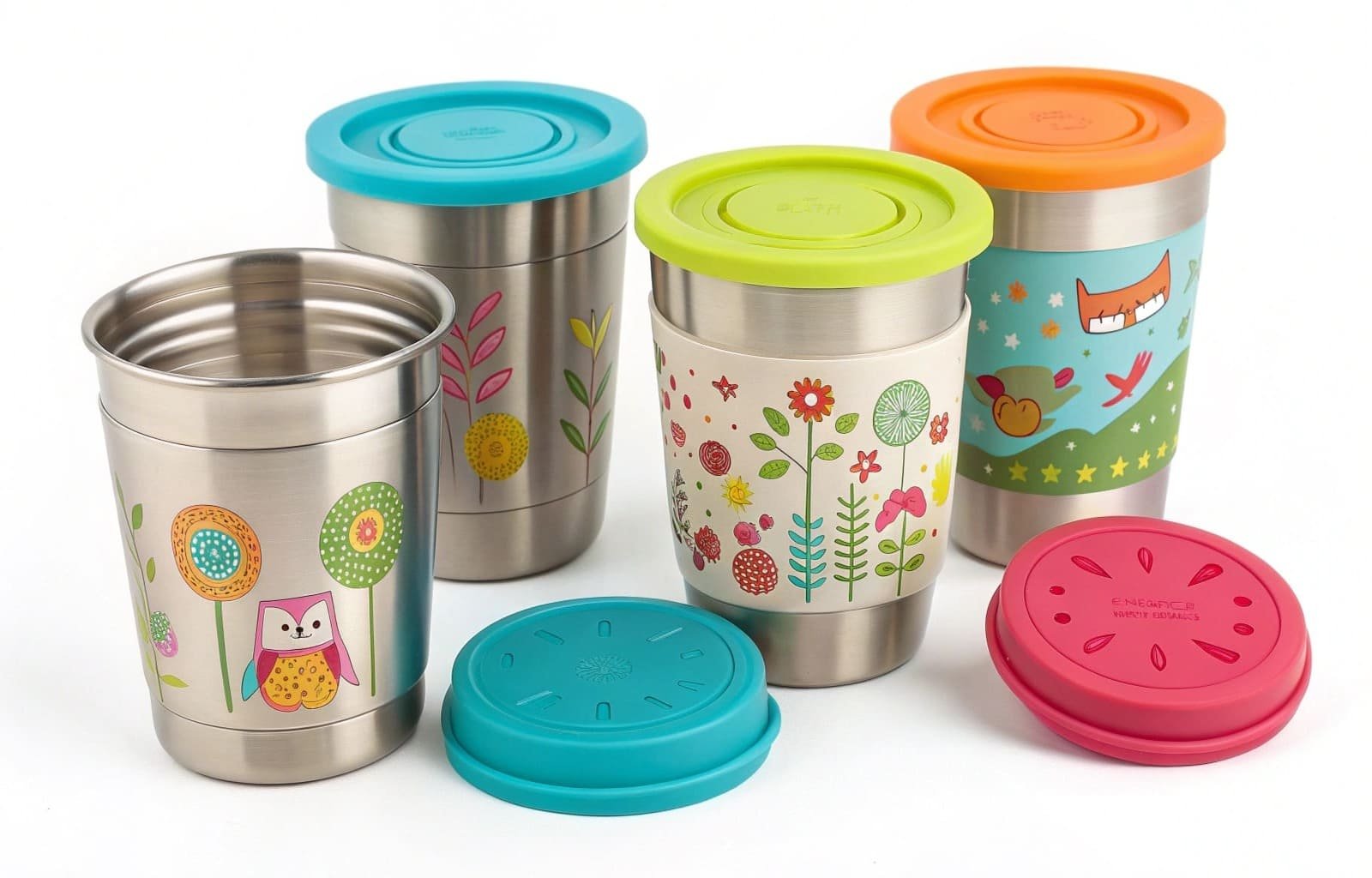
I started noticing this shift about three years ago. Buyers from North America and Europe began requesting silicone products specifically. They told me their retail channels demanded non-plastic solutions. The regulatory environment was tightening. Consumer preferences were changing fast. I realized this was not a temporary trend. This was the new baseline for the B2B food storage market.
Why is silicon preferred over plastic?
You probably see the plastic restrictions growing in your target markets. Your customers want products that comply without constant reformulation. Traditional plastic creates ongoing regulatory headaches.
Silicone offers chemical stability2 that plastic cannot match. The material resists temperature extremes without breaking down. It does not release harmful substances into food. This eliminates compliance risks across major markets.
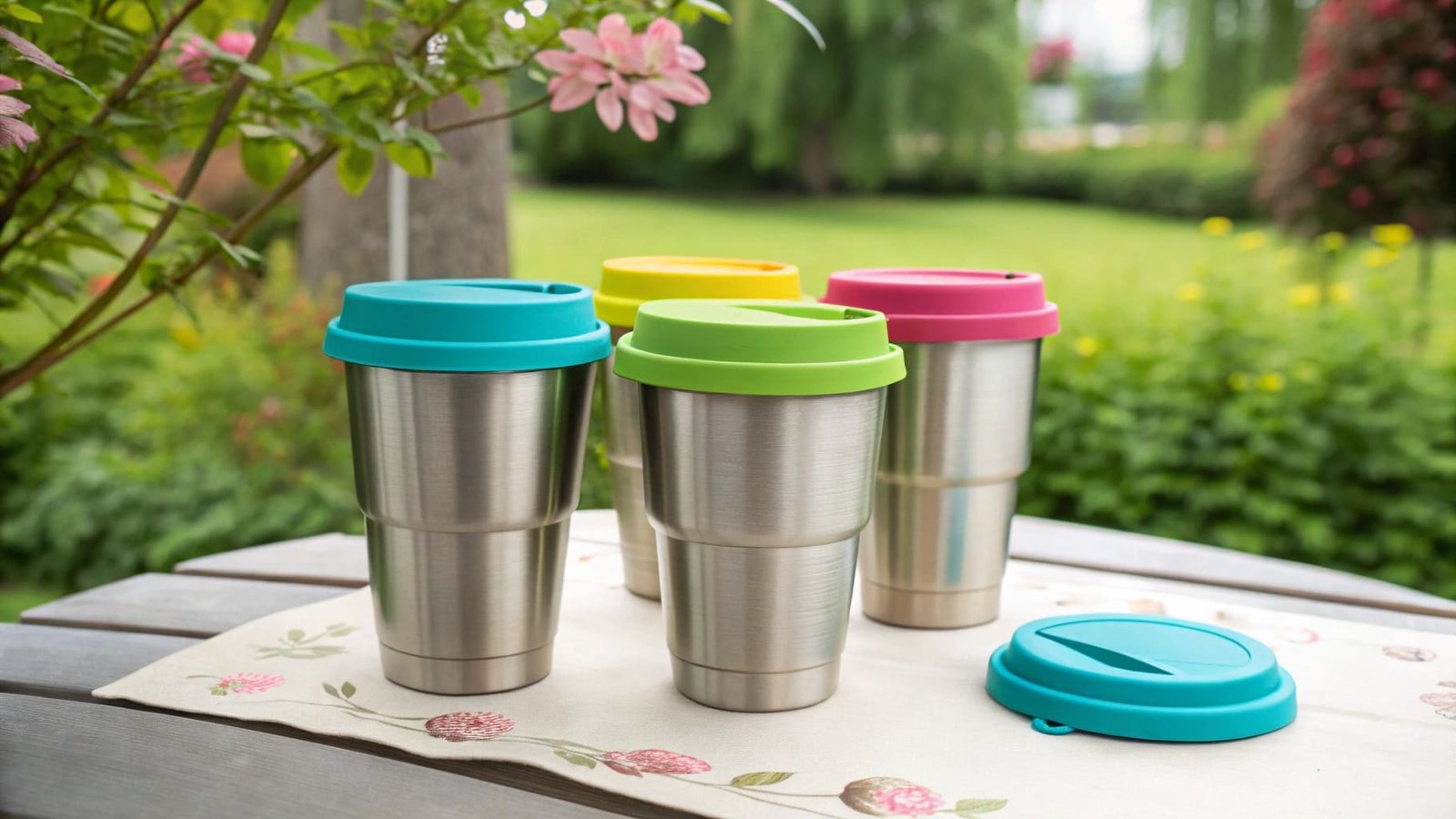
Chemical Safety Creates Market Access
I work with buyers who distribute to multiple countries. They face different regulations in each market. The EU bans certain phthalates. California lists BPA as a reproductive toxin. Canada restricts various plastic additives. Tracking these regulations becomes a full-time job.
Silicone solves this problem. The material is manufactured from silica. This is sand basically. It contains no organic compounds that might leach. When you heat it, freeze it, or wash it repeatedly, the molecular structure stays stable. I have seen test reports from customers who run migration testing. The results show no detectable chemical transfer into food simulants.
This stability means one product works everywhere. You source once. You test once. You get market access across regions without reformulation. For importers managing multiple SKUs, this simplifies operations dramatically.
Temperature Versatility Expands Use Cases
Plastic lids crack in freezers. They warp in microwaves. They fail in dishwashers over time. Each failure creates a customer complaint. Each complaint damages your brand reputation.
Our silicone stretch lids handle -40°F to 450°F. I have customers who market them for meal prep, food storage, and reheating. The same product serves multiple needs. This increases perceived value. It reduces the number of SKUs you need to stock. It simplifies your inventory management.
| Temperature Range | Silicone Performance | Typical Plastic Behavior |
|---|---|---|
| Freezer (-4°F) | Maintains flexibility | Becomes brittle, cracks |
| Refrigerator (38°F) | Perfect seal maintained | Works adequately |
| Room Temperature | Optimal grip | Adequate performance |
| Microwave (200°F+) | Safe, no degradation | May warp or melt |
| Dishwasher (140°F) | No wear after 1000+ cycles | Degrades, loses shape |
Why use food grade silicone?
Your profit margins depend on avoiding product recalls. Your brand reputation relies on customer trust. One contamination incident can destroy years of relationship building.
Food-grade silicone meets FDA 21 CFR 177.2600 standards. It qualifies for direct food contact. The certification process verifies no fillers or additives that could migrate. This protects both you and your end customers.
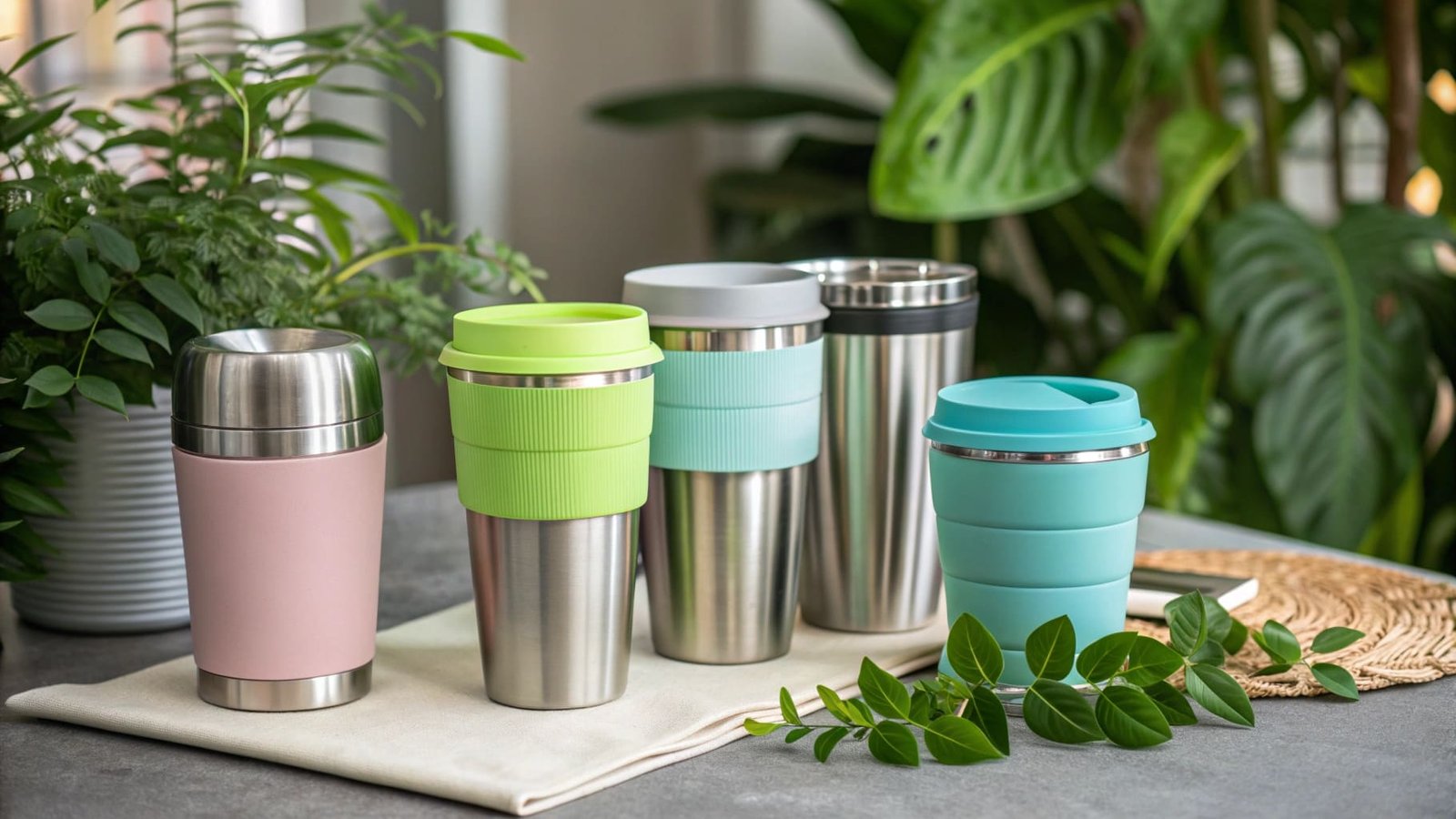
Regulatory Compliance Reduces Business Risk
I remember a buyer from Toronto who got burned by a supplier in Vietnam. The factory claimed food-grade certification. The products failed testing at the border. He lost a complete shipment. He missed his peak selling season. His retailer relationships suffered.
Food-grade certification is not just a label. It requires specific manufacturing controls. The raw silicone must be platinum-cured, not peroxide-cured. Platinum curing leaves no chemical residue. Peroxide curing can leave trace organic compounds. The difference matters when products contact acidic foods or get heated.
At silijoy, we maintain ISO 9001 certification. We provide LFGB testing for European buyers. We supply FDA compliance documentation for North American markets. These certifications cost money. They require process discipline. But they eliminate the risk of rejected shipments.
Durability Improves Customer Lifetime Value
Single-use plastic wraps create recurring purchases. Reusable silicone lids reduce purchase frequency. This sounds bad for volume. But it changes the customer relationship fundamentally.
When end users buy disposable products, they form no brand attachment. They grab whatever is available. Price becomes the only decision factor. When they invest in a quality reusable product, they remember the brand. They recommend it to friends. They seek out the same brand for other needs.
I see this in customer feedback. Buyers report their retail customers come back for additional sizes. They want sets to cover all their containers. They buy them as gifts. The initial purchase creates an entry point. The quality experience drives expanded wallet share over time.
What are the disadvantages of food grade silicone?
You need to understand the full picture. Silicone is not perfect. I see importers make mistakes because they ignore the limitations. These mistakes cost money and damage relationships.
Higher unit costs require different positioning strategies. Limited recycling infrastructure needs transparent communication. Quality verification demands more rigorous supplier management than plastic alternatives.
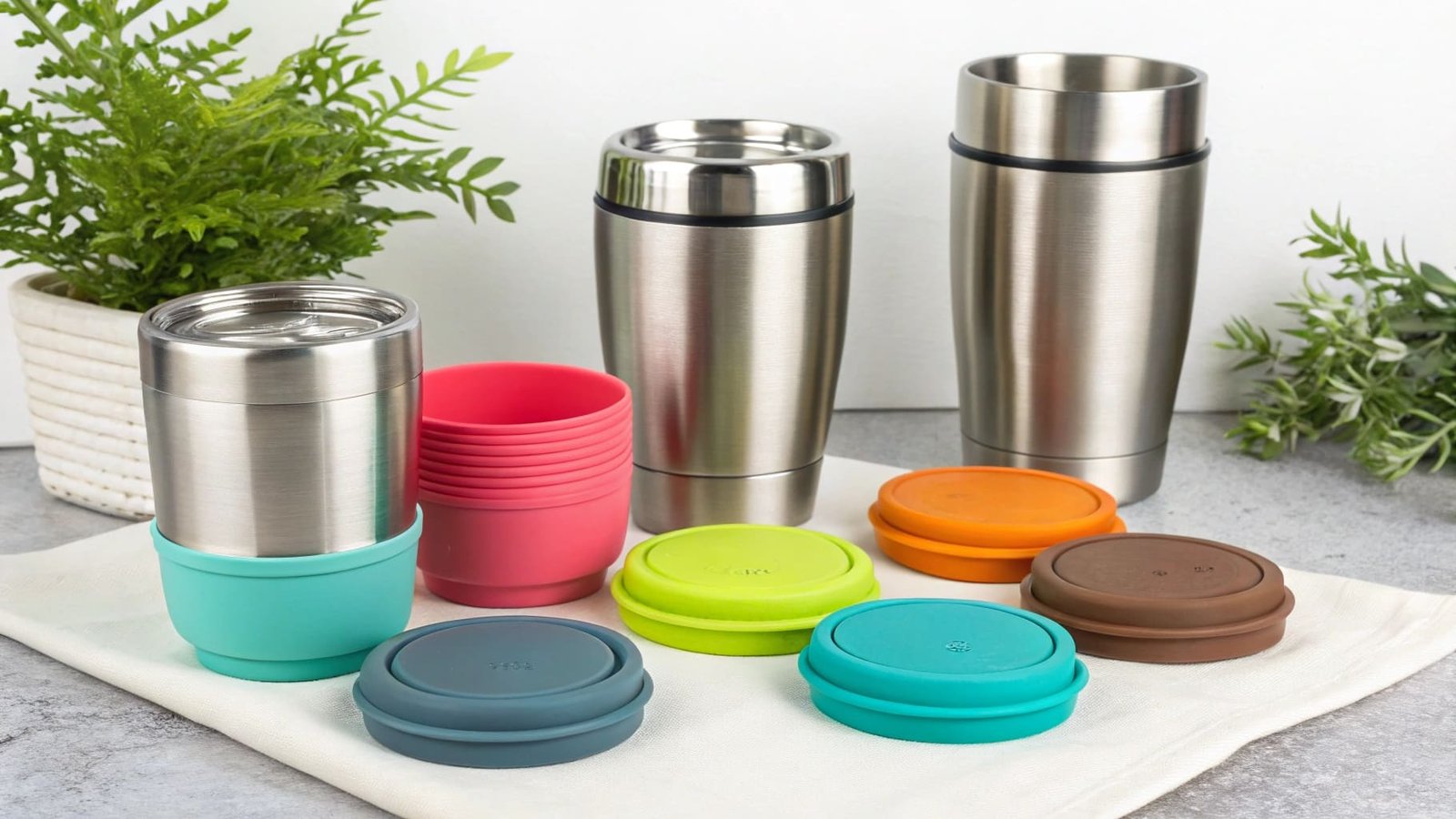
Cost Structure Requires Value-Based Pricing
Silicone stretch lids cost 3-5 times more than comparable plastic alternatives at wholesale. This creates sticker shock. Your sales team must justify the premium. Your marketing must emphasize total cost of ownership3, not just unit price.
I help buyers calculate the break-even point. One silicone lid replaces roughly 300 plastic wrap uses. At typical retail prices, the customer recovers their investment in 3-4 months. After that, they save money while reducing waste. This math works. But you must communicate it clearly.
The higher cost also affects your working capital. You tie up more money in inventory. Your minimum order quantities might be smaller than you are used to with plastic. You need to plan cash flow differently.
Quality Verification Protects Brand Equity
Not all silicone is created equal. Low-grade silicone absorbs odors. It retains stains. It degrades when exposed to oils. These problems surface slowly. Your customer uses the product for weeks before issues appear. By then, they have sold through to end users.
I implement strict incoming inspection at silijoy. We test shore hardness. We verify color stability. We check tensile strength. These tests catch substandard material before production. They prevent the problems that destroy buyer relationships.
You should request certificates for every shipment. Batch testing should be non-negotiable. Shore A durometer readings should fall between 40-60 for stretch lids. Tear strength should exceed 25 kN/m. These specifications ensure consistent performance.
Recycling Limitations Need Honest Communication
Silicone lasts for years. But eventually, it reaches end of life. Unlike PET plastic, silicone cannot be easily recycled through municipal programs. Some specialty recyclers accept it. Most do not. This creates a disposal challenge.
I recommend transparent messaging. Tell customers the product lasts 5-10 years with normal use. Explain that while it is not recyclable everywhere, its longevity prevents hundreds of single-use items from entering waste streams. Position it as waste reduction, not recyclability.
Some forward-thinking brands are developing take-back programs. Customers mail used silicone products back. The company sends them to specialized recyclers. This closes the loop. It demonstrates commitment beyond just selling product.
Conclusion
Silicone stretch lids offer B2B importers a path to regulatory compliance, customer loyalty, and differentiation. Success requires understanding both advantages and limitations clearly.