What Are the Top 3 Uses of O-Rings in Commercial Water Bottle Production?
I remember when a Canadian distributor called me last month. His entire shipment of water bottles leaked during transport. The problem was simple. He chose the wrong O-rings.
O-rings serve three main purposes in water bottle production. They create leak-proof seals1 between caps and bottles. They enable flip-top mechanisms to work smoothly. They maintain vacuum insulation2 by blocking air infiltration.
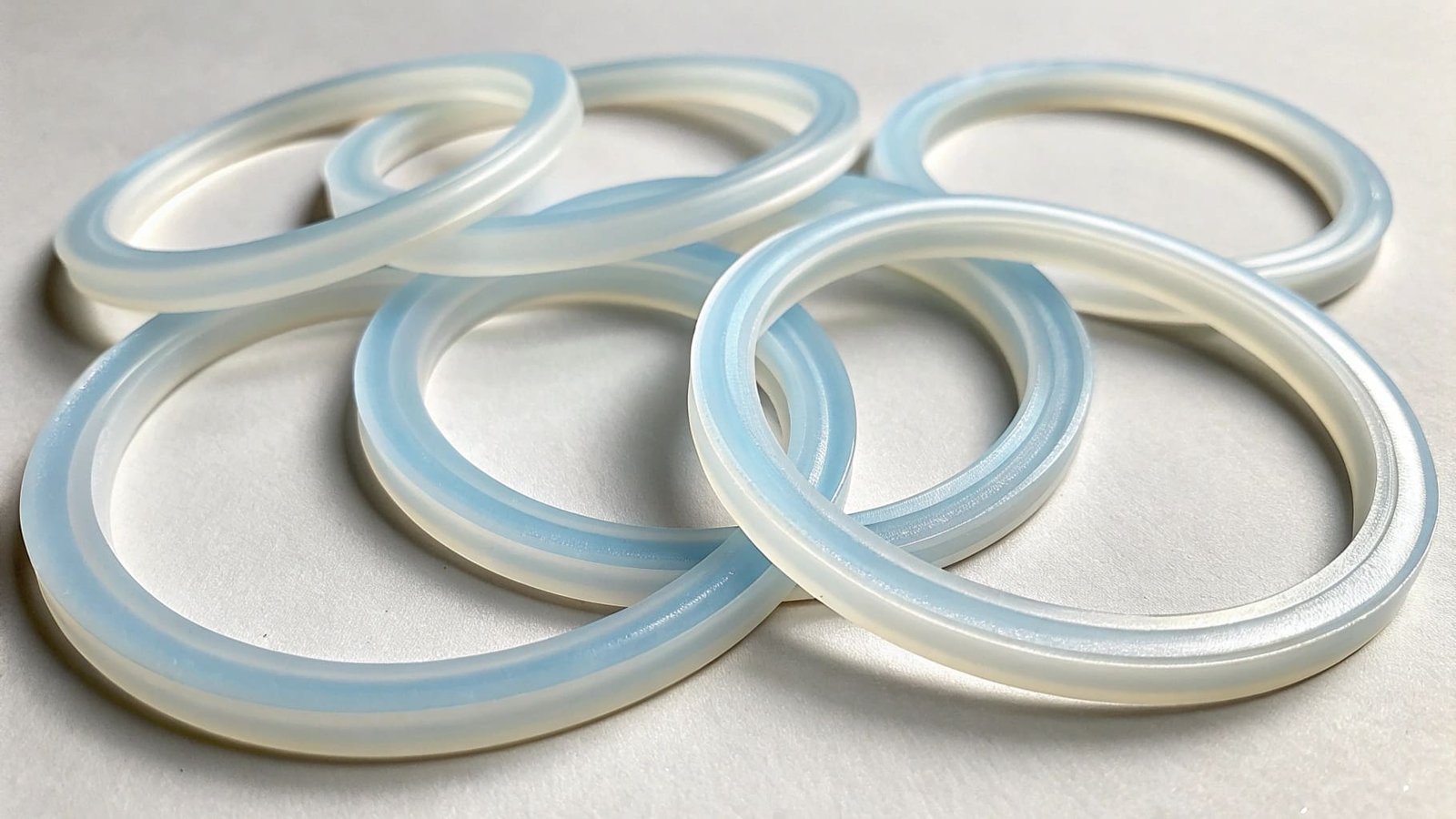
This mistake cost him thousands of dollars. But it taught me something important. Many buyers focus on bottle quality but overlook the O-rings. I want to share what I learned after ten years in this business.
What are O-rings used for?
Most people see O-rings as simple rubber rings. They think any circular seal will work. But I have seen how the wrong O-ring ruins an entire product line.
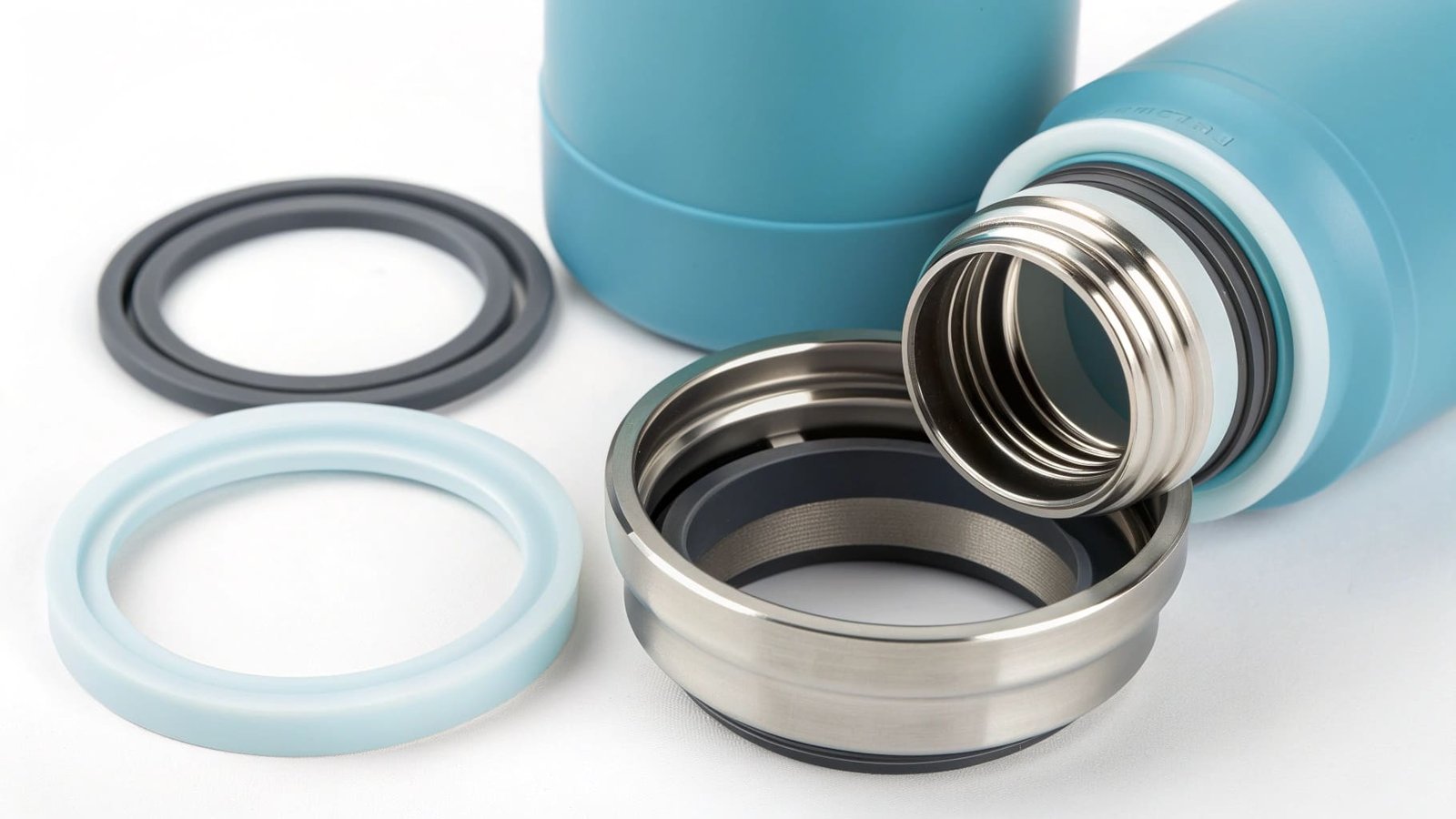
O-rings perform three critical sealing functions in water bottles. They seal the main cap connection. They control liquid flow in sport caps. They preserve thermal performance3 in insulated bottles.
The Three Core Functions
I work with clients who order different O-rings4 for different bottle parts. Let me break down what each type does.
The primary seal O-ring sits between the bottle opening and the cap. This ring stops liquid from escaping when you close the bottle. I always tell my clients this is the most important seal. If this fails, customers will return the entire batch. The ring must compress evenly around the bottle neck. It needs to maintain this compression after hundreds of opening cycles.
The secondary seal O-ring works in flip-top or push-pull mechanisms. This seal moves every time someone opens the bottle. I have tested these rings thousands of times. They face more stress than static seals. The material must resist wear from constant friction. It also needs to snap back to its original shape instantly.
The thermal barrier O-ring appears in vacuum-insulated bottles. This ring sits at the connection point between inner and outer walls. Air infiltration destroys the vacuum effect. I learned this the hard way when a client complained about poor temperature retention. We traced the problem back to an undersized O-ring that let air seep through.
| O-Ring Type | Location | Main Function | Durability Requirement |
|---|---|---|---|
| Primary Seal | Cap to bottle interface | Prevent liquid leakage | 1000+ cycles |
| Secondary Seal | Moving mechanism | Control flow during operation | 5000+ cycles |
| Thermal Barrier | Vacuum chamber | Maintain insulation | Permanent seal |
What is the O-ring material for drinking water?
I still remember my first trade show in 2015. A buyer asked me about material safety certificates5. I could not answer clearly. That embarrassment pushed me to learn everything about O-ring materials.
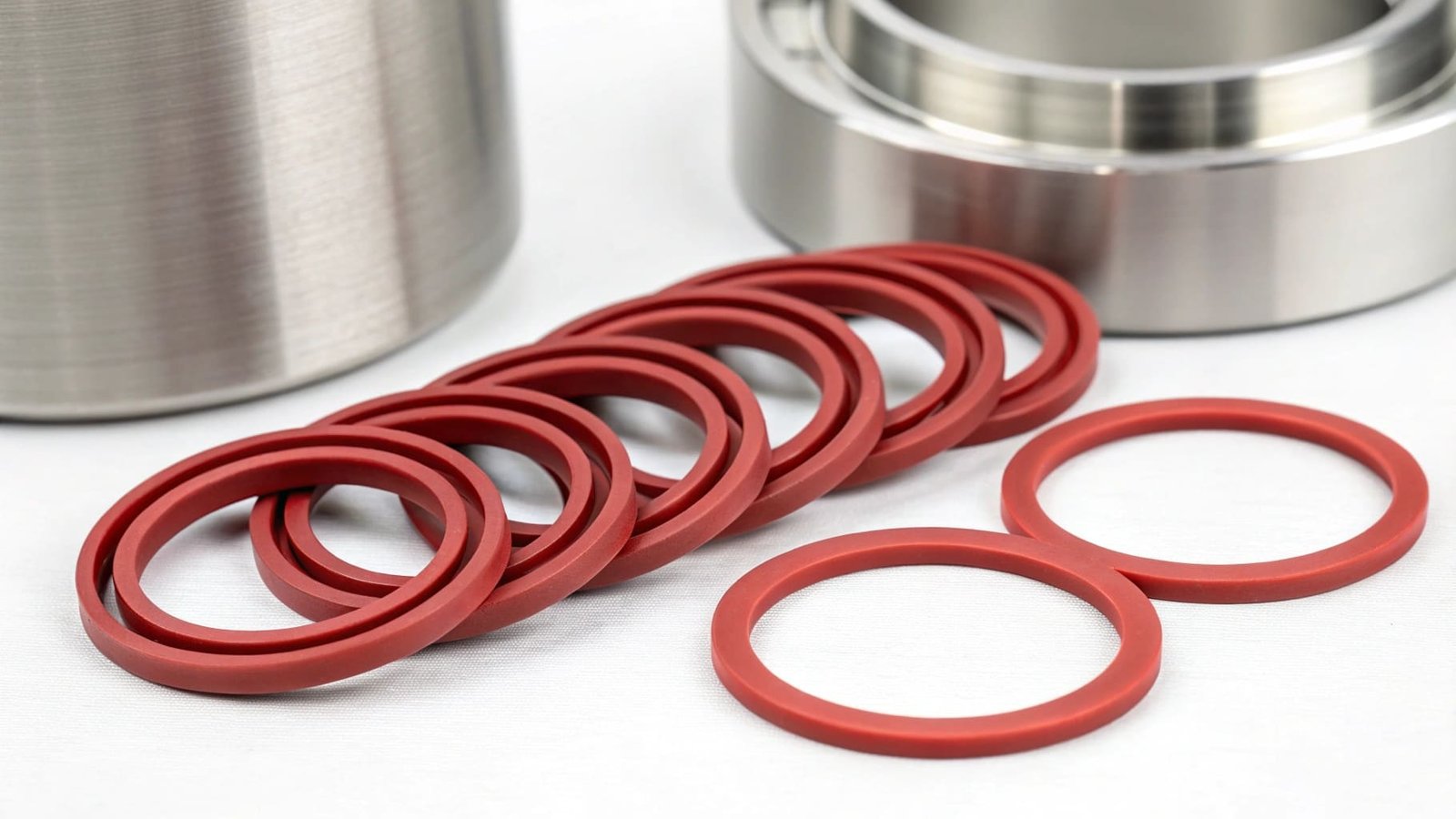
Food-grade silicone dominates the premium water bottle market. It withstands extreme temperatures without degrading. The material remains odorless and tasteless throughout its lifetime. EPDM rubber offers a cheaper option for basic applications.
Material Selection Guide
I choose materials based on what the bottle will contain and where it will sell. Different markets have different safety standards.
Silicone O-rings became my default recommendation for North American and European clients. The material handles temperatures from negative forty degrees to two hundred degrees Celsius. I have never received a complaint about taste or smell from silicone rings. The FDA approves food-grade silicone6 for direct contact with beverages. EU regulations also recognize its safety. My clients pay more for silicone, but they avoid customer returns and liability issues.
EPDM rubber works well for cold water bottles in price-sensitive markets. This material costs about thirty percent less than silicone. But I warn clients about its limitations. EPDM degrades faster when exposed to hot liquids. It can develop odors after extended use. Some buyers still choose EPDM for promotional bottles or gym giveaways where price matters more than longevity.
I rarely recommend other materials for drinking water applications. NBR rubber contains compounds that may leach into beverages. Some manufacturers still use it because it costs less. But I have seen recalls happen when safety tests detect chemical migration. The short-term savings disappear when you factor in reputation damage.
The testing requirements also differ by material. I always provide FDA compliance certificates with silicone O-rings. Some clients need additional certifications like LFGB for German markets. EPDM suppliers should offer at least basic food contact certificates. I refuse to source O-rings without proper documentation.
What are the types of O-ring applications?
A client once ordered five thousand O-rings without specifying the application type. Half of them failed during assembly. I learned that day how application type determines everything about O-ring design.
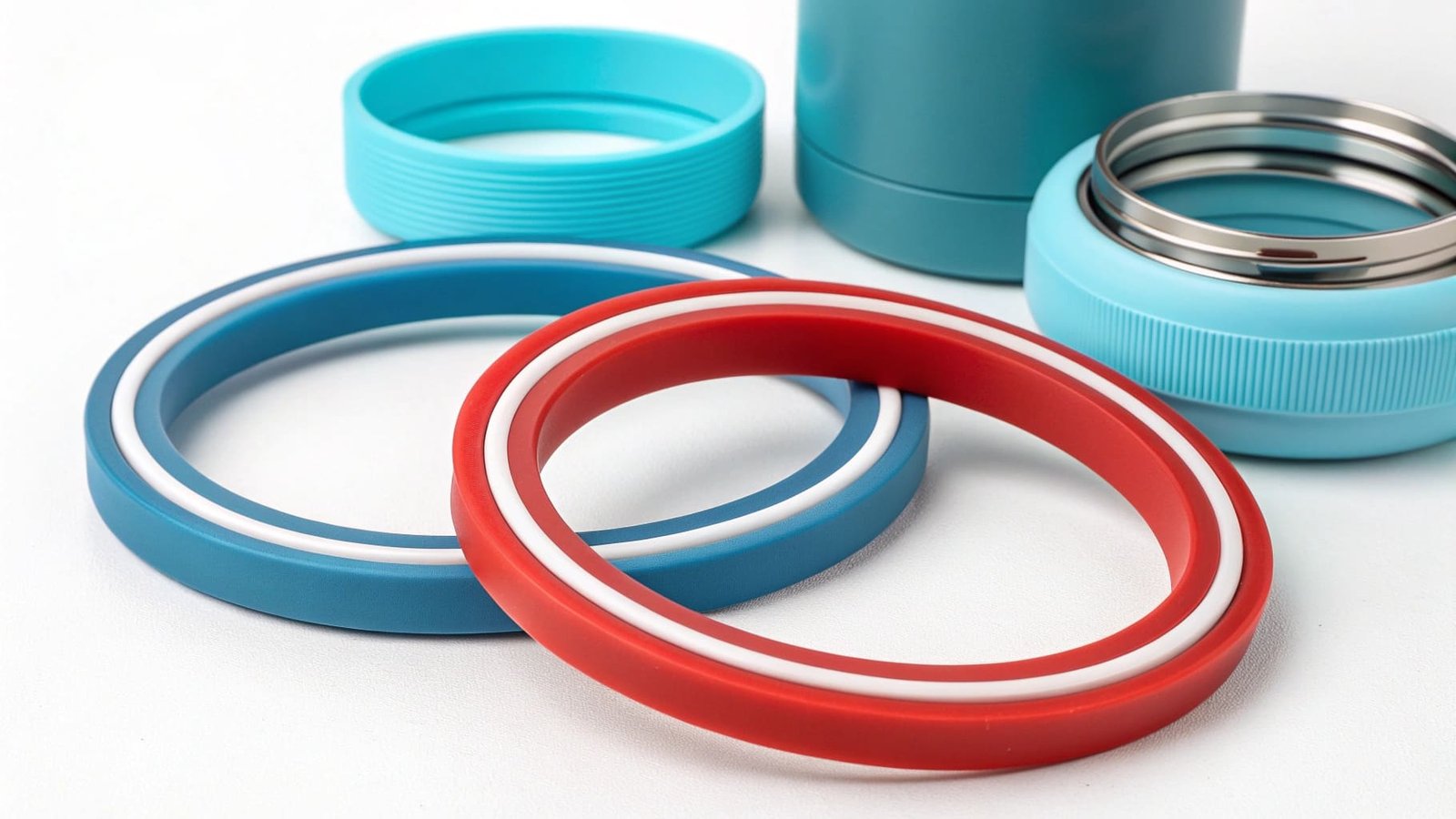
Water bottles use two main O-ring application types. Static O-rings remain fixed in one position. Dynamic O-rings move during normal bottle operation. Each type needs different material properties and dimensional tolerances.
Understanding Application Categories
I divide O-ring applications into categories based on movement and stress patterns. This helps me recommend the right specifications.
Static O-rings create seals at fixed connection points. I see these in straw base assemblies and permanent cap liners. The ring compresses once during assembly and stays compressed. The main stress comes from the initial installation force. I specify softer durometer ratings for static applications. This allows easier assembly while maintaining good sealing pressure. A Shore A hardness of fifty to sixty works best. The surface finish of the groove matters less because the ring does not slide.
Dynamic O-rings face continuous movement and friction. Push-pull spouts and twist-open caps use this type. The ring slides against metal or plastic surfaces every time someone uses the bottle. I recommend harder materials for these applications. Shore A hardness should range from sixty to seventy. The groove surfaces need polishing to reduce friction. Without proper surface treatment, the O-ring wears out after a few hundred cycles.
Multi-lip O-ring designs appeared in premium bottles about three years ago. These rings have two or three sealing edges instead of one. I tested them against standard O-rings last year. The multi-lip design seals better with less compression force. This makes bottles easier to open and close. Users appreciate the smooth feel. The design also extends the O-ring lifespan because stress distributes across multiple contact points.
| Application Type | Movement Pattern | Recommended Hardness | Surface Finish | Expected Lifespan |
|---|---|---|---|---|
| Static | No movement | 50-60 Shore A | Standard | 5+ years |
| Dynamic | Continuous sliding | 60-70 Shore A | Polished | 2-3 years |
| Multi-lip | Varies | 55-65 Shore A | Polished | 4-5 years |
The dimensional tolerance requirements also change with application type. Static O-rings can have looser tolerances because they do not move. Dynamic O-rings need tighter control. I specify tolerances within plus or minus zero point one millimeters for moving applications. This prevents the ring from twisting or rolling during operation.
Conclusion
O-rings determine whether water bottles succeed or fail in the market. Choose food-grade silicone for safety. Match the O-ring type to your application. Test thoroughly before mass production.
-
Explore how leak-proof seals enhance the functionality and reliability of water bottles. ↩
-
Discover the significance of vacuum insulation in maintaining beverage temperature. ↩
-
Learn how O-rings contribute to the thermal performance of insulated bottles. ↩
-
Understanding O-rings is crucial for ensuring leak-proof seals and optimal performance in water bottles. ↩
-
Explore the importance of safety certifications to ensure compliance and consumer safety. ↩
-
Find out why food-grade silicone is preferred for safety and performance in water bottles. ↩