Which Gasket Materials Work Best for Waterproof Tumbler Lid Assembly?
Last month, I received another complaint about leaking tumbler lids. The buyer had used cheap rubber gaskets. They failed after just three months of normal use.
For potable water applications, food-grade silicone gaskets1 work best. They meet FDA and EU standards, resist temperatures from -40°C to 230°C, and stay odorless even after repeated dishwasher cycles. Neoprene costs less but may leach chemicals into beverages.
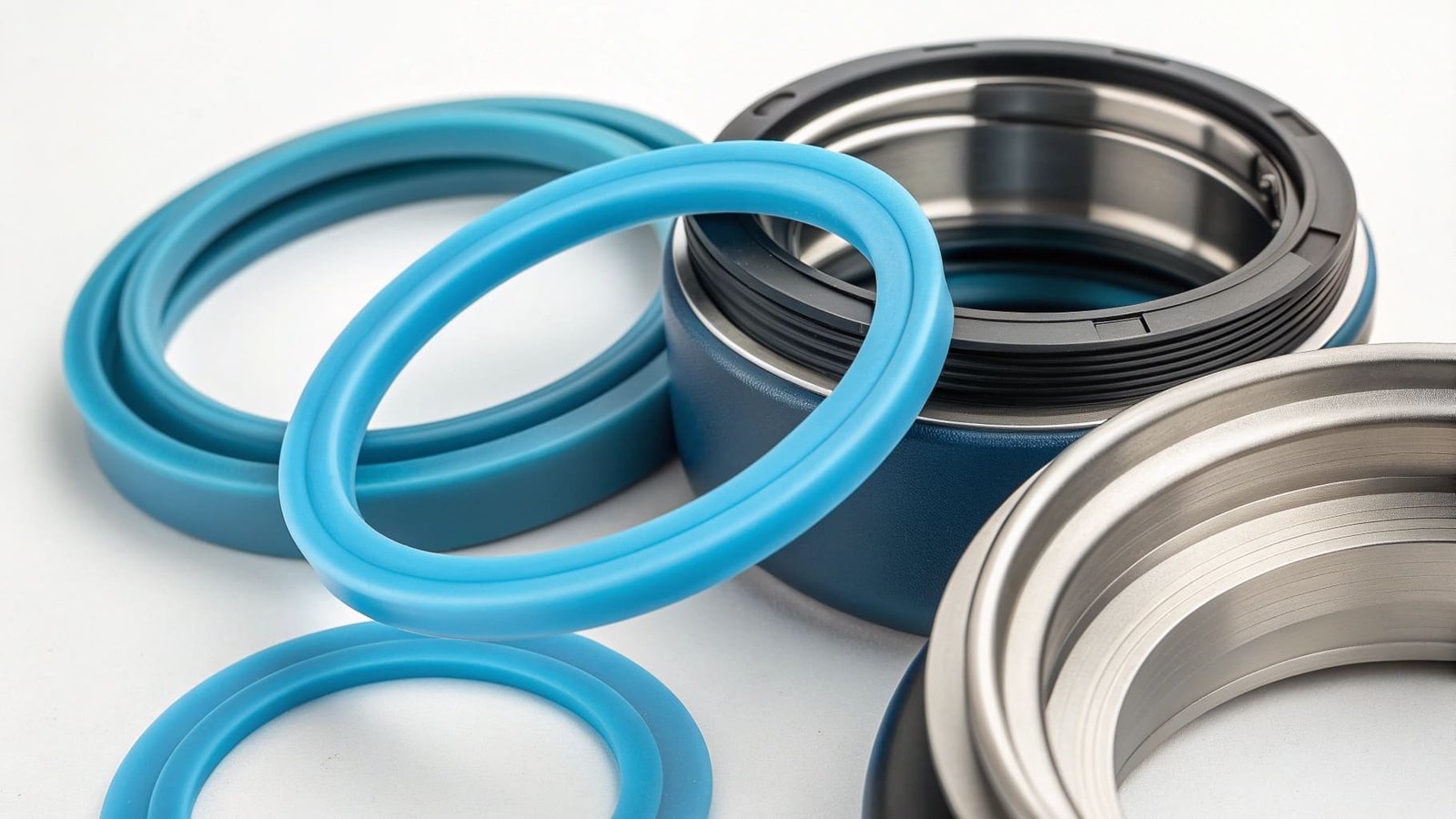
I have worked with tumbler gaskets for eight years now. During this time, I have seen many buyers make the same mistake. They focus only on the upfront cost. Then they face returns and damaged reputations. The gasket material2 you choose affects everything from compliance certificates to customer satisfaction. Let me share what I have learned from working with buyers like Mark across North America and Europe.
What is the best rubber seal for water?
Your customers expect their tumblers to stay leak-free for years. But many rubber seals break down when they touch water repeatedly. This creates warranty claims and hurts your brand reputation.
Food-grade silicone rubber seals work best for water contact. They maintain elasticity across extreme temperatures, resist microbial growth, and meet NSF/ANSI 61 standards for potable water safety. Unlike natural rubber or EPDM, silicone does not absorb water or develop odors.
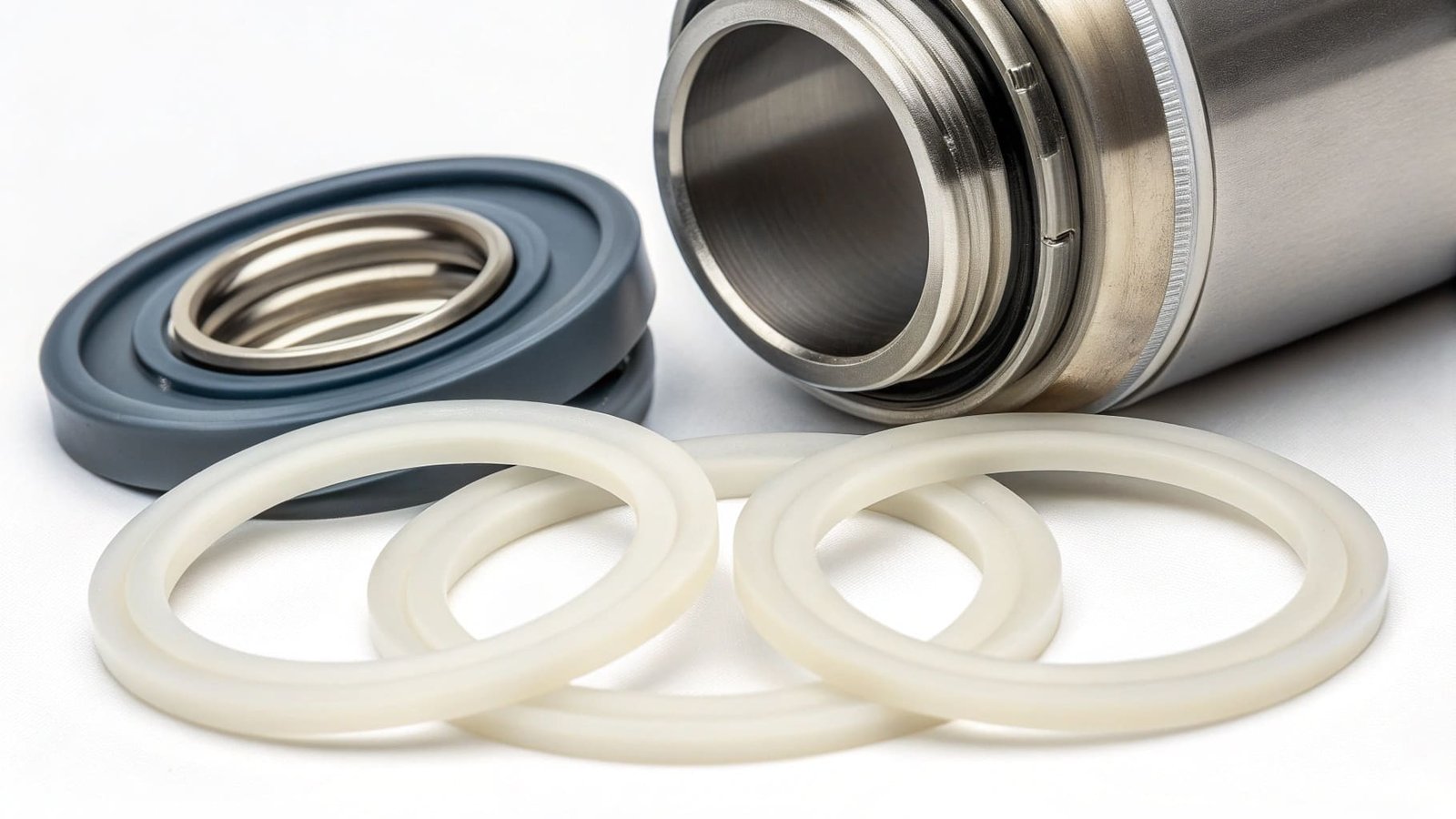
Why silicone outperforms other rubber materials
I tested different materials in my factory last year. We put natural rubber, EPDM, and silicone gaskets through the same stress tests. The results were clear.
Natural rubber gaskets showed surface cracks after just 200 dishwasher cycles. EPDM performed better but started absorbing coffee stains around the 400-cycle mark. The silicone gaskets still looked new after 1000 cycles. They kept their shape and stayed completely odorless.
The compression set resistance tells the real story. After 1000 compression cycles, silicone gaskets recovered to 85% of their original height. Natural rubber only recovered to 65%. This difference means silicone seals keep working while other materials start leaking.
Here is what I found in practical testing:
| Material Type | Compression Recovery | Dishwasher Cycles | Water Absorption | Odor Development |
|---|---|---|---|---|
| Silicone | 85% after 1000 cycles | 1000+ | None | None |
| Natural Rubber | 65% after 1000 cycles | 200-300 | 2-3% | Moderate |
| EPDM | 75% after 1000 cycles | 400-600 | 1% | Slight |
| Neoprene | 70% after 1000 cycles | 300-500 | 1-2% | Moderate |
Temperature stability matters more than most buyers realize. Coffee goes into tumblers at around 85°C. Then people put the same tumbler in their car at -20°C in winter. Silicone handles this range without getting brittle or soft. Other rubber materials either crack in cold or lose their seal in heat.
What material is used for potable water gaskets?
You need more than just a working seal. Your gaskets must pass strict regulations in North America and Europe. One failed certification can block your entire shipment at customs.
Food-grade liquid silicone rubber remains the industry standard for potable water gaskets. It complies with FDA 21 CFR 177.2600, EU Regulation 1935/2004, and LFGB standards. These certifications ensure the material does not transfer harmful substances into drinking water.
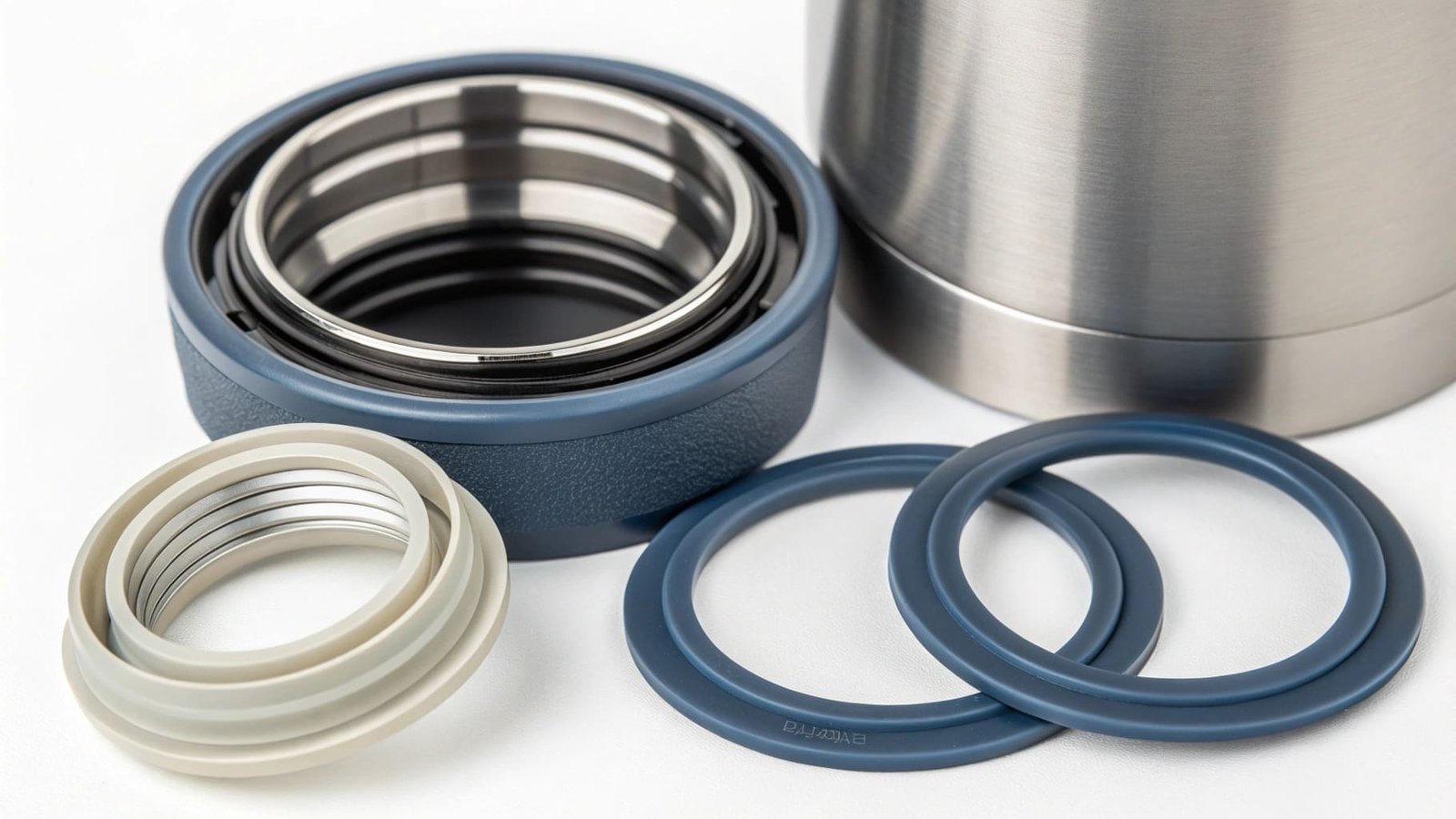
Understanding certification requirements for your target market
I learned this lesson the hard way three years ago. A buyer from Germany placed a large order. We used regular silicone without checking the LFGB requirements. The shipment got held at customs for two weeks. The buyer missed their peak sales season. I lost both money and trust.
Now I make sure every gasket batch comes with proper documentation. For North American markets, you need FDA compliance. The material must pass migration testing according to FDA 21 CFR 177.2600. This test checks if any substances move from the gasket into water or food.
European buyers require even stricter standards. You need both EU Regulation 1935/2004 and LFGB certification3 from Germany. Some buyers also ask for REACH compliance documents. These papers prove the material contains no restricted substances.
The testing process takes time and costs money. But it protects your business. Here is what each certification actually tests:
Key certification standards
FDA 21 CFR 177.2600: Tests for extractables in water, alcohol, and acidic solutions. The material cannot release more than 0.5% of its weight into food simulants.
EU 1935/2004: Requires migration testing at different temperatures. You must prove the material stays inert when it touches both cold and hot liquids.
LFGB: The German standard includes sensory testing. Trained testers check if the gasket affects the taste or smell of water. Even slight odor transfer means failure.
NSF/ANSI 61: Specifically covers materials in contact with drinking water. This standard limits toxic metal content and tests for bacterial growth resistance.
I keep these certificates updated every year. Testing labs need fresh samples because formulations can change. One small change in the curing agent can invalidate your old certificates. When Mark orders from me now, I send him the latest test reports before we discuss pricing. This saves time and builds confidence.
Which is better neoprene or silicone gaskets?
The price difference tempts many buyers to choose neoprene. You can save 30-40% on material costs upfront. But this choice often creates bigger problems down the road.
Silicone gaskets perform better for tumbler applications. They resist staining from coffee and tea, maintain flexibility across freeze-to-boil temperatures, and meet strict potable water standards without additional barriers. Neoprene works well for industrial sealing but risks chemical leaching in drinkware.
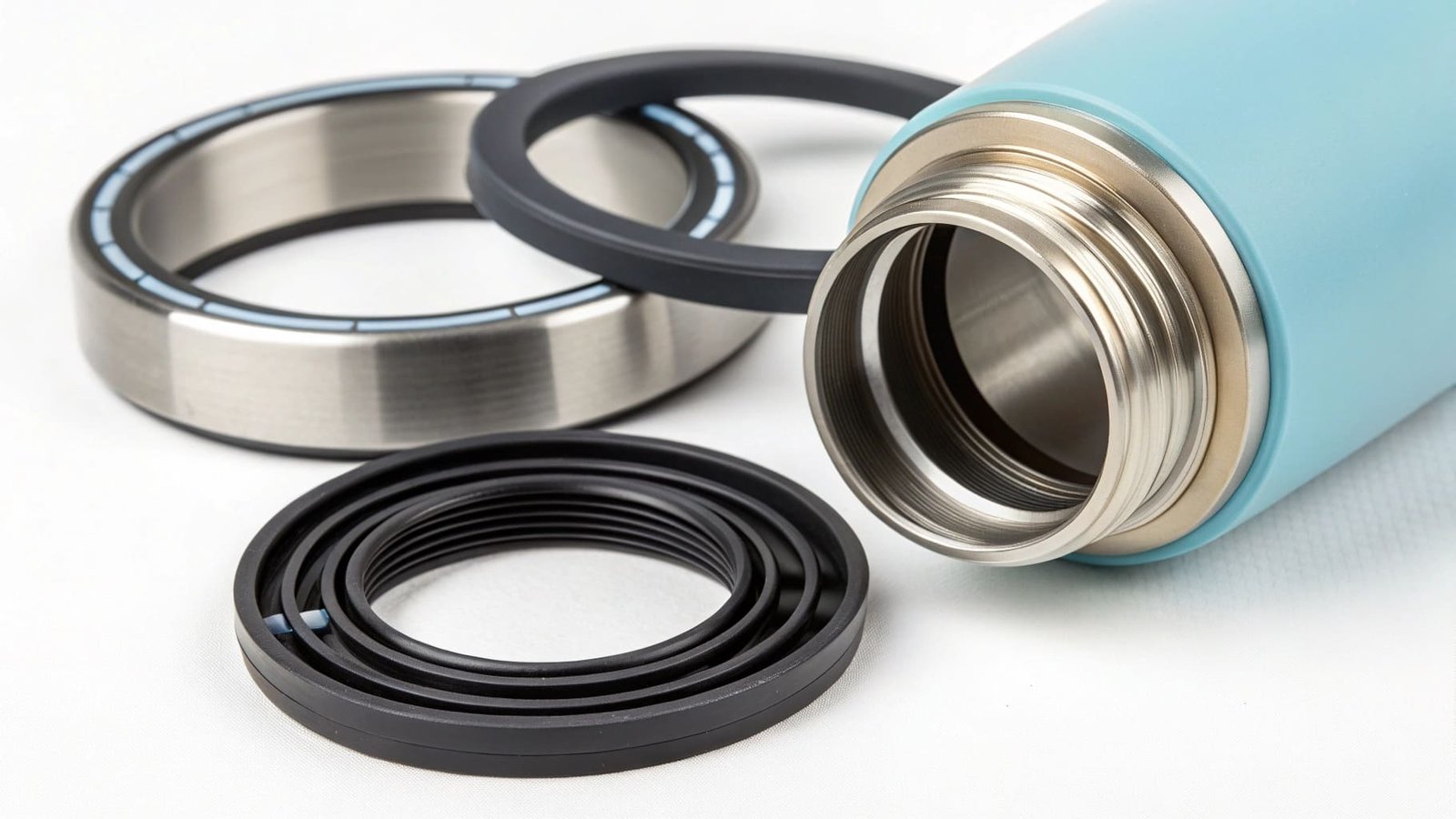
Making the right choice for your product line
I manufacture both materials in my factory. Neoprene has its place in industrial applications. It resists oil better than silicone. It costs less to produce. For machine seals or automotive parts, neoprene makes perfect sense.
But tumblers are different. They touch people's mouths every day. They hold hot coffee, cold water, and acidic juices. The gasket material needs to handle all of this without breaking down or affecting taste.
Neoprene contains sulfur-based curing agents. These compounds can migrate into beverages over time. The effect is subtle at first. After a few months, users notice a rubber smell or taste in their drinks. This leads to complaints and returns.
Silicone stays completely inert. I have never received a smell complaint about properly cured silicone gaskets. The material does not react with coffee oils, tea tannins, or citric acid from fruit drinks. Your customers can use the same tumbler for years without any degradation.
The temperature range tells another important story:
| Property | Silicone | Neoprene |
|---|---|---|
| Continuous use temperature | -40°C to 230°C | -40°C to 120°C |
| Hot beverage resistance | Excellent | Limited |
| Cold beverage resistance | Excellent | Good |
| Dishwasher safe | Yes (up to 250°C) | Limited cycles |
| Freeze tolerance | No brittleness | Becomes stiff |
| Stain resistance | Excellent | Poor with coffee/tea |
Neoprene gets stiff in freezers. Some customers like putting their tumblers in the freezer before use. When they do this with neoprene gaskets, the seal becomes rigid and may crack. Silicone stays flexible even at -40°C.
Heat resistance matters just as much. Dishwashers can reach 75-85°C during the drying cycle. Neoprene gaskets start losing their shape after repeated exposure. Silicone handles these temperatures easily. I have tested gaskets through 2000 dishwasher cycles. They still seal perfectly.
The cost difference is real. Liquid silicone rubber costs more to process. The molds need precise temperature control. The curing time is longer. But when Mark buys from me now, he calculates the total cost differently. He looks at warranty claims, customer satisfaction, and repeat purchase rates. Silicone wins every time on total cost of ownership.
Color options give you another advantage with silicone. Neoprene comes mainly in black. Silicone can be transparent, white, or custom colored to match your brand. This small detail helps your product stand out on retail shelves.
Conclusion
Choose food-grade silicone gaskets for premium tumbler lids. They meet regulations, resist temperature extremes, and keep beverages taste-free. The higher upfront cost protects your brand reputation and reduces warranty claims significantly.