What Are Tiny Cord Locks Used for in Wholesale Apparel Accessories?
You source products for a living. One small defective part can trigger returns, kill brand reputation, and cost you far more than the part itself ever saved.
Tiny cord locks are small fasteners used to hold drawstrings in place on garments. They grip the cord through friction, letting users adjust fit and release tension as needed. Common in hoodies, athletic wear, medical scrubs, and children's clothing, they are a core component in wholesale apparel accessories.
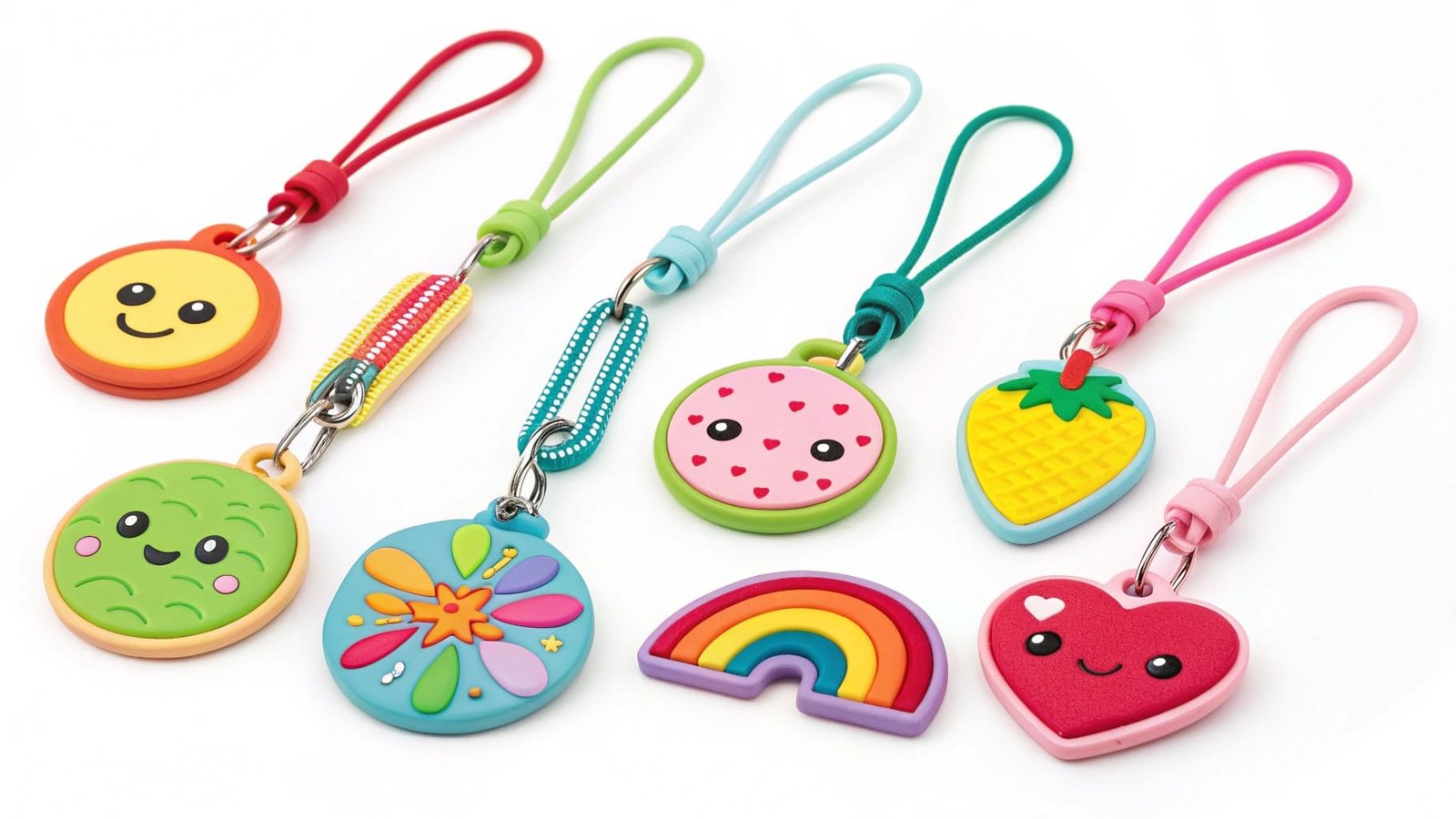
I have seen buyers overlook cord locks completely when reviewing samples. They focus on fabric, stitching, and print quality. Then the product hits shelves, and customers complain that the drawstring keeps slipping or that the lock jams. That single complaint creates a return. A pattern of returns creates a reputation problem. Understanding cord locks at a technical level protects you from that outcome before it starts.
How Does a Blind Cord Lock Work?
You pull a blind cord down and let go. The blind stays. You never think about why. But if you are sourcing cord locks for wholesale, understanding that mechanism matters more than you think.
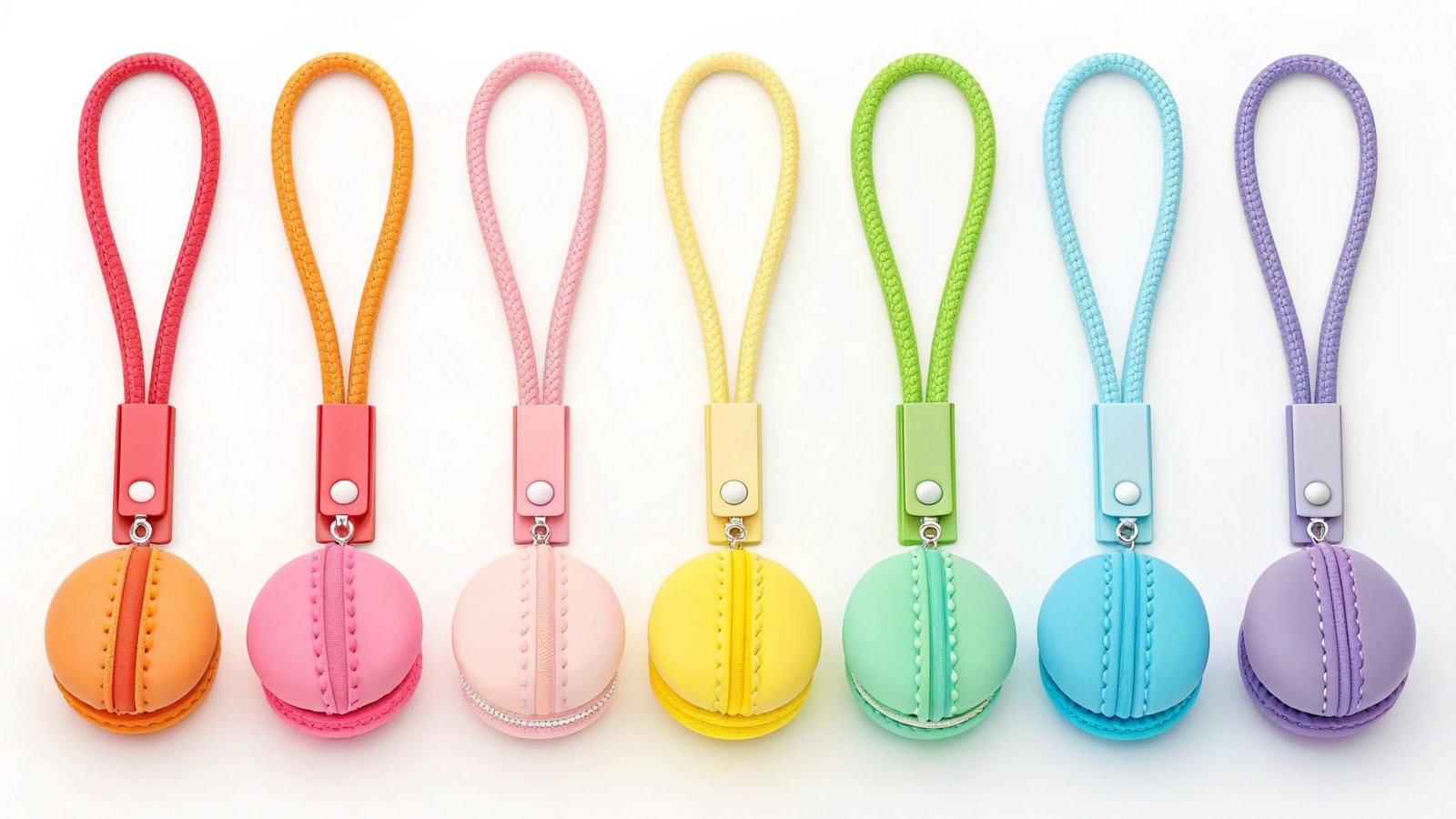
A blind cord lock holds the cord in place by pressing a spring-loaded pin or lever against the cord's surface.1 When you pull the cord, the mechanism releases. When you let go, it clamps down. This creates a grip that holds under tension without requiring any extra action from the user.
The Mechanics Behind the Hold
The spring inside a blind cord lock pushes a small pin or flat piece against the cord. That pressure creates friction. The more tension in the cord, the tighter the grip becomes. This is called a self-locking mechanism. It does not need a button or a switch to engage. It engages automatically when tension is applied.
There are two main types of blind cord locks used in apparel and home goods sourcing:2
| Type | Locking Method | Common Use |
|---|---|---|
| Spring-loaded barrel lock | Pin presses against cord under spring tension | Window blinds, bag drawstrings |
| Toggle lock | Lever rotates to pinch cord against housing | Hoodies, jacket hems, athletic shorts |
| Cam lock | Rotating cam tightens around cord | Outdoor gear, backpacks |
From a B2B sourcing perspective, the spring-loaded type is the most common and the most cost-effective at high volume. Toggle locks are more visible on garments and carry more of a design role. Cam locks appear in performance and outdoor segments where strength and reliability are the primary concerns.
When I evaluate samples, I pull the cord fully and hold for ten seconds. Then I release. The lock should hold without creeping. I test this three times. If the cord slips even once in three pulls, I reject the sample. That standard is simple. It is also non-negotiable.
Material also affects how the lock performs. A plastic housing can crack in cold weather. A silicone-coated locking pin holds its grip even when the cord is wet or cold.3 For buyers supplying the North American and European markets, that weather performance matters. Consumers in Canada or northern Europe will use these products in cold conditions. A lock that fails in the cold fails the product.
How to Use Elastic Cord Lock?
Elastic cord behaves differently from flat or round nylon cord. If you thread it the wrong way through a lock, it either jams or slips. Both outcomes lead to complaints.
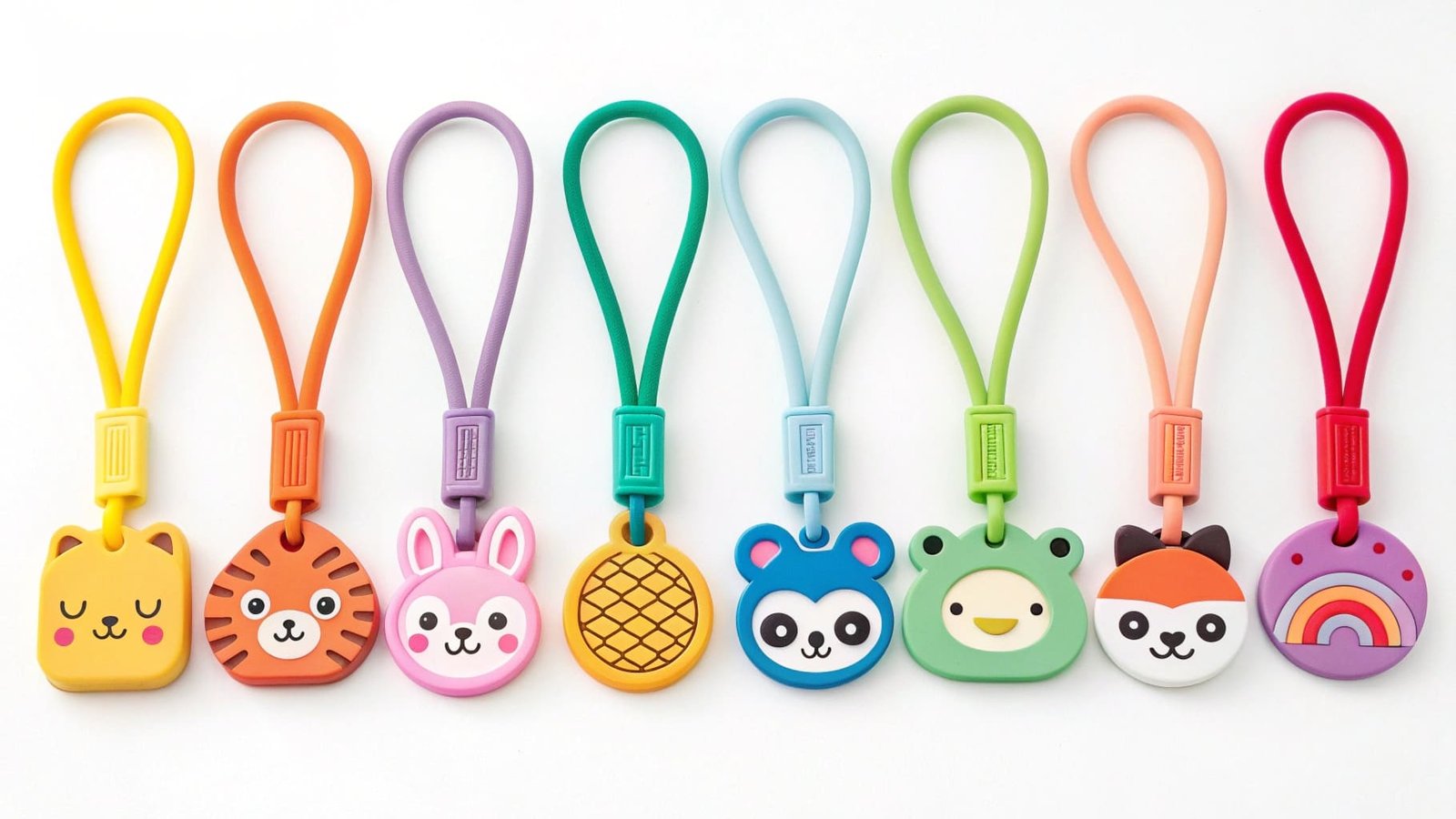
To use an elastic cord lock, thread the elastic through the channel in the lock body from the back. Pull enough cord through so the lock sits in the middle of the intended adjustment range. Then test the grip by pulling the free ends and releasing.
Threading and Positioning for Reliable Grip
The most common sourcing mistake I see is buying a cord lock designed for round nylon cord and pairing it with flat elastic. The channel width does not match the elastic width. The result is either a jammed lock or a lock that cannot grip at all.
Before placing a bulk order, I always confirm the channel dimensions of the lock against the exact elastic width and thickness being used in production. This sounds obvious. It is not always done.
Here is a basic guide for matching cord type to lock type:
| Cord Type | Cord Width | Recommended Lock Channel |
|---|---|---|
| Round nylon cord | 3mm–5mm | Barrel lock, round channel |
| Flat elastic | 6mm–10mm | Toggle lock, wide flat channel |
| Round elastic | 3mm–4mm | Spring barrel, round channel |
| Braided cord | 4mm–6mm | Cam lock or toggle lock |
Positioning matters as much as threading. The lock should sit at the exit point of the drawstring channel on the garment. If it sits too far inside, the user cannot reach it. If it sits too far outside, it catches on other surfaces and wears faster.
For children's clothing specifically, I pay close attention to how easily the lock moves. Safety standards in North America and Europe require that drawstring mechanisms on children's garments be easy to release.4 A lock that requires adult hand strength to operate is a compliance problem. I test every sample by simulating operation with reduced grip strength. If it passes that test, it is safe to proceed.
Silicone-based elastic cord locks perform better in this segment than all-plastic alternatives.5 The silicone grip surface holds the elastic without requiring extreme spring tension, which means the release force needed is lower. That is better for children's products and better for elderly users as well.
How to Release Cord Lock on Blinds?
Cord locks on blinds jam. This is one of the most common complaints in home goods returns. If you are importing or distributing blind hardware, this is a pain point you need to understand before your customers experience it.
To release a cord lock on blinds, locate the small slot or button on the side of the lock housing. Press it inward while pulling the cord gently downward. This disengages the spring pin and allows the cord to move freely.
What Makes a Cord Lock Easy or Hard to Release?
The release mechanism design determines whether a user figures it out in seconds or gives up and calls customer service. From a wholesale sourcing standpoint, this is a usability test, not a technical one.
I test release mechanisms the same way a first-time user would. I hand the sample to someone who has never seen it before and ask them to release the cord without instructions. If they figure it out within thirty seconds, the design passes. If they cannot, the design fails, regardless of how well it performs in tensile testing.
Here are the three most common release designs and how they perform in usability tests:
| Release Type | How It Works | Ease of Use | Risk Level |
|---|---|---|---|
| Side-press button | Press button inward to release pin | High | Low |
| Pull-tab lever | Pull tab on housing to disengage cam | Medium | Medium |
| Squeeze housing | Pinch both sides of housing to release | Low | High |
The squeeze housing design is the weakest from a usability perspective. Many users, especially older adults, cannot generate enough grip strength to operate it reliably. I avoid recommending this design for mass-market distribution. The side-press button is the most intuitive and has the lowest return rate in my experience.
For buyers supplying the North American market, usability is directly tied to return rates.6 A product that frustrates users gets returned. A product that gets returned costs margin, time, and brand credibility. The cord lock release mechanism is a small detail with a large downstream impact. Treat it as a primary evaluation point, not an afterthought.
I also check how the release mechanism holds up after repeated use. Spring fatigue is real. I request samples that have been cycled through five hundred open and close operations. If the release still works cleanly after that test, the product is ready for volume production discussion.
Conclusion
Tiny cord locks are small parts with large consequences. Knowing how they work, how to use them correctly, and how to release them protects your sourcing decisions and your customers' experience.
-
"Cord lock - Wikipedia", https://en.wikipedia.org/wiki/Cord_lock. Technical descriptions of blind cord-lock assemblies describe spring-loaded or cam-like components that press against a cord to restrain movement under load. Evidence role: mechanism; source type: other. Supports: A technical source should describe how a blind cord lock uses a spring, pin, lever, or cam to hold the cord.. Scope note: The source may describe a representative design; cord-lock mechanisms vary by manufacturer and application. ↩
-
"Cord lock", https://en.wikipedia.org/wiki/Cord_lock. Technical product references commonly distinguish cord locks by locking geometry, including spring-barrel, toggle, and cam-style designs. Evidence role: general_support; source type: other. Supports: A neutral technical or cataloging source should identify common cord-lock types such as barrel, toggle, and cam designs.. Scope note: Such sources can support the existence of categories but may not establish that these are the only or most common types across all apparel and home-goods sourcing. ↩
-
"Fretting Behavior of Biomimetic-Textured Silicone Rubber Under ...", https://pmc.ncbi.nlm.nih.gov/articles/PMC12387959/. Tribology and materials studies describe silicone rubber as an elastomer with frictional behavior and low-temperature flexibility that can be relevant to gripping applications. Evidence role: mechanism; source type: paper. Supports: A materials or tribology source should document silicone rubber's frictional and low-temperature properties relevant to gripping surfaces.. Scope note: This would be contextual support; it would not prove that every silicone-coated cord-lock pin performs better on every wet or cold cord. ↩
-
"Drawstrings in Children's Upper Outerwear | CPSC.gov", https://www.cpsc.gov/FAQ/Drawstrings-in-Children%E2%80%99s-Upper-Outerwear. Regulatory and standards materials from the CPSC and European standards framework address strangulation and entanglement risks from cords and drawstrings in children's clothing. Evidence role: expert_consensus; source type: government. Supports: A government or standards source should document safety rules for cords and drawstrings in children's garments in the United States and Europe.. Scope note: These sources may regulate the presence, length, placement, or design of drawstrings more directly than the specific release force of a cord lock. ↩
-
"Influence of surface structure on friction and wear characteristics of ...", https://pmc.ncbi.nlm.nih.gov/articles/PMC10652250/. Materials literature comparing elastomers and rigid plastics can support the premise that compliant silicone contact surfaces may provide different friction and grip behavior than all-plastic components. Evidence role: general_support; source type: paper. Supports: A source should provide evidence on silicone elastomer grip, friction, or required clamping force compared with rigid plastics.. Scope note: This is contextual support unless the source directly tests silicone-based and all-plastic elastic cord locks under comparable conditions. ↩
-
"[PDF] Determining the Effect of the Returns Management Experience on ...", https://trace.tennessee.edu/cgi/viewcontent.cgi?referer=&httpsredir=1&article=2592&context=utk_chanhonoproj. Consumer-behavior research on product returns identifies dissatisfaction with product performance or ease of use as a factor that can lead customers to return goods. Evidence role: general_support; source type: research. Supports: A consumer research source should connect usability problems or dissatisfaction with return behavior.. Scope note: This supports the general usability-return relationship, not a quantified return-rate effect for cord locks specifically. ↩