Where to Source Replacement Bite Valves for Outdoor Gear Distribution?
You found a supplier. The shipment arrived late. The valves failed after three months. Your customers are angry, and your reorder window is gone.
Replacement bite valves are small parts, but they carry big risk for distributors. The right sourcing decision protects your margins, your brand, and your repeat business. This guide breaks down what you need to know before you place your next order.
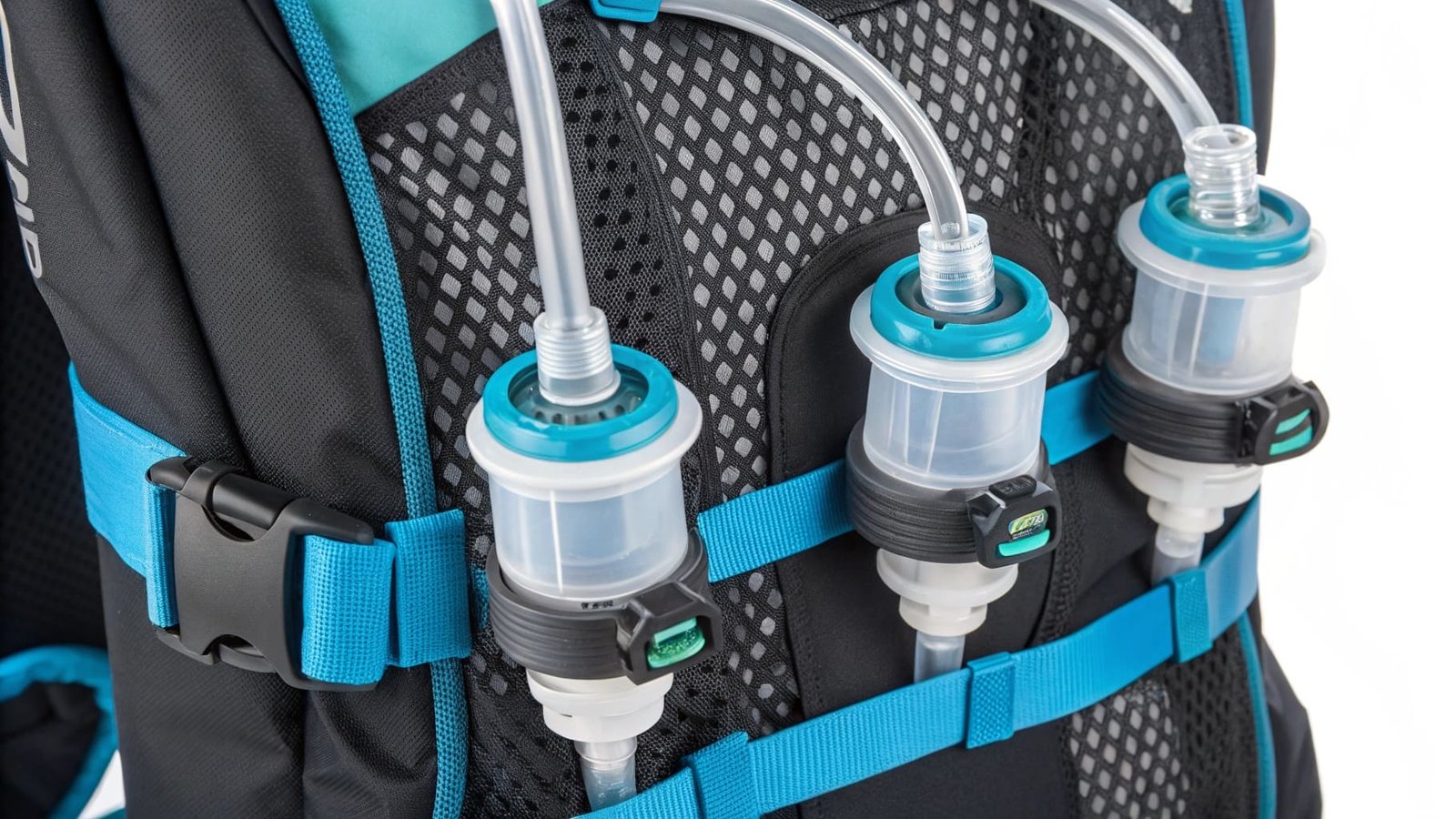
I have worked with distributors across North America who carry hydration gear. The questions they ask me most are always the same three: which valve is worth stocking, what should I pay for it, and which one sells the fastest? I will answer all three here, in plain terms.
Which Valve Is Best for Replacement?
You picked a replacement valve based on price. Your customer returned it after six weeks. That return cost you more than the margin you saved.
The best replacement bite valve depends on where you sell and who you sell to. Medical-grade silicone valves lead the premium outdoor gear segment1 because they last longer, carry no taste, and hold up in cold and heat. For mid-range or mass-market products, food-grade silicone gives you solid performance at a lower cost.
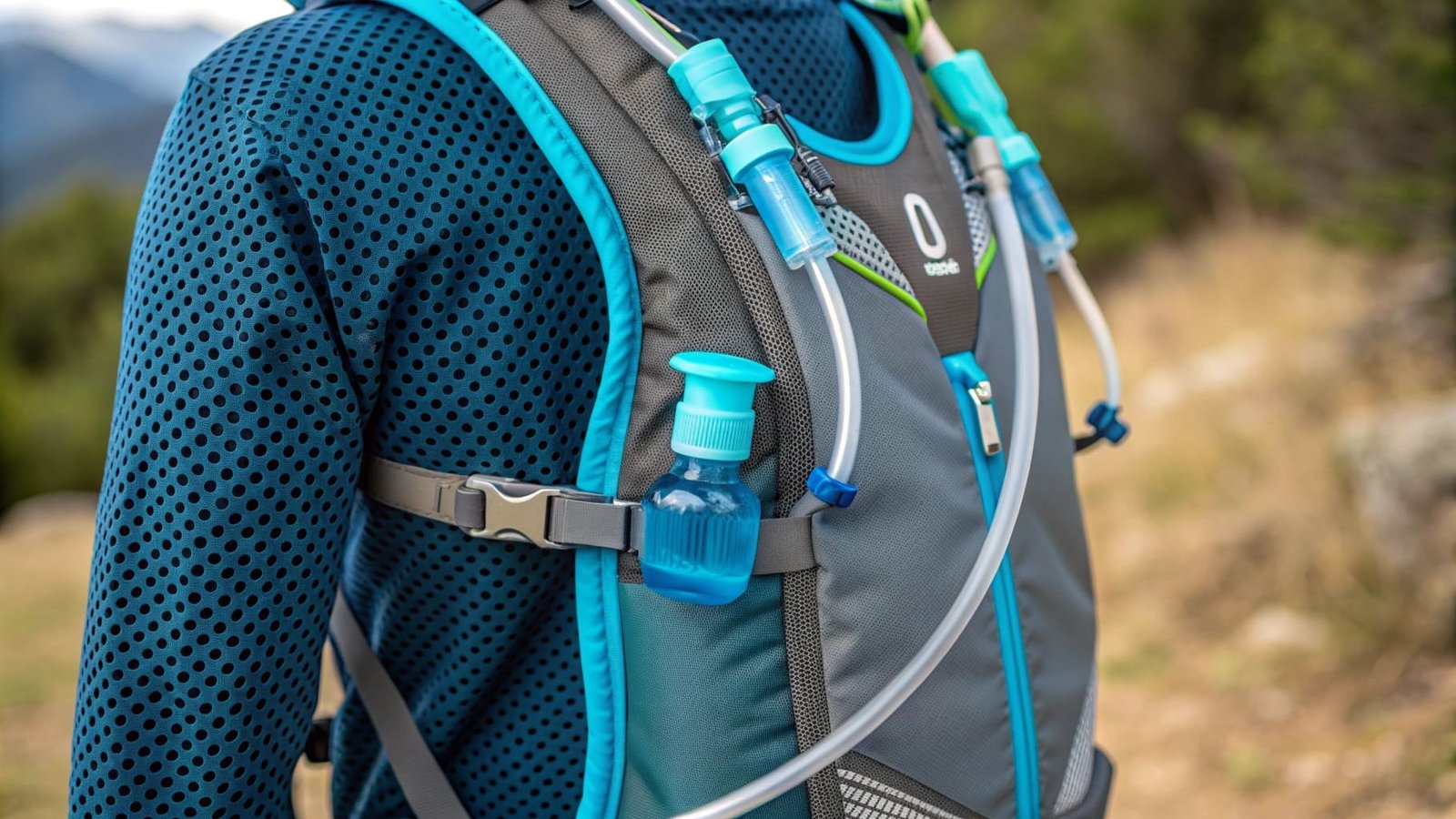
The real difference between a good valve and a bad one is the self-sealing mechanism. A well-made valve uses precision-molded silicone that keeps its shape and spring-back even after thousands of bites. A cheap valve loses elasticity fast. When that happens, it either leaks or stops flowing properly. Both outcomes create returns, and returns eat your margin.
The cross-slit design is the standard in this category. The slit stays closed when the user is not drinking, which stops drips. When the user bites down, the slit opens and water flows through. This sounds simple, but the execution varies a lot between manufacturers. The slit width, the silicone wall thickness, and the mold precision all affect how the valve performs over time.2
Here is a simple way to think about valve selection based on your market:
| Market Segment | Recommended Grade | Key Feature to Check |
|---|---|---|
| Premium outdoor retail | Medical-grade silicone | Bite cycle durability, taste neutrality |
| Mid-range sporting goods | Food-grade silicone | Flow rate, leak resistance |
| Mass market or private label | Food-grade silicone | Unit cost, minimum order flexibility |
| Children's outdoor gear | Food-grade silicone | Safety certifications, spill control |
When I evaluate a valve for a new customer, I always ask for a sample first. I bite it myself. I soak it in hot water. I check whether the slit closes clean after compression. These steps take ten minutes and save months of complaints.
How Much Do Valve Parts Typically Cost?
You received two quotes for the same valve. One was half the price of the other. You went with the cheaper one. Three months later, you know why.
Bite valve pricing works in volume tiers, and the price gap between tiers is large enough to change your margin math completely. Basic food-grade silicone bite valves run between $0.30 and $0.80 per unit when you order 1,000 pieces or more.3 Premium medical-grade versions run from $1.20 to $2.50 per unit at the same order volume.4
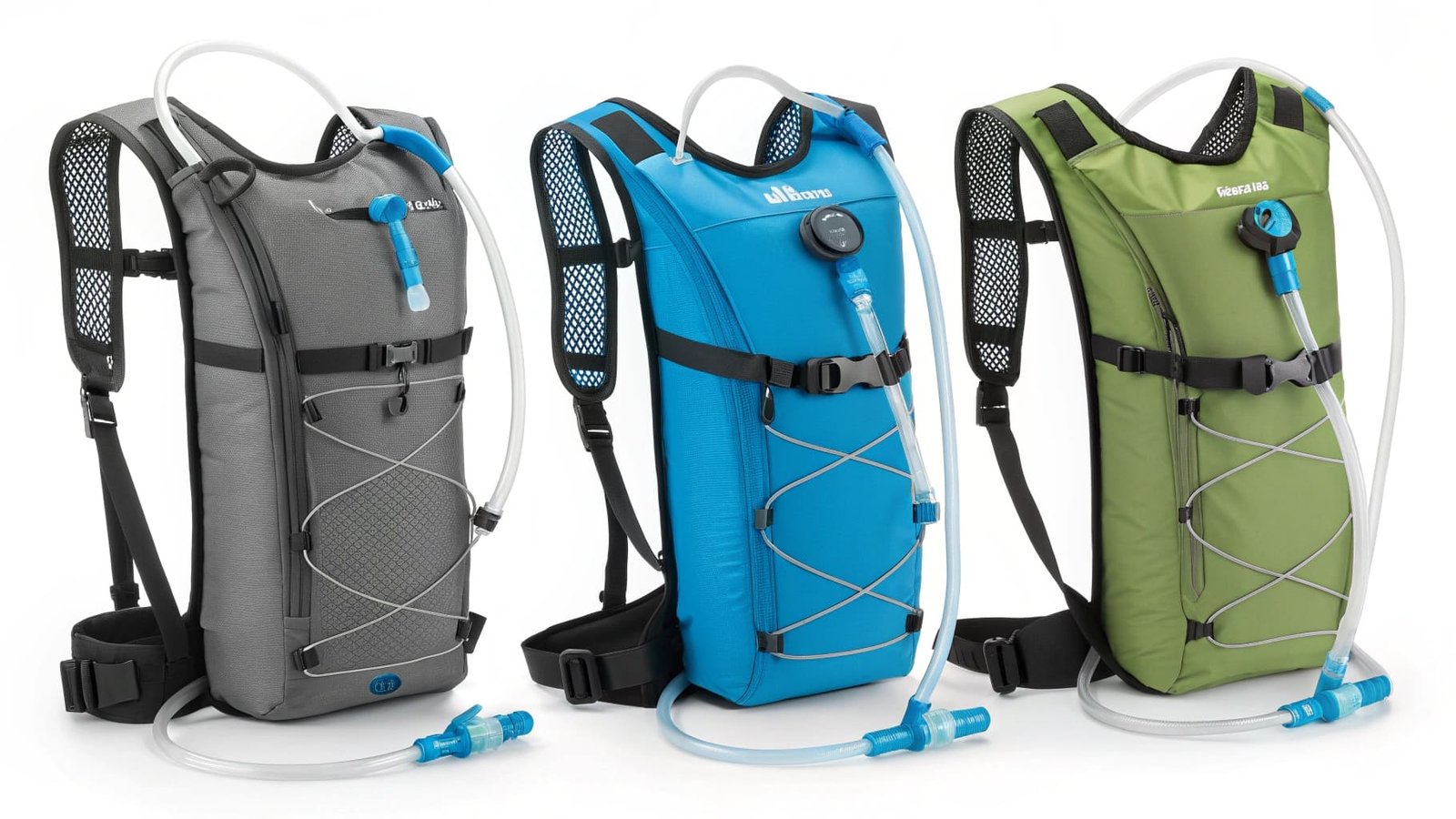
If you need a complete assembly — mouthpiece, bite valve, and connector together — add roughly $0.50 to $1.00 on top of the base valve cost. That full assembly is what most end users actually need, so it is worth understanding the price before you build your retail pricing.
Material cost makes up about 40% of what you pay per valve. The rest covers the mold tooling, quality testing, and packaging. This matters because it explains why two valves that look the same can have very different prices. A supplier cutting corners on testing or tooling can hit a low price point, but the product will show that in the field.
Here is a cost breakdown to help you build your pricing model:
| Cost Component | Share of Unit Price | Notes |
|---|---|---|
| Raw silicone material | ~40% | Grade affects taste, durability |
| Mold tooling (amortized) | ~20% | Higher for custom designs |
| Quality testing | ~15% | Certified labs cost more |
| Packaging and labeling | ~15% | Custom branding adds cost |
| Overhead and profit | ~10% | Varies by supplier |
The smartest move I have seen distributors make is signing an annual contract with their manufacturer. You lock in a price for the year, and you usually get 15% to 20% off compared to spot order pricing. For a distributor moving 10,000 units a year, that discount is real money. At silijoy, we work with distributors on contract pricing when the volume supports it. It protects both sides from material cost swings.
A healthy distributor margin in this category sits between 40% and 60%. If your current pricing puts you below that, the first place to look is your unit cost, not your retail price.
What Is the Most Common Valve to Be Replaced?
You are deciding which SKUs to stock. You guess wrong. Half your inventory sits in a warehouse while your competitors sell out of the one valve everyone actually needs.
The cross-slit bite valve for hydration bladders is the valve you need to stock first. It makes up about 70% of all replacement valve sales in the outdoor gear market. That share comes from one simple fact: more people own hydration packs than any other product in this category.
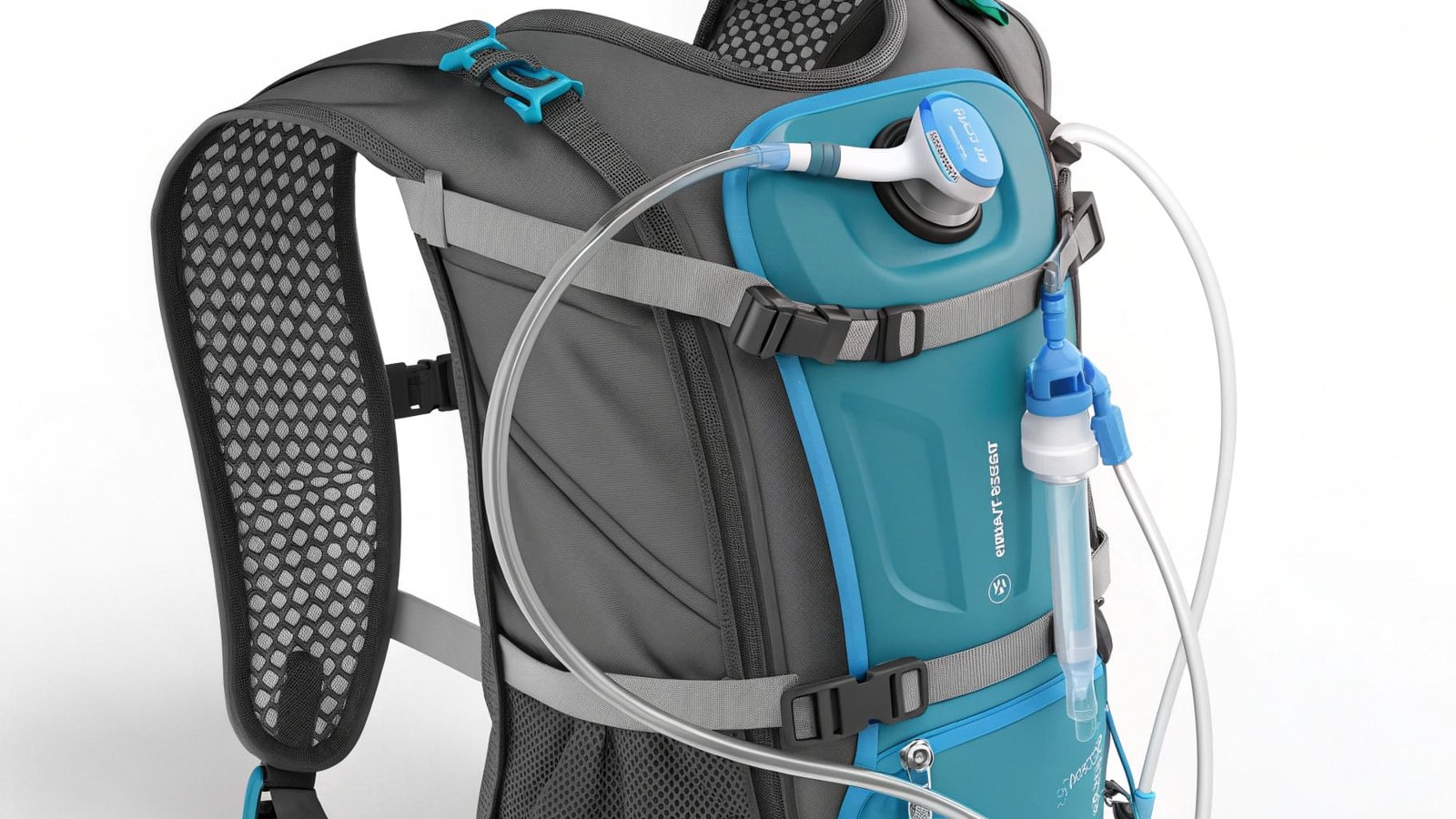
Hikers, cyclists, and runners all use hydration packs. These users drink frequently during activity, which means the bite valve takes more wear than any other part of the system. The valve is compressed repeatedly, exposed to saliva enzymes, and stressed by temperature changes between cold water and warm outdoor air. Most regular users replace their bite valve every 12 to 18 months.5 That cycle is what makes this product a reliable revenue stream, not just a one-time sale.
Push-pull valves hold about 20% of the replacement market. They are common in tactical gear and military packs, where users need to operate the valve with one hand without biting. If you sell into those segments, push-pull valves belong in your catalog. If you do not, they are a secondary priority.
Twist-lock valves make up the remaining 10%. These are mostly found in children's outdoor products, where stopping spills matters more than flow speed. Parents choose them because a child cannot accidentally release the valve by bumping it.
Here is how I think about stocking decisions based on these numbers:
| Valve Type | Market Share | Primary Segment | Replacement Frequency |
|---|---|---|---|
| Cross-slit bite valve | ~70% | Hiking, cycling, running | 12–18 months |
| Push-pull valve | ~20% | Tactical, military | 18–24 months |
| Twist-lock valve | ~10% | Children's gear | 24+ months |
If you are entering this category for the first time, start with the cross-slit valve. It is the highest-volume product, and stocking it well is more valuable than trying to cover every type at once. Once your cross-slit line is running smoothly, add push-pull valves if your customer base includes tactical buyers.
I have seen distributors make the mistake of spreading their first order across all three valve types to appear like a full-line supplier. What happens is that they run out of the cross-slit valve before their next shipment arrives and sit on slow-moving push-pull and twist-lock inventory. Start with volume, then expand.
Conclusion
Stock the right valve, price it with your margins protected, and focus on the cross-slit valve first. These three decisions drive most of your outcome in this category.
-
"Adjustable Medical Grade Silicone Bite Valves – 4 Colors for ... - eBay", https://www.ebay.com/itm/800103558398?chn=ps&mkevt=1&mkcid=28&google_free_listing_action=view_item. Research on silicone elastomers supports their use in applications requiring biocompatibility, chemical stability, and resistance across a broad temperature range. Evidence role: general_support; source type: research. Supports: medical-grade silicone is widely used where durability, biocompatibility, taste neutrality, and temperature resistance are valued.. Scope note: This would support the material rationale contextually, but it would not by itself prove that medical-grade silicone leads the premium outdoor gear segment. ↩
-
"Fabrication and in vivo testing of a sub-mm duckbill valve for ... - PMC", https://pmc.ncbi.nlm.nih.gov/articles/PMC11646279/. Engineering studies of elastomeric slit and duckbill valves show that valve geometry and material dimensions affect opening pressure, leakage, and long-term sealing behavior. Evidence role: mechanism; source type: paper. Supports: geometry and manufacturing tolerances influence the opening pressure, leakage, and fatigue behavior of elastomeric slit valves.. Scope note: The source would support the mechanical principle rather than provide field data for hydration products specifically. ↩
-
"Giraffe Bottle Silicone Bite Valve", https://www.giraffebottle.com/silicone-bite-valve. Bulk trade listings and import-price data provide contextual evidence that silicone hydration bite valves are commonly quoted in low per-unit price ranges at thousand-piece order volumes. Evidence role: statistic; source type: other. Supports: bulk wholesale or import listings show typical unit prices for silicone hydration bite valves at thousand-piece quantities.. Scope note: Trade-listing data are market snapshots and may vary by country, certification, tooling, and contract terms. ↩
-
"Patented Medical-Grade Silicone Big Bite Valves in 4 Fun Colors for ...", https://www.ebay.com/itm/406324433841. Bulk procurement data for medical-grade silicone molded components show higher per-unit quotations than basic food-contact silicone parts, reflecting material, documentation, and quality-control requirements. Evidence role: statistic; source type: other. Supports: medical-grade silicone molded mouth-contact components are quoted at higher unit prices than basic food-grade versions at comparable order quantities.. Scope note: The evidence would contextualize the price premium but may not verify the exact range for every supplier or region. ↩
-
"4 Pcs Hydration Bladder Bite Valve Replacement Water Bottle Silicone", https://www.ebay.com/itm/198064022768. Maintenance guidance for hydration reservoirs emphasizes periodic inspection and replacement of bite valves when wear, leakage, or contamination occurs, supporting the need for recurring replacement. Evidence role: general_support; source type: institution. Supports: hydration-system maintenance guidance recommends periodic inspection and replacement of worn bite valves, with intervals influenced by use frequency and condition.. Scope note: Such guidance may support recurring replacement but may not independently confirm a universal 12-to-18-month interval. ↩