What Are Universal Silicone Lids and How Do They Fit Different Cup Sizes?
You bought a silicone lid. It slid off your bowl. Now your leftovers are ruined. You are not alone in this frustration.
Universal silicone lids fit multiple container sizes because they are made from elastic silicone material that can stretch or suction to form a seal. Most cover containers ranging from 2.5 inches to 12 inches in diameter. They work on bowls, cups, pots, and jars without needing a size-specific match.
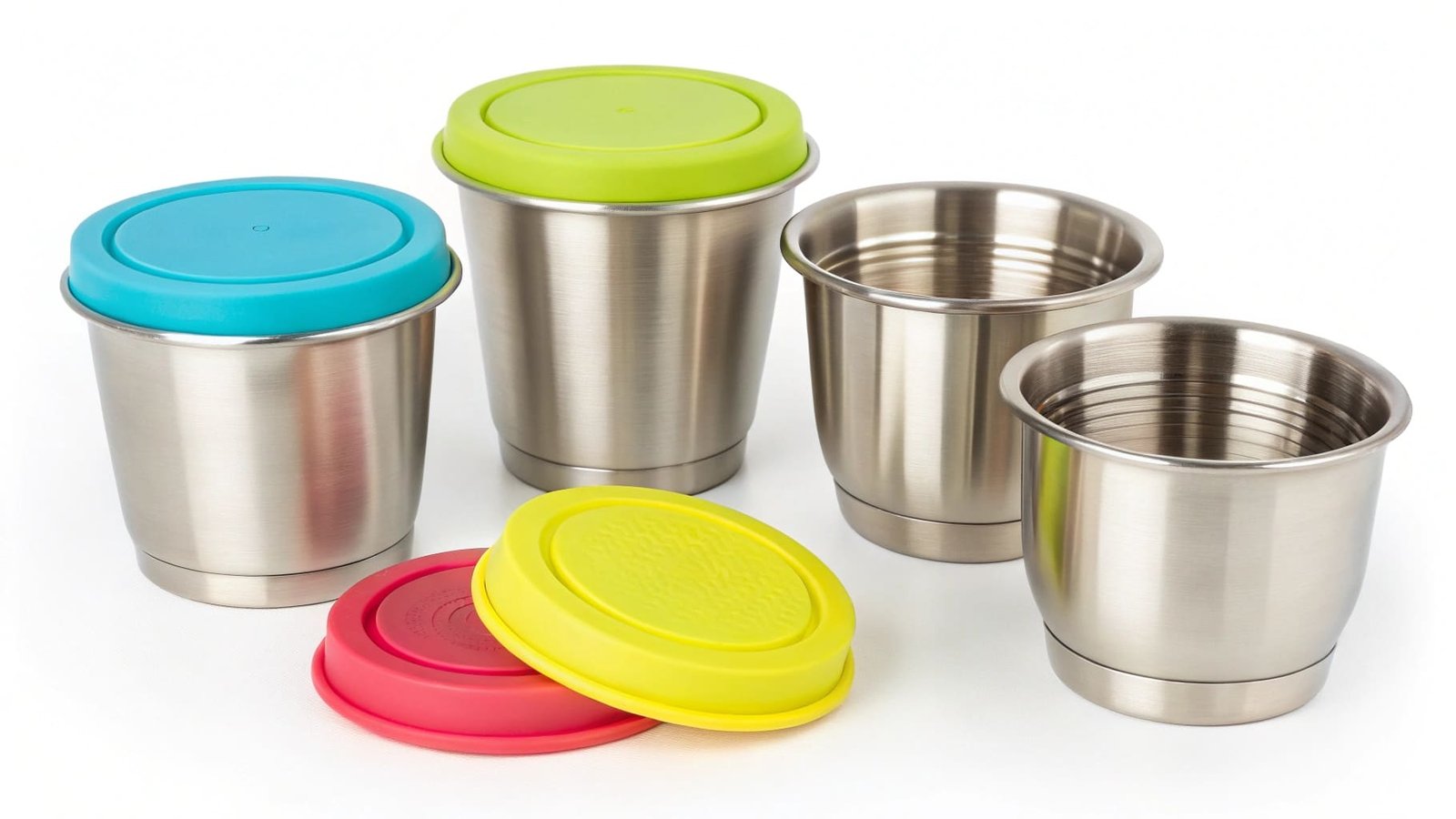
I have spoken with many buyers who come to me with the same question. They want a lid that works across their entire product line without buying ten different SKUs. That is exactly what universal silicone lids are designed to solve. But to pick the right one for your business, you need to understand how they actually work — and where they fall short. Let me walk you through everything you need to know.
How Do You Use a Universal Suction Lid?
You press it down wrong. The seal breaks. Liquid spills everywhere. Using a suction lid sounds simple, but most people do it incorrectly the first time.
A universal suction lid works by pressing the lid flat onto the rim of a container. The air underneath is pushed out, and the lid grips the surface through vacuum pressure.1 For the seal to hold, the rim must be smooth and flat. Press down from the center outward to release trapped air.
What Surfaces Work Best for Suction Lids?
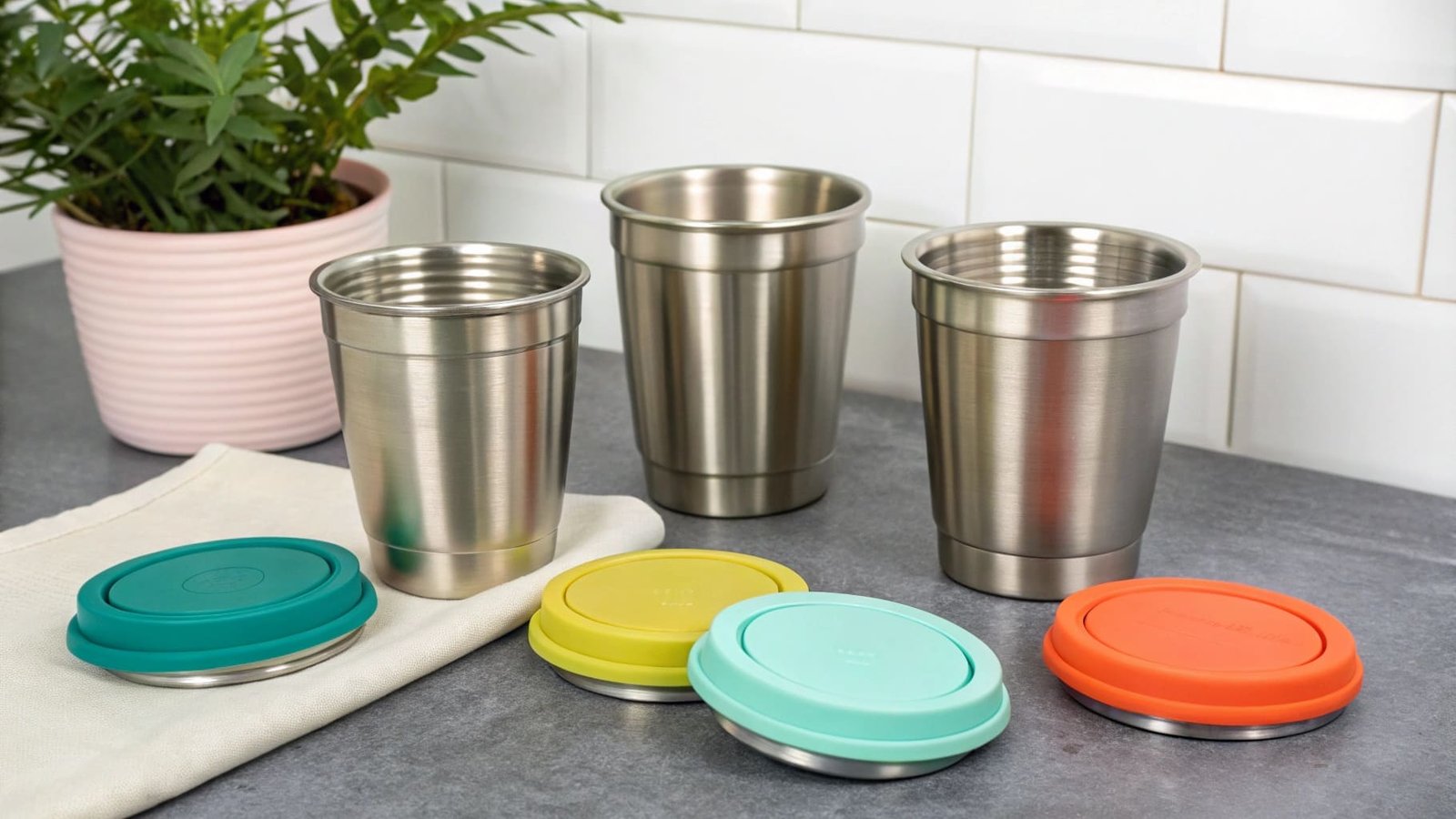
Suction lids depend entirely on the container's rim quality. If the rim has chips, grooves, or a rough texture, the vacuum will not form properly.2 This is why suction lids work well on glass bowls, ceramic mugs, and smooth stainless steel tumblers, but struggle on plastic containers with molded edges or uneven surfaces.
Here is a quick comparison I share with my wholesale buyers to help them match suction lids with the right container types:
| Container Type | Rim Surface | Suction Lid Performance |
|---|---|---|
| Glass bowl | Smooth, flat | Excellent |
| Ceramic mug | Usually smooth | Good |
| Stainless steel tumbler | Smooth, rolled | Good |
| Plastic food container | Often molded or uneven | Poor |
| Cast iron pot | Textured, uneven | Not suitable |
How Much Pressure Does a Suction Lid Need?
You do not need to push hard. That is a common mistake. A firm, even press with both palms is enough. The goal is to remove the air pocket, not to deform the lid. If the lid pops off after a few minutes, the rim surface is likely the problem, not the amount of pressure you used.
For buyers sourcing suction lids for distribution, I always recommend testing the lid on the actual containers your end customers will use. A suction lid that works perfectly on a wide-mouth glass bowl may fail on a tapered tumbler. This is a simple quality step that saves a lot of returns later.
What Is a Silicone Stretch Lid?
Your container has a strange shape. The suction lid keeps falling off. You need something that bends to the container, not the other way around.
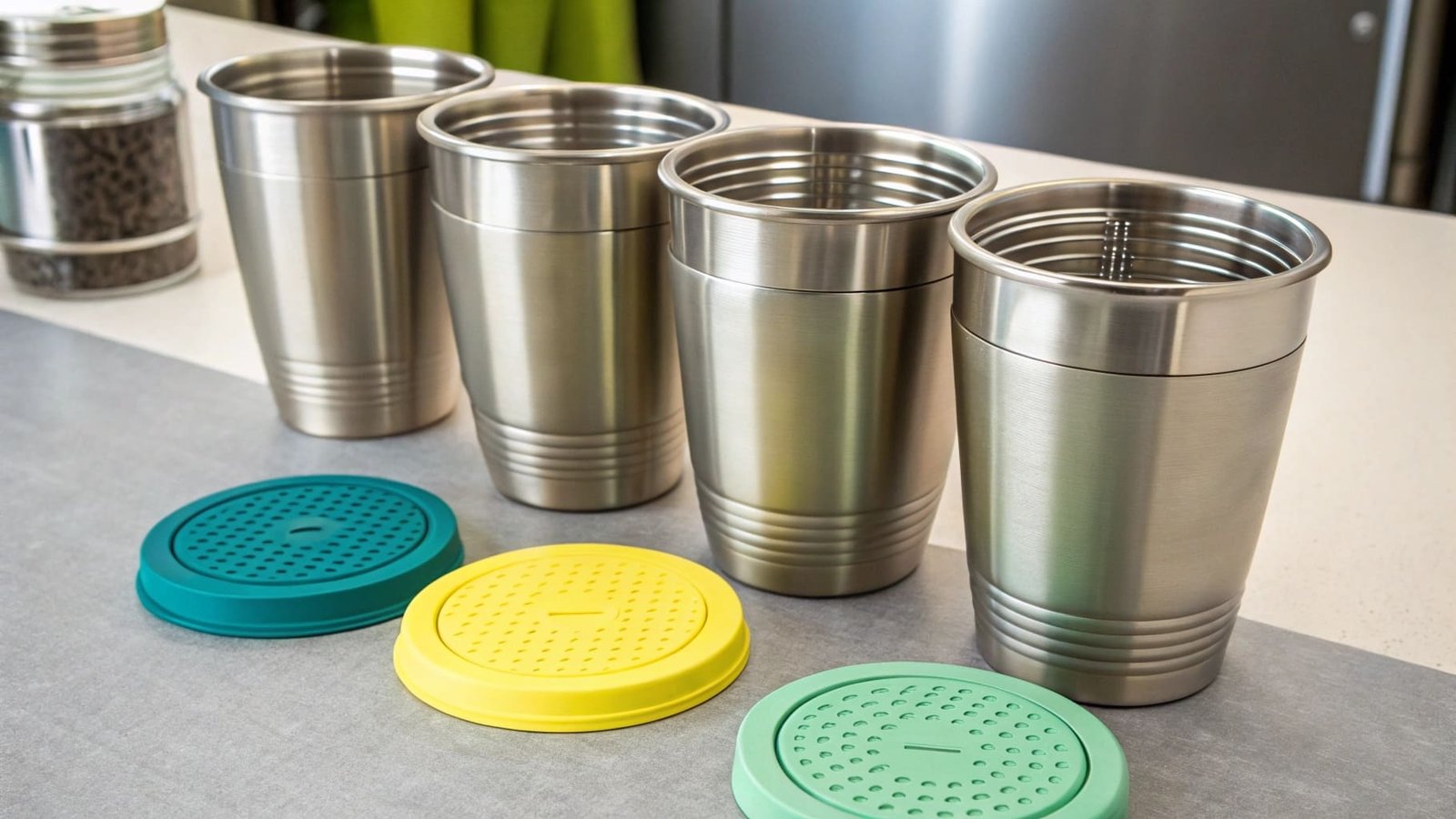
A silicone stretch lid is a lid made from high-elasticity silicone that you pull over the top of a container. It does not rely on a vacuum seal. Instead, it grips the outside edge of the container through the material's natural tension after stretching3.
How Does Elastic Memory Make Stretch Lids Work?
The key behind a silicone stretch lid is elastic memory. This means the material wants to return to its original shape after being stretched. When you pull a stretch lid over a container, the silicone fights to contract back. That tension is what holds the lid in place.
Most stretch lids on the market use silicone with a stretch capacity between 400% and 700%. That is a wide range, and it matters for your product selection. Higher stretch capacity means the same lid can cover a larger range of container sizes.4 However, very high stretch also means the grip force is lower at the smaller end of the size range5.
Here is how I explain the size range to new buyers at silijoy:
| Lid Size | Fits Container Diameter |
|---|---|
| Small | 2.5 inches to 3.5 inches |
| Medium | 3.5 inches to 5 inches |
| Large | 5 inches to 7 inches |
| Extra Large | 7 inches to 10 inches |
| XX Large | 10 inches to 12 inches |
Are Stretch Lids Better Than Suction Lids for Liquid Storage?
This is a question I get from buyers regularly. The honest answer is: it depends on how the container will be stored. Stretch lids create a strong seal on the top and sides of a container. They are reliable when the container stays upright. But if you need to store a container on its side or upside down with liquid inside, a suction lid with a proper vacuum seal performs better in that situation6.
For most everyday food storage needs — covering a bowl of leftovers, sealing a half-used can, keeping fruit fresh in the fridge — stretch lids are the more versatile and practical choice. They work on containers with irregular rims, textured surfaces, and unusual shapes that would defeat a suction lid entirely.
What Are the Disadvantages of Silicone Cookware?
You switched to silicone products. Now your food does not brown. Your bakeware smells like last night's garlic. You are wondering if silicone was a mistake.
Silicone cookware has real limitations. It cannot handle direct flame. It does not brown or crisp food the way metal does. It can hold onto strong food odors over time, even though the surface is not porous.
Why Does Silicone Not Brown Food the Way Metal Does?
This comes down to thermal conductivity. Metal transfers heat quickly and evenly across its surface. Silicone transfers heat slowly. For baking or cooking where browning is the goal — think roasted vegetables or baked goods with a crust — silicone cannot replicate what a metal pan does. It heats food through, but it does not create that high-surface-temperature reaction that causes browning.
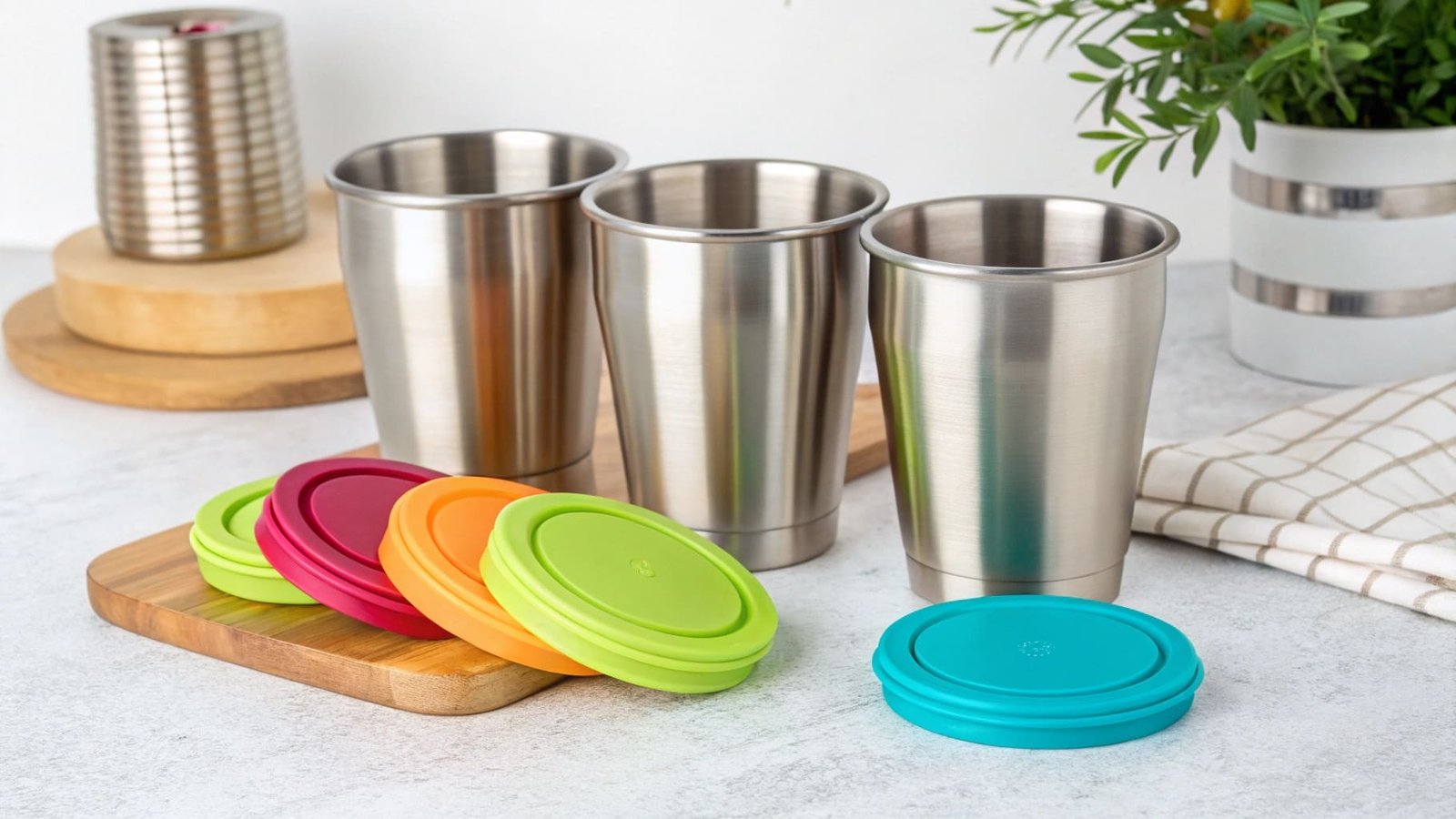
For my customers who distribute silicone products, I always advise them to position their products correctly. Silicone lids and food storage covers are not replacements for metal cookware. They are food storage and reheating tools. That distinction matters when you are writing product descriptions, training your sales team, or setting customer expectations before purchase.
Here is a breakdown of where silicone performs well versus where it falls short:
| Use Case | Silicone Performance | Notes |
|---|---|---|
| Microwave reheating | Excellent | Safe, flexible, no sparking |
| Airtight food storage | Excellent | Creates strong seal |
| Browning in oven | Poor | Low thermal conductivity |
| Direct flame cooking | Not suitable | Cannot handle open flame |
| Odor resistance over time | Moderate | May retain strong food smells |
| Dishwasher cleaning | Excellent | Durable, easy to clean |
How Should You Handle Odor Retention in Silicone Products?
Silicone does not absorb liquid, but it can trap odor molecules on its surface at a microscopic level. Strong-smelling foods like garlic, onion, fish, and certain spices are the main offenders. The good news is that this is manageable. Soaking the silicone in a baking soda and water solution for several hours removes most odors. Baking the silicone in an oven at a low temperature also helps by releasing trapped scent particles.
For buyers distributing silicone lids to end consumers, I recommend including simple care instructions with every shipment. Customers who know how to maintain their silicone products leave better reviews and come back for repeat purchases. It is a small step that makes a real difference in how your brand is perceived.
Conclusion
Universal silicone lids fit multiple sizes through suction or stretch technology. Each type has strengths and limits. Knowing the difference helps you buy and sell the right product.
-
"Vacuum Seals Design Criteria - NASA's Lessons Learned database", https://llis.nasa.gov/lesson/674. The cited physics source explains that suction occurs when air is displaced and atmospheric pressure creates a pressure differential, supporting the article’s description of a suction lid gripping through vacuum pressure. Evidence role: mechanism; source type: education. Supports: Suction devices hold because air removal creates a pressure differential, and atmospheric pressure presses the object against the surface.. ↩
-
"[PDF] VACUUM SEALS DESIGN CRITERIA - NASA", https://extapps.ksc.nasa.gov/reliability/Documents/Preferred_Practices/1223.pdf. The cited source on elastomer sealing or vacuum leakage indicates that grooves, roughness, and discontinuities at the contact surface can create leak paths, supporting the claim that damaged rims interfere with vacuum formation. Evidence role: mechanism; source type: paper. Supports: Surface defects such as grooves or roughness create leakage paths that prevent a pressure differential from being maintained.. Scope note: This support is mechanistic and contextual unless the source directly tests silicone food-storage lids. ↩
-
"Physiological Mechanisms of Eccentric Contraction and Its ... - PMC", https://pmc.ncbi.nlm.nih.gov/articles/PMC5299520/. The cited source on elastomer mechanics explains that stretched elastic materials generate restoring forces as they tend to return to their original shape, supporting the claim that a stretch lid grips by tension after stretching. Evidence role: mechanism; source type: education. Supports: Elastic materials exert restoring forces after deformation, which can create gripping tension around an object.. ↩
-
"Mechanics of Materials: Strain - Boston University", https://www.bu.edu/moss/mechanics-of-materials-strain/. The cited mechanics source explains that higher allowable elastic strain lets an elastomer expand farther before failure, supporting the general claim that a more stretchable lid can cover a wider range of diameters. Evidence role: mechanism; source type: education. Supports: Greater allowable elastic strain permits an elastomeric part to expand over a larger object while remaining intact.. Scope note: This supports the physical relationship, not a particular manufacturer’s sizing chart. ↩
-
"Mechanics of Materials: Strain - Boston University", https://www.bu.edu/moss/mechanics-of-materials-strain/. The cited elastomer-mechanics source shows that restoring force varies with strain, supporting the article’s claim that a lid stretched less on a smaller container may apply less gripping force. Evidence role: mechanism; source type: paper. Supports: Elastic restoring force generally depends on the amount of strain; lower stretch produces lower tension than higher stretch within the elastic range.. Scope note: Exact grip force depends on lid geometry, silicone formulation, and rim shape, which a general mechanics source may not measure directly. ↩
-
"Optimal suction pressure on digital drainage systems for the ... - PMC", https://pmc.ncbi.nlm.nih.gov/articles/PMC12973745/. The cited source on vacuum or pressure-differential sealing supports the principle that a maintained vacuum seal can resist leakage in liquid-containing vessels better than a simple mechanical cover. Evidence role: general_support; source type: research. Supports: A pressure-differential seal can improve resistance to leakage when the seal is maintained and the contact surface is suitable.. Scope note: This would not directly prove that every suction lid outperforms every stretch lid; product design and test conditions remain decisive. ↩