What Is the Point of Coffee Cup Sleeves for B2B Promotional Products?
Coffee cup sleeves sit in your supply catalog collecting dust while your competitors close deals. You wonder if these simple accessories deserve your attention. Your next bulk order decision might change everything.
Coffee cup sleeves serve as cost-effective branding tools that deliver daily brand exposure in high-traffic environments. They protect users from hot beverages while creating repeated brand touchpoints at a fraction of traditional advertising costs.
I remember my first trade show in America back in 2018. I watched attendees grab branded coffee sleeves from every booth except mine. That moment taught me something important. These small promotional items1 create more lasting impressions than expensive banners. My business needed to understand what makes coffee sleeves work for B2B buyers.
What is a coffee shop sleeve?
You walk into any coffee shop and see people holding cups without burning their hands. Those protective layers wrapping hot beverages protect fingers from heat. You might overlook them every single day.
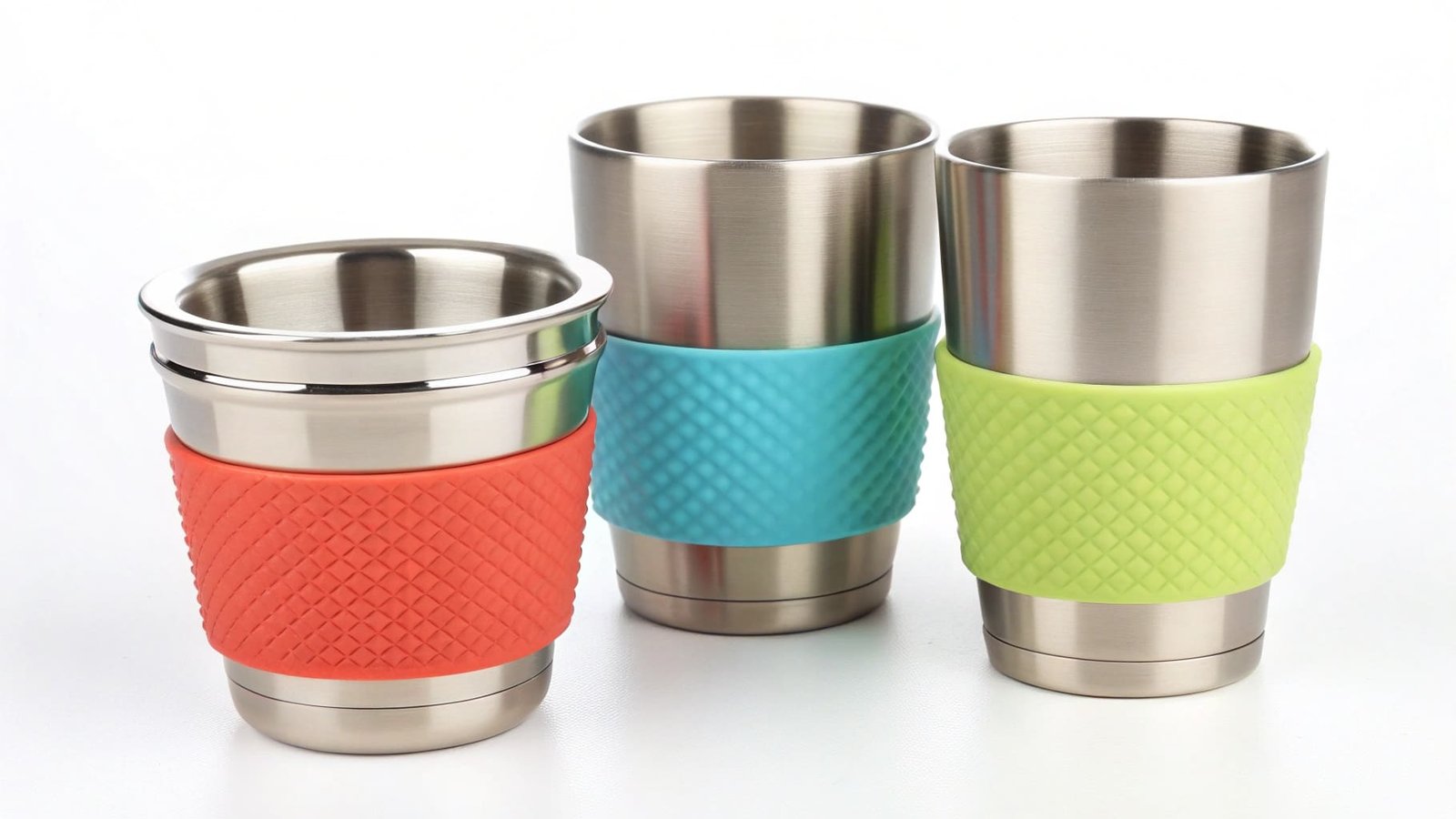
A coffee shop sleeve is a protective band that wraps around hot beverage cups to insulate hands from heat while providing grip and branding space. These accessories come in cardboard or reusable silicone materials.
Coffee shop sleeves evolved from basic cardboard rings into sophisticated promotional tools. The original versions used corrugated cardboard that absorbed heat and prevented burns. These single-use sleeves dominated the market for decades. They worked well but created massive waste problems.
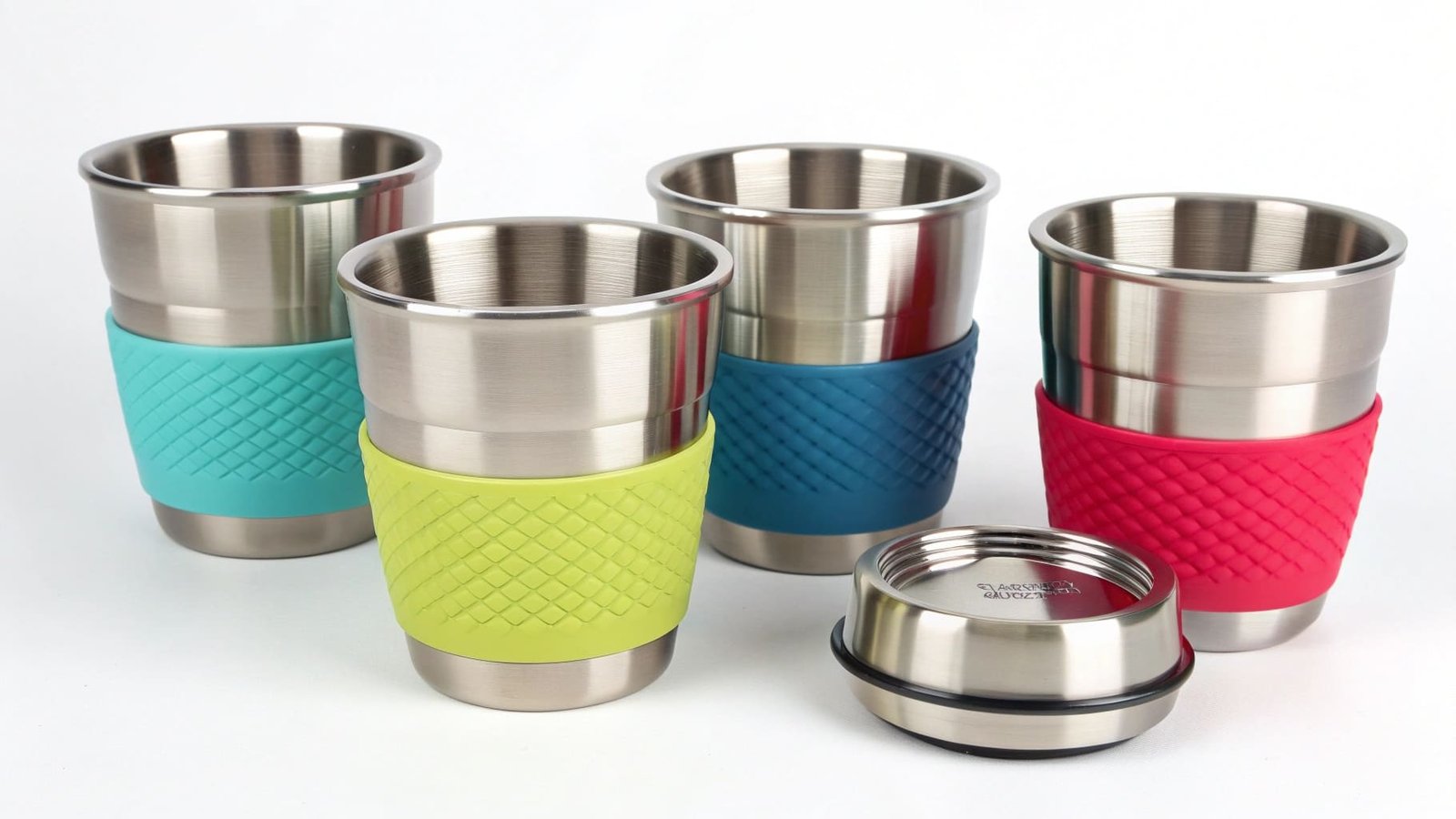
Modern silicone sleeves2 changed the game completely. I started manufacturing these at my silijoy facility three years ago. The material handles temperatures up to 450°F without breaking down. My customers appreciate the reusable design that eliminates thousands of cardboard sleeves.
The construction matters more than most buyers realize. Quality silicone sleeves use food-grade material that passes FDA standards. The thickness needs to provide adequate insulation without making the cup too bulky to hold. My team tests every batch to confirm the grip texture prevents slipping.
| Feature | Cardboard Sleeves | Silicone Sleeves |
|---|---|---|
| Material | Single-use paper | Food-grade silicone |
| Durability | One-time use | 2-3 years |
| Heat Resistance | Up to 200°F | Up to 450°F |
| Customization | Limited printing | Multiple techniques |
| Environmental Impact | High waste | Minimal waste |
The branding space on sleeves offers unique advantages. Your logo sits right where people grip their cups. Everyone who sees that person holding their coffee sees your brand too. This creates passive advertising that costs almost nothing after the initial purchase.
Are coffee sleeves cost effective?
Your marketing budget shrinks every quarter while brand visibility demands increase. You calculate ROI on every promotional item before committing. Those numbers need to make sense or your company loses money.
Coffee sleeves deliver exceptional cost-effectiveness with unit costs between 0.10 and 0.50 generating approximately 730 brand impressions per year when used daily. This cost-per-impression beats most traditional advertising channels significantly.
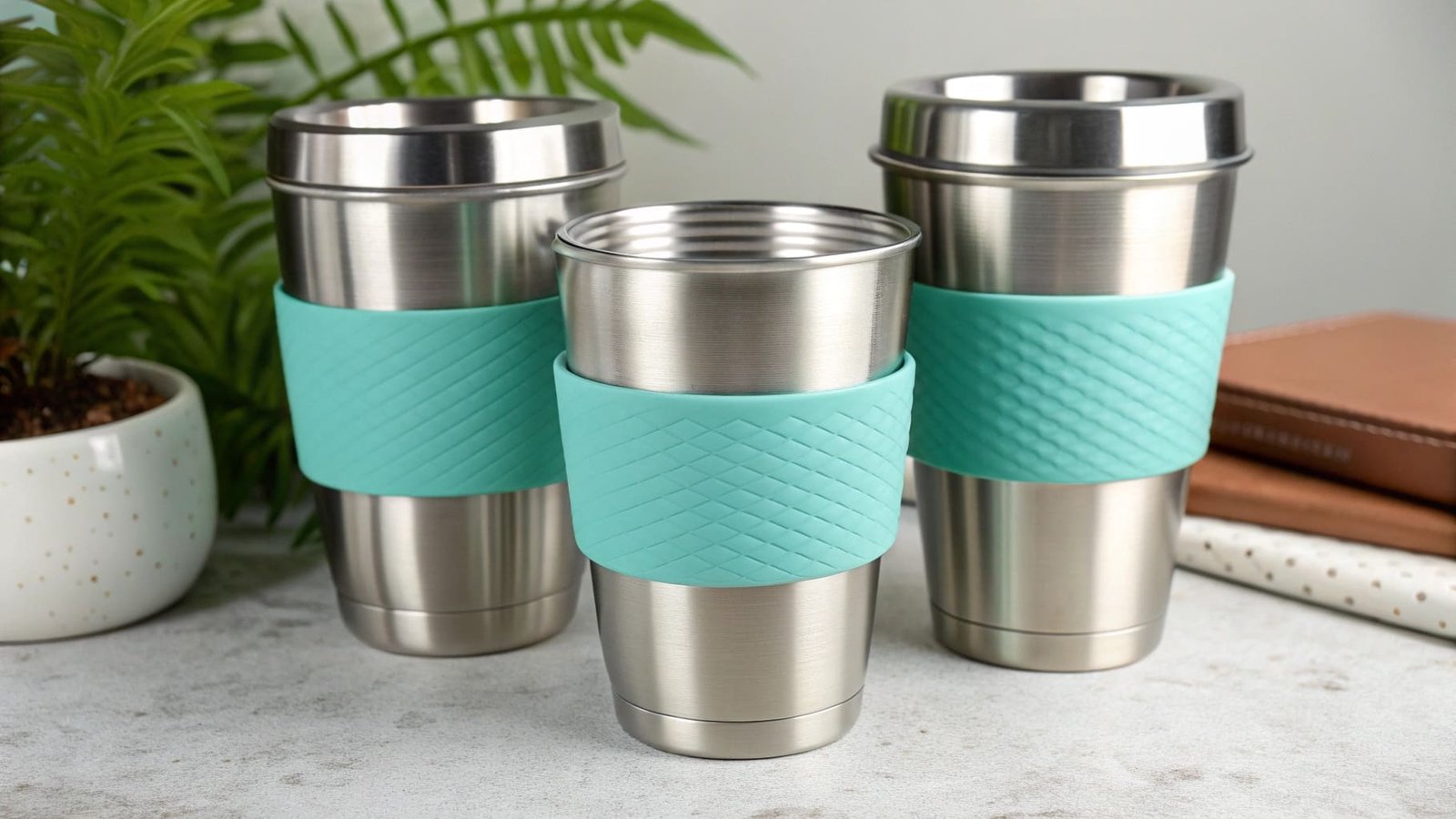
I help procurement officers calculate the real value of promotional products every week. The math on coffee sleeves surprises most buyers. A quality silicone sleeve costs around 0.35 when you order 5000 units. That single sleeve gets used almost every day for two years minimum.
Let me break down the actual numbers. Each daily use creates one brand impression. Some studies show that people using branded items in public spaces generate additional impressions from observers. Your 0.35 investment creates roughly 730 direct impressions over two years. That equals 0.0005 per impression. Compare that to digital ads costing 0.50 to 2.00 per impression.
The durability factor multiplies your ROI significantly. Cardboard sleeves get thrown away after one use. Your brand disappears into the trash within minutes. Silicone sleeves stay with users for years. I still use a promotional sleeve from a supplier I met in 2019. That brand stays in my mind every morning.
Corporate buyers love the sustainability angle too. Your company can claim environmental responsibility while reducing promotional product waste. This dual benefit strengthens your brand image with customers who care about ecological impact. The message resonates especially well with younger consumers.
Distribution efficiency adds another cost advantage. Coffee sleeves ship flat and stack easily. Your shipping costs stay minimal compared to bulky promotional items like water bottles or bags. My warehouse can fit 50000 sleeves in the space that holds 5000 tumblers. That storage efficiency saves you money on logistics.
The practical utility ensures people actually keep and use the sleeves. Nobody throws away a tool they need every day. Your brand gets retained instead of discarded. This retention rate far exceeds typical promotional items like keychains or magnets that sit unused in drawers.
Who invented the sleeve for coffee cups?
Innovation stories fascinate you because they reveal market opportunities. Someone somewhere saw a problem and created a solution. That solution probably made them wealthy while solving customer pain points.
Jay Sorensen invented the coffee cup sleeve in 1991 after burning his hands on a hot cup of coffee. His invention revolutionized the beverage industry and created an entirely new product category for promotional branding.
The origin story shows how simple observations lead to massive markets. Sorensen bought coffee at a drive-through in 1989. The hot cup burned his hands and made him drop the coffee in his lap. He started wondering why nobody solved this obvious problem. That moment of frustration sparked the Java Jacket invention.
The patent process took several years but Sorensen persisted. He developed the corrugated design that distributed heat evenly while providing grip. Coffee shops adopted the invention rapidly because it reduced liability from burn injuries. Customers loved the comfort and convenience immediately.
I learned about Sorensen's story during my research phase in 2017. His innovation opened doors for manufacturers like me. The market evolved from his basic cardboard design into countless variations. Silicone sleeves represent the next evolution in this product category. We took his core concept and eliminated the waste problem.
The invention created unexpected opportunities in the promotional products industry. Brands realized the sleeve offered prime real estate for logos and messages. The placement right at hand level made visibility inevitable. Marketing teams started ordering custom sleeves by the thousands.
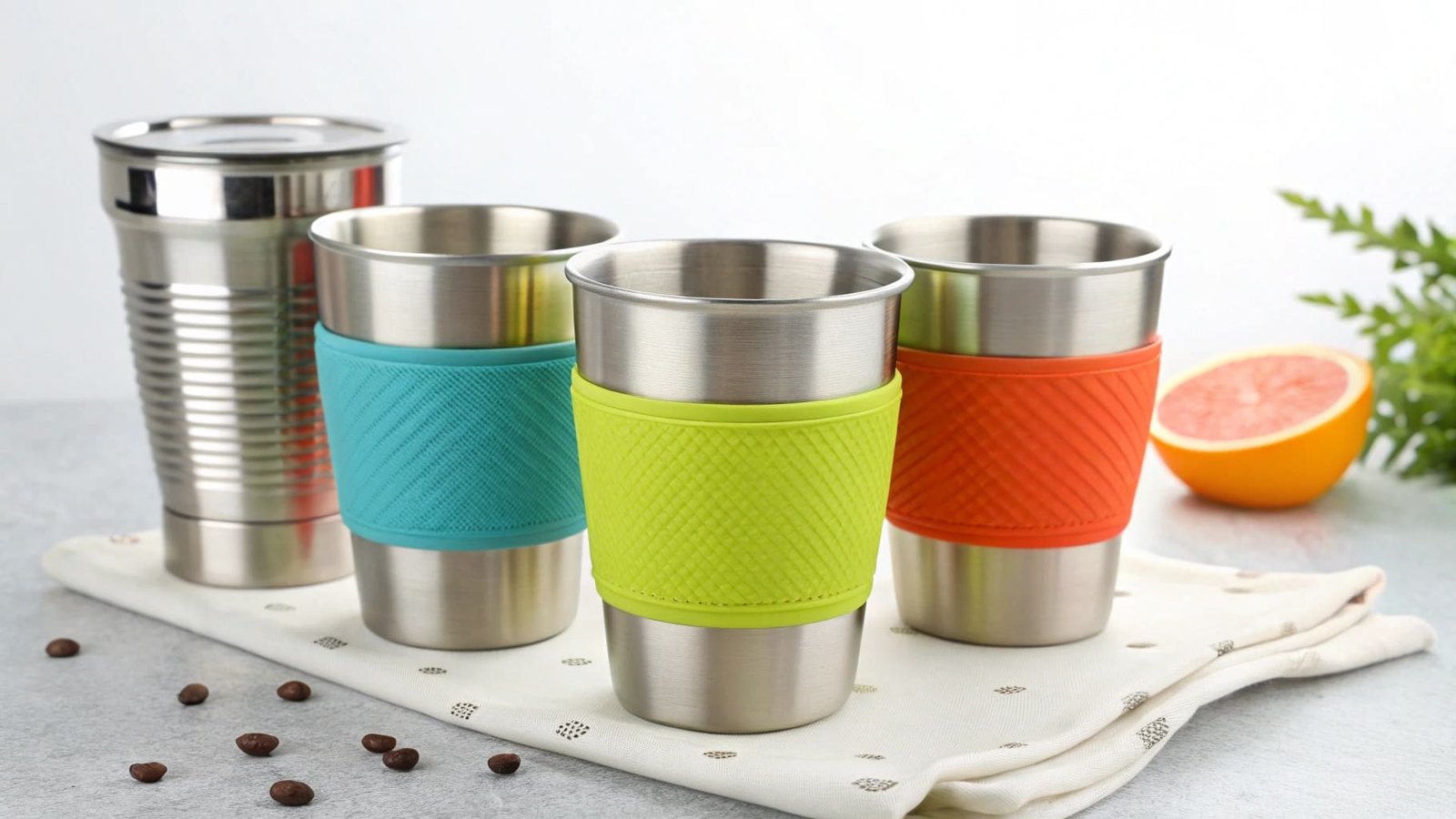
Modern manufacturers expanded on Sorensen's original concept dramatically. My factory produces sleeves in dozens of colors and patterns. We add textures that improve grip and comfort. Some customers want minimalist designs while others prefer bold graphics. The customization options3 seem endless now.
The sleeve market continues growing as coffee culture expands globally. More countries embrace daily coffee habits and create demand for accessories. Reusable options like silicone sleeves align with sustainability trends driving consumer preferences. This intersection of functionality and environmental consciousness creates ideal conditions for B2B growth.
Conclusion
Coffee cup sleeves transform from simple heat protection into strategic branding tools that deliver sustained ROI through daily use and environmental benefits.