Which Sublimation Sleeve Works Best for 20 Ounce Tumbler Bulk Orders?
I remember losing $3,000 on my first bulk tumbler order because the sleeves didn't fit right. Wrong measurements destroyed the entire batch.
For 20 oz tumbler1 bulk orders, the best sublimation sleeve measures 9.3 inches by 8.5 inches for straight designs. This size ensures complete coverage without distortion or gaps at the seam.
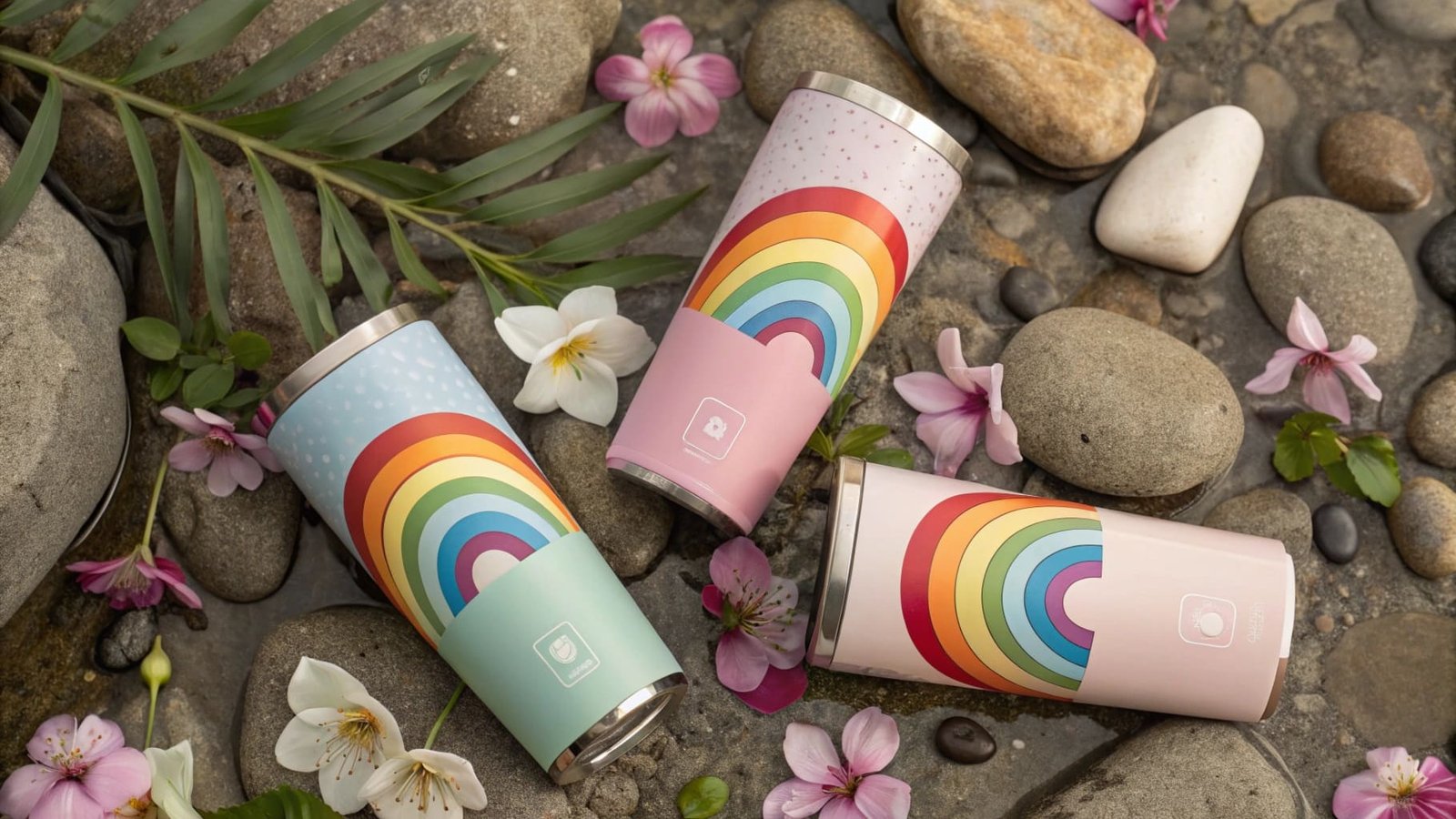
Getting the right sublimation sleeve2 affects your entire production line. I learned this the hard way when a client canceled their order because our sleeves created visible seams on every tumbler. The problem was not the quality of our silicone products but the mismatch between sleeve size and tumbler shape. Today I want to share what I discovered about choosing sublimation sleeves for bulk orders. This knowledge saved my business relationships and helped me understand my clients' production challenges better.
What Size Sublimation for 20 oz Tumbler?
Most suppliers tell you one size fits all 20 oz tumblers. That advice cost me a major client last year.
The standard sublimation template3 for 20 oz straight tumblers is 9.3 inches tall by 8.5 inches wide when flat. Tapered and skinny variants need different measurements.
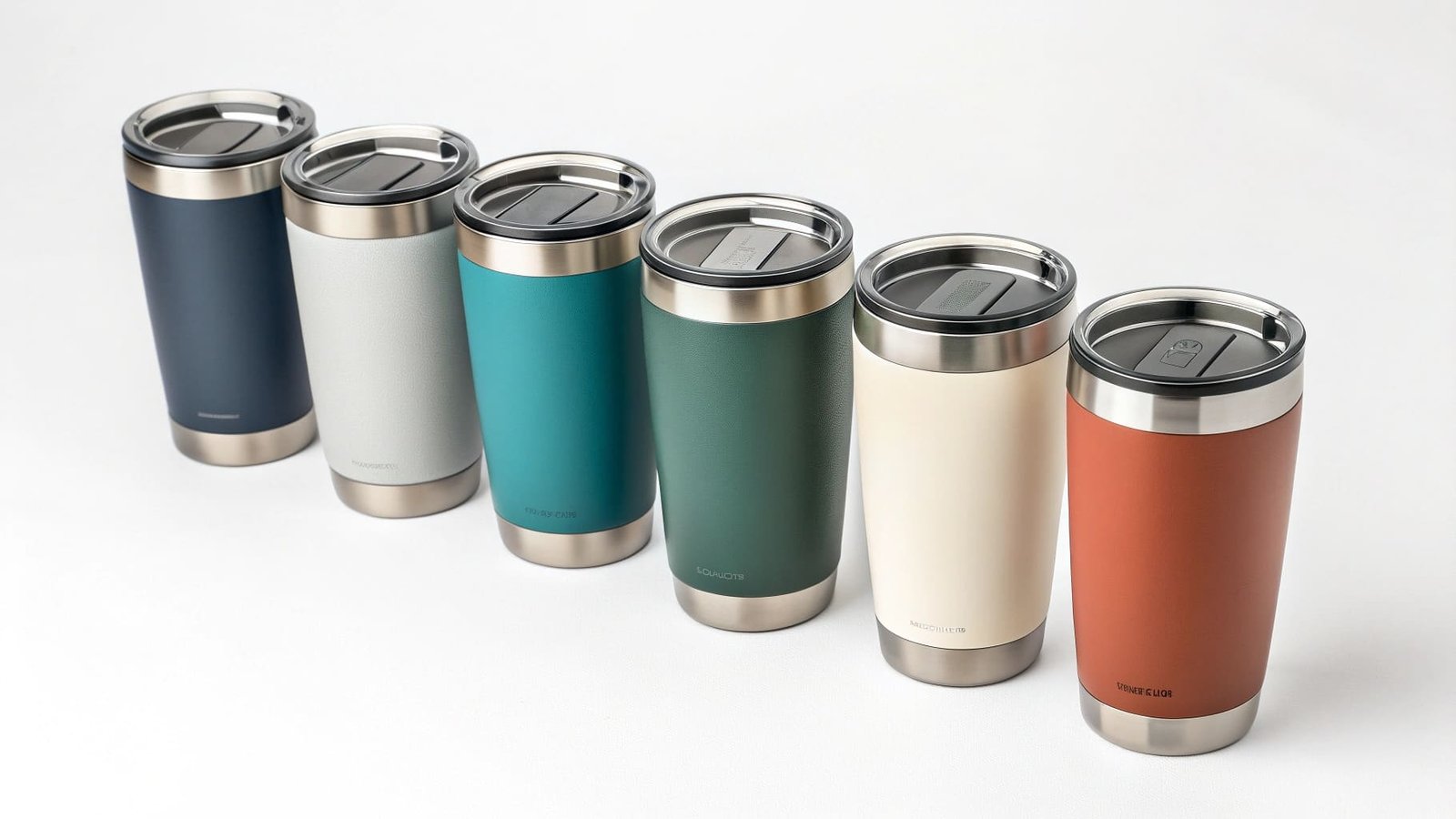
I visited a client's factory in Toronto last spring and watched them struggle with sleeve sizing4. They had ordered 5,000 tumblers from three different manufacturers. Each batch looked identical but the sleeve that worked perfectly on batch one created gaps on batch two. The problem was simple but expensive. Different factories have different manufacturing tolerances. A tumbler listed as 20 oz might have a base diameter that varies by two millimeters between production runs.
I asked their production manager how they solved this issue. He showed me their template library. They kept separate measurements for every tumbler supplier they worked with. The straight tumblers from Factory A needed 9.3 by 8.5 templates. The tapered ones from Factory B required 9.5 by 8.3 sizing. The skinny versions from Factory C demanded completely different dimensions at 9.8 by 7.5.
The lesson here is clear. You cannot use generic measurements for bulk orders. I now tell every client to send me actual tumbler samples5 before they commit to large quantities. We test the sleeves on their specific batch. This adds three days to the timeline but saves weeks of rework and thousands in wasted materials.
One detail many buyers miss is the seam alignment. The sleeve must overlap slightly at the connection point. Too much overlap creates a thick line. Too little overlap leaves a white gap. The sweet spot is usually 0.2 inches of overlap. But this changes based on the tumbler's circumference. I measure every new tumbler model three times before I recommend a sleeve size to my clients.
How Long Does It Take to Sublimate a 20 oz Tumbler?
My client once promised 10,000 tumblers in five days. Their supplier agreed but delivered faded, uneven prints instead.
Single tumbler sublimation takes 5-6 minutes at 400°F plus cooling time. Bulk production with commercial presses reduces this to under 2 minutes per unit with proper equipment.
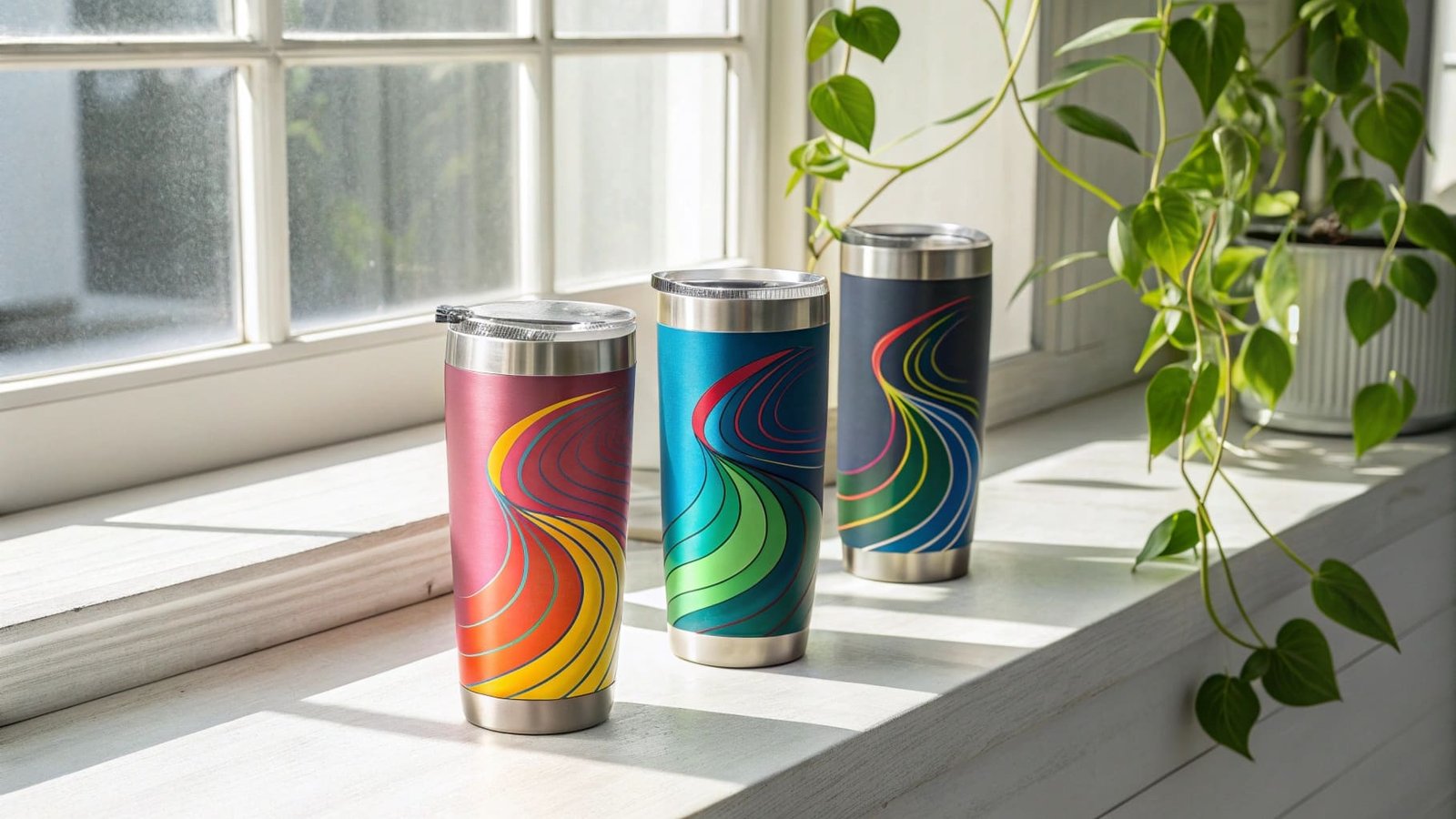
Time and quality move in opposite directions when you rush sublimation. I learned this from a Canadian distributor who bought from a factory that promised impossible deadlines. They received 8,000 tumblers with color variations across the batch. Some were vibrant blue. Others looked washed out. The factory had increased oven temperature to speed up production. This shortened the cycle but created inconsistent results.
The math for bulk production works differently than single piece work. A small operation using convection ovens can process maybe 10 tumblers per hour. The 5-6 minute heat cycle seems manageable but you lose time in handling, loading, and cooling. Real throughput drops to 8-9 pieces per hour when you factor in all the steps.
Commercial tumbler presses change everything. These machines hold multiple tumblers and maintain consistent pressure and temperature across all units. A good commercial setup processes 30-40 tumblers per hour. The best ones I have seen reach 50 pieces per hour. But the equipment costs $15,000 to $30,000. This is why supplier capacity matters more than their quoted timeline.
I always ask suppliers about their equipment before I recommend them to clients. How many presses do they run? What is their daily capacity? Can they show me production logs from similar orders? A factory running two commercial presses can realistically handle 500-600 tumblers per day. Anything beyond that requires overtime or multiple shifts.
Temperature consistency matters as much as speed. Programmable equipment maintains heat curves throughout the entire cycle. Cheap ovens fluctuate by 20-30 degrees. This creates the faded patches and uneven color saturation that plague rushed orders. I tell clients to ask for sample batches from different production days. Consistent quality across samples indicates proper equipment and process control.
Can I Sublimate a Tumbler Twice?
A supplier once told my client they could fix printing mistakes by sublimating again. The second attempt made everything worse.
Double sublimation is technically possible but rarely works for commercial quality. The first dye layer ghosts or migrates during reheating, creating blurred shadows behind the new design.
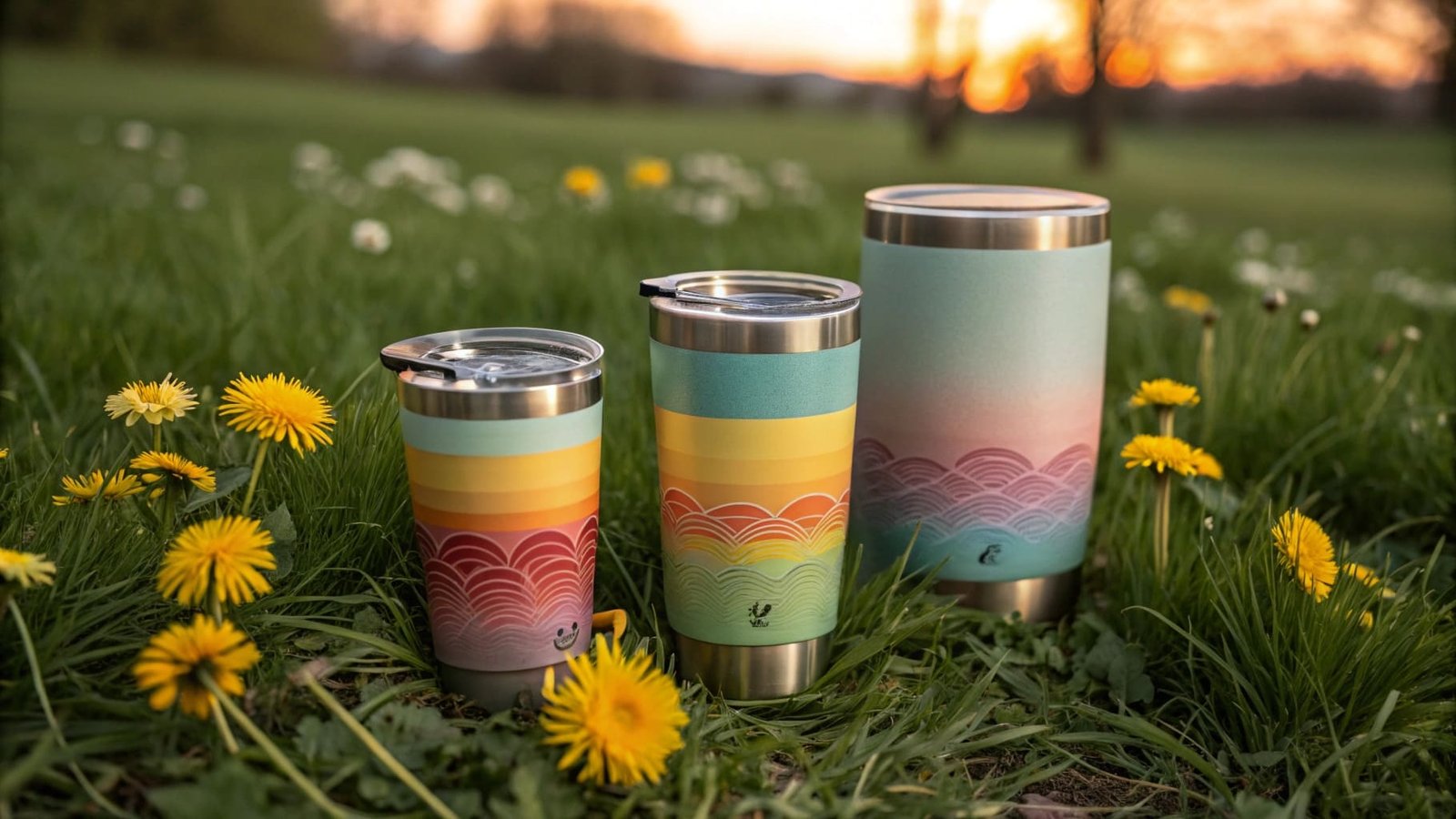
I saw double sublimation attempted at a factory in Shenzhen two years ago. They had misprinted 2,000 tumblers with off-center logos. The factory manager suggested applying heat again with a corrected sleeve. I watched them test this on 50 units. About 10 came out acceptable. The rest showed obvious ghosting where the first image bled through the second layer.
The polymer coating on sublimation tumblers accepts dye during the first heat cycle. The dye bonds with the coating at a molecular level. When you heat the same surface again, several problems occur. The original dye can migrate before the new dye sets. The coating may have already reached maximum dye saturation. The heat exposure might exceed the coating's design limits. All these factors combine to create unpredictable results.
Some manufacturers claim success with double sublimation under specific conditions. They use very light colors on the first pass. They lower the temperature 20-30 degrees for the second cycle. They choose designs where slight color variations are acceptable. But these conditions rarely exist in B2B bulk orders. Clients expect consistent, vibrant colors that match their approved samples exactly.
The economics of double sublimation never make sense for bulk orders. Say you have a 5,000 unit order with a 3% defect rate. That gives you 150 flawed tumblers. Attempting to fix these through double sublimation might save 50 units at best. The other 100 become even more flawed and unusable. Meanwhile you spent labor and materials on the rework attempt. The cost of replacement tumblers is almost always less than the cost of salvage efforts.
Quality-focused suppliers build inspection into their first-pass process. They check sleeve alignment before pressing. They test temperature calibration daily. They sample every batch during production. This approach prevents defects rather than attempting to fix them later. When I evaluate suppliers for my clients, I ask about their rejection rates and replacement policies. Good suppliers maintain defect rates below 2% and replace any flawed units without attempting double sublimation fixes.
Conclusion
The right sublimation sleeve size, proper production timing, and first-pass quality control determine bulk order success. Test samples before committing to large quantities.
-
Understanding the specifications of 20 oz tumblers can help you make informed decisions for your bulk orders. ↩
-
Explore this link to find expert recommendations on sublimation sleeves that ensure perfect fit and quality. ↩
-
Discover how sublimation templates can streamline your production process and improve results. ↩
-
Find out how to accurately size sleeves for tumblers to prevent production issues. ↩
-
Discover the importance of testing tumbler samples to avoid costly errors in bulk orders. ↩