What Is the Starbucks Straw Stirrer Called in B2B Coffee Supply Catalogs?
You've seen it. That small flat stick sitting in your hot coffee cup. But when you go to order it wholesale, nobody seems to know what it's actually called.
In B2B coffee supply catalogs, the Starbucks-style straw stirrer is listed under several names: "splash stick," "sip stick," or "stir stick." These are small, flat plastic stirrers made for hot beverages. But the bigger story here is how Starbucks' strawless lid push has changed what B2B buyers are actually ordering today.
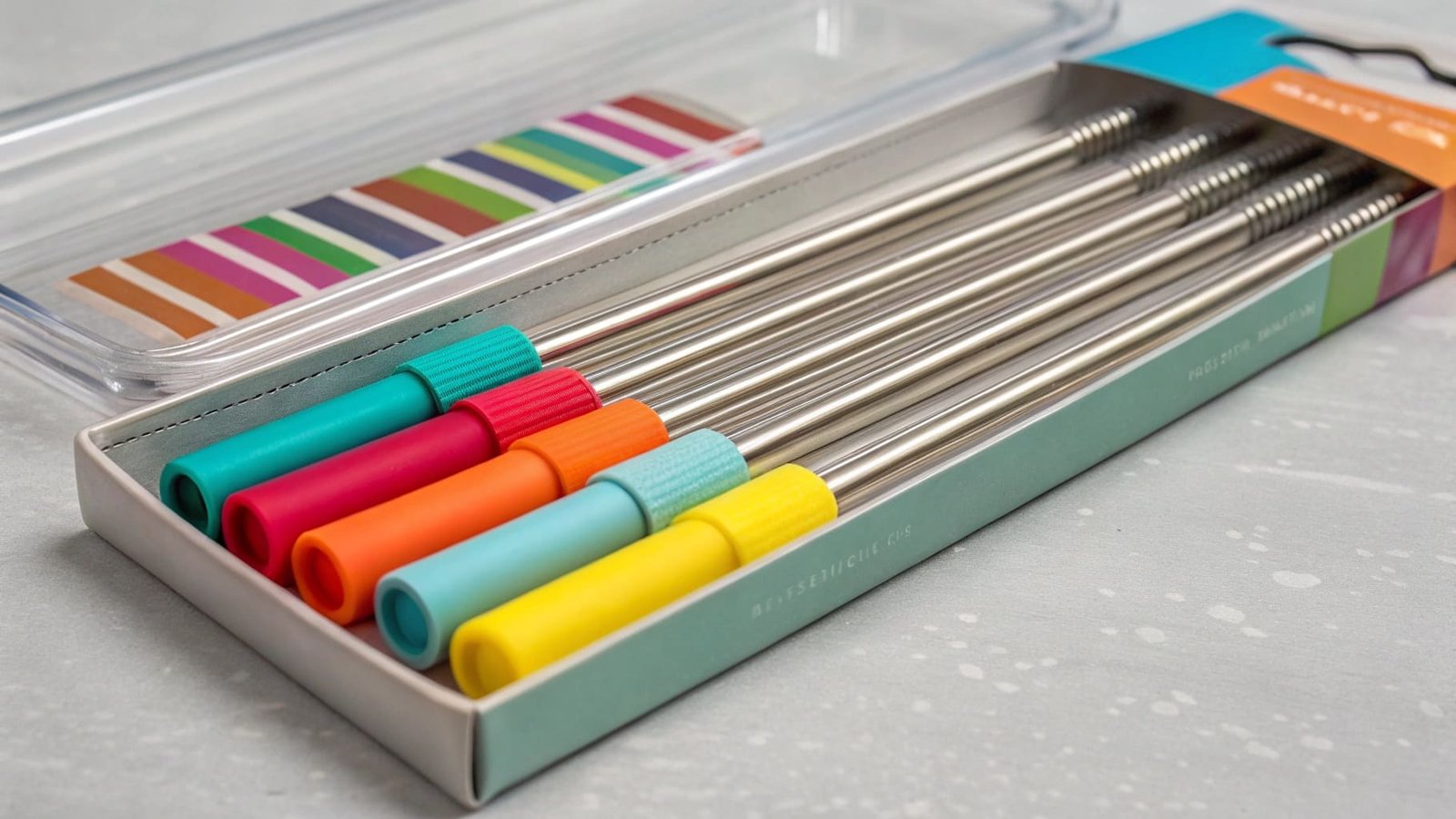
I've talked to a lot of procurement buyers over the years. The ones who get stuck are almost always tripped up by the same thing — terminology. They know what the product looks like. They just don't know what to call it when they're filling out a purchase order or searching a supplier catalog. And that small gap costs them time. Once you know the right names, and once you understand the shift happening across the coffee service industry right now, sourcing becomes a lot simpler. Let me walk you through it.
What Kind of Straws Does Starbucks Use?
You order a cold drink at Starbucks. A straw shows up. But is it the same straw it used to be?
Starbucks has traditionally used polypropylene straws for cold beverages. These are standard single-use plastic straws. However, since 2020, Starbucks has been rolling out strawless lids across its locations as a direct replacement for straws in many cold drink categories.
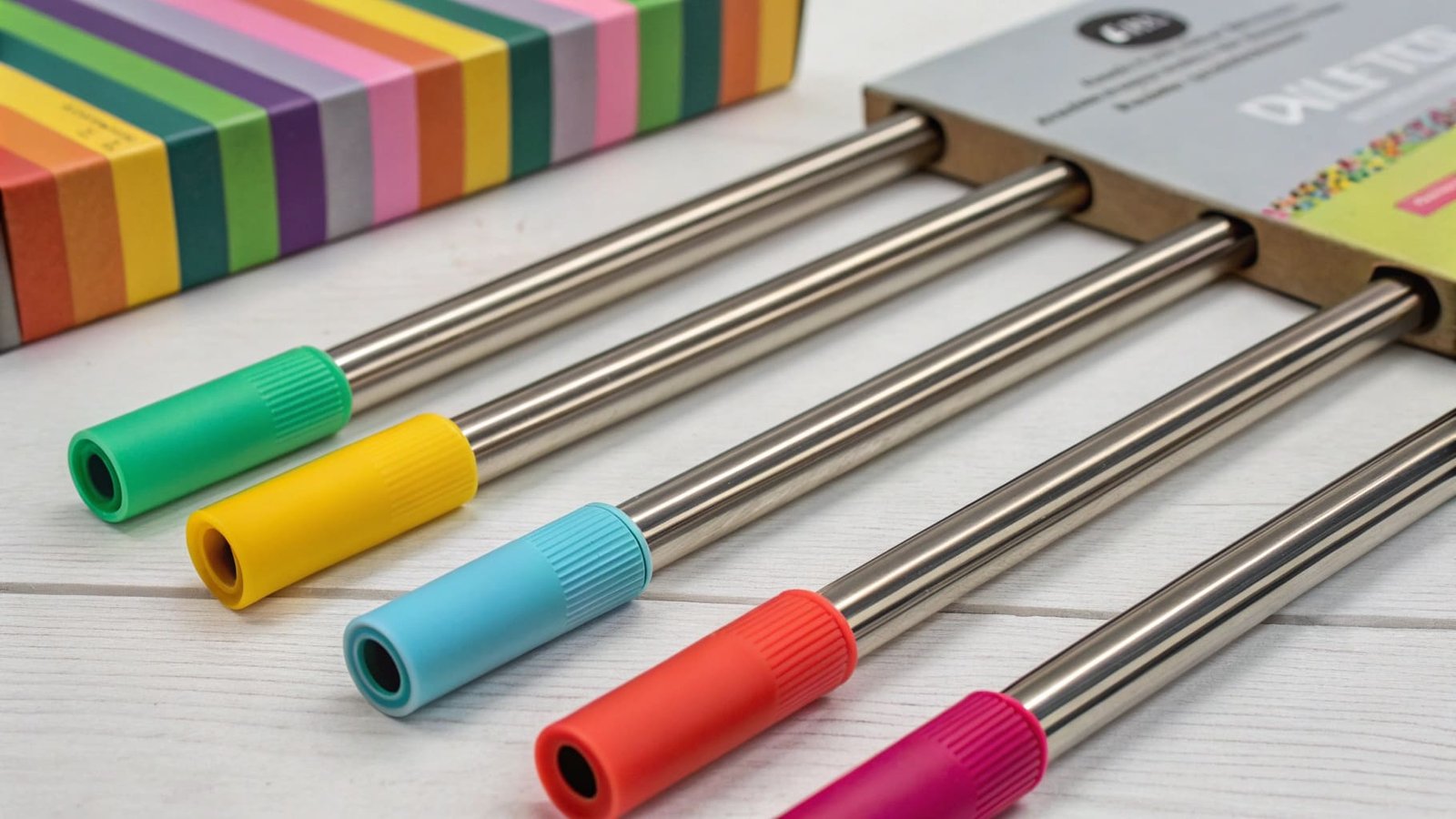
This shift matters more than it might seem on the surface. If you are a B2B buyer sourcing coffee accessories, you need to understand what Starbucks actually uses today versus what it used to use — because supplier catalogs haven't all caught up yet.
What Changed After 2020?
Here is a straightforward breakdown of the transition:
| Period | Product Used | Material | Purpose |
|---|---|---|---|
| Before 2020 | Polypropylene straw | Single-use plastic | Cold drinks |
| After 2020 | Strawless sippy lid | Recyclable polypropylene | Cold drinks, no separate straw |
| Current premium tier | Silicone straw (optional) | Food-grade silicone | Hot and cold, reusable |
The practical takeaway for procurement is this. Starbucks didn't just swap one straw for another. They removed the straw from the equation entirely for a large portion of their menu. This tells B2B buyers two things. First, lid design is now part of the straw conversation. Second, silicone straws have filled the gap for brands that still want a straw option but want it to be reusable and premium.1
I work with buyers who come to me still searching for "Starbucks-style plastic straws" in bulk. Most of the time, what they actually need is either a silicone straw alternative or guidance on sourcing strawless lid components. Understanding the difference saves weeks of back-and-forth with the wrong suppliers.
What Is the Strawless Lid Initiative at Starbucks?
One billion plastic straws. That is how many Starbucks expected to eliminate from its operations through its strawless lid program. So what exactly is this initiative?
The Starbucks strawless lid initiative is a company-wide program that replaced standard plastic straws and flat lids with a single redesigned lid. This new lid has a raised drinking spout built directly into it, so customers sip directly from the lid. No straw required.
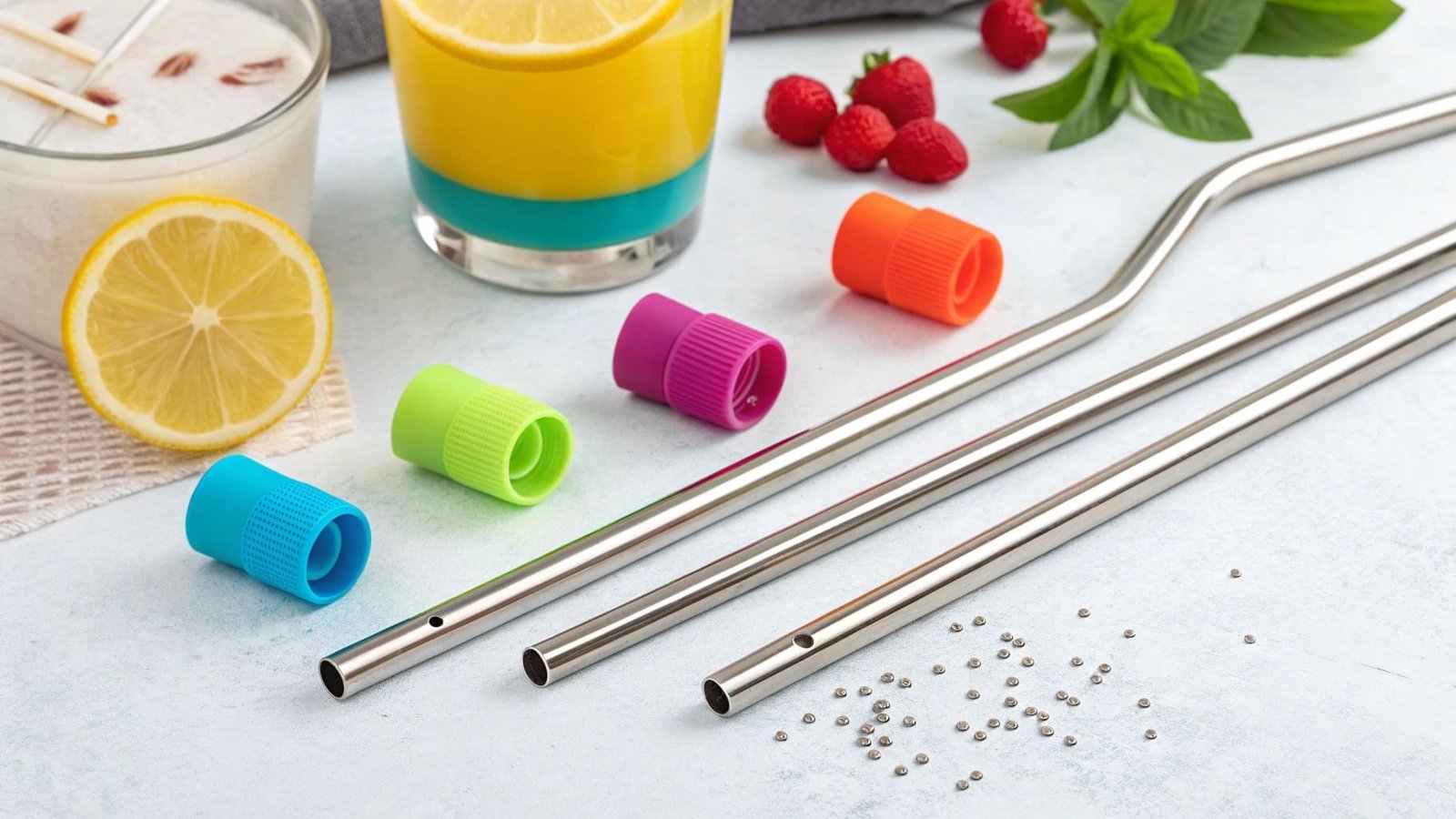
For B2B buyers, this initiative is not just a Starbucks story. It is a signal about where the entire coffee service supply chain is heading. Large-scale adoption by Starbucks gave smaller coffee brands and foodservice operators the confidence to make the same switch.2 That confidence has translated into real procurement changes across the industry.
Why Does This Initiative Matter to B2B Procurement?
The strawless lid initiative changed three things for B2B buyers, and it is worth being direct about each one.
It proved sustainable changes scale.
Before Starbucks did this at a global level, many smaller operators were unsure whether customers would accept lidded cups without straws. Starbucks removed that uncertainty. The data showed customers adapted. That removed one of the main objections procurement teams faced when pitching eco-friendly alternatives internally.
It shifted supplier conversations from straws to lids.
When buyers now approach silicone product suppliers, the conversation has moved from "give me a silicone straw" to "help me find a lid system that reduces or eliminates straw dependency." This is a more complex product conversation, and not all suppliers are equipped for it. Working with a manufacturer who understands both lid gasket systems and straw accessories puts you ahead.
It created real demand for silicone straw alternatives.
The brands that still want a straw option — especially in the premium and reusable product space — have moved heavily toward silicone. Silicone straws are durable, heat-resistant up to high temperatures, food-grade safe, and dishwasher-safe.3 For a distributor like Mark who is rebranding products for the Canadian market, silicone straws offer a clean premium positioning that polypropylene simply cannot.
| Feature | Polypropylene Straw | Silicone Straw |
|---|---|---|
| Reusable | No | Yes |
| Heat-resistant | Limited | High |
| Dishwasher-safe | No | Yes |
| Food-grade certified | Standard | Premium |
| Brand perception | Commodity | Premium / Eco-conscious |
| B2B price point | Low | Mid to high |
The table above is what I use when I talk to buyers who are still deciding between the two. The decision usually comes down to what story their brand is telling. If you are selling to eco-conscious consumers in North America, silicone is the obvious choice.
What Is a Strawless Lid?
You have heard the term. But what does a strawless lid actually look like, and how is it different from a standard lid?
A strawless lid is a cup lid with a built-in raised spout or drinking lip. It is designed so that the user drinks directly through the molded opening in the lid, without inserting a separate straw. It replaced the older flat lid-plus-straw system.
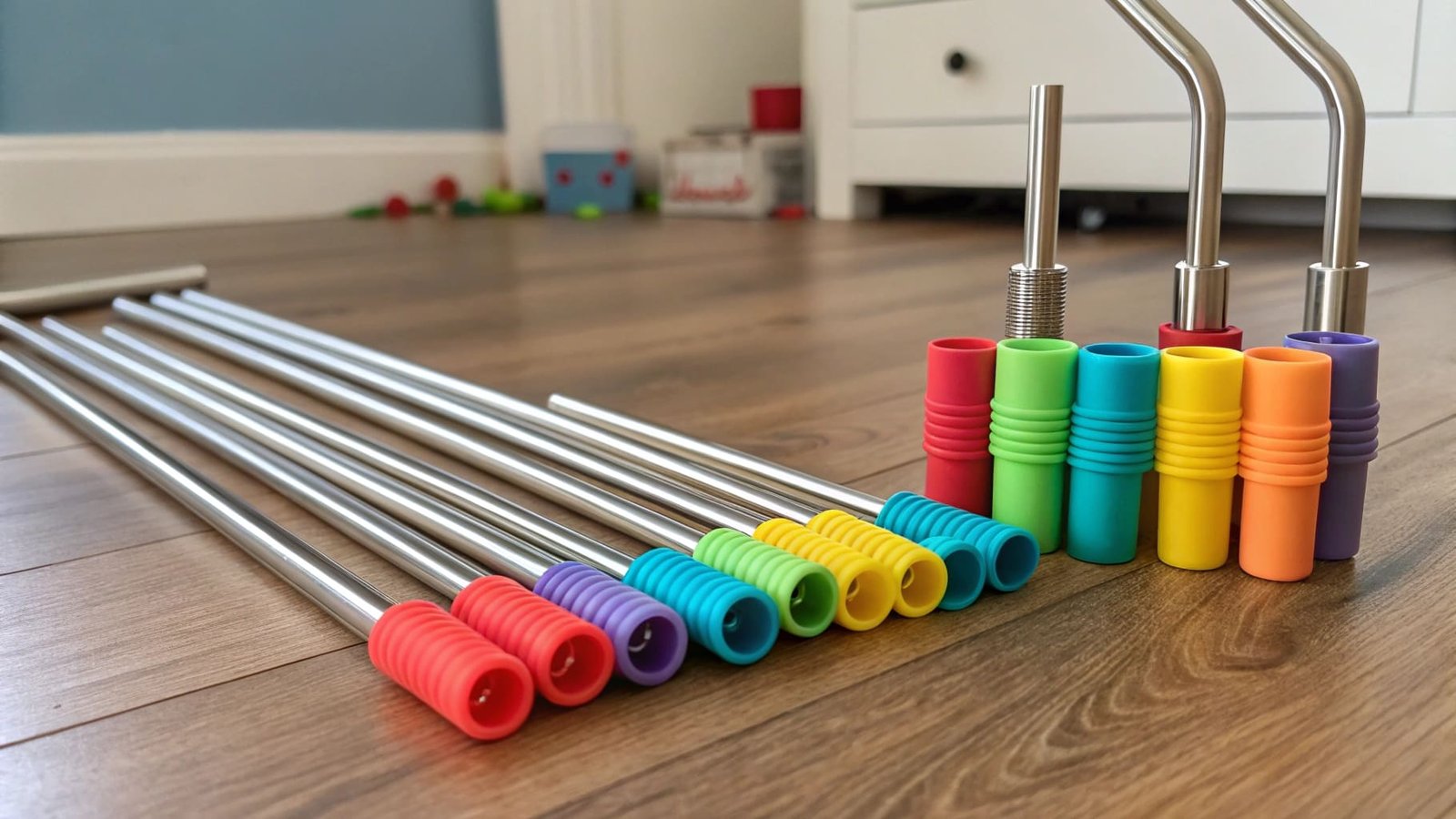
This sounds simple. But for B2B sourcing, the details of a strawless lid matter a great deal. The lid must seal properly, the spout must be designed for comfortable sipping, and the materials must meet food-grade standards. If any of these fail, the customer experience breaks down and the product gets returned.
What Should B2B Buyers Check When Sourcing Strawless Lids?
When you are sourcing strawless lids or related silicone accessories from a supplier, there are specific things you need to verify. Missing any of these steps is where problems start.
Material certification.
Food-grade silicone used in any lid component — including gaskets, seal rings, and bite valves — must carry the appropriate certifications. In North America, this means FDA compliance. In Europe, it means LFGB.4 Always request documentation before placing a bulk order. Certificate fraud is a real problem in this space5, and verifying documents independently is worth the effort.
Lid and gasket compatibility.
A strawless lid on its own is not the full picture. The lid gasket or seal ring is what keeps the lid airtight and leak-proof. If you are sourcing lids from one supplier and gaskets from another, confirm that the dimensions are compatible. I have seen buyers lose an entire season of sales because gaskets didn't fit lids they had already stocked in their warehouse.
Spout design and lip comfort.
This is about the end customer experience. The raised spout needs to be designed at the right angle and height for natural sipping. Test samples with real users before committing to bulk volume. What looks fine in a product image does not always translate to a comfortable drinking experience.
| Sourcing Checklist | What to Verify |
|---|---|
| Material certification | FDA (US) / LFGB (EU) documentation |
| Gasket compatibility | Dimensional fit with chosen lid |
| Spout ergonomics | Sample test before bulk order |
| Supplier lead time | Confirm before peak season |
| Payment terms | Letter of credit or trade assurance |
| Logistics documentation | Confirm HS codes and shipping terms |
One thing I always tell buyers: get samples shipped to you before the purchase order is signed. This is true for silicone straws, strawless lids, cup boots, and any other accessory. The cost of a sample run is nothing compared to the cost of a shipment that doesn't meet spec.
Conclusion
The name is "splash stick," "sip stick," or "stir stick." But the real procurement shift is strawless lids and silicone alternatives — and knowing this keeps your sourcing decisions ahead of the market.
-
"Environmental and Economic Impacts of Substituting Single ...", https://pmc.ncbi.nlm.nih.gov/articles/PMC12074124/. Studies and institutional guidance on alternatives to single-use plastic straws identify silicone straws as reusable substitutes, supporting the functional part of the article’s claim. Evidence role: general_support; source type: research. Supports: Silicone straws are recognized as reusable alternatives to single-use plastic straws.. Scope note: The evidence would support reusability and substitution, but “premium” is a market-positioning judgment that may require separate consumer or branding evidence. ↩
-
"Starbucks introduces its strawless lids in the U.S.", https://restaurantbusinessonline.com/operations/starbucks-introduces-its-strawless-lids-us. Research on diffusion of sustainability practices in foodservice indicates that adoption by high-visibility firms can reduce perceived risk for later adopters, providing contextual support for the article’s claim about Starbucks’ market influence. Evidence role: general_support; source type: research. Supports: Evidence that large brands can influence sustainability practices in foodservice or that strawless lid adoption spread after major chains adopted it.. Scope note: Such evidence would support the mechanism of influence contextually, not prove that Starbucks directly caused any specific smaller operator’s purchasing decision. ↩
-
"Silicone rubber - Wikipedia", https://en.wikipedia.org/wiki/Silicone_rubber. Materials-science references describe silicone elastomers as thermally stable and widely used in food-contact applications, supporting the article’s claims about heat resistance and food-use suitability. Evidence role: mechanism; source type: research. Supports: Silicone rubber's thermal stability and suitability for food-contact applications.. Scope note: Dishwasher safety and exact temperature limits depend on the formulation and product certification, so product-specific documentation is still required. ↩
-
"Inventory of Food Contact Substances Listed in 21 CFR", https://hfpappexternal.fda.gov/scripts/fdcc/index.cfm?search=silicone&set=IndirectAdditives. FDA food-contact regulations and German LFGB-related requirements provide the regulatory basis for assessing silicone components used with food and beverages, supporting the article’s compliance claim. Evidence role: definition; source type: government. Supports: Regulatory frameworks governing silicone or rubber food-contact materials in the United States and Germany or the EU context.. Scope note: FDA and LFGB are not interchangeable global certifications; applicability depends on the target market, product composition, and testing standard. ↩
-
"Counterfeit and pirated goods - OECD", https://www.oecd.org/en/topics/sub-issues/counterfeit-and-pirated-goods.html. Regulatory and institutional reports on product-safety enforcement document the use of false or misleading compliance documentation in international supply chains, supporting the article’s warning about certificate fraud. Evidence role: general_support; source type: government. Supports: Regulatory or institutional evidence that false documentation and fraudulent certificates occur in product compliance supply chains.. Scope note: Unless the source is specific to silicone drinkware, it should be cited as evidence of a broader compliance-documentation risk rather than proof of fraud in every silicone-sourcing transaction. ↩