How Are PLA Lids with Straw Holes Manufactured for Eco-Friendly Brands?
Eco-friendly brands are under real pressure. Customers demand sustainable packaging, but wrong sourcing choices can destroy your brand's credibility overnight.
PLA lids with straw holes are made by injection molding polylactic acid resin1, a plant-based material derived from fermented corn starch or sugarcane. The straw hole is formed during the molding process itself. These lids are designed to be compostable under commercial composting conditions within 90 to 180 days.
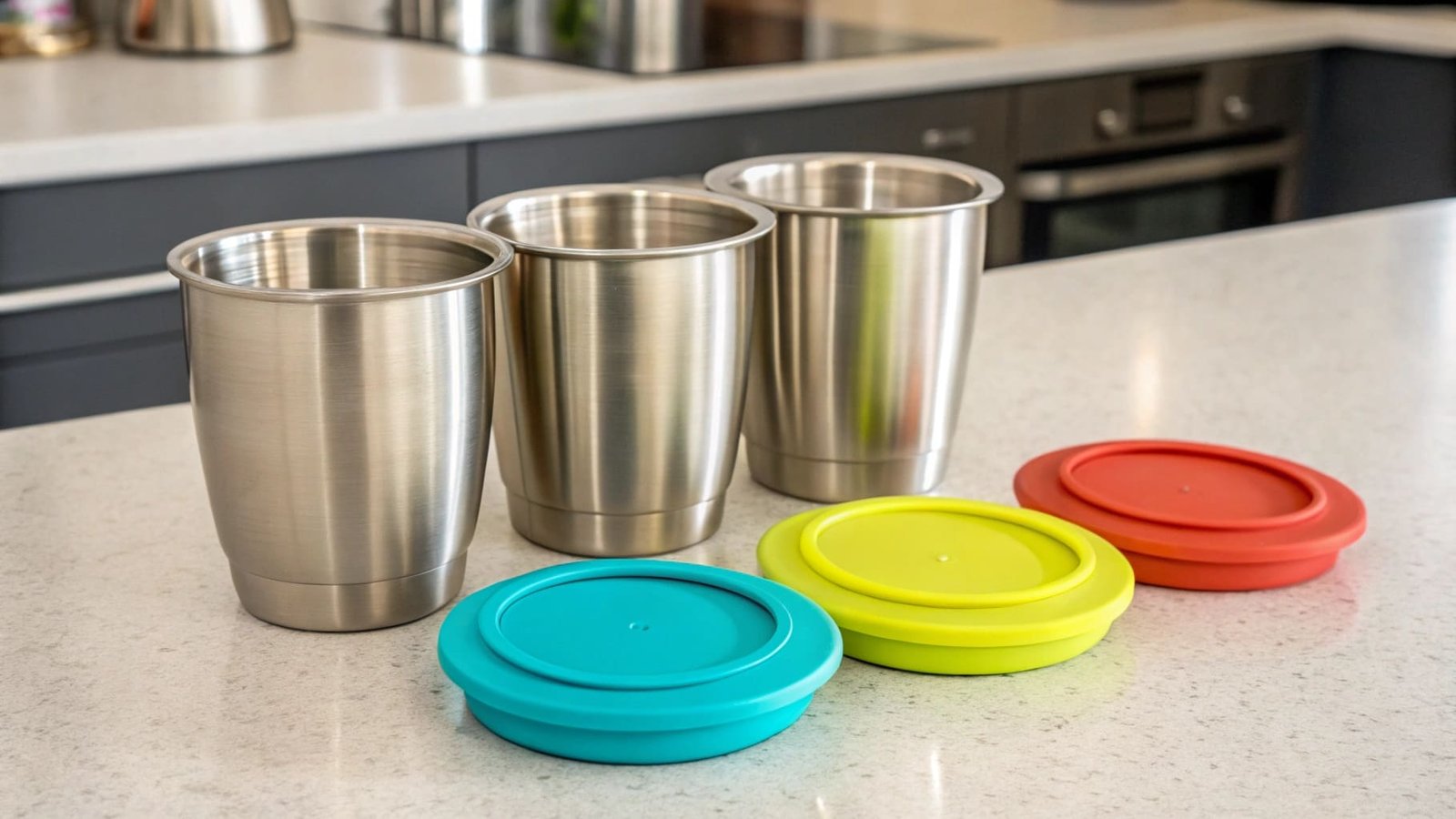
I have spoken to dozens of buyers in the foodservice and beverage space. Most of them come to me with the same problem. They want to go green, but they do not know where to start. The material science confuses them. The certifications confuse them even more. And by the time they figure it out, they have already made a costly mistake with the wrong supplier. If you are in that position right now, keep reading. I am going to break this down in a way that is simple and useful.
How Are PLA Straws Made?
Most buyers I talk to assume PLA straws are just plastic straws with a green label. They are not. The production process is completely different, and that difference matters when you are choosing a supplier.
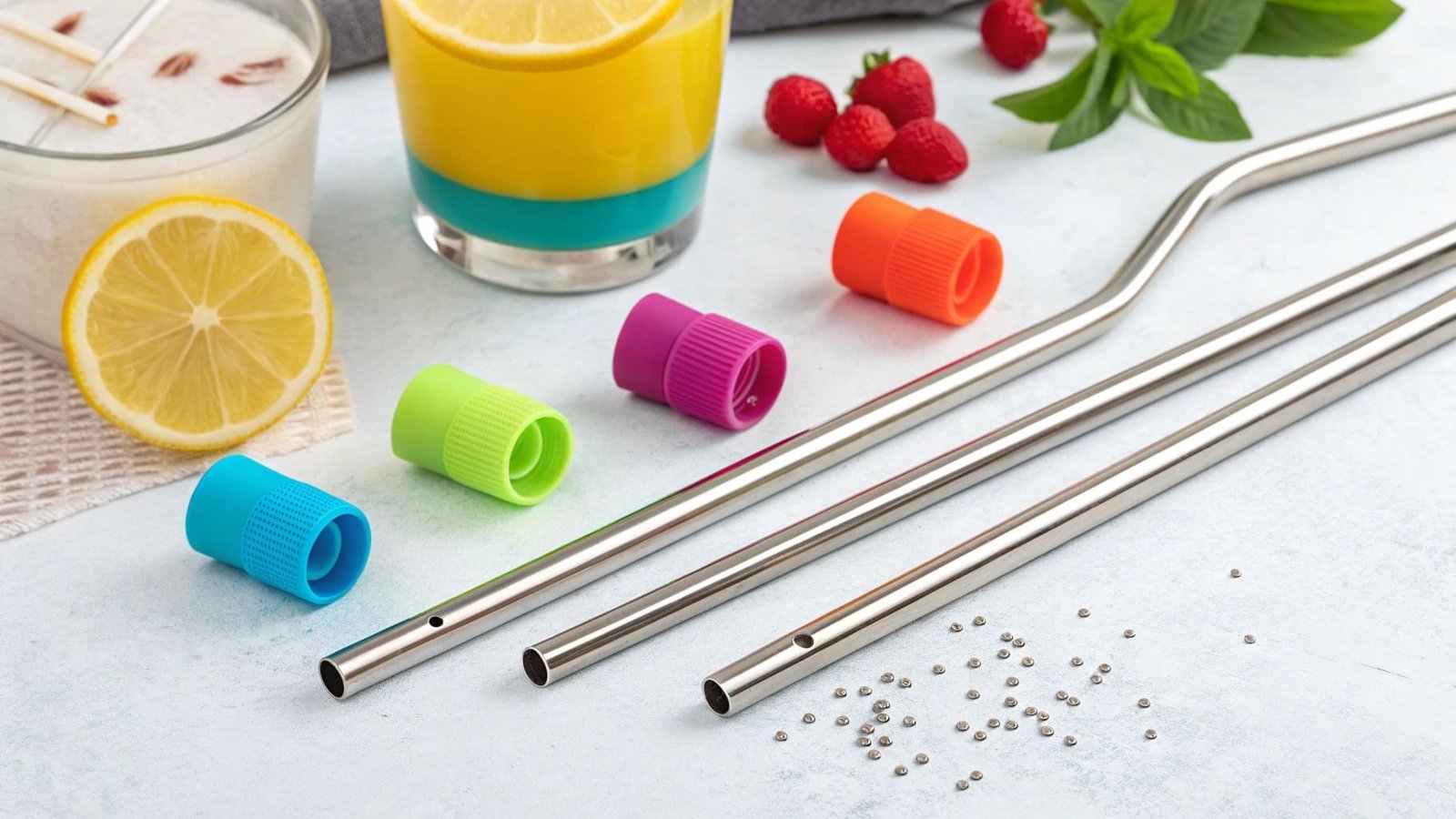
PLA straws start as fermented plant sugars, usually from corn starch or sugarcane. These sugars are converted into lactic acid, which is then polymerized into PLA resin pellets.2 Those pellets are fed into an extrusion machine, melted, and pushed through a die to form a hollow tube. The tube is cooled, cut to length, and packaged.
What Makes PLA Extrusion Different from Conventional Plastic Extrusion?
The core machines look similar. The key differences are in the material handling and processing temperatures. Here is a breakdown of how PLA straw production compares to standard plastic straw production:
| Factor | PLA Straws | Conventional Plastic Straws |
|---|---|---|
| Raw Material Source | Corn starch, sugarcane | Crude oil derivatives |
| Processing Temperature | Lower, around 160–180°C | Higher, around 200–240°C |
| End-of-Life Condition | Compostable (industrial) | Non-biodegradable |
| Carbon Footprint | Lower overall | Higher overall |
| Cost Per Unit | Higher | Lower |
| Heat Resistance | Limited (softens near 60°C) | Higher heat tolerance |
One thing I always tell buyers is this. PLA straws are not a drop-in replacement for plastic straws in every situation. If your product is a hot beverage, PLA will soften. If your composting infrastructure is limited in your target market, the end-of-life benefit disappears in practice. These are the real questions you need to ask before you commit to a supplier.
I have seen brands rush into PLA sourcing because it looked good on their marketing materials. Then they got complaints from customers about straws bending in hot drinks. That kind of problem hurts trust. Understanding the material first protects you from that.
What Are Compostable Lids Made Of?
When brands ask me about compostable lids, they usually expect a simple one-word answer. The reality is more layered than that. The material composition directly affects how well the lid performs and whether it actually composts.
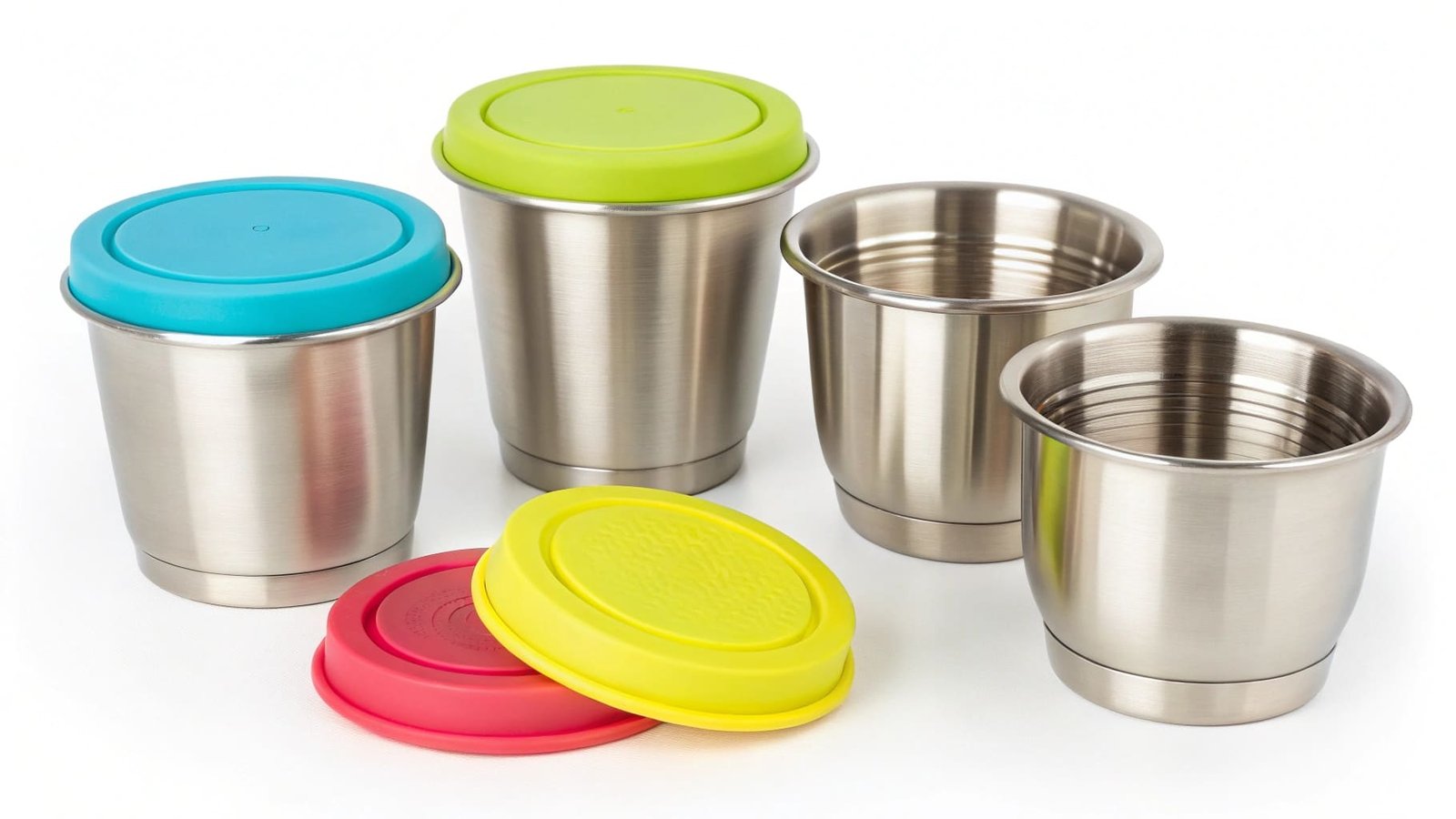
Most compostable lids are made from PLA as the base material. Some manufacturers blend PLA with PBAT, which is a biodegradable synthetic polymer, to improve flexibility.3 Others add TPS, or thermoplastic starch, to lower cost and speed up breakdown. The blend used affects performance, feel, and compostability timelines.
How Do Different Material Blends Affect Compostable Lid Performance?
This is where technical knowledge separates good sourcing decisions from bad ones. Each material blend has trade-offs. Here is what I have learned from working with manufacturers directly:
| Material Blend | Flexibility | Heat Resistance | Compost Speed | Cost Level |
|---|---|---|---|---|
| 100% PLA | Low | Low | Moderate | Medium |
| PLA + PBAT | Medium | Low | Faster | Medium-High |
| PLA + TPS | Medium | Low | Fastest | Lower |
| PLA + PBS | High | Medium | Moderate | Higher |
Beyond the material, certification is the part most buyers overlook. A lid can be made from PLA and still fail to meet composting standards if the formulation is not right. The two certifications I tell every buyer to look for are BPI, which stands for Biodegradable Products Institute, and EN 13432, which is the European standard for compostable packaging.
These certifications are not just marketing stickers. They confirm that the product breaks down within a defined timeframe under commercial composting conditions. Typically, that means full breakdown within 90 to 180 days at controlled temperatures. If a supplier cannot show you these certifications, that is a serious red flag. I have personally seen certificate fraud from suppliers who present fake or expired documents. Always verify directly with the certifying body, not just the supplier.
Are Ecotainer Lids Compostable?
Ecotainer is one of the most recognized names in compostable foodservice packaging. Buyers often ask me whether their lids are genuinely compostable or whether it is just clever marketing.
The short answer is yes, ecotainer lids are compostable. But the longer answer requires you to understand what that actually means in practice, because the word compostable does not mean the same thing in every context.
What Is the Real Gap Between "Compostable" and "Actually Composted"?
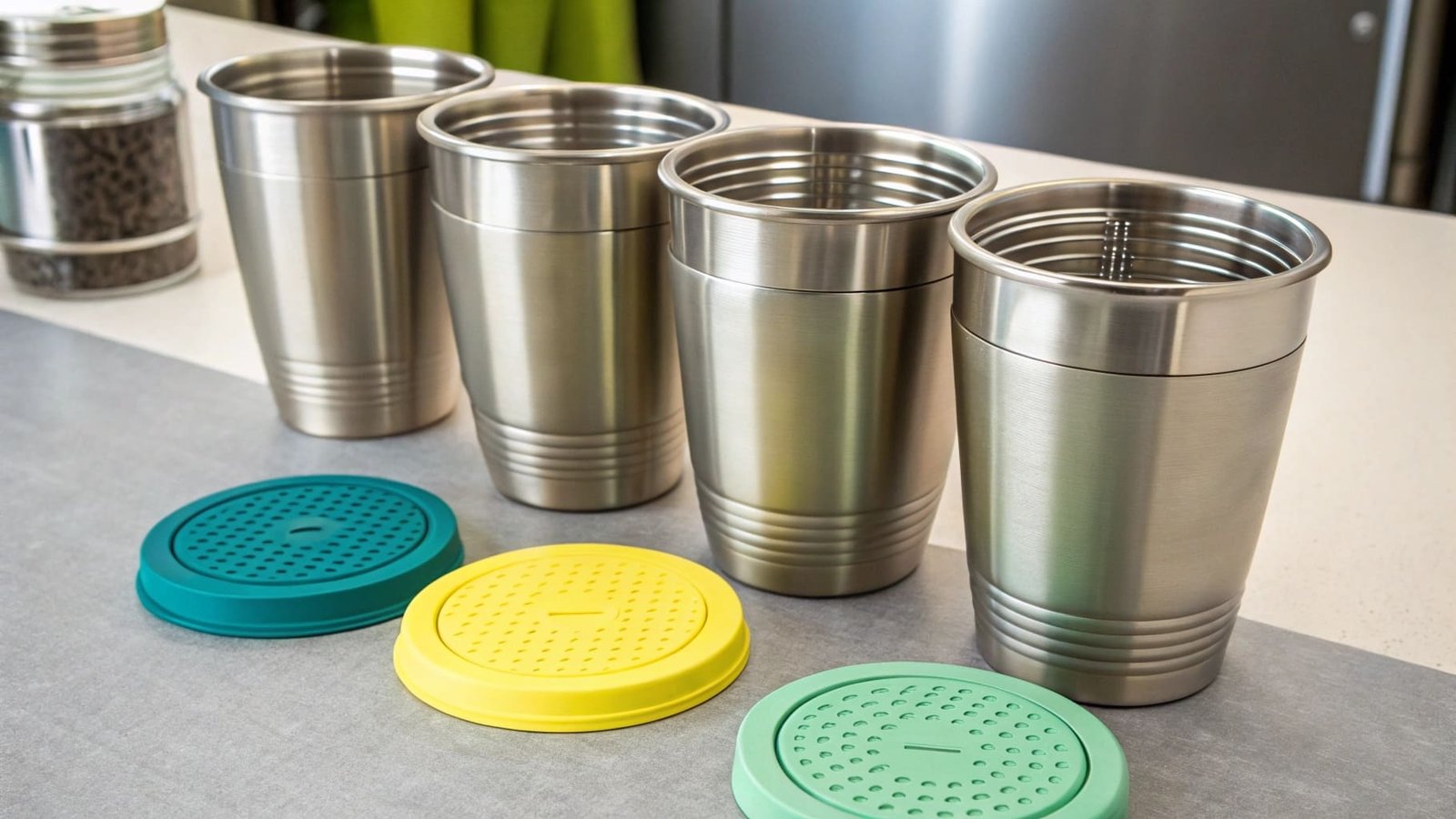
This is the most important distinction in the entire eco-friendly packaging conversation. A lid can be technically compostable and still end up in a landfill. Here is why:
Most PLA-based products, including ecotainer lids, require industrial composting facilities to break down properly. These facilities maintain temperatures of 140°F, which is around 60°C, or higher.4 At those temperatures, microorganisms break down the PLA within the certified timeframe. In a home compost bin or a landfill, those conditions do not exist. The material sits there instead.
| Composting Environment | Temperature Reached | PLA Breakdown | Suitable for PLA Lids |
|---|---|---|---|
| Industrial Facility | 55–70°C | Within 90–180 days | Yes |
| Home Compost Bin | 20–40°C | Years, if ever | No |
| Landfill | Ambient | Effectively never | No |
| Anaerobic Digester | Varies | Limited | Partial only |
This creates a real challenge for brands. You source a certified compostable lid. You print "compostable" on your cup. Your customer throws it in a home compost bin. Nothing happens. Then the customer feels misled.
The brands that handle this well are the ones that communicate clearly. They tell customers exactly where and how to dispose of the product. They partner with composting programs in their local markets. They align their sourcing decisions with the actual disposal infrastructure available to their customers. That alignment is what turns a green claim into a green result. Without it, you are selling a story that does not hold up in real life.
Conclusion
PLA lids with straw holes are a real step forward in sustainable packaging. But smart sourcing, verified certifications, and honest consumer communication are what make them actually work.
-
"A review on bio-based polymer polylactic acid potential ... - PMC", https://pmc.ncbi.nlm.nih.gov/articles/PMC11091039/. A materials-processing source on polylactic acid supports that PLA is a thermoplastic resin suitable for injection molding, including use in packaging applications; this supports the manufacturing mechanism but may not describe this exact lid geometry. Evidence role: mechanism; source type: education. Supports: A source should explain that PLA is a thermoplastic that can be processed by injection molding for rigid packaging applications.. Scope note: Contextual support for the process rather than direct proof about every PLA lid with a straw hole. ↩
-
"Poly(lactic Acid): A Versatile Biobased Polymer for the Future ... - PMC", https://pmc.ncbi.nlm.nih.gov/articles/PMC8198026/. Polymer science reviews describe PLA manufacture as a two-stage route in which fermentable sugars are converted to lactic acid and the lactic acid or lactide intermediate is polymerized into polylactic acid resin. Evidence role: mechanism; source type: paper. Supports: A source should explain the production route from fermented sugars to lactic acid and then to PLA through polymerization.. ↩
-
"Preparation and Characterization of Bio-Based PLA/PBAT and ...", https://pmc.ncbi.nlm.nih.gov/articles/PMC7023530/. Studies of PLA/PBAT blends identify PBAT as a biodegradable synthetic polyester and show that blending it with PLA can improve ductility and flexibility relative to neat PLA. Evidence role: mechanism; source type: paper. Supports: A source should identify PBAT as a biodegradable aliphatic-aromatic polyester and report that PLA/PBAT blends can improve ductility or flexibility compared with neat PLA.. Scope note: The degree of improvement depends on blend ratio, compatibilizers, and processing conditions. ↩
-
"Compost Physics - CORNELL Composting", https://compost.css.cornell.edu/physics.html. Government and technical composting guidance describes the thermophilic phase of managed composting as operating at elevated temperatures, commonly about 55–70°C, consistent with the article’s reference to 60°C or higher. Evidence role: mechanism; source type: government. Supports: A source should describe industrial or thermophilic composting temperatures in the range of roughly 55–70°C.. Scope note: Actual facility temperatures vary over time and by process design. ↩