What Makes Silicone Coffee Cup Sleeves Ideal for Wholesale Cafe Equipment?
Your cafe equipment supplier just quoted you disposable sleeves at two cents per unit. You serve five hundred coffees daily. That's three thousand six hundred fifty dollars yearly on items customers throw away immediately.
Silicone coffee cup sleeves1 eliminate recurring costs for wholesale cafe operations. They last three to five years, handle extreme temperatures, and turn every customer into a walking brand ambassador through customizable designs.
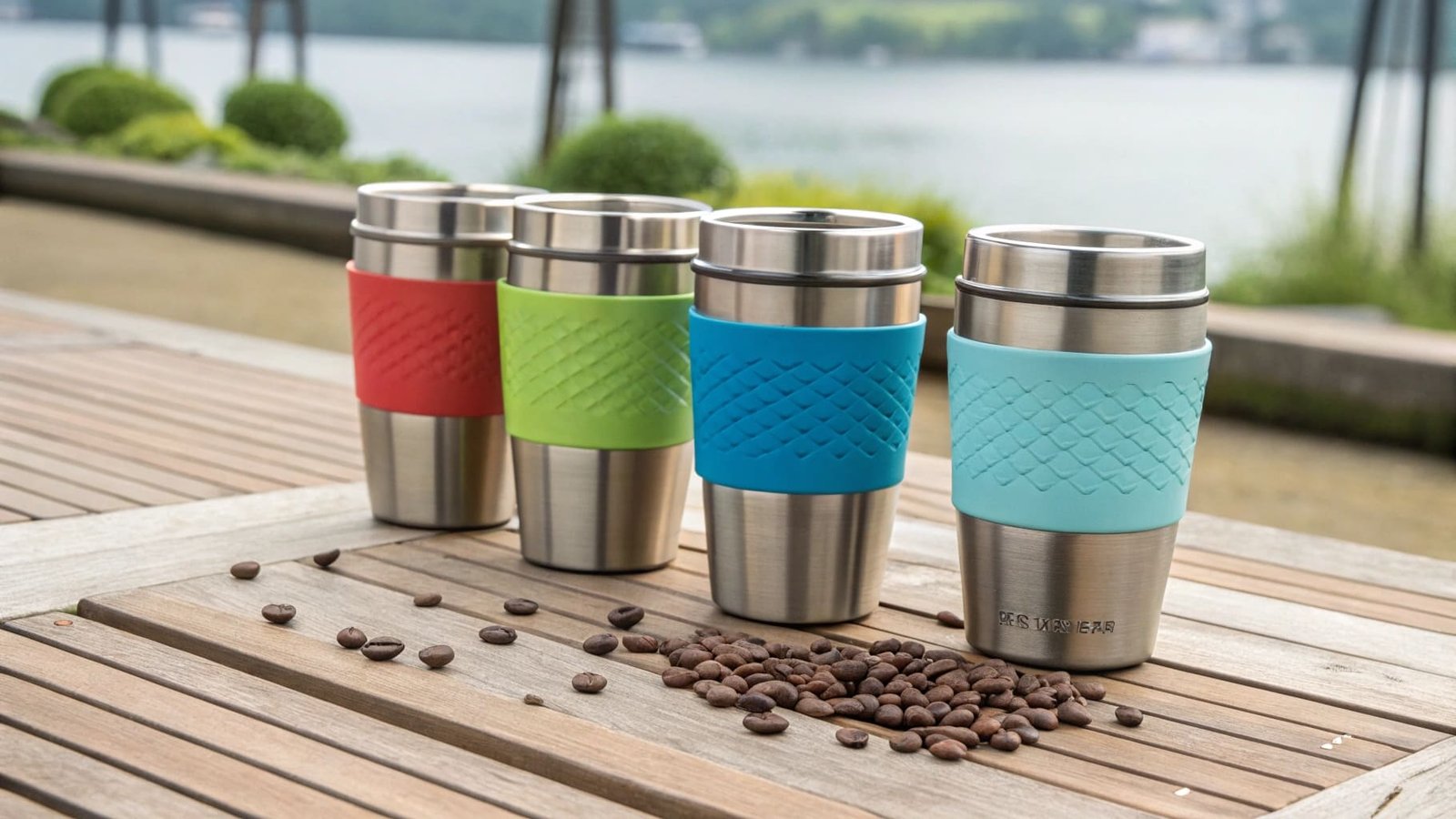
I remember visiting a cafe chain in Vancouver last year. The owner showed me boxes of cardboard sleeves stacked in their storage room. He said they reorder every two weeks. I asked him how much space and money this consumed annually. His face changed when he calculated the numbers.
What is the point of a coffee sleeve?
Most cafe owners see sleeves as a necessary evil. They add costs. They create waste. Yet customers expect them when ordering hot beverages.
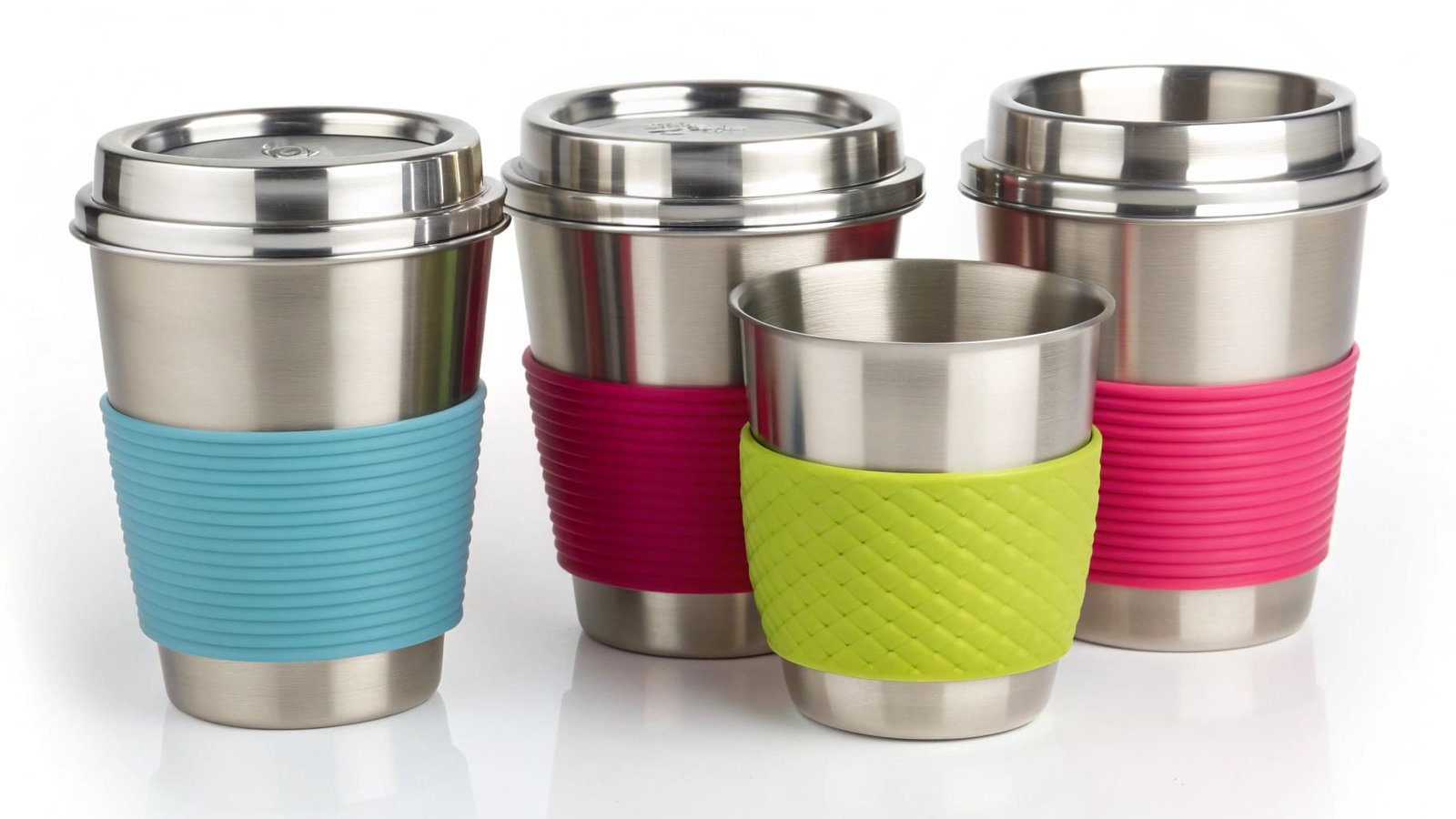
Coffee sleeves prevent burns from hot cups and provide grip. They also offer cafes a branding surface that travels beyond the store, creating mobile advertising at minimal cost.
The True Function Beyond Burn Protection
I've worked with cafe equipment buyers for eight years now. One pattern emerges consistently. The successful operations view sleeves as strategic tools rather than commodity items. They understand sleeves serve multiple purposes simultaneously.
First, sleeves address safety concerns. Hot beverages typically reach one hundred eighty to one hundred ninety degrees Fahrenheit. Paper cups transfer this heat directly to hands. A quality sleeve creates a thermal barrier. This prevents customer complaints and potential liability issues.
Second, sleeves function as marketing assets. Every customer who walks out with your branded sleeve becomes a moving billboard. This passive advertising reaches people in offices, streets, and public transport. The exposure cost is minimal compared to traditional advertising channels.
Third, sleeves enhance customer experience. A non-slip grip prevents spills. Comfortable handling encourages repeat purchases. These details matter in competitive markets.
| Sleeve Function | Business Impact | Customer Benefit |
|---|---|---|
| Thermal Protection | Reduces liability risks | Prevents burns |
| Brand Display | Mobile advertising | Professional appearance |
| Grip Enhancement | Fewer spills and complaints | Comfortable handling |
| Reusability Factor | Lower operating costs | Environmental responsibility |
What is the best material for coffee cups?
Material choice determines your operational efficiency. I've seen distributors switch materials three times before finding the right fit. Each switch costs time and money.
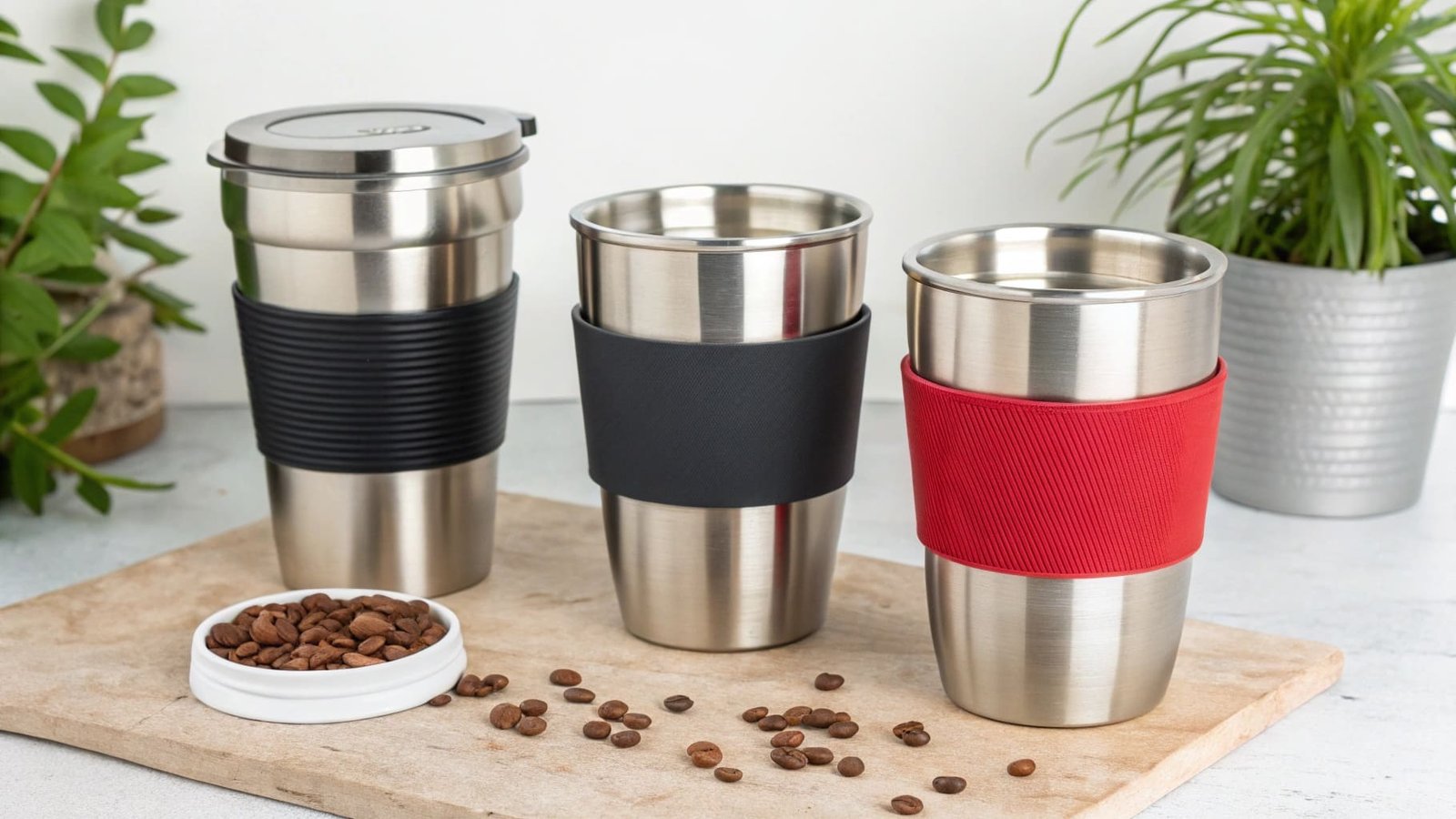
Food-grade silicone outperforms alternatives for reusable coffee sleeves. It withstands temperature extremes, maintains flexibility, resists staining, and supports various customization methods2 without quality degradation.
Material Comparison for Wholesale Buyers
Last month, I received an inquiry from a Canadian distributor. He wanted to understand why silicone costs more upfront than foam or cardboard alternatives. I explained the total cost of ownership concept. He ordered samples of all three materials and conducted field tests.
Cardboard sleeves cost less initially. They serve their purpose once and then go to waste. For high-volume operations, this creates continuous expenses. Storage requirements also increase. You need space for boxes of disposables. Ordering frequency rises. Administrative time accumulates.
Foam sleeves offer slight improvements over cardboard. They provide better insulation. However, they deteriorate with repeated use. They also absorb odors and stains. Cleaning them proves difficult. Most cafes end up replacing them frequently anyway.
Silicone changes the economics entirely. The material handles temperatures from negative forty to four hundred degrees Fahrenheit. This range covers all beverage types. Silicone remains flexible in cold conditions. It doesn't become brittle or crack. In hot conditions, it maintains its shape and protective properties.
The material also accepts various customization techniques. Screen printing produces vibrant colors that last years. Debossing creates elegant, professional appearances. Color matching allows precise brand alignment. These options help cafes differentiate themselves in crowded markets.
| Material | Initial Cost | Lifespan | Temperature Range | Customization Options | Cleaning Method |
|---|---|---|---|---|---|
| Cardboard | Low | Single use | Limited | Print only | Not applicable |
| Foam | Medium | Weeks | Moderate | Limited | Hand wash only |
| Silicone | Higher | Three to five years | Negative forty to four hundred degrees F | Multiple methods | Dishwasher safe |
What are the different types of cup sleeves?
Market research reveals buyer confusion about sleeve categories. Distributors often mix functional classifications with material types. This creates purchasing mistakes.
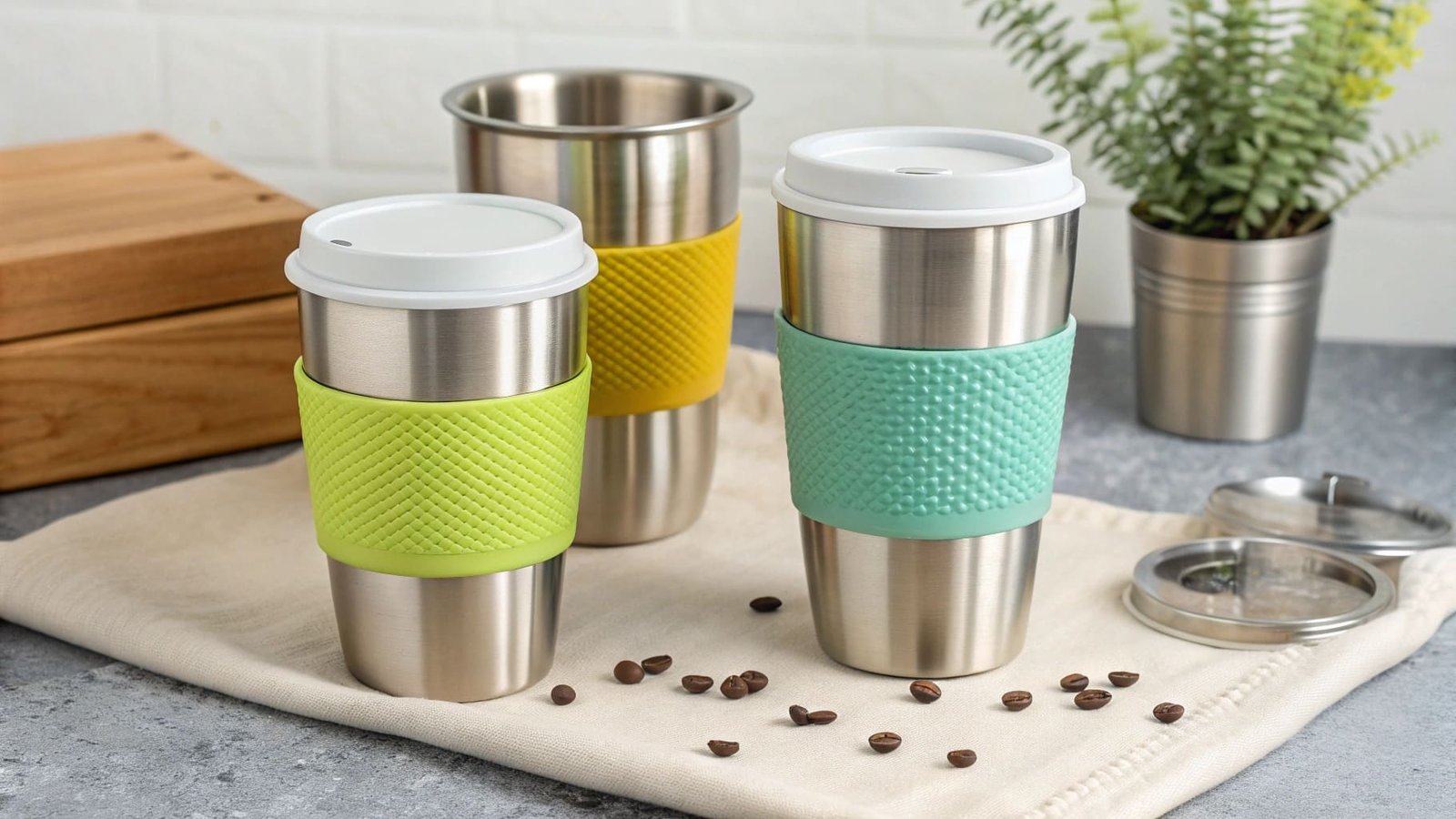
Three main sleeve categories exist: disposable paper-based options, fabric wraps with mixed durability, and reusable silicone versions. Each category serves specific business models and customer expectations.
Understanding Sleeve Categories for Strategic Purchasing
A procurement officer from Toronto contacted me six months ago. His company wanted to expand their cafe equipment line. He asked about sleeve types and which ones sell best. I explained that the answer depends on the target customer profile.
Disposable paper sleeves dominate traditional cafes. These include corrugated cardboard sleeves and insulated paper versions. They suit operations focused on minimal upfront investment. However, they create ongoing expenses and environmental concerns. Modern consumers increasingly question single-use items. This trend affects brand perception.
Fabric sleeves occupy a middle ground. Some cafes offer them as reusable options. Cotton or neoprene materials provide decent insulation. Yet fabric absorbs liquids and odors. Cleaning becomes labor-intensive. Most fabric sleeves show wear within months. Color fading occurs quickly with frequent washing.
Silicone sleeves represent the premium category. They address all common pain points simultaneously. The material resists staining and odor absorption. Dishwasher compatibility eliminates manual cleaning labor. Durability spans years rather than weeks. This makes them ideal for wholesale operations targeting quality-conscious buyers.
For distributors and cafe equipment wholesalers, silicone sleeves offer the strongest value proposition. Initial costs deter some buyers initially. However, the total ownership cost calculation favors silicone overwhelmingly. A cafe serving three hundred beverages daily saves thousands annually by switching from disposables to reusable silicone.
The sustainability angle also matters increasingly. European and North American markets face growing regulations against single-use plastics. Cafes adopting reusable solutions gain competitive advantages. They attract environmentally conscious customers. They also future-proof their operations against regulatory changes.
| Sleeve Type | Best For | Key Advantage | Main Limitation |
|---|---|---|---|
| Disposable Paper | Low-volume operations | Minimal upfront cost | Ongoing expenses and waste |
| Fabric Wraps | Boutique cafes | Soft aesthetic appeal | High maintenance requirements |
| Silicone Sleeves | High-volume wholesale | Durability and cost efficiency | Higher initial investment |
Conclusion
Silicone coffee sleeves transform recurring expenses into one-time investments. They deliver burn protection, brand visibility, and environmental responsibility simultaneously. For wholesale cafe equipment buyers, they represent strategic value beyond simple cost comparison.