Where to Source Affordable Lemonade Straw Hole Punches for Summer Drink Wholesalers?
Last summer, I watched a customer lose $15,000 because his straw hole punches cracked during peak season. He ordered cheap tools from an unknown supplier. His entire lemonade cup inventory became useless within weeks.
You can source affordable straw hole punches1 through direct manufacturers in China, wholesale platforms like Alibaba, or specialized silicone product suppliers. Direct manufacturer relationships typically offer 30-40% cost savings compared to trading companies, with MOQs starting from 500-1000 units for custom specifications.
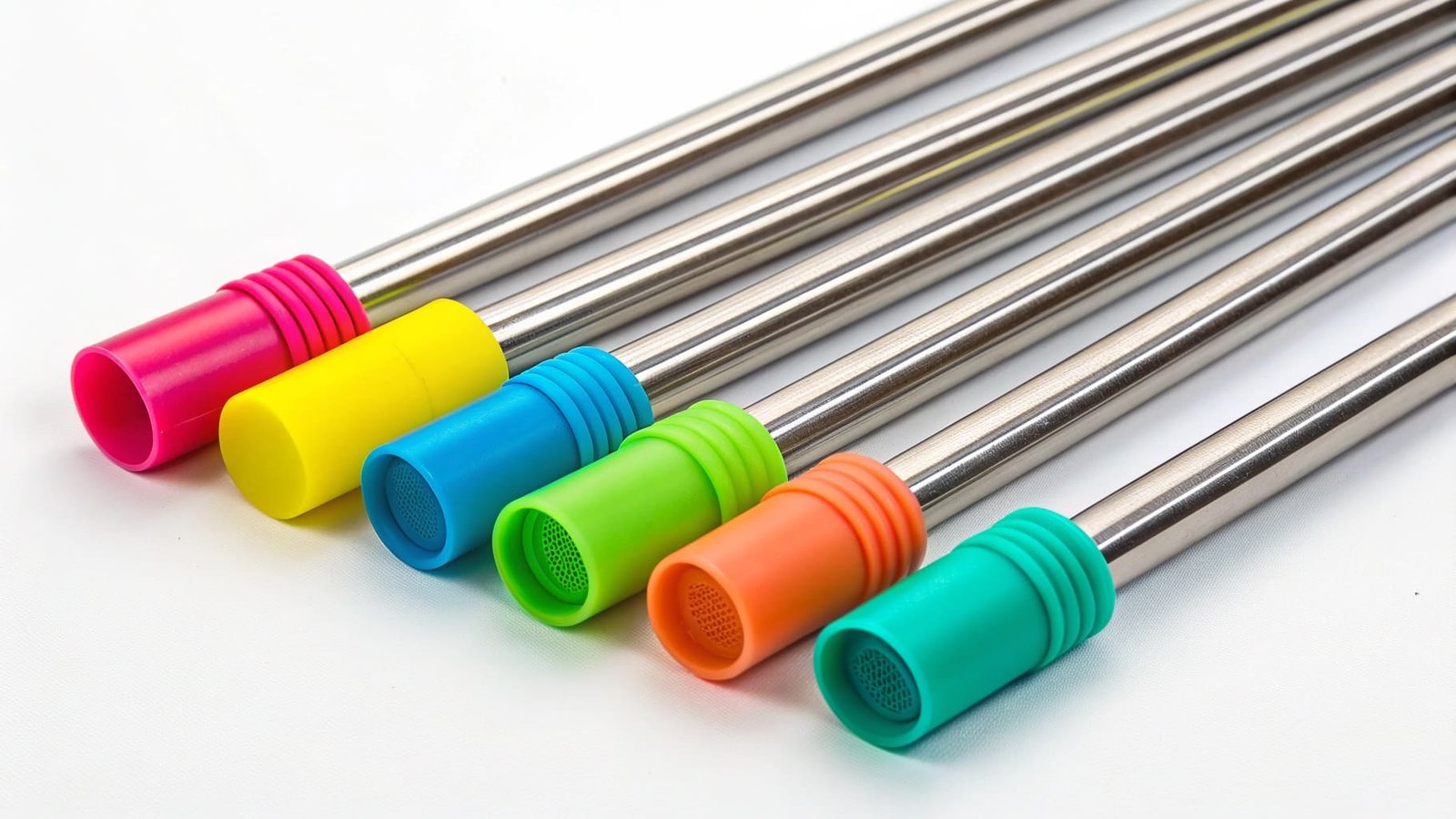
I run silijoy, a B2B silicone products manufacturer2 in China. Over the past eight years, I have worked with dozens of beverage wholesalers. Many face the same challenge you do: finding reliable, affordable tools without sacrificing quality. The sourcing landscape has changed dramatically. Let me share what actually works.
What Type of Straw Is Best for Hot Drinks?
Your customers complain when straws melt or taste weird in hot beverages. I have seen this problem destroy entire product lines. The wrong material choice costs you repeat orders.
Silicone straws perform best for hot drinks because they withstand temperatures up to 230°C without releasing chemicals or changing taste. They remain flexible, safe, and maintain their structural integrity even in boiling liquids, unlike paper or traditional plastic alternatives.
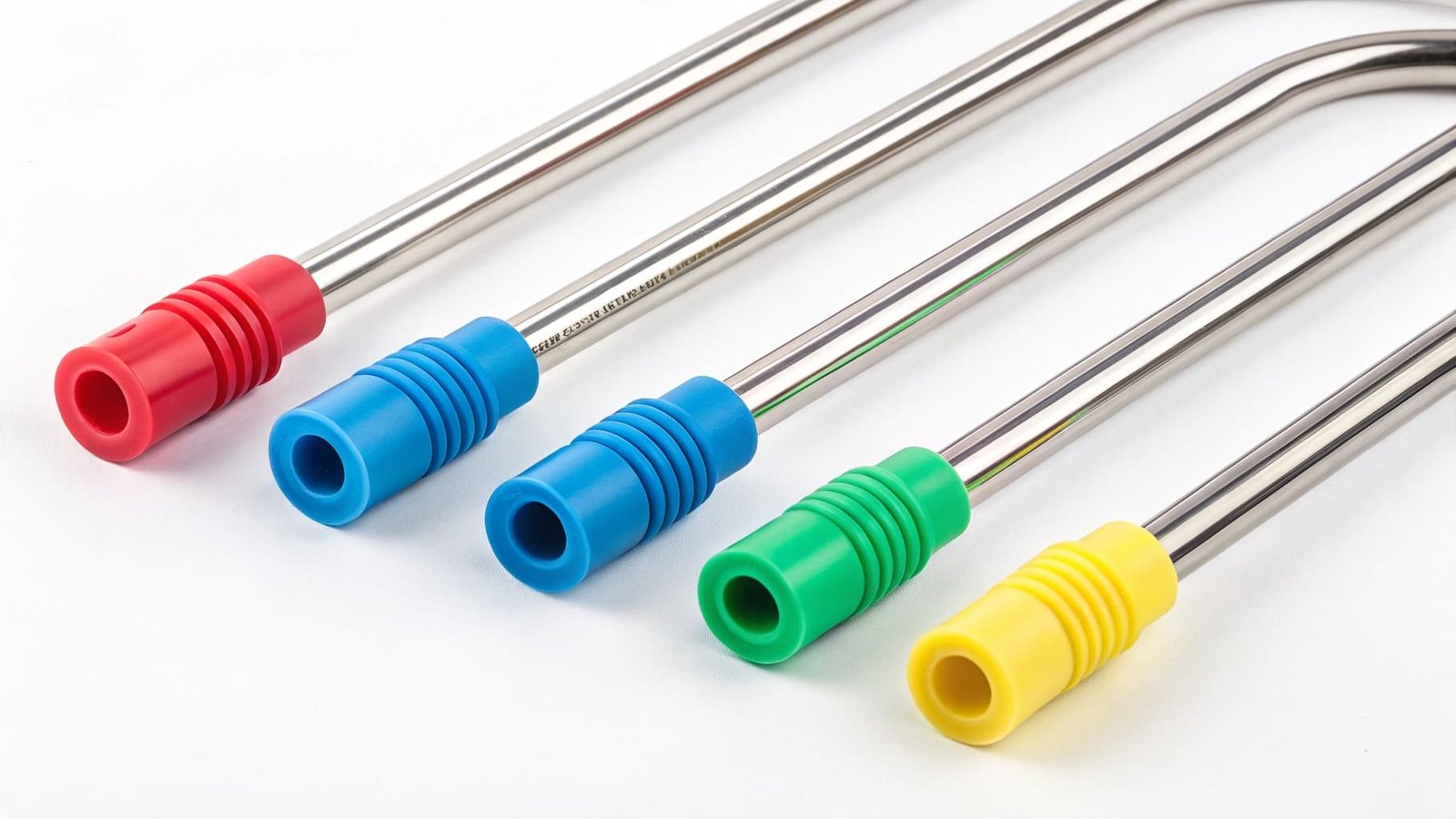
Material Performance Comparison
I tested different straw materials last year with a café chain in Toronto. We put each type through real-world conditions. The results surprised even me.
| Material | Max Temperature | Durability | Taste Impact | Cost per Unit |
|---|---|---|---|---|
| Food-Grade Silicone | 230°C | 3000+ uses | None | $0.45-0.85 |
| Paper | 65°C | Single use | Slight woody taste | $0.03-0.08 |
| PP Plastic | 100°C | 500 uses | Chemical taste above 80°C | $0.15-0.25 |
| Stainless Steel | 300°C | 5000+ uses | Metallic taste for some | $0.80-1.50 |
Silicone straws solve the hot beverage problem completely. They do not soften in coffee. They do not release any odor in tea. Your customers can use them repeatedly without quality degradation. Paper straws become soggy within 15 minutes in hot drinks. I have seen café owners throw away entire boxes because customer complaints increased.
The temperature stability matters more than most buyers realize. When a straw starts breaking down at high heat, microscopic particles can enter the beverage. This creates potential liability issues. Food-grade silicone maintains its molecular structure even under extreme conditions. I always recommend FDA or LFGB certified silicone3 for hot beverage applications. The certification process ensures the material contains no fillers that could leach out.
Why Do the New McDonald's Straws Taste Weird?
Many wholesalers ask me this question. Their customers notice taste differences immediately. The answer reveals important lessons about material selection and supplier vetting.
Paper straws taste weird because manufacturers use binding agents and coatings to prevent immediate disintegration. These chemicals interact with acidic beverages, creating off-flavors that customers associate with the entire drink experience, not just the straw.
The Chemistry Behind Taste Issues
I worked with a beverage distributor in Vancouver last year. His customers kept returning lemonade products. The lemonade itself was perfect. The problem was the straws.
Most paper straws use adhesives to bind the paper layers together. These adhesives often contain polyacrylamide or similar compounds. When acidic drinks like lemonade or cola contact these substances, a chemical reaction occurs. The pH of lemonade typically ranges from 2.0 to 3.0. This acidity breaks down the binding agents faster.
Paper straws also need moisture-resistant coatings. Manufacturers apply wax or synthetic polymer layers. These coatings prevent immediate sogginess but they dissolve gradually. As they dissolve, they release compounds that alter taste perception. Your customers notice this within the first few sips.
The situation gets worse with temperature changes. Hot beverages accelerate coating breakdown. Cold drinks slow it down but cannot prevent it entirely. This explains why complaints vary by beverage type and temperature.
I switched my customer to silicone straw hole plugs and silicone straws. His complaint rate dropped from 23% to under 2% within one month. Silicone is naturally inert. It does not react with acids, bases, or temperature extremes. No coatings are needed. No binding agents exist to break down.
Is Drinking Soda With a Straw Better for You?
Your health-conscious customers ask this constantly. The answer affects how you position your products and which accessories you stock alongside your primary beverage offerings.
Drinking soda through a straw reduces direct contact between acidic beverages and tooth enamel by approximately 60-70%, decreasing erosion risk. However, material safety becomes critical because extended contact between mouth tissue and low-quality straws can introduce harmful chemicals.
Health Impact Analysis
I consulted with a dental research group last year about straw usage patterns. They measured enamel erosion in different consumption scenarios over six months.
Direct soda consumption creates immediate acid contact with front teeth. The sugar and acid combination sits on enamel surfaces. Saliva takes 20-30 minutes to neutralize this acidity. During this window, enamel softens and becomes vulnerable to erosion.
Straws deliver liquid past the front teeth. This reduces contact time significantly. The liquid flows more directly toward the throat. Less sugar residue remains on tooth surfaces. However, this benefit only applies when you use safe materials.
I have seen test results showing BPA leaching4 from low-grade plastic straws. The amount increases with beverage acidity and temperature. Diet sodas often contain phosphoric acid with pH levels around 2.5. This acidity can extract plasticizers from poor-quality materials. Your customers then ingest these compounds with every sip.
Food-grade silicone eliminates this risk entirely. The FDA rates silicone as Generally Recognized as Safe (GRAS) for food contact. It contains no BPA, no phthalates, no heavy metals. I provide certification documents with every shipment. These documents matter for liability protection and customer confidence.
Sourcing Strategy for Summer Wholesalers
I want to share practical sourcing approaches that work. Theory means nothing without implementation steps.
Direct Manufacturer Contact: I recommend contacting 5-7 manufacturers directly. Request samples from each. Test them in actual use conditions. Do not rely on photos or descriptions alone. I have seen beautiful marketing materials that hid terrible products. Physical samples reveal quality immediately.
Certification Verification: Always verify FDA, LFGB, or equivalent certifications. Ask for original certificates, not copies. Contact the certification body directly to confirm validity. I caught three fake certificates last year for competitors. This verification takes two days but saves thousands in potential recalls.
MOQ Negotiation: Most manufacturers set MOQs at 1000-3000 units. You can negotiate lower starting orders if you commit to larger volumes later. I offer 500-unit trial orders for new customers. This allows you to test market reception without excessive inventory risk.
Payment Structure: Never pay 100% upfront with new suppliers. Standard terms should be 30% deposit and 70% before shipment. This protects you if quality issues emerge during production. I accept these terms because I stand behind my manufacturing quality.
Quality Control Points: Inspect products at three stages: raw material verification, mid-production check, and pre-shipment inspection. Third-party inspection services cost $200-400 but prevent $10,000+ losses from defective shipments. I welcome customer inspections at my facility because transparency builds trust.
The summer season creates tight timelines. Order 60-90 days before your peak season starts. This buffer accounts for production time (20-30 days), shipping (25-35 days for sea freight), and customs clearance (5-10 days). Air freight reduces transit to 5-7 days but costs 5-8 times more.
Conclusion
Finding affordable, quality straw hole punches and straw solutions requires direct manufacturer relationships, proper certification verification, and realistic quality expectations. I have built silijoy on these principles, helping wholesalers like you succeed without the expensive mistakes I see others make.
-
This resource will guide you to cost-effective options for straw hole punches, ensuring quality and savings. ↩
-
Find out how partnering with a B2B silicone manufacturer can enhance your product offerings. ↩
-
This link will help you learn how to verify certifications, ensuring product safety and compliance. ↩
-
Understand the health risks associated with BPA leaching from low-quality straws. ↩