What Packaging Options Reduce Shipping Damage for Bulk Silicone O-Rings Sets?
I opened another damaged shipment last month. The O-rings were compressed and contaminated. My customer rejected the entire order. This problem costs me thousands every year.
The most effective packaging combines anti-static PE bags as primary protection, corrugated boxes with foam cushioning as secondary layers, and palletized stretch wrap for container loading. This three-layer system reduces damage rates to under 2%.
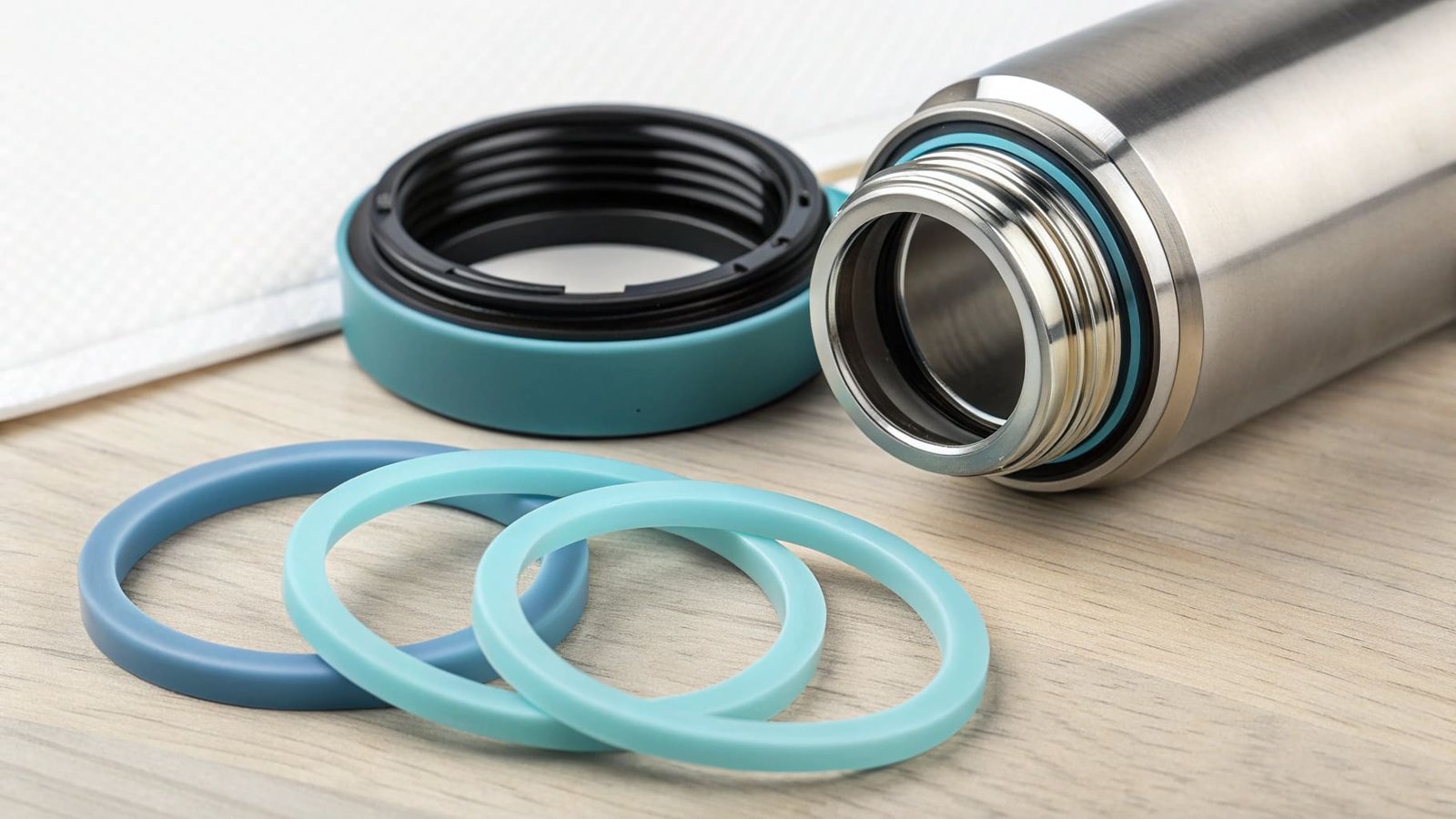
I learned this lesson the hard way. When I started importing silicone products from China, I assumed standard packaging would work fine. I was wrong. Silicone O-rings are different from metal parts. They deform under pressure. They attract dust. They need special protection during long ocean freight journeys. After several costly mistakes, I figured out what actually works.
What type of packaging is used for bulk handling and transport shipping?
Bulk shipments fail when suppliers use single-layer packaging. I have seen it happen too many times. The products arrive crushed, dirty, or both.
Bulk O-ring shipping requires three distinct packaging layers: primary bags for direct product contact, secondary boxes for structural protection, and tertiary palletization for warehouse handling. Each layer serves a specific protection function.
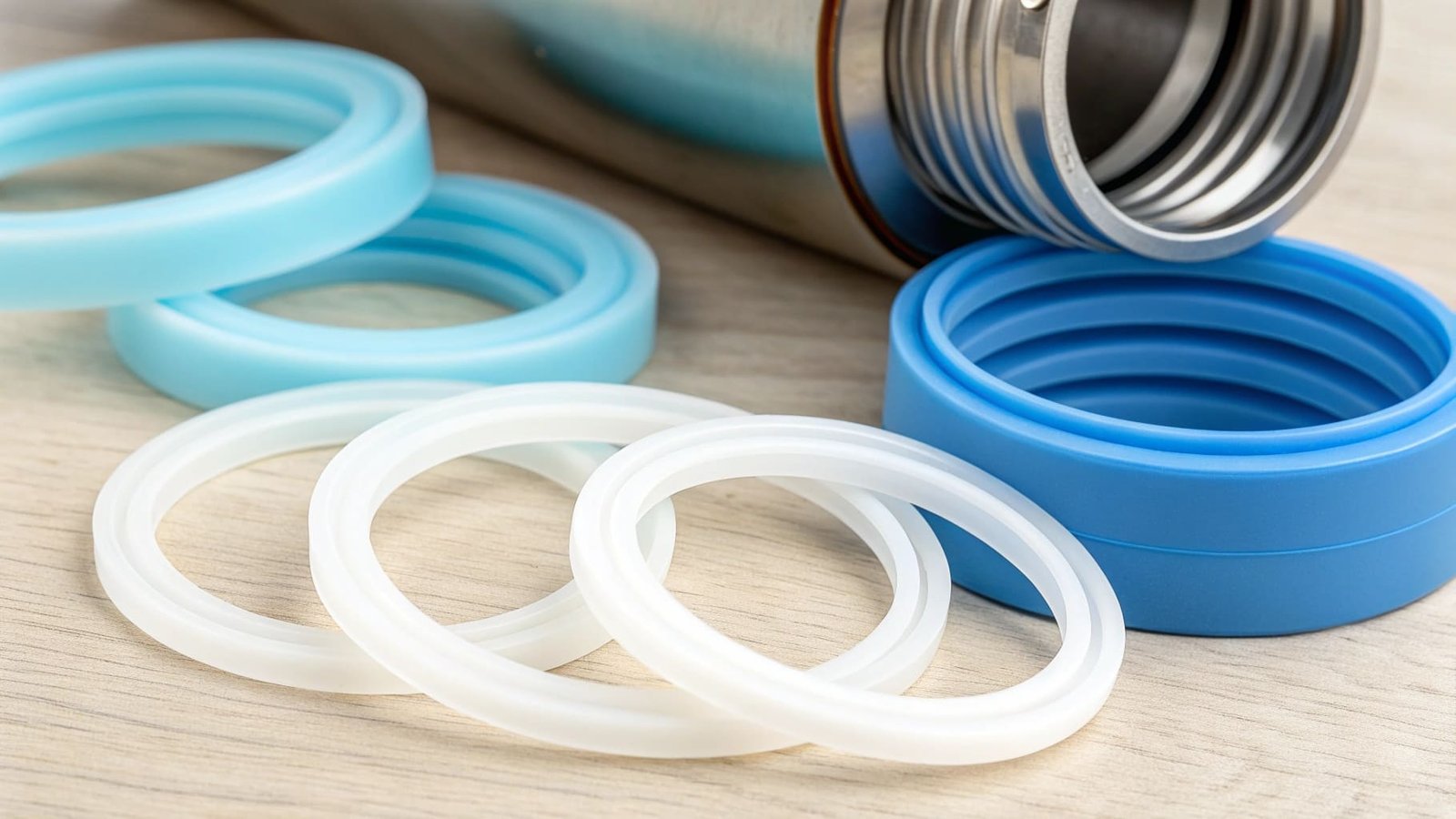
The primary layer sits right against the O-rings. I always specify anti-static PE bags1 for this. Regular plastic bags create static electricity. This static pulls dust and particles onto the silicone surface. Anti-static bags prevent this problem. Some suppliers offer vacuum-sealed pouches instead. These work even better for long-distance shipping. The vacuum seal maintains the O-rings' original shape. It prevents compression deformation during the journey.
The secondary layer provides structural support. I use corrugated cardboard boxes with specific specifications. The box walls need double-wall construction at minimum. Single-wall boxes collapse under container weight. Inside each box, foam cushioning fills empty spaces. This foam stops the O-rings from shifting during transport. Movement inside boxes causes friction damage. The foam eliminates this risk.
The tertiary layer protects during warehouse operations. Palletization makes forklift handling safe. I always request stretch wrap around the entire pallet. This wrap holds boxes in position. It also creates a moisture barrier. Corner protectors go on all four edges. These protectors prevent strap damage when securing the pallet inside containers.
Here is how I organize my bulk packaging specifications:
| Packaging Layer | Material Type | Primary Function | Cost Impact |
|---|---|---|---|
| Primary | Anti-static PE bags | Dust prevention, shape retention | Low |
| Primary | Vacuum-sealed pouches | Maximum compression protection | Medium |
| Secondary | Double-wall corrugated boxes | Structural support, stacking strength | Medium |
| Secondary | Foam cushioning inserts | Movement prevention, shock absorption | Low |
| Tertiary | Stretch-wrapped pallets | Moisture barrier, load stability | Low |
| Tertiary | Corner protectors | Edge protection, strap damage prevention | Very Low |
I also learned about container loading patterns. The way boxes stack inside a container matters a lot. I now send my suppliers detailed loading diagrams. These diagrams show exactly how boxes should position on pallets. They show how pallets should arrange in the container. This attention to detail has cut my damage rate dramatically.
What are the 4 types of packaging?
Many buyers think packaging is just boxes and tape. This oversimplification causes problems. Each packaging type solves different shipping challenges.
The four essential packaging types are protective packaging2 for physical damage prevention, containment packaging for securing products, informational packaging for handling guidance, and environmental packaging for moisture and temperature control.
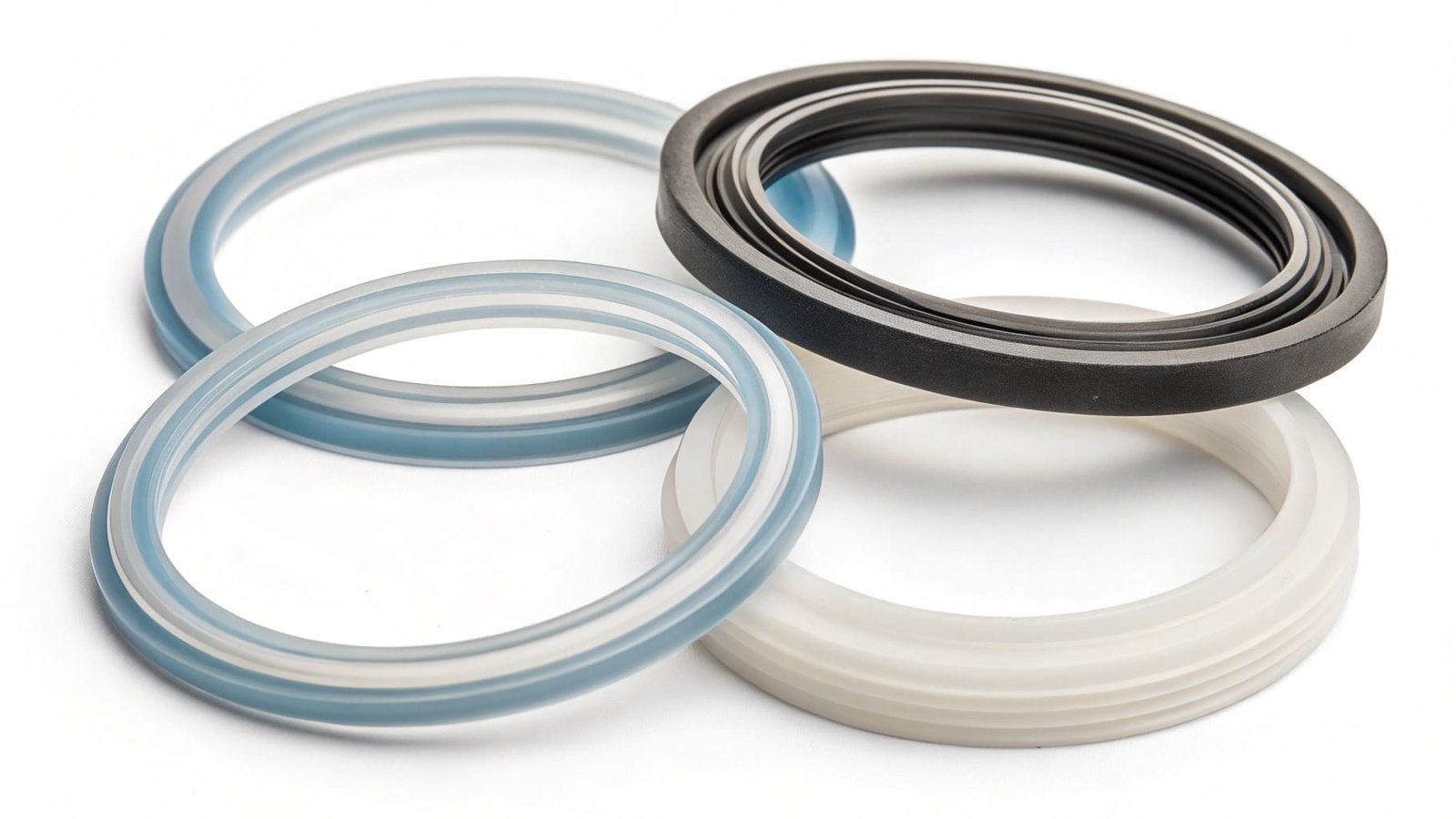
Protective packaging stops physical harm. This includes foam inserts, bubble wrap, and air cushions. I use custom-molded foam trays for my O-ring orders. Each O-ring sits in its own cavity. This prevents ring-to-ring contact. It eliminates friction marks on the silicone surface. The foam also absorbs shocks from rough handling. Forklifts drop pallets. Trucks hit potholes. Ships encounter storms. The foam cushioning handles all these impacts.
Containment packaging keeps everything together. Boxes, bags, and containers fall into this category. I specify box dimensions carefully. The boxes must fit exactly on standard pallets. This maximizes container space utilization. It also prevents shifting during transport. Bags inside boxes need proper sealing. I request heat-sealed bags only. Zip-lock bags open during rough handling.
Informational packaging communicates handling requirements. Labels, markings, and instructions belong here. I print custom labels in both English and Chinese. These labels show orientation arrows. They display fragile warnings. They list the product contents and quantities. Clear labeling reduces warehouse mistakes. It speeds up customs clearance.
Environmental packaging protects against weather and climate. Moisture barriers, desiccant packs, and temperature indicators serve this purpose. Silicone O-rings absorb moisture if exposed. This moisture can cause quality issues. I always include silica gel packs inside sealed bags. These packs absorb any humidity that enters the packaging. For shipments to humid climates, I double the desiccant quantity.
The interaction between these four types matters most. I create packaging specifications that address all four categories simultaneously. Here is my standard specification table:
| Packaging Type | Specific Elements | Protection Target | Inspection Point |
|---|---|---|---|
| Protective | Custom foam trays, bubble wrap | Surface scratches, deformation | Pre-shipment sample check |
| Containment | Double-wall boxes, heat-sealed bags | Product separation, spillage | Random box opening |
| Informational | Bilingual labels, handling icons | Communication errors | Label clarity verification |
| Environmental | Silica gel packs, moisture barriers | Humidity, contamination | Desiccant quantity count |
I verify each element before shipment leaves the factory. My quality inspector3 checks foam tray fit. She confirms label placement. She counts desiccant packs. This comprehensive approach has eliminated surprises at receiving docks.
What is the most protective packaging?
Suppliers always suggest their standard packaging. They say it works fine for everyone. I learned this is not true. Standard packaging creates standard problems.
Foam-in-place systems paired with rigid containers provide maximum protection, but cost considerations matter for bulk orders. Molded pulp trays with individual cavities offer the best balance of protection, cost efficiency, and environmental sustainability.
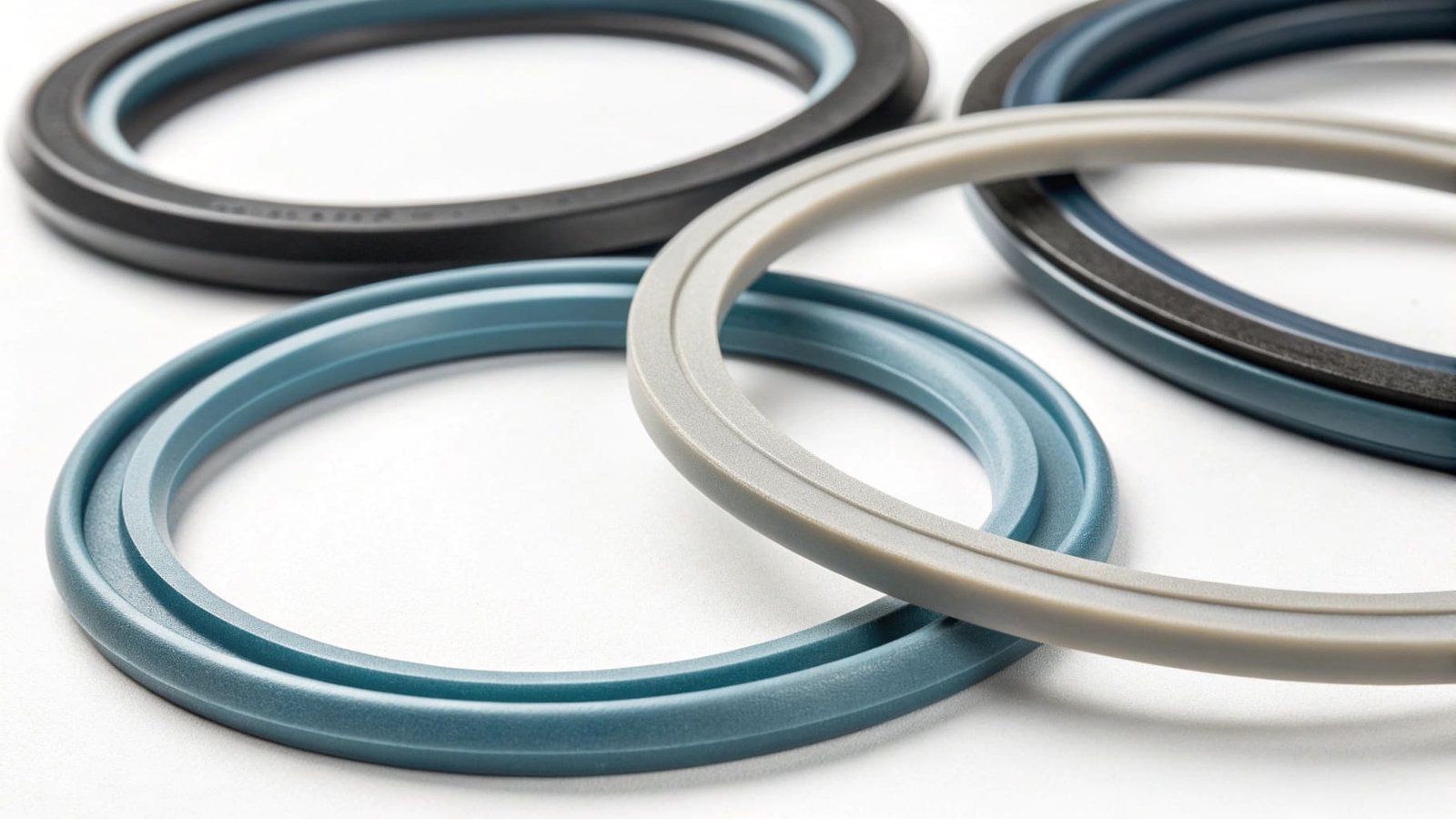
Foam-in-place systems represent the ultimate protection method. A technician sprays liquid foam around products inside boxes. The foam expands and hardens. It creates a perfect custom fit. Every product stays exactly in position. No movement occurs during shipping. I used this method for a high-value prototype shipment once. Zero damage occurred. But the cost shocked me. The foam material costs more than basic cushioning. The application requires specialized equipment. It adds significant labor time. For regular bulk orders, this cost is too high.
Rigid containers like plastic totes offer excellent protection. These containers do not crush under weight. They resist impacts better than cardboard. They provide reusable options for repeat shipments. I considered switching to plastic totes last year. The initial investment seemed reasonable. But return logistics killed the idea. Shipping empty totes back to China costs almost as much as filled ones. The economics do not work for one-way international shipping.
Molded pulp trays became my solution. These trays use recycled paper materials. Manufacturers press the pulp into custom shapes with individual cavities. Each O-ring sits in its dedicated space. The pulp material cushions impacts. It absorbs moisture to some degree. Most importantly, the cost stays reasonable even for large orders. I pay about 40 percent more than standard foam sheets. This extra cost is worth the damage reduction.
The environmental benefits matter too. My North American customers increasingly ask about sustainable packaging. Molded pulp meets their requirements. The material biodegrades completely. It contains recycled content. It ships flat before forming, reducing transportation emissions. These environmental advantages help me win contracts against competitors who still use pure plastic packaging.
Here is my cost-benefit analysis for different protective packaging options:
| Packaging Method | Protection Level | Cost Per Unit | Sustainability Score | Best Use Case |
|---|---|---|---|---|
| Foam-in-place | Excellent | High | Low | High-value prototypes, samples |
| Rigid plastic totes | Excellent | Very High | Medium | Domestic repeat shipments |
| Molded pulp trays | Very Good | Medium | High | International bulk orders |
| Standard foam sheets | Good | Low | Low | Low-value, damage-tolerant items |
| Custom cardboard dividers | Good | Low | Medium | Simple separation needs |
I also discovered that supplier quality matters as much as packaging design. Some factories produce molded pulp trays4 with inconsistent cavity depths. This defeats the protection purpose. I now request samples of the trays before approving any order. I physically test the fit. I measure cavity dimensions. I verify wall thickness. This upfront verification prevents problems later.
The combination approach works best for my business. I use molded pulp trays for primary protection. I add foam corner protectors inside boxes. I specify stretch-wrapped palletization for container loading. This multi-layer system has brought my damage rate down to less than 1 percent. Before implementing these changes, I dealt with 8 to 10 percent damage rates. The improvement directly impacts my bottom line.
Conclusion
Effective packaging requires three protection layers, four packaging type considerations, and molded pulp systems for optimal results. This investment prevents costly damage and satisfies customer requirements.
-
Explore how anti-static PE bags can prevent dust attraction and protect sensitive products during shipping. ↩
-
Learn about the various types of protective packaging and their role in preventing physical damage. ↩
-
Learn about the importance of quality inspections in ensuring packaging meets specifications. ↩
-
Find out how molded pulp trays offer a balance of protection, cost efficiency, and sustainability. ↩