What Profit Margins Justify Private Labeling Silicone Straw Hole Plugs for Retailers?
Many retailers struggle with razor-thin margins when reselling branded accessories. They watch profits disappear while competitors seem to thrive. The solution lies in understanding the margin threshold that makes private labeling worthwhile.
Private labeling silicone straw hole plugs becomes financially viable when margins reach 40% to 65%. This range significantly outperforms the 20% to 35% margins from reselling national brands. For retailers with established customer bases and minimum order capabilities of 3,000 to 5,000 units, these margins justify the initial investment and lead time commitments.
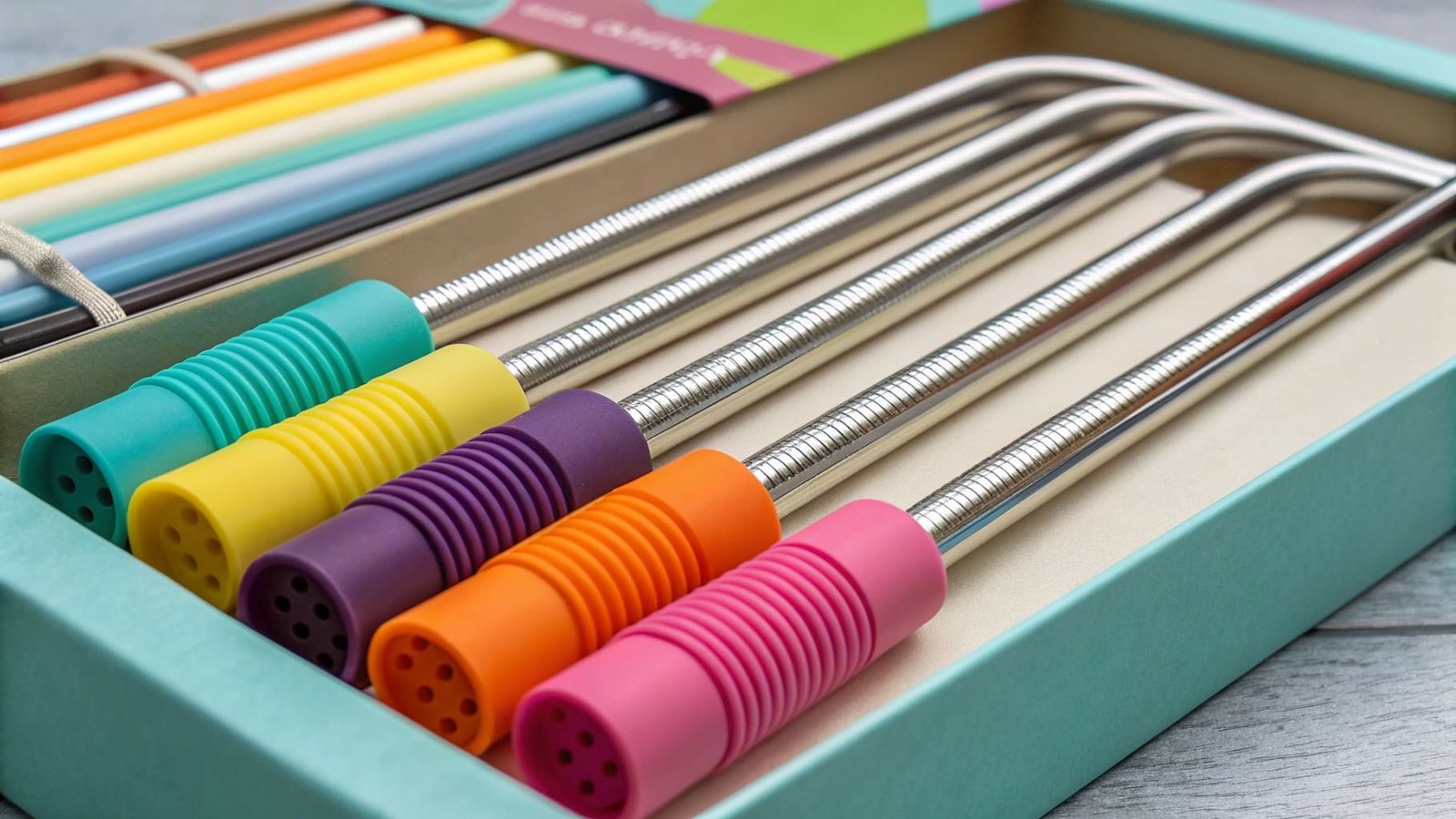
I have seen many retailers hesitate at this crossroads. They know their current model is not sustainable, but the jump to private labeling feels risky. The numbers tell a different story. When I break down the actual costs and potential returns with my clients, the path forward becomes clear. Let me walk you through the exact margins and profitability factors that should guide your decision.
What Are the Margins for Private-Label?
The margin question keeps most retailers up at night. They want hard numbers before committing. I get it because vague promises do not pay the bills.
Private-label silicone straw hole plugs typically deliver margins between 40% and 65%. This means buying at one price and selling at nearly double or more. Branded products usually cap out at 35% margins on a good day.
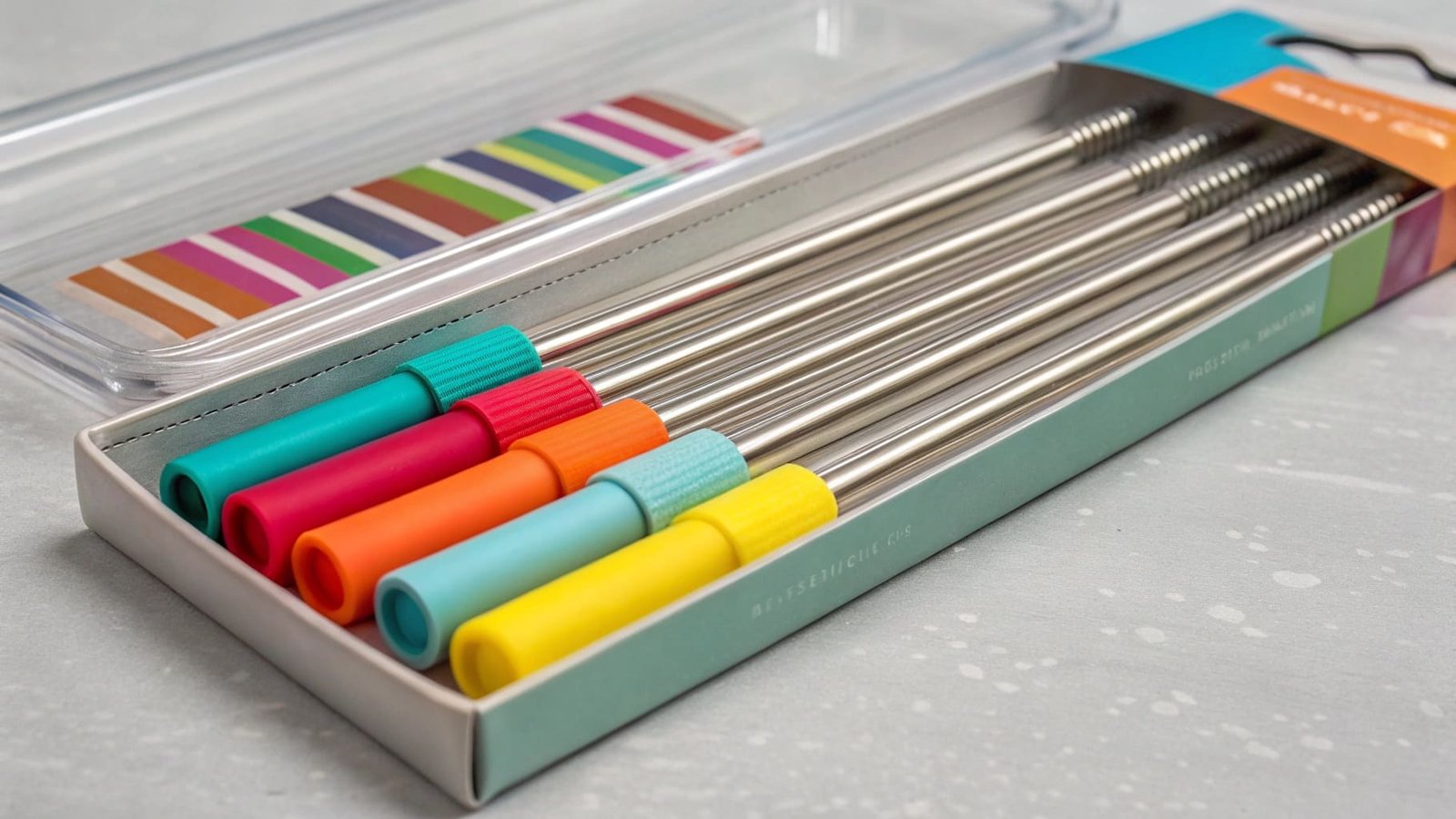
Let me give you a real example from my experience at silijoy. A retailer purchases silicone straw plugs from us at 0.80 per unit. After private labeling with their brand, they retail each plug at 2.50 to 3.00. That is a gross margin of roughly 68% to 73%. Compare this to reselling a branded equivalent. They would buy at 1.40 and sell at 2.00, which gives them only a 30% margin.
The math becomes even more interesting when you factor in volume. With private labeling, bulk orders1 reduce the per-unit cost further. I have worked with retailers who negotiated their cost down to 0.70 per unit at higher quantities. Their margin jumped to 76% while maintaining the same retail price.
But here is what most people miss. These margins assume you handle the marketing and brand building yourself. You are not paying for someone else's advertising budget or brand equity. That responsibility shifts to you. The margin difference essentially compensates you for taking on the marketing role that the national brand previously handled.
| Cost Factor | Private Label | Branded Resale |
|---|---|---|
| Purchase Cost per Unit | 0.80 | 1.40 |
| Retail Price | 2.50 to 3.00 | 2.00 |
| Gross Margin | 68% to 73% | 30% |
| Volume Discount Potential | High | Limited |
| Price Control | Full | Restricted |
Is Private Labeling Profitable?
Profitability is not the same as margins. You can have great margins and still lose money. I learned this the hard way when I first started in this business.
Private labeling becomes profitable when you meet three thresholds. You need minimum order quantities2 of 3,000 to 5,000 units, enough brand equity to avoid price wars, and the ability to manage 30 to 45 day lead times without cash flow issues.
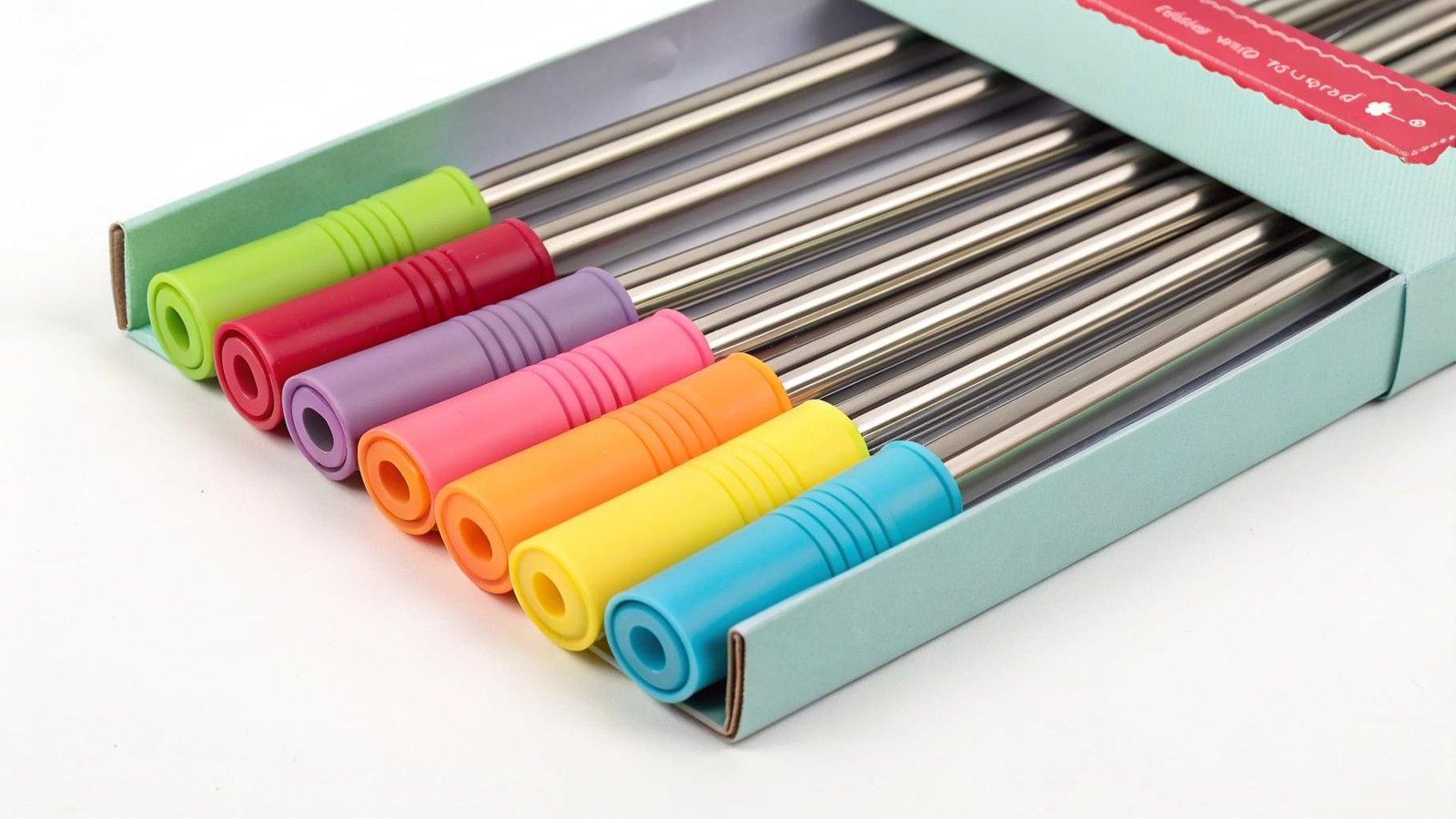
The profitability timeline matters more than most retailers expect. You will not see positive returns immediately. The first order carries tooling costs, sample approvals, and potential mistakes. I typically see retailers achieve ROI by their second or third reorder. That translates to roughly six to nine months if you are moving inventory well.
Here is where it gets interesting. After you clear that initial investment, each subsequent order becomes significantly more profitable. The tooling is paid for. Your supply chain is established. Your marketing materials are created. The fixed costs drop dramatically while your margins remain the same.
I worked with a retailer in Canada who started with 5,000 units. His first order barely broke even after accounting for all setup costs. But his second order of 10,000 units delivered a 62% net profit margin because the only new costs were production and shipping. By his fourth order, he was moving 15,000 units quarterly with minimal additional marketing spend.
The seasonal factor also affects profitability. Silicone straw plugs sell better during certain times of the year. Summer months see higher demand for outdoor drinkware accessories. Retailers who time their inventory well can maximize turnover and minimize holding costs. Those who order poorly might sit on inventory for months, eating into their profitability through storage fees and tied-up capital.
Why Do Some Retailers Decide to Create Their Own Private-Label Lines?
The decision to private label is rarely about money alone. I have noticed three main drivers that push retailers over the edge. Market saturation forces differentiation. Margin protection becomes critical during volatile times. And customer loyalty depends on unique offerings.
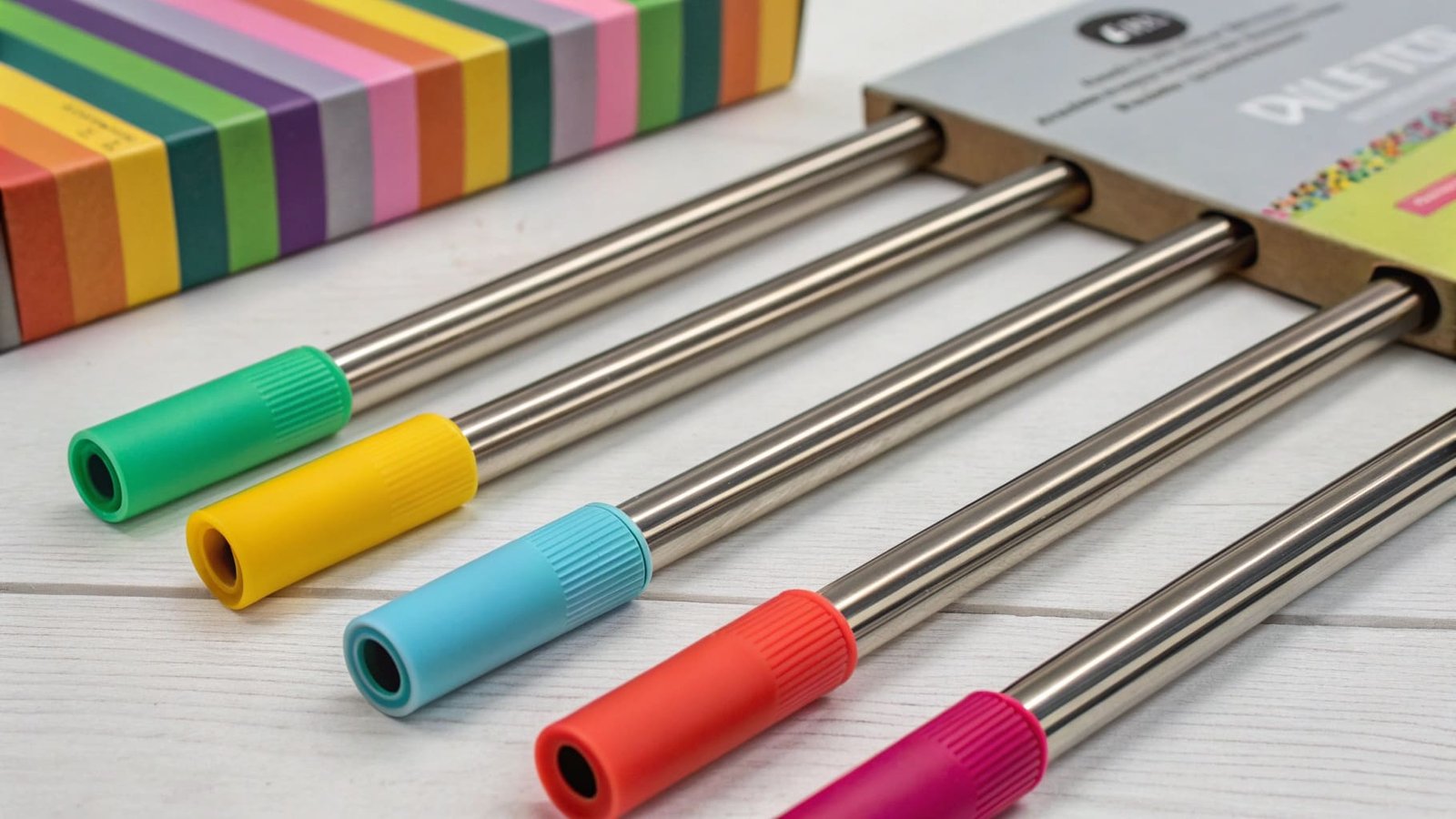
Market saturation hits hardest in the reusable drinkware category. When everyone sells the same branded straw plugs, price becomes the only differentiator. I watched this happen with several product categories over the years. First, a few big players dominate. Then smaller retailers pile in. Eventually, the market floods and margins collapse. Private labeling offers an escape route. You create something unique that cannot be directly compared on price alone.
Margin protection during supply chain chaos is another huge factor. When silicone raw material costs spiked recently, branded resellers had no options. They either absorbed the cost increase or lost customers to competitors. Private-label retailers called me directly. We discussed formulation adjustments, alternative materials, and phased price increases. They maintained profitability while branded resellers watched their margins evaporate.
Customer loyalty through customization3 is the third driver that often gets overlooked. A retailer can design straw plugs in specific colors that match their brand identity. They can add features that their customers actually want, like glow-in-the-dark elements for camping enthusiasts or antimicrobial coatings for health-conscious buyers. These customizations create switching costs. Customers cannot easily find the exact same product elsewhere.
I recently helped a retailer develop a line specifically for parents. We added extra-large pull tabs for little hands, used only FDA-approved food-grade silicone, and included educational packaging about reducing plastic waste. These features resonated with their target audience in ways that generic branded plugs never could. Their repeat purchase rate jumped 40% within six months.
| Strategic Factor | Impact on Decision |
|---|---|
| Market Differentiation | Escape price competition |
| Margin Control | Adjust to cost fluctuations |
| Customer Loyalty | Create unique value proposition |
| Brand Building | Develop proprietary equity |
| Long-term Value | Establish sustainable competitive advantage |
Conclusion
Private labeling silicone straw hole plugs justifies itself when margins exceed 40% and you can meet minimum order thresholds. The profitability extends beyond immediate returns to long-term brand equity and margin protection.