Why Do OEM Manufacturers Specify Platinum-Cured Silicone for Lid Gasket Production?
I watched a major food container brand recall 50,000 units last year. The gaskets leached chemicals into baby food. That expensive mistake could have been avoided with platinum-cured silicone. OEM manufacturers now demand it.
Platinum-cured silicone offers superior purity, temperature resistance, and durability for lid gaskets. It contains no harmful byproducts, maintains sealing integrity from -60°C to 200°C, and meets FDA and EU food-contact regulations1. This makes it essential for premium applications.
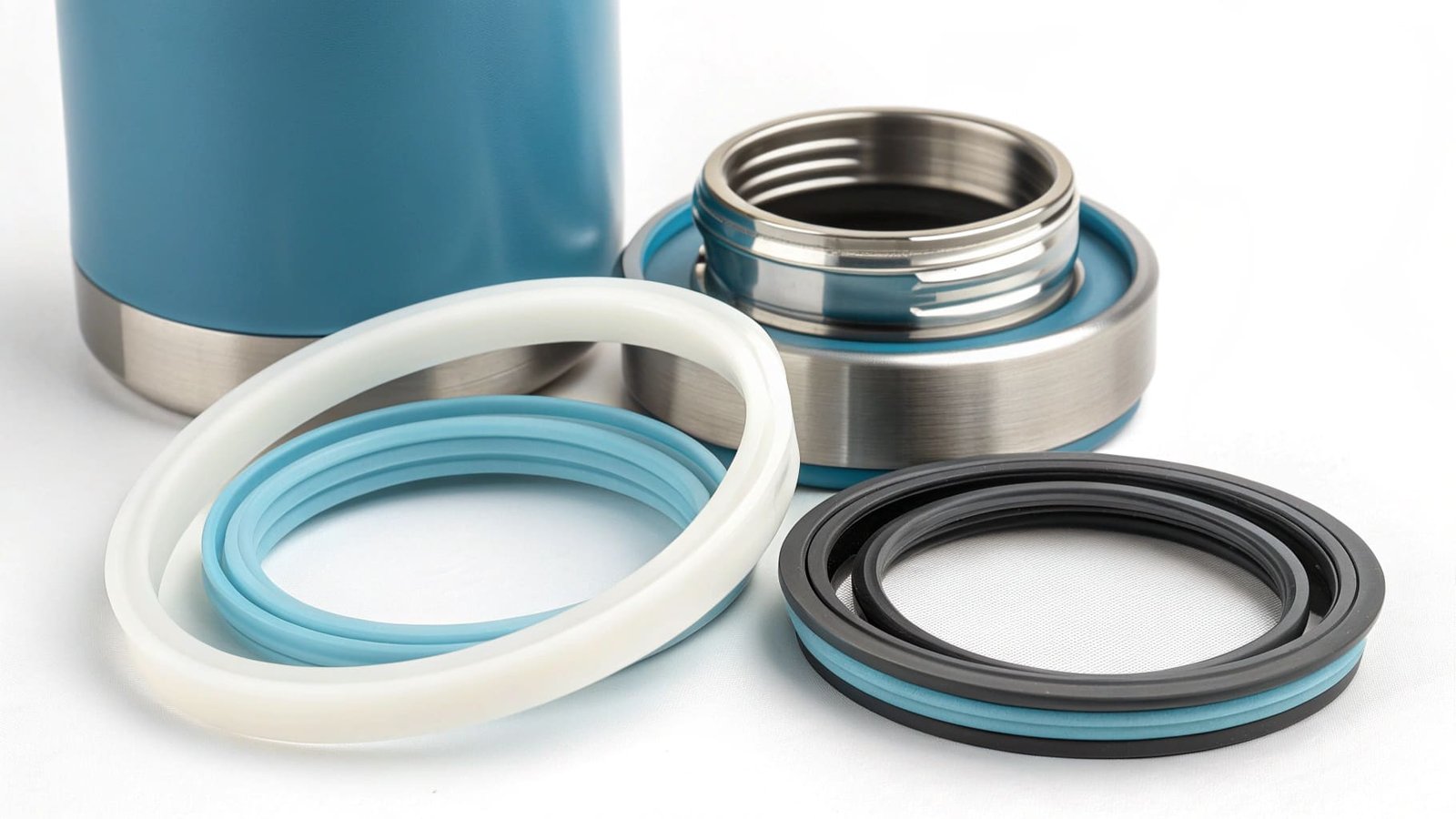
I talk with procurement officers every week at silijoy. They all ask the same question: why does platinum-cured silicone cost more? The answer changed how I manufacture gaskets. Let me share what I learned from fifteen years in this business.
Can You Use Silicone to Make a Gasket?
I met a startup founder who tried making gaskets from kitchen silicone. His first batch failed within three days. Using the wrong silicone type destroys your product reputation before you even start selling.
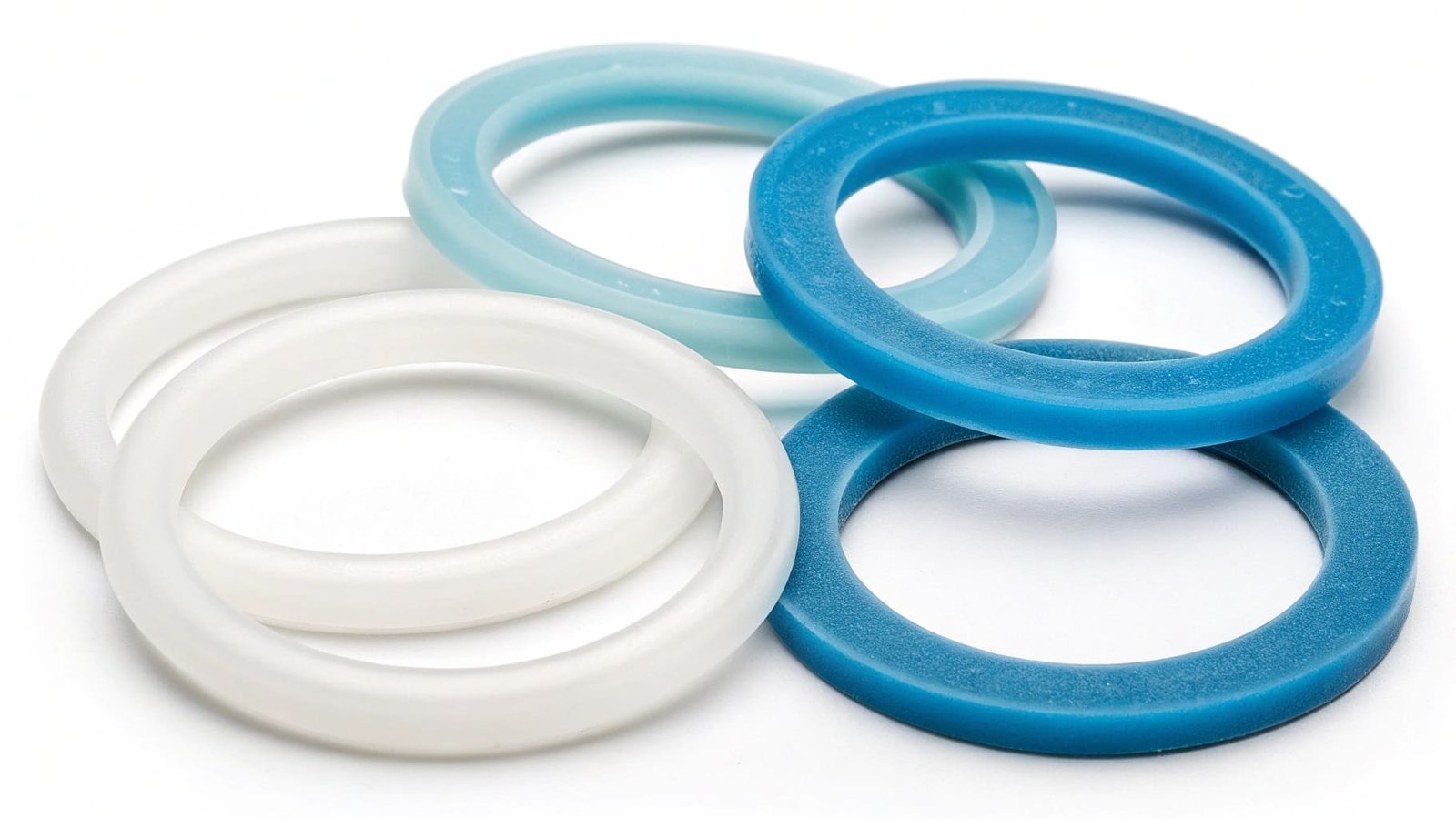
Yes, you can make gaskets from silicone. Medical-grade and food-grade silicone work best for consumer products. Industrial applications need heat-resistant silicone compounds. The material choice depends on your specific sealing requirements and regulatory compliance needs.
Understanding Silicone Gasket Applications
I manufacture silicone gaskets for clients in North America and Europe. Each application needs different material properties. A tumbler lid gasket faces different challenges than an industrial valve gasket.
Food storage containers need FDA-approved silicone. The material cannot transfer taste, odor, or chemicals to food. I test every batch at silijoy before shipping to customers in America. Medical device gaskets require even stricter certifications. Industrial gaskets prioritize temperature resistance and chemical compatibility.
The curing method matters most. Platinum-cured silicone2 leaves no residual peroxides. Peroxide-cured silicone costs less but can contaminate sensitive applications. I only use platinum-cured material for food contact products. The initial cost difference disappears when you avoid recalls and warranty claims.
Here is how different applications match with silicone types:
| Application Type | Recommended Silicone | Key Requirement |
|---|---|---|
| Food Containers | Platinum-cured, FDA-approved | No taste/odor transfer |
| Medical Devices | Medical-grade platinum-cured | Biocompatibility |
| Industrial Valves | High-temperature silicone | Heat resistance to 250°C |
| Beverage Bottles | Platinum-cured, BPA-free | Chemical stability |
What Silicone Should I Use for a Valve Cover Gasket?
A Canadian client once asked me to rush 10,000 valve cover gaskets. He used cheap silicone from another supplier. All gaskets failed at high temperatures. He lost two months of sales. I helped him fix the problem with proper material selection.
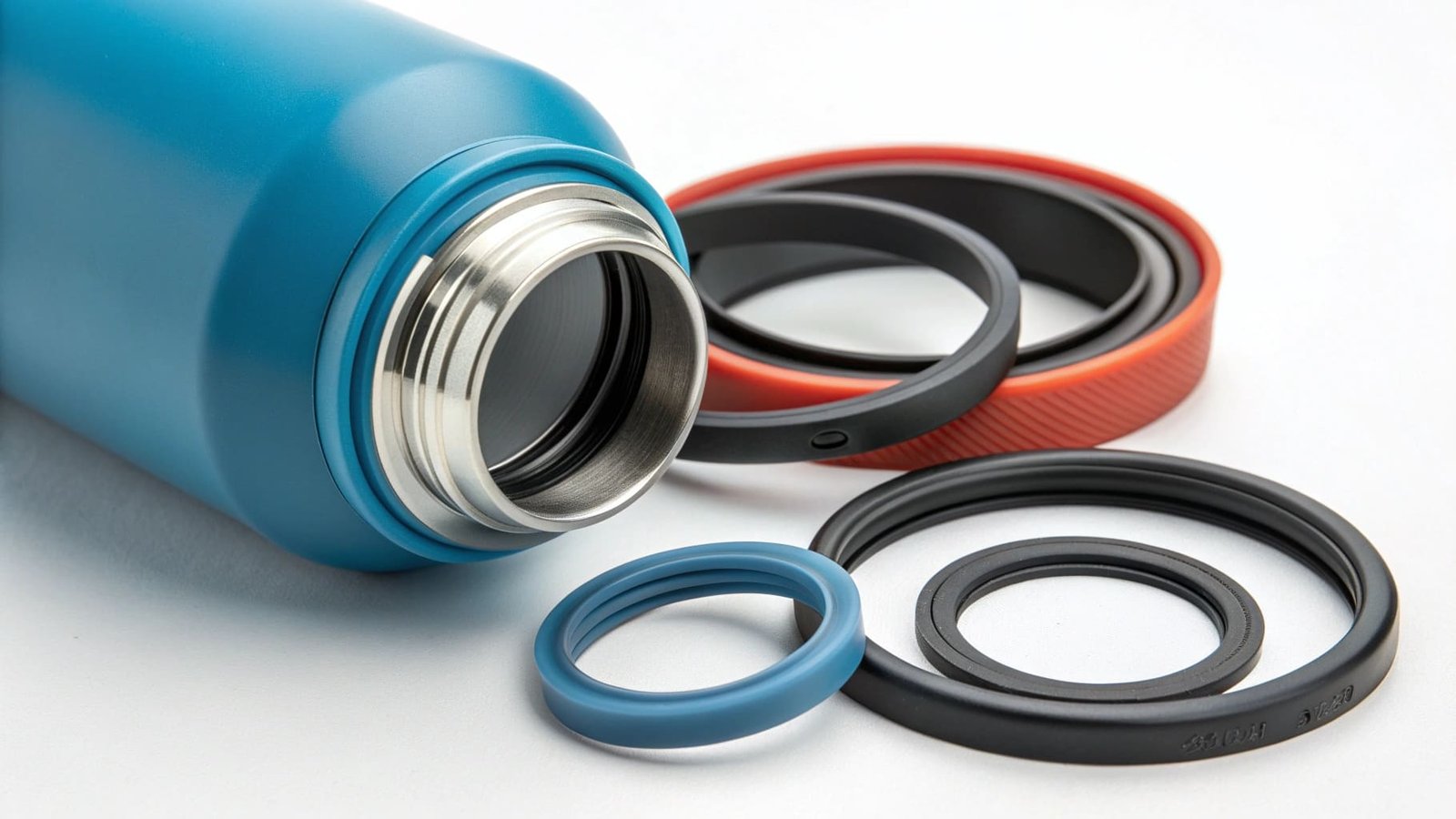
Valve cover gaskets require high-temperature silicone3 with excellent compression set resistance. Use platinum-cured silicone rated for continuous operation at 200°C minimum. The material must resist engine oils, coolants, and thermal cycling without degrading or losing elasticity.
Technical Specifications for Valve Gaskets
I work with automotive parts distributors who need reliable sealing solutions. Engine compartments create harsh environments. Heat, oil, vibration, and pressure changes test every gasket continuously.
Standard platinum-cured silicone handles most automotive applications. The material maintains flexibility from -60°C to 200°C. Some high-performance engines need fluorosilicone that resists fuel and aggressive chemicals. I always ask clients about their specific engine requirements before recommending materials.
Compression set resistance determines gasket lifespan4. A good valve cover gasket should retain 85% of its original thickness after 1,000 hours at 200°C. Cheap silicone loses shape quickly. The gasket stops sealing properly. Oil leaks damage engines and create safety hazards.
Shore hardness5 affects installation and sealing. Most valve cover gaskets use 50-70 Shore A hardness. Softer gaskets conform better to irregular surfaces. Harder gaskets resist extrusion under high bolt torque. I recommend 60 Shore A for general automotive use.
Testing reveals material quality:
| Test Parameter | Minimum Requirement | Premium Grade |
|---|---|---|
| Compression Set (200°C, 1000h) | 15% maximum | 10% maximum |
| Tensile Strength | 7 MPa | 9 MPa |
| Elongation at Break | 400% | 600% |
| Temperature Range | -40°C to 200°C | -60°C to 250°C |
Should You Use Silicone on Rubber Gaskets?
I saw a distributor mix silicone sealant with rubber gaskets. He thought adding sealant would improve performance. Instead, the combination failed completely. Chemical incompatibility destroyed both materials. He wasted 5,000 units and damaged customer relationships.
No, you should not use silicone sealant on rubber gaskets. The materials often have incompatible chemical compositions. Silicone can degrade certain rubbers. Mixing materials creates unreliable seals prone to premature failure. Use gaskets as designed without additional sealants unless specifically recommended by manufacturers.
Material Compatibility Principles
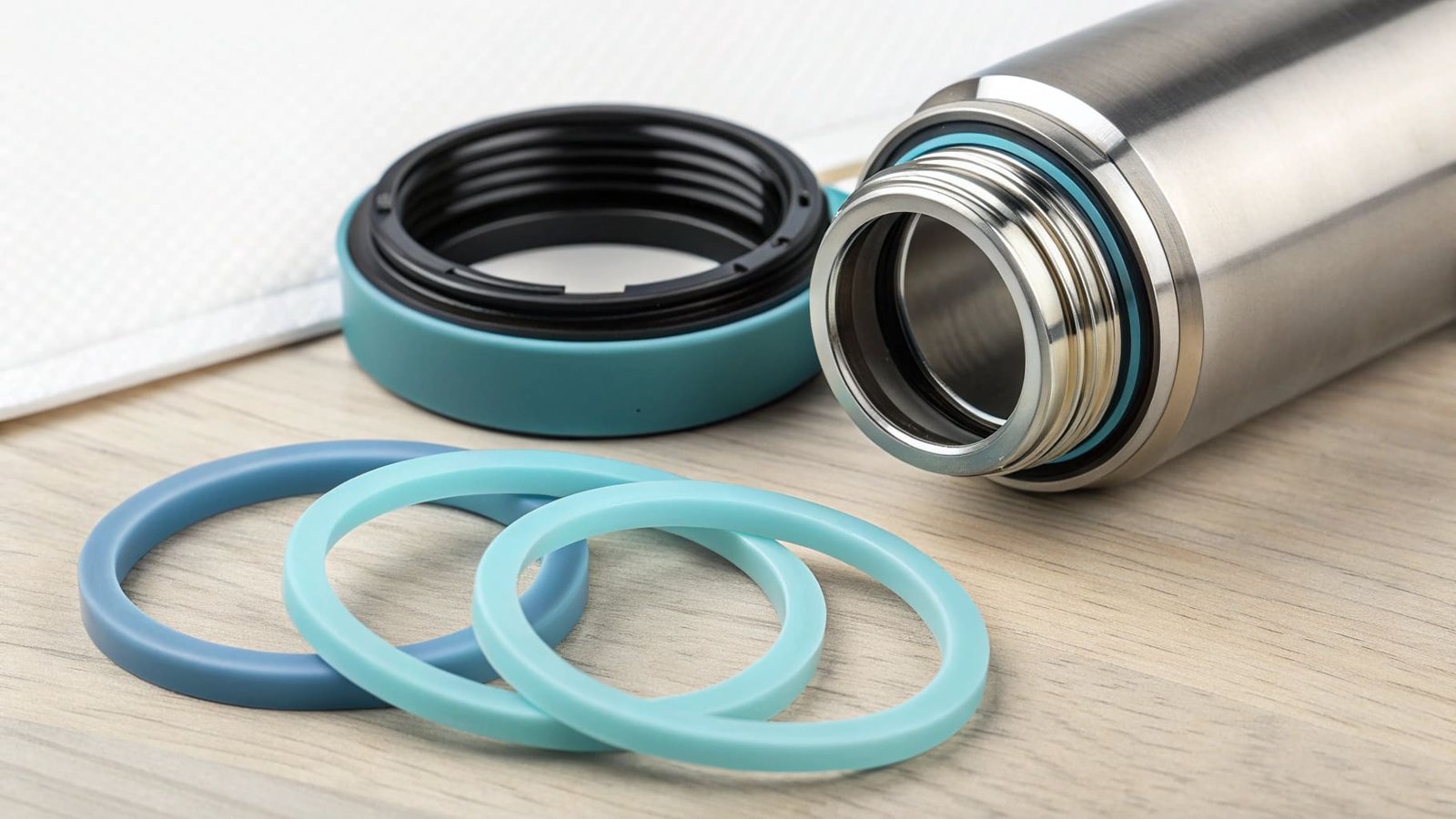
I test material combinations at silijoy before approving any customer design. Chemical compatibility determines whether materials can work together. Most problems happen when people assume all elastomers behave similarly.
Natural rubber and silicone have different curing systems. They swell at different rates when exposed to oils or solvents. Adding silicone sealant to a nitrile rubber gasket can cause the rubber to soften and lose sealing force. The silicone itself may not bond properly to the rubber surface.
Some applications genuinely need sealants. High-flange irregularity or damaged sealing surfaces might require help. In these cases, match the sealant chemistry to the gasket material. Use silicone sealant only with silicone gaskets. Use rubber-compatible sealants with rubber gaskets.
I tell procurement officers to fix the root problem instead. Machine the flange surface flat. Replace damaged gaskets rather than trying to repair them with sealants. Quality gaskets made from proper materials should seal without help. If your gasket needs sealant to work, you chose the wrong gasket.
Prevention saves money:
| Problem | Wrong Solution | Right Solution |
|---|---|---|
| Uneven flange | Add silicone sealant | Machine flange flat |
| Old gasket leaking | Apply more sealant | Replace gasket completely |
| Wrong material | Use sealant as fix | Specify correct gasket material |
| Chemical incompatibility | Mix different elastomers | Use single material design |
Why Premium Materials Win
I started silijoy to solve a problem I saw repeatedly. Buyers chose cheap gaskets to save money. Then they spent more fixing failures. The math never worked in their favor.
Platinum-cured silicone costs 40% more than peroxide-cured alternatives. But it lasts three times longer in demanding applications. Your customers experience fewer problems. Your warranty costs drop dramatically. Your brand reputation improves because your products actually work.
I manufacture tumbler boots and gaskets for brands selling across America and Europe. The successful brands all use platinum-cured materials. They understand that product quality builds customer loyalty. One failed gasket can destroy years of marketing investment.
Temperature stability protects your reputation. A customer puts your food container in the microwave. Cheap gaskets release chemicals or lose shape. Platinum-cured gaskets maintain their properties. The customer has a good experience and buys again.
Conclusion
Platinum-cured silicone delivers superior purity, temperature resistance, and longevity for lid gaskets. OEM manufacturers specify it because quality materials protect brand reputation and reduce long-term costs.
-
Understanding these regulations is crucial for compliance in food safety and product quality. ↩
-
Explore the advantages of platinum-cured silicone, including its purity and durability, essential for high-quality products. ↩
-
Discover the applications and benefits of high-temperature silicone in various industries. ↩
-
Discover tips and best practices to enhance gasket durability and performance. ↩
-
Explore how Shore hardness affects gasket performance and installation in various applications. ↩