What Standards Should Silicone Tumbler Bottom Meet for US Market Compliance?
Selling silicone tumbler bottoms to the US market sounds simple. It is not. One wrong material choice can get your product pulled from shelves and cost your buyer everything.
Silicone tumbler bottoms sold in the US must meet FDA CFR Title 21 standards for food-contact materials. They must use platinum-cured silicone, pass California Prop 65 testing, and handle temperatures from -40°F to 446°F. Buyers who skip these checks risk product recalls, lost certifications, and damaged brand reputations.
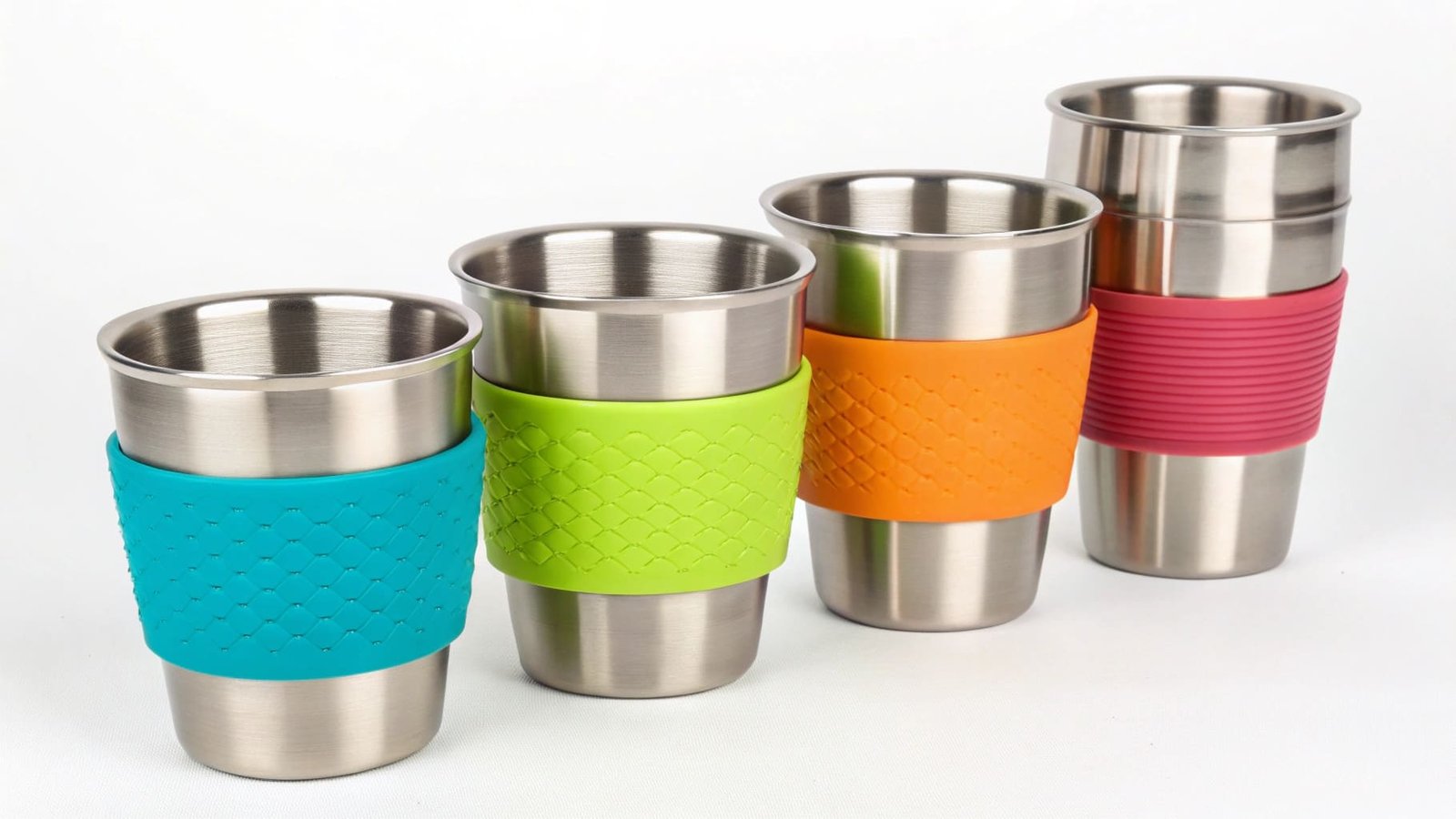
I have worked with buyers from North America for years. The ones who run into trouble are almost always the ones who focus on price first and compliance second. They find a cheap supplier, place a large order, and then discover the product cannot clear customs or fails a retailer's lab test. That is an expensive lesson. The buyers who avoid this pain are the ones who ask the right questions before they sign anything. This article gives you those questions — and the answers behind them.
How to Clean the Bottom of a Tumbler?
Most people never think about cleaning the bottom of a tumbler. Then they notice a smell, or worse, visible mold in the grip pattern. By then, the damage to the brand is already done.
The textured surface on silicone tumbler bottoms traps moisture and bacteria if the design is poor. The best bottoms use smooth-edged grip patterns that allow water to drain freely, or they are designed as removable sleeves so the end user can wash them separately.
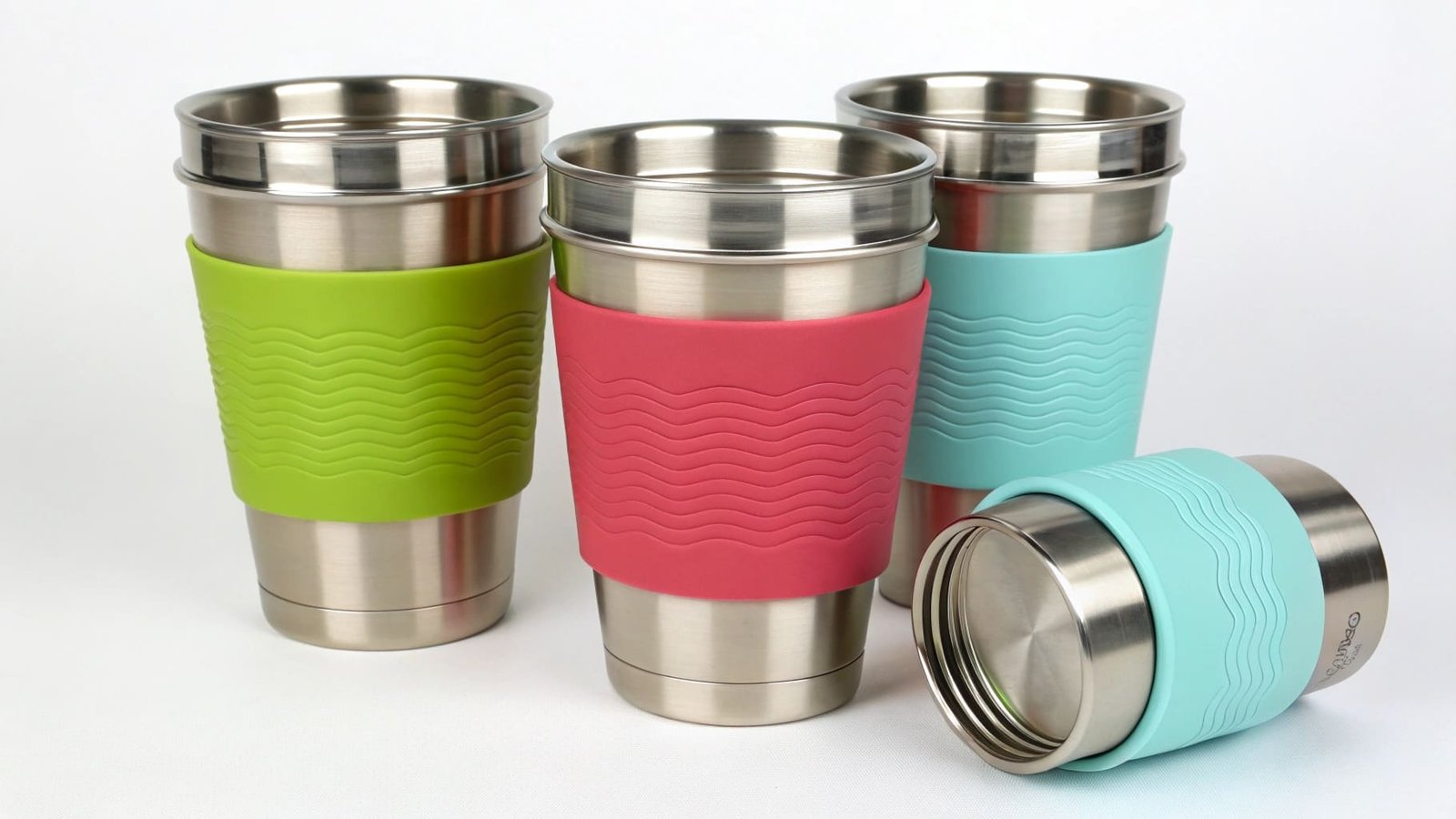
This cleaning issue comes up more often in B2B deals than most buyers expect. A retail partner will track return rates. If customers return tumblers because of mold or odor on the silicone bottom, your buyer will trace that problem back to you. I have seen this happen. One buyer I worked with had a clean product at launch, but within six months, their retail partner flagged a spike in returns. The cause was a silicone bottom that looked fine from the outside but held water in its grip grooves. The fix was a design change — but it cost time, money, and a strained retailer relationship.
When you evaluate silicone tumbler bottoms as a buyer, ask the supplier to show you the drainage design and whether the bottom piece is removable. If you are a supplier, think about this at the mold stage, not after mass production.
What Design Features Make a Silicone Bottom Easy to Clean?
| Feature | Why It Matters |
|---|---|
| Open-drain grip pattern | Water does not pool in the texture |
| Removable sleeve design | End user can fully wash each piece |
| Antimicrobial additives | Reduces bacteria growth between washes |
| Smooth inner contact surface | No hidden gaps against the cup body |
| Food-grade platinum silicone | No chemical off-gassing even after repeated washing |
The antimicrobial additive point is worth spending a moment on. Some suppliers offer silicone bottoms with EPA-approved antimicrobial agents built into the material. These are approved for food-contact surfaces and they slow bacteria growth between cleanings. This is not a marketing claim — it is a tested, certified property that you can ask for on a product data sheet. For buyers who sell into health-conscious or premium retail channels, this detail can justify a higher price point and reduce return rates at the same time. It is a real technical advantage, not a gimmick.
Can You Use Silicone Cups for Hot Drinks?
This is the question I hear most often from buyers who are new to silicone products. The concern is real. They want to know if the material is safe when it touches hot liquid. The answer depends entirely on which type of silicone was used to make the product.
Platinum-cured silicone is safe for hot drinks1. It leaves no chemical residue when exposed to heat. Peroxide-cured silicone can release byproducts at high temperatures2 and does not meet FDA food-contact standards for this use case.
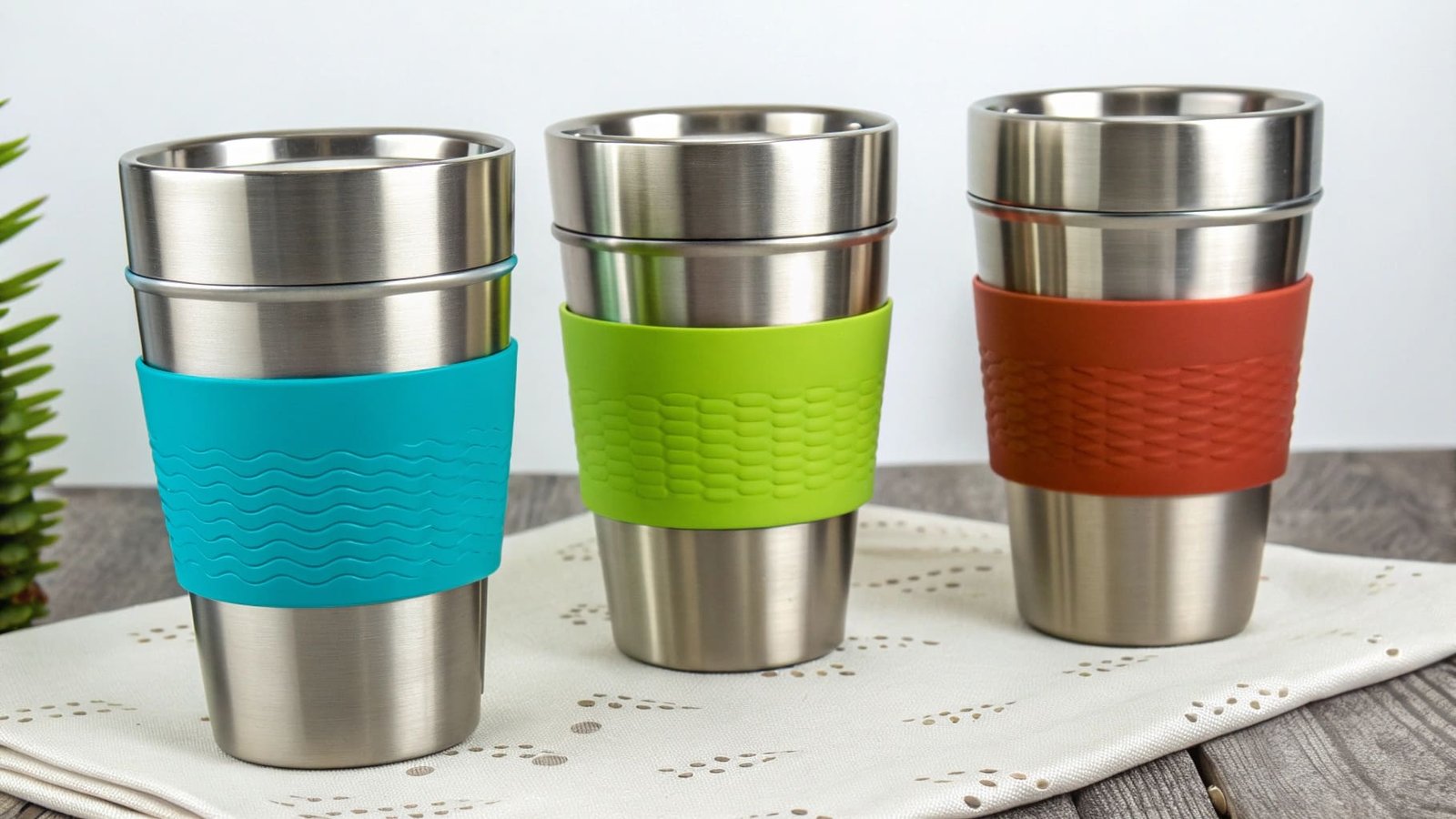
This is where the FDA's CFR Title 21 standard becomes your most important tool as a buyer. The regulation defines which materials are acceptable for food-contact use. Platinum-cured silicone meets this standard. Peroxide-cured silicone does not — at least not for repeated hot-liquid contact. The problem is that both types of silicone look and feel almost identical to the naked eye. You cannot tell them apart by touching the product. You can only tell them apart through documentation and lab testing.
I always tell buyers: ask for the cure type in writing before you place a sample order. If a supplier cannot answer that question directly, that is your answer.
How Does the FDA Standard Apply to Silicone Tumbler Bottoms?
The FDA's CFR Title 21 does not just apply to the cup itself. It applies to every food-contact component, including the bottom sleeve if it touches any surface that contacts food or drink. This catches some buyers off guard. They assume compliance means the cup body is tested, and the accessories are exempt. That assumption is wrong.
| Compliance Factor | What to Check |
|---|---|
| Cure type | Must be platinum-cured, not peroxide-cured |
| FDA CFR Title 21 | Supplier must provide a compliance letter or test report |
| Temperature range | Must be rated from -40°F to 446°F minimum |
| California Prop 65 | Must pass heavy metals and chemical testing |
| No restricted substances | SVHC list under REACH also applies to export products |
California Prop 65 deserves its own mention here. This is a California state regulation, but it has become a default standard for any brand that sells nationally in the US. Risk-averse retailers and large distributors require Prop 65 compliance from all their suppliers, regardless of which state the product is sold in. If your silicone tumbler bottom fails a Prop 65 test, you are effectively locked out of the mainstream US retail channel. I always recommend buyers treat Prop 65 as a federal requirement, not a state option.
Do Silicone Cups Keep Things Cold?
This question comes up because buyers see silicone marketed as a performance material. They assume it insulates. It does not. Silicone conducts temperature — it does not block it. Understanding this difference helps buyers set the right expectations with their retail partners and end customers.
Silicone on its own does not keep drinks cold. It conducts heat. However, when a silicone bottom sleeve wraps around a stainless steel tumbler, the small air gap between the sleeve and the cup wall acts as an insulator. The silicone holds the sleeve in place and creates that gap.
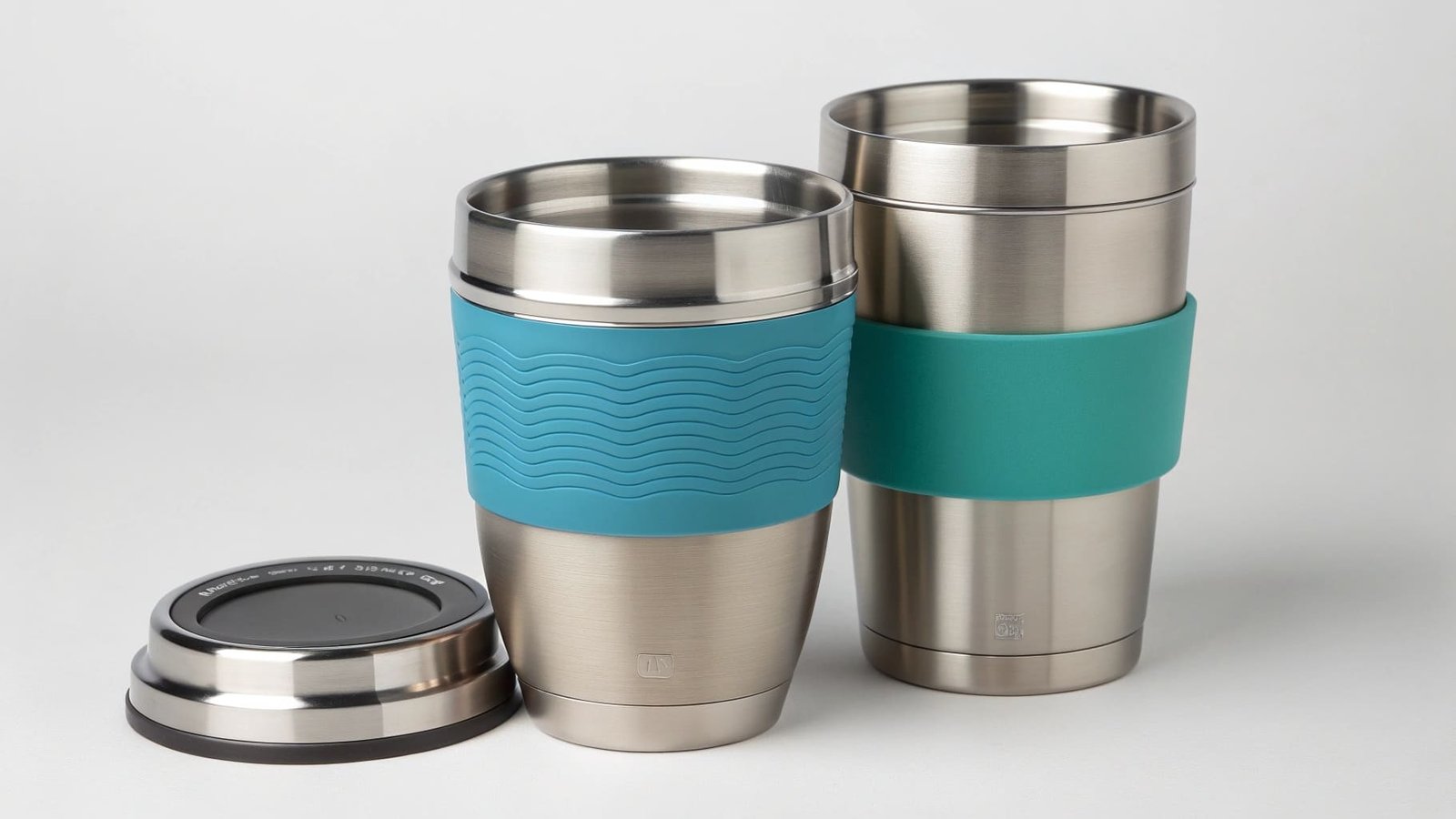
This is an important distinction for anyone writing product descriptions or training a sales team. The cold retention comes from the stainless steel vacuum wall of the tumbler, not from the silicone itself. The silicone bottom sleeve serves a different purpose: it protects the surface the tumbler sits on, it improves grip, and it reduces noise when the tumbler is set down. These are real, valuable functions. They just are not the same as insulation.
What Technical Data Should Buyers Request for Silicone Tumbler Bottoms?
Smart buyers now ask for specific technical data before they commit to a supplier. This data tells you how the product will actually perform in the field — not how the supplier describes it in a brochure.
| Technical Metric | What It Tells You |
|---|---|
| Shore A hardness rating | How rigid or flexible the silicone feels; affects grip and durability |
| Coefficient of friction | How well the bottom grips different surfaces like wood, tile, or steel |
| Temperature rating | Confirms the -40°F to 446°F range for hot and cold use |
| Compression set percentage | How much the silicone permanently deforms after repeated pressure |
| Tensile strength | How resistant the material is to tearing during use or removal |
Shore A hardness is the metric I see buyers overlook most often. A silicone bottom that is too hard will not grip well on smooth surfaces. One that is too soft will deform under the weight of a full tumbler and lose its shape over time. For a tumbler boot designed for everyday use, a Shore A rating between 40 and 60 is a practical starting range. Your supplier should be able to confirm this with a test report, not just a verbal answer.
Conclusion
US market compliance for silicone tumbler bottoms comes down to three things: the right material certification, a cleanable design, and honest technical data from your supplier. Get all three right before you order.
-
"Chemical Migration from Silicones used in Connection with Food ...", https://www.nal.usda.gov/research-tools/food-safety-research-projects/chemical-migration-silicones-used-connection-food. Migration and extractables studies of food-contact silicone indicate that properly formulated and post-cured platinum-catalyzed silicone can show low migration under elevated-temperature food-simulant conditions. Evidence role: general_support; source type: paper. Supports: The source should support that properly formulated platinum-cured silicone can meet food-contact migration or extractive requirements under elevated-temperature conditions.. Scope note: The evidence would support suitability of tested formulations, not all platinum-cured silicone products regardless of additives, pigments, post-curing, or manufacturing controls. ↩
-
"Peroxide-Based Crosslinking of Solid Silicone Rubber, Part I - PMC", https://pmc.ncbi.nlm.nih.gov/articles/PMC9609014/. Polymer studies of peroxide-cured silicone rubber describe residual peroxide-decomposition products and volatile compounds that may remain after curing and can be affected by heating and post-curing conditions. Evidence role: mechanism; source type: paper. Supports: The source should explain that organic peroxides used in silicone curing can leave decomposition byproducts or residual volatiles that may be reduced by post-curing but can be relevant to heated applications.. Scope note: The presence and amount of byproducts depend on the peroxide system, formulation, curing process, and post-cure treatment, so the claim requires product-specific testing for compliance decisions. ↩