Why Do B2B Buyers Prefer Silicone Boots for 30oz and 20oz Water Bottles?
You spent months building your water bottle brand. Then one bad drop ruins the finish — and your customer's trust. That loss is avoidable, and silicone boots are the fix.
Silicone boots for 30oz and 20oz water bottles are now a top choice in B2B procurement1 because they protect powder-coated finishes, reduce drop damage, and add grip. Buyers choose these two sizes because they cover the two biggest market segments: fitness users and daily commuters.
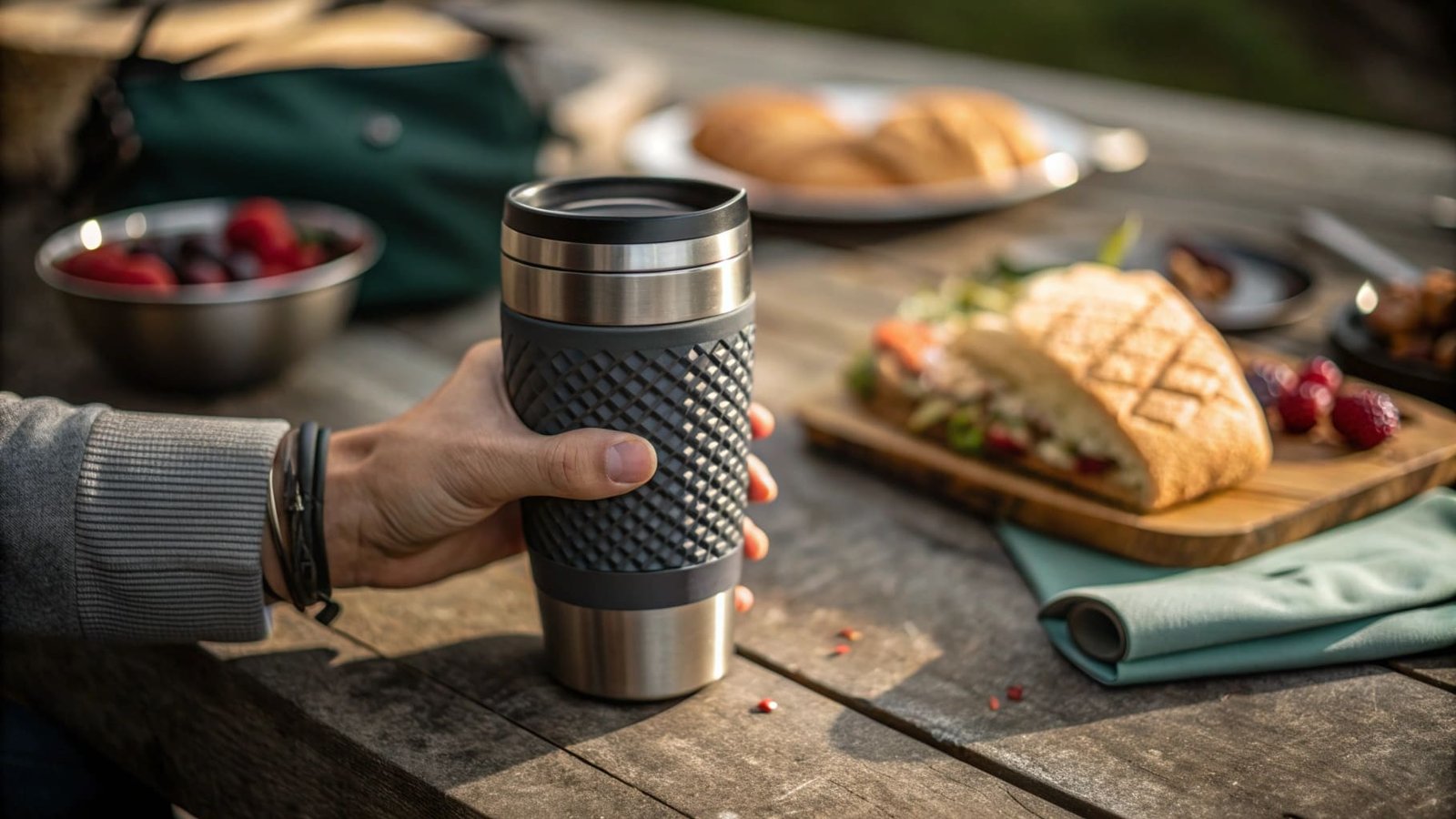
Most B2B buyers I talk to already know they need bottle protection. What they don't know is why silicone beats every other material — and why the 30oz and 20oz sizes are the ones worth stocking. I'll break that down for you here. By the end, you'll also see why silicone boots are more than a protective accessory. They're a revenue tool.
What Is a Bottle Boot?
Your customers keep dropping their bottles. The dents and scratches pile up. Returns follow. You need a simple fix that works at scale.
A bottle boot is a silicone sleeve that fits around the bottom of a water bottle. It absorbs impact during drops, prevents scratches on hard floors, and reduces the loud clank when the bottle hits a desk or table.
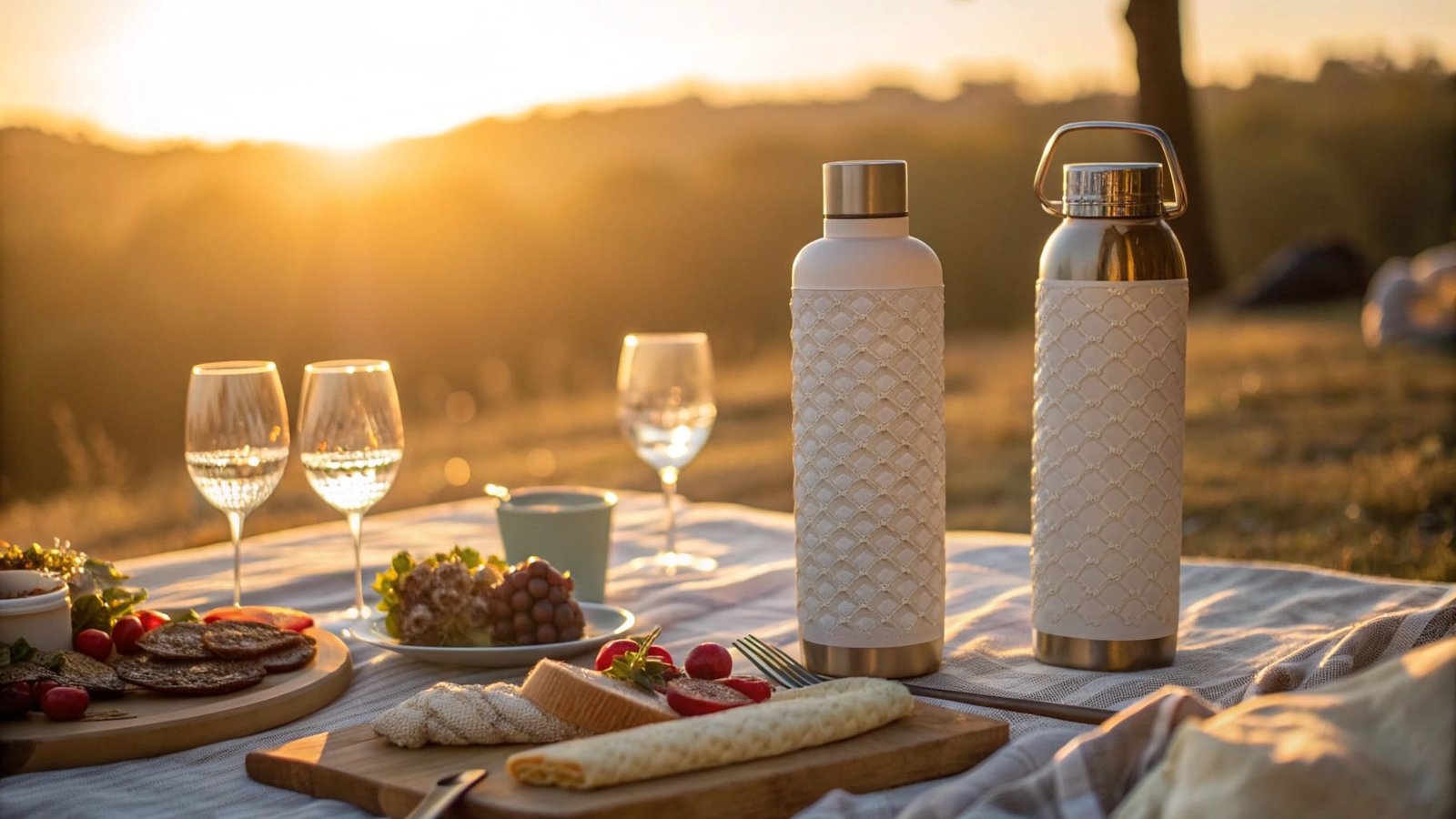
Why the Bottom of the Bottle Matters Most
When a bottle drops, the bottom takes the hit. That's just physics. The base is the first point of contact in most falls. It's also the part that shows damage the fastest — especially on powder-coated or painted surfaces.2
A boot placed at the bottom does three things at once:
- It cushions the impact zone
- It creates a grippy surface that slows the fall or stops a slide
- It protects the finish that makes your bottle worth a premium price
Here's how a bottle boot compares to having no protection at all:
| Feature | No Boot | With Silicone Boot |
|---|---|---|
| Drop protection | None | High |
| Scratch resistance | None | High |
| Surface noise | Loud | Quiet |
| Grip on flat surfaces | Low | High |
| Finish protection | None | Strong |
For B2B buyers, this matters because damaged bottles come back as returns. Returns eat into your margin. A silicone boot at the bottom of the supply chain saves money at the top. I've seen buyers cut their damage-related return rate by a significant amount just by bundling a boot with each bottle. The accessory pays for itself fast.
The fit is also important. A boot that's too loose will fall off. One that's too tight is hard to put on and may crack over time. Good silicone boots are molded to match the exact diameter and base curve of your target bottle.3 That's why sourcing from a supplier who works with precise specs matters. A generic boot that "fits most bottles" rarely fits any bottle well.
How to Protect an Owala Water Bottle?
Owala bottles have a finish that looks great out of the box. After a few weeks of daily use, that finish can look rough. Buyers who carry Owala bottles want them to stay looking new.
The most effective way to protect an Owala water bottle is to fit a silicone boot around its base. This single step prevents the two most common types of damage: base scratches from hard surfaces and dents from drops.
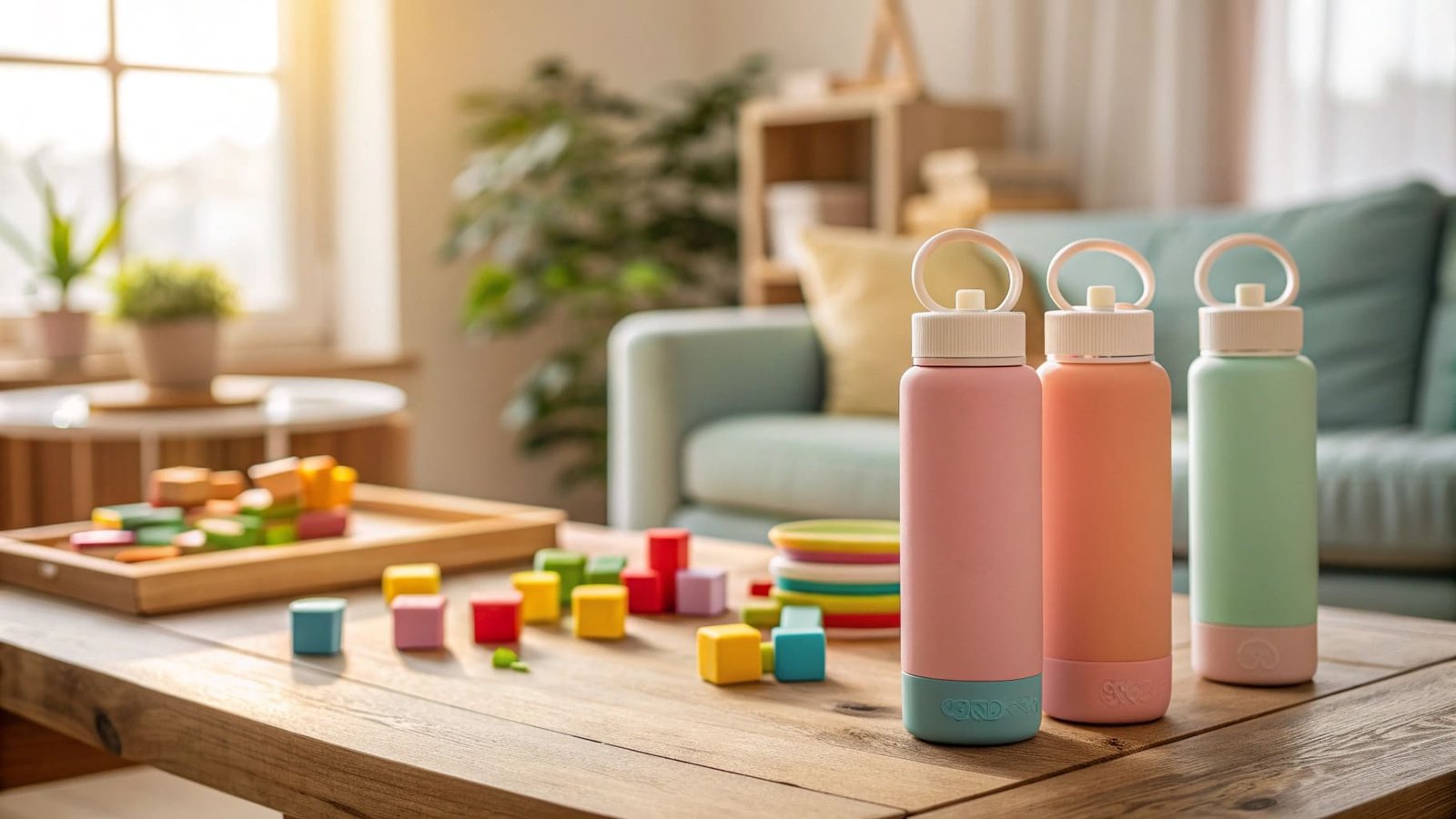
What Makes Owala Bottles Different to Protect
Owala bottles have a specific base shape. The bottom edge is often curved or has a slight taper. This means a generic boot may not grip properly. The boot needs to match the diameter closely.
Here's what to look for when sourcing a silicone boot for Owala-style bottles:
Fit Precision
| Bottle Size | Typical Base Diameter | Recommended Boot Fit Tolerance |
|---|---|---|
| Owala 19oz | ~2.6 inches | ±0.5mm |
| Owala 24oz | ~2.8 inches | ±0.5mm |
| Owala 32oz | ~3.0 inches | ±0.5mm |
A boot within that tolerance will grip without being forced on. It will also stay in place through normal use and cleaning.
Material Grade
Food-grade silicone is the right material here. Owala bottles are used for drinking. Anything touching the bottle should be safe. Food-grade silicone is non-toxic, odor-free, and does not leach chemicals.4 It also holds up through dishwasher cycles without shrinking or hardening.
Color Matching
Owala sells bottles in bold, recognizable colors. A boot that clashes with the bottle color looks cheap. Many B2B buyers I work with ask for color-matched or neutral boots — black and clear are the most popular. If you want to add brand value, a custom color boot that matches your retailer's palette is a strong move. It turns a protective item into a branding element.
Protecting an Owala bottle is not just about one customer's bottle. It's about what that bottle looks like three months after purchase. A bottle that still looks new builds repeat customers. A beat-up bottle builds complaints.
What Is a Silicone Boot Used for?
Silicone boots look like a simple ring. But buyers often don't realize how many problems one piece of silicone can solve at once.
A silicone boot is used to protect the base of a water bottle from drops, scratches, and surface noise. It also improves grip and can serve as a branding surface for custom colors or logos in B2B contexts.
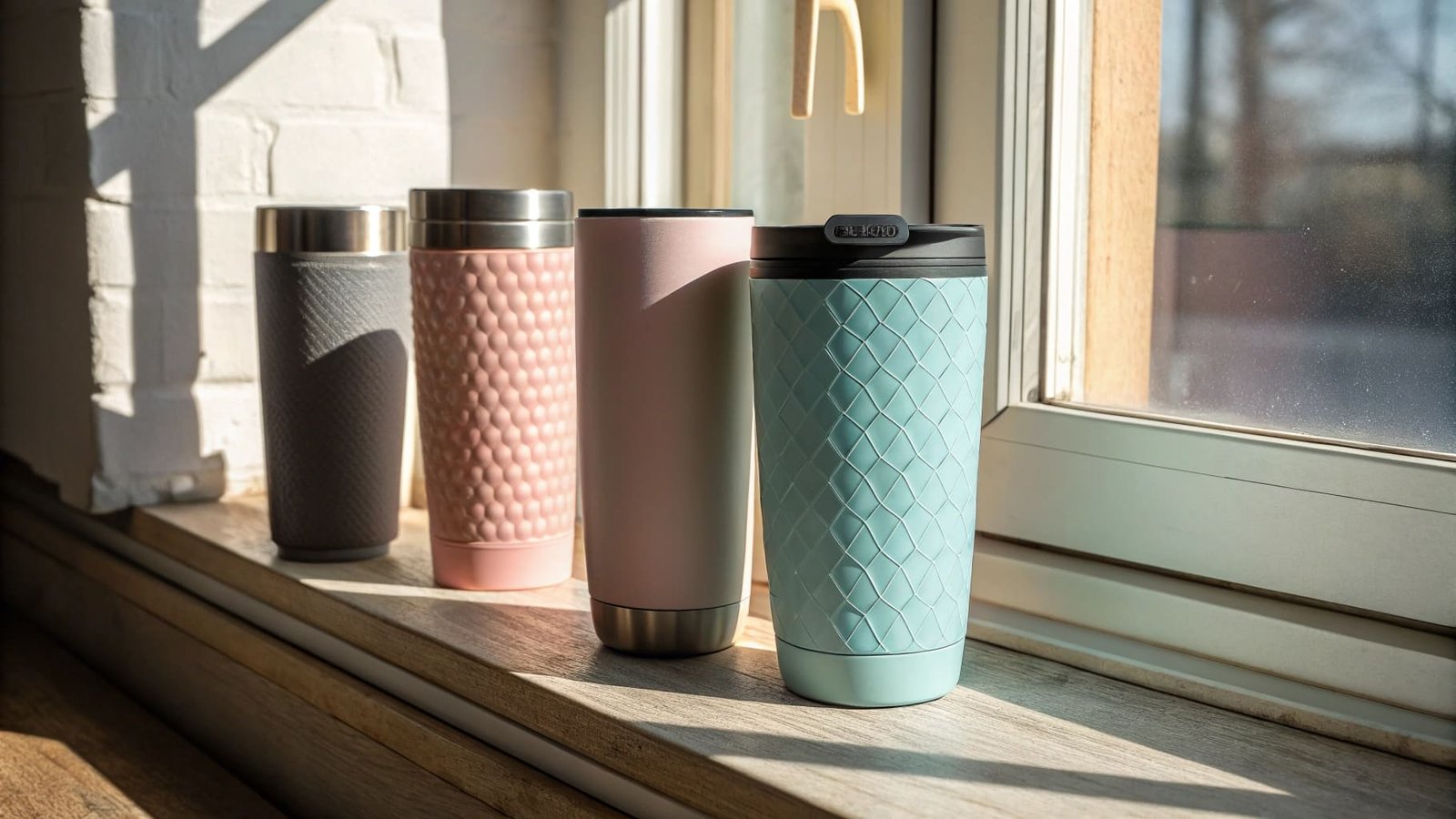
The Full Range of Uses for a Silicone Boot
Most people think of a silicone boot as only a drop protector. That's the most obvious use. But from a B2B standpoint, the uses go further than that.
Protection Functions
| Use Case | How the Boot Helps |
|---|---|
| Drop impact | Silicone absorbs shock at the base |
| Floor scratches | Soft material doesn't mark floors |
| Bottle surface damage | Shields powder coat and paint |
| Desk noise | Dampens the clank on hard surfaces |
Grip and Stability
Silicone has natural grip properties. A bottle with a silicone boot is less likely to slide off a car seat, a gym bench, or a sloped desk.5 This reduces accidental drops in the first place. It's a prevention tool, not just a damage-control tool.
Branding Surface
This is where B2B buyers gain real leverage. A silicone boot can be produced in custom colors to match a brand's color system. Some buyers add a small embossed logo to the boot. Others use it as a way to differentiate their private-label bottle from competitors who sell the same base bottle without any accessories.
Upsell and Bundle Opportunity
I've worked with buyers who started selling boots as standalone accessories after including them as a bundle. The boot became a reorder item. Customers who wore out one boot came back for another. That's recurring revenue from a product that costs very little per unit at wholesale volume.
Silicone boots made from food-grade material also maintain their properties across a wide temperature range. They don't harden in cold weather or soften too much in heat.6 This makes them suitable for outdoor, gym, and office use without a change in performance. For buyers who sell into multiple channels, one boot SKU can work across all of them.
Conclusion
Silicone boots for 30oz and 20oz bottles protect finishes, reduce returns, improve grip, and open up upsell revenue. They are one of the smartest additions to any water bottle product line.
-
"WK IEASON Protective Silicone Base Boot for Hydro Flask ...", https://www.amazon.com/WK-IEASON-Protective-Anti-Slip-Bottle-3-56inch/dp/B09KGSKDT5. Market data on reusable drinkware accessories documents demand for protective silicone sleeves and boots, providing context for the claim that B2B buyers stock these accessories. Evidence role: statistic; source type: institution. Supports: market or procurement data showing demand for silicone bottle sleeves or boots within reusable drinkware accessories. Scope note: Such data may support category demand rather than directly prove that silicone boots for 20oz and 30oz bottles are the top B2B procurement choice. ↩
-
"What Powder Coating Failures Really Mean and How to Prevent Them", https://www.fullblowncoatings.com/common-reasons-for-chipped-powder-coating. Coatings research shows that powder-coated and painted metal surfaces can suffer abrasion, chipping, and impact damage at exposed contact areas, supporting the rationale for protecting a bottle base. Evidence role: mechanism; source type: paper. Supports: powder-coated or painted metal surfaces can chip, scratch, or wear under abrasion and impact, especially at exposed edges or contact points. Scope note: The evidence supports coating vulnerability generally and may not measure damage rates on water bottle bases specifically. ↩
-
"What tolerance should I be machining for an interference fit for a ...", https://www.facebook.com/groups/769782850345135/posts/1232099077446841/. Engineering references on elastomeric interference fits explain that sleeve retention depends on matching part geometry, diameter, and elastic deformation to the mating component. Evidence role: mechanism; source type: education. Supports: engineering fit principles showing that flexible sleeves rely on geometry, diameter, and interference to remain attached without excessive force. Scope note: This supports the fit principle but not a specific bottle boot design unless paired with product testing. ↩
-
"Progress in research on the safety of silicone rubber products in ...", https://pubmed.ncbi.nlm.nih.gov/37183940/. Food-contact regulations for silicone rubber specify allowable formulations and extractives limits, supporting the use of compliant silicone materials in contact with drinkware surfaces. Evidence role: general_support; source type: government. Supports: regulatory treatment of compliant silicone rubber as suitable for specified food-contact applications and limits on extractable substances. Scope note: This supports properly formulated and tested food-grade silicone, not all products marketed as silicone or all use conditions. ↩
-
"Influence of surface structure on friction and wear ... - PMC", https://pmc.ncbi.nlm.nih.gov/articles/PMC10652250/. Tribology studies report that silicone rubber can exhibit high dry-friction behavior against solid surfaces, supporting the mechanism by which a silicone boot may improve grip. Evidence role: mechanism; source type: paper. Supports: silicone rubber often exhibits relatively high friction against dry surfaces, which can improve grip and reduce sliding. Scope note: Actual sliding resistance varies with surface material, texture, contamination, bottle weight, and angle. ↩
-
"Silicone rubber - Wikipedia", https://en.wikipedia.org/wiki/Silicone_rubber. Materials references on silicone rubber describe low-temperature flexibility and heat resistance over a broad service range, supporting the claim that silicone boots can remain functional in varied use environments. Evidence role: mechanism; source type: research. Supports: silicone rubber's low-temperature flexibility and heat resistance compared with many organic elastomers. Scope note: The exact temperature range and property retention depend on the silicone formulation, additives, thickness, and exposure duration. ↩