What Temperature Ranges Must Silicone Bottom Protectors Withstand for Global Markets?
Last month, a Canadian distributor lost $40,000 worth of inventory because their silicone protectors1 cracked during winter shipping. Temperature tolerance is not just a spec sheet number. It determines whether your products survive global distribution.
Standard food-grade silicone bottom protectors maintain structural integrity between -40°C to 230°C. This range covers most consumer applications across different climate zones. However, sustained exposure to temperature extremes requires verification through third-party testing, not just manufacturer claims.
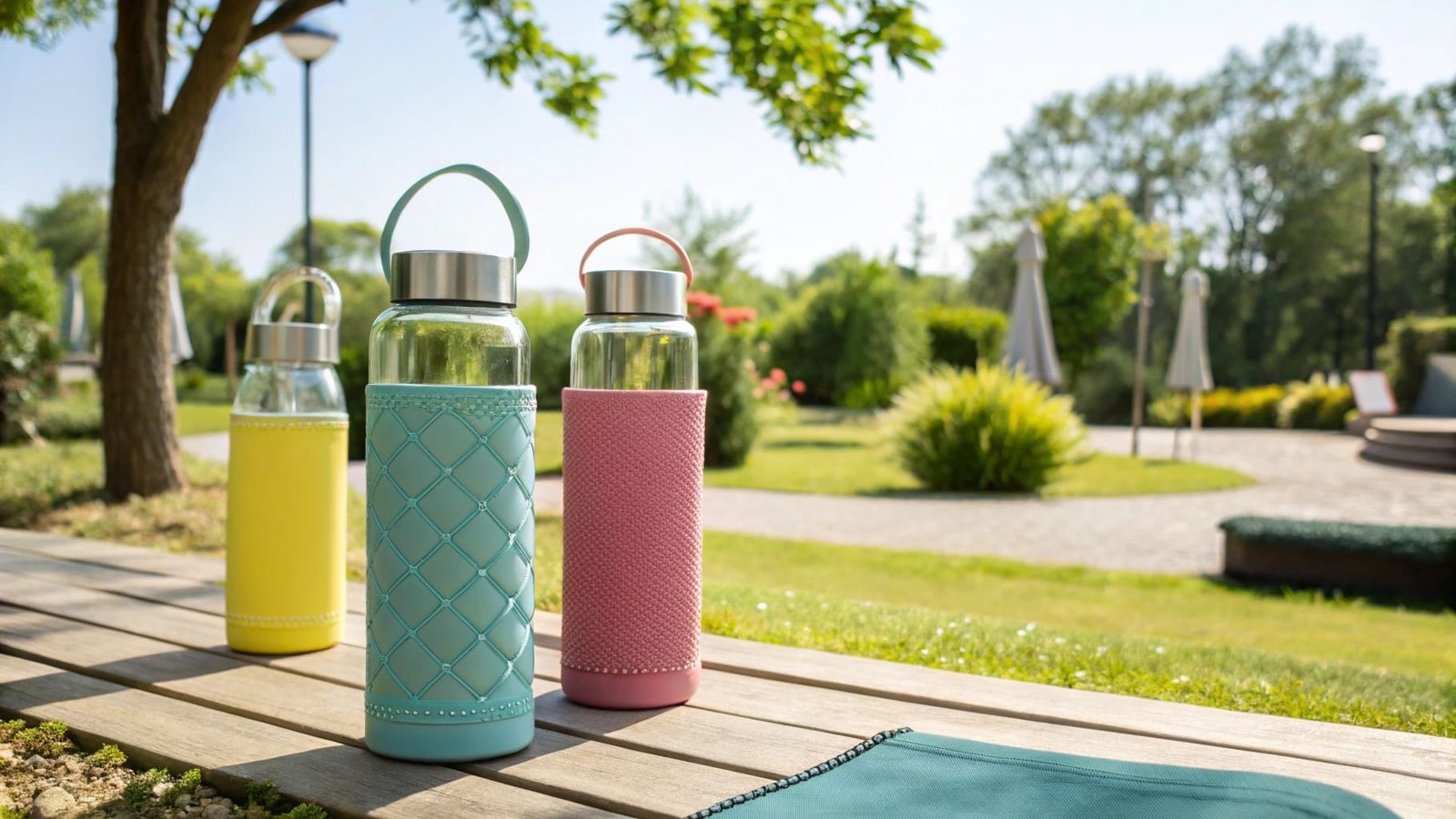
I learned this lesson the hard way when a European buyer returned an entire shipment. The products worked fine in room temperature testing but failed after crossing Russia in February. Temperature resistance directly impacts your bottom line and brand reputation in global markets.
What temperatures can silicone withstand?
Your silicone protectors face temperature extremes you might not anticipate. Warehouse conditions in Phoenix hit 60°C in summer. Shipping containers crossing Canada in January drop below -35°C. These are real conditions that test material limits.
Quality food-grade silicone2 withstands -40°C to 230°C continuously without degradation. Premium grades extend this range to -60°C on the lower end and 250°C on the upper end. The material maintains flexibility, structural integrity, and protective properties throughout this spectrum.
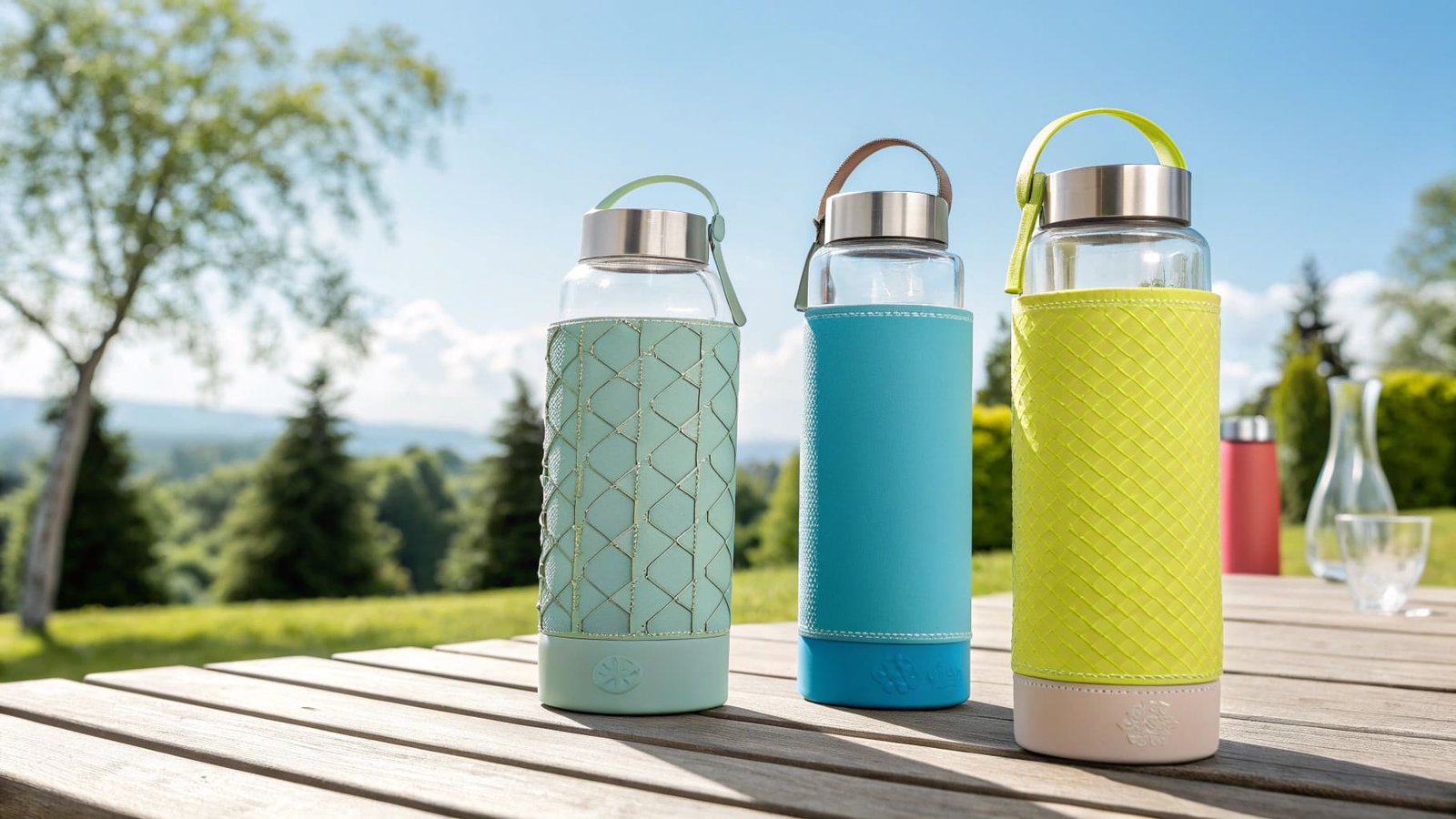
Breaking Down Temperature Performance by Grade
Not all silicone performs equally at temperature extremes. I have seen three distinct quality tiers in the market, and the differences become obvious under stress.
| Silicone Grade | Lower Limit | Upper Limit | Real-World Application |
|---|---|---|---|
| Standard Food-Grade | -40°C | 230°C | Indoor furniture, moderate climates |
| Premium Grade | -60°C | 250°C | Multi-climate distribution, outdoor use |
| Industrial Grade | -80°C | 300°C | Specialized applications, extreme conditions |
The critical factor is sustained exposure versus brief contact. A silicone bottom protector might touch a 250°C surface for seconds without issue. But keeping it in a 250°C environment for hours causes molecular breakdown. I always tell buyers to consider their worst-case shipping and storage scenarios.
Temperature tolerance also connects directly to silicone purity. Lower-grade compounds use fillers that compromise performance at extremes. Pure platinum-cured silicone3 maintains consistency across the full temperature spectrum. This is why I insist on material certifications that specify platinum-cure processing.
What is the temperature range for silicone rubber sheets?
Silicone rubber sheets face different stresses than molded protectors. Sheet material often has thinner cross-sections that respond differently to temperature changes. Understanding these differences prevents costly specification mistakes.
Silicone rubber sheets typically function between -50°C to 200°C for continuous use. Peak temperatures up to 250°C are acceptable for short-term exposure. The material composition and thickness directly affect these ranges.
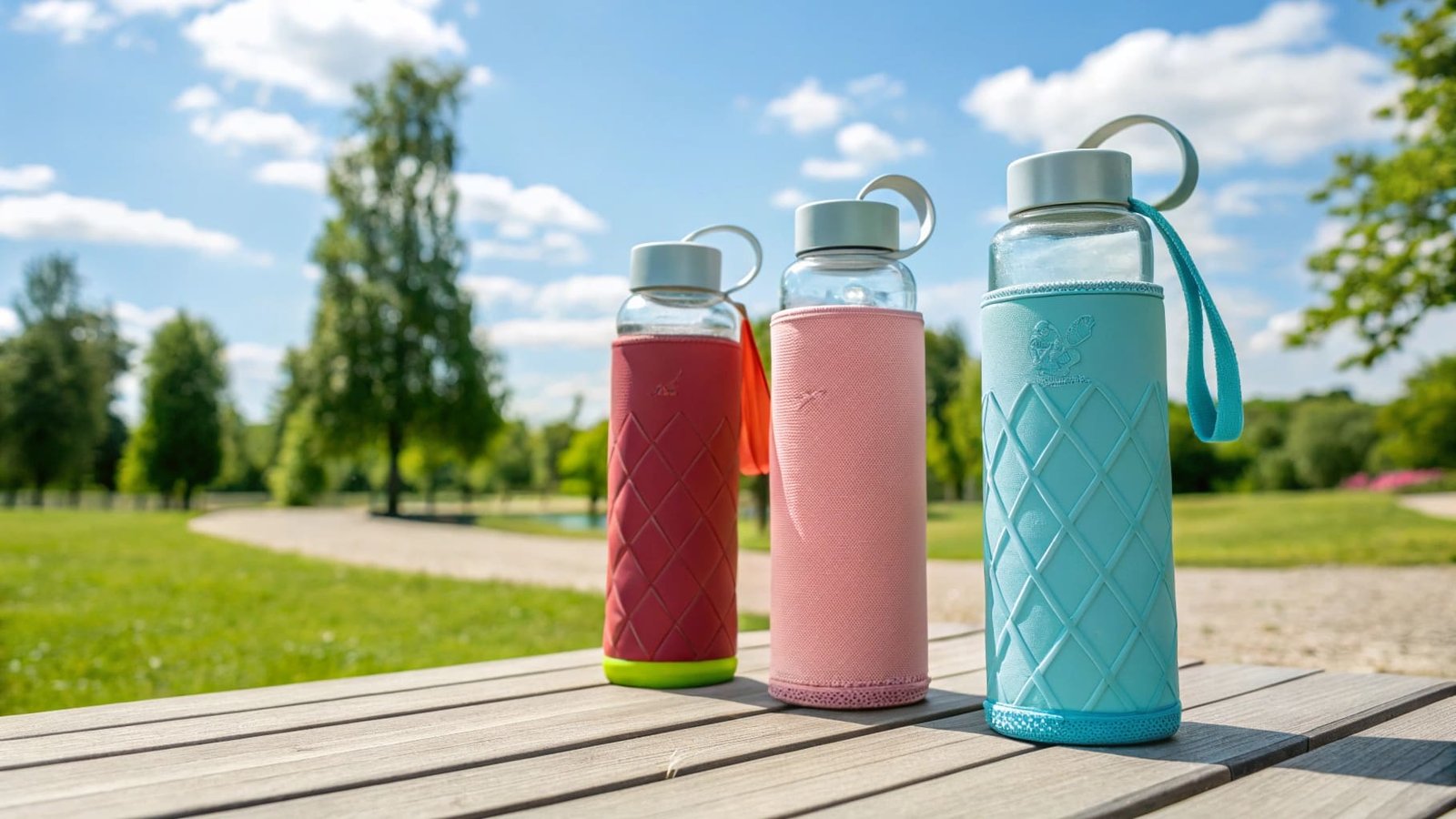
Material Composition Impact on Temperature Range
The manufacturing process determines how silicone sheets perform at temperature extremes. I have tested samples from five different suppliers, and the results varied dramatically despite similar claimed specifications.
Platinum-cured silicone sheets maintain flexibility at -50°C while peroxide-cured versions become stiff at -30°C. This matters when your products sit in cold storage or travel through winter climates. At the high end, platinum-cured sheets resist degradation better above 200°C.
Sheet thickness also influences temperature performance. Thicker sheets distribute heat more slowly and resist thermal shock better. A 2mm sheet handles sudden temperature changes better than a 0.5mm sheet of identical composition.
Here is what I look for when evaluating silicone sheets for bottom protector applications:
- Platinum-cure certification from the manufacturer
- Shore hardness specifications4 across temperature range
- Thermal conductivity data for heat dissipation
- Elongation retention after temperature cycling
- Actual test reports showing before-and-after measurements
The sheet material needs to bond properly with any backing materials too. Temperature cycling can cause delamination if the adhesive or backing cannot match the silicone's expansion and contraction rates. I learned this after a batch failed when temperature swings caused the fabric backing to separate from the silicone layer.
What temperature is bad for silicone?
Identifying failure points prevents quality issues before they reach your customers. Silicone does not fail suddenly but degrades gradually when exposed to inappropriate temperatures. Recognizing early warning signs protects your investment.
Sustained temperatures above 250°C accelerate molecular breakdown in standard silicone. Below -50°C, material brittleness increases significantly. These thresholds represent where gradual property changes become rapid degradation.
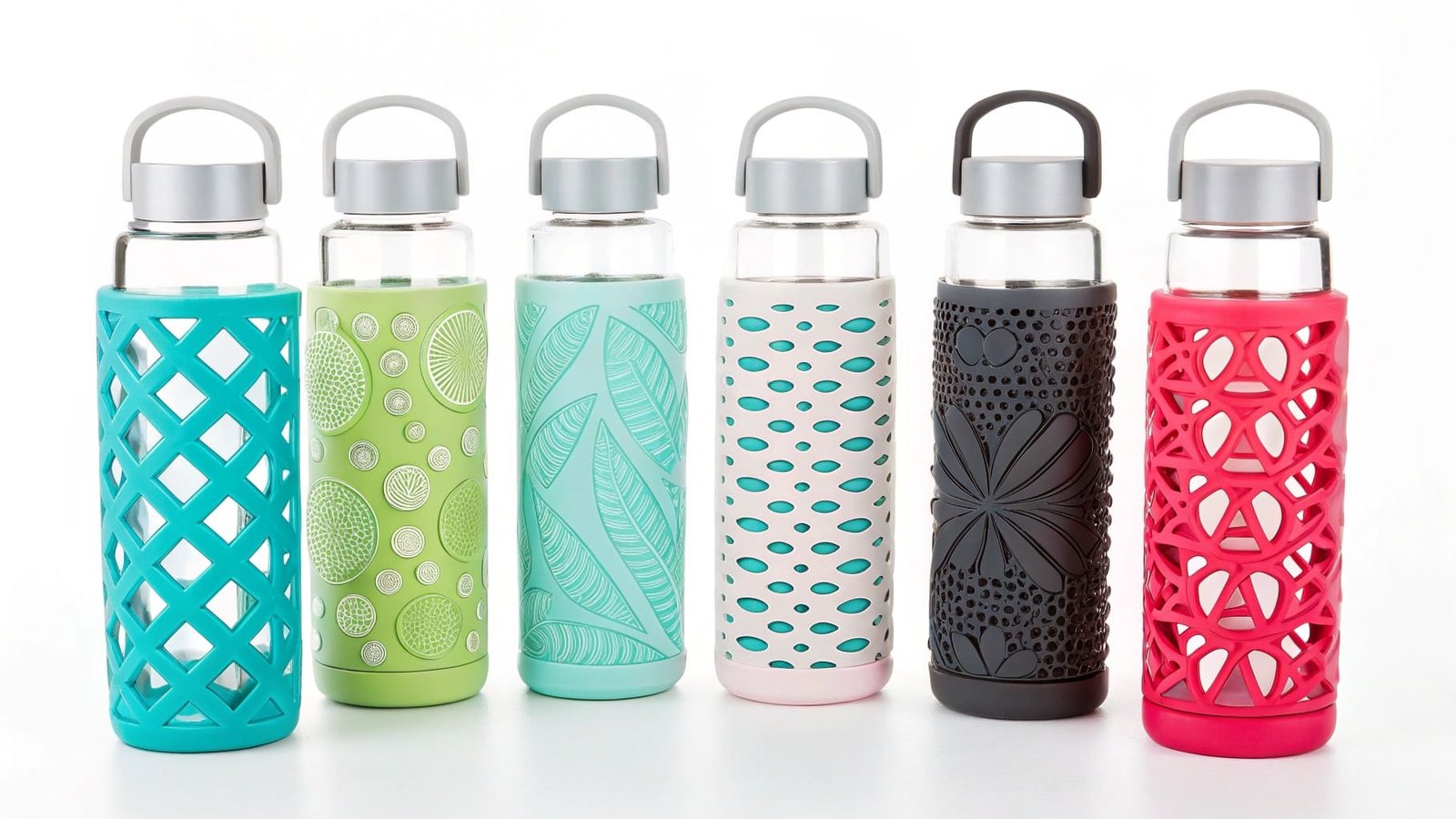
Understanding Degradation Patterns at Temperature Extremes
Temperature damage shows up in specific ways that I can now spot immediately. The patterns differ between heat and cold exposure, and both create distinct quality issues.
Heat degradation above 250°C causes:
- Surface discoloration turning from clear to yellow or brown
- Hardening as plasticizers volatilize out of the compound
- Loss of elastic recovery after compression
- Surface tackiness from molecular chain breakdown
- Dimensional changes as the material shrinks
Cold damage below -50°C creates:
- Brittleness leading to cracking under stress
- Loss of flexibility affecting protective function
- Surface crazing that looks like fine cracks
- Reduced tear strength compromising durability
- Poor recovery after deformation
The practical concern for global distribution starts earlier than these extremes. I consider anything above 200°C as risky for sustained exposure. Products sitting in metal shipping containers during Middle Eastern summers regularly see 70°C to 80°C. While this seems safe compared to the 230°C limit, months of exposure at 70°C can cause gradual property changes.
Cold storage and winter shipping below -30°C also warrant attention. The silicone might not fail immediately, but repeated freeze-thaw cycles stress the material. I once traced a batch of returned protectors to a warehouse in Northern Canada where products underwent daily temperature swings from -35°C to +20°C for three months.
Testing reveals these issues before they reach customers. I require accelerated aging tests that cycle products between temperature extremes. A quality product shows minimal property change after 100 cycles between -40°C and +200°C. Poor quality samples show measurable degradation after just 20 cycles.
Conclusion
Temperature tolerance determines whether silicone bottom protectors succeed in global markets. Verify actual performance through testing, understand grade differences, and anticipate real-world conditions your products will face.
-
Explore this link to find top-rated silicone protectors that can withstand extreme temperatures, ensuring product safety. ↩
-
Learn about food-grade silicone's properties and advantages, which are essential for safe and effective product use. ↩
-
Explore the significance of platinum-cured silicone in maintaining product integrity across temperature ranges. ↩
-
Learn about Shore hardness specifications and their importance in evaluating silicone performance under stress. ↩