How Do Silicone Waterproof Gasket Kits Compare to EPDM Rubber in Bulk Pricing?
I spent years watching buyers make the wrong choice on gasket materials. They picked EPDM because it looked cheaper on paper. Then they faced warranty claims and replacement costs that erased all their savings.
Silicone waterproof gasket kits typically cost 20-40% more than EPDM rubber in bulk orders. However, silicone delivers better temperature resistance, longer lifespan, and lower total cost of ownership for demanding applications.
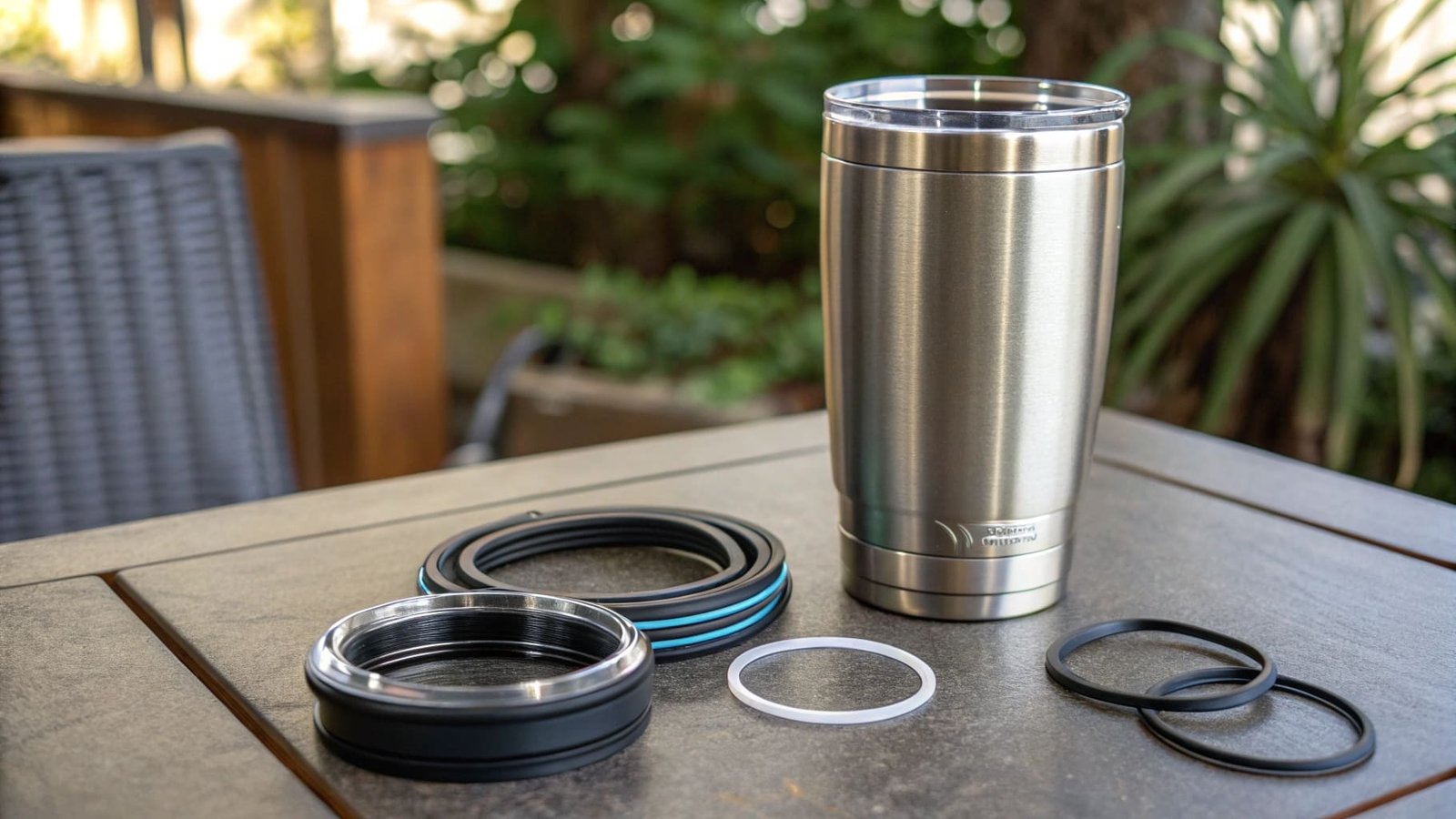
I remember talking to a Canadian distributor last year. He bought 50,000 EPDM gaskets to save money. Six months later, half his inventory failed in cold storage. That conversation changed how I explain material selection1 to buyers.
Is EPDM Cheaper Than Silicone?
You check the price list and see EPDM costs less. Your budget screams "buy EPDM." But I need to show you what that decision really costs you down the line.
EPDM rubber costs 20-40% less than silicone in bulk quantities. For example, EPDM gaskets range from $0.30-$1.50 per unit, while comparable silicone gaskets cost $0.80-$3.50 per unit at wholesale volumes.
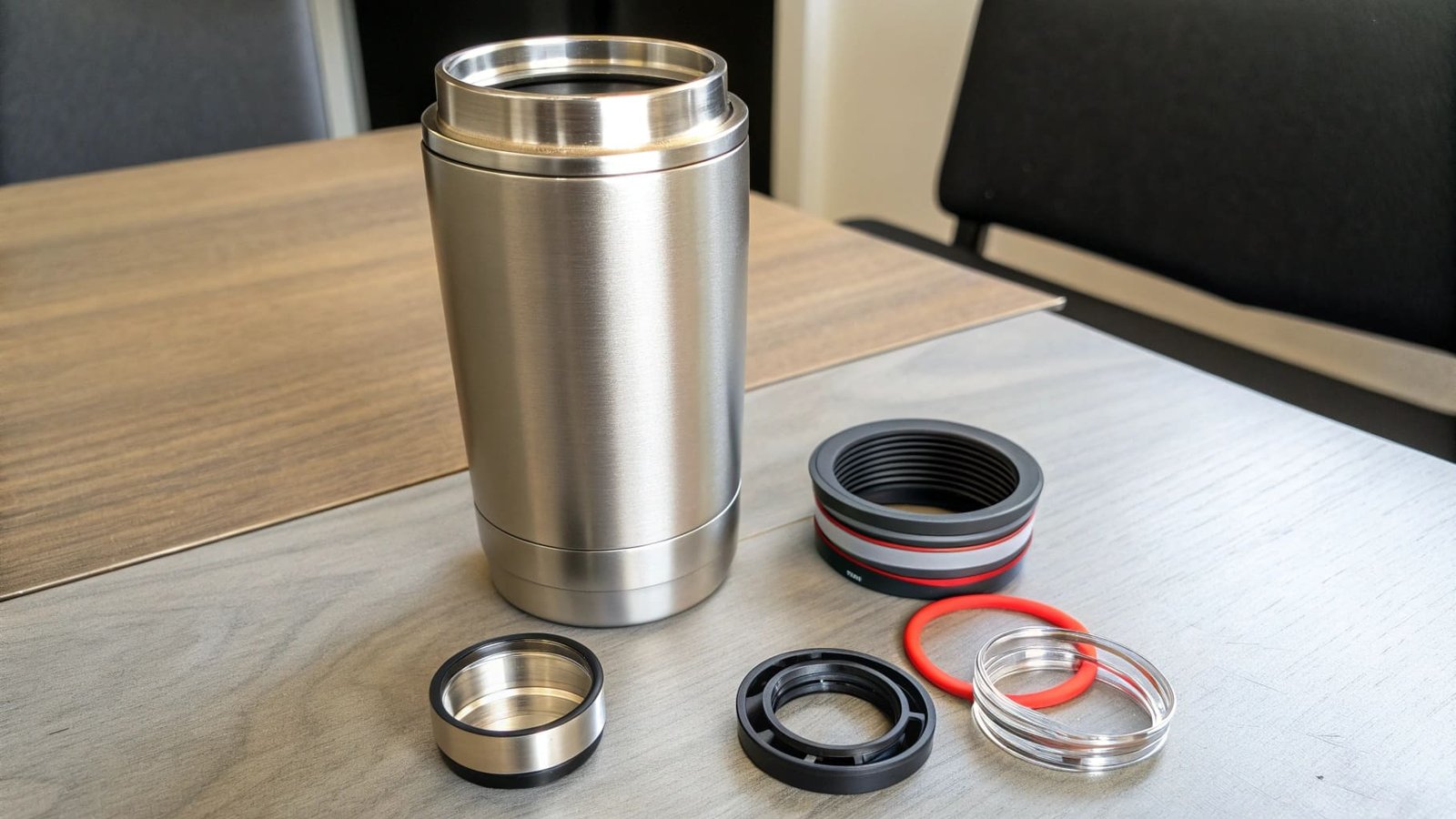
Breaking Down the Real Cost Difference
I work with procurement officers every day at silijoy. They all ask the same question about pricing. Let me show you the actual numbers we see in our wholesale business.
When you order 10,000 units, EPDM gaskets might cost you $0.50 each. The same silicone gasket costs $0.85. You save $3,500 on that order. That looks good to your finance team. But here is what happens next.
EPDM gaskets need replacement every 10-15 years in normal conditions. Silicone gaskets last 15-20 years. You need to order replacements sooner with EPDM. The shipping costs add up. The labor costs for swapping gaskets add up. Suddenly, your savings disappear.
I track these numbers for our B2B customers in America and Europe. The ones who choose silicone for critical applications spend more upfront. They spend less over five years. The difference can reach 30-40% in total cost.
Here is a comparison table I use with buyers:
| Cost Factor | EPDM (per 10,000 units) | Silicone (per 10,000 units) |
|---|---|---|
| Initial Purchase | $5,000 | $8,500 |
| Expected Lifespan | 10-15 years | 15-20 years |
| Replacement Frequency | 2-3 times in 30 years | 1-2 times in 30 years |
| Total 30-Year Cost | $15,000-$20,000 | $17,000-$25,500 |
The gap closes fast when you factor in replacement cycles. And this does not include failure costs. Those warranty claims eat your margin faster than anything else.
What Is the Difference Between EPDM and Silicone Gaskets?
Your supplier sends you samples. Both gaskets look similar. You squeeze them and they feel the same. But put them in real working conditions and you see massive differences.
EPDM offers excellent weather resistance and works well outdoors. Silicone provides superior temperature range, chemical resistance2, and maintains flexibility across extreme conditions. The main difference lies in performance boundaries and application suitability.
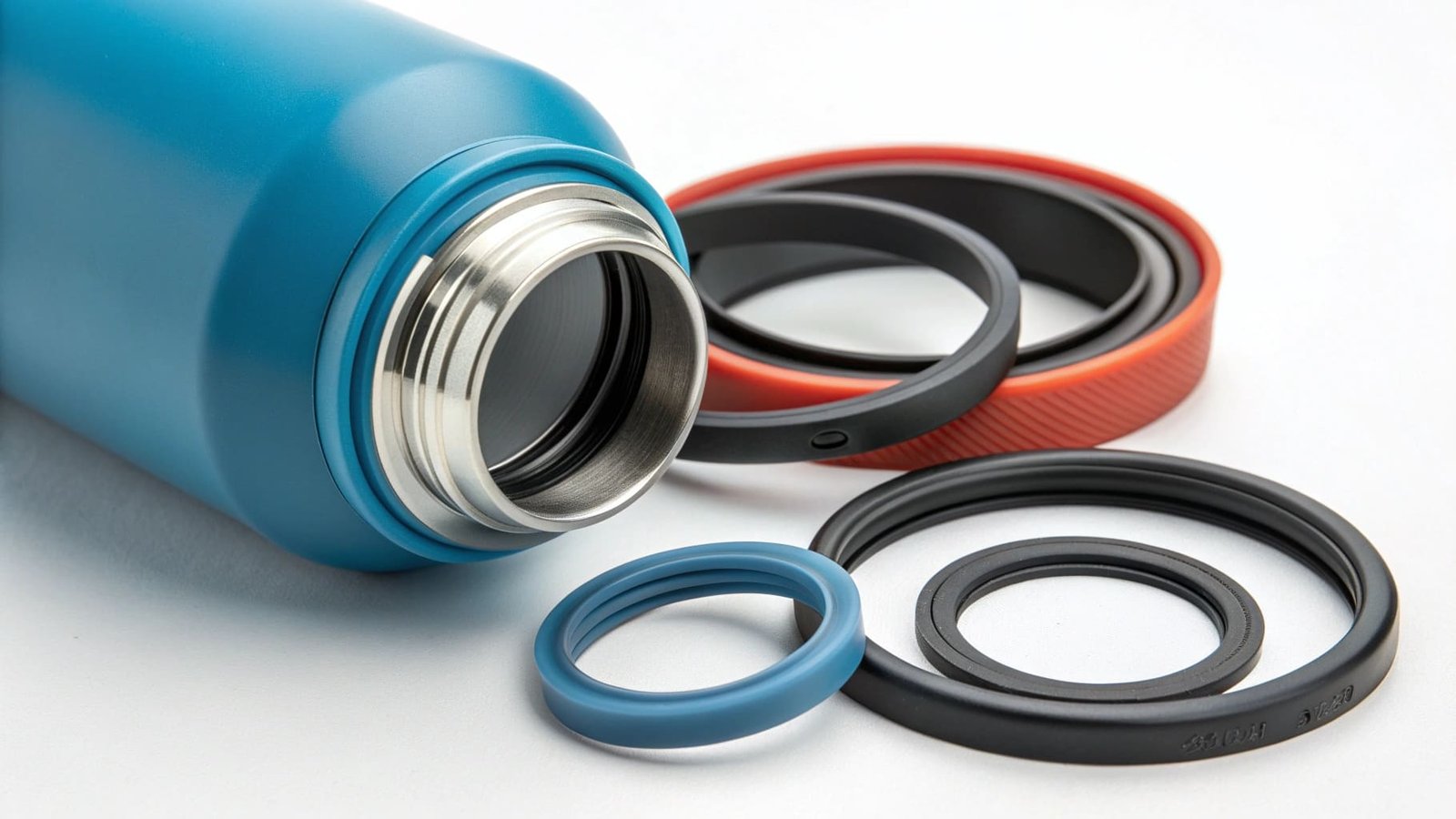
Material Properties That Matter for Your Application
I need to explain this in practical terms. Forget the technical jargon for a minute. Think about where your gasket actually works.
EPDM handles outdoor weather really well. It resists UV rays. It stands up to ozone. It works great in construction and automotive weatherstripping. The temperature range goes from -50°C to 150°C. That covers most normal applications.
But here is where EPDM fails you. It cannot handle oils and petroleum products. It gets brittle when exposed to high heat for extended periods. It loses flexibility in temperature swings. I have seen EPDM gaskets crack after just two years in applications with temperature cycling.
Silicone works from -60°C to 230°C. That extra range matters more than you think. Your product might sit in a warehouse at -30°C in winter. Then it ships to a customer who uses it near heat sources. Silicone keeps sealing through all of that.
Chemical resistance is another huge difference. Silicone resists oils, chemicals, and most solvents. EPDM swells and degrades when it contacts petroleum products. If your application involves any kind of oil or chemical exposure, you need silicone. I tell this to every buyer who mentions food processing, medical devices, or industrial equipment.
Here is how the materials stack up:
| Property | EPDM Rubber | Silicone |
|---|---|---|
| Temperature Range | -50°C to 150°C | -60°C to 230°C |
| Weather Resistance | Excellent | Very Good |
| Chemical Resistance | Limited | Excellent |
| Oil Resistance | Poor | Good to Excellent |
| Flexibility Retention | Moderate | Excellent |
| FDA Compliance | Limited grades | Widely available |
I stock both materials at silijoy. EPDM moves fast for basic weatherstripping orders. Silicone dominates in tumbler accessories, food containers, and medical applications. The application dictates the material. Not the price.
How Long Do Silicone Gaskets Last?
You install gaskets and forget about them. Then one day they fail. Your customer calls angry. You scramble to fix the problem. I want to help you avoid that situation.
Silicone gaskets typically last 15-20 years in normal operating conditions. High-quality medical-grade silicone can exceed 20 years. Lifespan depends on temperature exposure, UV exposure3, and chemical contact during use.
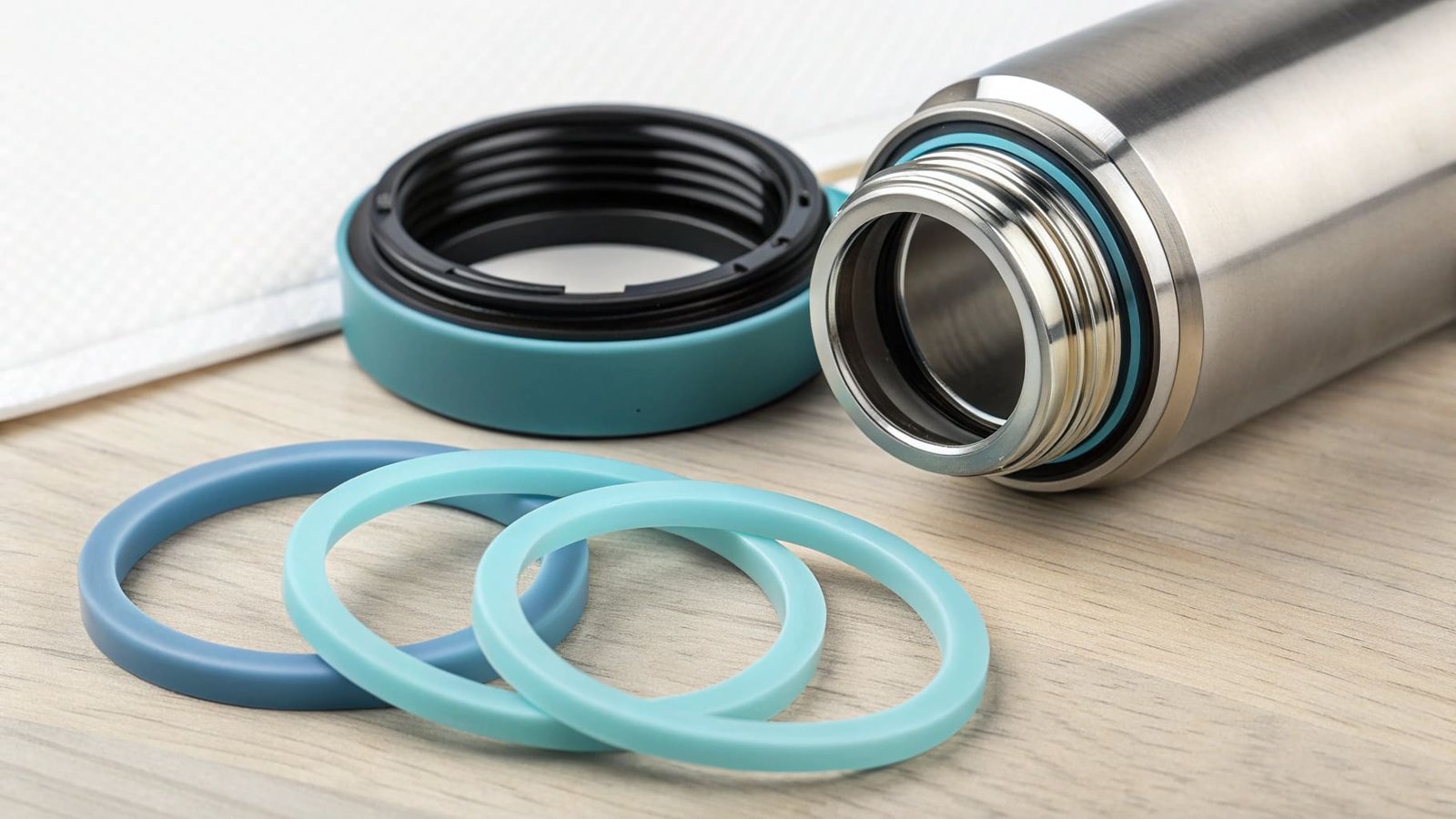
Factors That Determine Actual Gasket Lifespan
I talk to distributors who see gasket failures every year. They always want to know why some gaskets last decades and others fail in months. The answer comes down to matching material to application.
Temperature cycling kills gaskets faster than anything else. When a gasket heats up and cools down repeatedly, it expands and contracts. EPDM hardens after many cycles. It loses its ability to seal. Silicone maintains flexibility through millions of cycles. This is why I recommend silicone for any application with temperature variation.
UV exposure matters for outdoor applications. EPDM wins here if you add the right stabilizers. Silicone also handles UV well but costs more. For pure outdoor use without temperature extremes, EPDM makes sense. I sell both options and I tell buyers the truth about their specific needs.
Chemical exposure drastically shortens EPDM life. A gasket that should last 15 years might fail in 2 years if it contacts oils regularly. Silicone resists chemical degradation much better. Our silicone waterproof gasket kits maintain their properties even after years of chemical exposure.
Compression set is another factor buyers overlook. When you compress a gasket, it should spring back. EPDM develops permanent compression set faster than silicone. This means EPDM gaskets lose their sealing force over time. You tighten the connection and it still leaks. Silicone keeps its memory better.
I tested this with our tumbler boot customers. They need gaskets that seal thousands of times. Open the lid, close the lid, repeat. Silicone gaskets in our tumbler products still seal perfectly after years. The cheaper alternatives fail within months.
Quality also determines lifespan. Not all silicone is equal. Medical-grade silicone lasts longer than generic grades. The same applies to EPDM. When you buy from suppliers in China or Vietnam, you need to verify the actual grade. I see certificate fraud occasionally. This is why I maintain strict quality inspection protocols4 at silijoy.
Storage conditions before installation matter too. Gaskets sitting in hot warehouses age faster. They degrade before you even use them. I recommend climate-controlled storage for bulk inventory. This adds cost but prevents premature failure.
Let me give you real numbers from my experience. Standard silicone gaskets in moderate conditions last 15-20 years. High-temp applications reduce this to 10-15 years. Chemical exposure with proper material selection still gives you 12-18 years. EPDM in ideal conditions reaches 15 years. But add any stress factors and you drop to 8-12 years.
The key is honest assessment. What temperature range do you really need? What chemicals will the gasket contact? How often will it compress and release? Answer these questions truthfully and you pick the right material. Lie to yourself about the application and you waste money on replacements.
Conclusion
Pick EPDM for basic outdoor use with moderate temperatures. Choose silicone for temperature extremes, chemical exposure, and applications where longevity outweighs initial cost. Your specific use case determines the smart choice.
-
Get tips on how to select the appropriate material for gaskets based on specific application needs. ↩
-
Understand the significance of chemical resistance in selecting the right gasket for your application. ↩
-
Discover how UV exposure influences the durability and lifespan of different gasket materials. ↩
-
Discover the importance of quality inspection protocols in ensuring the reliability of gasket materials. ↩