What Water Bottle Accessories Do B2B Buyers Need for Custom Branding?
You spend months building a brand. Then a generic water bottle wipes it out in seconds. The wrong accessories can kill a product line before it starts.
B2B buyers who want custom branding need silicone-based water bottle accessories. These include protective sleeves, interchangeable lids, anti-slip base pads, and custom straws. These parts add brand touchpoints without requiring a full bottle redesign or a new inventory commitment1.
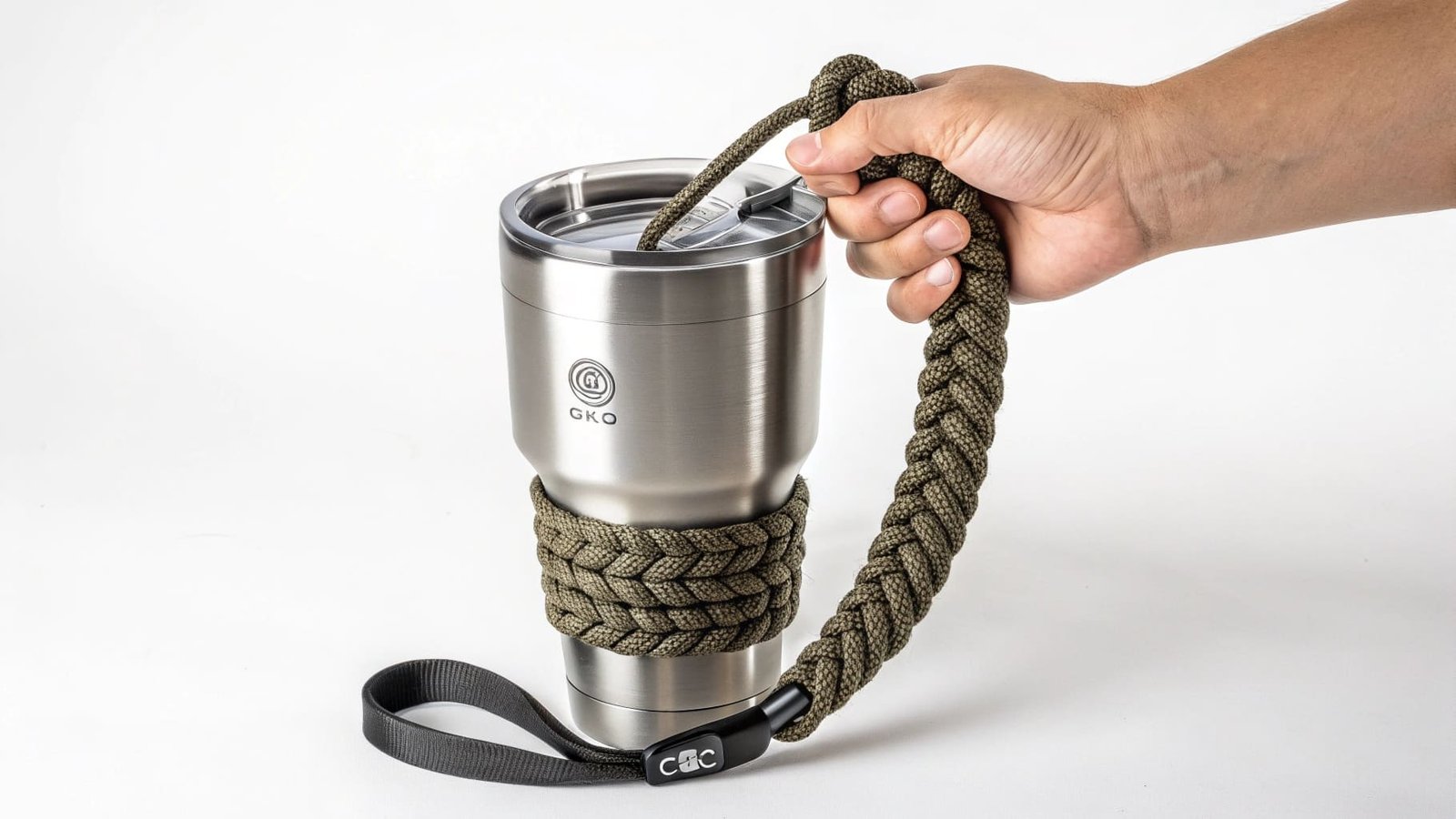
Most buyers I speak with start by asking about bottles. But the smarter question is always about what goes around the bottle. The accessories are where your brand actually lives. A sleeve gets touched every time someone picks up the bottle. A lid gets swapped out every season. A base pad sits on every desk, every day. If you are a procurement officer sourcing for resale or corporate gifting, accessories are not optional extras. They are the entire strategy. Let me break this down properly.
Are Water Bottles Considered Accessories?
Most people treat water bottles as the main product. That assumption costs B2B buyers real money.
In B2B custom branding, water bottles are primary products, not accessories. But the parts attached to them — sleeves, lids, straws, and base pads — are accessories. These parts carry more branding value per dollar than the bottle itself, because they are cheaper to customize and easier to replace.
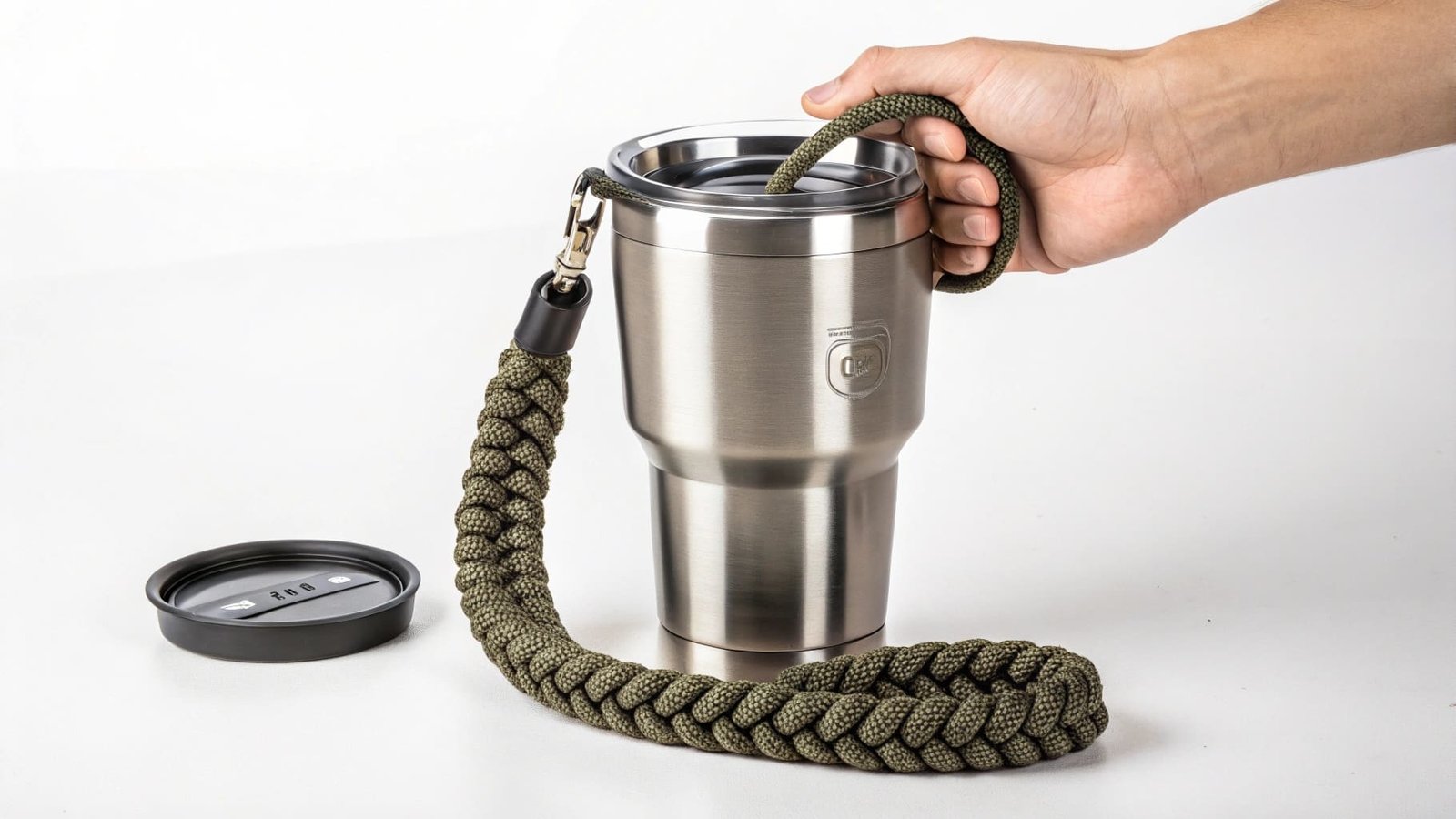
I had a customer ask me once whether he should brand the bottle or the sleeve. I told him to brand both, but to start with the sleeve. Here is why that answer matters.
A silicone sleeve costs a fraction of what a custom bottle costs2. But it sits on the outside of the bottle. It is the first thing a person sees and touches. It can carry a logo, a texture, a color, and even a QR code. It can be swapped out without replacing the bottle underneath.
This is a big deal for B2B buyers who work with procurement budgets. You do not need to order new bottles for every campaign. You just order new accessories.
What Makes a Water Bottle Accessory "Brandable"?
Not every accessory is worth branding. The ones worth investing in share a few key traits.
| Accessory | Branding Method | Visibility Level | Replacement Frequency |
|---|---|---|---|
| Silicone Sleeve | Color, texture, embossed logo | High | Seasonal |
| Silicone Lid | Color, custom print | Medium | Annual |
| Anti-Slip Base Pad | Embossed logo | Low | Rarely |
| Silicone Straw | Color, custom length | Medium | Frequent |
| Straw Hole Plug | Color match only | Low | Rarely |
The sleeve wins on almost every measure. It is visible. It is replaceable. It is tactile. And it can be produced in small batches without a huge tooling cost. For a buyer like Mark who is rebranding products for the Canadian market, the sleeve gives him the most flexibility at the lowest risk.
The lid is the second strongest option. It is removed and replaced every time someone opens the bottle. That repetition builds brand recall in a way that a label on a bottle never can3.
The base pad and the straw hole plug are functional first. Branding on these parts is subtle, but they protect the bottle and reduce customer complaints. That matters for quality-sensitive buyers.
What to Add to a Water Bottle?
You already have the bottle. Now your customer wants more. Most buyers guess wrong about what to add first.
The best additions to a custom-branded water bottle are a silicone protective sleeve, a silicone lid with a gasket seal, an anti-slip base pad, and a replacement straw with a matching plug. Together, these four parts protect the bottle, extend its life, and give the brand more places to show up.
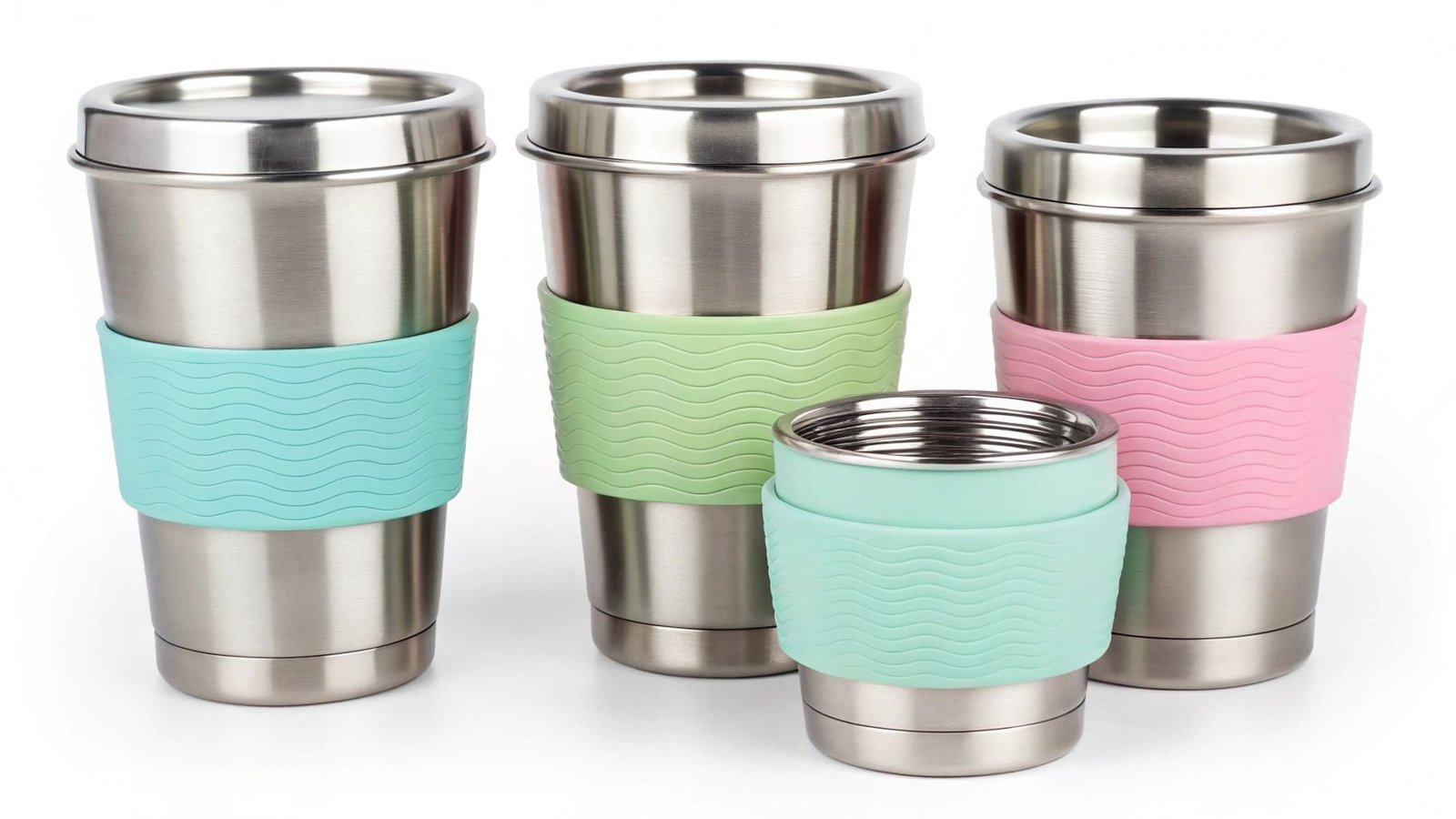
I get asked this question often. Usually it comes from a buyer who already placed one order and now wants to offer more. They have the bottle. They want to build a kit around it.
The temptation is to add everything at once. That is almost always a mistake. Adding too many accessories at once raises your MOQ, increases your SKU count, and makes logistics harder. The smarter move is to add one accessory at a time, starting with the one that solves the most customer complaints.
Which Accessories Should You Add First?
Start with the problem, not the product.
Protecting the Bottle
If your customers drop bottles or scratch surfaces, you need a silicone sleeve. A sleeve absorbs impact. It keeps the bottle from sliding. It also insulates the surface so hot or cold bottles are more comfortable to hold4. I have seen buyers cut their return rate significantly just by adding a sleeve to an existing bottle SKU.
Sealing the Lid
If your customers complain about leaks, you need a silicone lid gasket or seal ring. A bad seal destroys a bottle's reputation fast. A replaced gasket costs almost nothing. But the customer who finds a replacement available from your brand will trust you more, not less.
Adding a Straw
If your product targets active users, commuters, or gym customers, a silicone straw with a matching plug is worth adding. The plug is often forgotten, but it prevents leaks when the bottle is tipped. It also prevents the straw hole from collecting bacteria5, which matters a lot to health-conscious buyers.
| Customer Complaint | Accessory That Fixes It | Why It Works |
|---|---|---|
| Bottle scratches easily | Silicone sleeve | Adds a protective outer layer |
| Lid leaks | Silicone gasket or seal ring | Creates a watertight seal |
| Bottle slips off surfaces | Anti-slip base pad | Adds grip on contact surface |
| Straw falls out or leaks | Silicone straw hole plug | Seals the opening when not in use |
| Straw tastes like plastic | Silicone straw replacement | Neutral material, no aftertaste |
Building an accessory add-on list from complaints is one of the most reliable sourcing strategies I know. It keeps your catalog lean. It solves real problems. And it gives your customers a reason to come back for a second order.
What Is the Next Water Bottle Trend?
Trends in water bottles change fast. If you are still sourcing the same products you sourced two years ago, you are already behind.
The next big trend in water bottles is sustainability-focused modularity. Buyers and end-users want to replace parts, not entire bottles. Snap-on silicone accessories, interchangeable lids, and flavor-adding components are replacing one-time purchases with repeat accessory orders. This shift also supports corporate ESG goals.
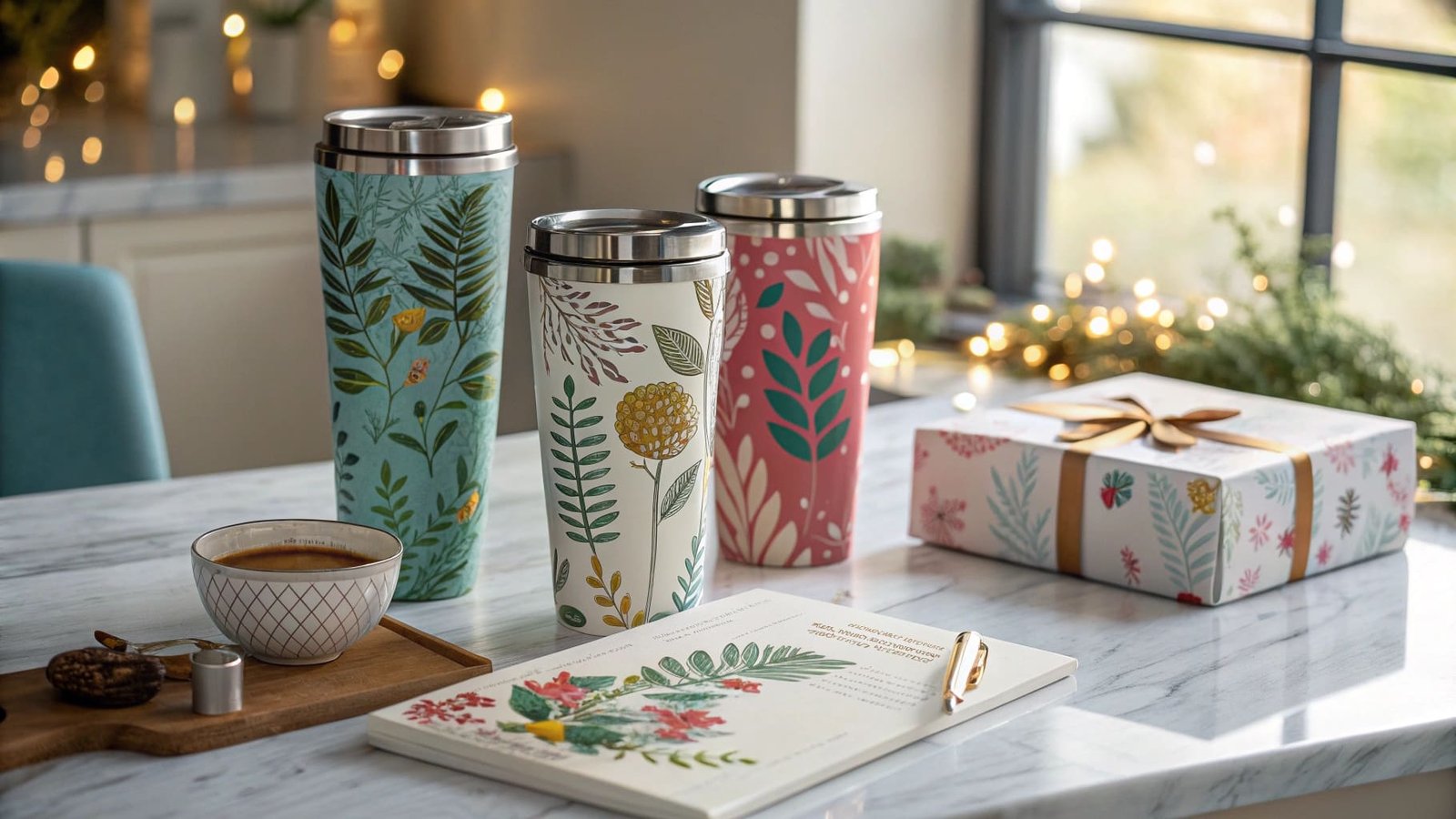
I noticed this trend starting to show up in my conversations with buyers about two years ago. At first, it was just a few requests for replacement parts. Then the requests got more specific. Buyers started asking for accessories that could turn a standard bottle into something new without buying a new bottle.
That is the core of the modularity trend. The bottle stays. The accessories change.
Why Modularity Is Changing B2B Orders
The shift toward modular accessories is not just about sustainability. It is about business model flexibility.
The Old Model vs. The New Model
| Model | Purchase Trigger | Order Type | Branding Opportunity |
|---|---|---|---|
| Old | New campaign or season | One-time bulk bottle order | Limited to bottle surface |
| New | New campaign or season | Small-batch accessory run | Multiple touchpoints per bottle |
Under the old model, a buyer ordered 5,000 custom bottles for a campaign. When the campaign ended, the bottles sat in a warehouse. The next campaign meant another 5,000 bottles.
Under the new model, the same buyer orders 5,000 base bottles once. For each new campaign, they order a matching sleeve, a new lid color, or a limited-edition carrying loop. The bottle stays the same. The identity of the product changes completely.
This is better for the buyer's cash flow. It is also better for corporate sustainability reporting. Fewer products going to waste means a better ESG score6.
What Accessories Drive the Modular Trend
The accessories that fit best into a modular strategy share one quality: they are easy to change.
- Silicone sleeves — Color or texture can change per season with no change to the base bottle
- Snap-on silicone flavor infusers — A newer product that lets users add fruit or herbs to water
- Temperature-indicating silicone bands — Change color based on drink temperature, useful for safety and novelty
- Magnetic silicone carrying loops — Attach and detach without tools, useful for limited-edition kits
- Interchangeable silicone lids — Let buyers offer different pour styles without a new bottle mold
For a supplier like me, this trend means moving from one large order to a series of smaller, recurring orders. That is actually a healthier business relationship. The buyer comes back more often. The accessory runs are smaller, so they are easier to manage. And color consistency across accessory lines becomes a genuine competitive advantage.
If you can match a 2022 sleeve color in 2025, your buyer will stay with you. If you cannot, they will find someone who can.
Conclusion
Water bottle accessories are not extras. They are brand assets. The smartest B2B buyers build accessory systems, not just bottle orders.
-
"The potential of modular product design on repair behavior and user ...", https://www.sciencedirect.com/science/article/pii/S095965262202368X. Research on modular product architecture finds that independently replaceable components can increase product variety while limiting changes to the underlying platform, which supports the claim that branded bottle accessories can add touchpoints without redesigning the base bottle. Evidence role: mechanism; source type: paper. Supports: Modular components can be changed independently of a core product, allowing product variation without redesigning the entire system.. Scope note: This would support the design logic contextually, not prove inventory savings for a specific water bottle program. ↩
-
"[PDF] Cost-Benefit Assessment of Additive Manufacturing for Injection Molds", https://docs.nlr.gov/docs/fy26osti/93799.pdf. Manufacturing-cost studies show that tooling complexity, part size, and material use are major drivers of molded-product cost, which contextualizes why a smaller silicone sleeve may cost less than a fully custom bottle. Evidence role: general_support; source type: paper. Supports: Manufacturing cost generally rises with mold complexity, part size, and product complexity, making a smaller accessory potentially less costly than a complete custom bottle.. Scope note: This would not establish the exact fraction without supplier quotes or a bill-of-materials comparison. ↩
-
"The Contribution of Attention to the Mere Exposure Effect for Parts of ...", https://pmc.ncbi.nlm.nih.gov/articles/PMC6134073/. Studies of the mere-exposure effect and consumer memory show that repeated encounters with a stimulus can increase familiarity and recall, supporting the general claim that frequently handled branded components may reinforce brand memory. Evidence role: expert_consensus; source type: paper. Supports: Repeated exposure and physical interaction can improve familiarity and recall of a brand or stimulus.. Scope note: The evidence would support repeated exposure generally, not directly prove that lids outperform bottle labels in all contexts. ↩
-
"High thermal conductivity in soft elastomers with elongated liquid ...", https://pmc.ncbi.nlm.nih.gov/articles/PMC5338550/. Published material-property data identify silicone rubber as a low-thermal-conductivity elastomer, supporting the claim that a silicone sleeve can reduce heat transfer between a bottle surface and the user's hand. Evidence role: mechanism; source type: paper. Supports: Silicone rubber has relatively low thermal conductivity compared with metals and can act as an insulating contact layer.. Scope note: Comfort depends on sleeve thickness, beverage temperature, exposure time, and the bottle's own insulation. ↩
-
"Daily Use Water Bottles as a Hub for Microbial Population - PMC", https://pmc.ncbi.nlm.nih.gov/articles/PMC11174293/. Microbiological studies of reusable drinking bottles report bacterial contamination on bottle and lid surfaces, providing contextual support for the concern that exposed straw openings can become contamination sites. Evidence role: general_support; source type: paper. Supports: Reusable bottles and drinking components can harbor microbial contamination, especially where moisture and handling occur.. Scope note: This would not directly prove that a specific silicone plug prevents bacterial growth unless the source tests covered versus uncovered straw holes. ↩
-
"Sustainable Business: ESG Ratings - Library Guides", https://libguides.udayton.edu/sustainable_business/ESGratings. Sustainability reporting frameworks such as GRI 306 treat waste generation and waste management as environmental disclosure topics, supporting the claim that reducing product waste can improve a company's ESG-relevant performance indicators. Evidence role: definition; source type: institution. Supports: Waste generation, waste management, and material efficiency are recognized environmental disclosure topics in ESG and sustainability reporting frameworks.. Scope note: A lower waste footprint does not automatically produce a higher ESG score because ratings depend on the methodology, sector weighting, and verification of reported data. ↩