Which Silicone Tumbler Bottom Covers Are Best for Bulk Export Orders?
Bulk export orders go wrong in ways that cost real money. A bad material choice, a wrong measurement, or a sticky surface complaint can kill a deal fast. Here is what actually matters.
The best silicone tumbler bottom covers for bulk export meet FDA or LFGB food-grade standards, use platinum-cure liquid silicone rubber, and include anti-slip texturing with reinforced edges. These three features reduce returns and protect your brand in North America and European markets.
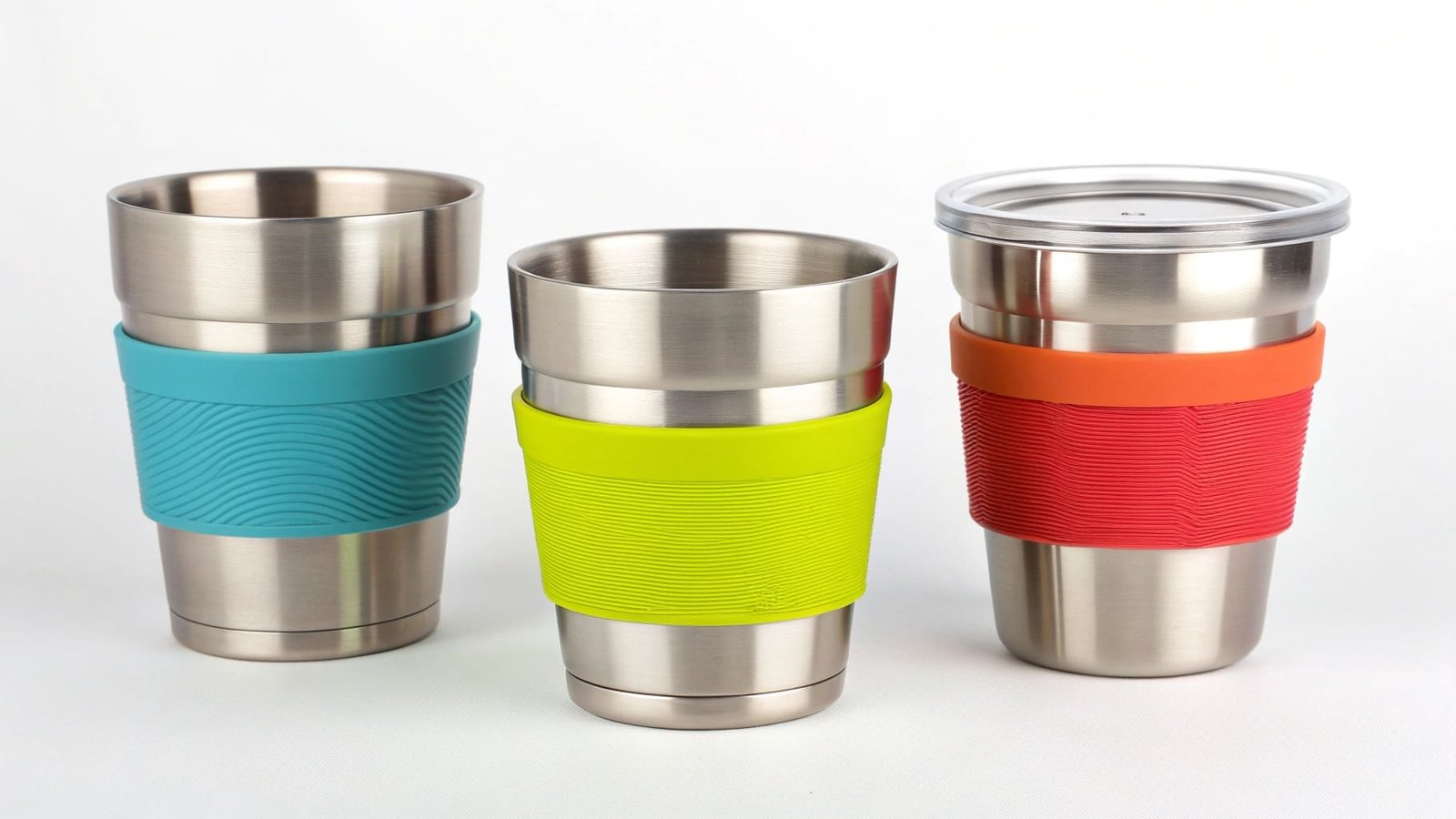
I have seen buyers place large orders and then get hit with product returns because they skipped one step. The right cover is not just about price. It is about getting the product to the end customer in good shape, every single batch. Let me walk you through the full picture.
Which Mobile Cover Is Best, Silicon or Rubber?
Buyers ask me this question a lot. The confusion between "silicon" and "silicone" alone causes problems at the order stage. Getting the material wrong costs you more than a price difference.
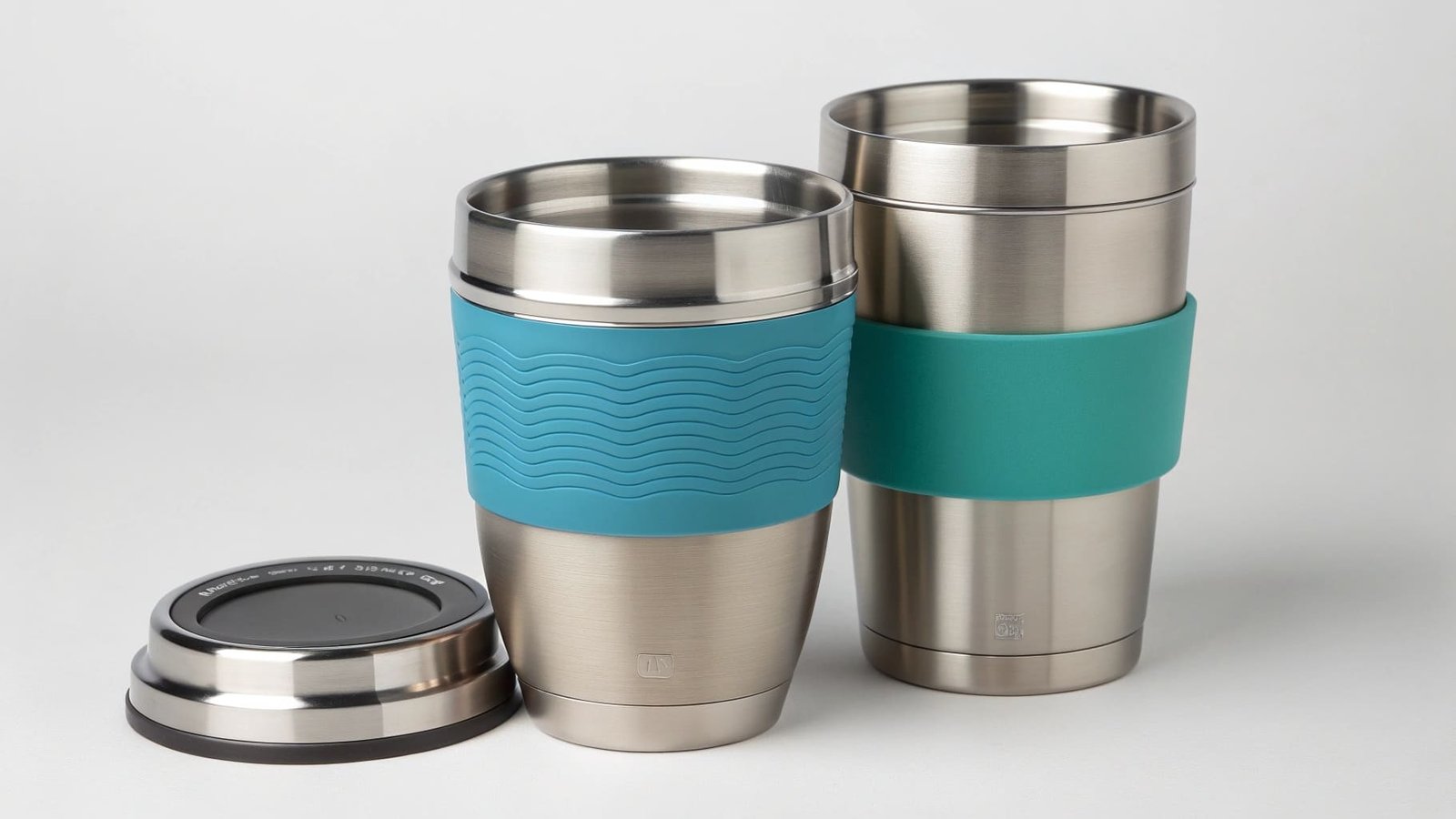
Silicone covers outperform rubber for export markets because they hold up across a wider temperature range, resist UV damage longer, and have no strong smell. Rubber's odor alone triggers quality complaints from end consumers in North America and Europe.
What Does the Material Choice Actually Mean for Your Order?
I want to break this down clearly. You are not just choosing a material. You are choosing a risk level.
Here is how the three most common materials compare for wholesale buyers:
| Feature | Silicone | Natural Rubber | TPU |
|---|---|---|---|
| Temperature Range | Wide, stable | Narrow, degrades with heat | Moderate |
| UV Resistance | High | Low, yellows fast | Moderate |
| Odor | None | Strong, noticeable | Minimal |
| Hypoallergenic | Yes | No | Yes |
| Transparency | Opaque or matte | Opaque | Clear options available |
| Price Range | Mid to high | Low | Mid |
| Best Market Fit | North America, Europe | Price-sensitive markets | Mid-price segment |
Silicone wins for export to developed markets because end consumers in those markets have high expectations. They notice smell, they notice yellowing, and they leave reviews about it. Those reviews come back to you as a buyer when your client reports returns.
TPU is worth considering if your client wants a clear design and is working in the mid-price segment. It offers good shock absorption and a clean look.1 But it does not hold up in high-heat environments the way silicone does.
Natural rubber is not a good fit for export to North America or Europe in most cases. The smell is the main problem. Even if the product performs well, the smell alone triggers quality concerns at the consumer level.
My advice is simple. Match the material to the price point and performance expectation of your target market. Do not assume silicone is always the right call without knowing what your client is selling and to whom.
How to Measure Tumbler Lid Size?
Wrong measurements cause fitting failures on large shipments. I have watched buyers lose full orders because they only measured one dimension. Accurate measurement takes three numbers, not one.
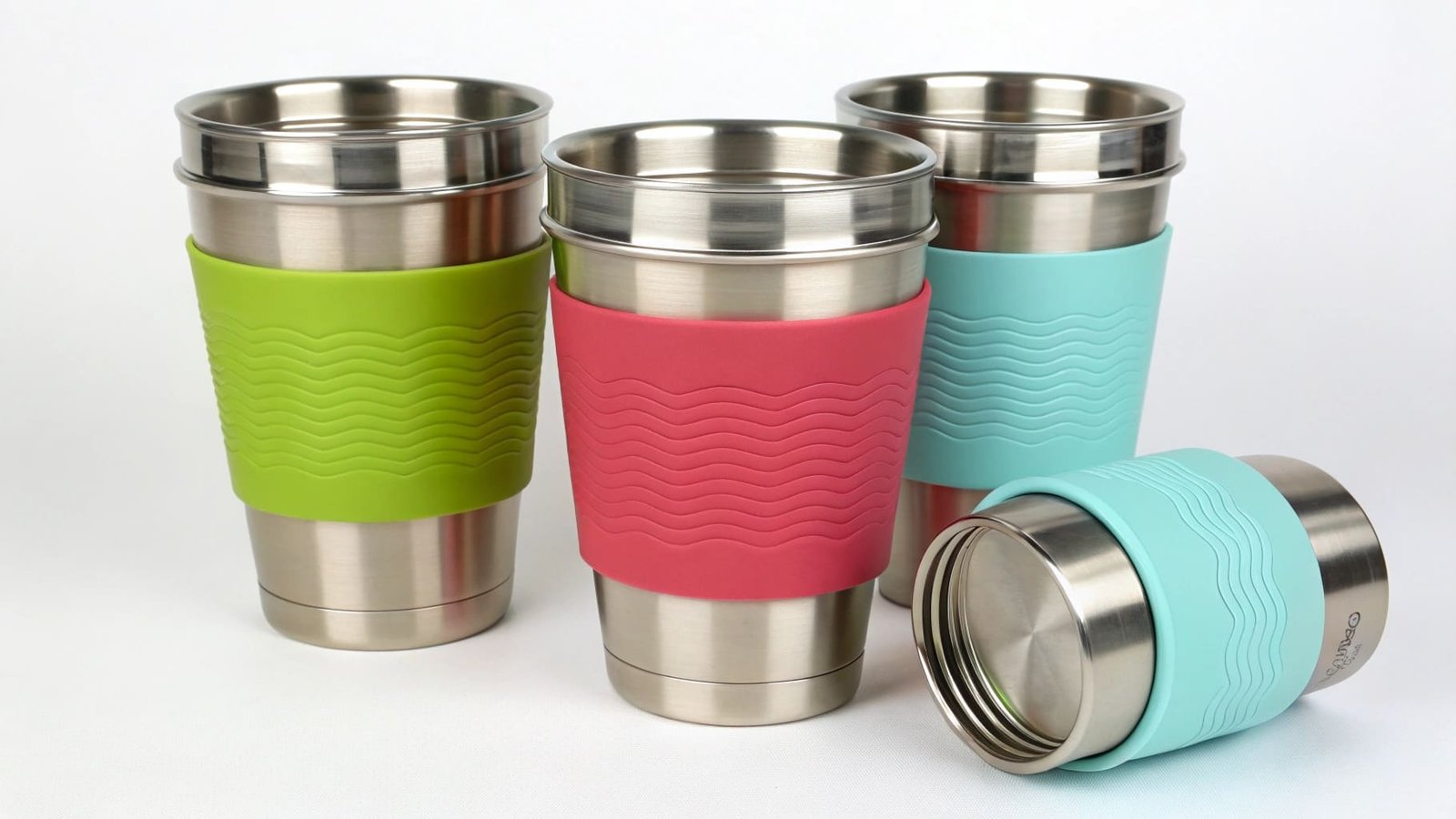
You need three dimensions: inner diameter, outer diameter, and lip height.2 Many buyers measure only the top surface diameter. That single mistake means the sealing lip does not fit, and the whole shipment is useless.
What Happens When You Get the Measurement Wrong at Scale?
This is where bulk orders become high-risk. A small measurement error that goes unnoticed on a sample becomes a disaster across ten thousand units.
Here is what I recommend for every bulk order involving lids or silicone seals:
Request a technical drawing with tolerances before the order is placed.
The drawing should include:
| Dimension | What It Measures | Why It Matters |
|---|---|---|
| Inner Diameter (ID) | Opening of the tumbler top | Determines if the lid sits inside correctly |
| Outer Diameter (OD) | Full width of the lid | Ensures the lid does not overhang or fall short |
| Lip Height | Depth of the sealing edge | Controls how tightly the lid grips the tumbler |
| Thread Pitch | Spacing of screw threads | Critical for screw-top designs |
For compression molding, a tolerance of plus or minus 0.5mm is standard.3 If you need tighter control, liquid silicone rubber can hold tolerances of plus or minus 0.2mm4. That matters when your client is distributing to retail and needs consistency across every unit on the shelf.
There is one more step most buyers skip. Even when the lid specs are correct, the base tumbler itself can vary between production batches. Ask your supplier for compatibility testing across multiple tumbler batches, not just one. This one step has saved me from embarrassing conversations with clients more than once.
A professional supplier will not push back on this request. If they do, that is useful information about how they handle quality control in general.
Why Do Silicone Cases Get Sticky?
A sticky surface is not just a feel complaint. It is a sign that the product was made with the wrong material or rushed through production. When your clients report sticky silicone, it points to one of three root causes.
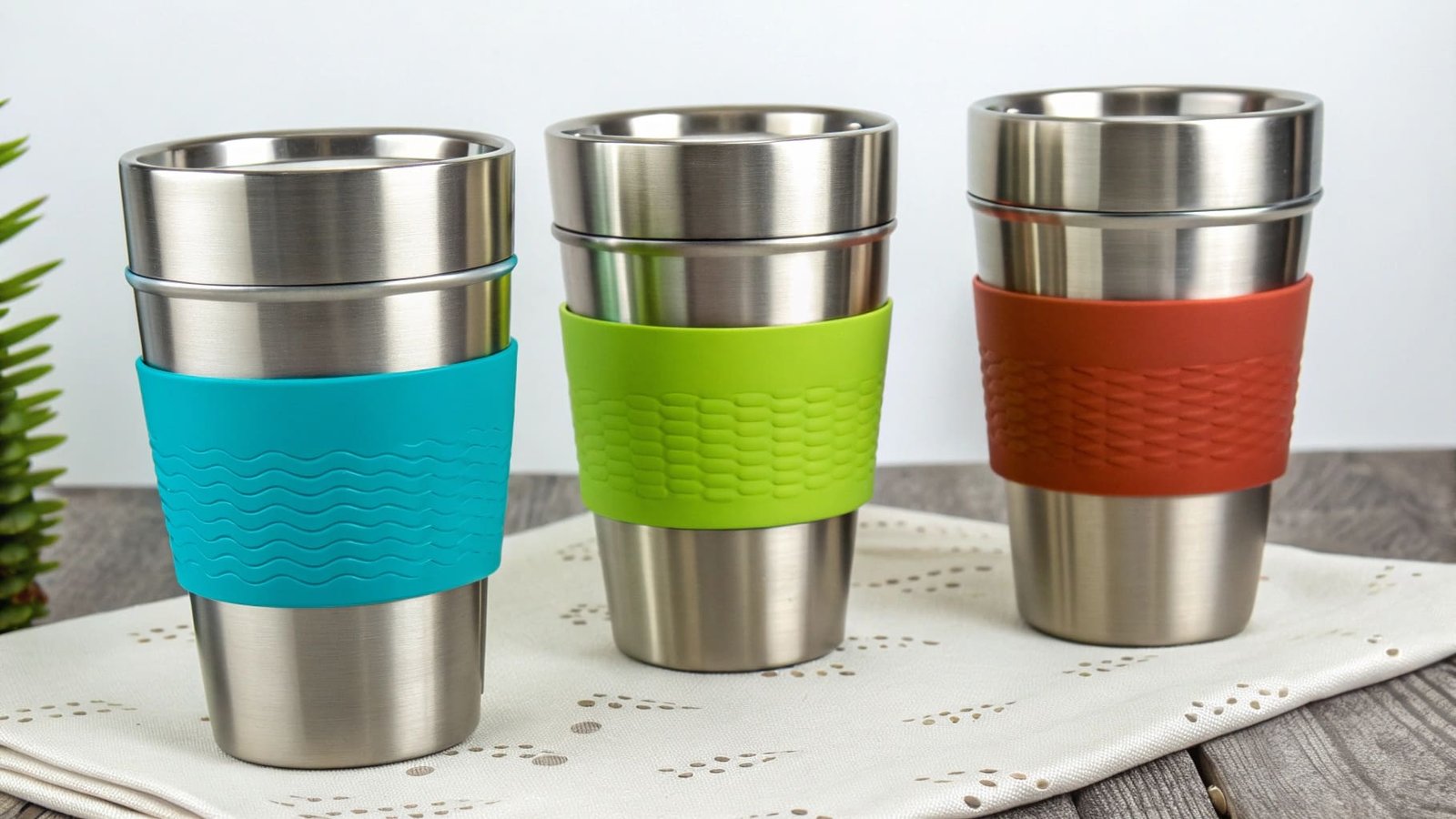
Stickiness in silicone products comes from plasticizer migration, incomplete curing, or surface contamination during production.5 All three are preventable. All three point to supplier-side shortcuts.
How Do You Stop Sticky Silicone Before It Leaves the Factory?
I want to be direct here. Sticky silicone is a supplier problem that you end up owning as the buyer. By the time the complaint reaches you, the order has already shipped, the product is already in the hands of your client, and the return conversation has already started.
The only way to stop it is before the order is confirmed.
Here is what causes stickiness and what you can do about each cause:
| Cause | What It Means | What to Ask For |
|---|---|---|
| Plasticizer Migration | Low-grade silicone contains oils or additives that rise to the surface over time | Ask for platinum-cure LSR and material certification |
| Incomplete Curing | Manufacturer rushed the production cycle, leaving unreacted chemicals | Specify post-curing requirements in your purchase order |
| Surface Contamination | Production environment allows oils or particles to settle on the product | Request facility audit or third-party quality inspection report |
Products made below a certain material cost threshold are high risk for plasticizer migration. This is a real pattern. When a supplier is cutting costs at the material level, the surface of the product is where you will feel it, sometimes months after the order ships.
Post-curing is the step that most low-cost suppliers skip to meet tight deadlines. It removes the remaining unreacted components from the silicone. Without it, those components migrate to the surface and create the sticky layer. Specifying post-curing in your purchase order puts the requirement in writing and gives you grounds to reject non-compliant batches.
Ask for an aging test that simulates six months of use. A reputable supplier will have a process for this. If they cannot show you one, that tells you something.
High-quality platinum-cure LSR products with proper post-curing rarely go sticky, even after years of regular use. That is the quality level worth paying for when you are exporting to markets where end consumers leave public reviews.
Conclusion
The best silicone tumbler bottom covers for bulk export come down to three things: certified materials, precise measurements, and verified curing. Get these right and returns stay low.
-
"Mechanical Properties of Additively Manufactured Thermoplastic ...", https://pmc.ncbi.nlm.nih.gov/articles/PMC7767280/. Reviews of thermoplastic polyurethane elastomers describe their combination of elasticity, toughness, abrasion resistance, and grade-dependent transparency, which supports their use in protective consumer components. Evidence role: general_support; source type: paper. Supports: Thermoplastic polyurethane elastomers are documented as having useful toughness, elasticity, abrasion resistance, and in some grades optical clarity.. Scope note: The source would support TPU material properties generally, not the performance of a specific tumbler cover design. ↩
-
"How to Measure a Gasket: Step-by-Step Guide - Specialty Gaskets Inc.", https://specialtygaskets.com/blogs/news/how-to-measure-a-gasket. Engineering seal-design references treat inner diameter, outer diameter, and sealing-lip or cross-section geometry as critical dimensions for controlling fit, compression, and sealing behavior. Evidence role: mechanism; source type: education. Supports: Seal and gasket design references identify diameters, cross-section or lip dimensions, and compression geometry as key determinants of fit and sealing performance.. Scope note: This is a general engineering basis and may not address every proprietary tumbler-lid geometry. ↩
-
"What you need to know about molded rubber seal tolerances", https://www.technoad.com/molded-rubber-seal-tolerances/. Dimensional-tolerance standards for molded rubber products, such as ISO 3302-1, define tolerance classes for molded elastomer parts and can be used to contextualize a ±0.5 mm manufacturing tolerance. Evidence role: definition; source type: institution. Supports: Dimensional-tolerance standards for molded rubber products provide tolerance classes that can contextualize whether ±0.5 mm is typical for relevant dimensions.. Scope note: The applicable tolerance depends on part size, tolerance class, and production method; the source may contextualize rather than confirm this exact value for all compression-molded covers. ↩
-
"LSR Molding Design Guidelines", https://www.junlevn.com/lsr-molding-design-guidelines/. Technical sources on liquid silicone rubber injection molding describe the process as capable of producing precise elastomer components with relatively tight dimensional tolerances under controlled tooling and processing conditions. Evidence role: general_support; source type: research. Supports: Technical literature on LSR injection molding can support that tighter tolerances are possible than with many conventional elastomer molding methods under controlled conditions.. Scope note: A source may support the feasibility of tight tolerances but not guarantee ±0.2 mm for every geometry, mold, or supplier. ↩
-
"Molecular surface structural changes of plasticized PVC materials ...", https://pubmed.ncbi.nlm.nih.gov/23445444/. Polymer materials literature explains that surface tack can arise when mobile low-molecular-weight species migrate to the surface, when curing is incomplete, or when contaminants remain on the elastomer surface. Evidence role: mechanism; source type: paper. Supports: Polymer and silicone-elastomer literature links surface tack or stickiness to mobile low-molecular-weight components, inadequate cure, and surface contamination.. Scope note: The source would establish plausible mechanisms, but diagnosing a specific sticky product would require testing. ↩