Where Can B2B Buyers Source Trek Tumbler Silicone Boots for Hiking Product Lines?
I still remember the frustration on a Canadian buyer's face when his shipment of tumbler boots arrived too late for the summer hiking season. This common pain point pushes many buyers to ask the same question about reliable sourcing.
B2B buyers can source trek tumbler silicone boots through three main channels: direct from Chinese manufacturers, trade shows in Asia, and verified B2B platforms. Chinese manufacturers offer the best combination of quality control1, customization options, and competitive pricing for outdoor product lines.
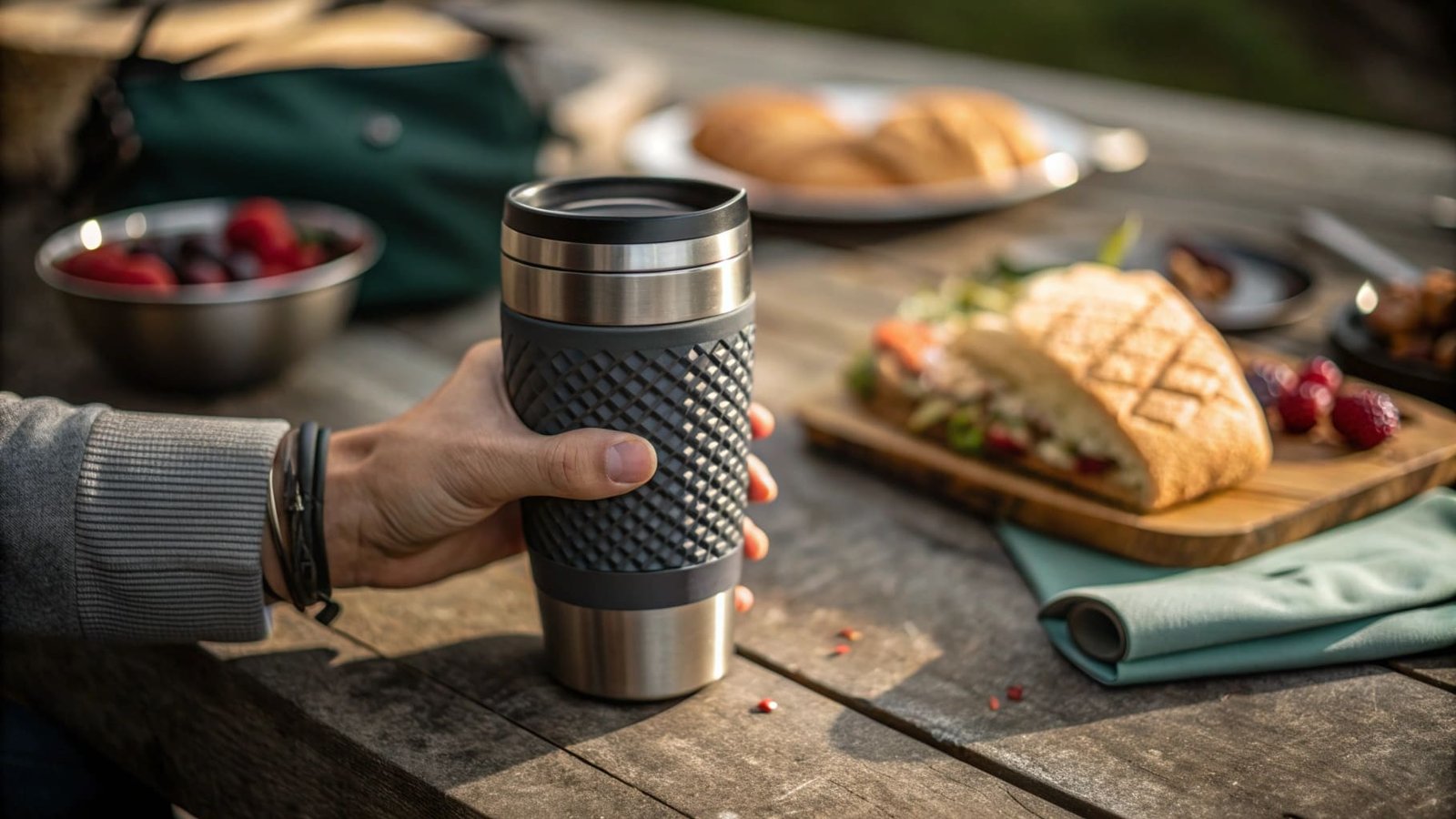
Let me share what I learned after working with over 200 outdoor product distributors across North America. The sourcing decision affects everything from your profit margins to customer satisfaction rates2. I will walk you through each sourcing channel and help you avoid the mistakes that cost buyers thousands of dollars.
Are Simple Modern Lids Interchangeable?
Most retailers assume all tumbler lids work the same way. This assumption leads to costly returns and disappointed customers. I have seen this problem repeatedly in my conversations with North American buyers.
Simple Modern lids are not universally interchangeable, but many use standard sizing within their product line. The 20oz and 30oz tumblers from Simple Modern share compatible lid designs with specific diameter measurements that range from 3.0 to 3.5 inches.
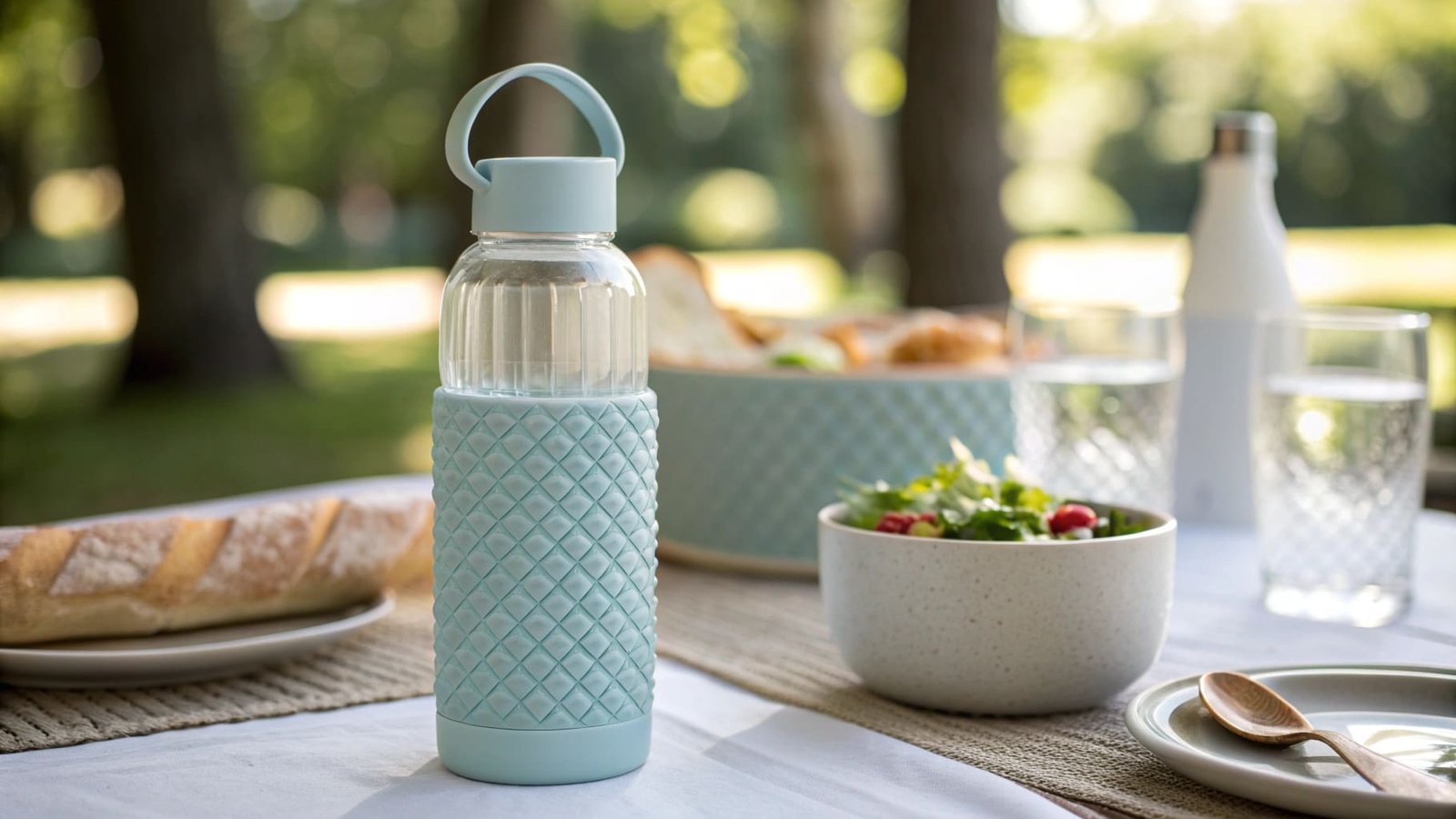
Understanding Lid Compatibility Standards
I need to break down the technical aspects here. The outdoor drinkware market operates on loose standardization rather than strict universal compatibility. Here is what matters for your purchasing decisions:
| Tumbler Brand | Standard Lid Diameter | Compatibility Range |
|---|---|---|
| Simple Modern | 3.0-3.5 inches | Within brand line |
| Yeti | 3.5 inches | Limited cross-brand |
| RTIC | 3.4 inches | Near-Yeti compatible |
| Hydro Flask | Varies by size | Brand-specific |
When I source silicone boots for buyers like you, I focus on the tolerance range. Quality silicone boots work because they stretch slightly to accommodate size variations. The key specification I always check is the inner diameter measurement and the silicone durometer rating3. A shore hardness between 40A and 60A provides the right balance of flexibility and grip.
I learned this lesson the hard way. A buyer once ordered 5,000 boots based only on outer diameter specs. Half the inventory did not fit properly because we missed the lip height measurement. Now I always verify three dimensions: inner diameter, outer diameter, and lip height. This extra step saves weeks of back-and-forth communication.
Are RTIC and Yeti Tumblers the Same?
Many buyers see RTIC as a direct Yeti alternative. This perception shapes their accessory purchasing strategy. But the reality requires a closer look at the actual specifications.
RTIC and Yeti tumblers4 are not the same products, though they share similar dimensions and insulation technology. RTIC designs intentionally mirror Yeti sizing to offer a budget alternative, but subtle differences exist in wall thickness and base diameter measurements.
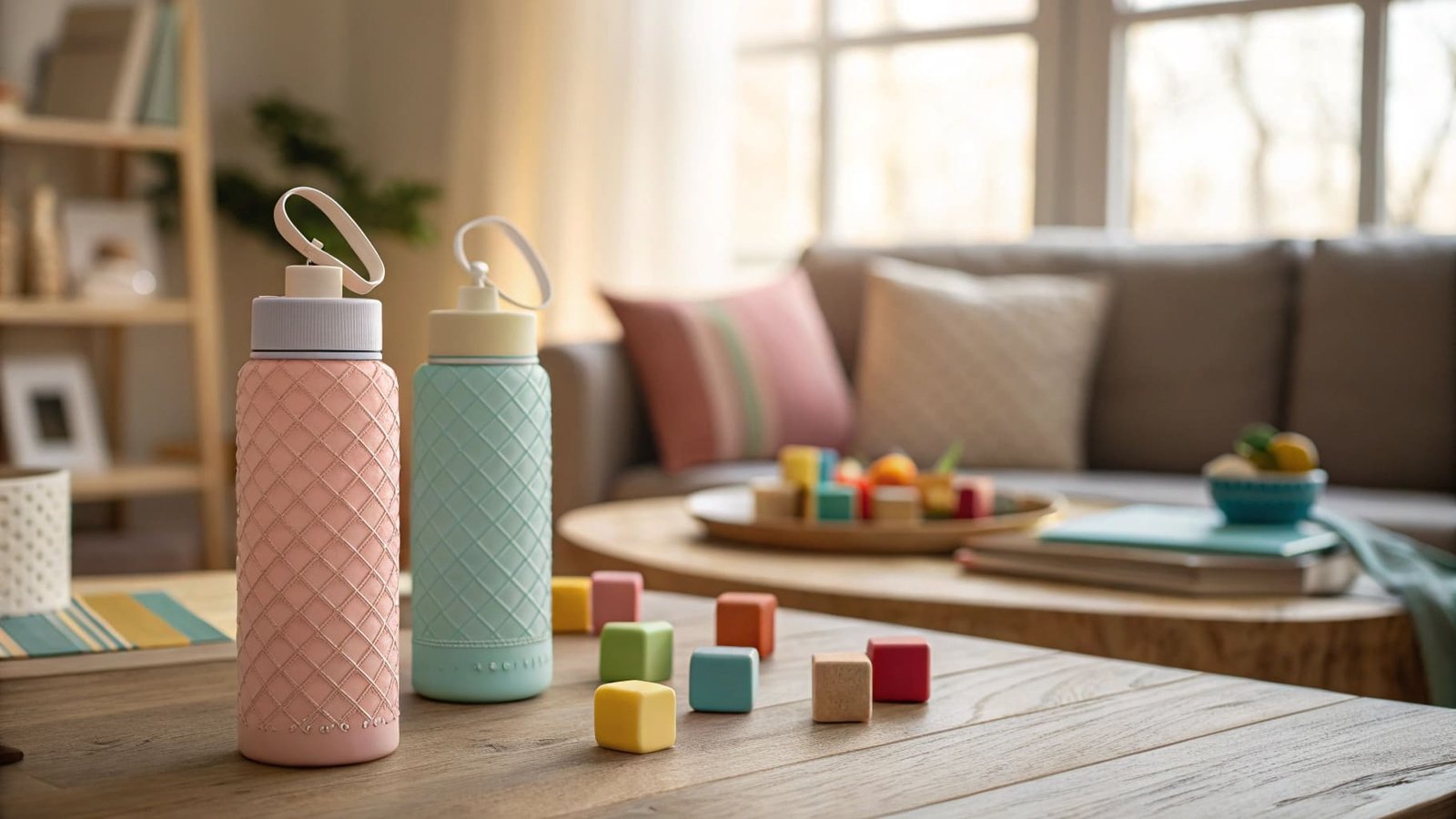
Critical Specification Differences
Let me show you the details that matter for silicone boot sourcing. I measure these specifications personally when developing new products for my clients:
Base Diameter Comparison
| Feature | Yeti 30oz | RTIC 30oz | Difference Impact |
|---|---|---|---|
| Base Diameter | 2.75 inches | 2.72 inches | Requires 0.03" tolerance |
| Base Curve | Gradual | Slightly sharper | Affects boot grip |
| Weight | 15.2 oz | 14.8 oz | Wall thickness varies |
The wall thickness difference matters more than most buyers realize. Yeti uses slightly thicker steel, which affects how tight the silicone boot fits. When I manufacture boots for clients, I design with a 3-5% stretch capacity. This allows one boot design to fit both brands without being too loose or too tight.
I also consider the bottom curvature. RTIC has a marginally sharper curve at the base edge. This means the silicone boot needs a specific internal angle to maintain grip on both brands. My factory uses a 15-degree internal angle that accommodates both curve profiles.
Here is my practical advice: if you plan to market boots for both brands, test samples with actual tumblers from both manufacturers. I send my clients three sample boots with different tolerance levels. They test on their actual inventory. This eliminates the guesswork and prevents the nightmare of 10,000 units that do not fit properly.
Who is Yeti's Biggest Competitor?
Understanding the competitive landscape changes your sourcing strategy completely. I have watched this market evolve significantly over the past five years. The answer affects which boot specifications you should prioritize.
Stanley currently ranks as Yeti's biggest competitor, capturing significant market share through viral social media marketing and fashion-forward designs. However, RTIC, Hydro Flask, Simple Modern, and ORCA all compete aggressively in different market segments.
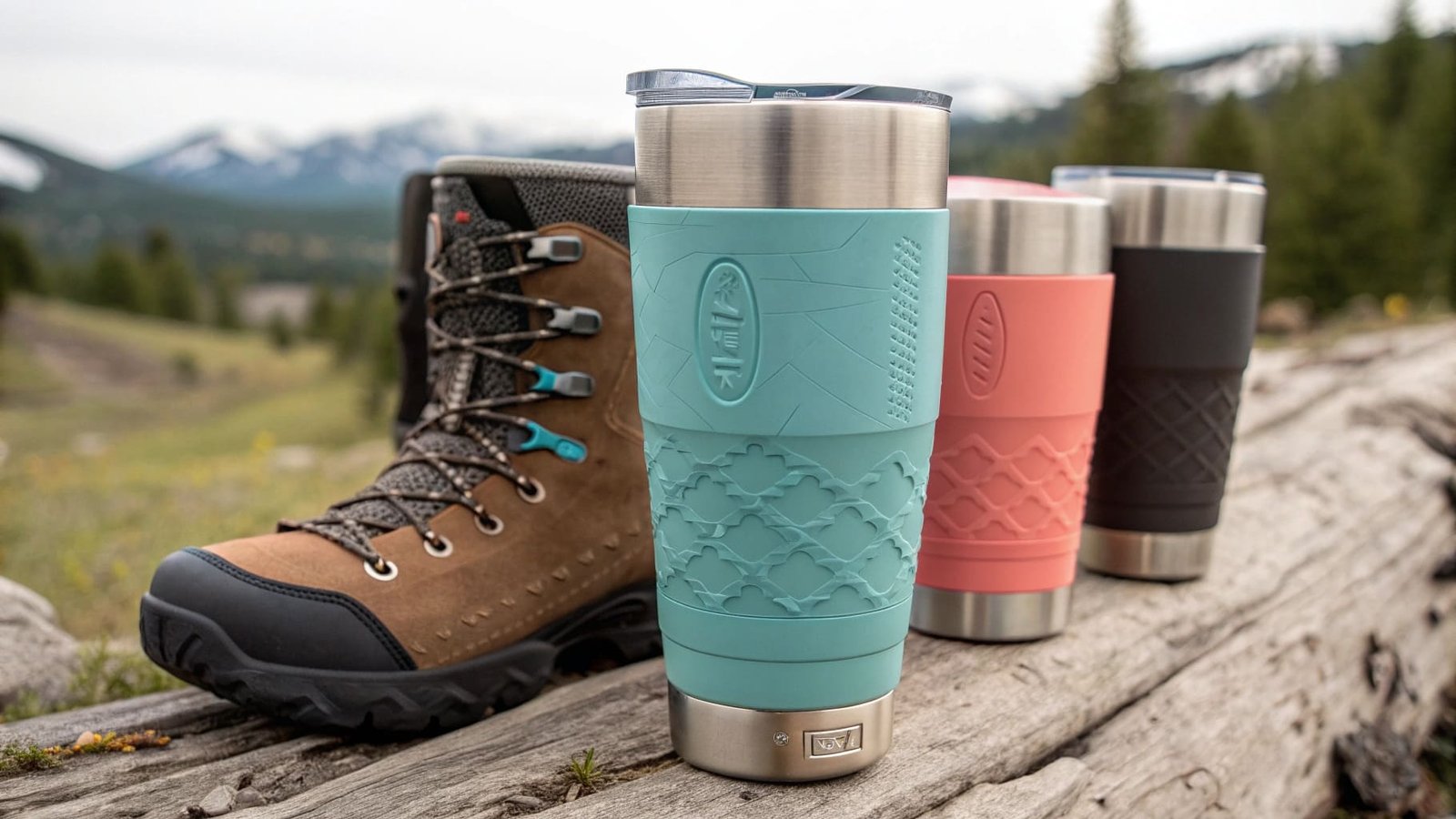
Market Position Analysis
I track these competitors closely because my clients need accessories that work across multiple brands. The competitive dynamics directly impact your product line decisions:
| Brand | Market Position | Target Customer | Price Point |
|---|---|---|---|
| Yeti | Premium leader | Quality-focused | High |
| Stanley | Fashion trendsetter | Social media users | Mid-high |
| RTIC | Value alternative | Budget-conscious | Mid |
| Hydro Flask | Active lifestyle | Athletes | Mid-high |
| Simple Modern | Budget quality | Family buyers | Low-mid |
Stanley surprised everyone in 2023 with their Quencher surge. I had clients scrambling to find compatible accessories. The lesson here is that competitor dynamics shift quickly. When you source silicone boots, you need a manufacturer who monitors these trends and adjusts specifications accordingly.
I recommend a multi-brand compatibility approach. Instead of sourcing separate boots for each brand, work with a manufacturer who can produce boots with adjustable fit technology. My factory developed a dual-density silicone design. The inner layer is softer for grip, while the outer layer is firmer for durability. This construction fits base diameters from 2.7 to 3.5 inches.
Competitor Feature Comparison
Each competitor emphasizes different features that affect boot requirements:
- Yeti focuses on durability, so boots need abrasion resistance
- Stanley targets style, so boots should offer color variety
- RTIC emphasizes value, so boots must balance quality and cost
- Hydro Flask serves athletes, so boots need anti-slip performance
When I work with buyers from Canada and the US, I help them identify which competitor segment their retail customers prefer. A buyer focusing on outdoor stores needs different boot specifications than someone selling through lifestyle boutiques. The technical requirements change based on end-user expectations.
I also watch certification requirements carefully. Yeti competitors often pursue different certifications. Some emphasize FDA food-grade silicone5, others focus on BPA-free claims. Your boot supplier needs to match the certification level of the tumblers your customers use. I maintain certifications for FDA, LFGB, and REACH compliance to cover all major markets.
Sourcing Strategy Recommendations
Based on competitor analysis, I suggest these sourcing priorities:
Priority 1: Universal Compatibility
Source boots that fit the most popular tumbler sizes across brands. The 20oz and 30oz sizes dominate the market. A boot that fits both Yeti and Stanley 30oz tumblers covers approximately 60% of the accessory market.
Priority 2: Quality Matching
Your boot quality should match or exceed the tumbler quality. If you sell to customers who buy premium Yeti tumblers, cheap boots damage your brand reputation. I use 100% food-grade silicone with shore hardness 50A for premium lines.
Priority 3: Certification Documentation
Competitors increasingly market their safety certifications. Your boots need matching documentation. I provide complete test reports and certificates with every order. This protects you if customers ask questions about material safety.
Priority 4: Flexible MOQ
Competitor popularity shifts rapidly. You need a supplier with reasonable minimum order quantities who allows mixed orders. I offer 500-piece MOQs with the option to split between different sizes and colors.
Conclusion
Finding reliable sources for trek tumbler silicone boots requires understanding brand compatibility, competitor dynamics, and quality standards that match your market position.
-
Understand the significance of quality control in sourcing to avoid costly mistakes and ensure customer satisfaction. ↩
-
This resource explains the relationship between sourcing decisions and customer satisfaction, crucial for your business. ↩
-
Explore the significance of silicone durometer ratings for ensuring the right balance of flexibility and grip. ↩
-
Discover the key differences between RTIC and Yeti tumblers to make informed sourcing decisions. ↩
-
Understand the advantages of FDA food-grade silicone for ensuring product safety and quality. ↩